
Guides
Practical guides from our engineers on choosing, sourcing and installing EV chargers.
Fleet & Heavy Vehicles ·
Fleet Driver Home Charging: Reimbursement Models
How companies pay for company-car and van charging at employees' homes: flat rate, metered reimbursement and managed chargers, compared in a table.
Distributors & Installers ·
Training Installers on a New EV Charger Brand
A training plan for installers who fit your EV charger brand: syllabus, hands-on session, commissioning record, tools, certification and how to keep quality up.
Certification & Compliance ·
EV Charger EMC Testing: Why Chargers Fail and How to Pass
What EMC testing for EV chargers covers (emissions and immunity), why chargers fail, how to prepare a sample and what to check in the test report.
Installation & Power ·
Mounting a Wall EV Charger: Brick, Block, Concrete, Plasterboard and Posts
How to fix a wall-mounted EV charger on brick, block, concrete, plasterboard, cladding or a post: fixings, height, cable entry and common mistakes.
Portable & Mobile Charging ·
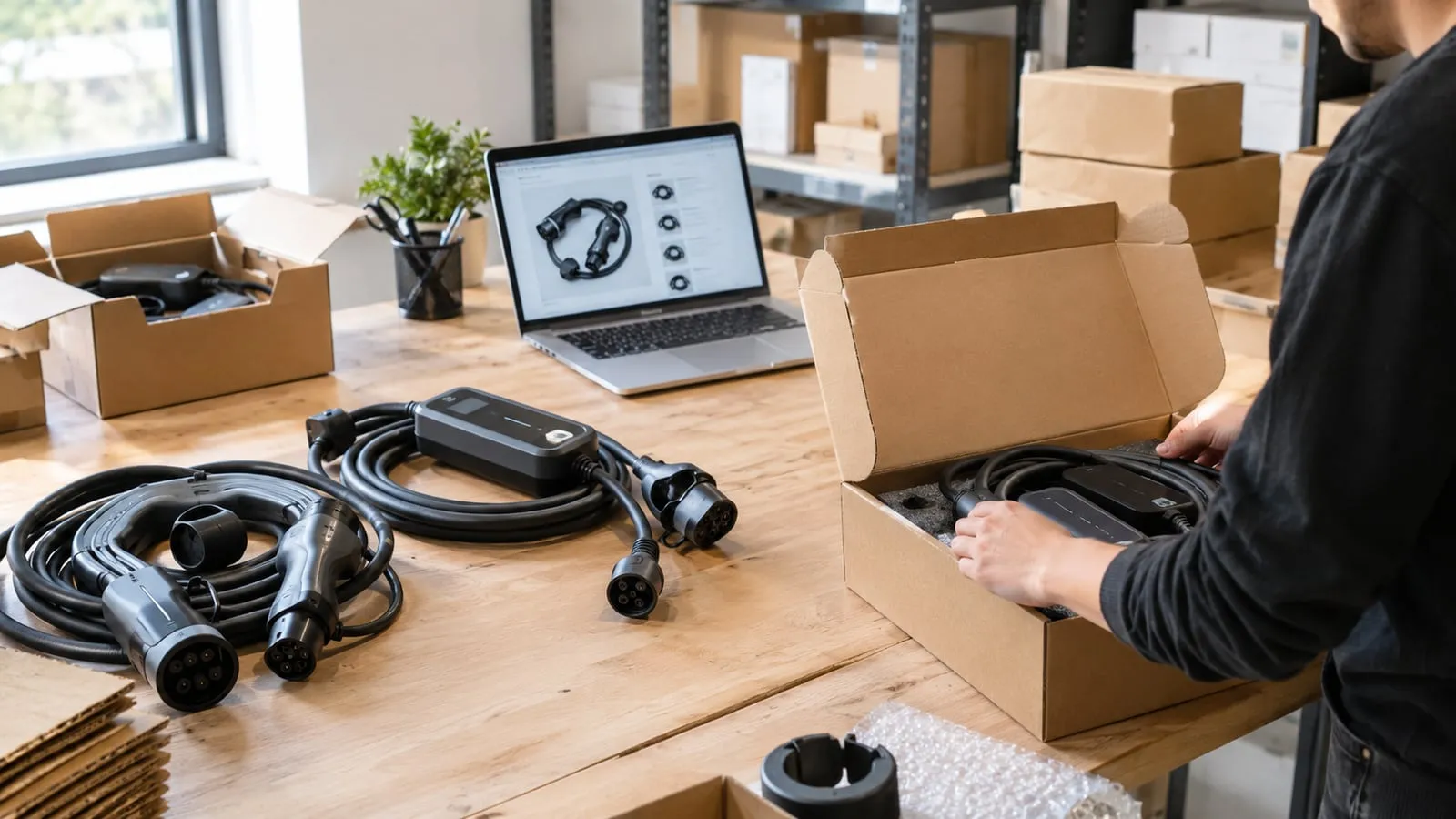
Selling Portable EV Chargers Online: Compliance, Listings and Returns
What an online seller needs for portable EV chargers: marking and documents, safe listings, plug variants, returns, warranty handling and marketplace rules.
Markets ·
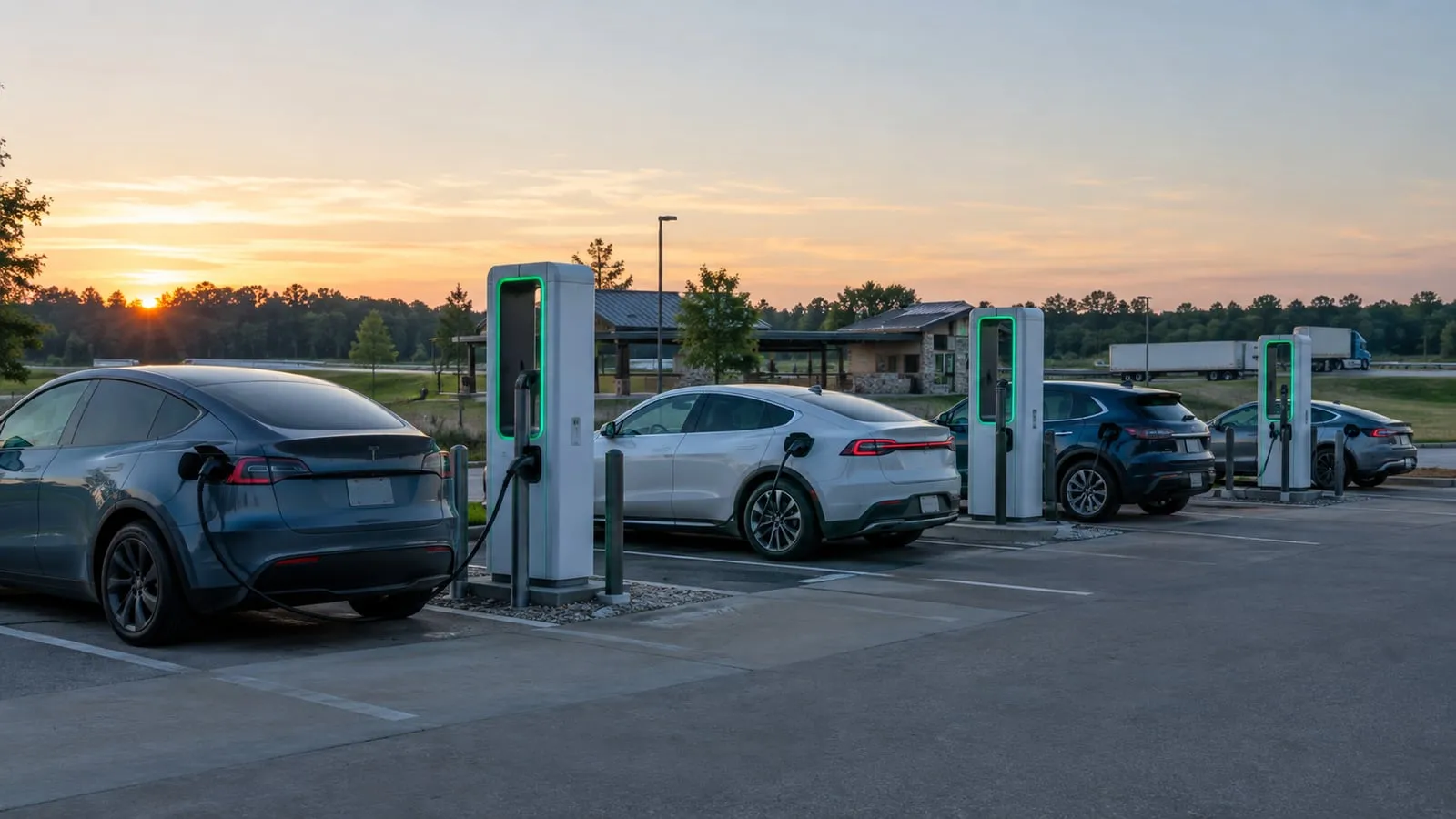
US NEVI Charger Requirements: A Buyer's Summary
A buyer's summary of the US NEVI charger rules: ports, power, uptime, connectors, communication, Buy America and payment. Confirm the current text.
OEM & Private Label ·
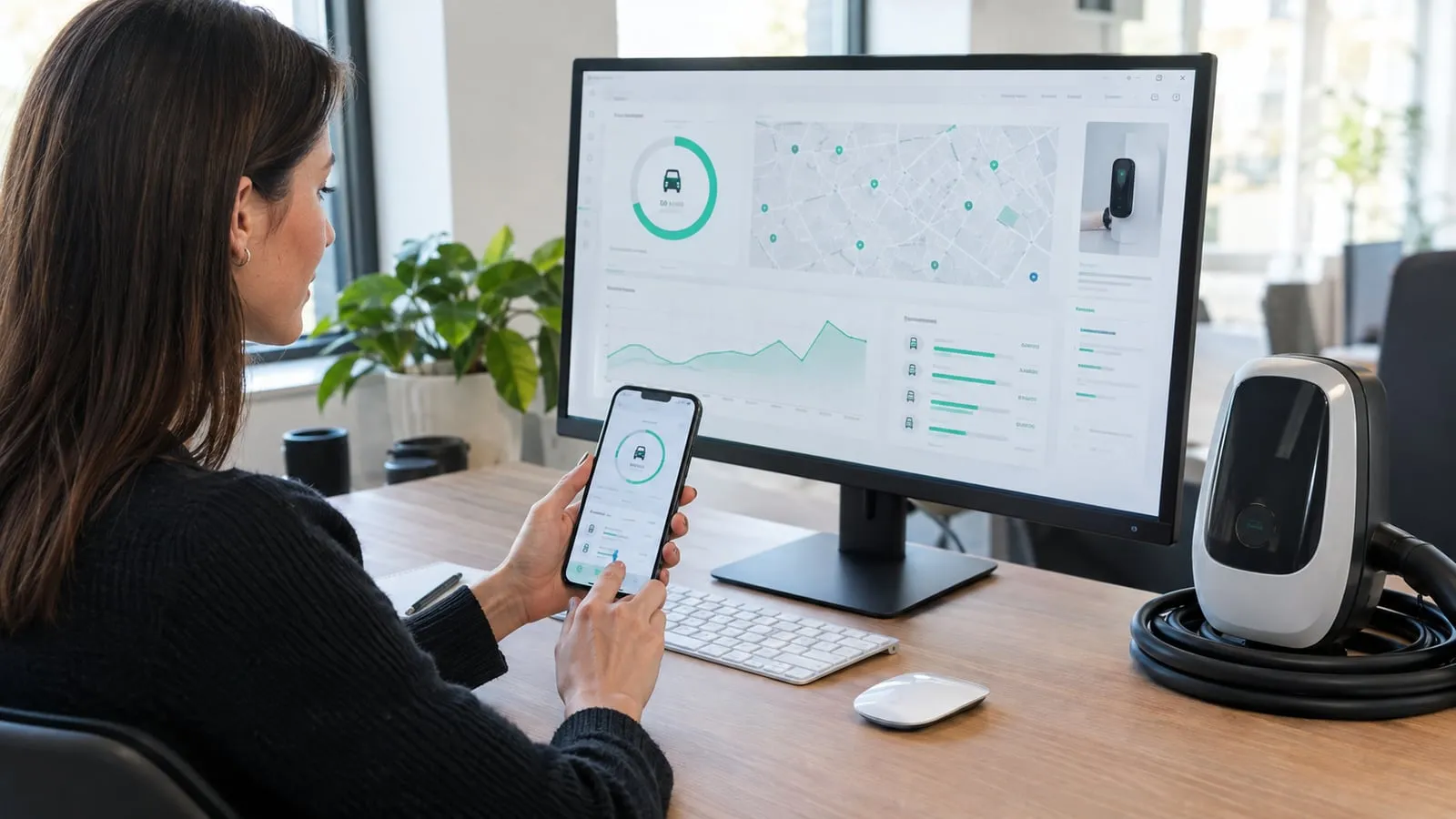
White-Label Charging App and CPMS: How to Choose a Partner
What a white-label charging app and CPMS give an EV charger brand, what to compare in a partner, who owns the data and how to avoid lock-in.
Sites & Applications ·
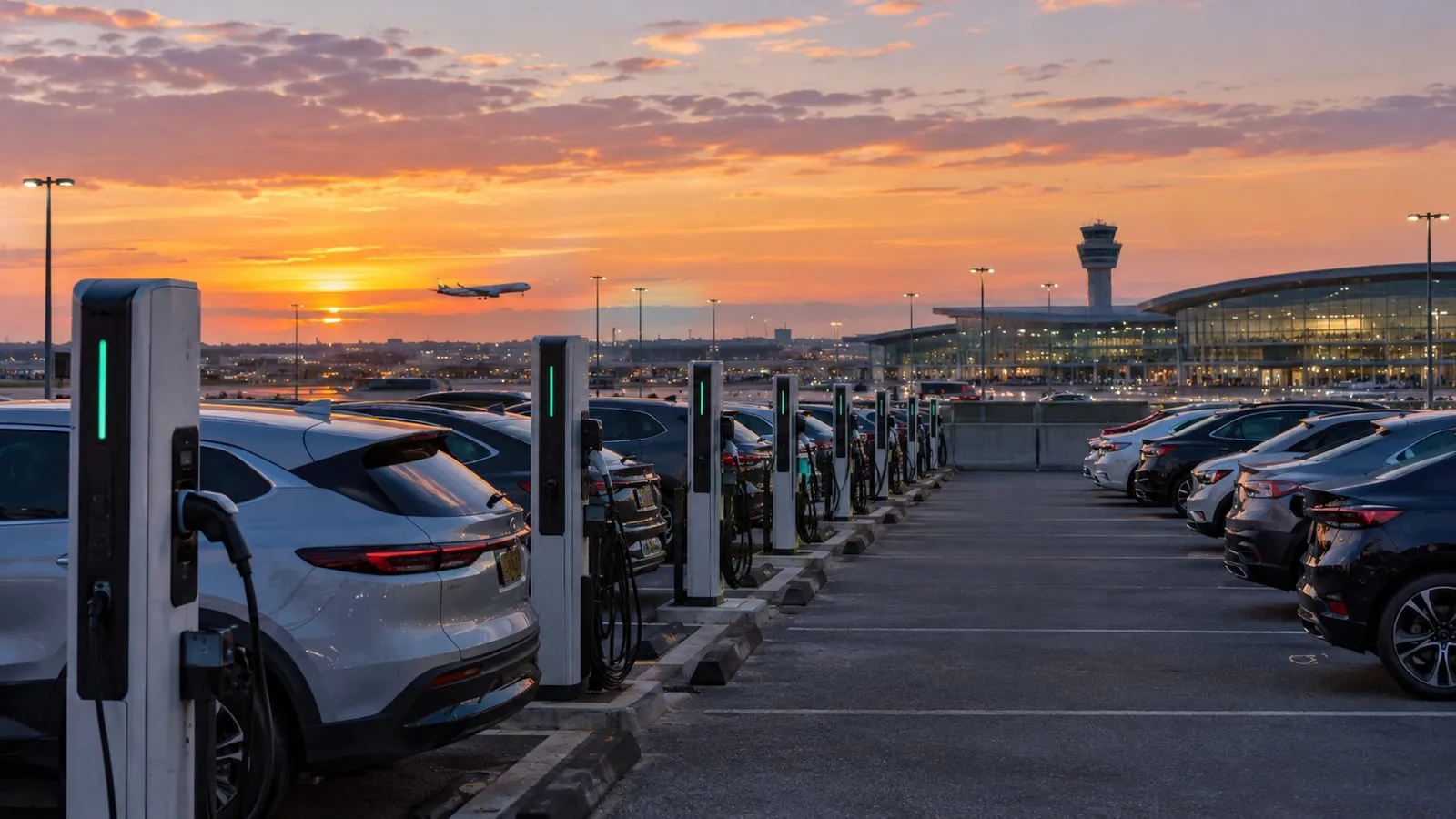
EV Charging at Airports and Long-Stay Car Parks
How to plan EV charging for airport and long-stay parking: dwell times, AC versus DC, load management, rental cars, payment and a bay-count method.
Charging Business ·
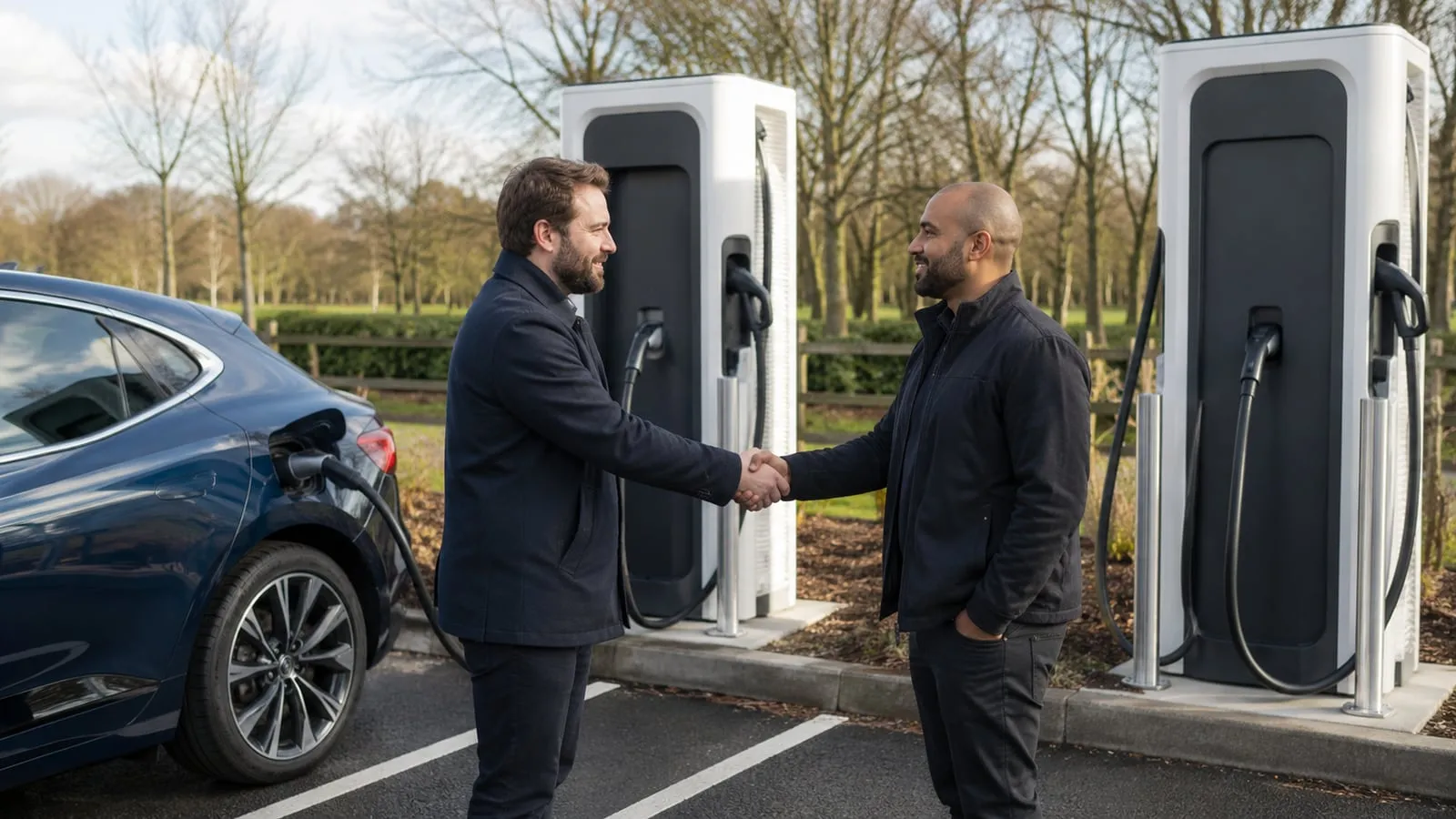
Revenue Sharing Models With Site Hosts for EV Charging
How charging operators and landowners share income: fixed rent, revenue share, energy pass-through and hybrid deals, with a worked example.
DC Fast Charging ·
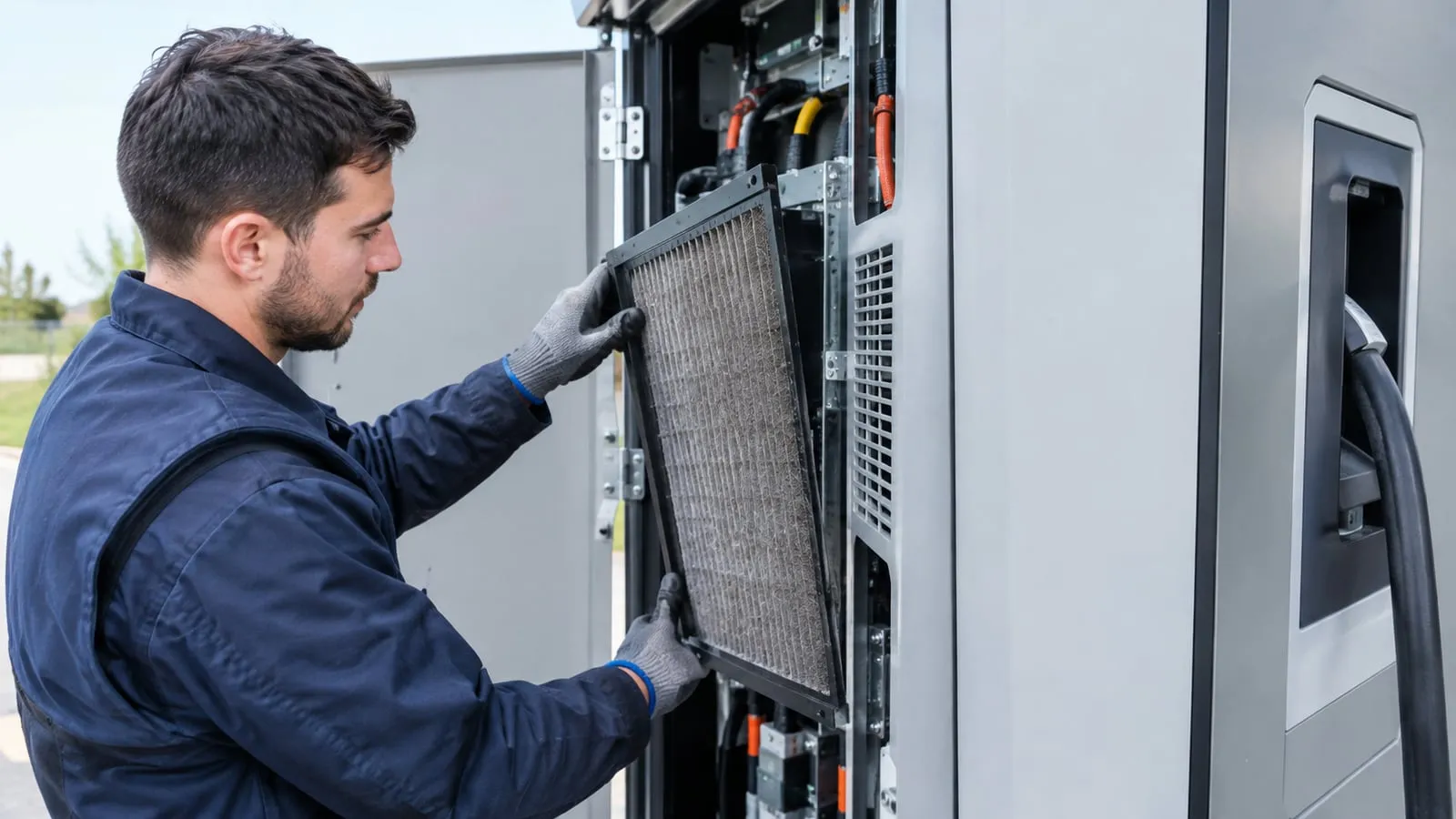
DC Charger Cabinet Cooling: Air Paths, Filters and Cleaning
How air-cooled DC fast chargers move air through the cabinet, why filters and clearance matter in dusty or hot sites and a cleaning schedule to start from.

Charging Business ·
EV Charging Station Operating Costs: Energy, Maintenance, Connectivity and Fees
The running costs of a charging site: electricity and demand charges, maintenance, connectivity, software, payment fees, insurance and rent, with a worksheet.
Connectors & Protocols ·
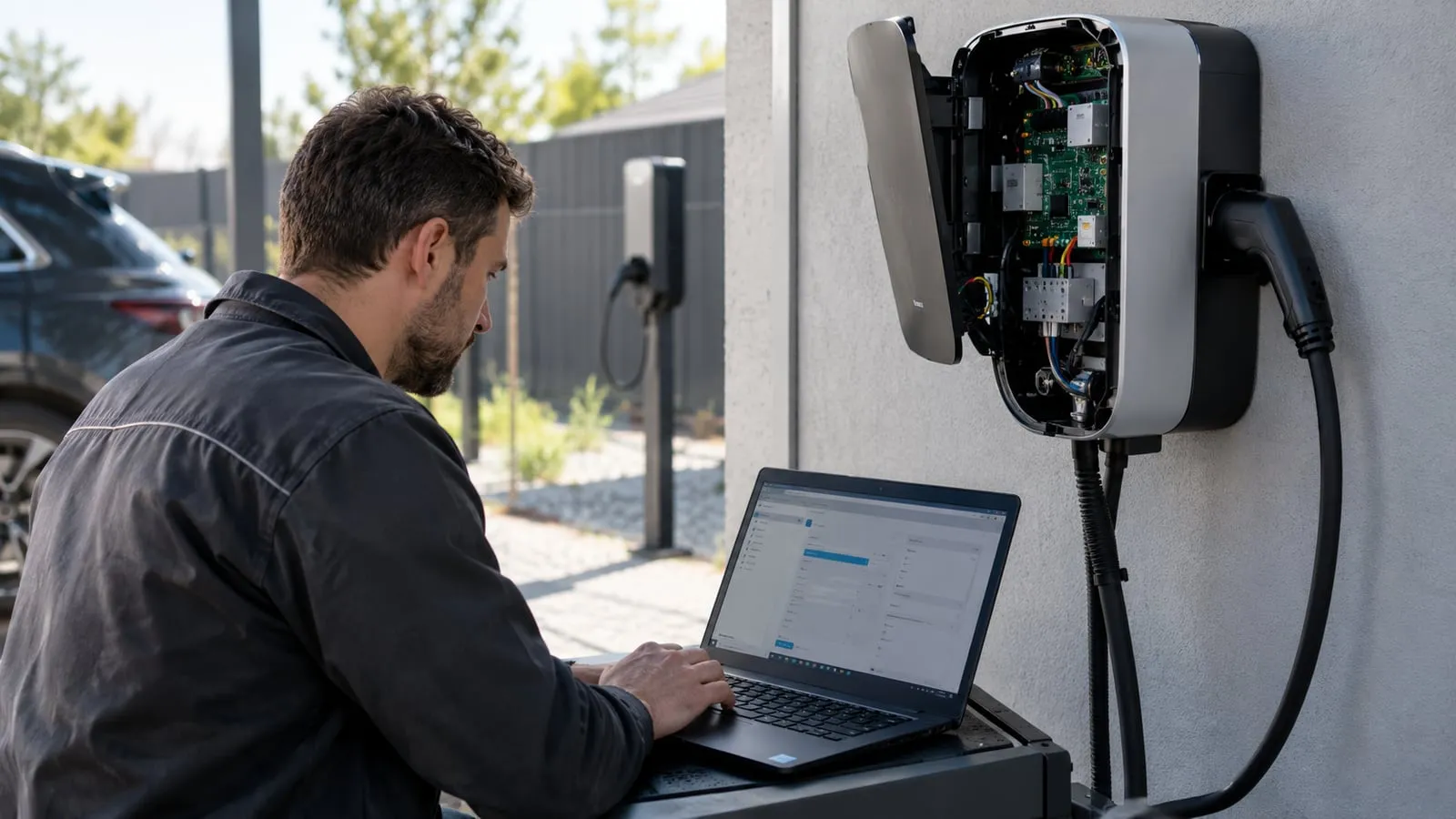
Migrating EV Chargers Between CPMS Platforms: A Practical Plan
How to move OCPP chargers from one charge point management platform to another: what to prepare, the cut-over steps, data to export and what can go wrong.
Certification & Compliance ·
EV Charger Operating Temperature Range: How to Read the Rating
What the operating temperature range on an EV charger data sheet means, how it differs from derating and storage limits, and what to ask for hot sites.
Sites & Applications ·
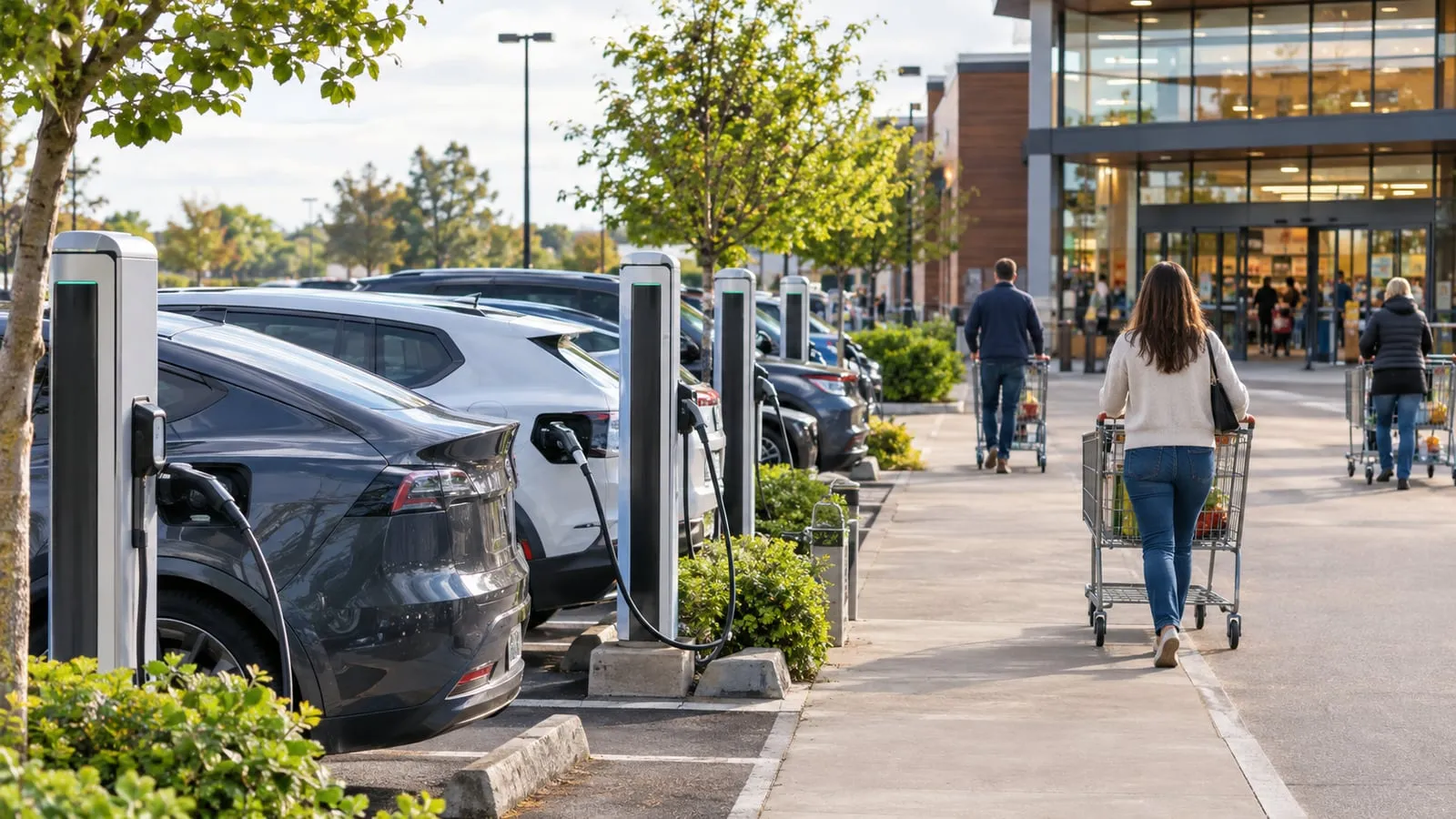
EV Charging at Supermarkets and Grocery Stores
How many chargers a supermarket car park needs, AC or DC, how long shoppers stay, who pays for the energy and what to ask a charger supplier.

Sourcing from China ·
Pre-Shipment Inspection for EV Charger Orders: Who, What and When
How to plan a pre-shipment inspection for EV chargers: when to inspect, which checks to run, sample sizes, who pays and what to do with a failed lot.
AC Charging ·
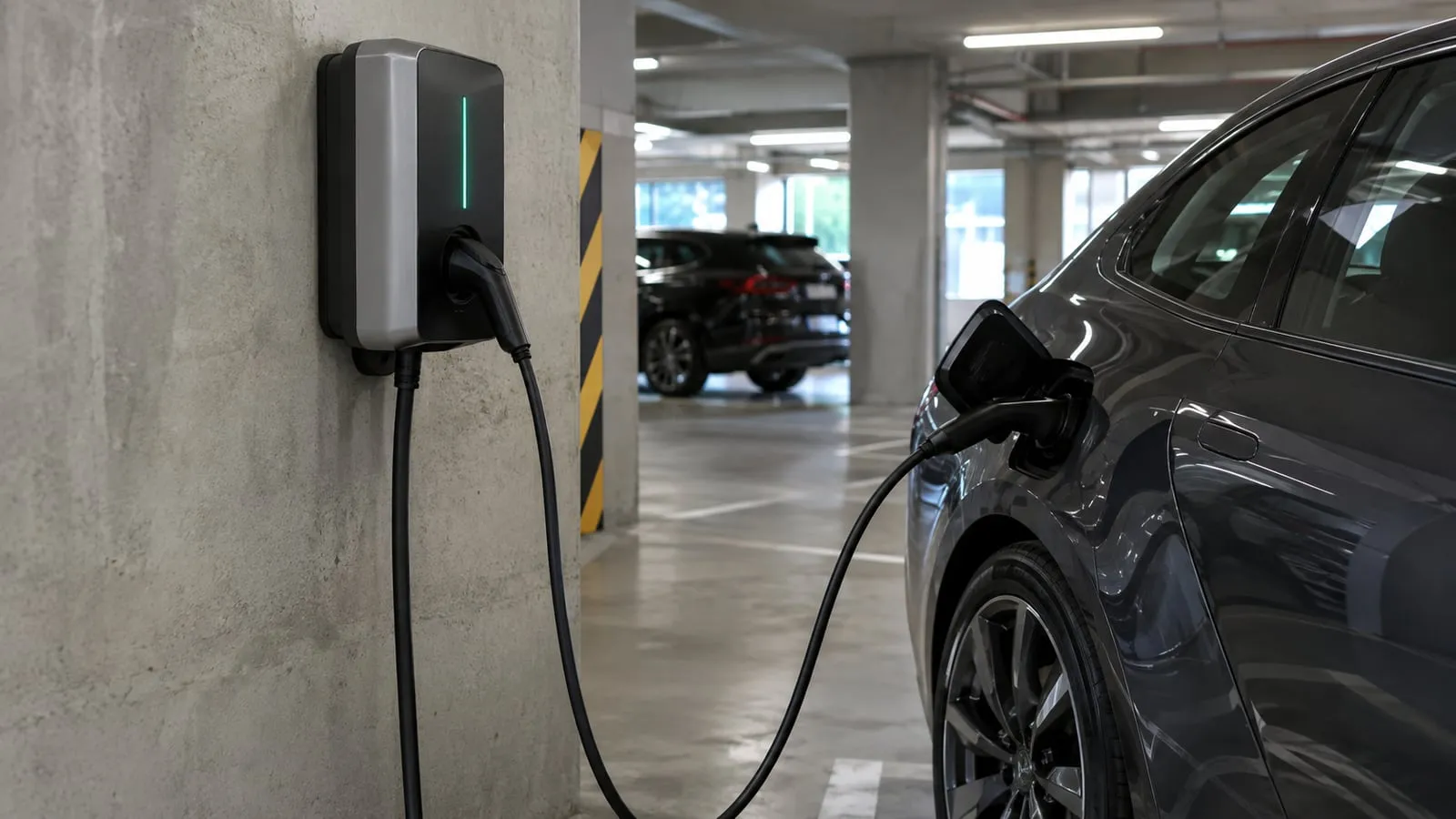
22 kW AC Charger: Who Actually Needs It
A 22 kW AC charger needs a three-phase supply and a car that accepts 22 kW. Who benefits, who does not and what to choose instead, with supply and cost points.
DC Fast Charging ·
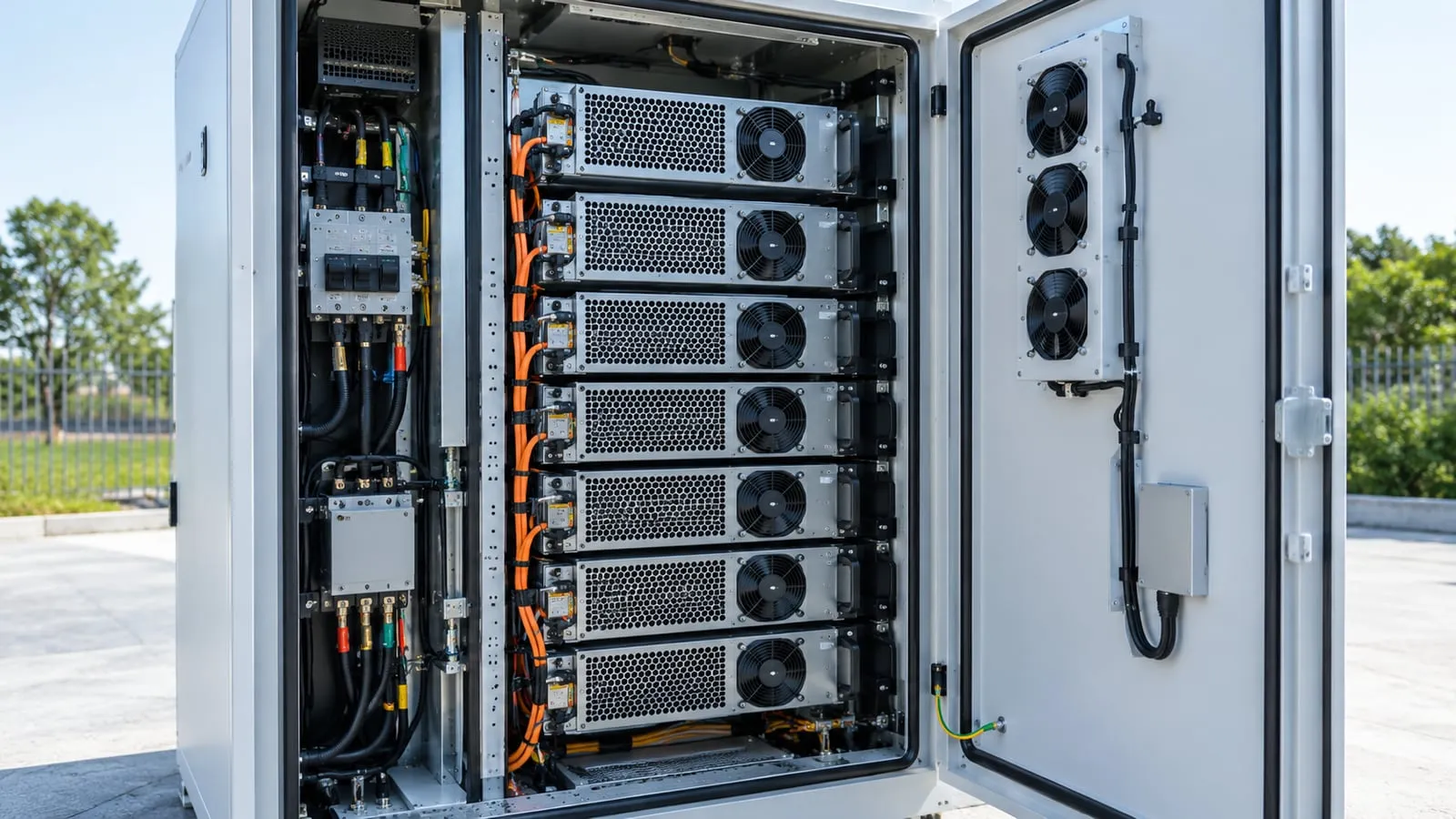
DC Charger Architecture: Power Cabinet, Dispensers and Modules
How DC fast chargers are built: power modules, cabinet, dispensers, cooling and control. Integrated and split designs and what they mean for sizing and service.
Connectors & Protocols ·
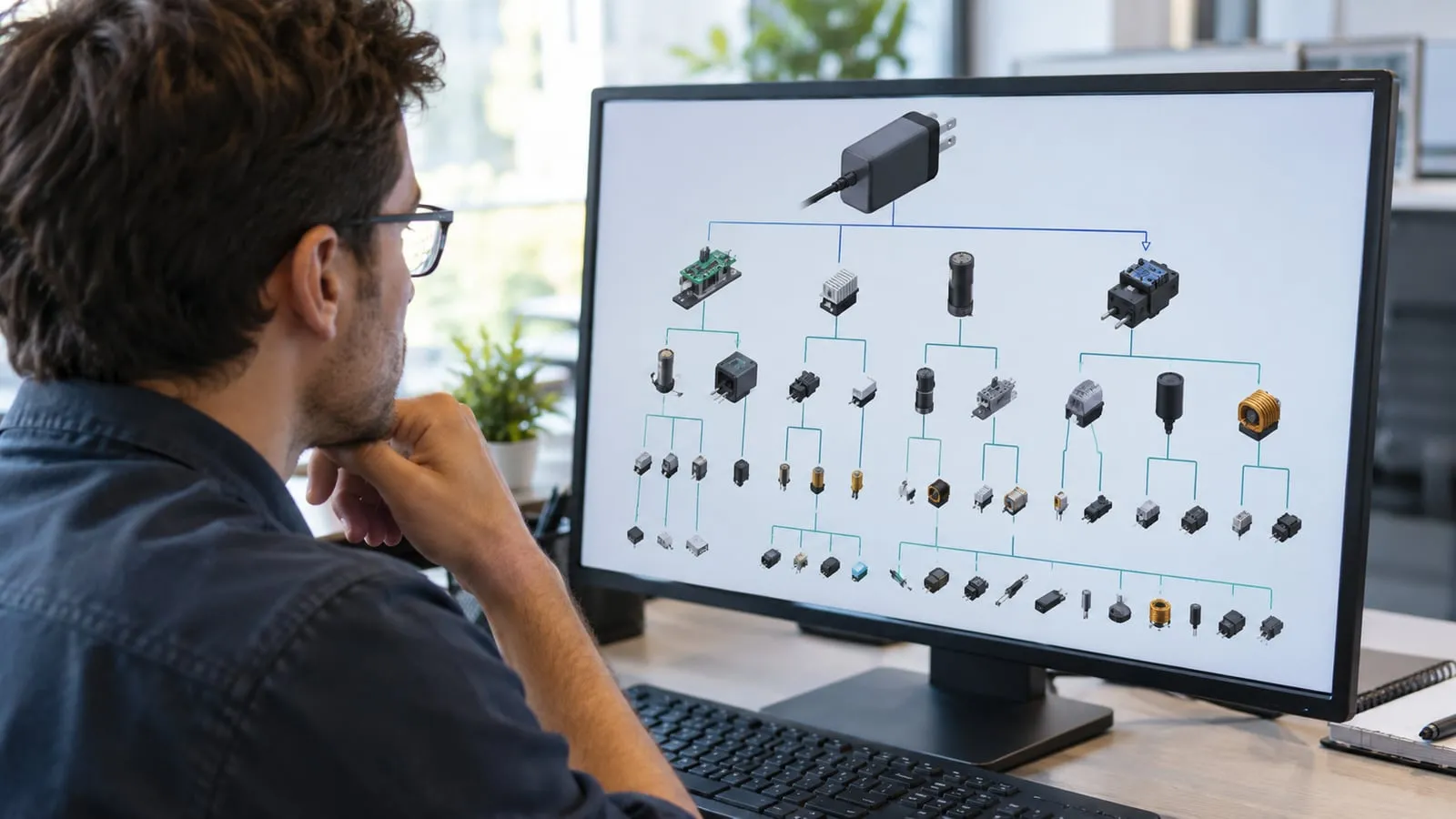
OCPP 2.0.1 Device Model: What Buyers Need to Know
The OCPP 2.0.1 device model describes a charger as components and variables. What it enables for configuration and monitoring and what to ask a supplier.

Distributors & Installers ·
Stocking Strategy for EV Charger Distributors
How much EV charger stock should a distributor hold? Fast movers, lead times, spare parts, cash flow and how to avoid dead stock when models or firmware change.
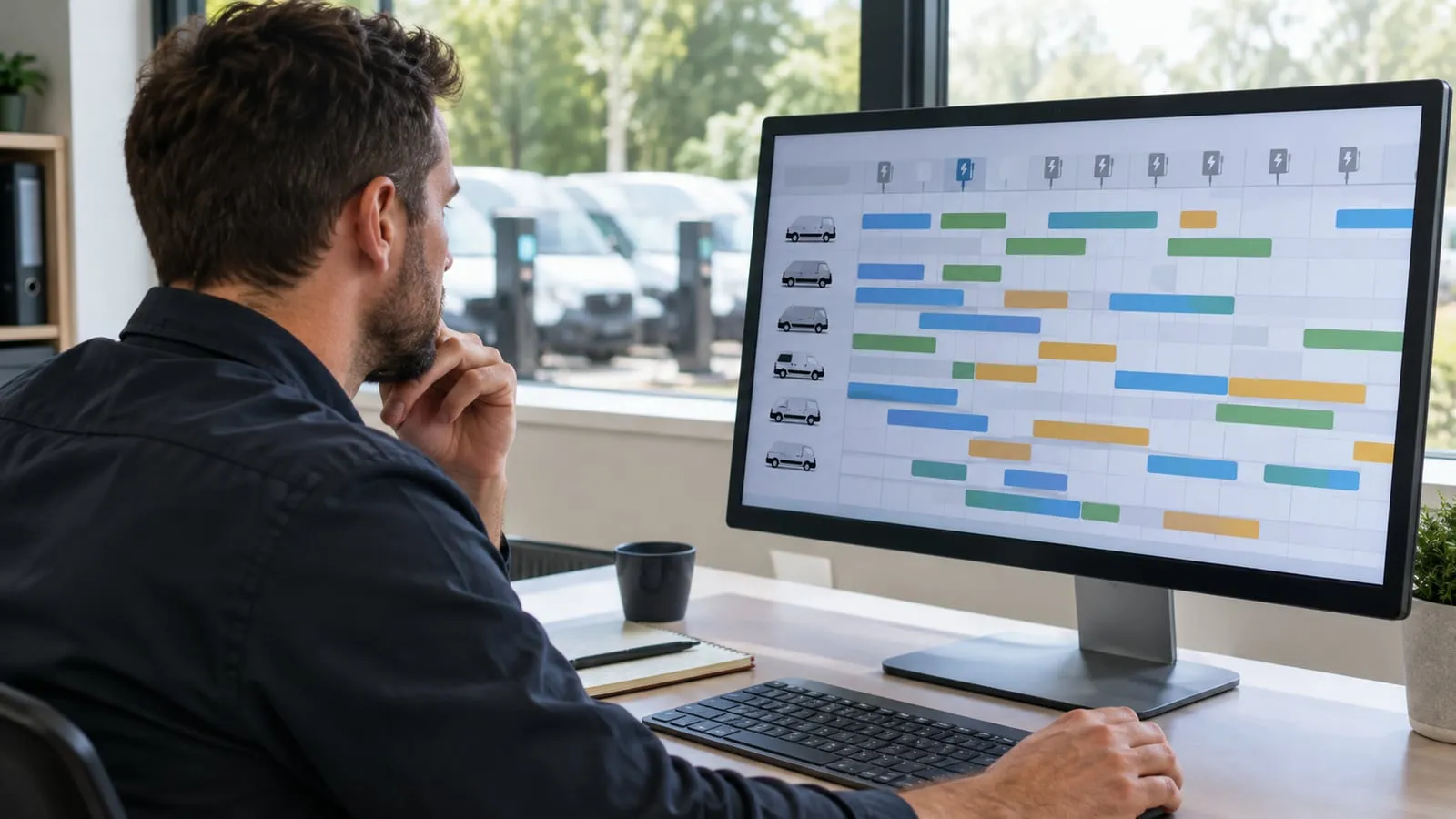
Fleet & Heavy Vehicles ·
Fleet Charging Software: Scheduling and Cost Allocation
What fleet charging software should do: schedule around shifts and tariffs, balance load, identify drivers, allocate cost per vehicle and export reports.

Certification & Compliance ·
RoHS, REACH and WEEE for EV Chargers: What Importers Must Know
RoHS, REACH and WEEE affect EV chargers sold in the EU: hazardous substances, chemicals and electronic waste. What importers should ask suppliers to provide.

OEM & Private Label ·
Packaging, Labels and Manuals for Private-Label EV Chargers
What packaging, rating labels and manuals a private-label charger needs: artwork, languages, marks, barcodes, approval steps and the mistakes to avoid.
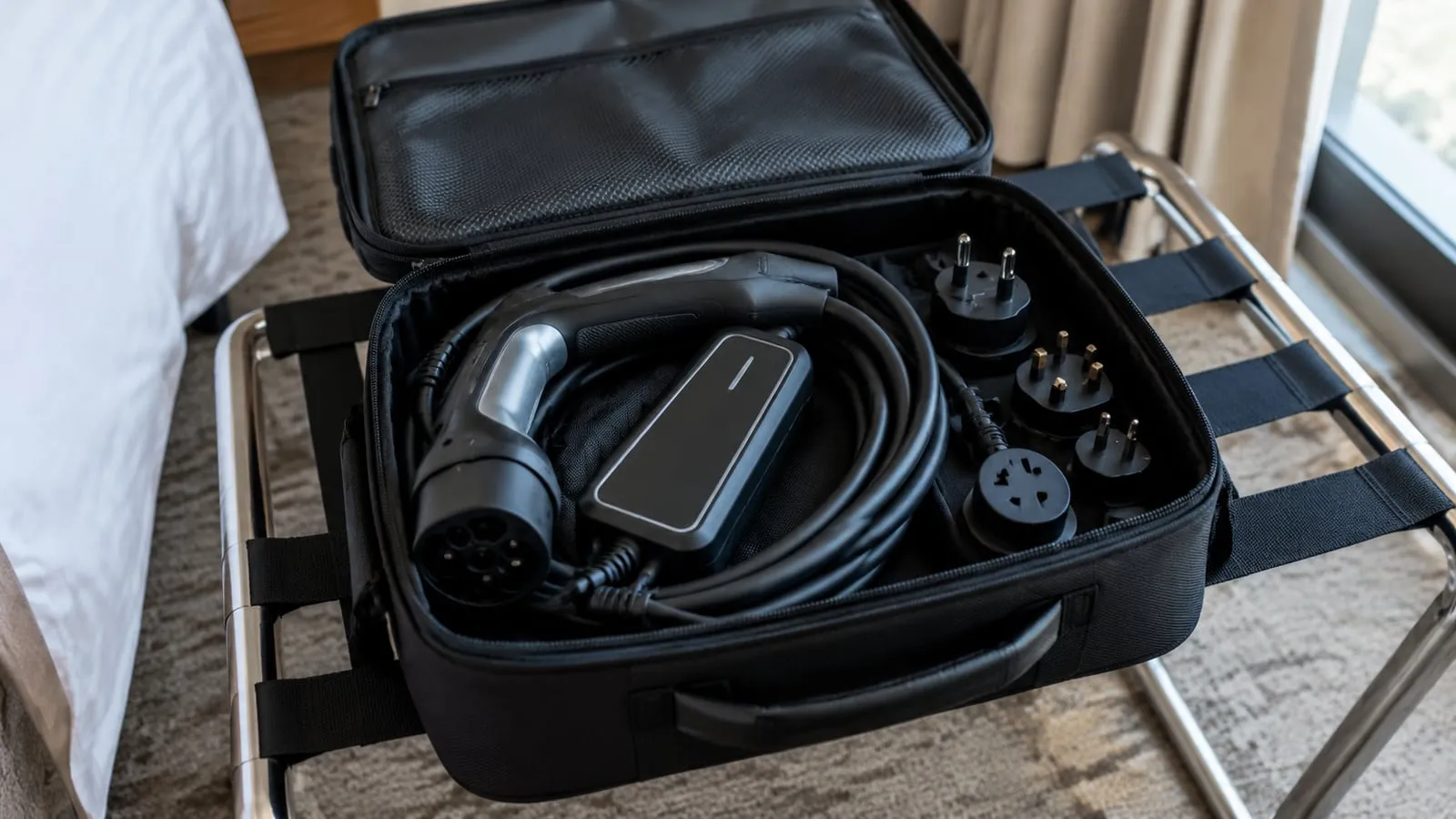
Portable & Mobile Charging ·
Travelling With a Portable EV Charger: Adapters and Rules
Taking a portable EV charger abroad: voltage and frequency, rated plug adapters, socket condition, safe current settings and the local rules to check first.
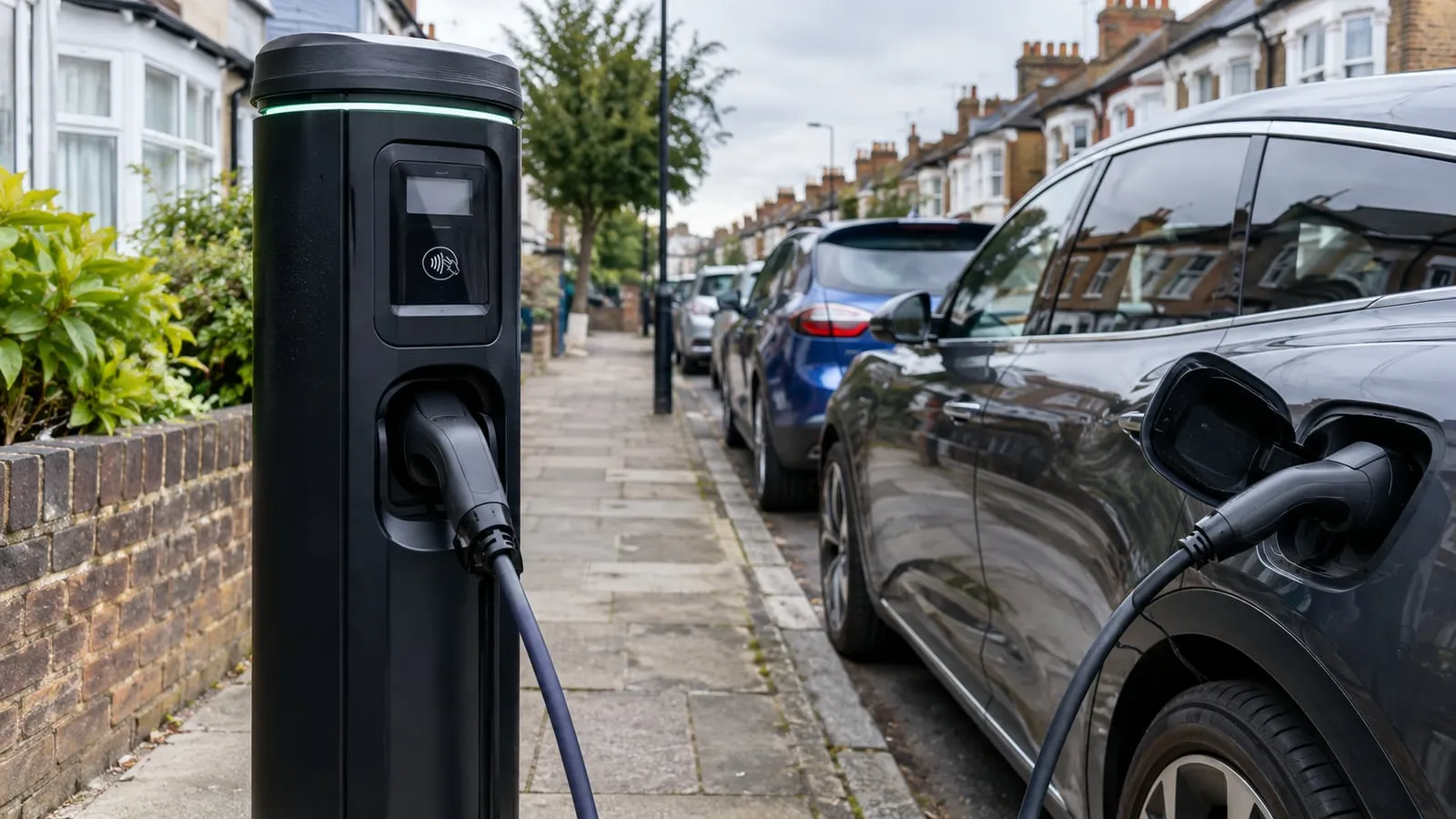
Markets ·
UK Public Charge Point Regulations 2023: A Buyer's Summary
A buyer’s summary of the UK Public Charge Point Regulations 2023: payment, pricing, reliability, data and helpline duties, and what they mean for chargers.
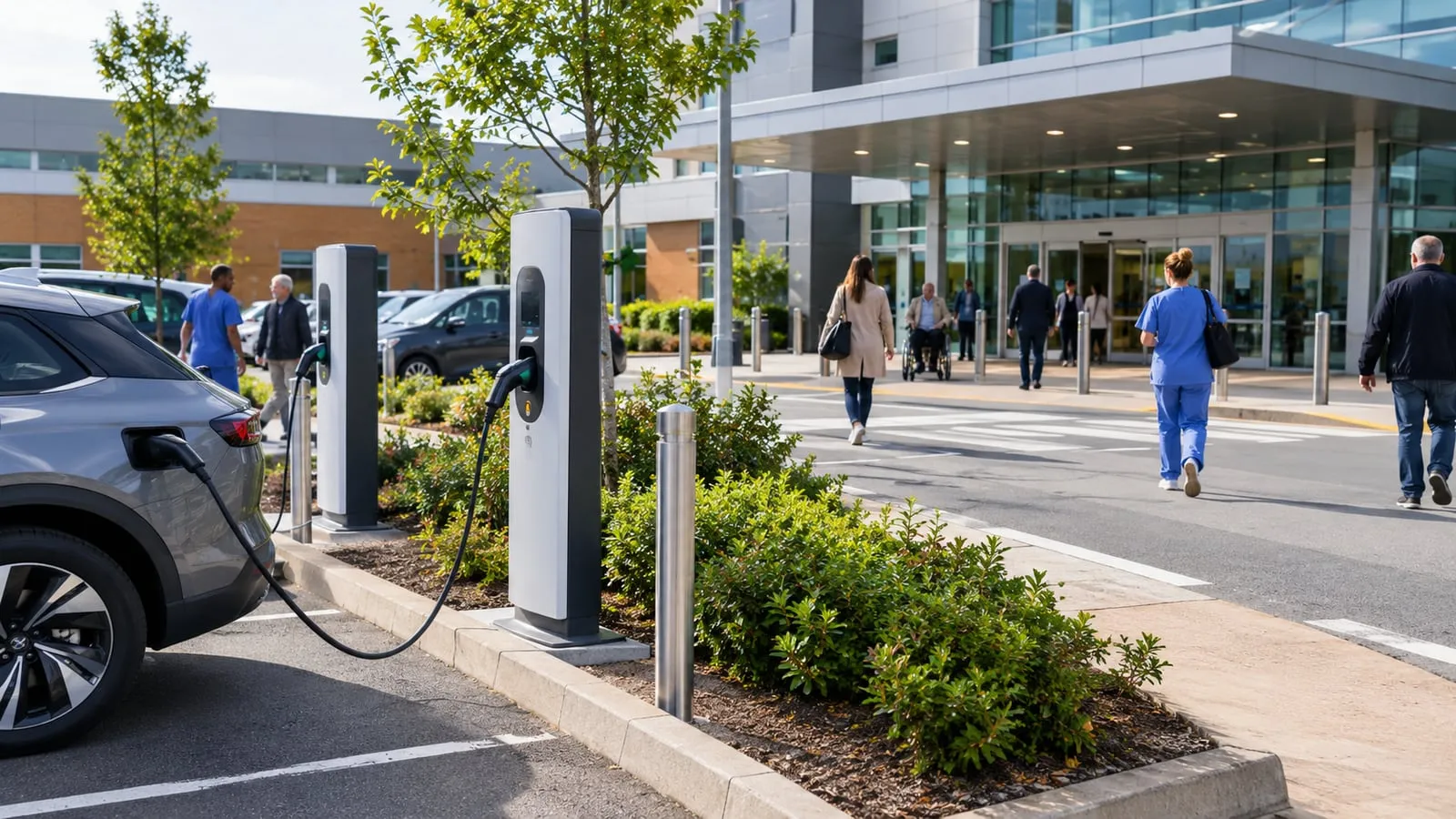
Sites & Applications ·
EV Charging at Hospitals and Healthcare Sites
Hospitals serve staff, patients and visitors with different stays. How to mix AC and DC, reserve bays, share a tight supply and keep charging reliable.

Charging Business ·
EV Charging Station Insurance and Liability
What insurance an EV charging site may need (property, public liability, equipment, cyber, business interruption) and how liability is shared between parties.
Connectors & Protocols ·
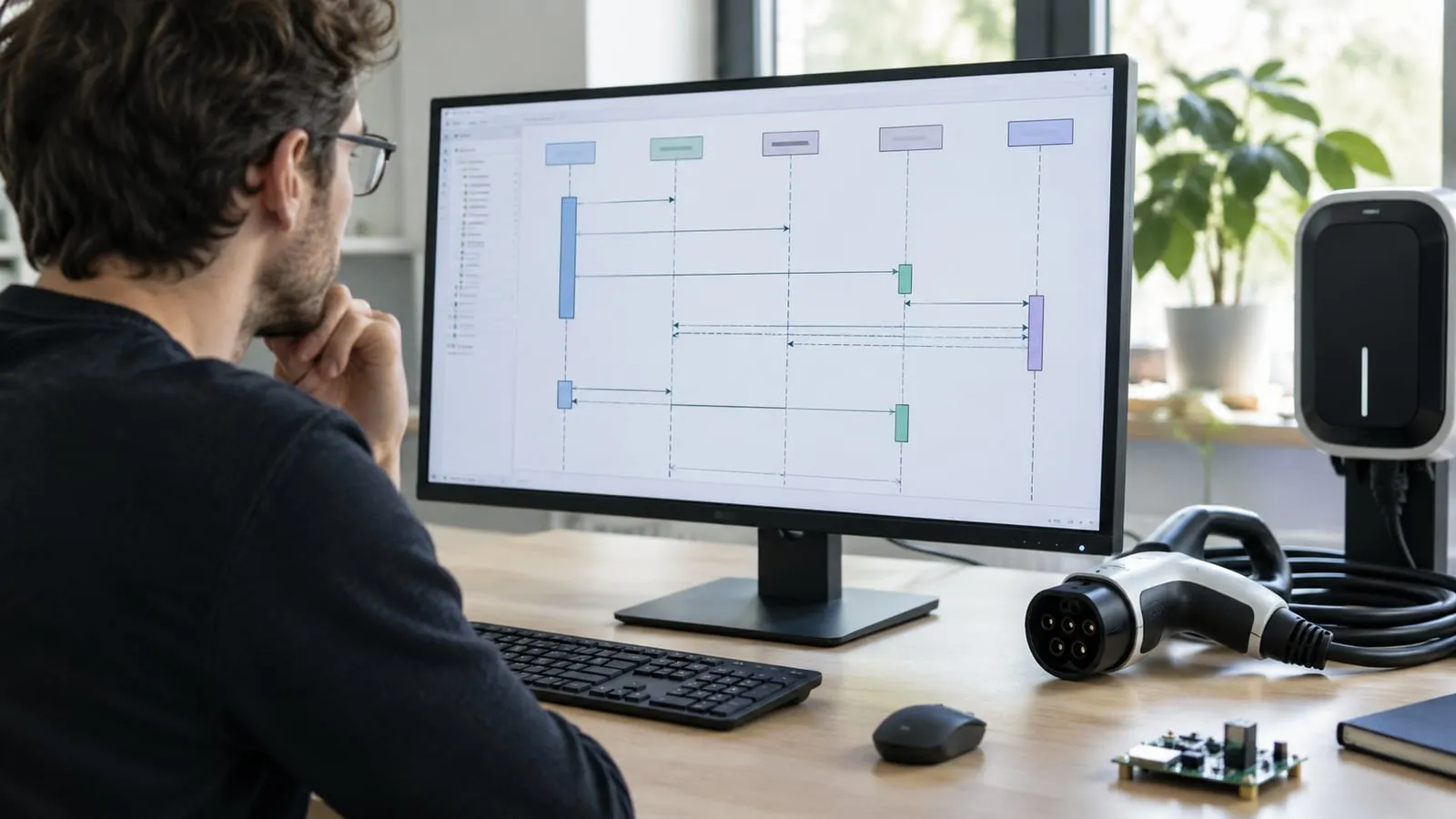
OCPP Message Flow: From Plug-In to Stop Transaction
Follow an OCPP 1.6J session message by message: Authorize, StartTransaction, MeterValues and StopTransaction, plus how to test it and read the logs.
DC Fast Charging ·
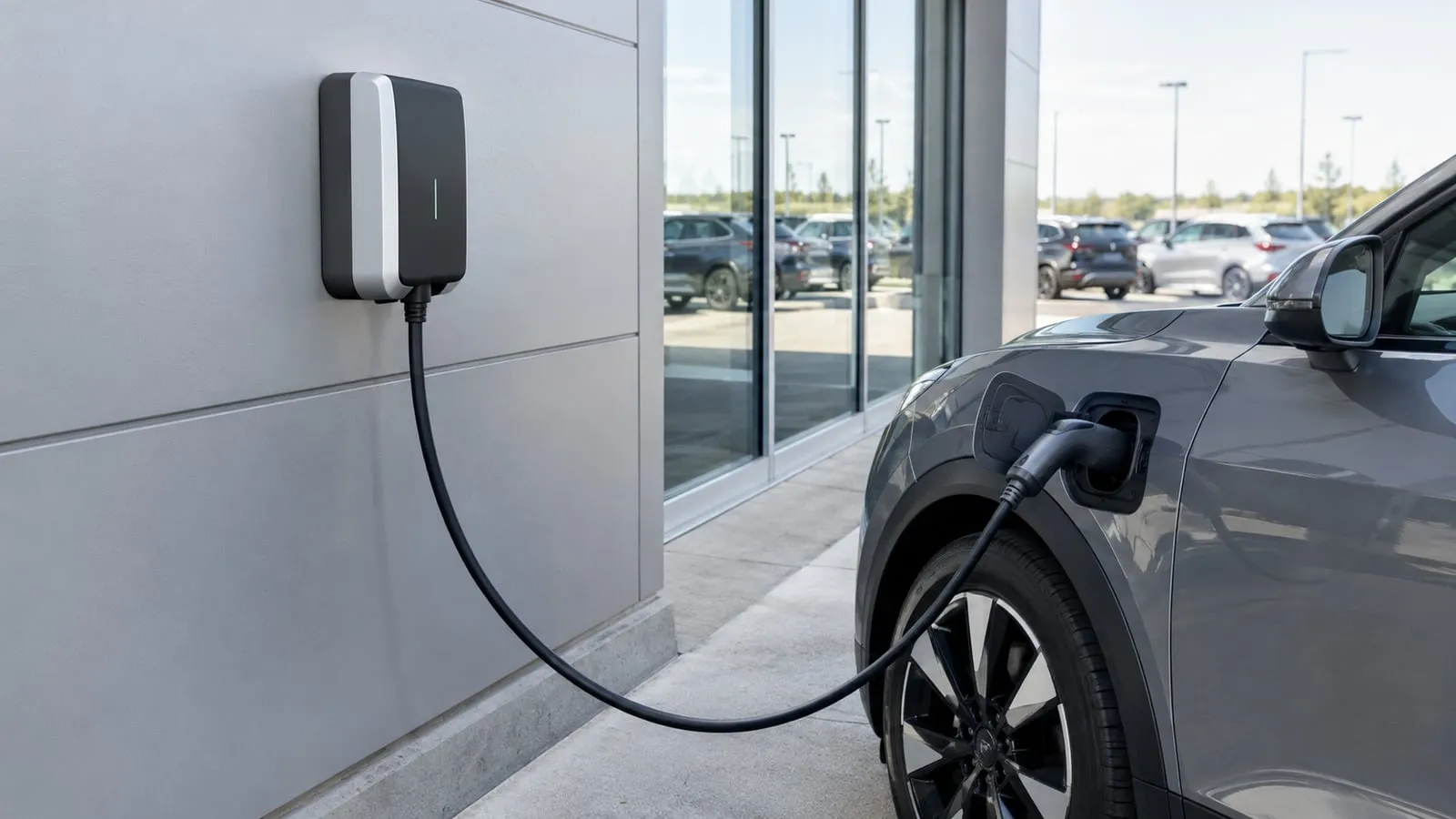
30 kW and 40 kW DC Chargers: Where They Fit
30 and 40 kW DC chargers suit sites with limited supply and stays of one to two hours. Charging times, supply sizes, typical sites and where they are too slow.
AC Charging ·
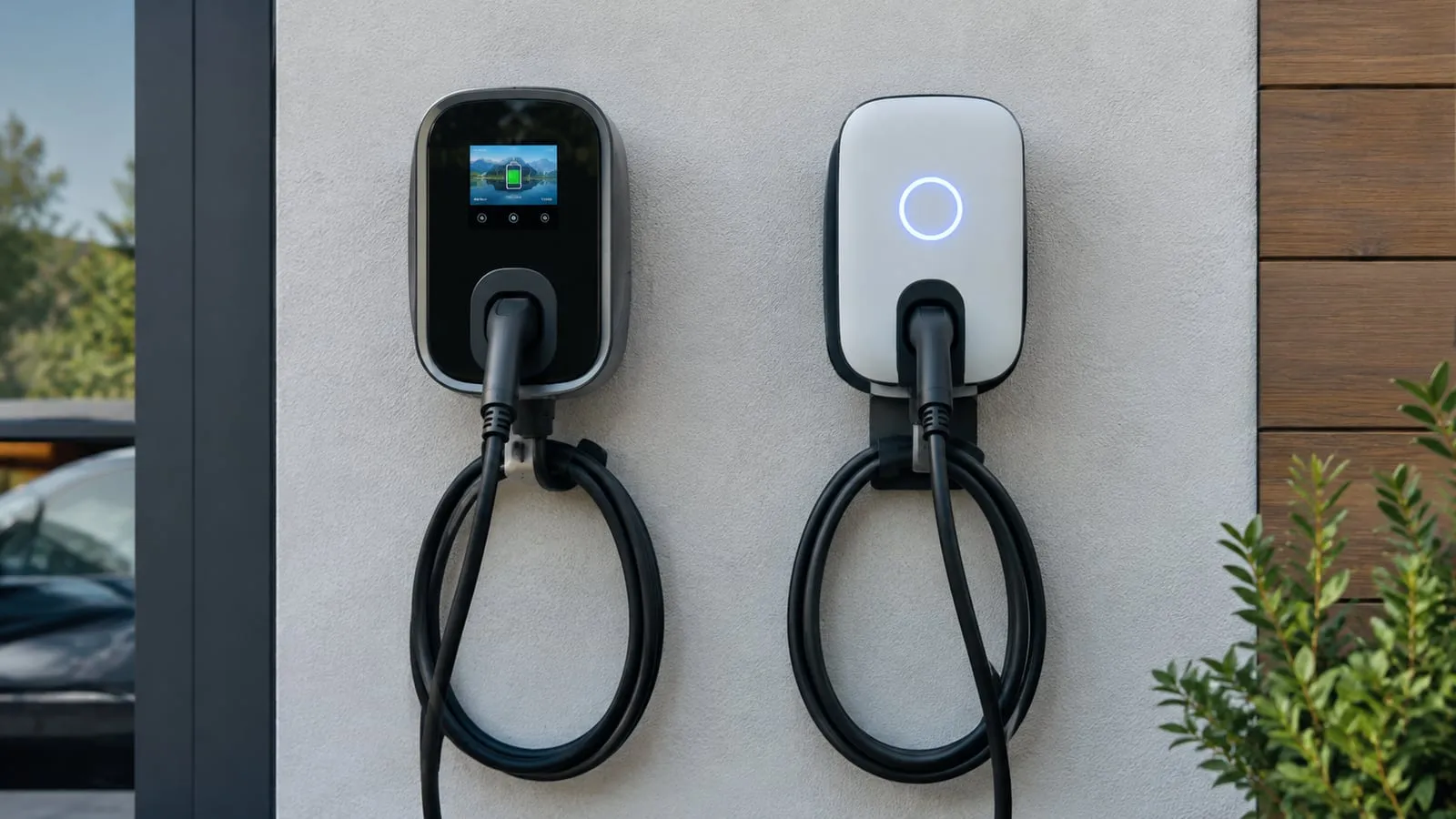
AC Charger With Display or Without: Is the Screen Worth It?
Does an AC EV charger need a screen? Compare LED-only and LCD models on cost, usability, support calls, vandalism and payment, and see which sites benefit.

AC Charging ·
EV Charger Cable Length: 5 m vs 7 m and What Fits Your Bay
How to choose the cable length for a tethered AC charger: bay layout, inlet position, handling, tripping risks and when a longer cable is a mistake.
Fleet & Heavy Vehicles ·
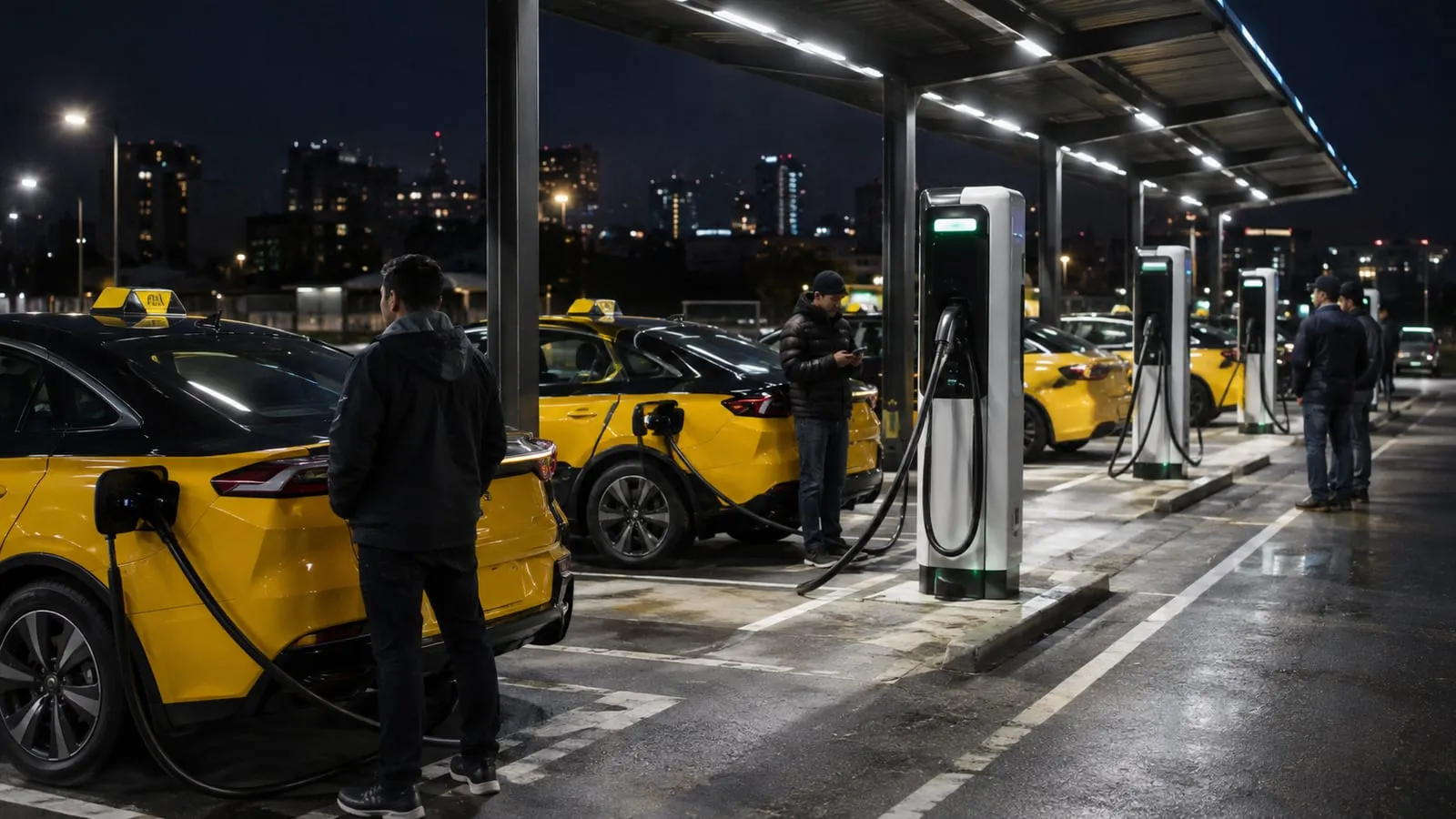
Charging Hubs for Taxis and Ride-Hailing Drivers
Design a charging hub for taxis and ride-hailing: high utilisation, DC power, queue management, uptime, location, amenities and driver payment.
Distributors & Installers ·
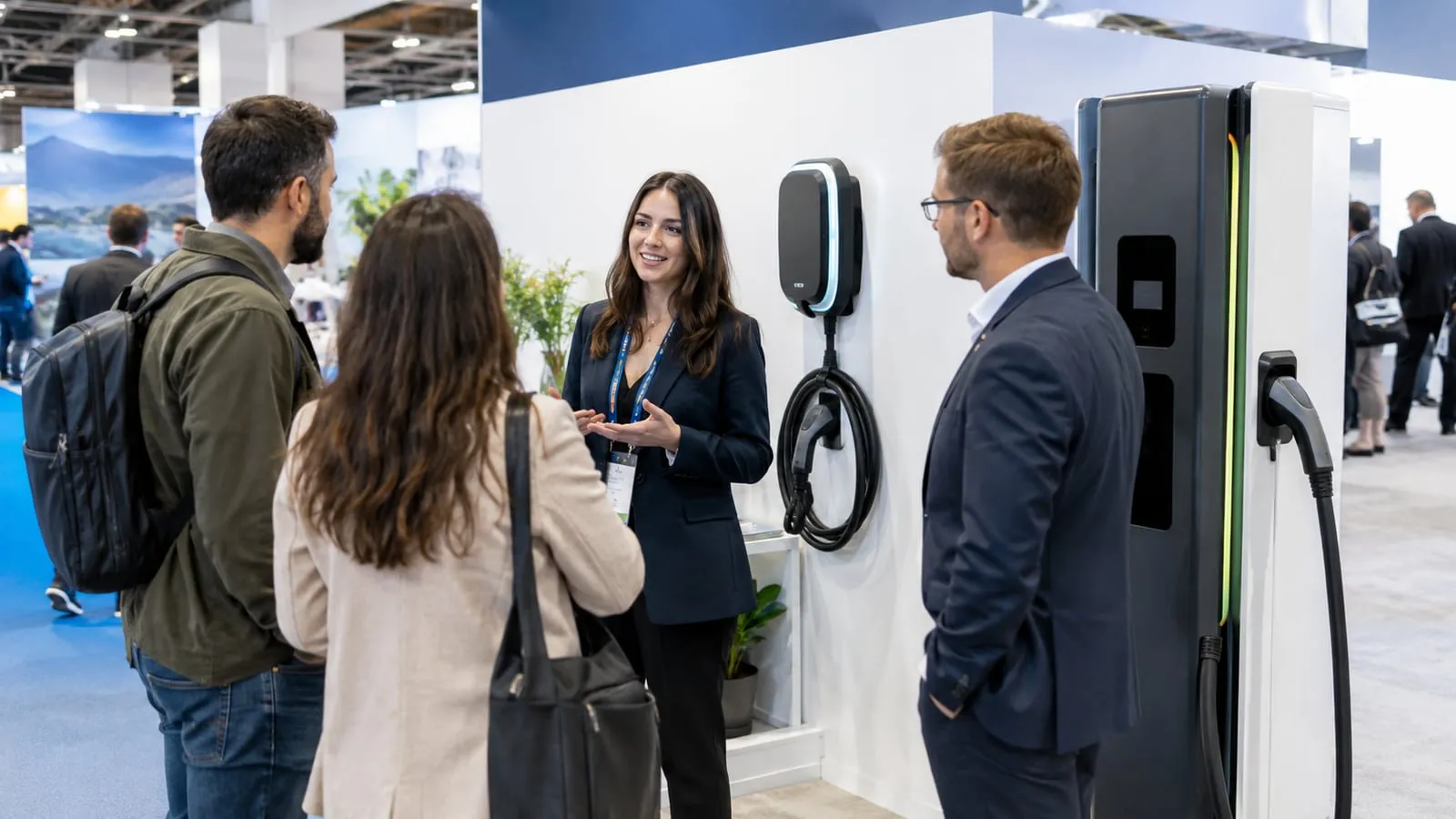
Trade Shows and Lead Generation for EV Charger Distributors
How EV charger distributors find customers: trade shows, installer networks, tenders, online search and referrals. Costs, follow-up and what to measure.
Sourcing from China ·
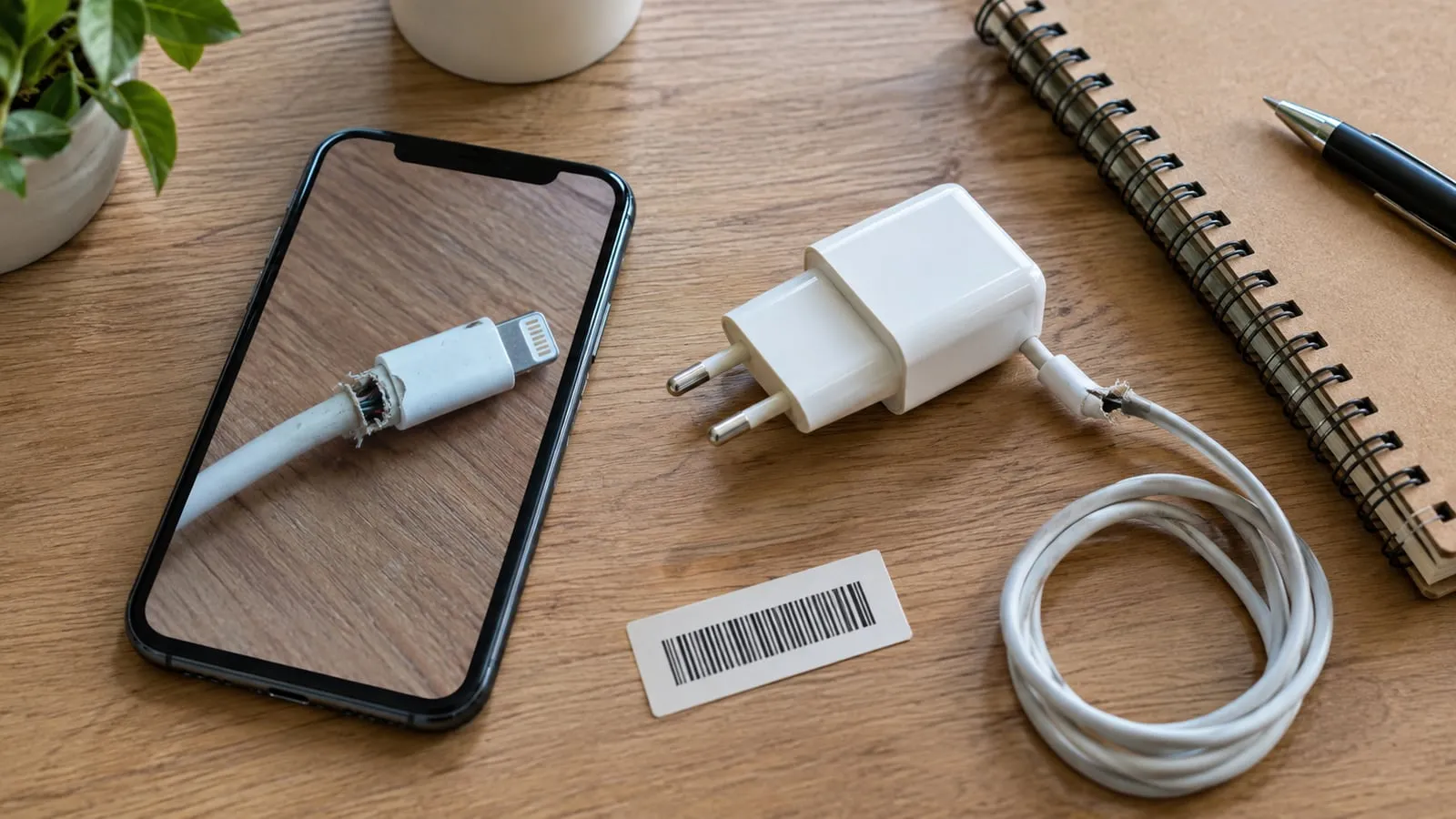
EV Charger Warranty: What Is Covered and How Claims Work
What an EV charger warranty usually covers and excludes, how to file a claim, what evidence helps, how long repairs take and what to put in the contract.
Fleet & Heavy Vehicles ·
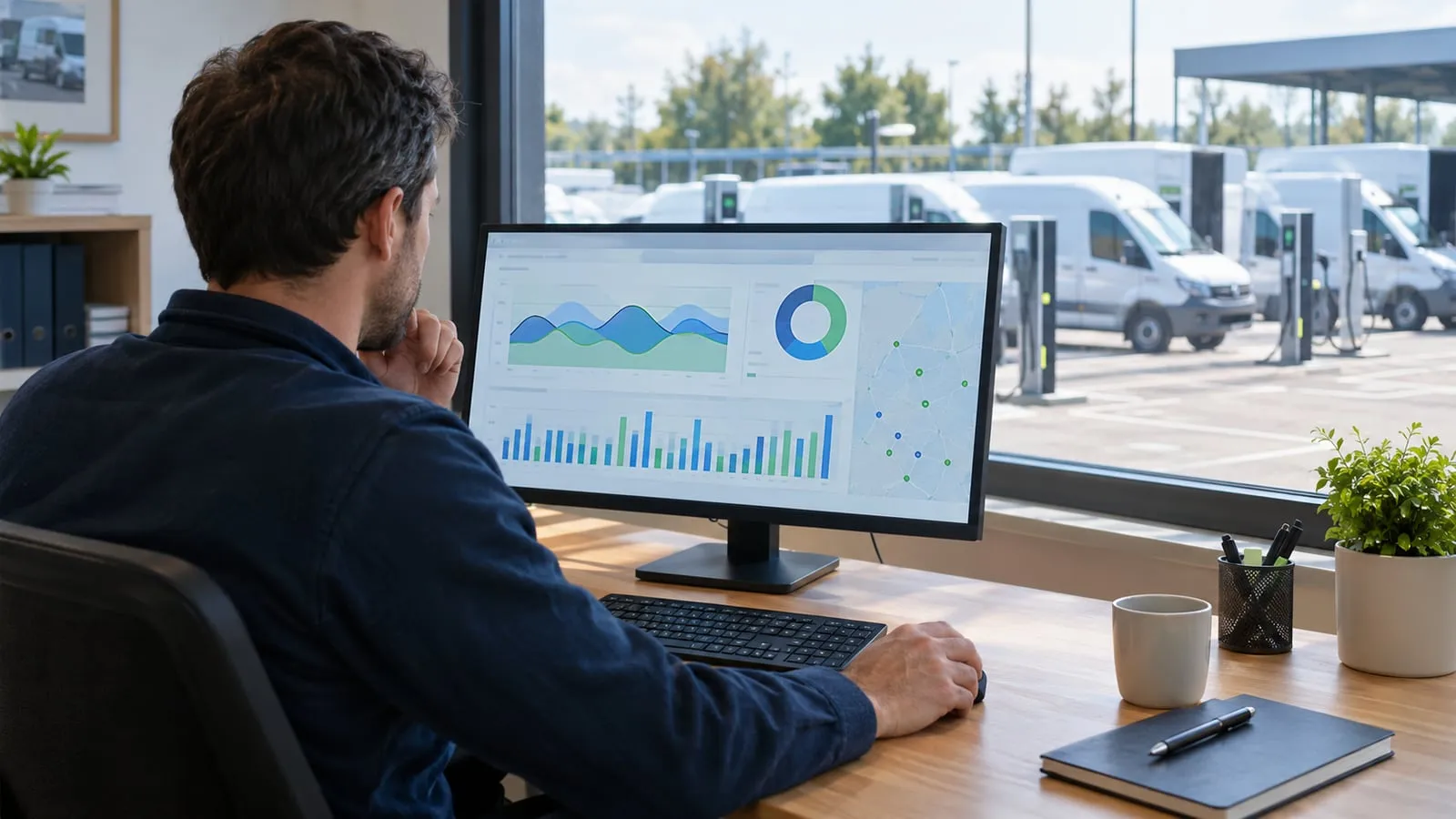
Fleet Charging Reports: Which Data to Export and How to Use It
Which charging data fleet managers should export: sessions, energy, cost per vehicle, idle time, faults and tariffs, and how to turn it into decisions.
Certification & Compliance ·
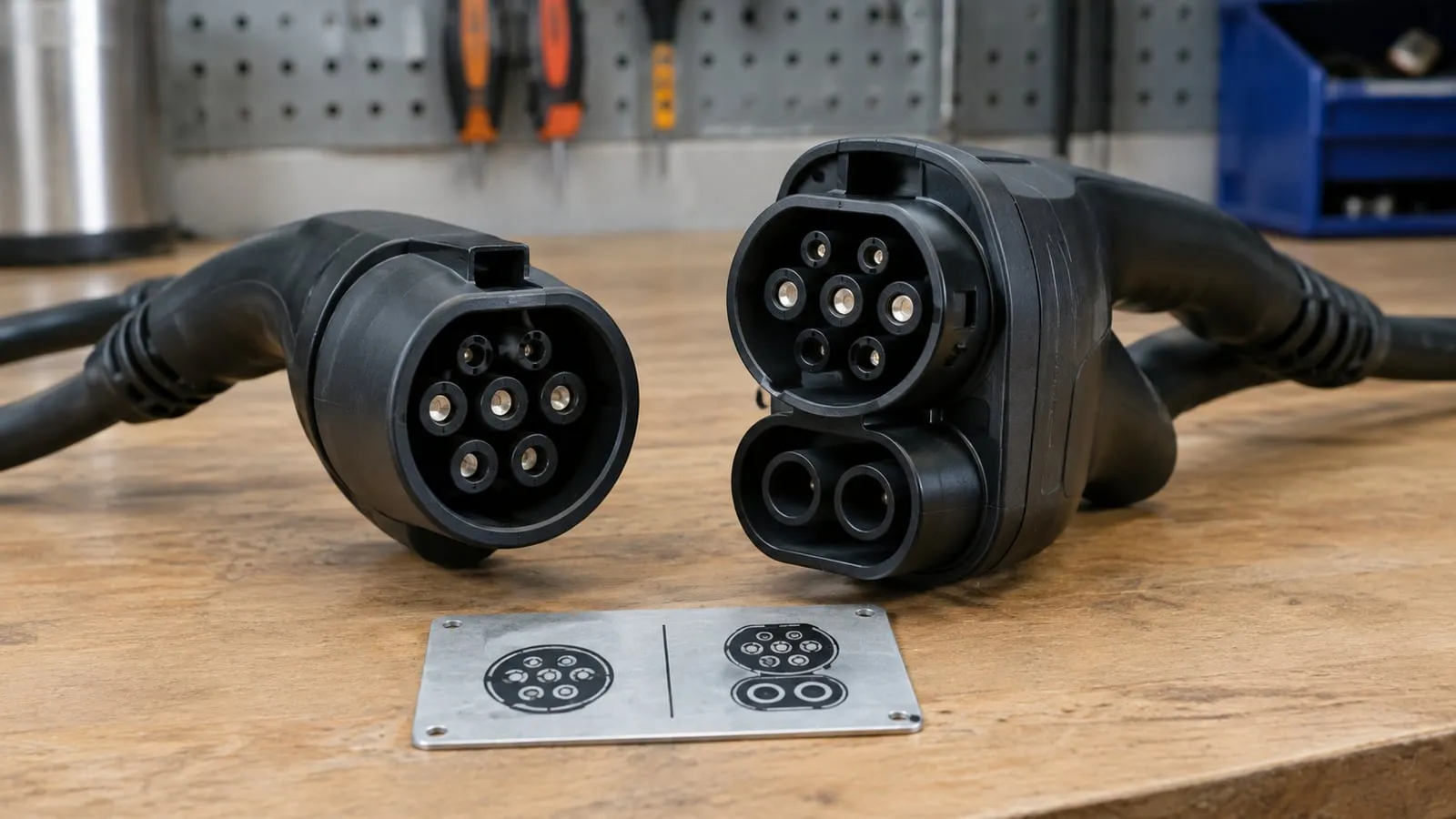
IEC 62196 Explained: The Connector Standard Behind Type 2 and CCS
IEC 62196 defines EV plugs, socket-outlets and inlets for conductive charging. What its parts cover, how Type 2 and CCS fit in and what to check on a charger.
Distributors & Installers ·
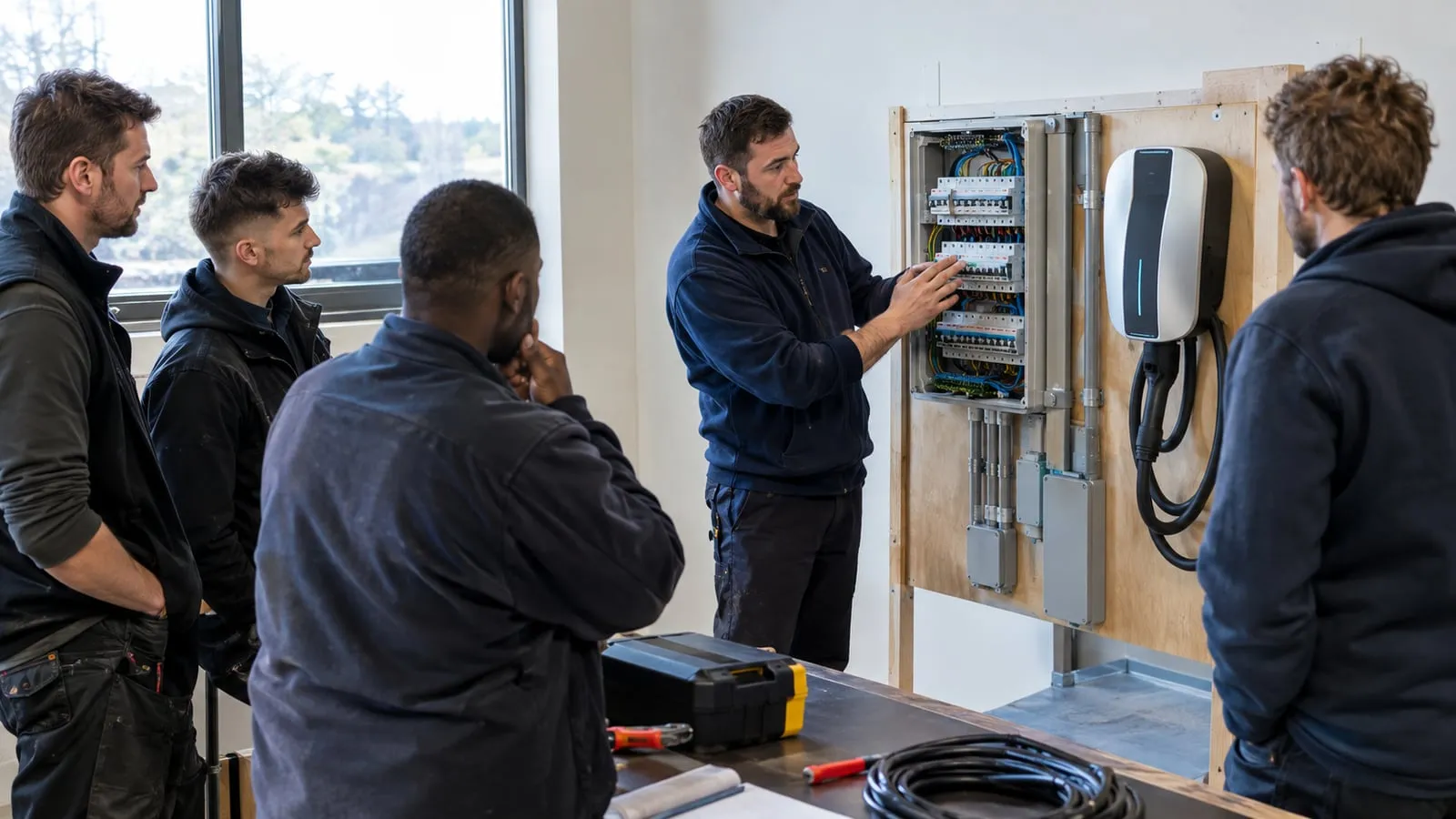
Building an Installer Partner Program for EV Chargers
How to build an installer partner program for EV chargers: selection, training, certification, leads, pricing support, warranty handling and quality control.
OEM & Private Label ·
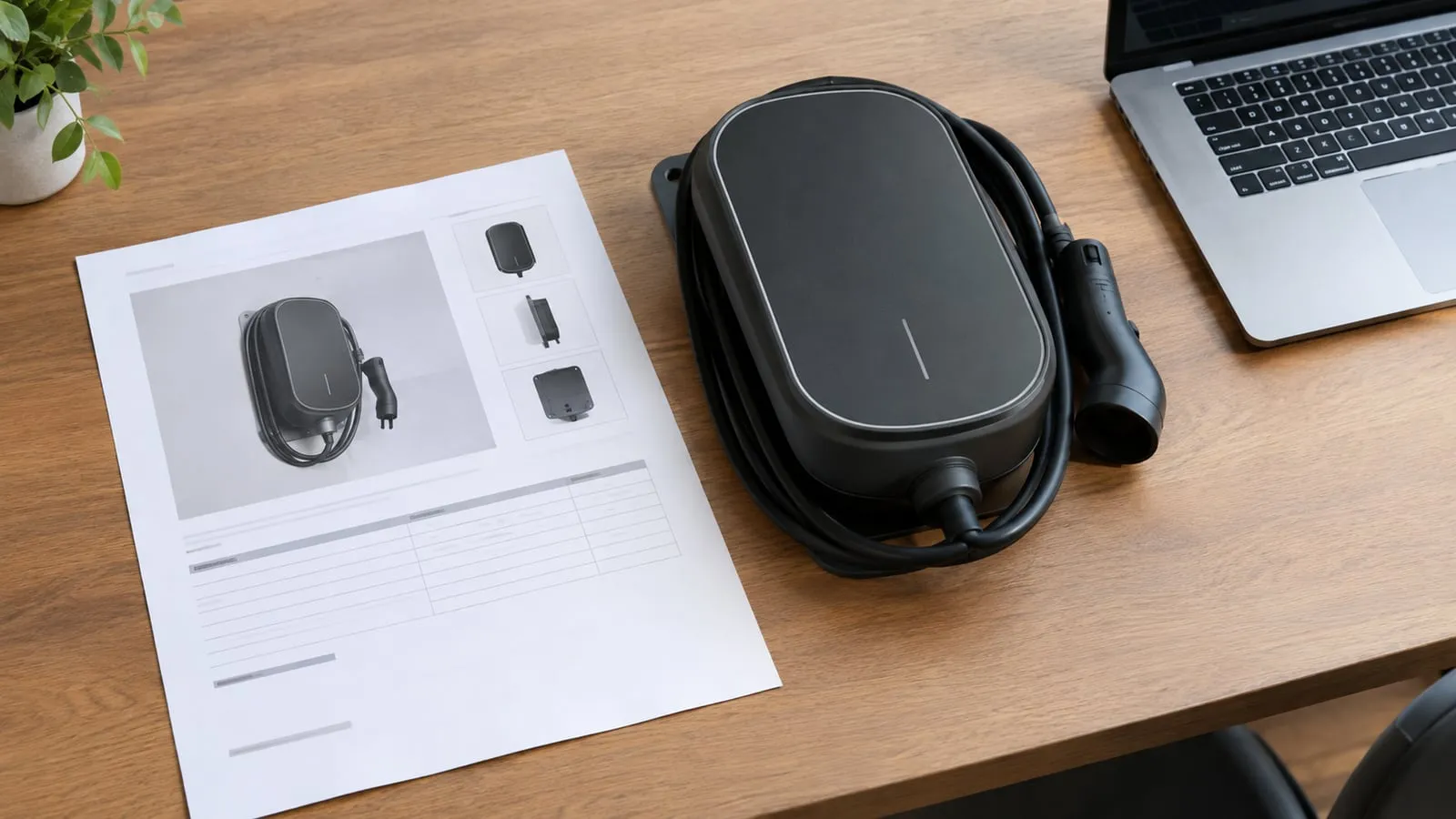
How to Brief an EV Charger OEM Factory: RFQ Template
A request-for-quotation template for OEM EV chargers: market, power, connectors, protocols, branding, certificates, quantity, packaging and delivery terms.

Sourcing from China ·
EV Charger Remote Diagnostics: Which Logs and Data to Ask For
What remote diagnostics a supplier should provide: logs, error codes, status data, firmware version, access, response times and how they cut site visits.
Portable & Mobile Charging ·
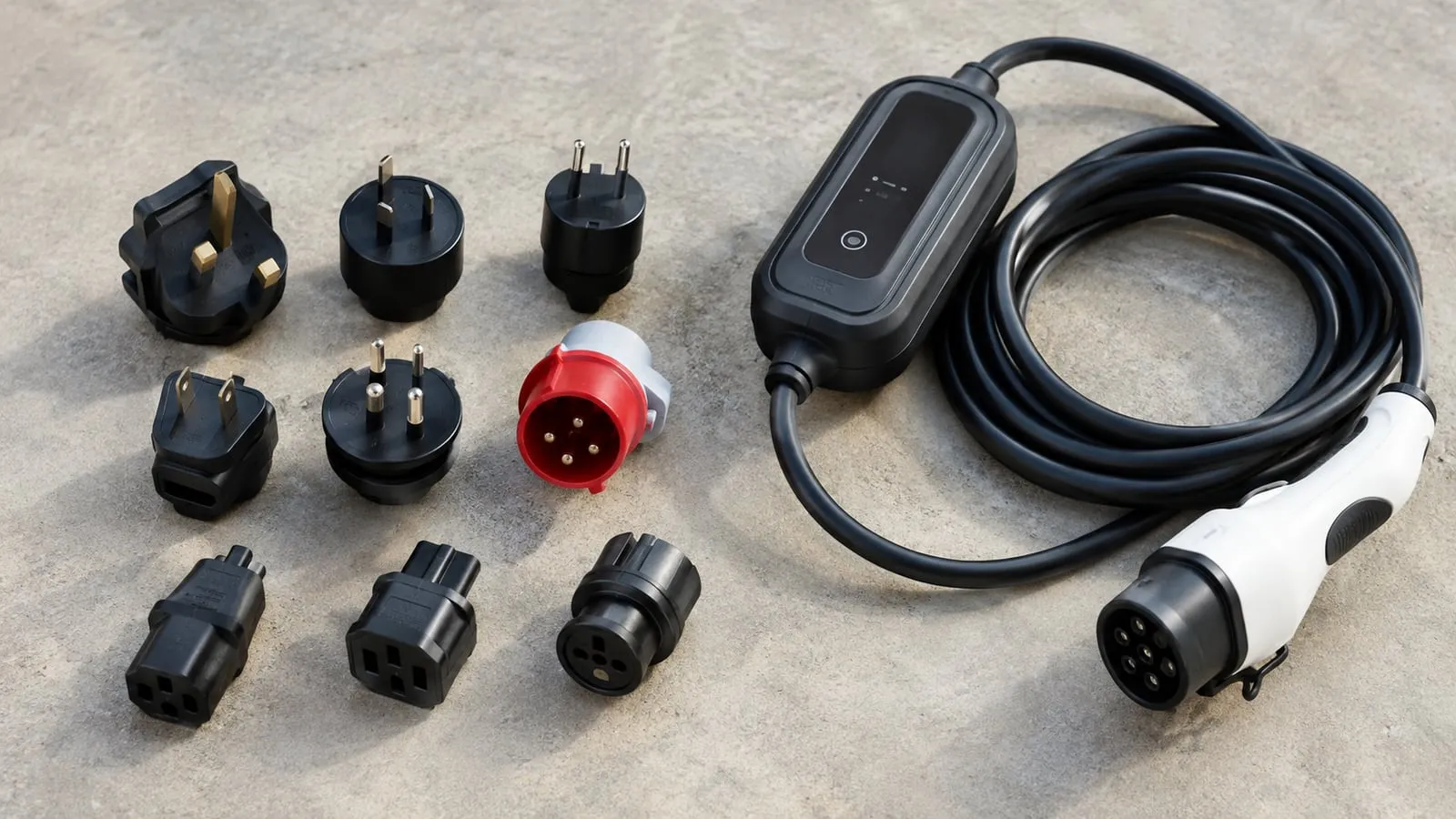
Portable EV Charger Plug Types by Country
Which household and industrial plugs portable EV chargers use around the world, why adapters matter and how to avoid overloading the wrong socket.
Markets ·
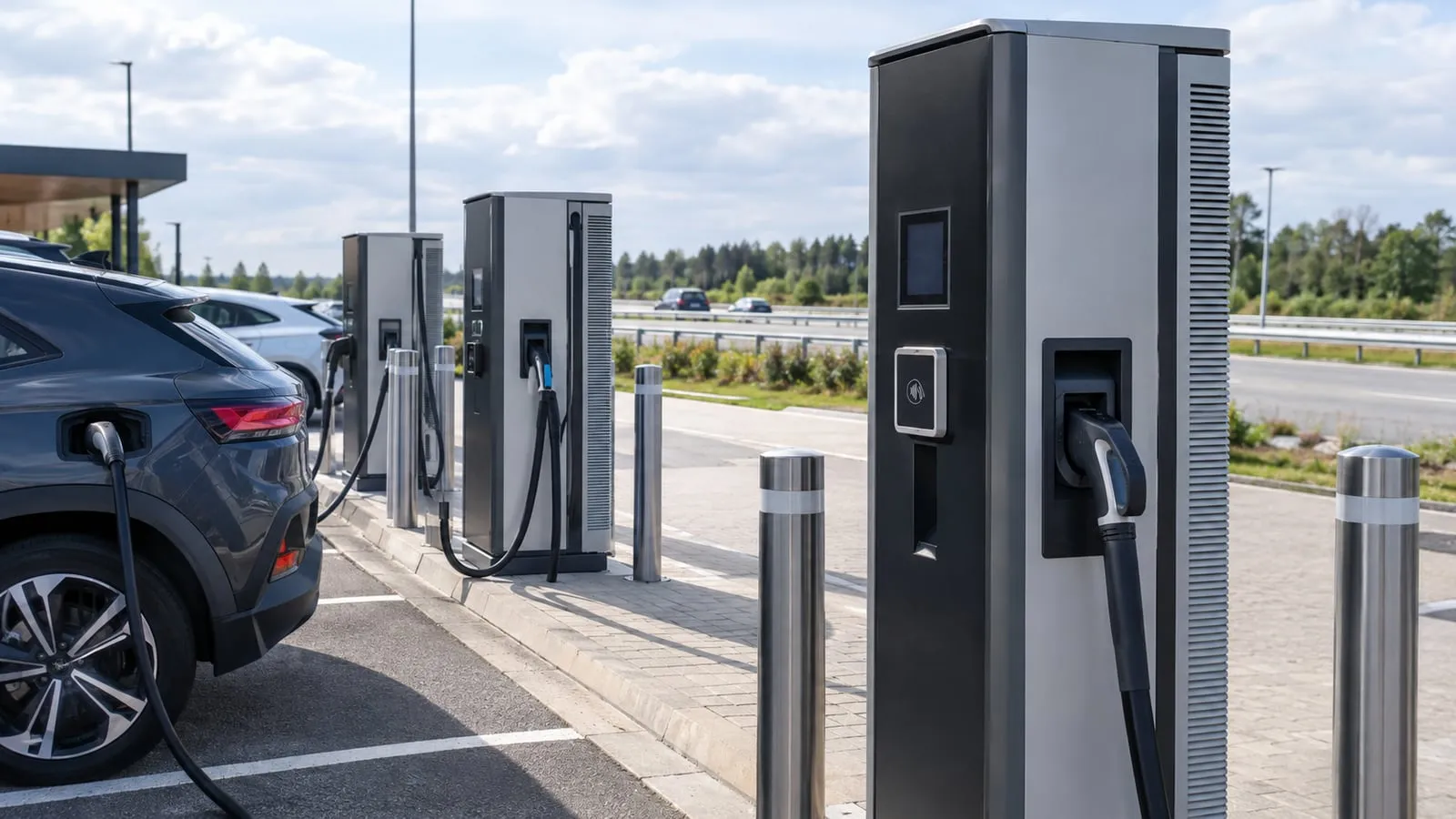
AFIR Explained: What Public EV Chargers Must Meet in the EU
AFIR sets EU rules for public EV charging: network coverage, ad-hoc payment, price transparency, data and standards. What buyers should check in 2026.

OEM & Private Label ·
Export Packaging and Drop Tests for EV Chargers
How to specify export packaging for EV chargers: cartons, foam, pallets, drop tests, moisture, labelling and what to inspect on arrival.
Charging Business ·
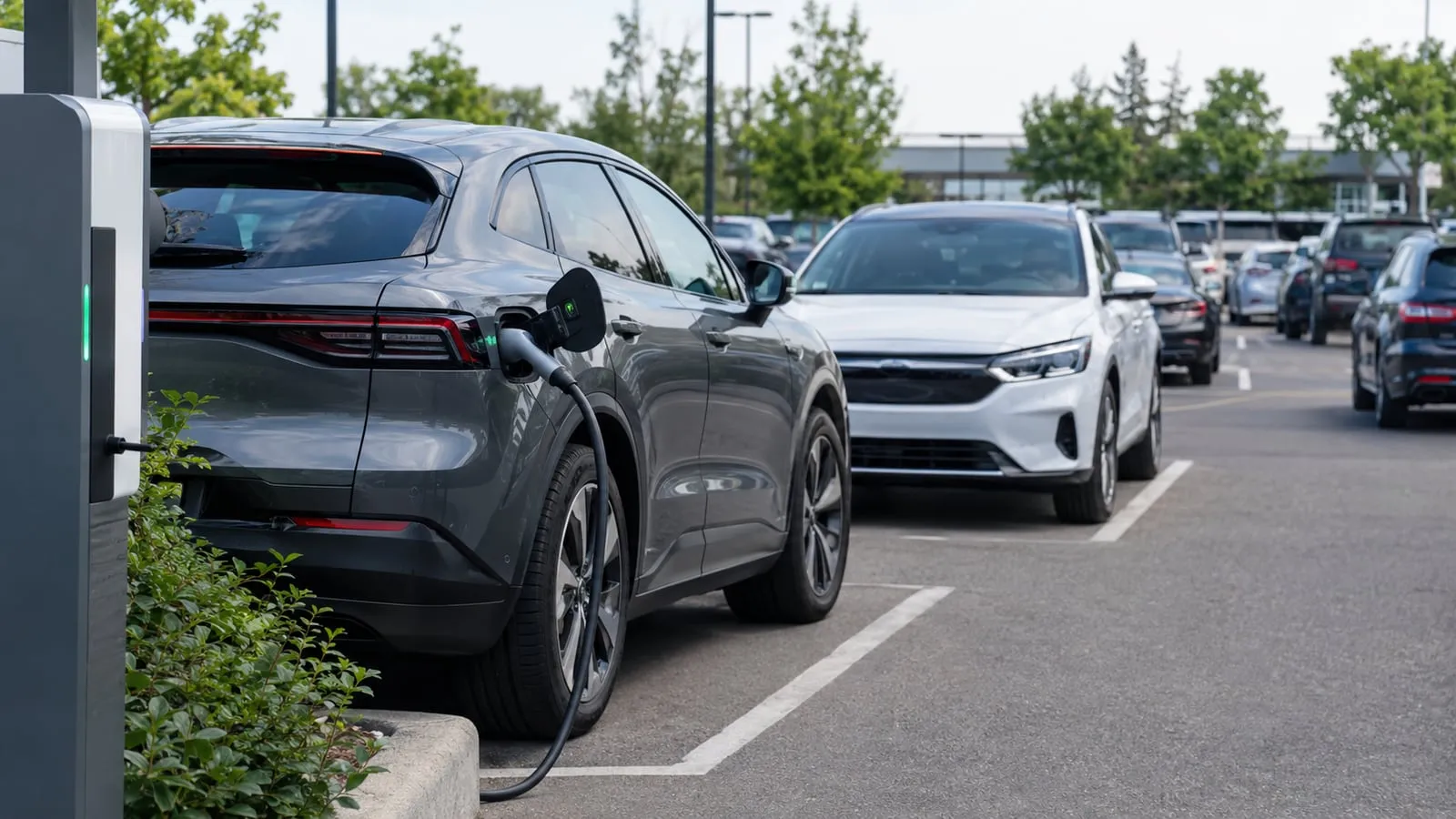
Idle Fees and Overstay Policies for EV Charging
Idle and overstay fees keep chargers available. How to set grace periods, rates and caps, communicate them, enforce them fairly and where rules may limit them.
Portable & Mobile Charging ·
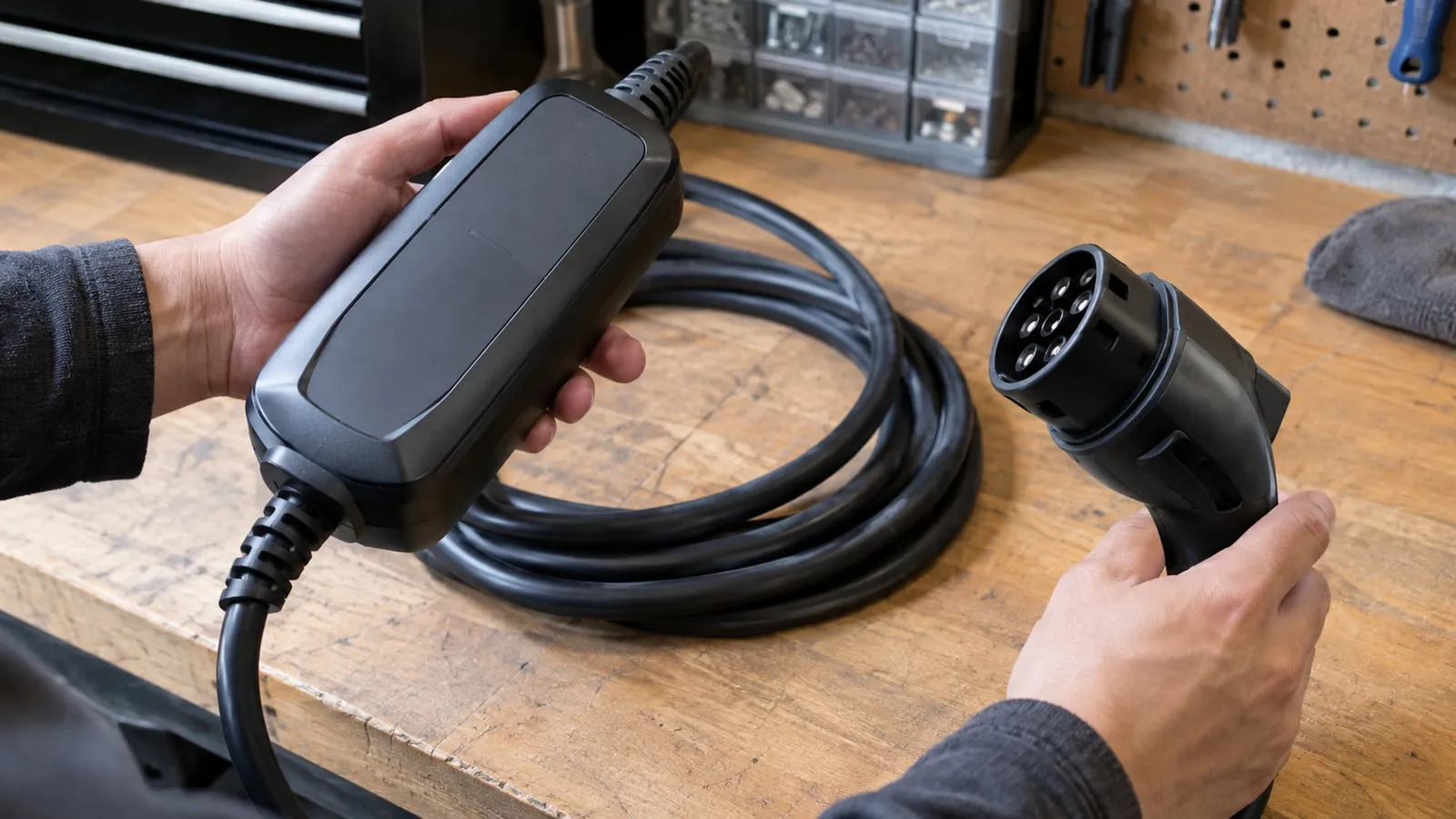
In-Cable Control Box Safety Checks for Portable EV Chargers
What to check on a portable EV charger control box: protection devices, temperature limits, plug and socket condition, ratings and a simple routine before use.
Sites & Applications ·
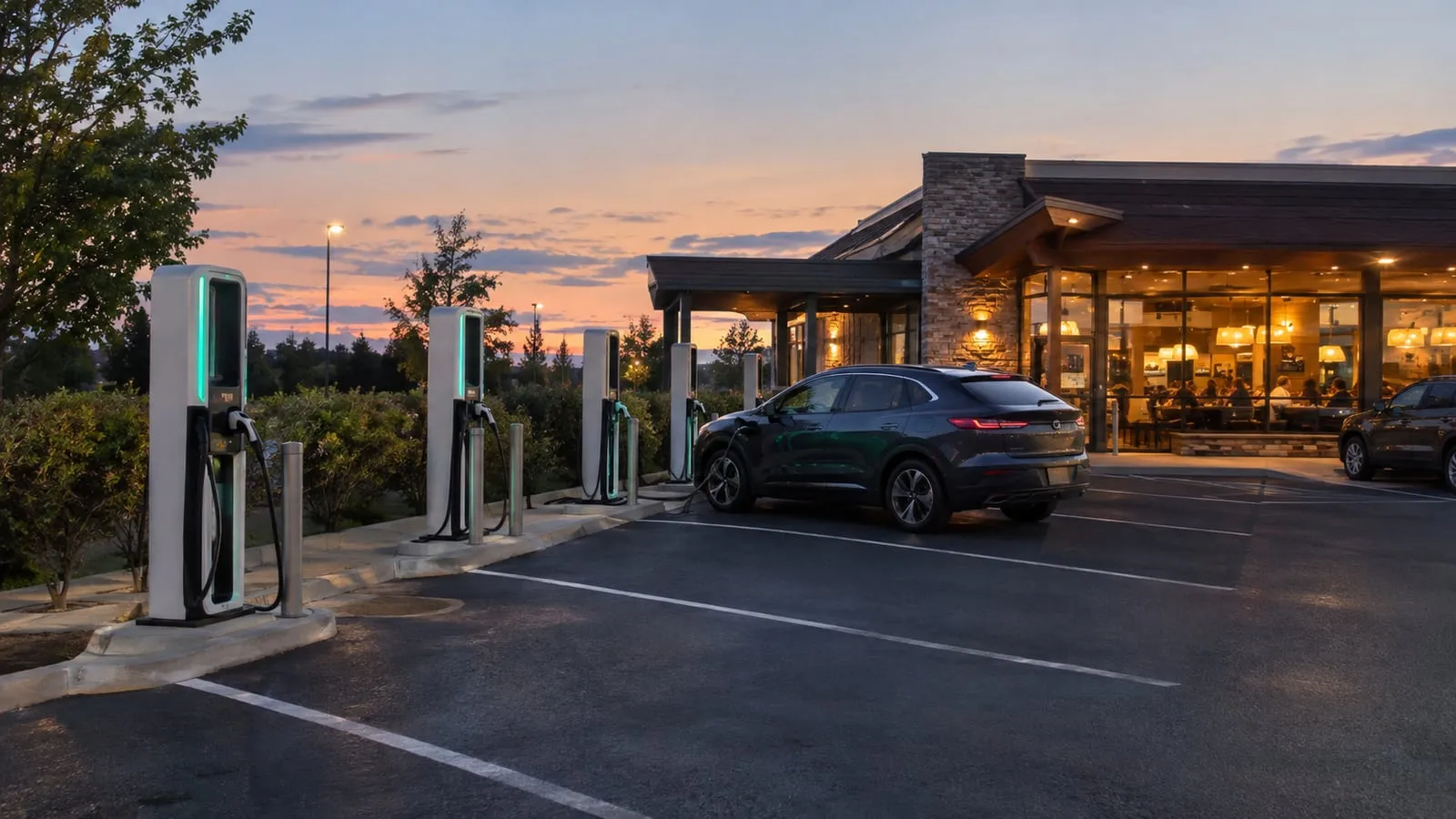
EV Charging at Restaurants and Fast-Food Sites
How restaurants and quick-service sites add EV charging: dwell times, AC vs DC, power needs, payment, signage, and what a 30-minute meal can charge.
Connectors & Protocols ·
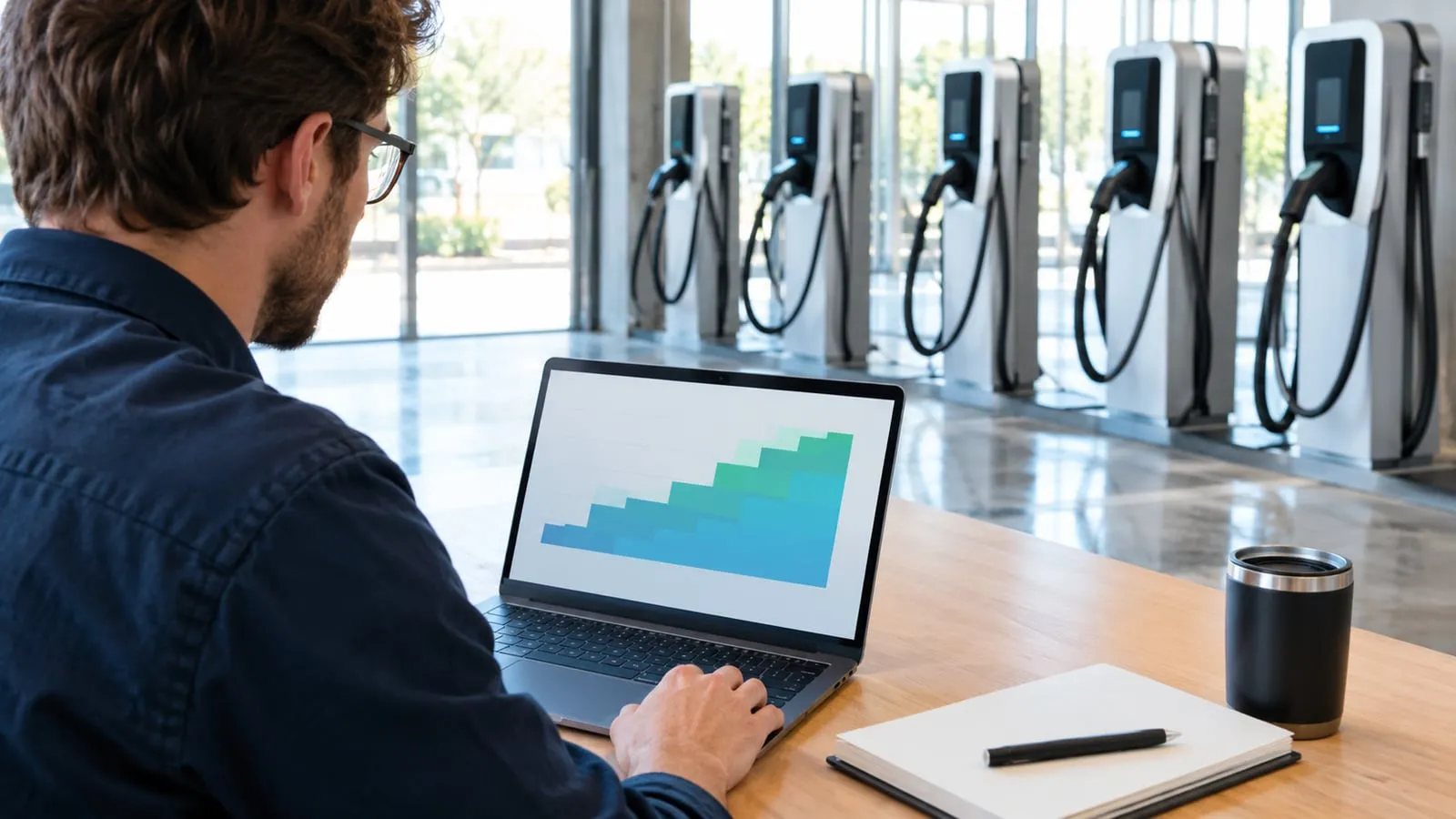
OCPP Smart Charging Profiles Explained
OCPP smart charging profiles limit power from the back end: ChargePointMaxProfile, TxDefaultProfile and TxProfile, stack levels and how they combine.
Charging Business ·
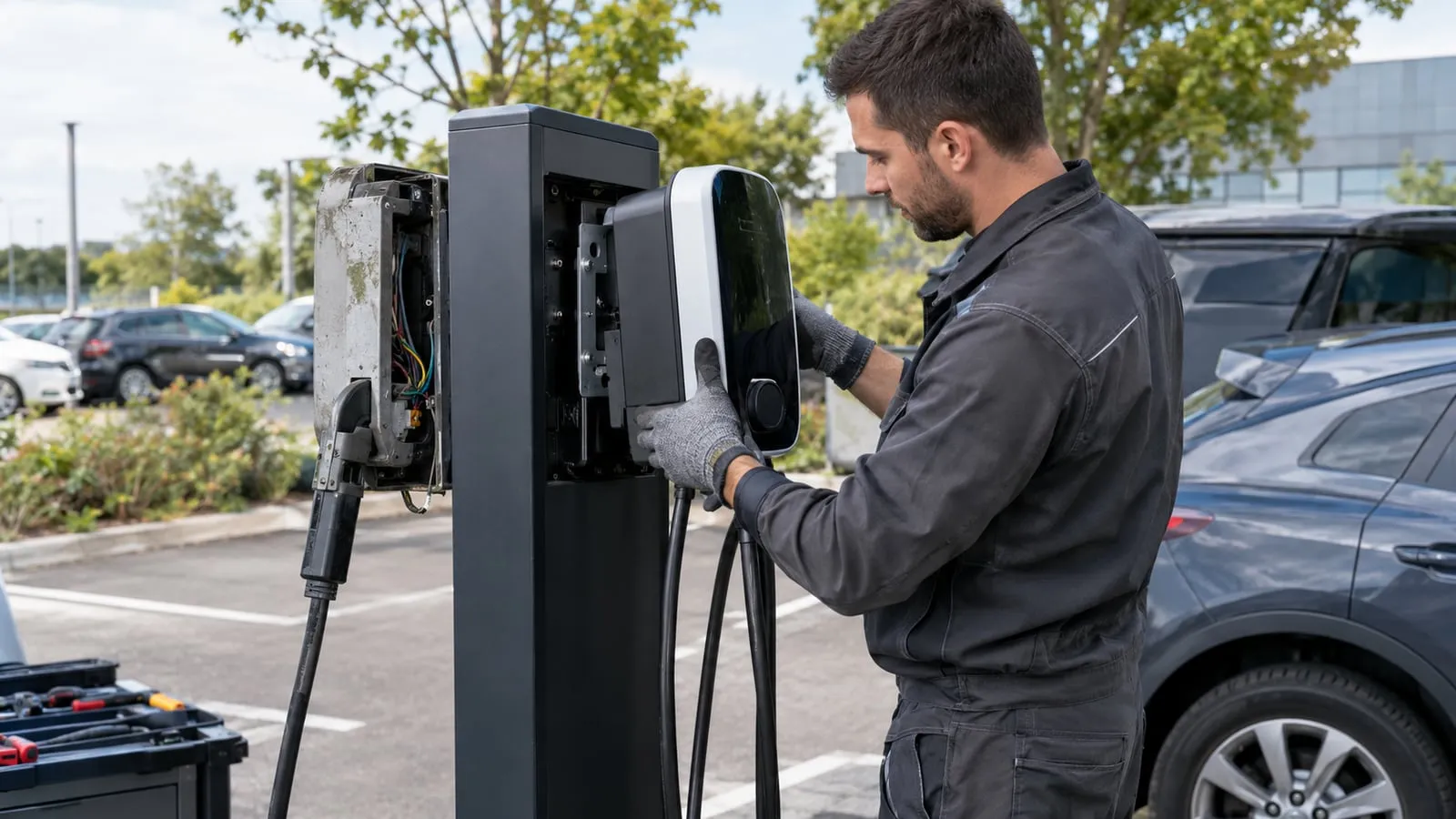
When to Replace or Upgrade EV Charger Hardware
Signs that EV charging hardware needs replacing: failure rates, obsolete protocols, parts shortages, cost of repair and how to plan a refresh.
DC Fast Charging ·
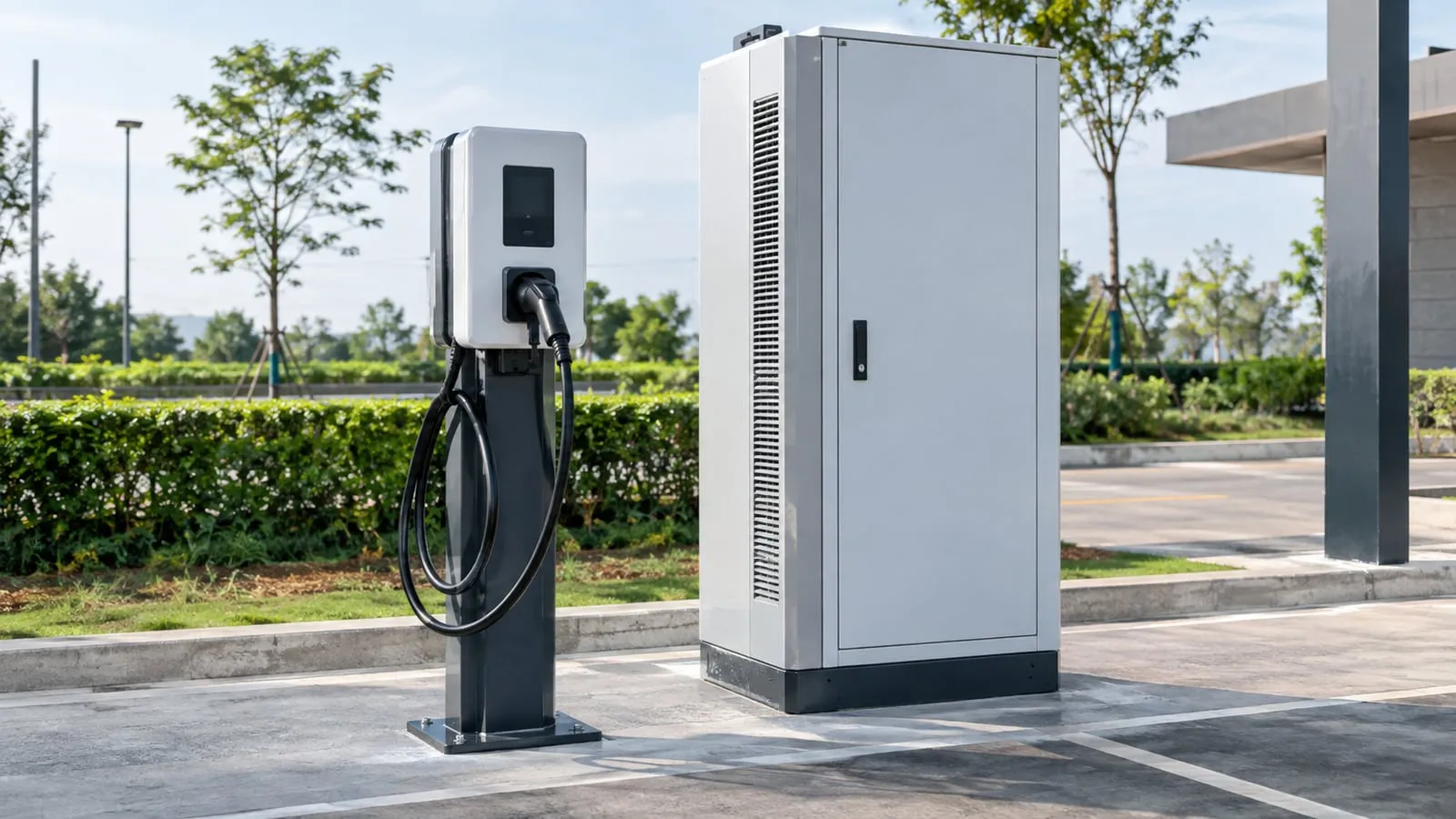
DC Wallbox vs Floor-Standing DC Charger
DC wallbox (20–60 kW) or floor-standing cabinet (60–360 kW)? Compare power, supply, space, cost and sites to choose the right DC charger.
Sites & Applications ·
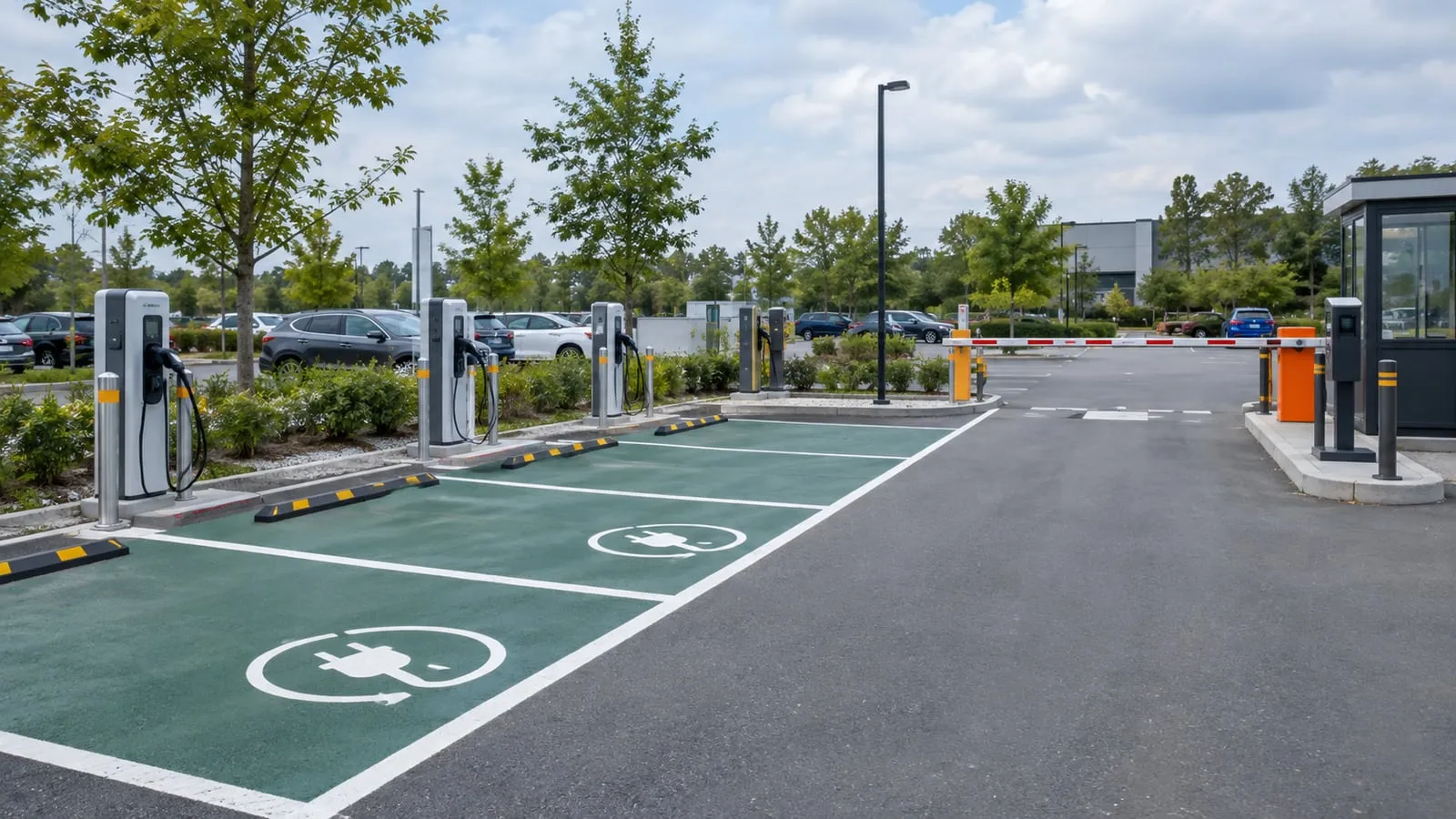
EV Charging for Municipal Car Parks and Parking Operators
How parking operators and municipalities add EV charging: who owns the hardware, tariffs, enforcement, access, payment and the mix of AC and DC.
AC Charging ·
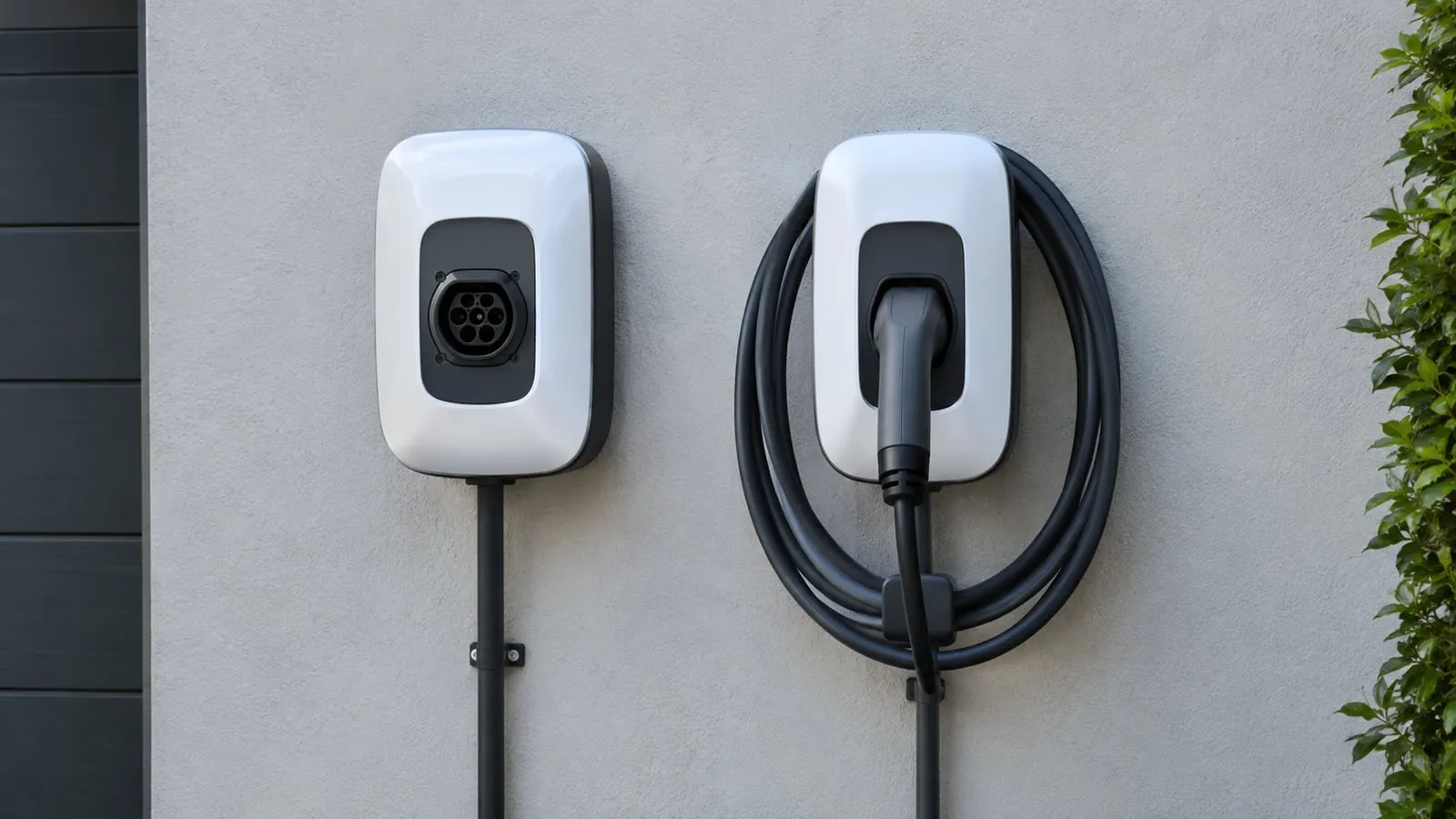
Type 2 Socket vs Tethered Cable on an AC Charger
Socket or tethered cable? Compare convenience, cost, safety, public use and maintenance for Type 2 AC chargers, and pick the right one for your site.
Fleet & Heavy Vehicles ·
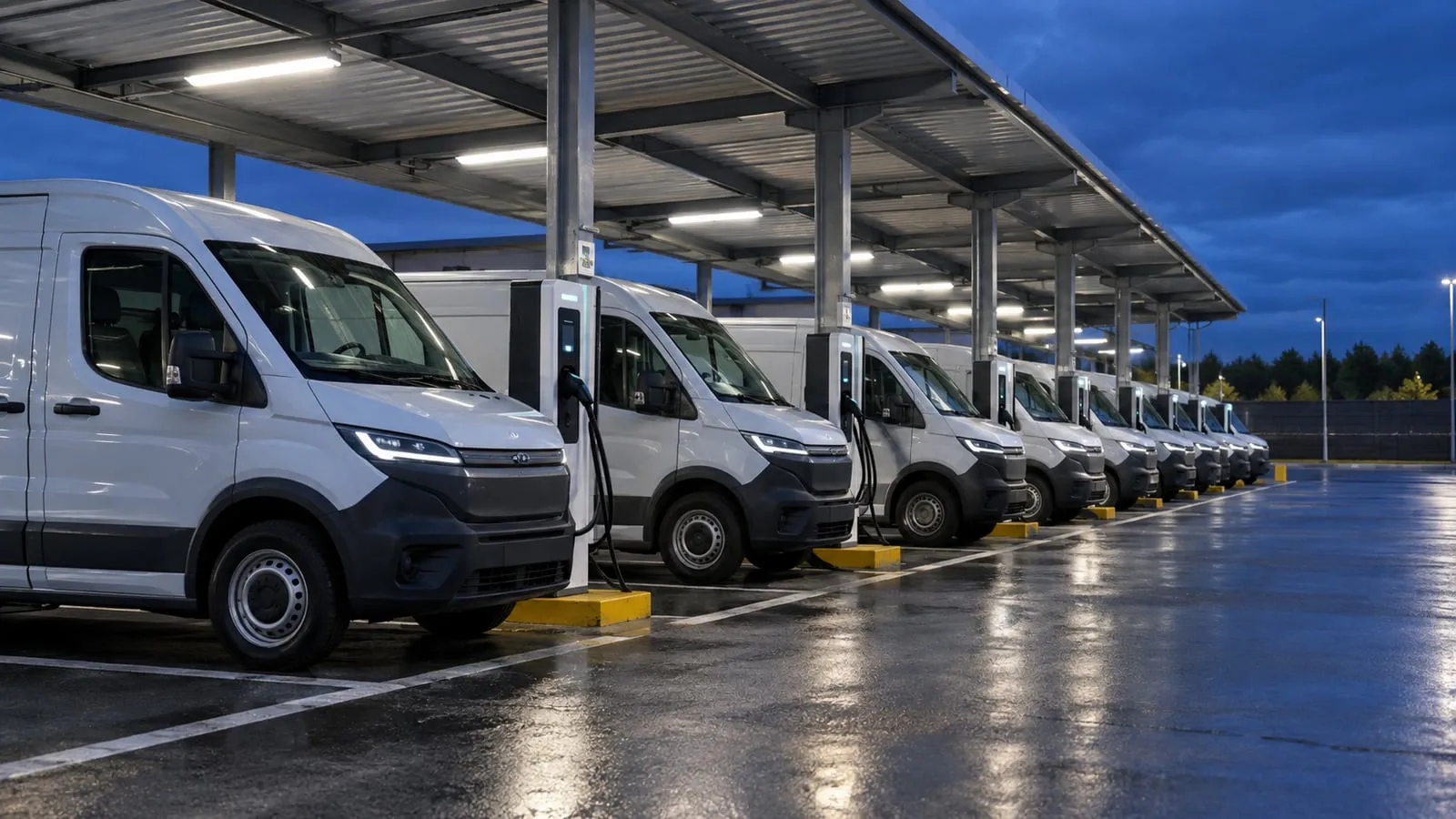
Electric Van Depot Charging: Design Guide
Design an electric van depot: count vans, dwell time and energy per shift, choose AC or DC, size the supply, plan layout, load management and spare capacity.

Distributors & Installers ·
EV Charger Distributor Agreement: Clauses That Matter
Key clauses in an EV charger distribution agreement: territory, exclusivity, minimums, pricing, warranty, spare parts, certification, firmware and termination.
Installation & Power ·
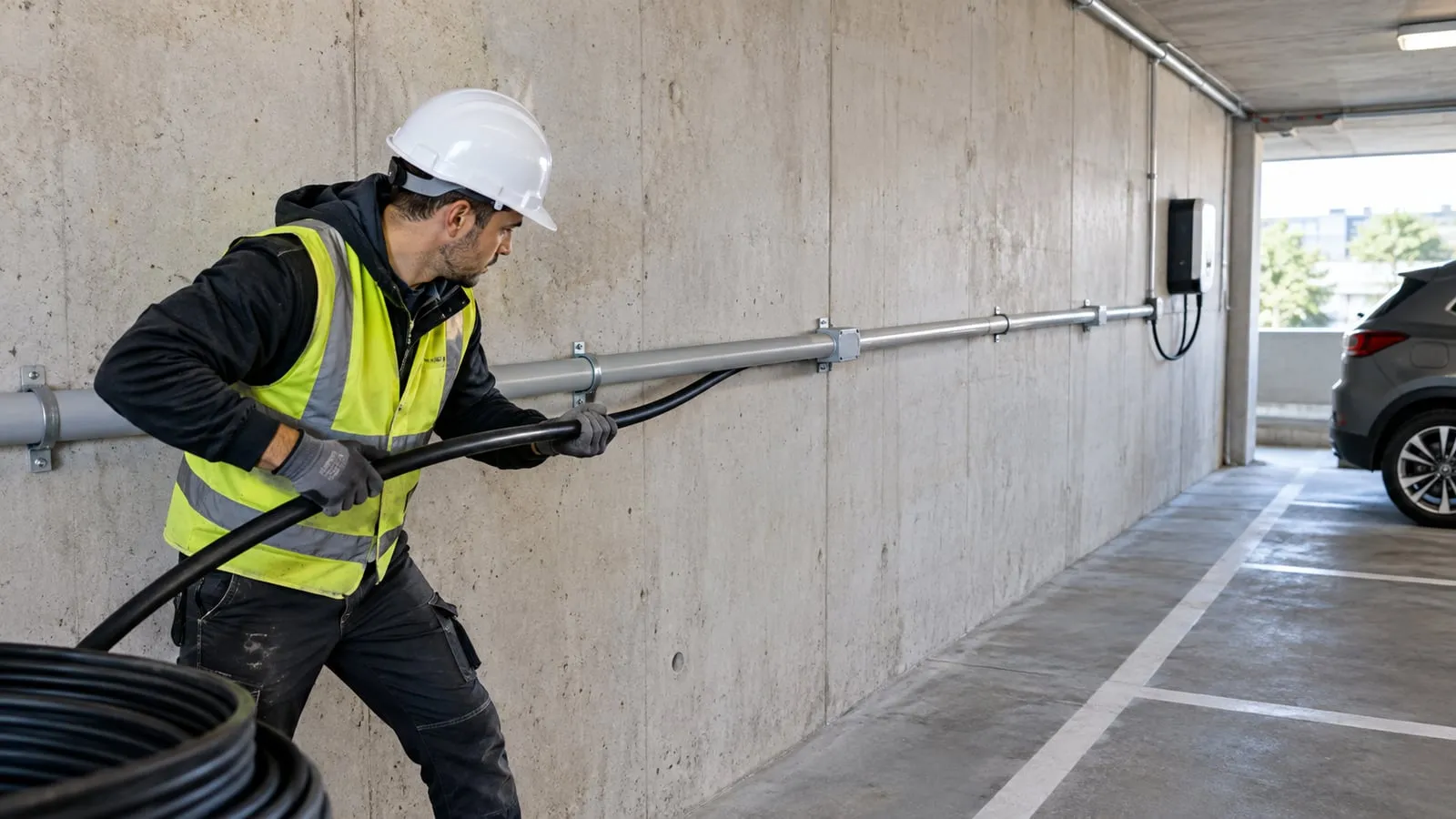
Voltage Drop on Long EV Charger Cable Runs
Long cable runs to EV chargers lose voltage. How to estimate the drop, the usual limits, when to upsize the cable and why it affects charging.
DC Fast Charging ·
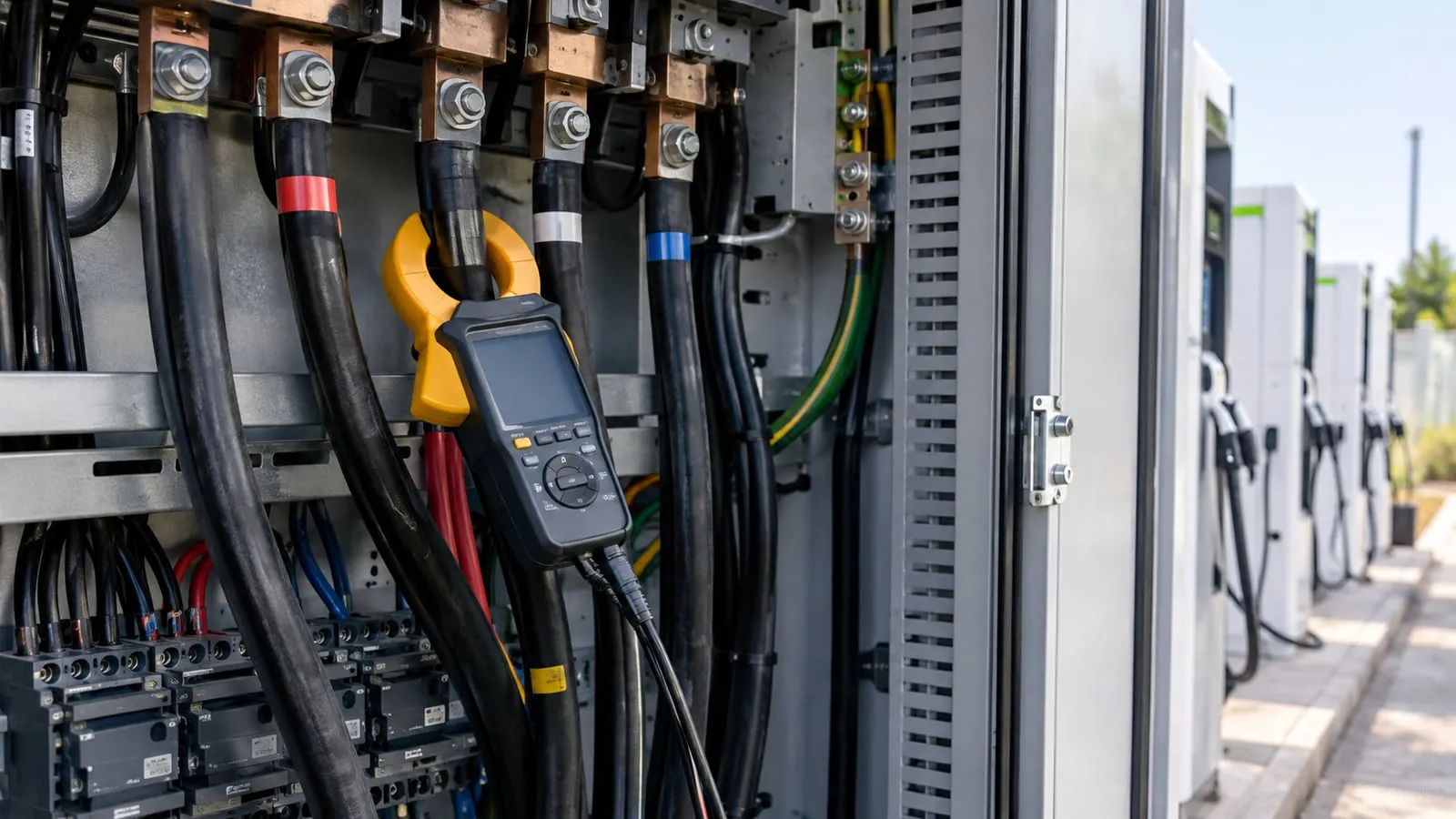
DC Fast Charger Power Factor and Harmonics: What Site Owners Should Know
Power factor and harmonics affect transformer sizing, utility penalties and power quality at DC fast charging sites. What to ask suppliers and the utility.
Sourcing from China ·
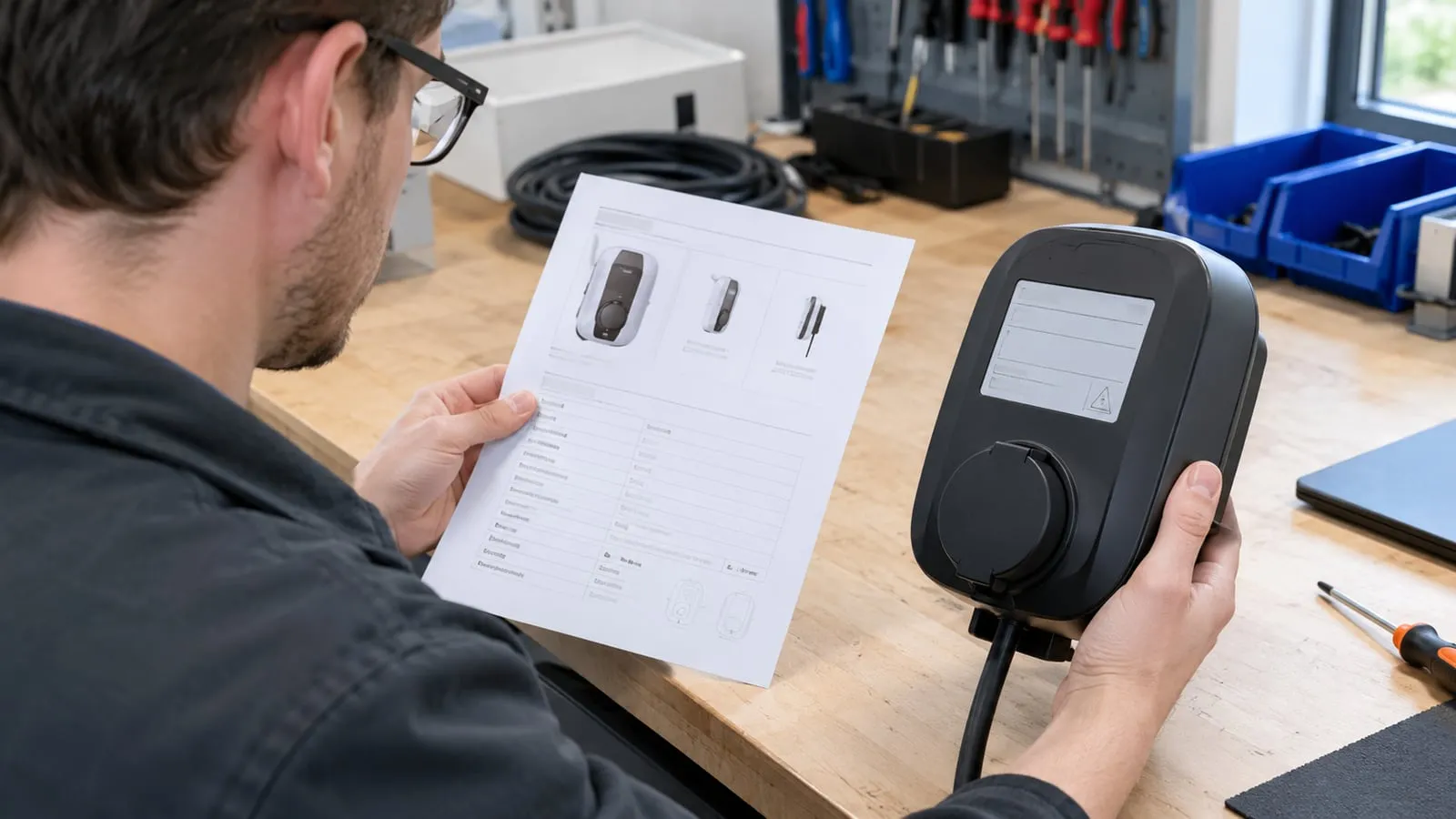
Reading an EV Charger Data Sheet: 25 Specs Explained
How to read an EV charger data sheet: power, current, voltage, efficiency, protection, protocols and certificates, and what to ask when a value is missing.
AC Charging ·
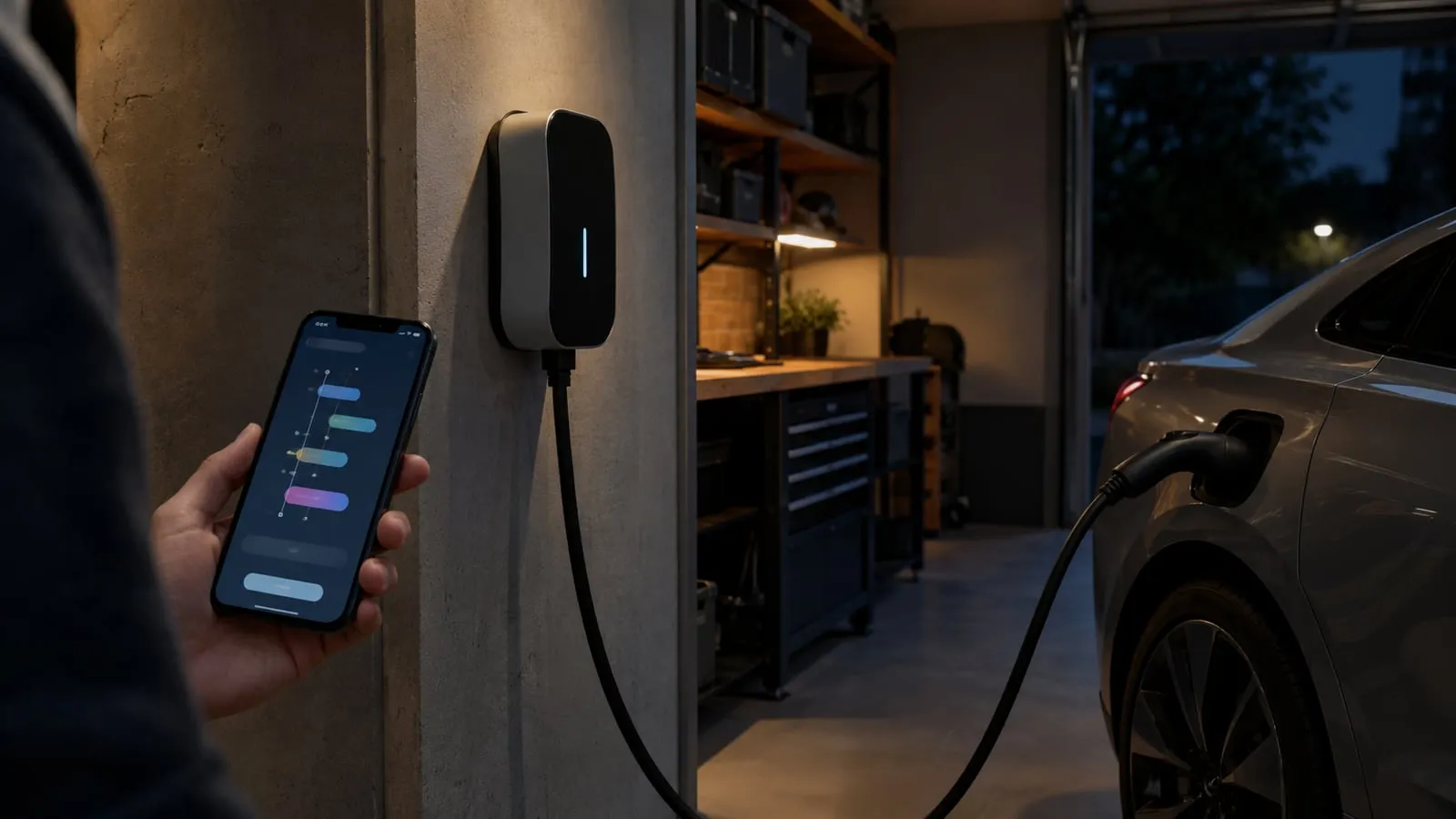
Off-Peak Smart Charging at Home: Schedules, Tariffs and Savings
How scheduled charging uses cheaper off-peak electricity: setting a schedule, matching tariff windows, avoiding peak demand and when it saves little.

Certification & Compliance ·
UL 2594 and UL 2202 Explained for EV Chargers
UL 2594 covers AC EV supply equipment and UL 2202 covers DC charging systems. What each standard covers, who tests it and what to ask for on a certificate.
Installation & Power ·
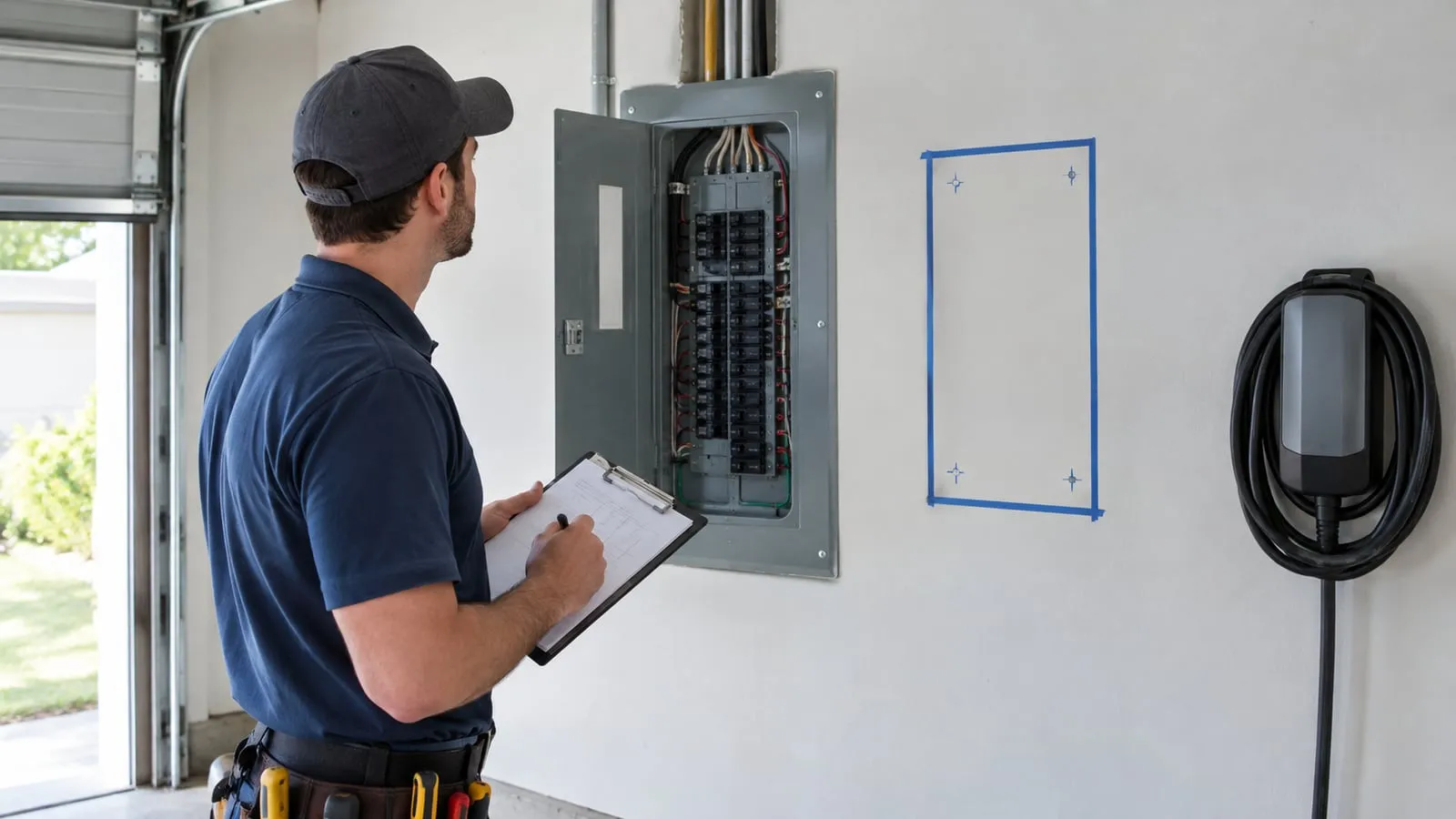
What an EV Charger Installation Quote Should Include
A checklist for comparing EV charger installation quotes: survey, supply work, cable and protection, civil works, commissioning, exclusions and warranty.

OEM & Private Label ·
OEM vs ODM vs White Label EV Chargers: Which Model Fits Your Brand
White label, OEM and ODM are not the same. Compare control, cost, certification and timeline, and pick the model that fits your brand and volume.
Portable & Mobile Charging ·
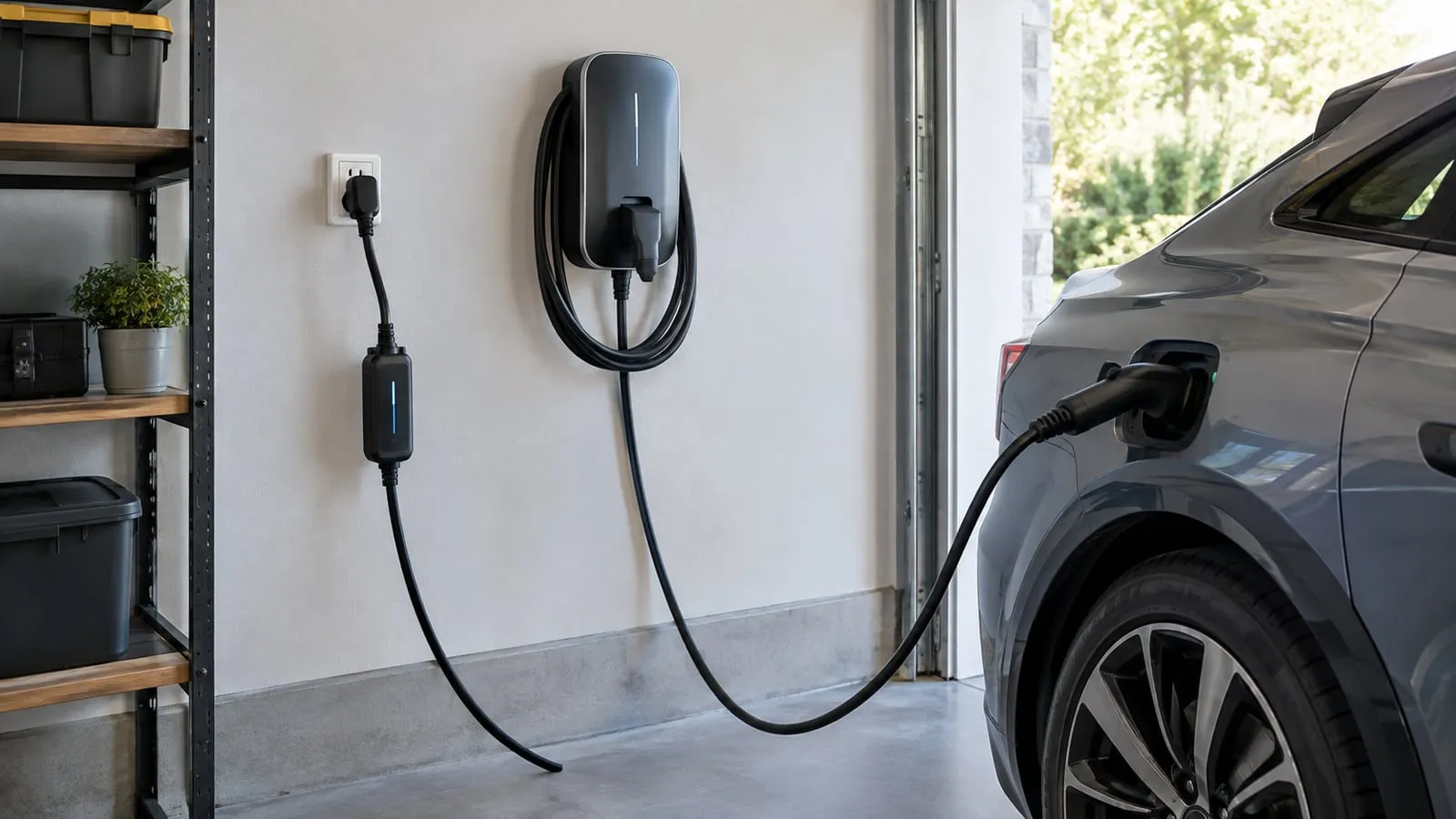
Portable Charger vs Wallbox: When Each One Wins
A portable Mode 2 charger travels with the car; a wallbox is fixed and faster. Compare power, safety, cost and use cases before you buy either.
Distributors & Installers ·
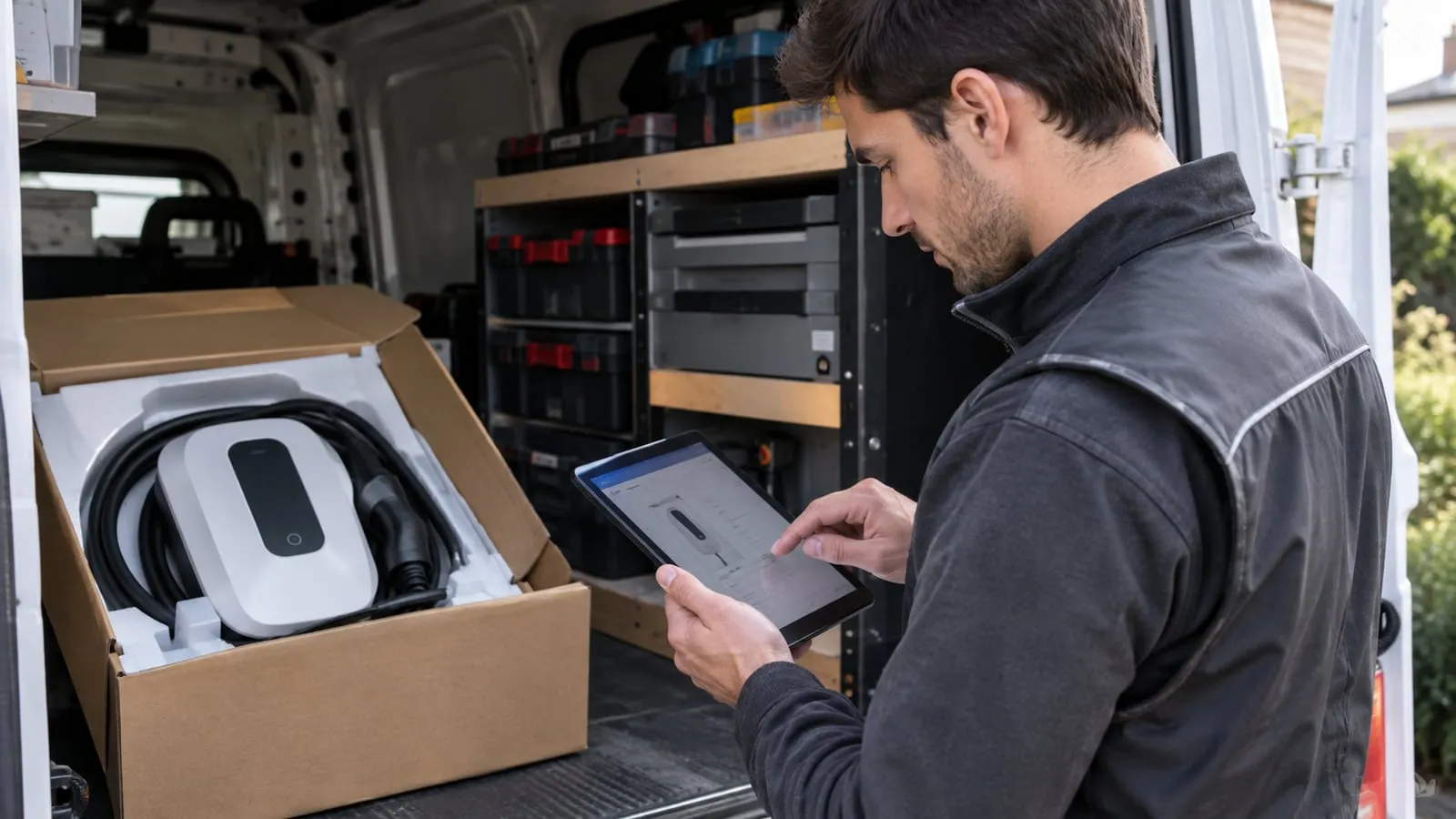
Quote Templates for EV Charger Installers: Lines, Options and Terms
A quote template for EV charger installers: survey, hardware, cable, protection, civil works, commissioning, options, exclusions and terms.
OEM & Private Label ·
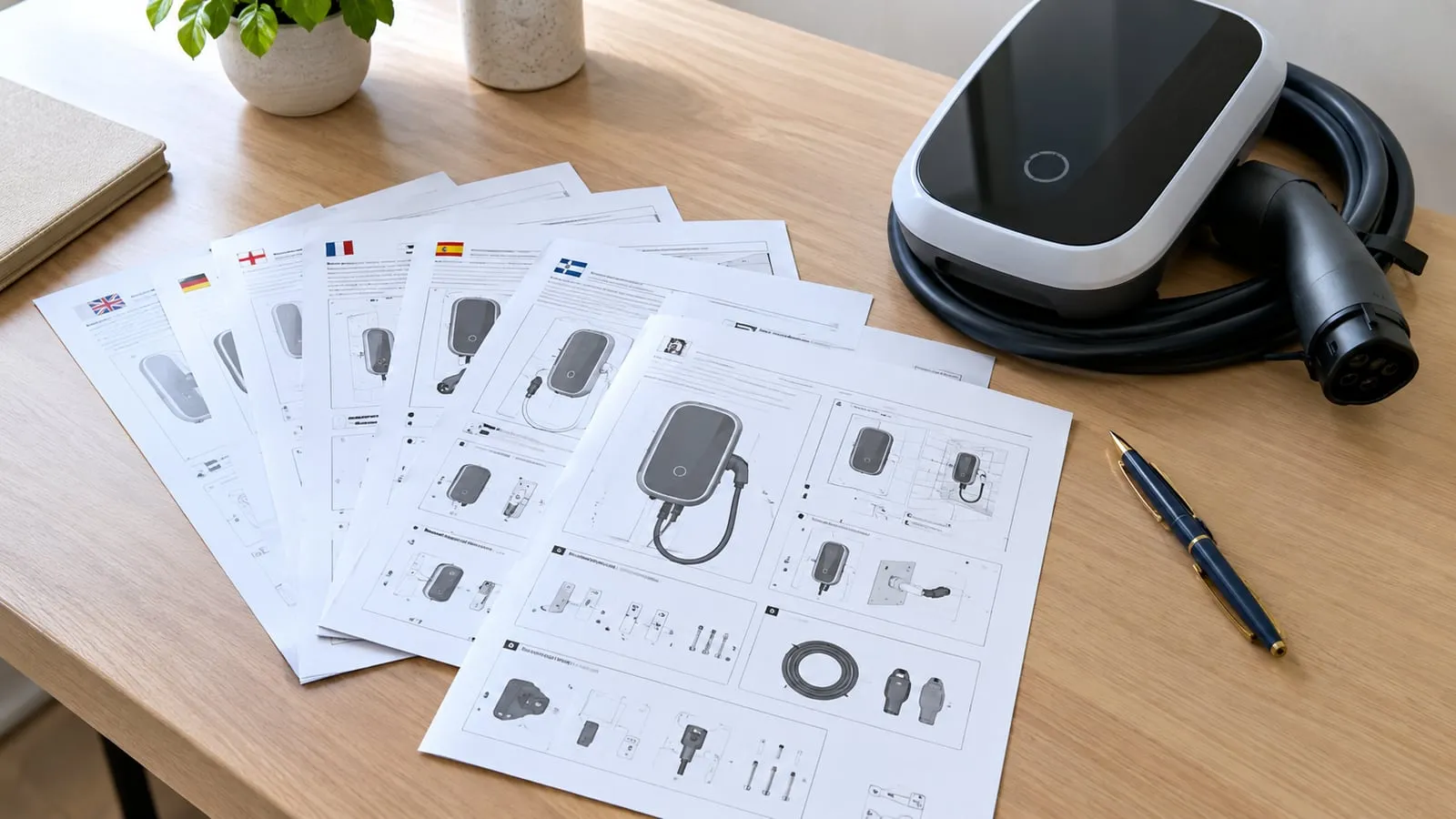
EV Charger User Manual Checklist for OEM Brands
What an OEM EV charger manual should contain: safety, installation, commissioning, operation, maintenance, troubleshooting, languages and legal text.
Fleet & Heavy Vehicles ·
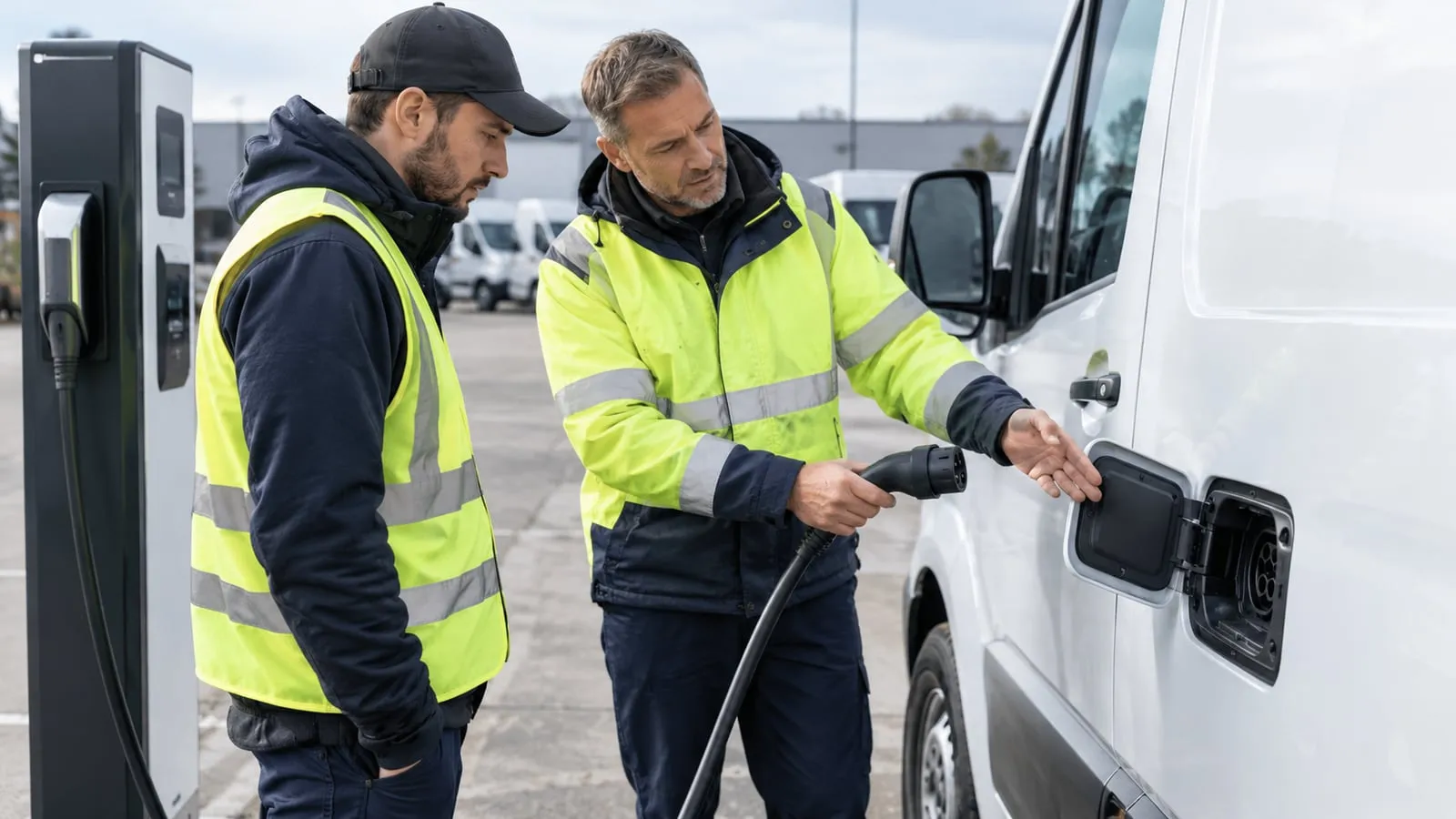
Fleet Driver Training for Electric Vehicles: A Charging Checklist
What to teach fleet drivers about charging: plugging in, cables, safety, scheduling, reporting faults and keeping bays free. A practical training checklist.

Connectors & Protocols ·
OCPP Security Profiles Explained: Basic Auth, TLS and Certificates
OCPP security profiles set how a charger authenticates to the back end: basic auth, TLS and client certificates. What to ask suppliers and operators.
Markets ·
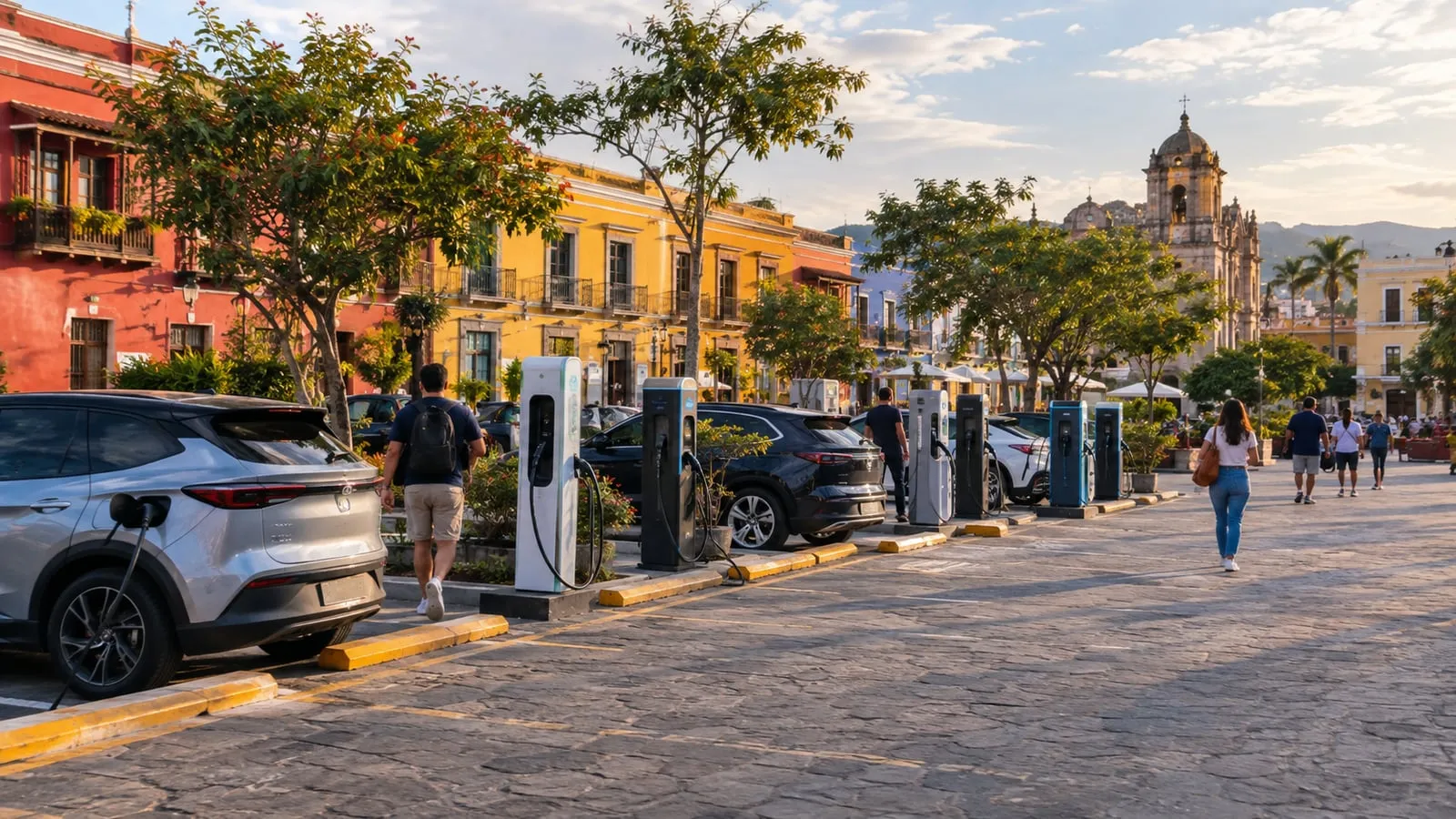
Latin America EV Charging: Connectors and Voltages by Country
Grid voltage, frequency and connector practice for EV chargers in Mexico, Chile, Brazil, Colombia, Argentina and Peru, with approval notes and what to verify.
Markets ·
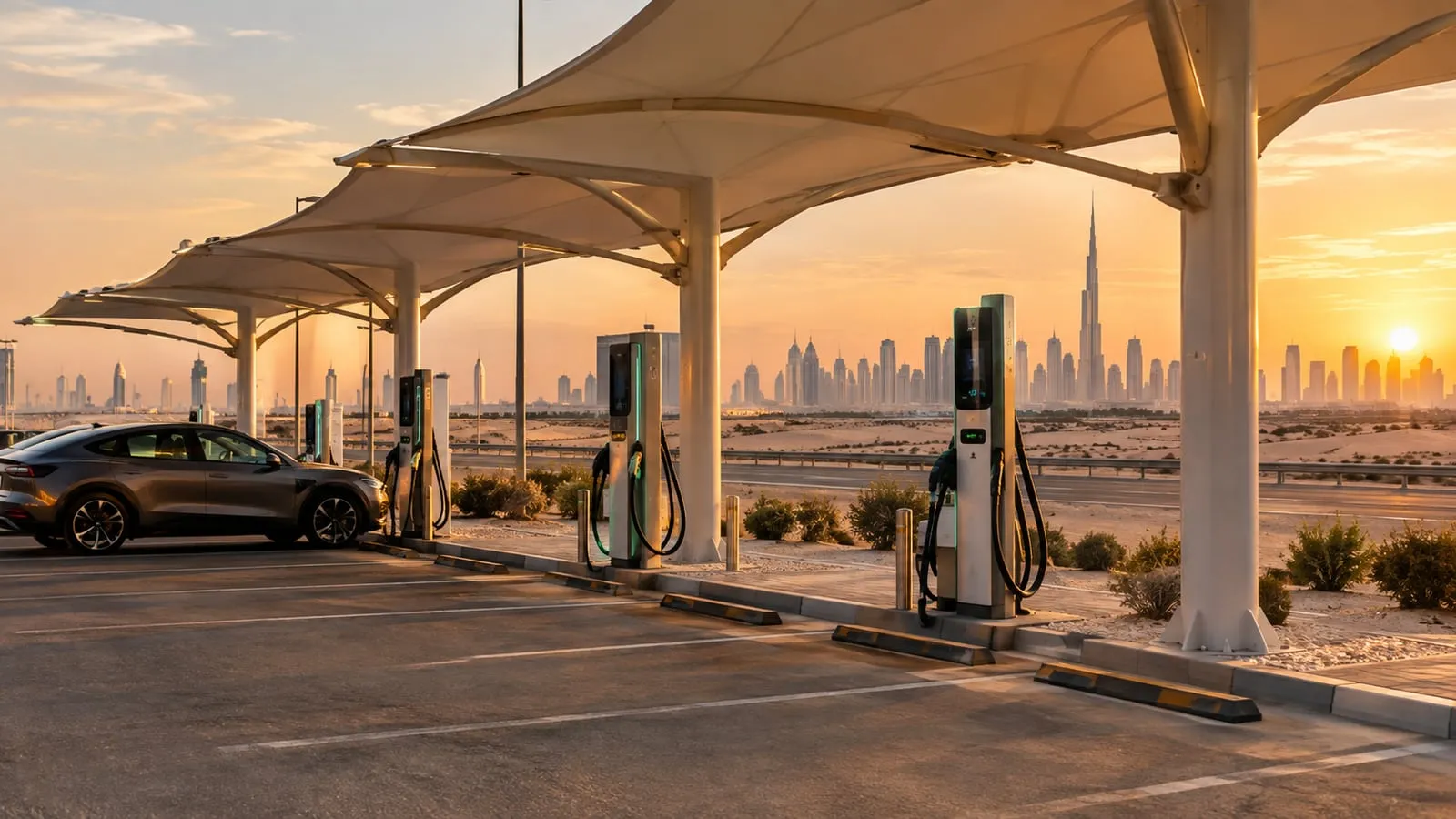
Middle East EV Charging: Standards, Climate and Approvals
EV charger requirements in the Gulf: UAE and Saudi grid and connectors, 55 °C design, IP54 and IK10, OCPP, SASO and SABER, and what to check before shipping.
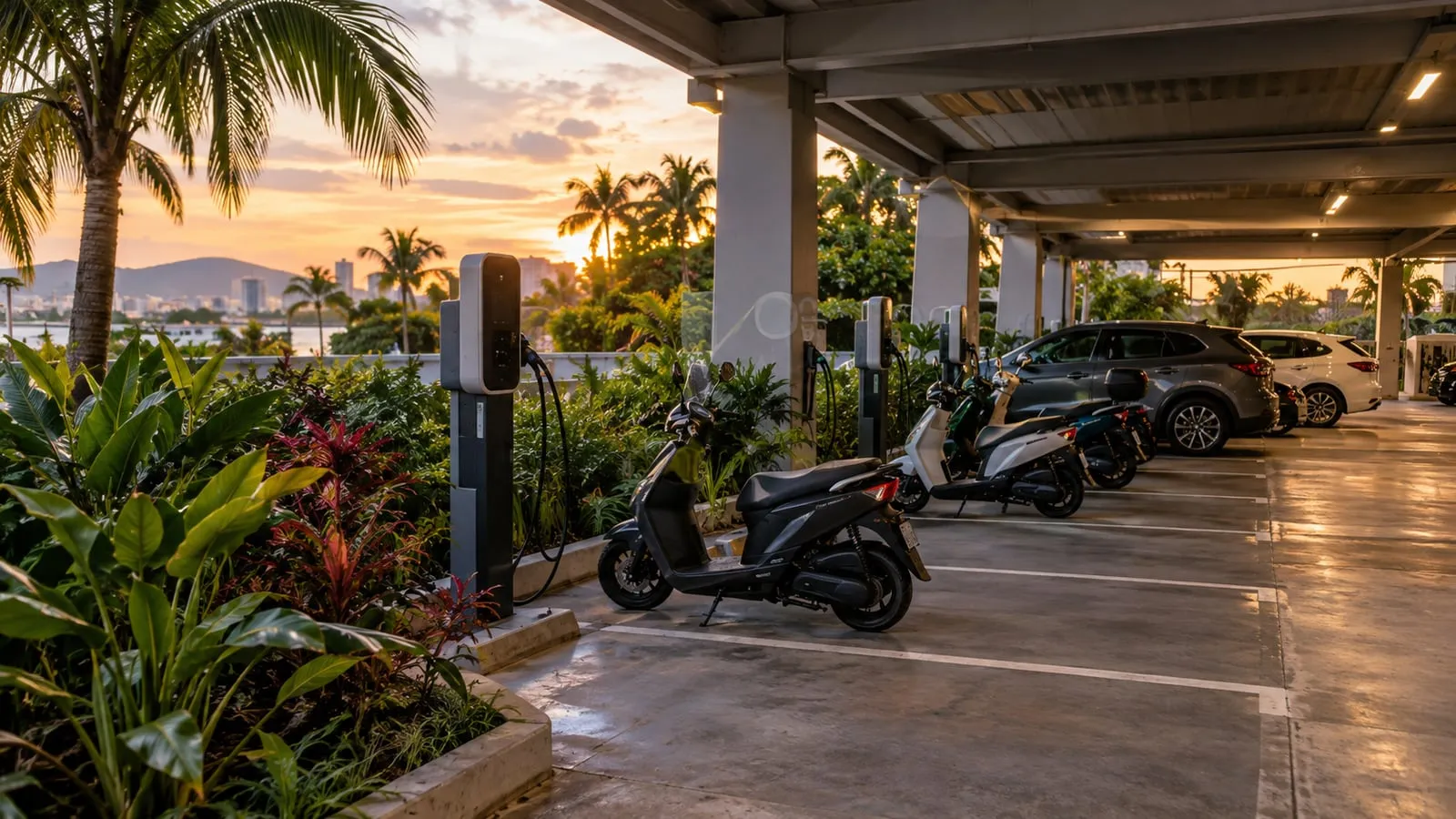
Markets ·
EV Charging in Southeast Asia: Standards and Voltages by Country
Grid voltage, connectors, approvals and licensing for EV chargers in Malaysia, Thailand, Vietnam, the Philippines and Indonesia in one table.

OEM & Private Label ·
Starting Your Own EV Charger Brand: Steps and Timeline
A practical path to launching your own EV charger brand with an OEM factory: market, product, certification, back end, samples, launch and a realistic timeline.
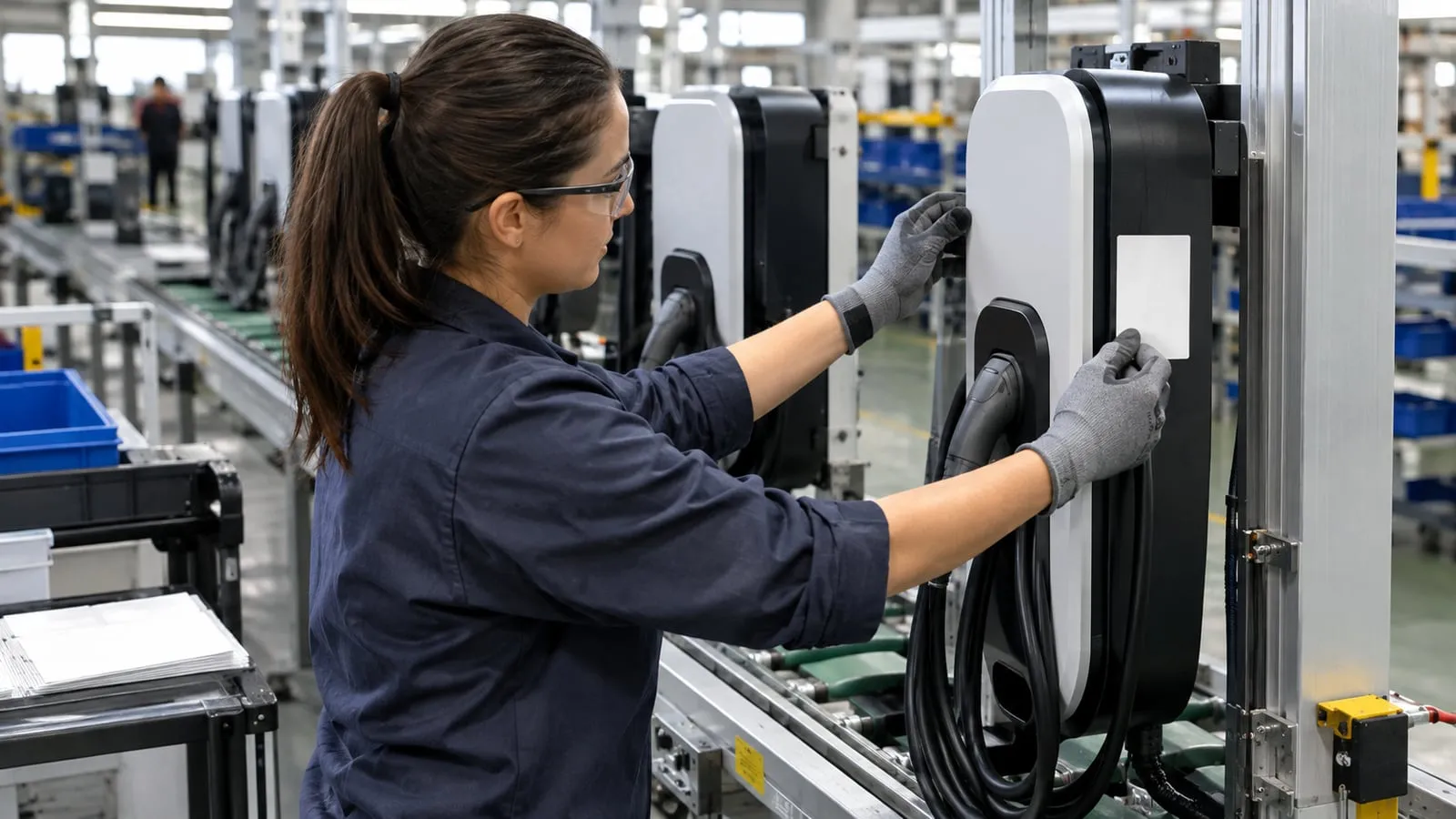
OEM & Private Label ·
Certification After Rebranding: What Changes When Your Logo Goes On
What happens to CE, UKCA, ETL and test reports when you put your own brand on an OEM EV charger: manufacturer role, labels, files and when to retest.
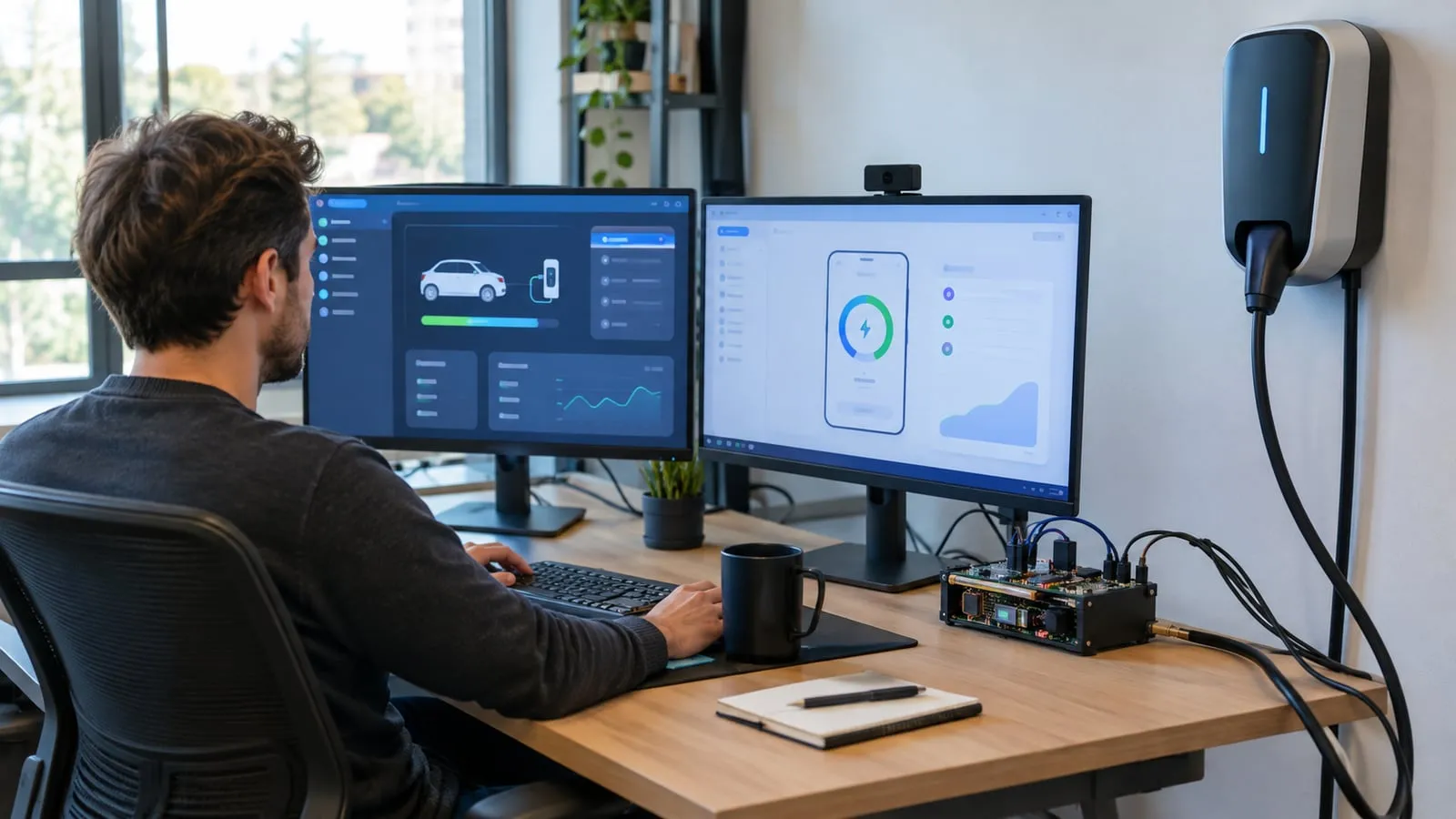
OEM & Private Label ·
Firmware, App and Backend Ownership in OEM Deals
Who owns the firmware, the app and the cloud in an OEM EV charger deal? Licence vs source, escrow, update rights, data and exit clauses for brand owners.
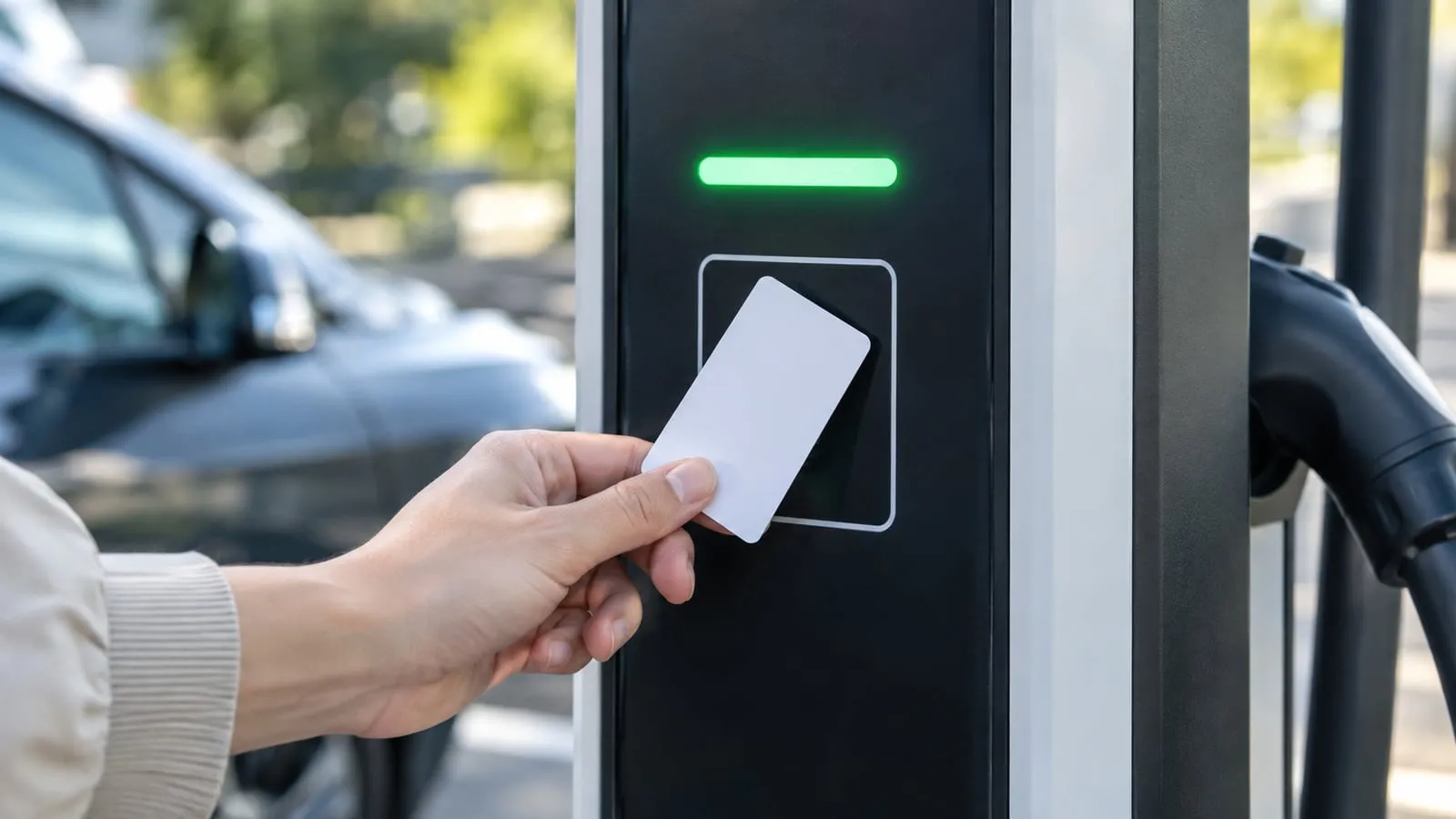
Sites & Applications ·
RFID Cards and Access Control for Private Charging Sites
How RFID cards, apps and plug-and-charge control who uses a private or shared EV charger: whitelists, offline authorisation, card types and cost allocation.

OEM & Private Label ·
Private-Label EV Chargers: What You Can Customize
What a private-label EV charger project can change — logo, colour, screen, app, firmware, cable, packaging — what stays fixed, and the effect on cost and time.
Sites & Applications ·
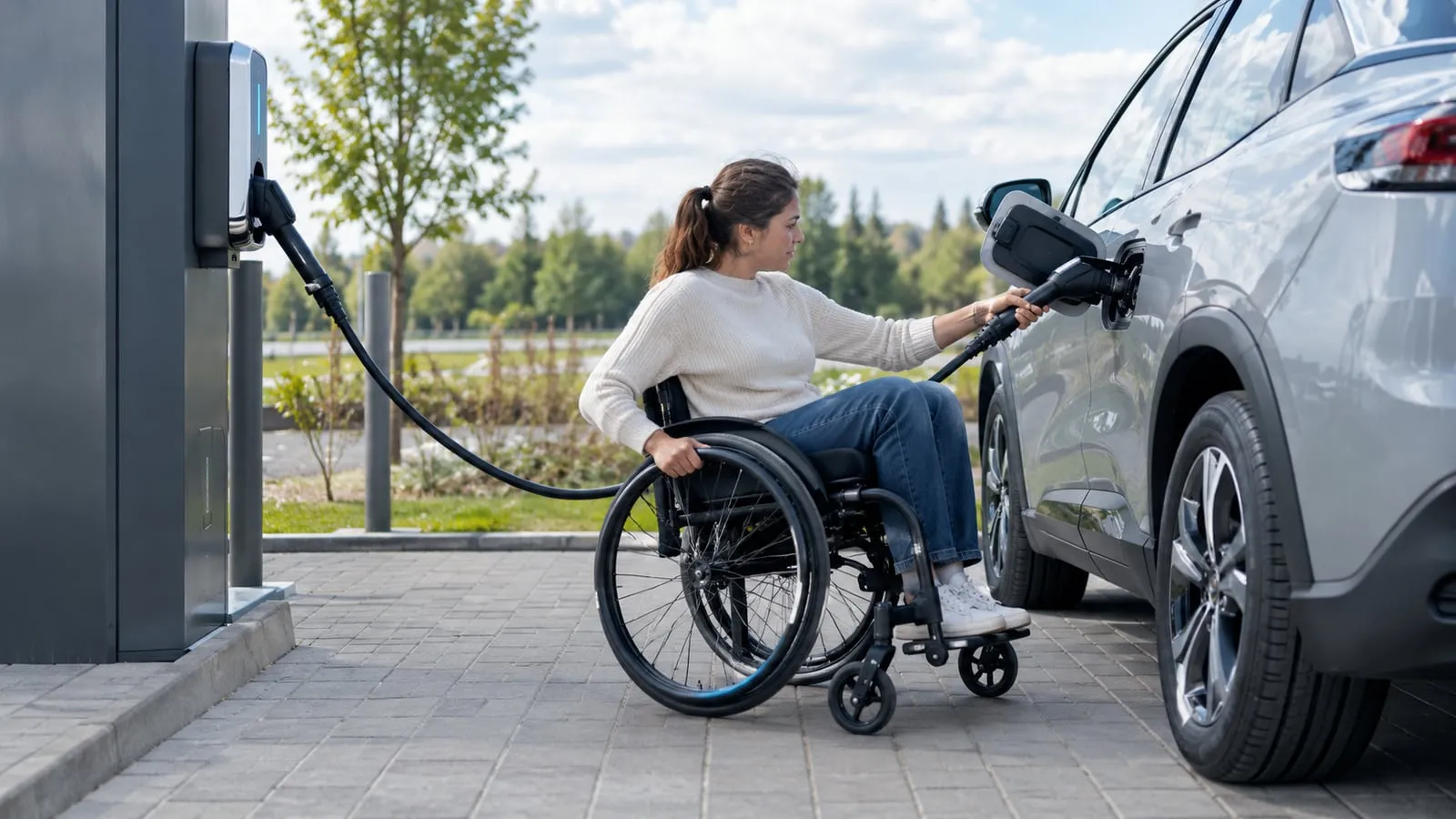
Accessible EV Charging Bays: Layout and Reach
How to design EV charging bays that wheelchair users and others can use: bay width, level surface, reach heights, cable weight, controls and payment.
Sites & Applications ·
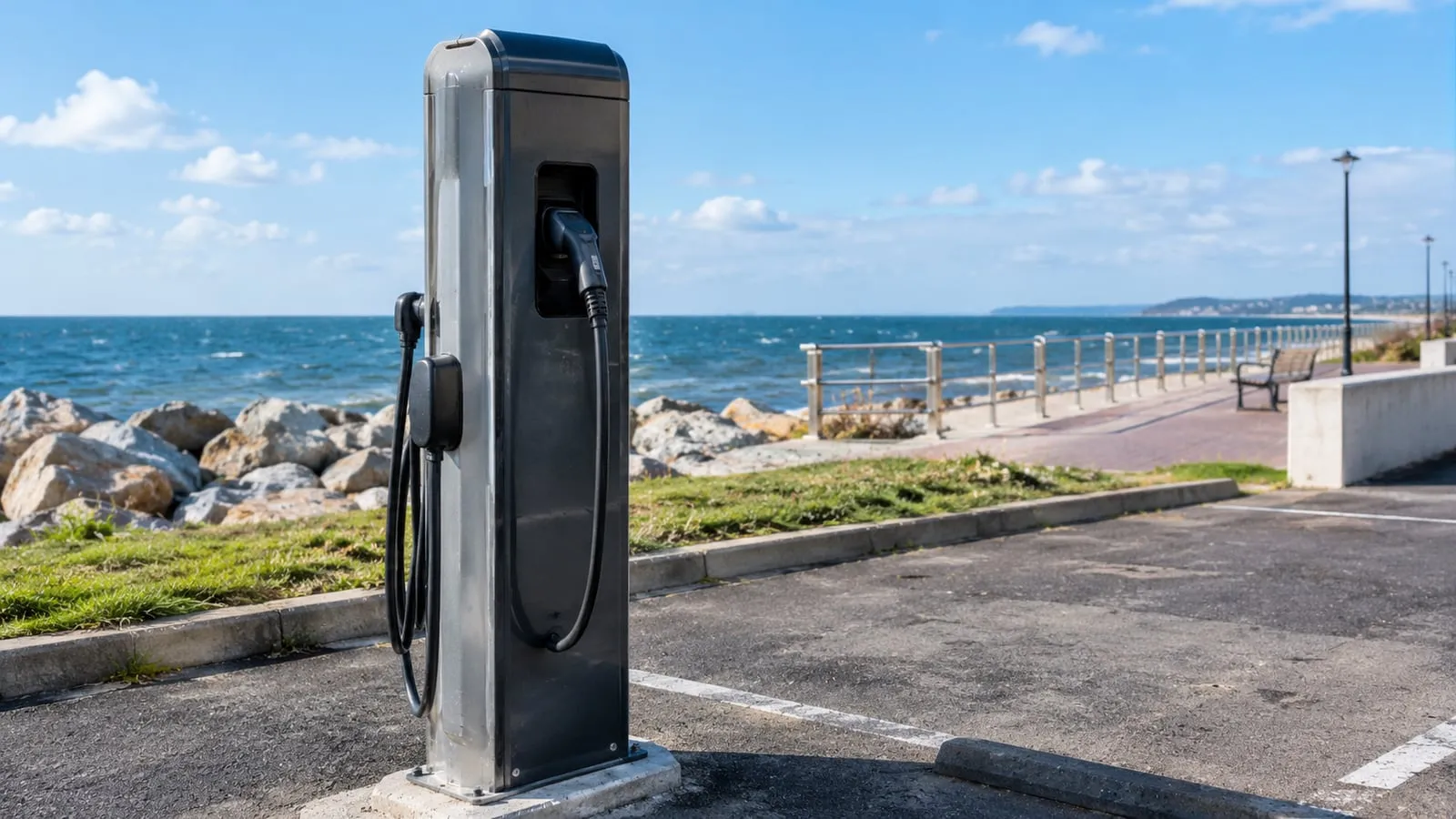
Enclosures for Coastal and Desert Sites: Materials and Corrosion
Salt spray, sand and UV: how corrosion classes (C3–C5), coatings, stainless steel, gaskets and filters protect EV chargers on coasts and in deserts.
Sites & Applications ·
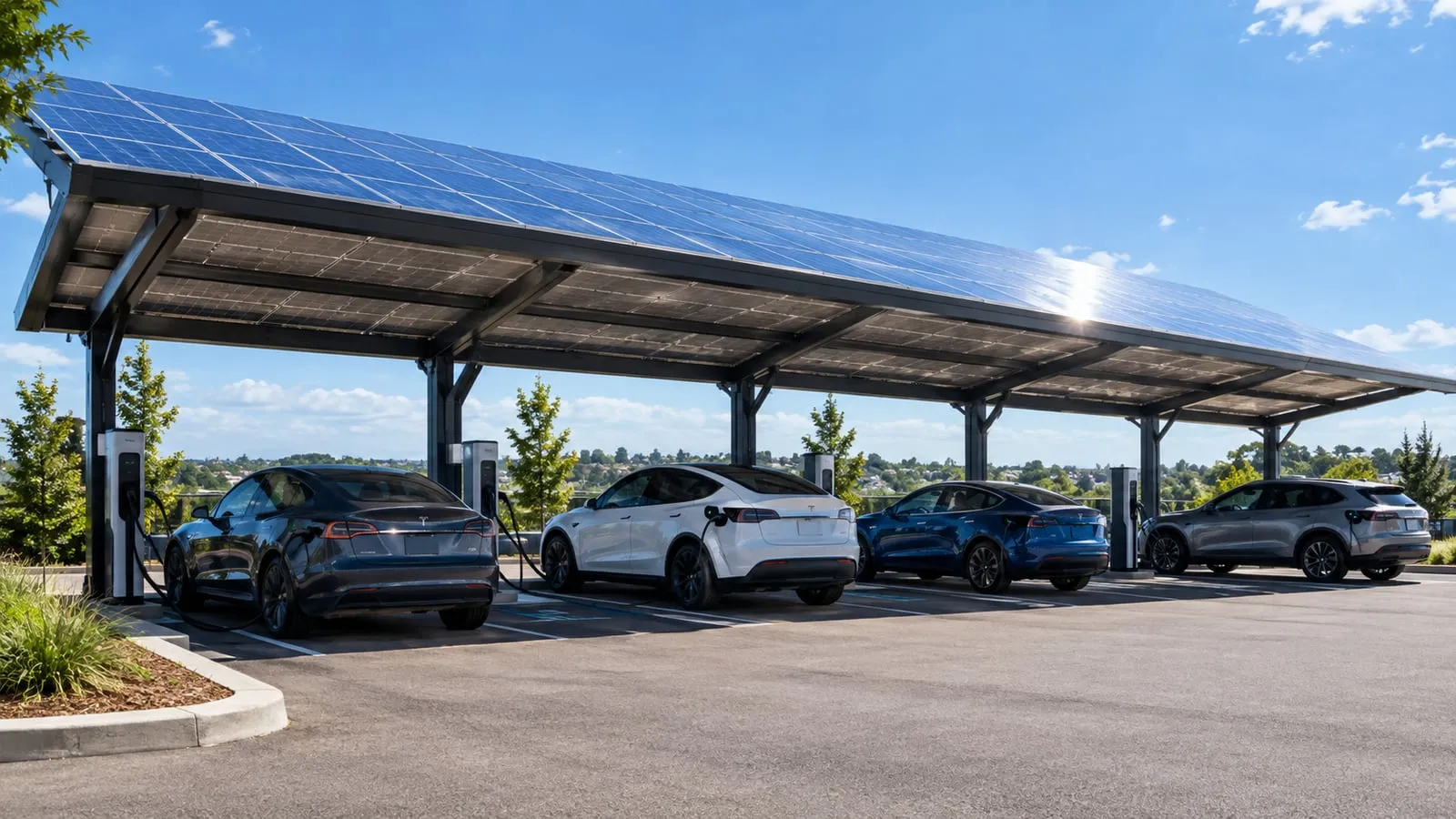
Solar Carports and Canopies Over Charging Bays
Solar carports over EV charging bays: how much energy panels give, direct vs grid-tied use, structure and wind loads, shade benefits and permits.
Sites & Applications ·
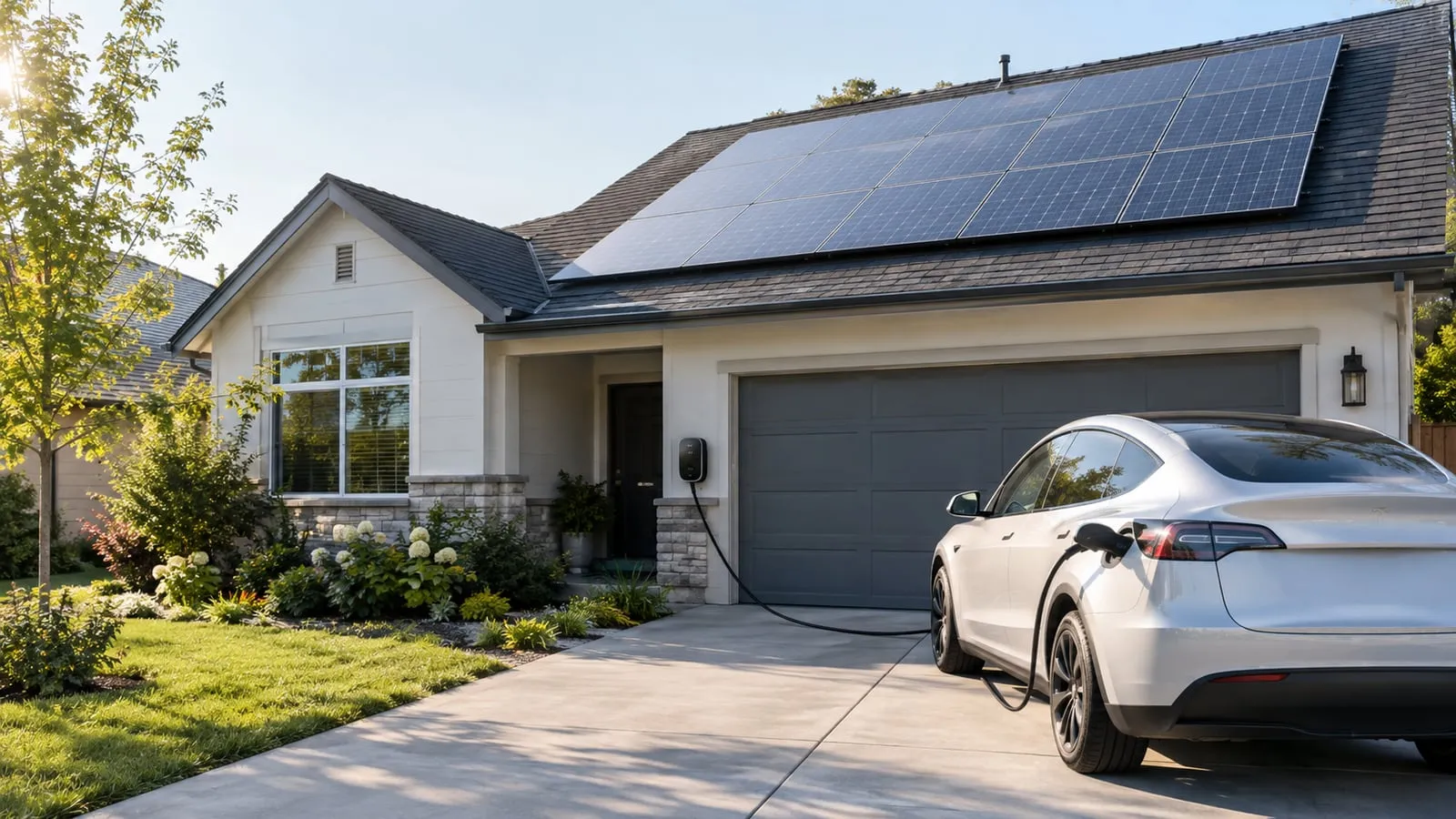
EV Chargers for Solar Homes and Businesses: PV-Aware Charging
How PV-aware EV chargers use solar surplus: how they measure it, minimum current limits, 1-phase vs 3-phase switching, and what to ask suppliers.
DC Fast Charging ·
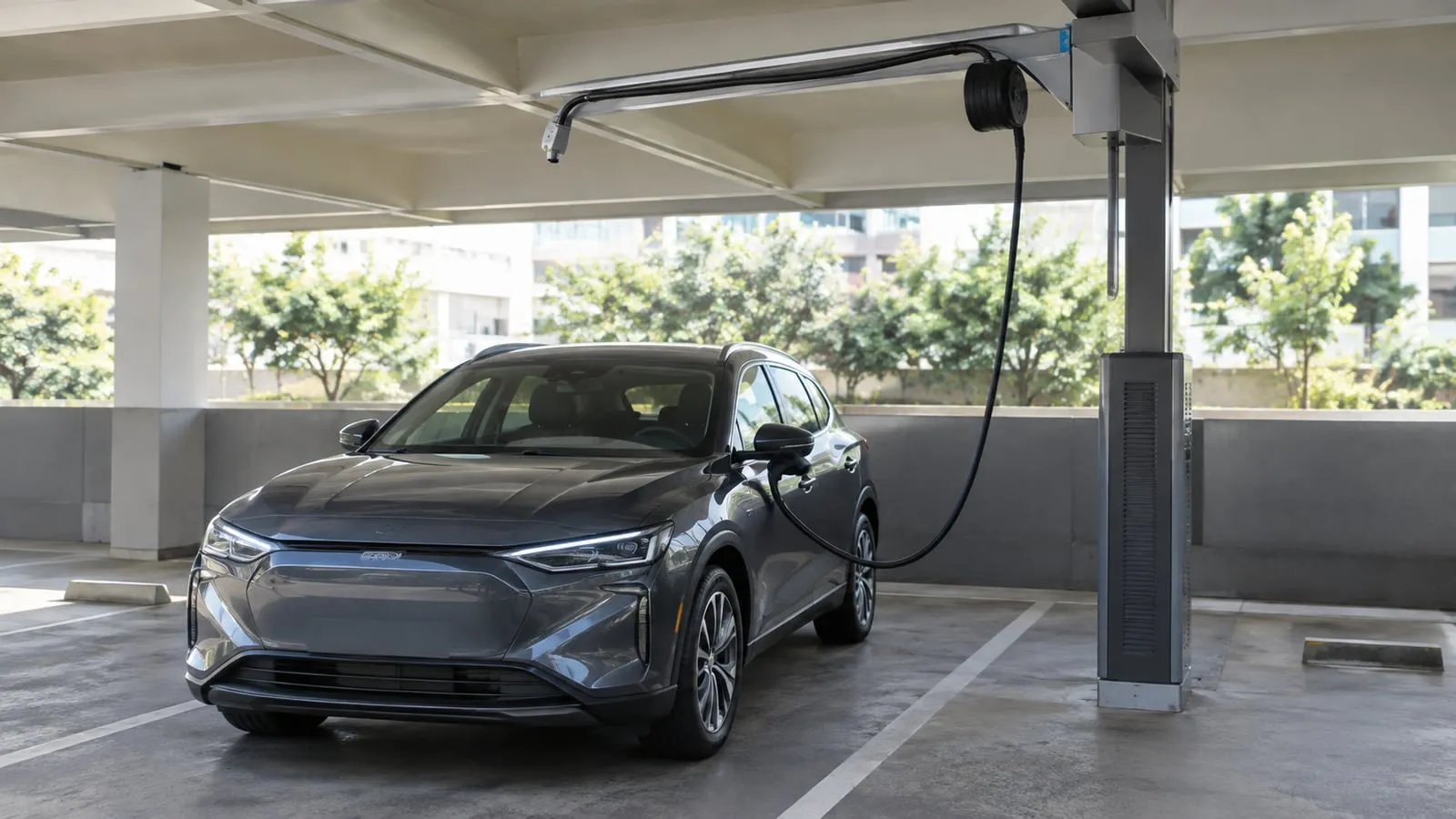
Cable Management for DC Chargers: Retractors, Holsters, Lengths
Cable length, holsters, booms and retractors for DC chargers: how to stop cables dragging on the ground, reach all inlets and last longer.
Fleet & Heavy Vehicles ·
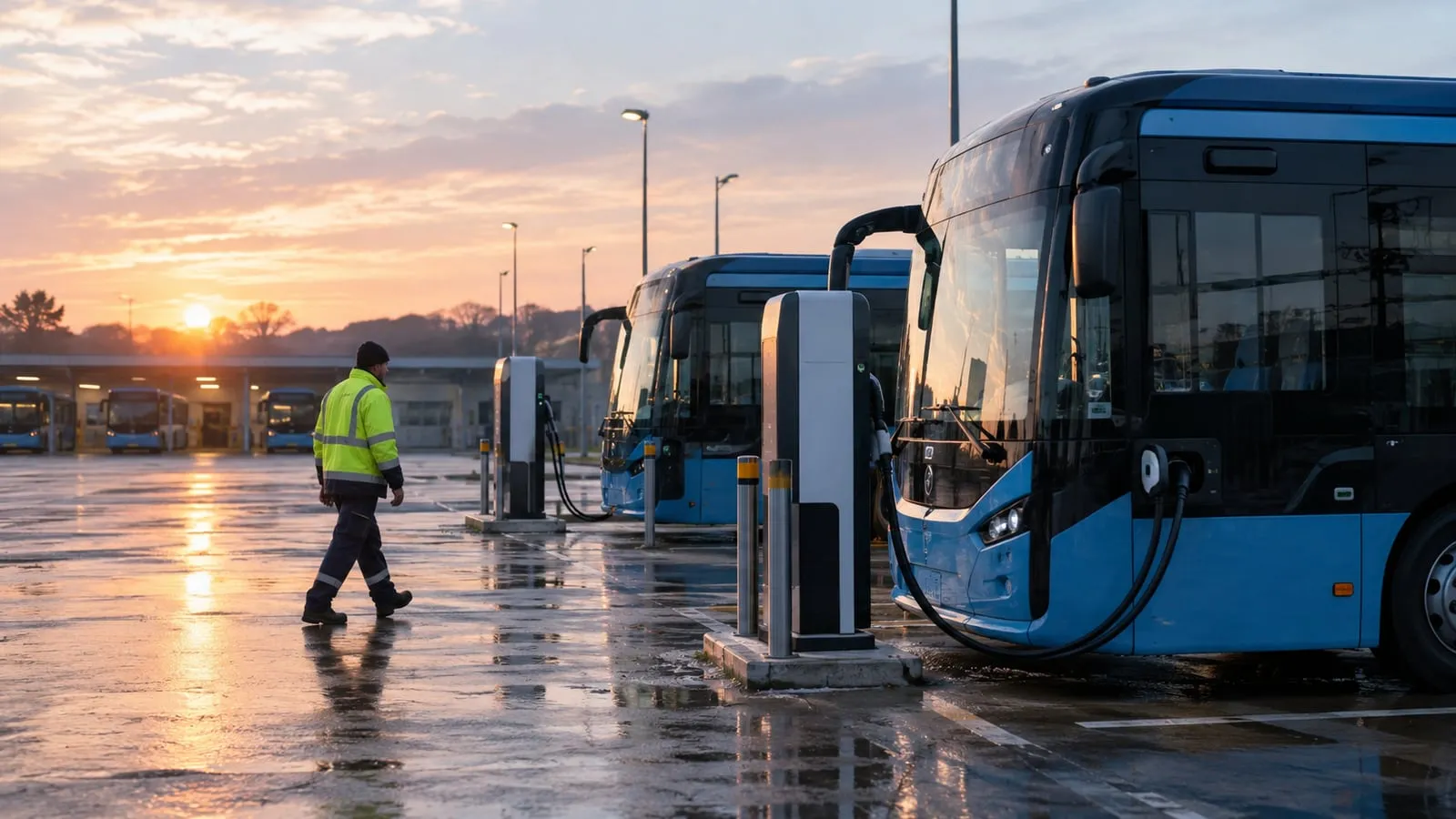
Charging Electric Buses and Trucks: Power, Connectors, Depots
How electric buses and trucks charge: depot vs opportunity charging, 150–400 kW DC, CCS and MCS, energy needs per shift and depot planning basics.
Sites & Applications ·
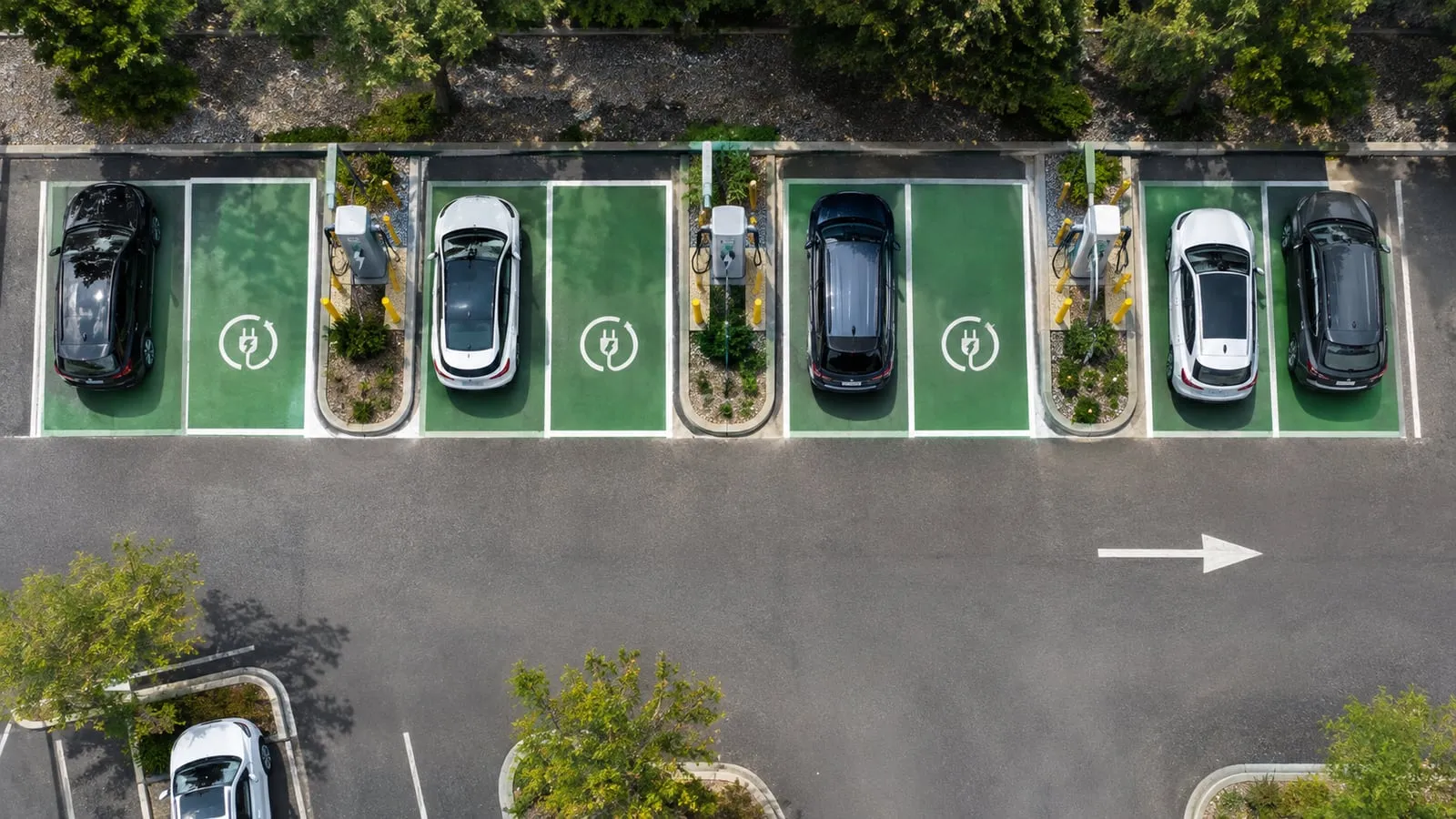
EV Charging Bay Layout, Signage and Bollards
How to lay out EV charging bays: dimensions, charger position, cable reach, bollards, markings, signage, lighting and traffic flow for car parks.
Sites & Applications ·
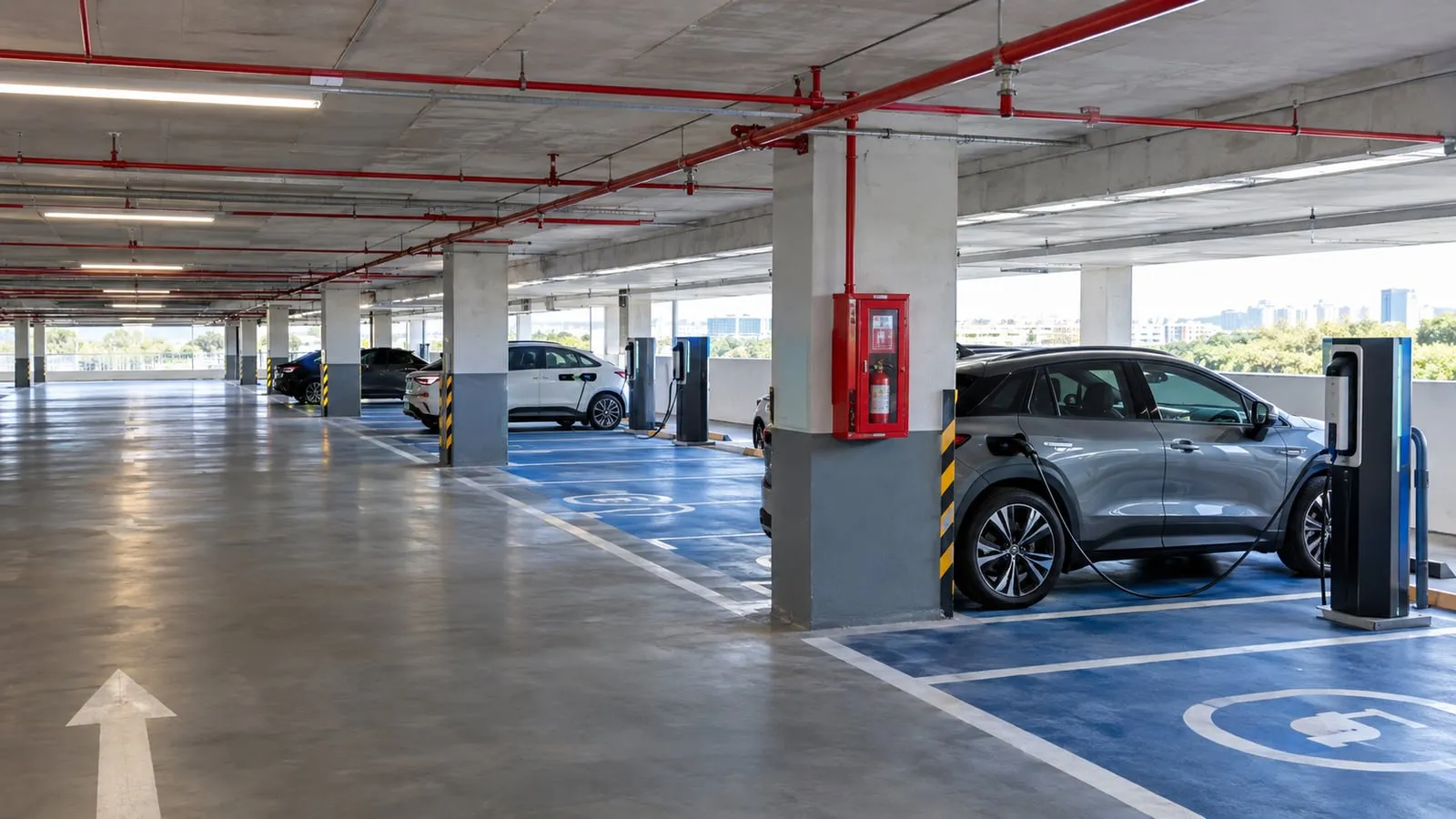
Parking Garage EV Charging: Fire Safety, Ventilation, Cable Routing
Planning EV chargers in a parking garage: fire strategy, sprinklers, ventilation, cable routes, compartments, electrical protection and insurer questions.
DC Fast Charging ·
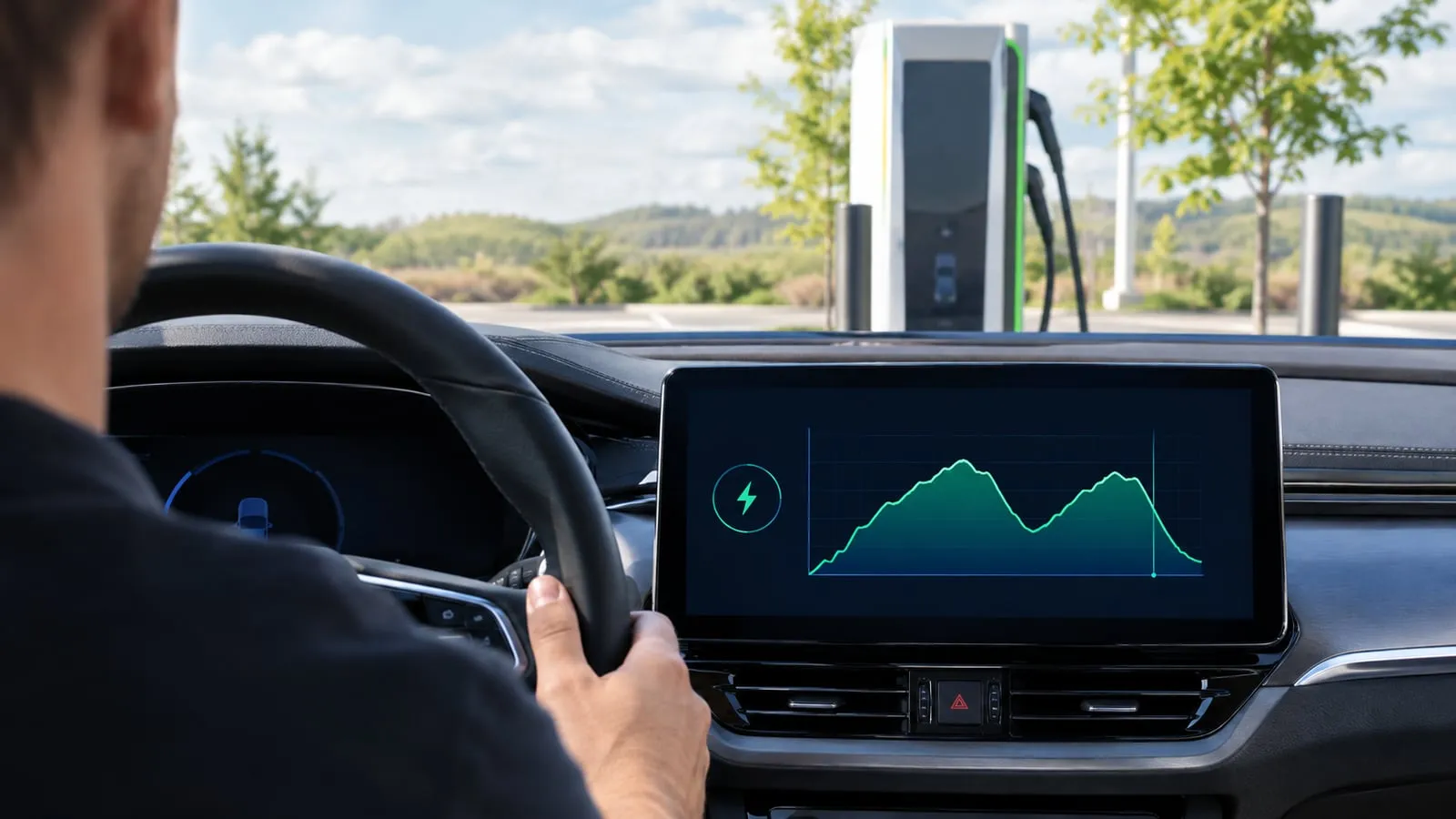
Why a 150 kW Charger Rarely Delivers 150 kW: The Charging Curve
Why DC fast chargers deliver less than their rated power: the car’s charging curve, battery temperature, voltage class, shared power and cable limits.
DC Fast Charging ·
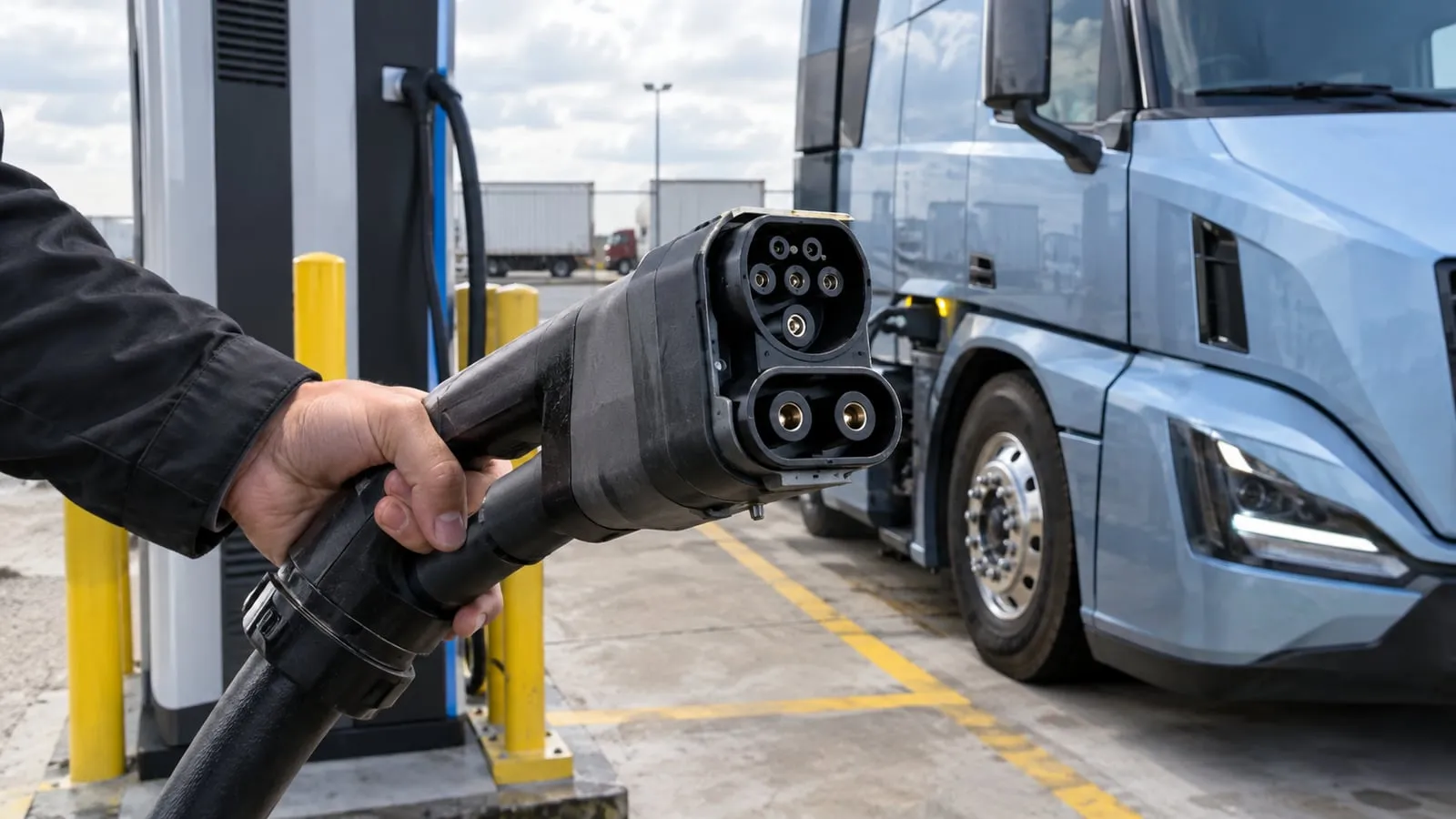
Liquid-Cooled vs Air-Cooled DC Charging Cables
When a DC charger needs a liquid-cooled cable: current limits of air-cooled cables, weight, cost, maintenance, trucks and 350 kW sites compared.
Portable & Mobile Charging ·
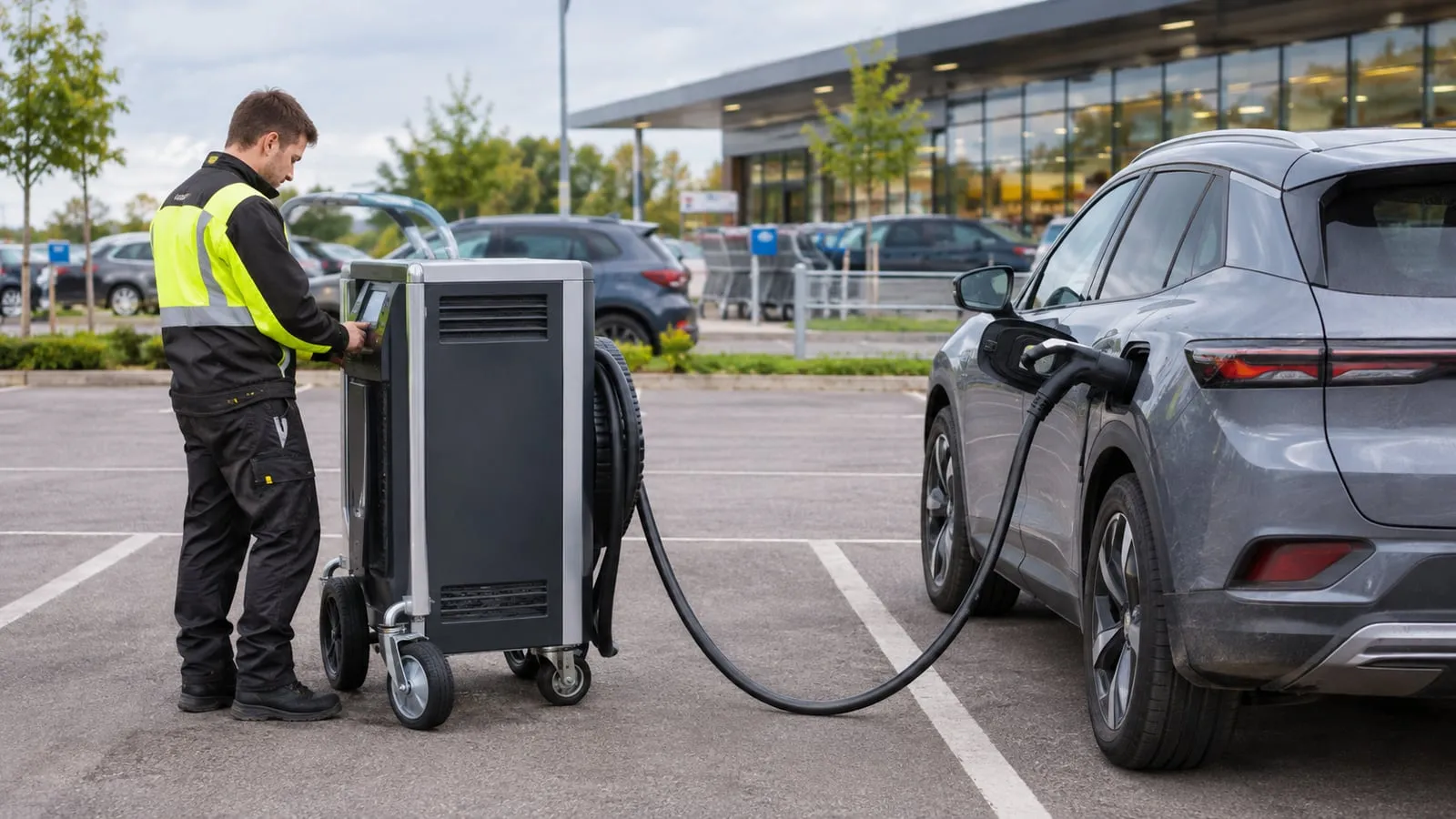
Mobile DC Chargers: When They Beat Fixed Chargers
Where a mobile DC charger on wheels makes sense: fleet yards, events, roadside help, temporary sites and trials — and where a fixed charger is the better buy.
AC Charging ·
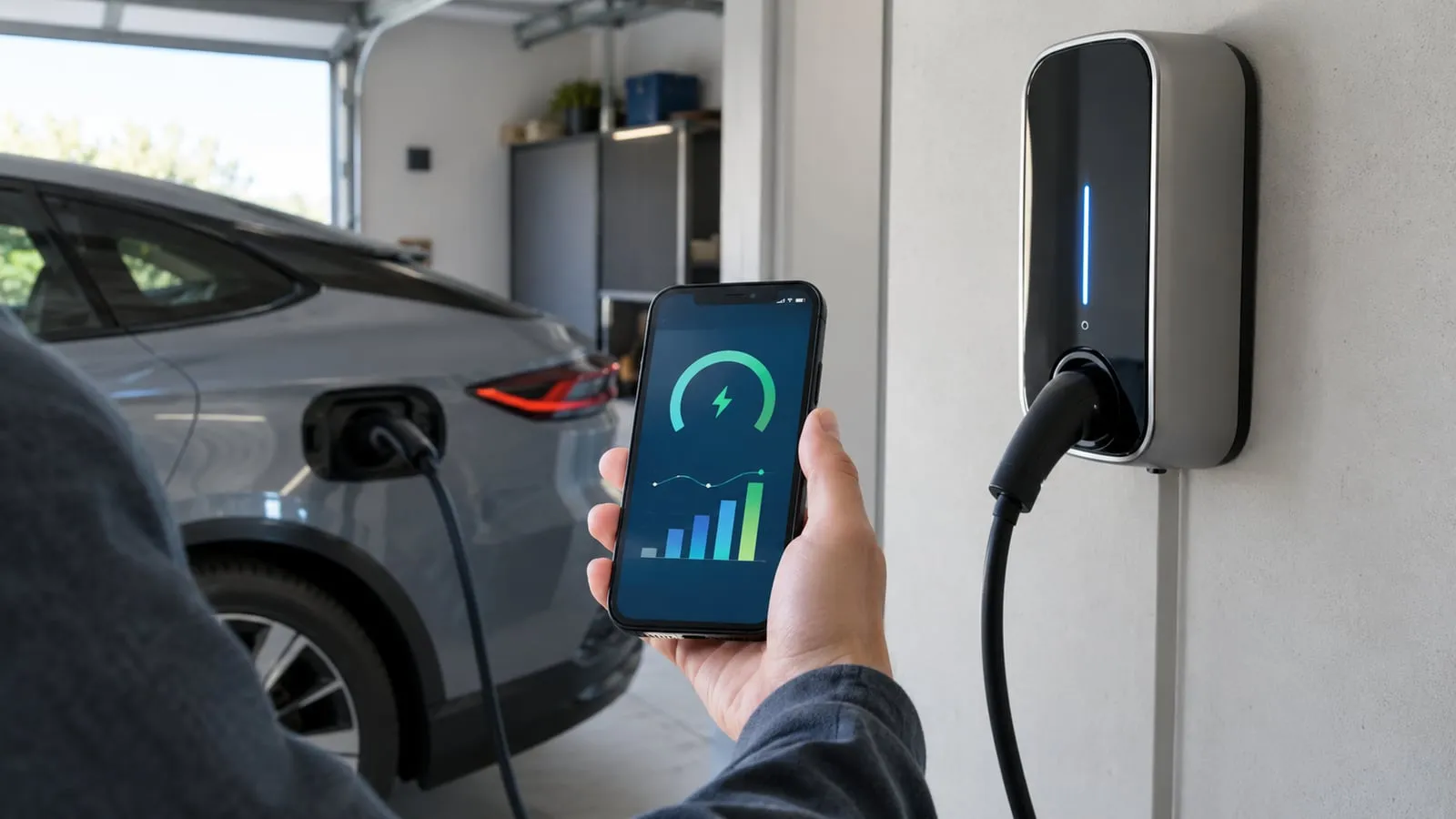
Smart Charger Features Worth Paying For
Which smart EV charger features earn their cost — OCPP, load balancing, solar-aware charging, scheduling, RFID, payment — and which are marketing.
DC Fast Charging ·
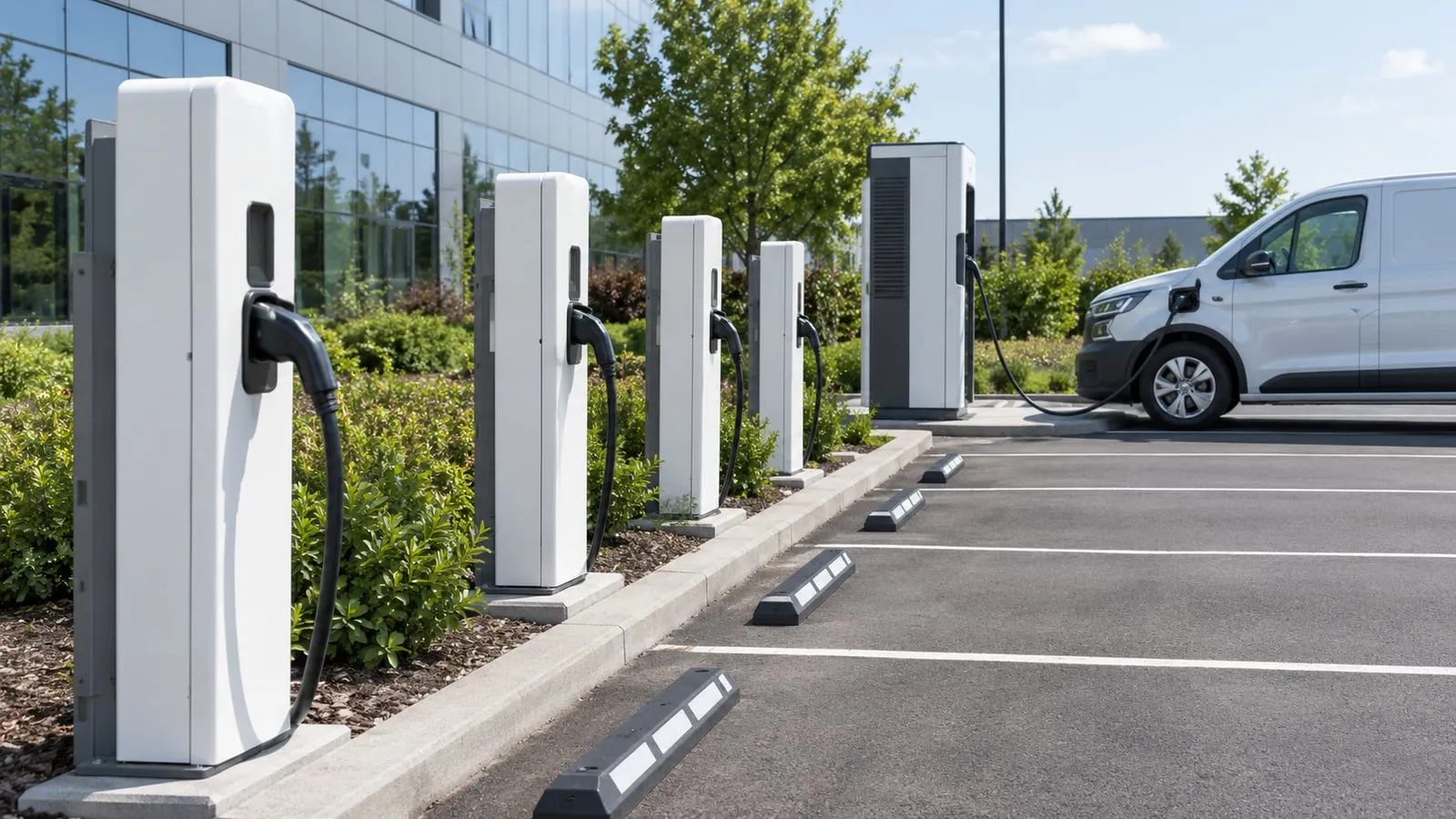
AC vs DC Chargers for Business: Choosing 7 to 360 kW
How to choose between AC and DC EV chargers for a business site: dwell time, kWh per visit, power levels from 7 kW to 360 kW, supply needs and site examples.
Portable & Mobile Charging ·
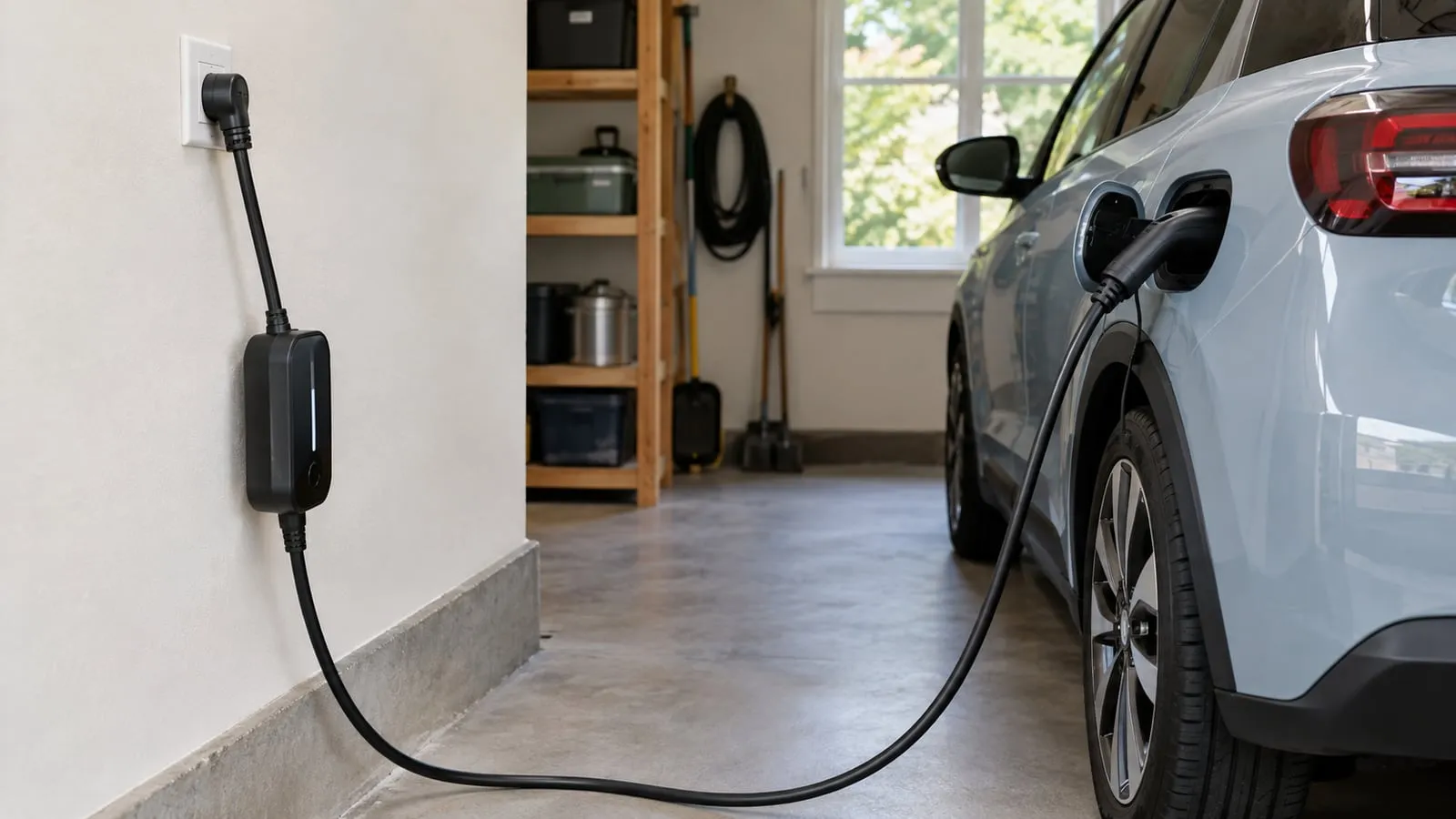
Portable EV Chargers: A Distributor’s Guide to Mode 2 Safety
What distributors should know before selling portable Mode 2 EV chargers: IC-CPD protection, plug temperature sensing, socket limits, markets and labelling.
DC Fast Charging ·
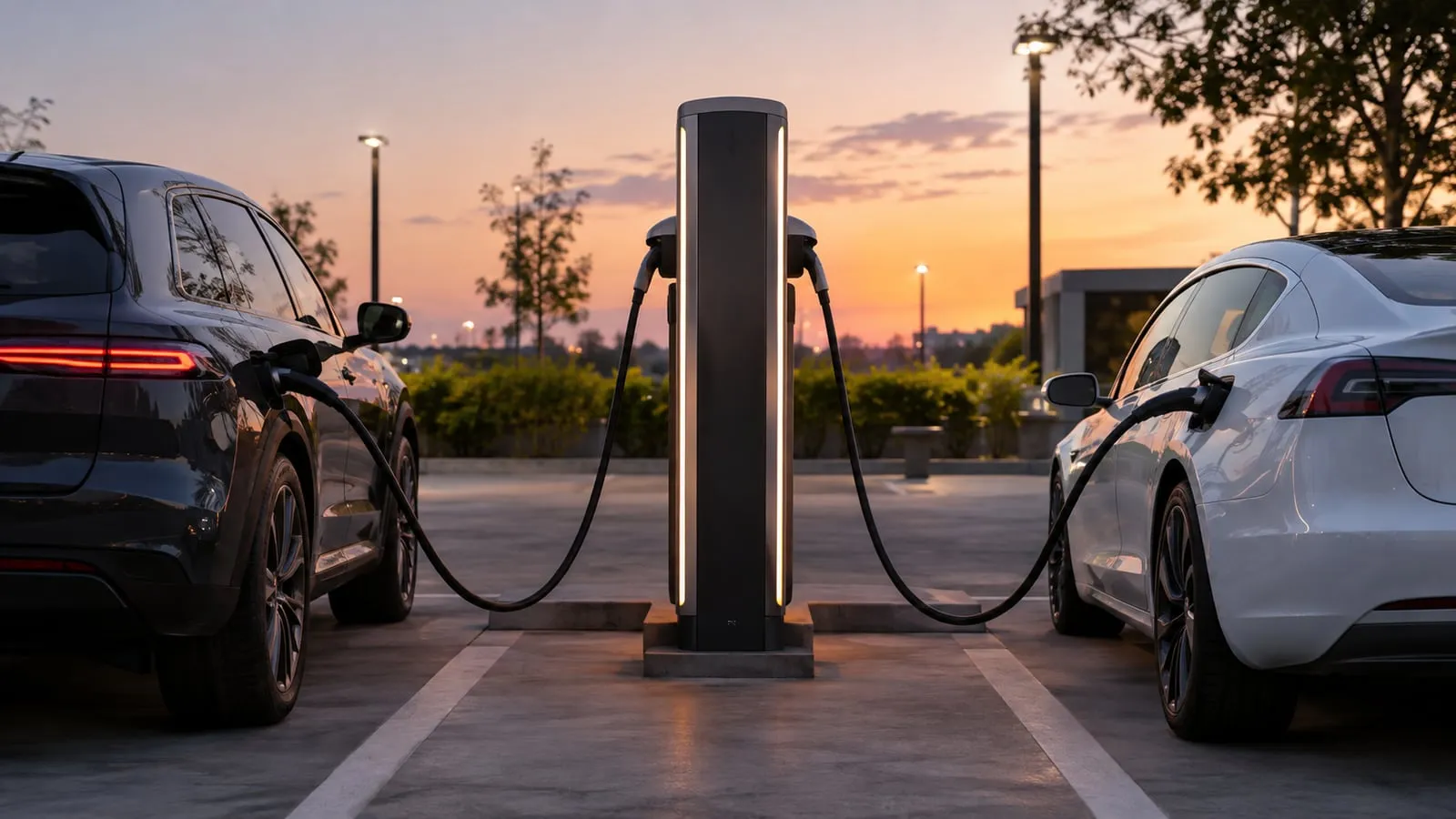
Single-Gun vs Dual-Gun DC Chargers and Power Sharing
What a dual-gun DC charger really delivers: static and dynamic power sharing, when two connectors beat two single chargers, and how to read the spec sheet.
AC Charging ·
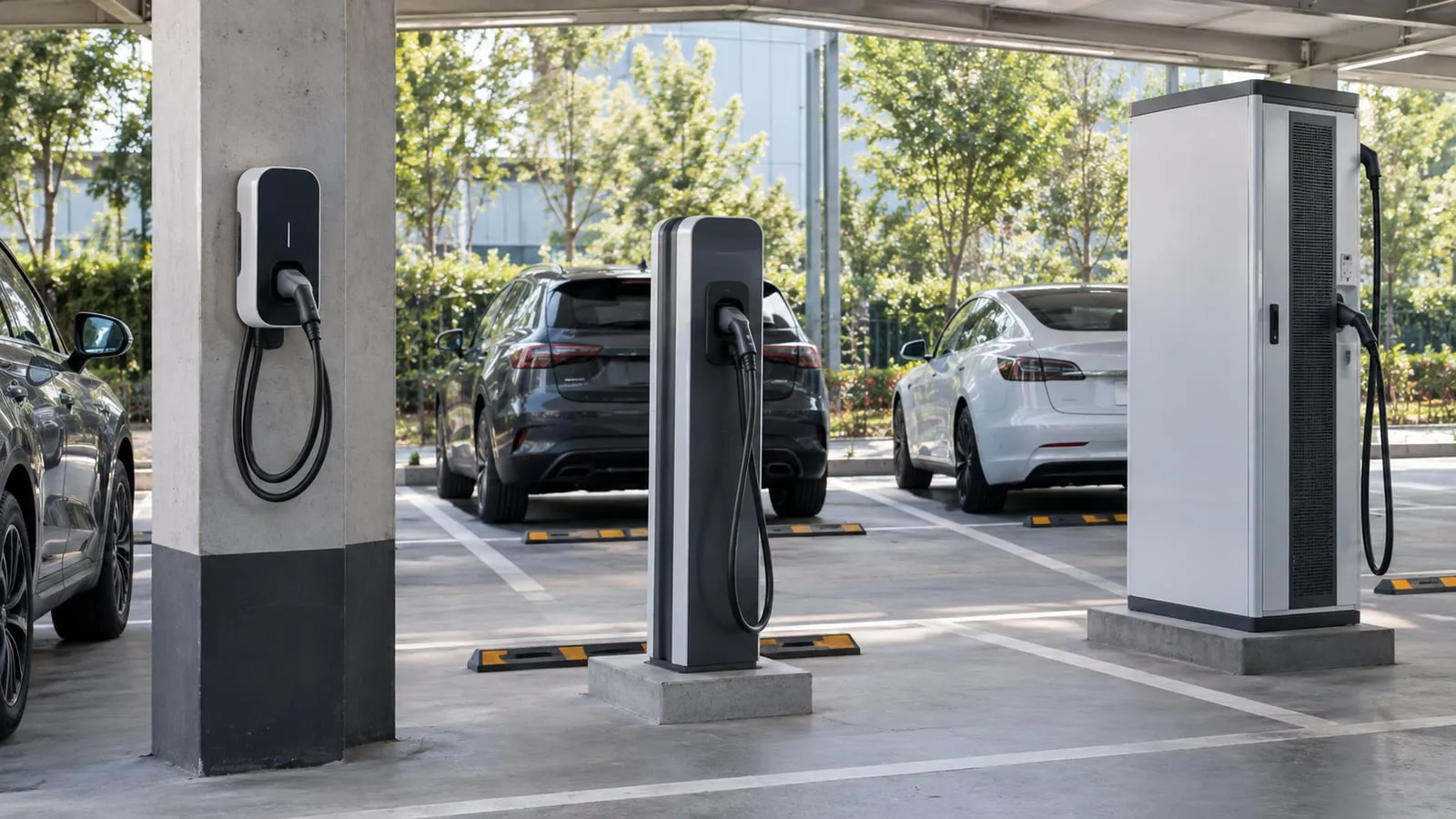
Wall-Mounted vs Pedestal vs Floor-Standing Chargers
Three ways to mount an EV charger — wall, pedestal post and floor-standing cabinet. Cost, space, vandal resistance and which site suits which.
Sites & Applications ·
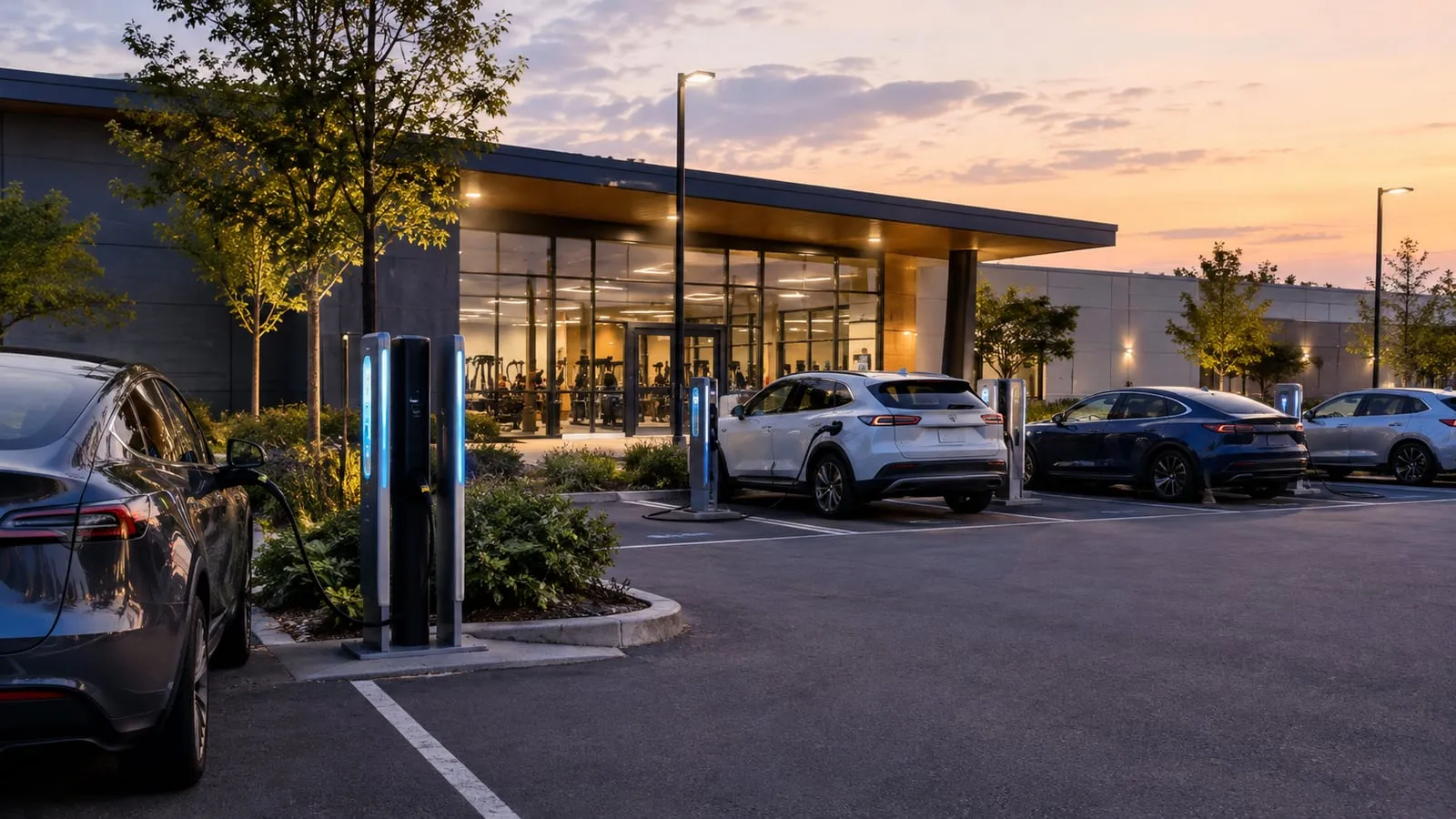
EV Charging at Leisure Centres, Gyms and Entertainment Venues
Leisure centres, gyms and cinemas see one to three hour stays. How to choose AC or DC, size the supply, handle payment and use charging to attract visitors.
AC Charging ·
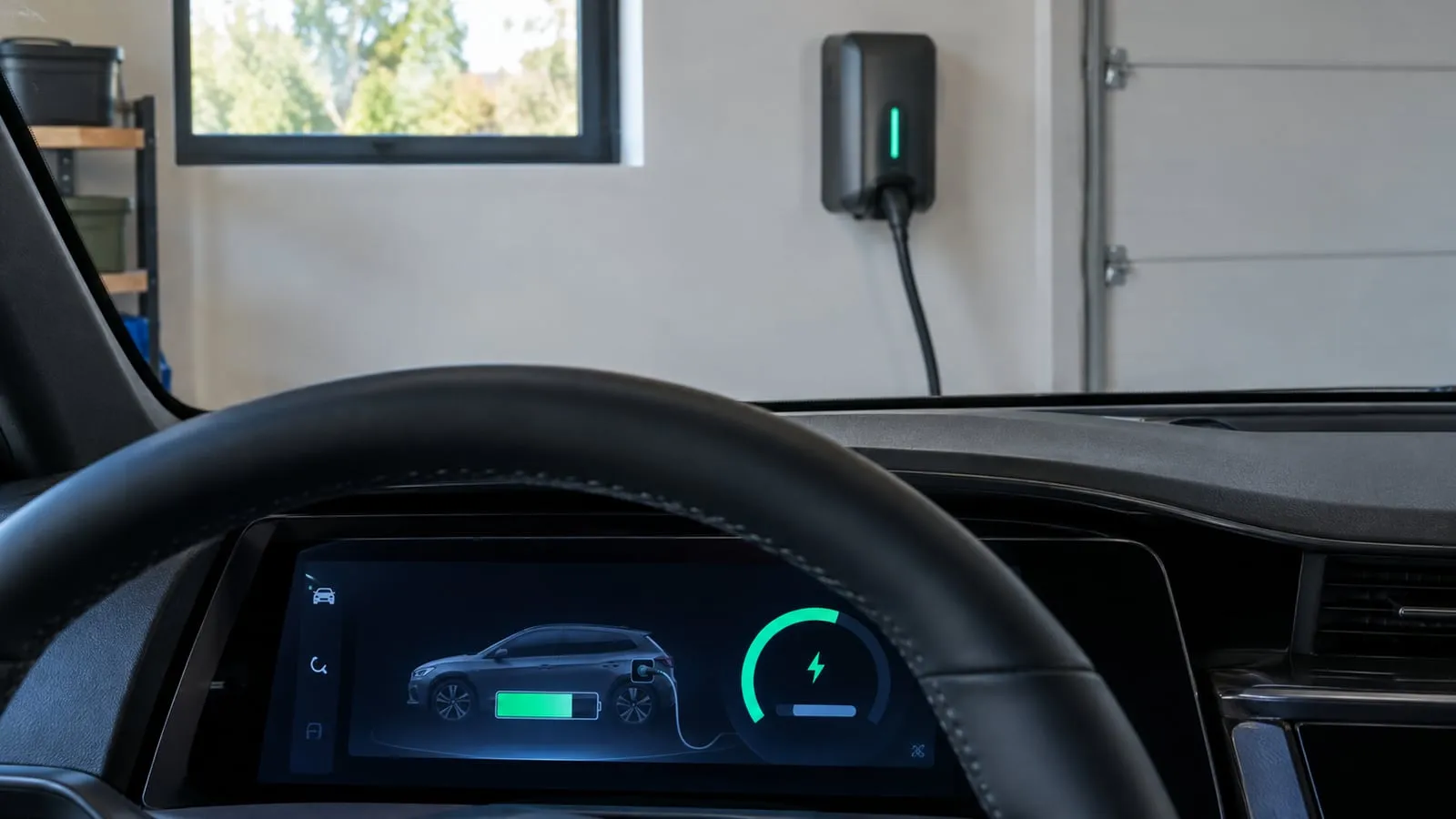
Why a 22 kW Charger Only Charges Your Car at 11 kW
The onboard charger, the phases and the cable limit AC charging speed. Why a 22 kW wallbox gives 7.4 or 11 kW and how to check what your car accepts.
Installation & Power ·
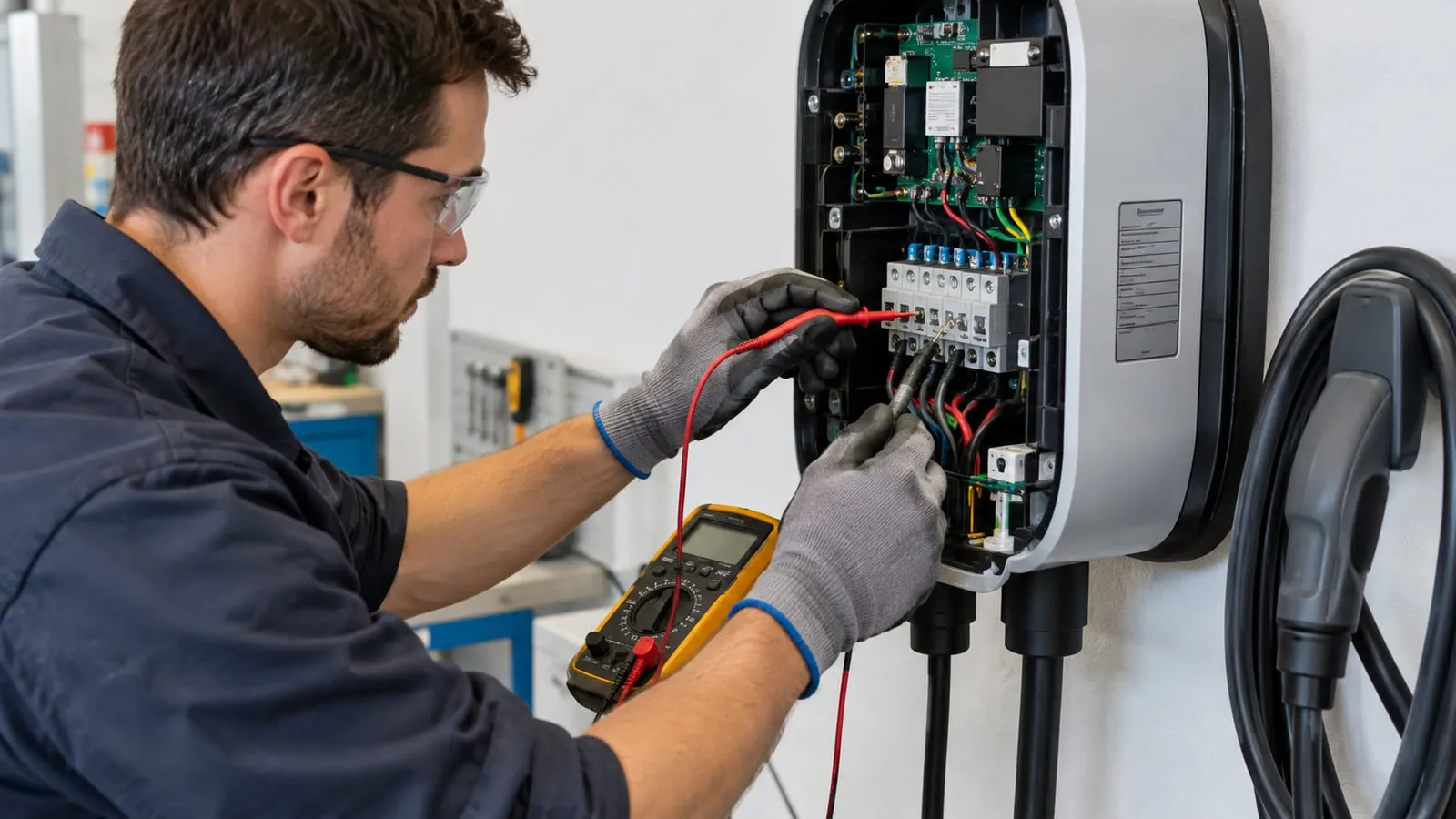
EV Charger Voltage and Frequency by Country: Quick Reference
Typical mains voltage, phases and frequency for EV charger buyers in 30+ markets, with the connector in use and the charger version to order. Verify locally.
Installation & Power ·
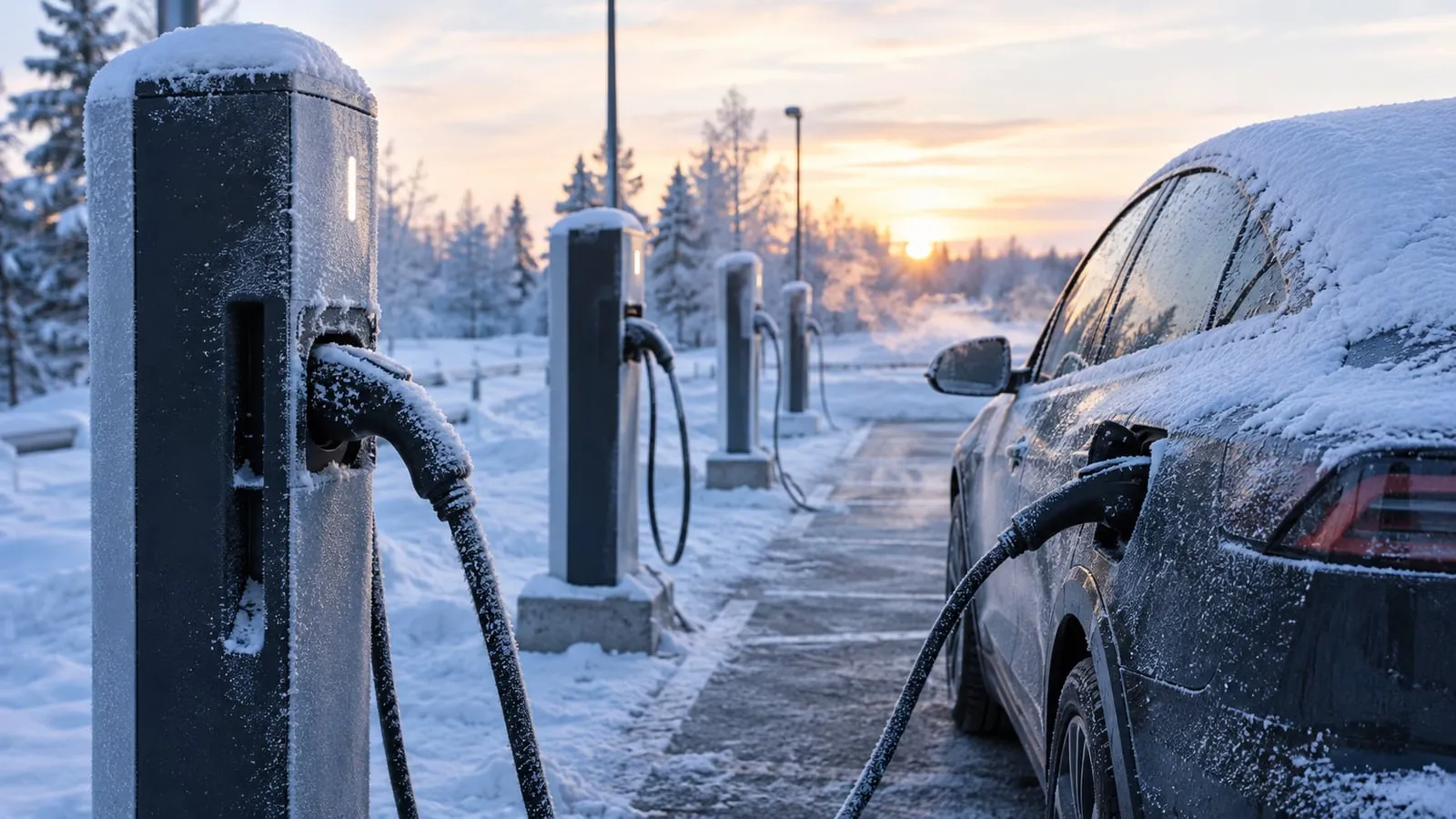
EV Chargers in Cold Climates: Snow, Frost and Condensation
How cold weather affects EV chargers and charging: low-temperature ratings, heaters, cable stiffness, snow and ice, battery limits and installation tips.
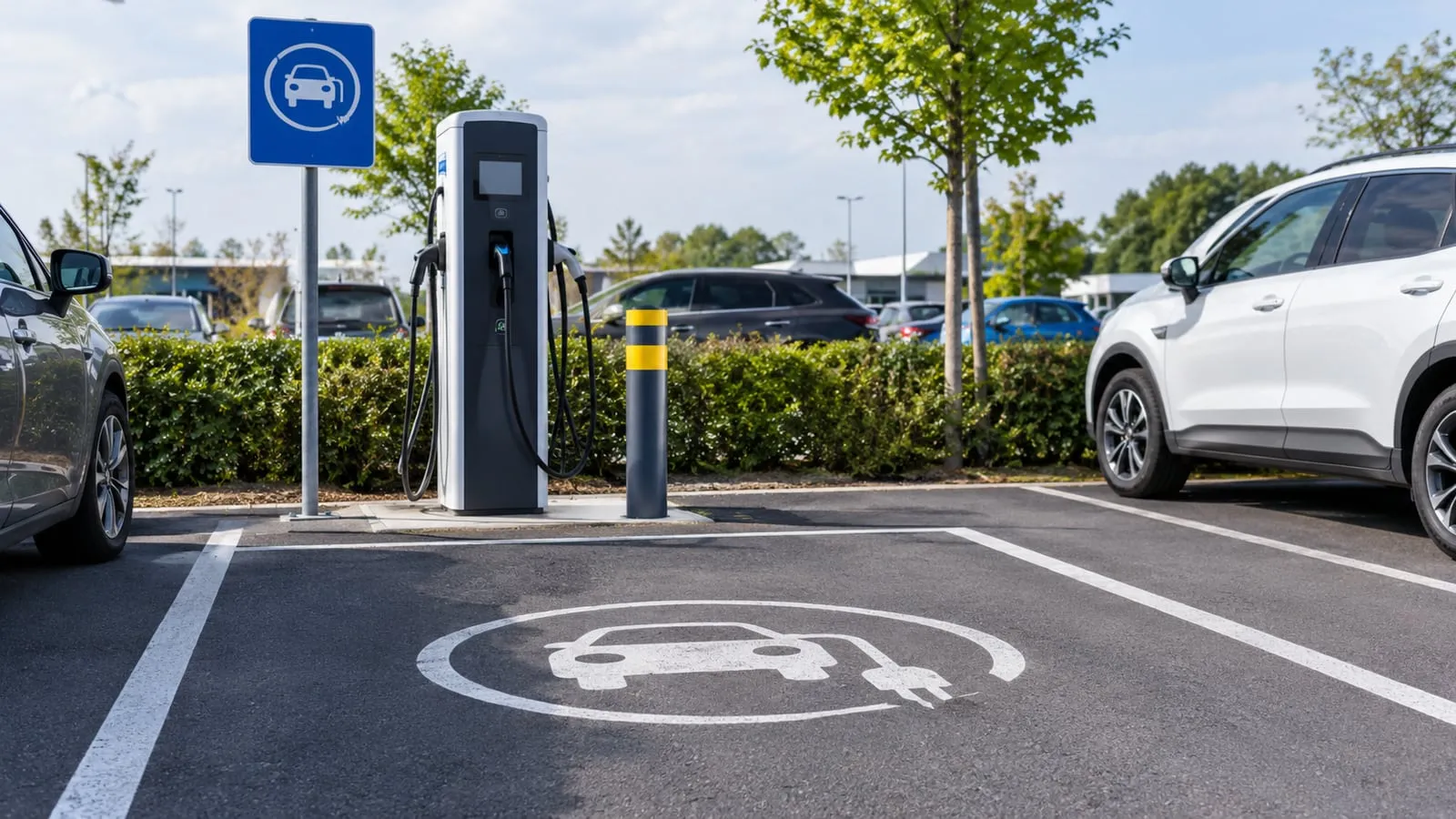
Sites & Applications ·
EV Charging Safety Signage and Floor Markings
Which signs and floor markings an EV charging site needs: bay identification, connector and power information, price and payment, emergency stop and contacts.
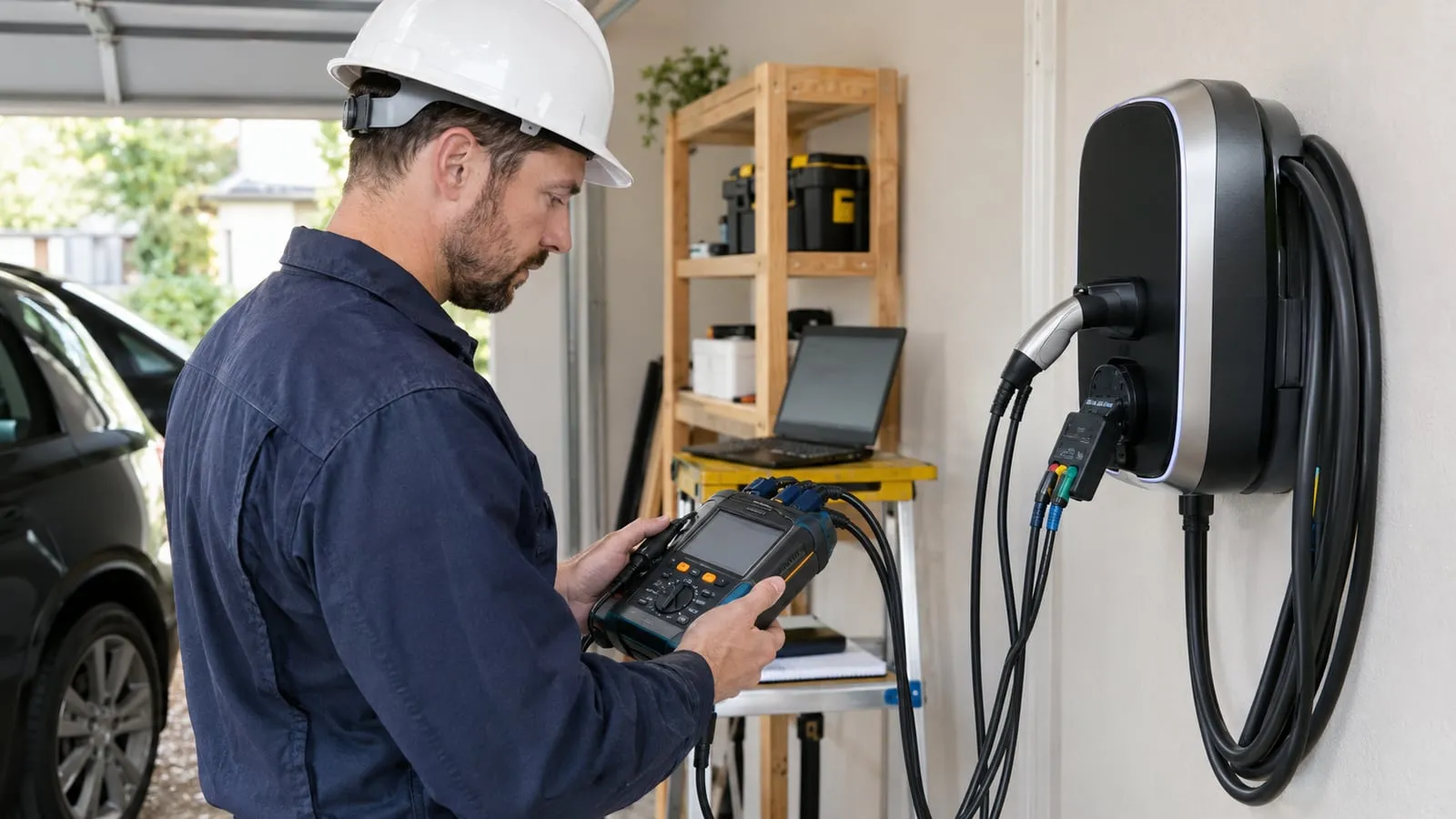
Installation & Power ·
EV Charger Commissioning Checklist: Tests Before Handover
A step-by-step commissioning checklist for AC and DC EV chargers: electrical tests, communication, settings, test charge and the handover record.
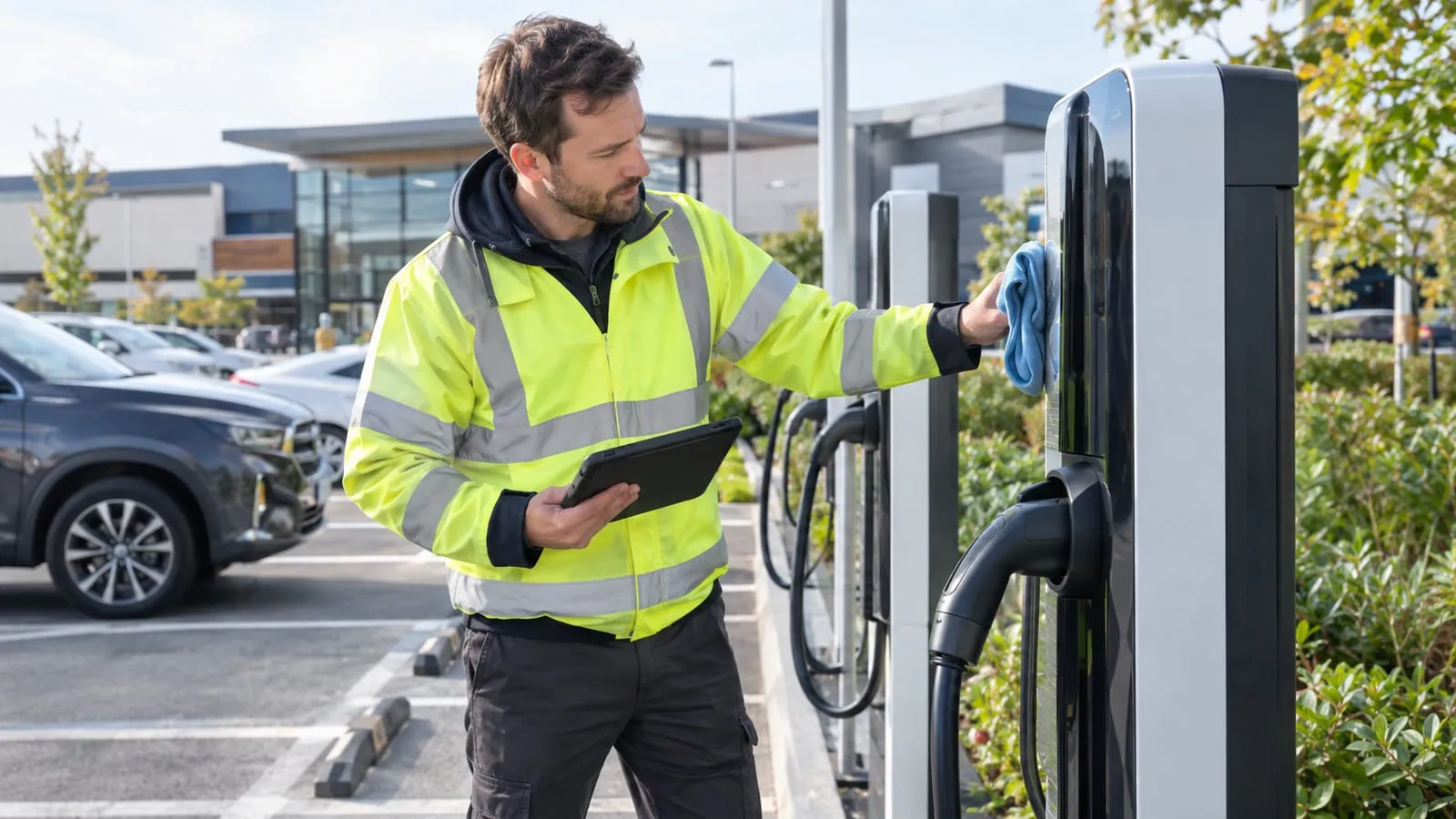
Installation & Power ·
EV Charger Maintenance Checklist: Monthly, Quarterly and Annual Tasks
A practical EV charger maintenance schedule for AC and DC chargers: visual checks, cable and connector care, filters, torque, SPD status, software and records.
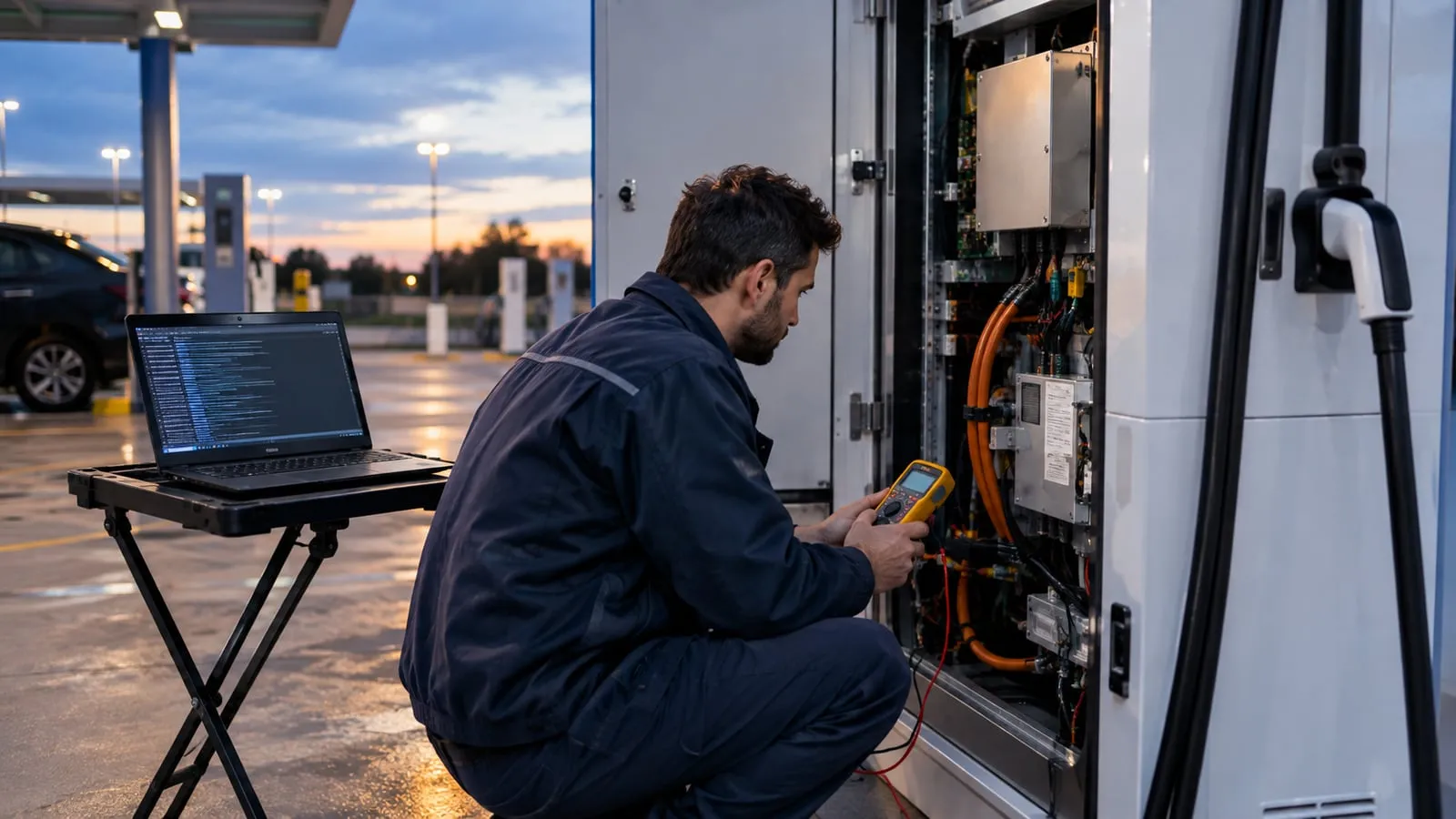
Installation & Power ·
EV Charger Troubleshooting: 12 Common Faults and What to Check First
A fault-finding guide for EV chargers: charger will not start, trips the RCD, drops offline, charges slowly or stops early — causes and first checks.
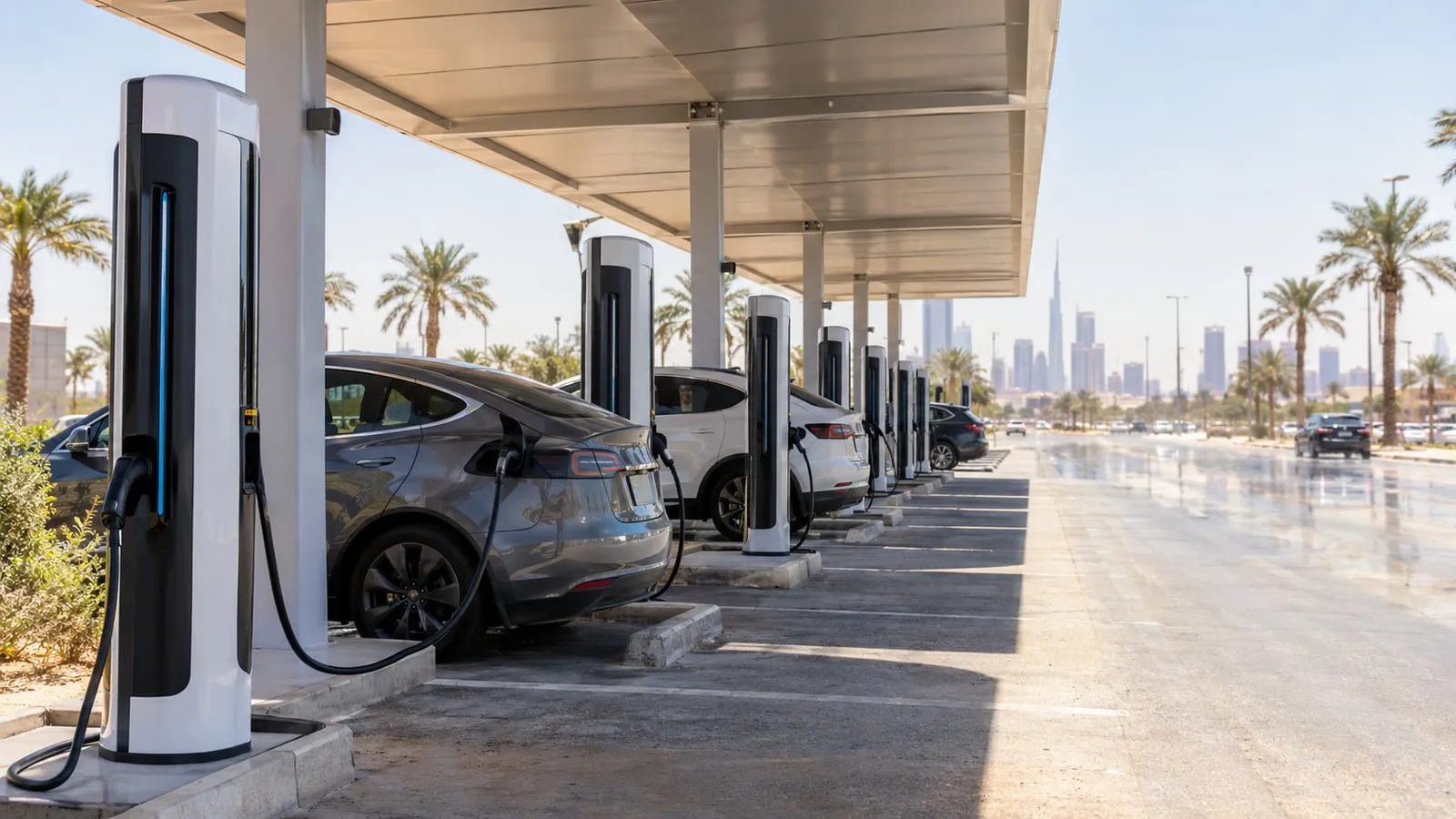
Installation & Power ·
EV Chargers for Hot Climates: Derating, Cooling and Shade
What heat does to EV chargers: derating, cooling, sun load, sand and dust, canopy shade, +55 °C ratings and questions to ask for Gulf and tropical sites.
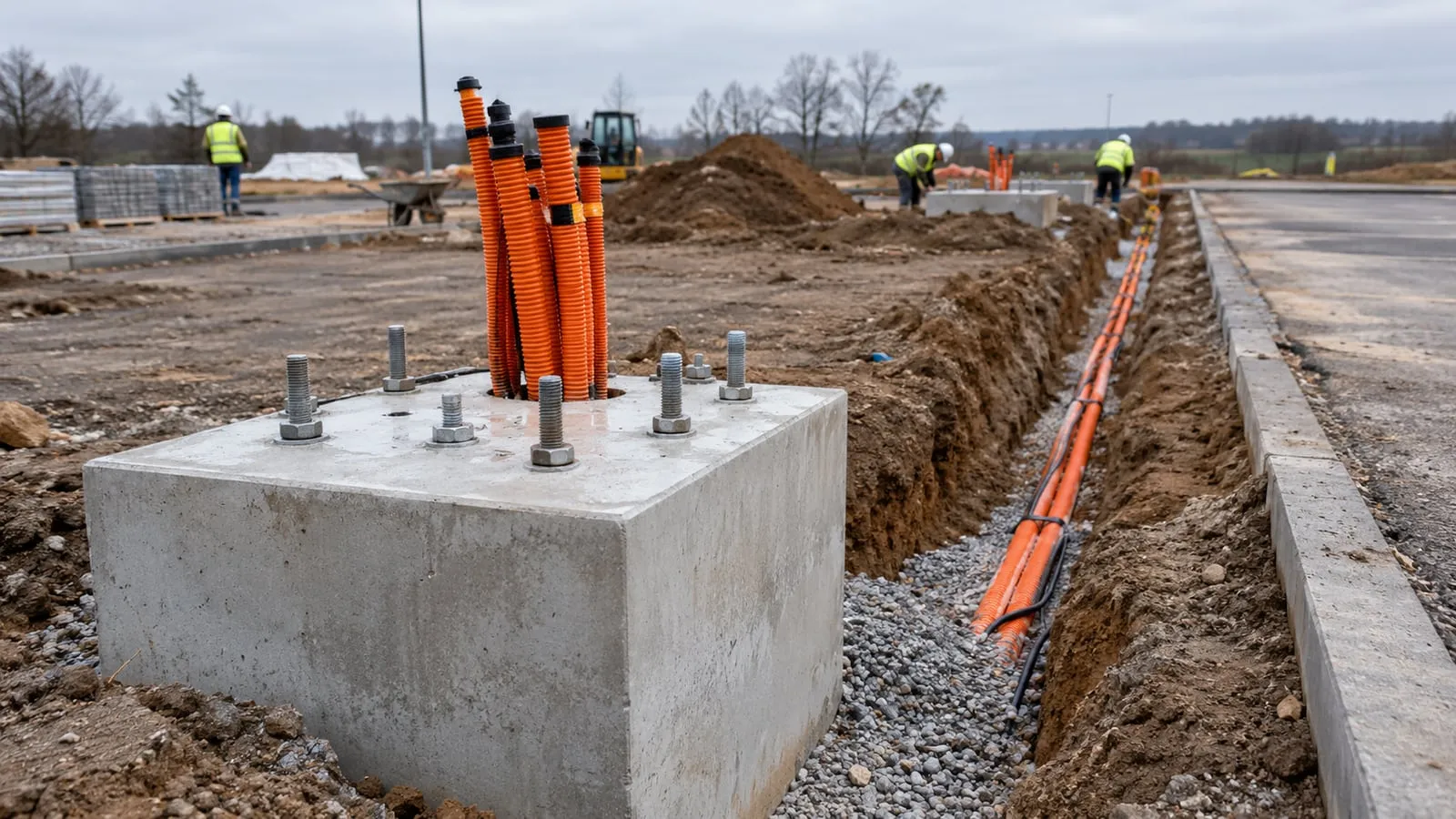
Installation & Power ·
DC Fast Charger Installation: Foundation, Clearance and Cable Trench
How a DC fast charger is installed: site survey, concrete plinth, conduits, cable trench, clearances and commissioning — a civil and electrical checklist.
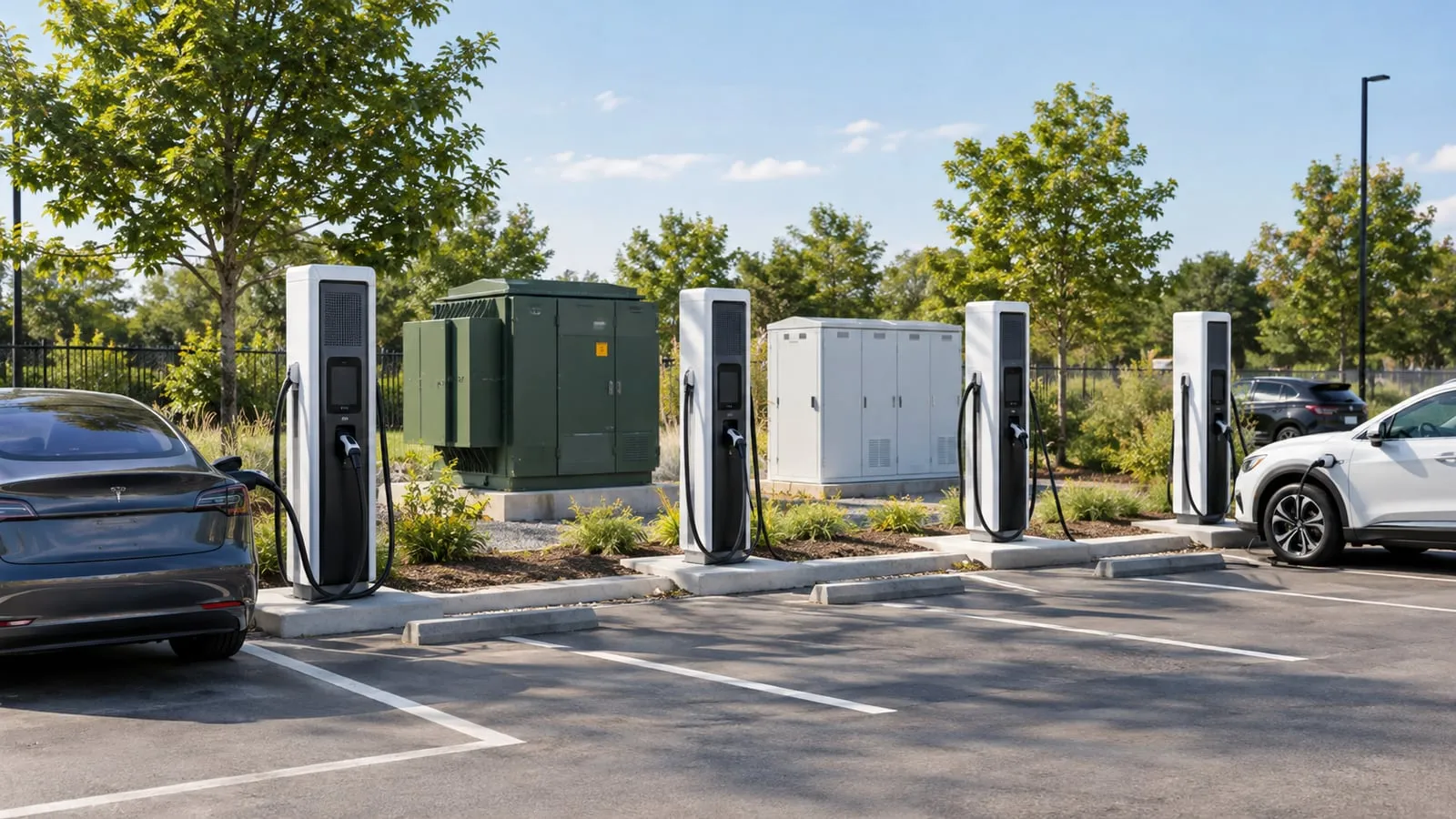
Installation & Power ·
How Much Grid Power Does a DC Fast Charging Site Need?
How to estimate grid capacity for a DC fast charging site: power per charger, diversity, transformer sizing, medium-voltage connection, storage and timeline.
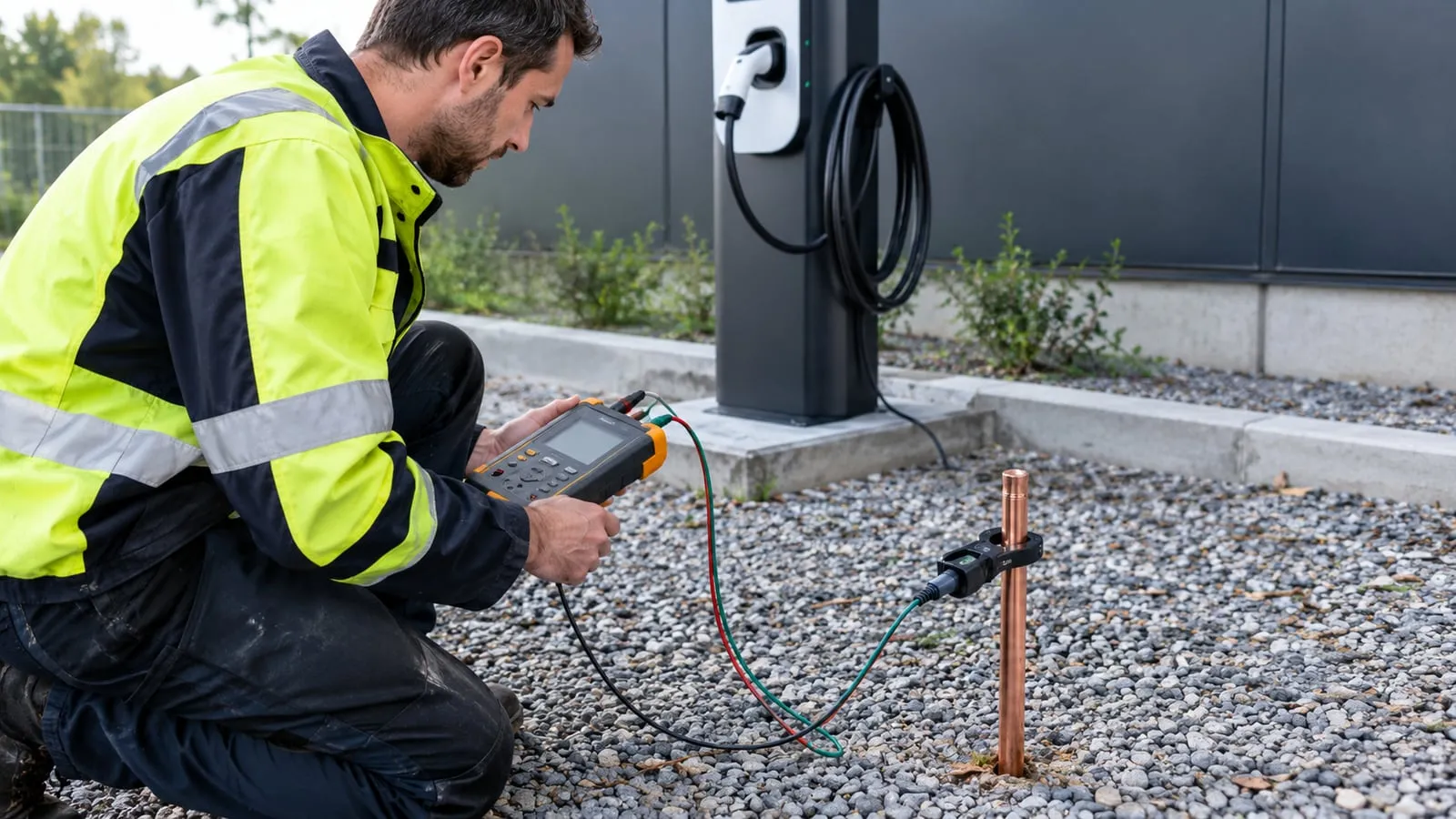
Installation & Power ·
Earthing Systems (TN, TT) and EV Chargers: What Installers Must Check
How TN-S, TN-C-S (PME) and TT earthing affect EV charger installation, why open-PEN protection matters and how to test earth resistance on site.
Installation & Power ·
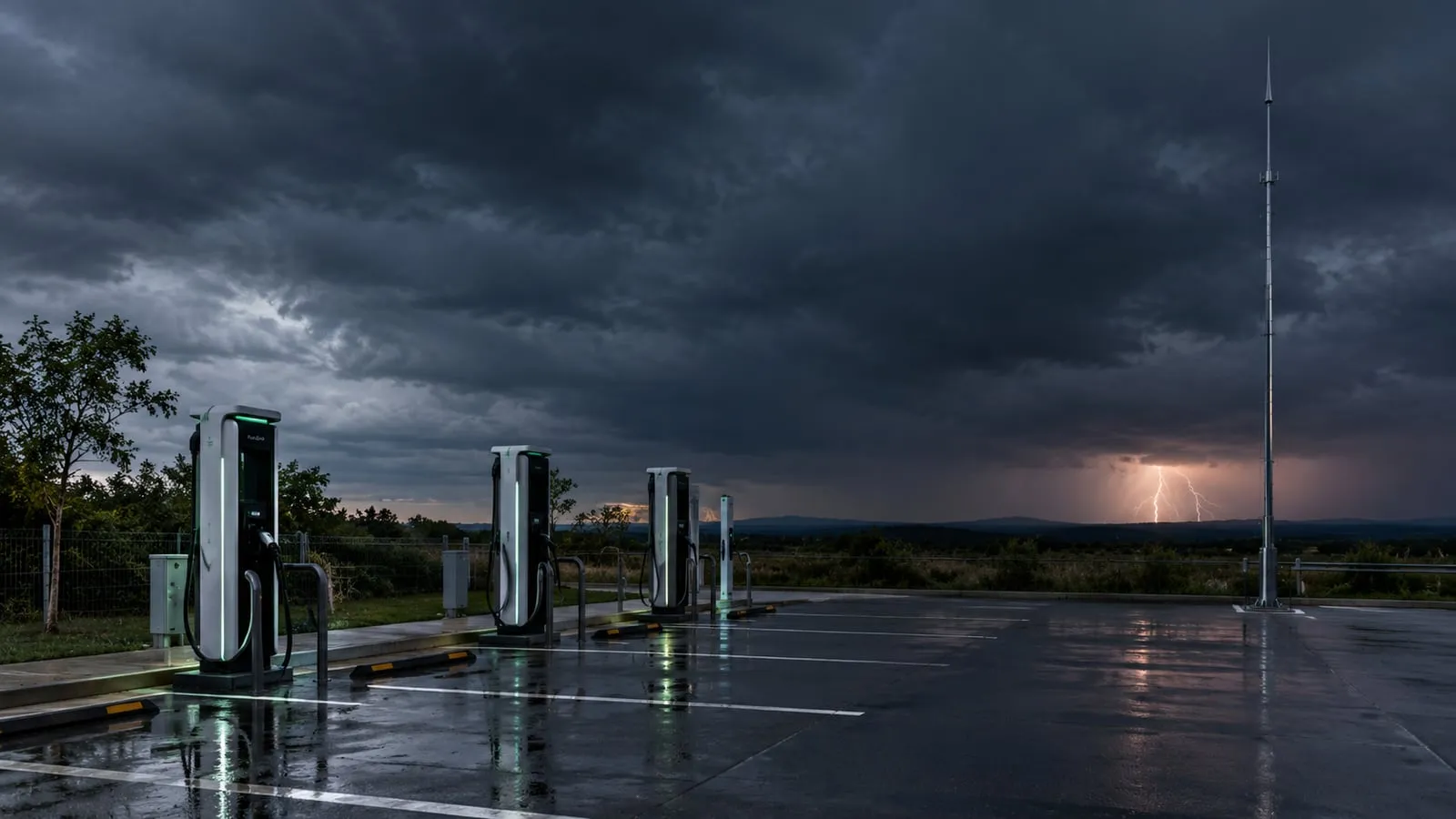
Surge and Lightning Protection for EV Chargers
How surge protective devices (SPD types 1, 2 and 3) and lightning protection protect EV chargers, where to fit them and what to ask the supplier.
Connectors & Protocols ·
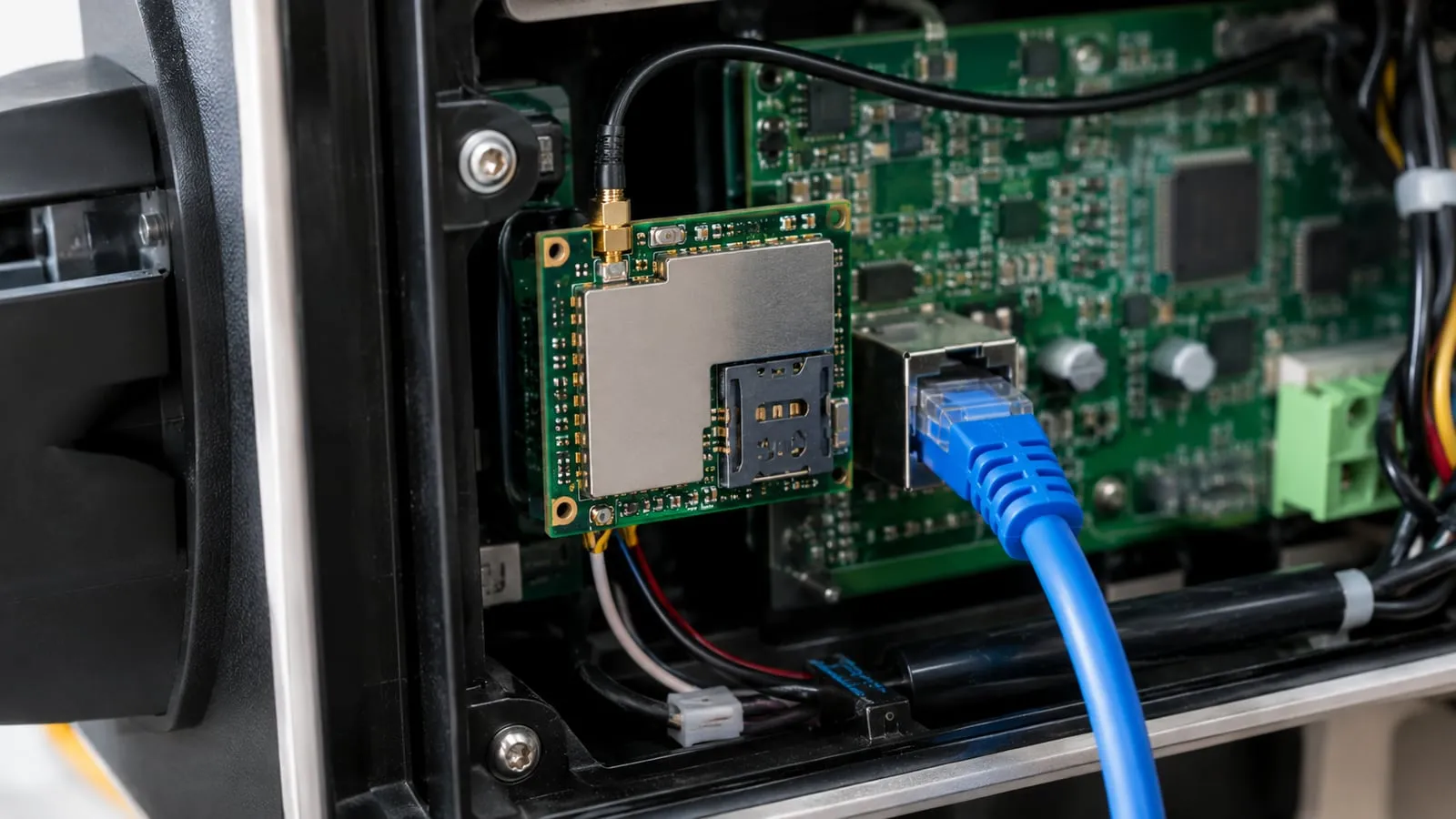
EV Charger Connectivity: 4G vs Wi-Fi vs Ethernet
Which connection should an EV charger use: 4G, Wi-Fi or Ethernet? Reliability, cost, coverage and installation compared, with advice by site type.
Connectors & Protocols ·
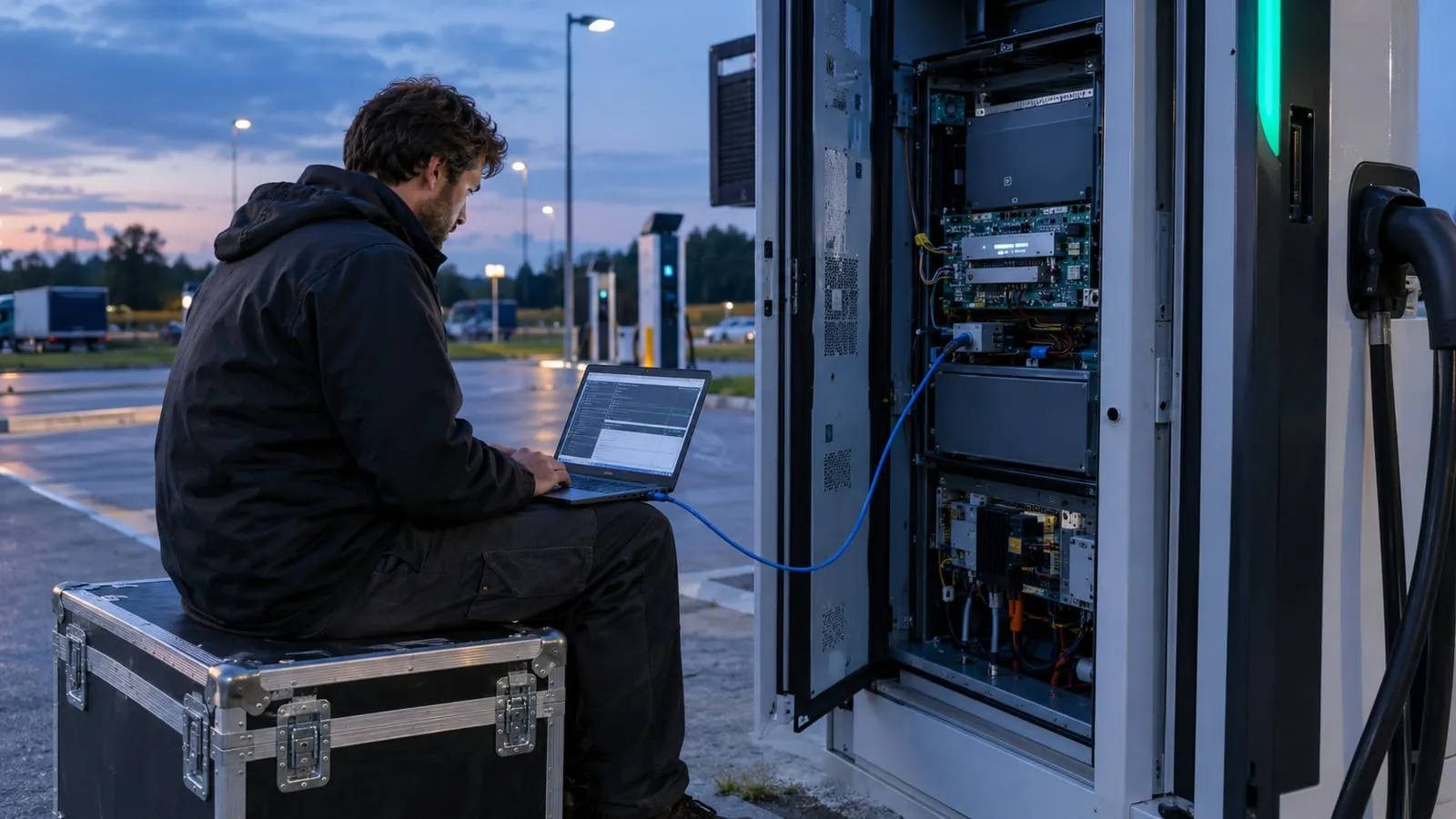
EV Charger Cybersecurity Requirements: UK, EU and US
What cybersecurity rules apply to connected EV chargers in the UK, EU and US, how OCPP security profiles fit in, and what to ask a charger supplier.
Installation & Power ·
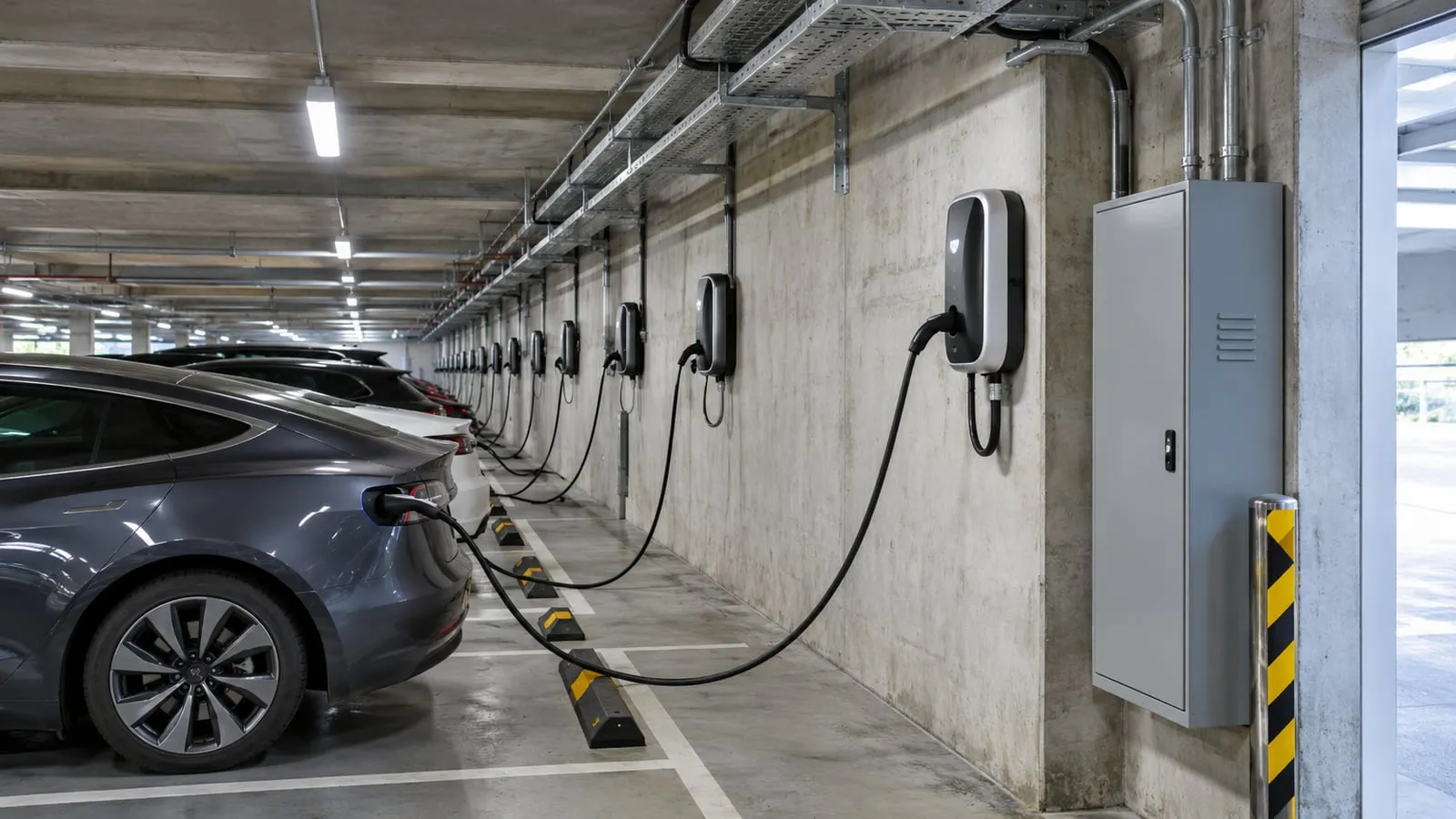
Dynamic Load Management for Multi-Charger Sites: How It Works and How to Size It
Static vs dynamic EV charger load management, how it uses the main supply meter and OCPP, a sizing example for 20 chargers and what to ask suppliers.
Certification & Compliance ·
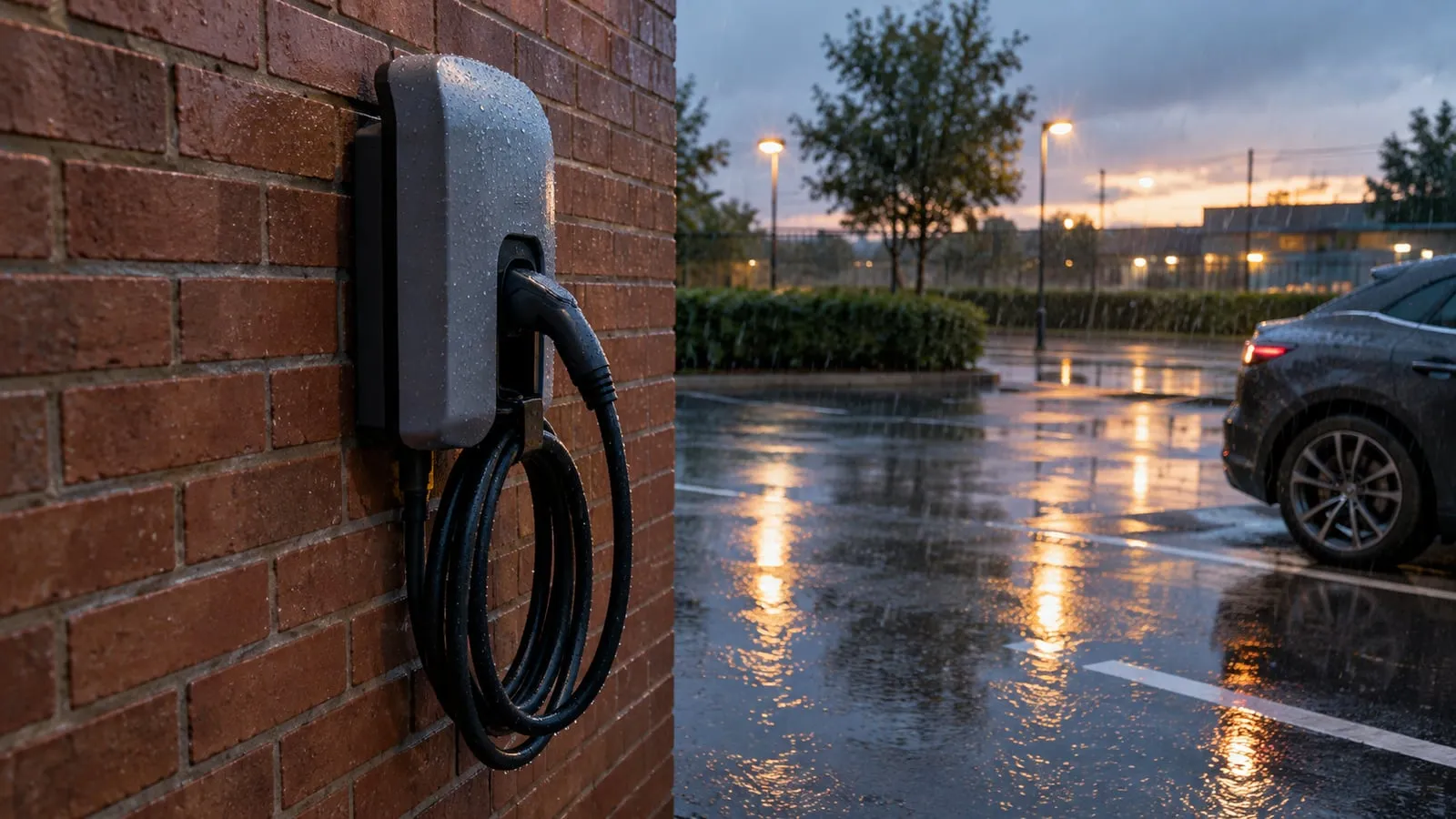
IP and IK Ratings for Outdoor EV Chargers: What the Numbers Mean
IP54, IP55, IP65 and IK10 explained for EV chargers: what each digit tests, which rating suits garages, car parks and coasts, and what NEMA types mean.
Connectors & Protocols ·
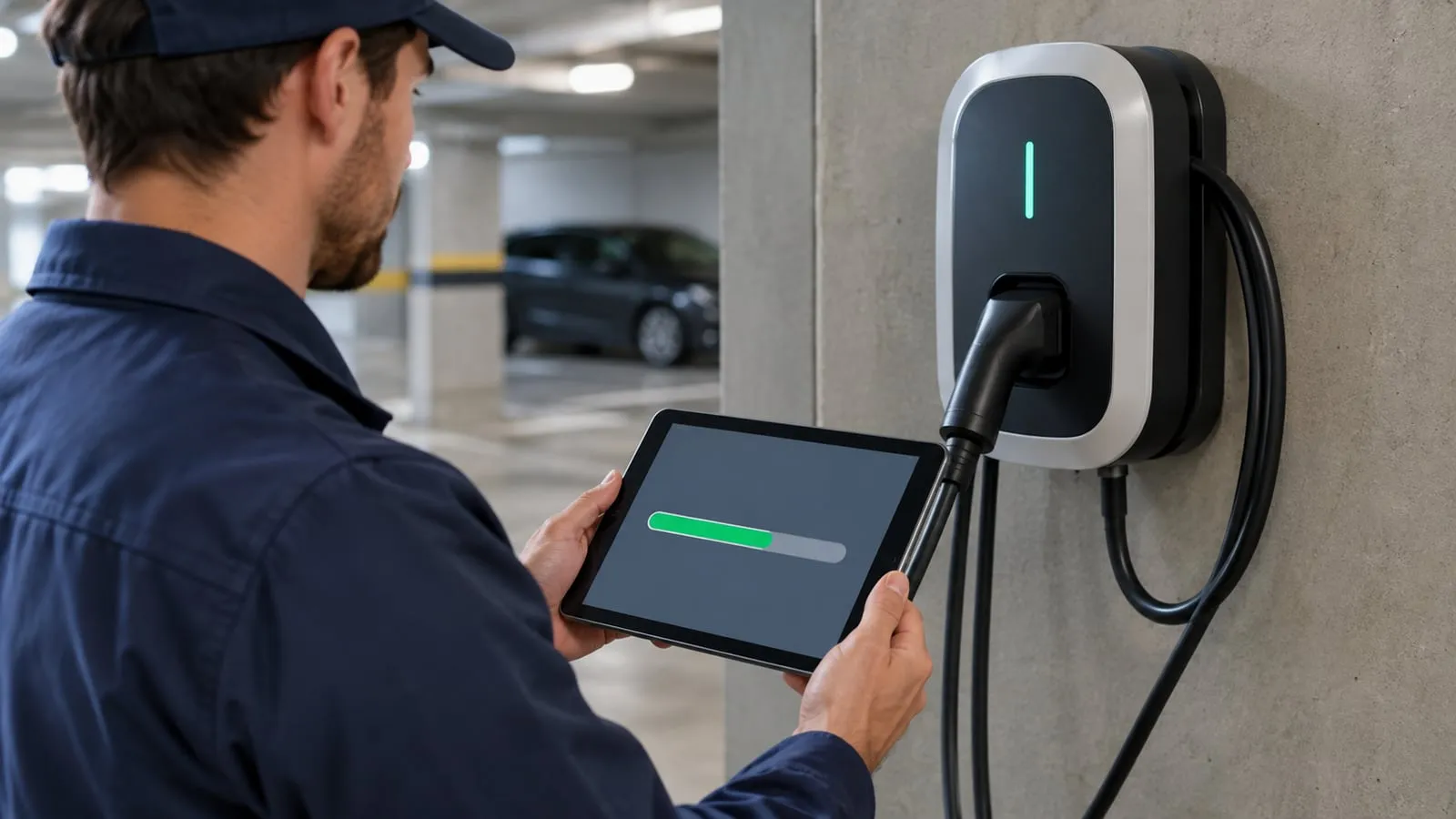
OTA Firmware Updates for EV Chargers: What to Require From Your Supplier
How over-the-air firmware updates work on EV chargers, what can go wrong, and the supplier questions that protect an operator’s uptime and compliance.
Installation & Power ·
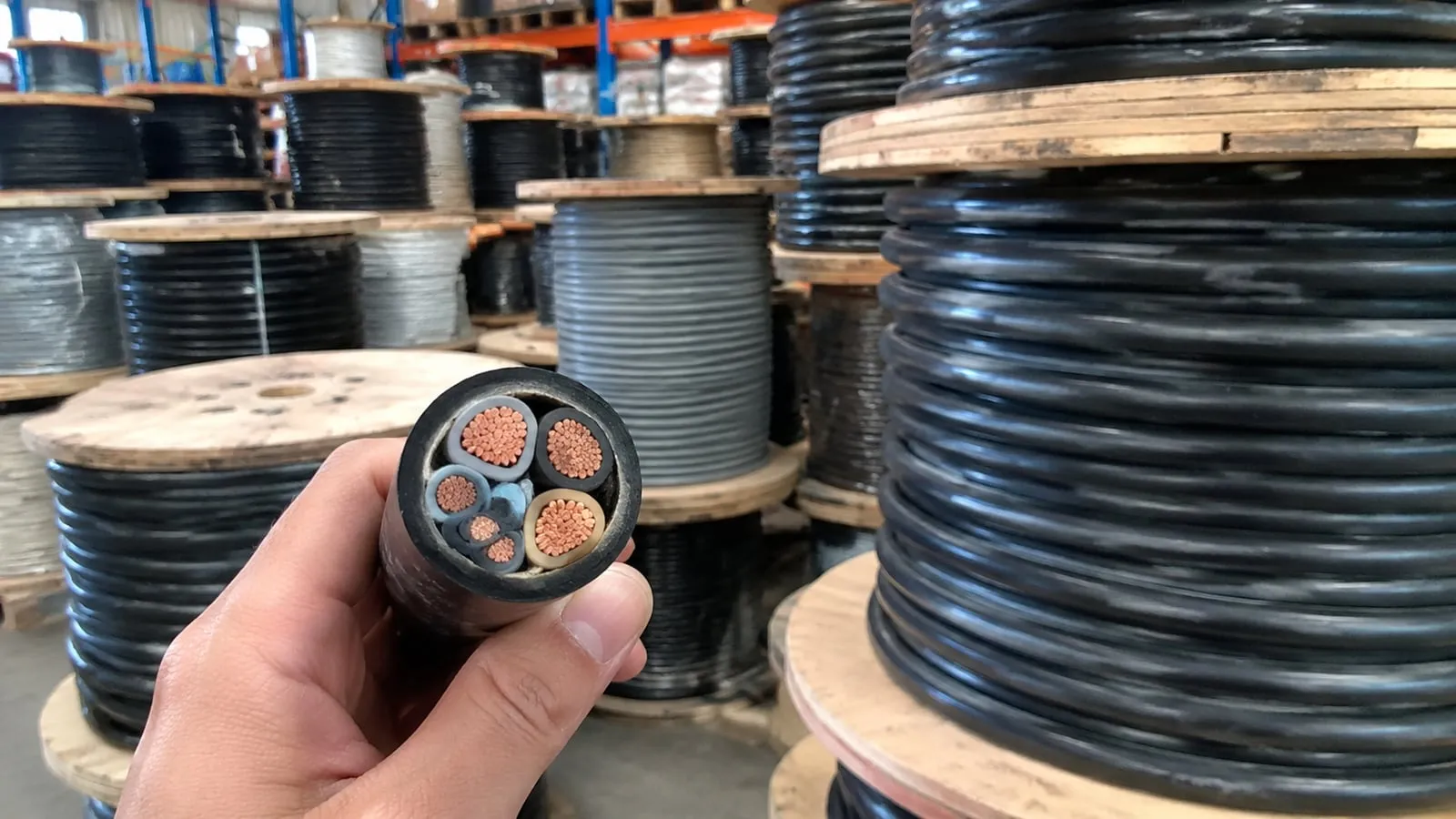
EV Charger Wire Size by Power and Cable Run Length (Tables)
Cable size for 7 kW, 11 kW and 22 kW EV chargers, with maximum run lengths for a 3% voltage drop in IEC (mm²) and a NEC (AWG) summary. Indicative tables.
Certification & Compliance ·
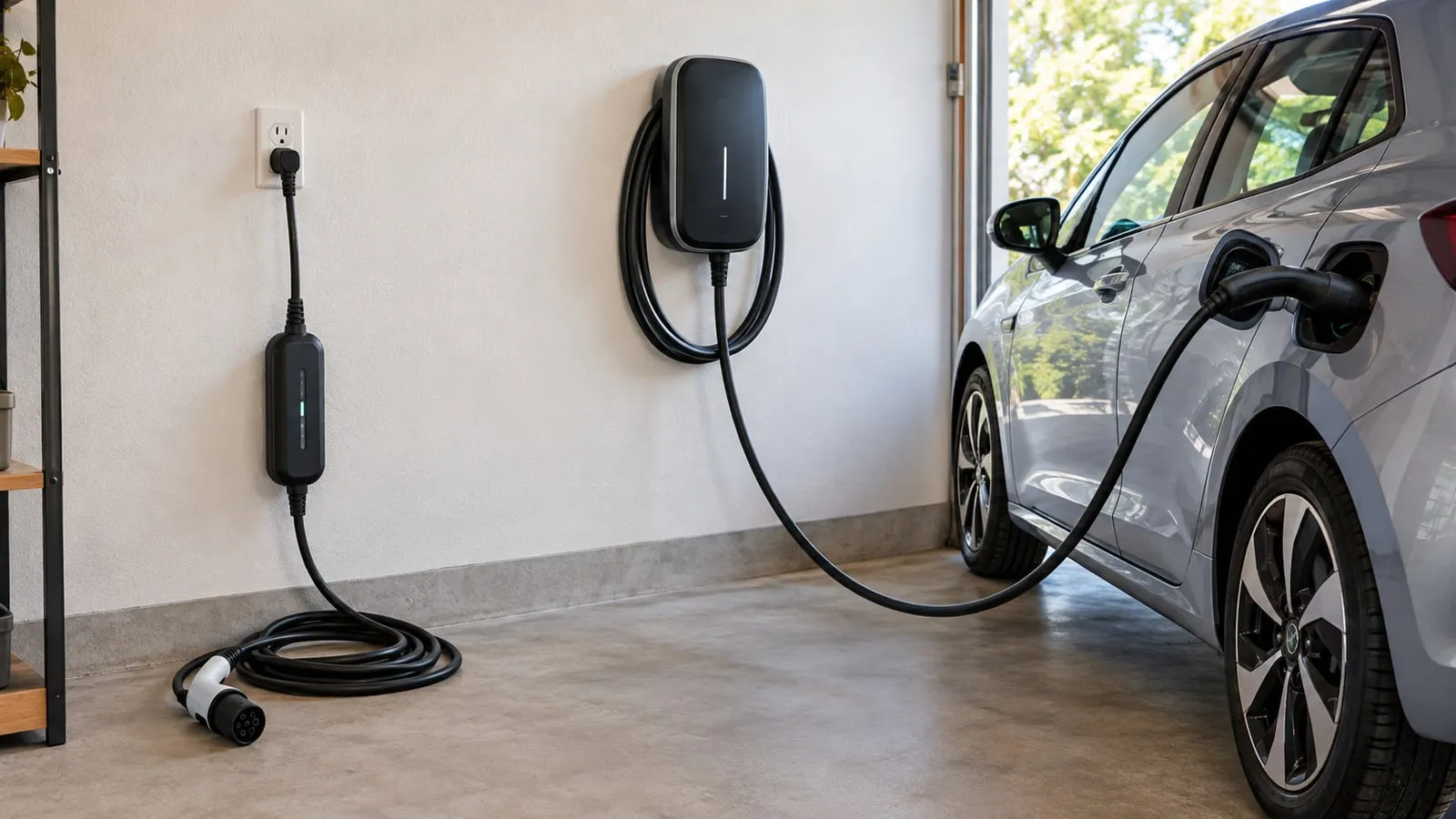
Charging Modes 1–4 (IEC 61851) Explained
Modes 1, 2, 3 and 4 in IEC 61851: what each one means, where a wallbox, a portable cable and a DC charger fit, and which mode you actually buy.
Certification & Compliance ·
MID Meters and Eichrecht: Billing-Grade Metering in Europe
When an EV charger needs a MID-approved meter, what Germany’s Eichrecht adds (signed data), and how buyers can check billing-grade metering.
Installation & Power ·
Single-Phase vs Three-Phase EV Charging: Power, Cost and Which to Choose
Single-phase or three-phase EV charger? Power by supply and amperage, what the car can accept, installation cost and phase balance in one buyer’s guide.
Certification & Compliance ·
RCD Type A vs Type B and 6 mA DC Fault Detection for EV Chargers
Type A RCD plus 6 mA DC detection or a Type B RCD? How the two ways of meeting DC fault protection compare on cost, space, nuisance trips and local rules.

Certification & Compliance ·
How to Check That an EV Charger Certificate Is Real (CE, UKCA, ETL, ENERGY STAR)
A step-by-step way to check an EV charger certificate: scope, model match, lab, date, standards and the public databases where you can confirm it.
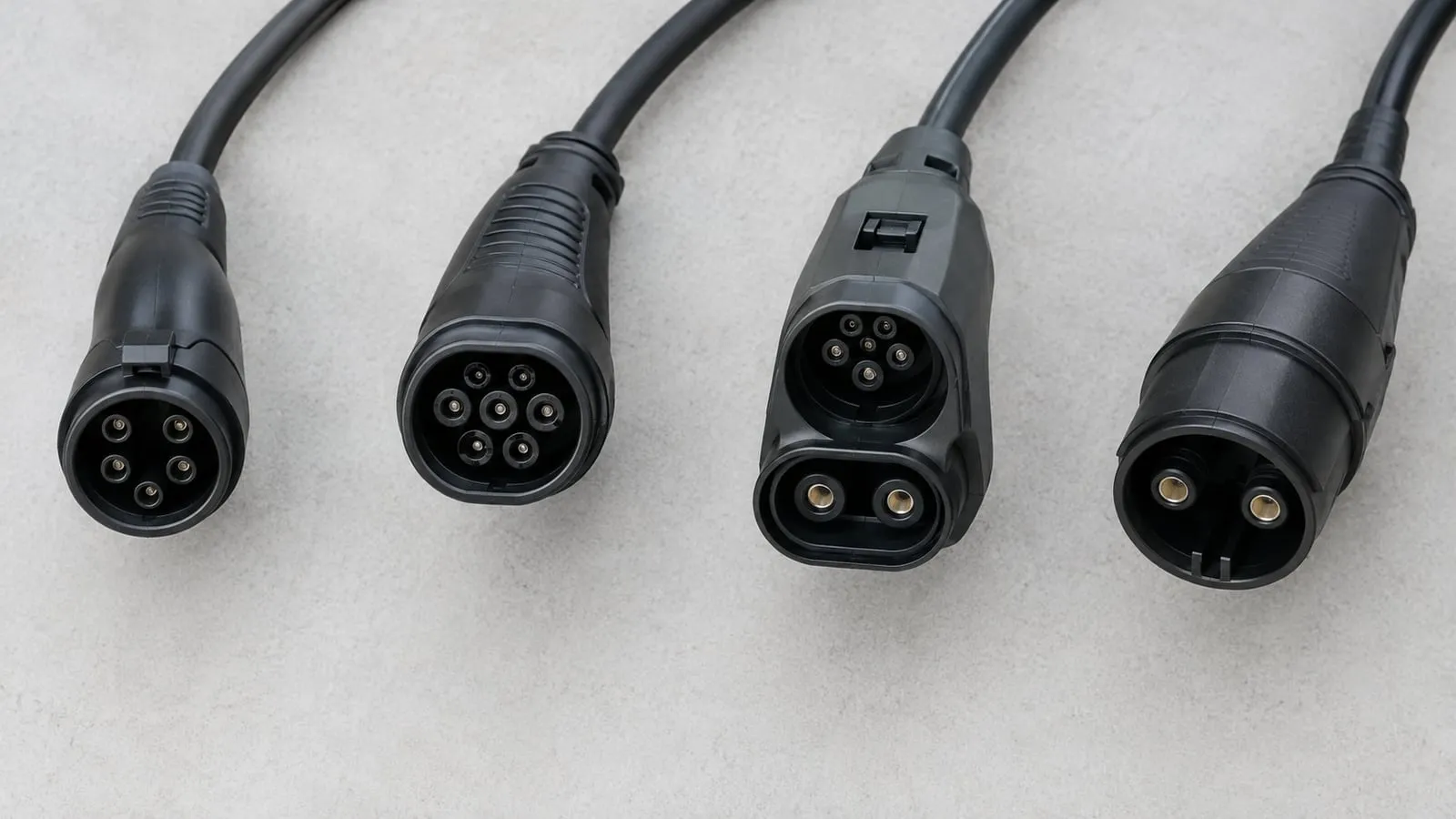
Connectors & Protocols ·
EV Connector Types by Region: Type 1, Type 2, CCS1, CCS2, NACS, CHAdeMO and GB/T
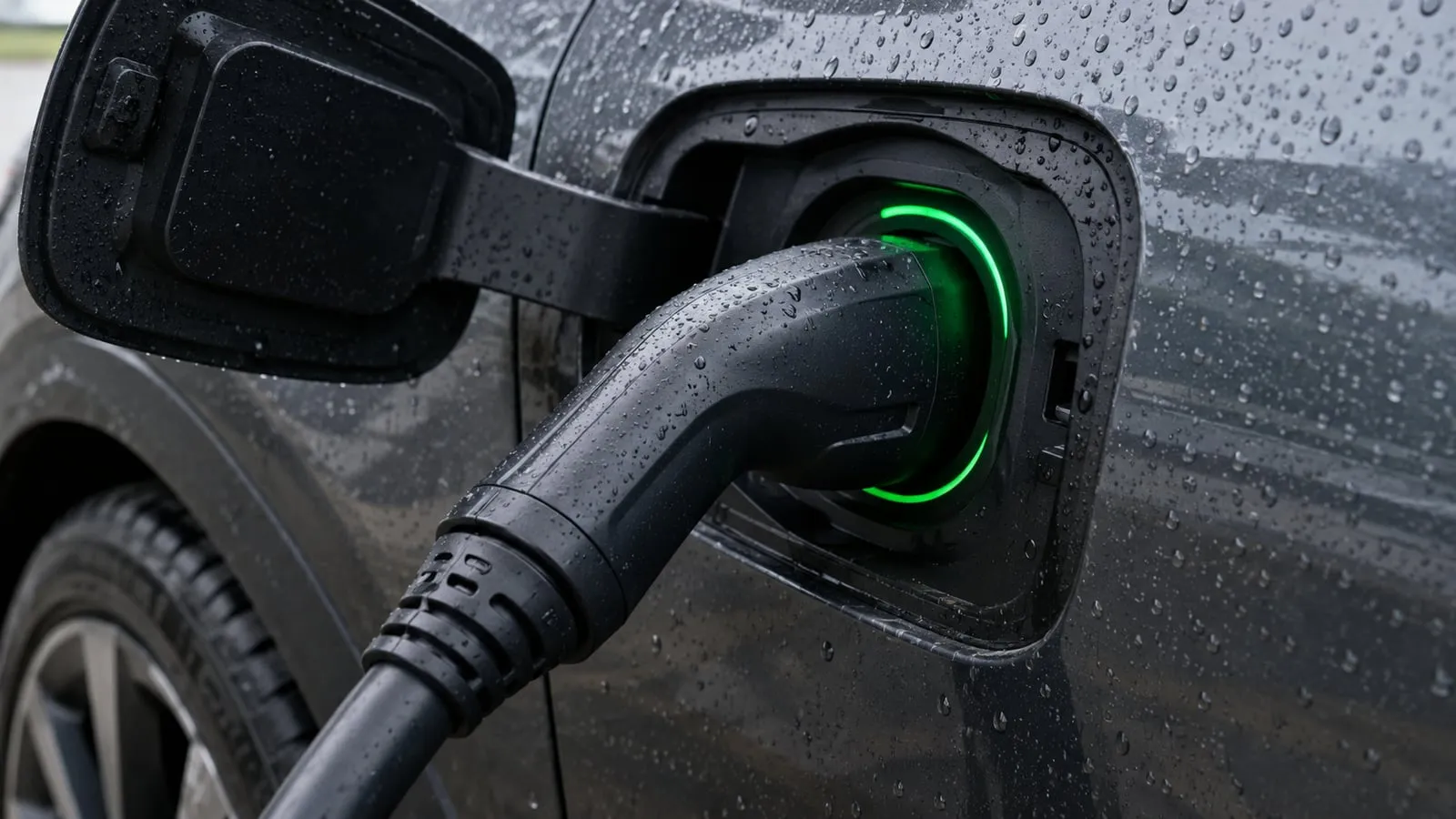
The seven EV charging connectors and where each is used: Type 1, Type 2, CCS1, CCS2, NACS (J3400), CHAdeMO and GB/T, with a country table for buyers.
Connectors & Protocols ·
ISO 15118 and Plug & Charge: How It Works and What It Needs
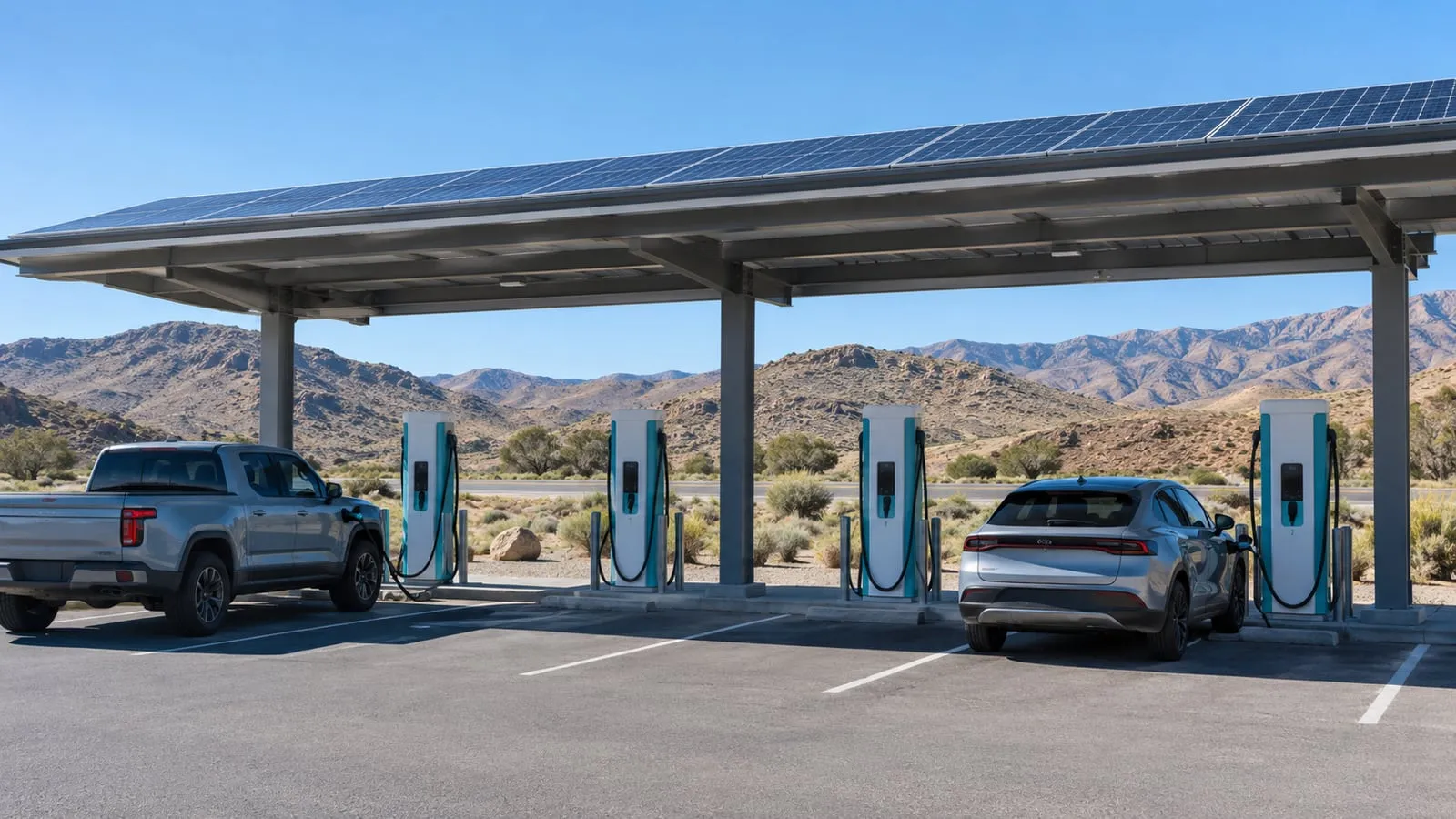
How ISO 15118 enables car-to-charger communication and Plug & Charge: -2 vs -20, certificates and PKI, what each party needs, EU deadlines.
Connectors & Protocols ·
NACS (SAE J3400): What It Means for Chargers You Buy in 2026
What NACS (SAE J3400) means for buying EV chargers in North America: the standard, adapters, dual CCS1 + NACS DC chargers, AC options and what to specify.

Connectors & Protocols ·
OCPP 1.6J vs 2.0.1: Differences and What to Ask a Hardware Supplier
The practical differences between OCPP 1.6J and 2.0.1 — security, device model, smart charging, ISO 15118 — and what to ask a charger supplier.

Connectors & Protocols ·
OCPP vs OCPI vs OICP: Which Protocol Does What
OCPP links chargers to their back end; OCPI and OICP link operators to roaming partners. What each protocol does and what charger buyers check.

Distributors & Installers ·
Becoming an EV Charger Distributor: How to Start and Win Installer Accounts
How to start distributing EV chargers: range and supplier, certificates, stock and pricing, technical support, and winning installer accounts.
Sites & Applications ·
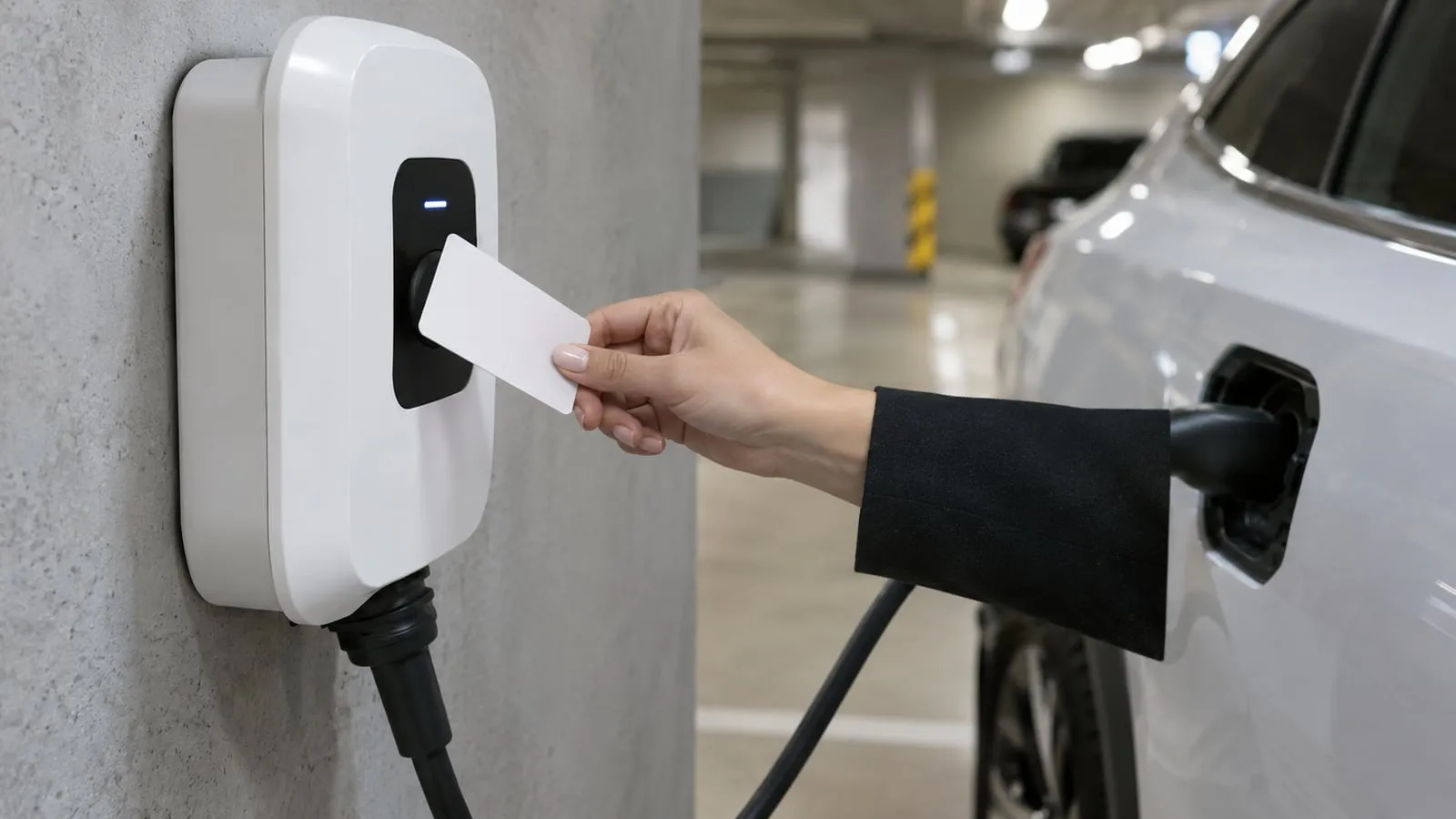
Billing EV Charging in Offices and Multi-Tenant Buildings
How to bill EV charging fairly in offices, apartments and shared car parks: user ID, metering, tariffs, infrastructure cost sharing, legal checks.
Fleet & Heavy Vehicles ·
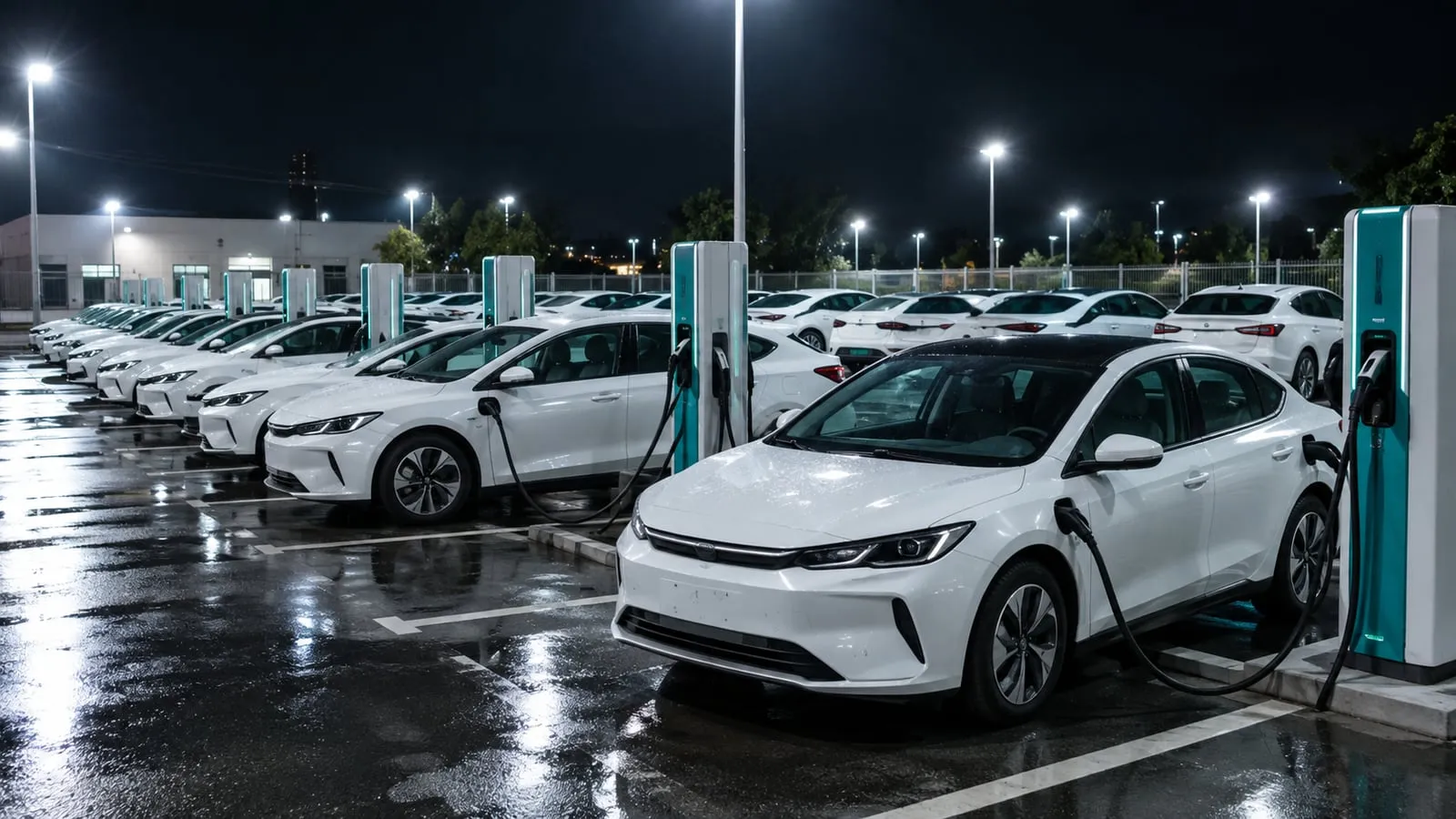
EV Charging for Rental and Ride-Hailing Fleets
Charging strategies for rental and ride-hailing fleets: turnaround charging at rental lots, driver hubs, home charging, DC power, access control.
Fleet & Heavy Vehicles ·
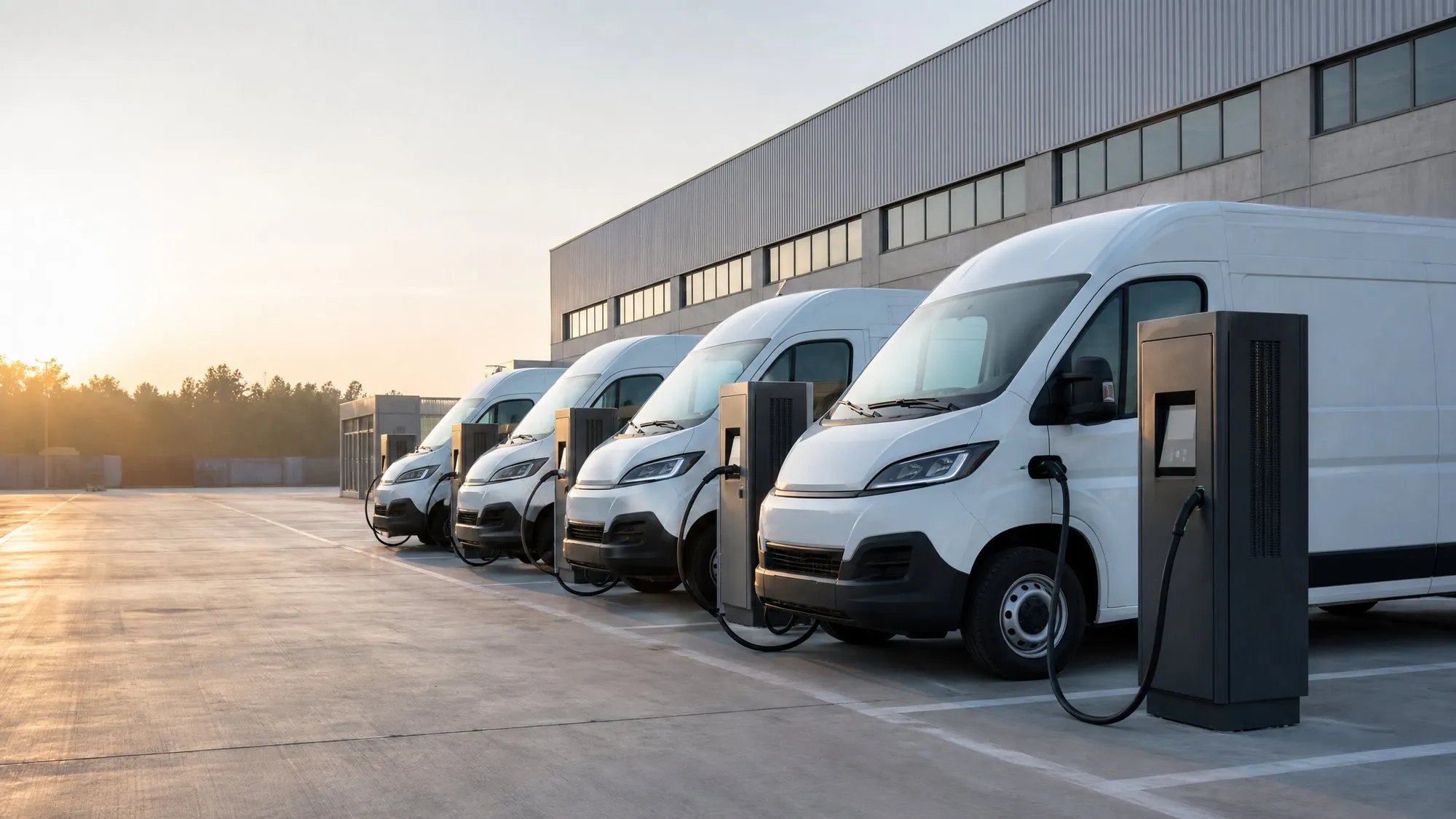
How Many Chargers Does a Fleet Depot Need? A Sizing Method
A step-by-step method to size fleet depot charging: daily energy per vehicle, charging window, power, number of chargers and grid capacity.
Charging Business ·
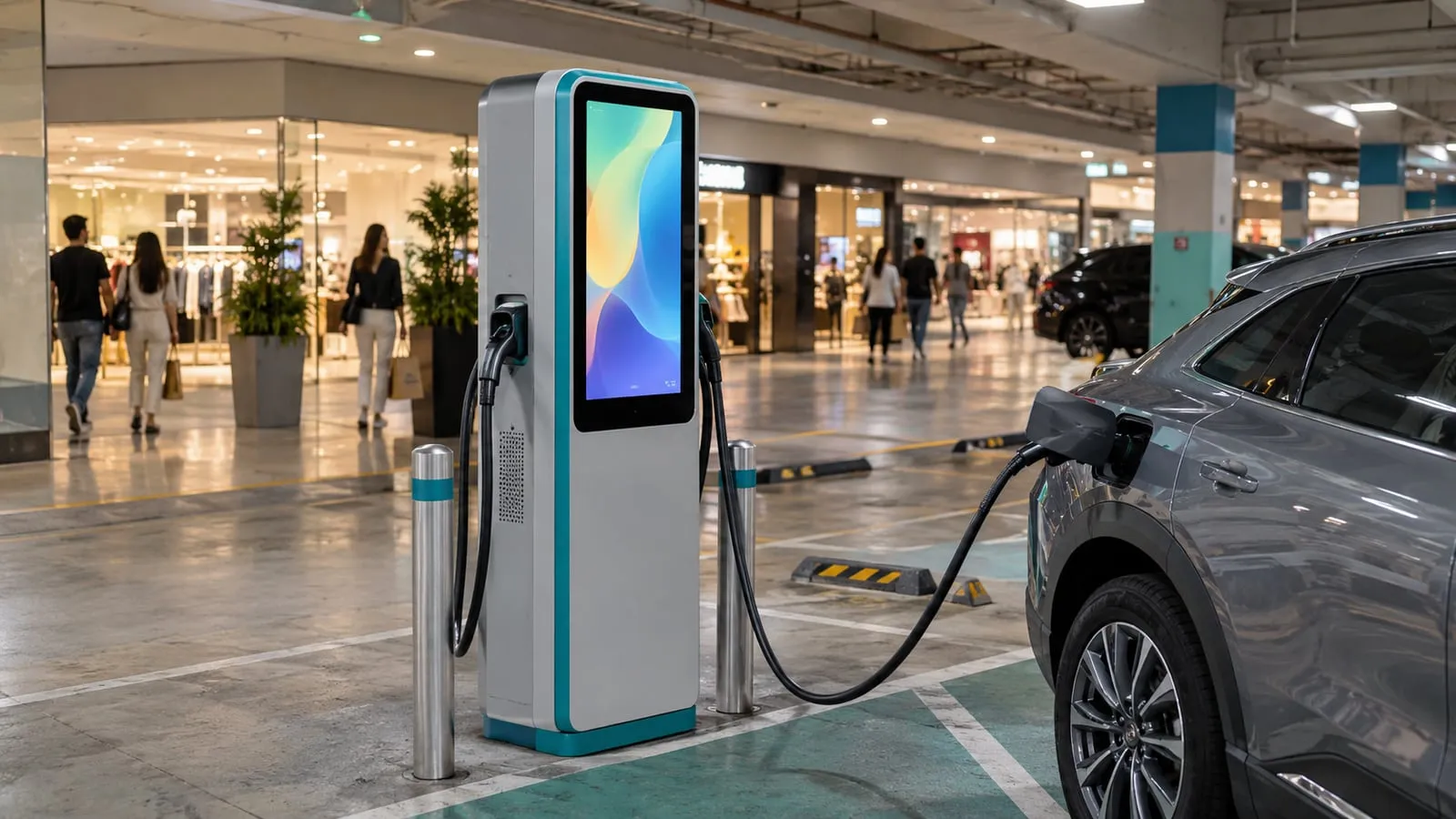
Advertising Screens on DC Chargers: Do They Pay?
How advertising screens on DC fast chargers work, what decides whether they pay — audience, dwell time, sales model — and what to specify.
Charging Business ·
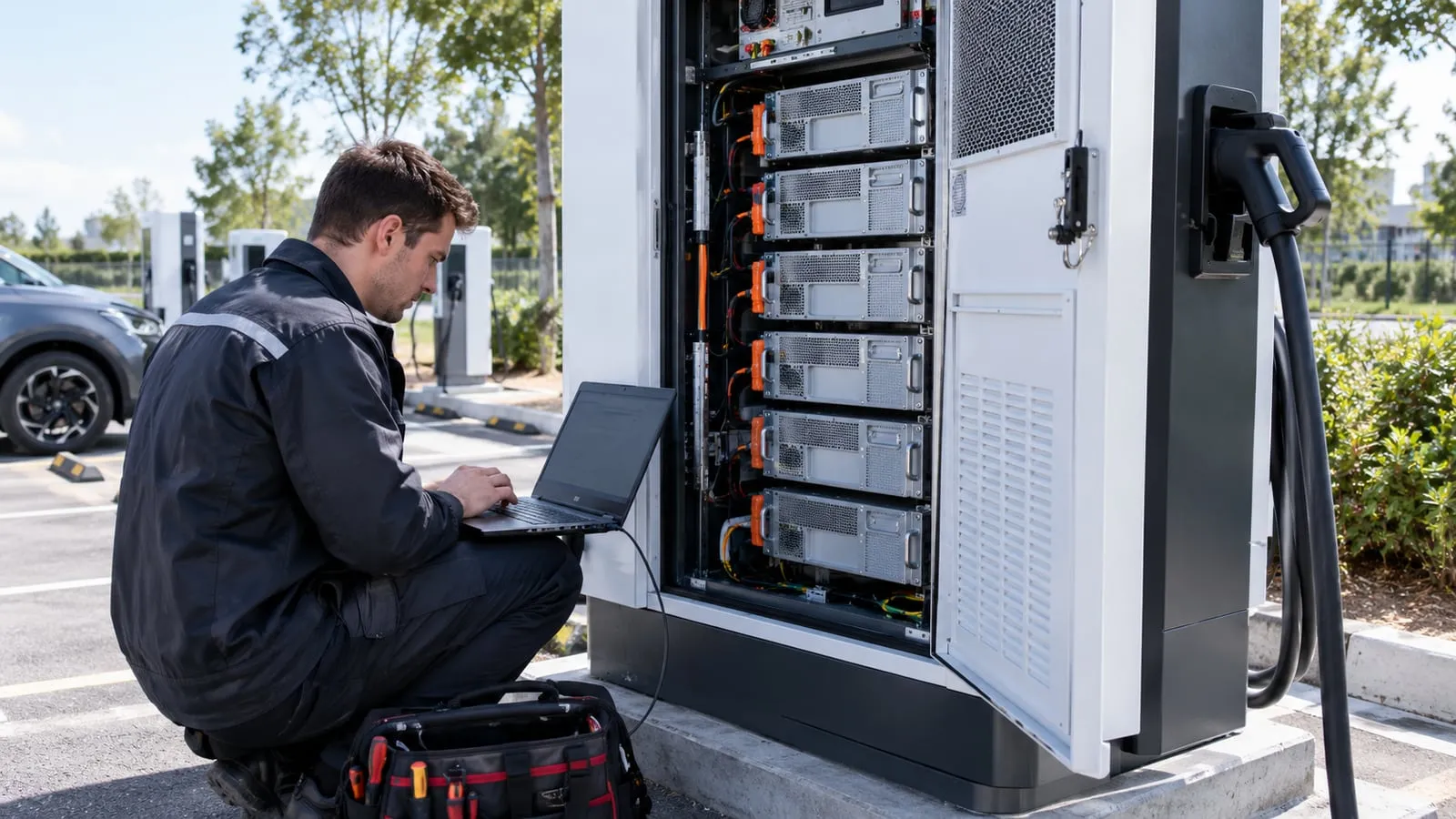
EV Charger Uptime: What Operators Should Demand From a Hardware Supplier
What drives EV charger uptime and how to write it into a supply contract: design for repair, diagnostics, spare parts, response times, 97 %.
Sites & Applications ·
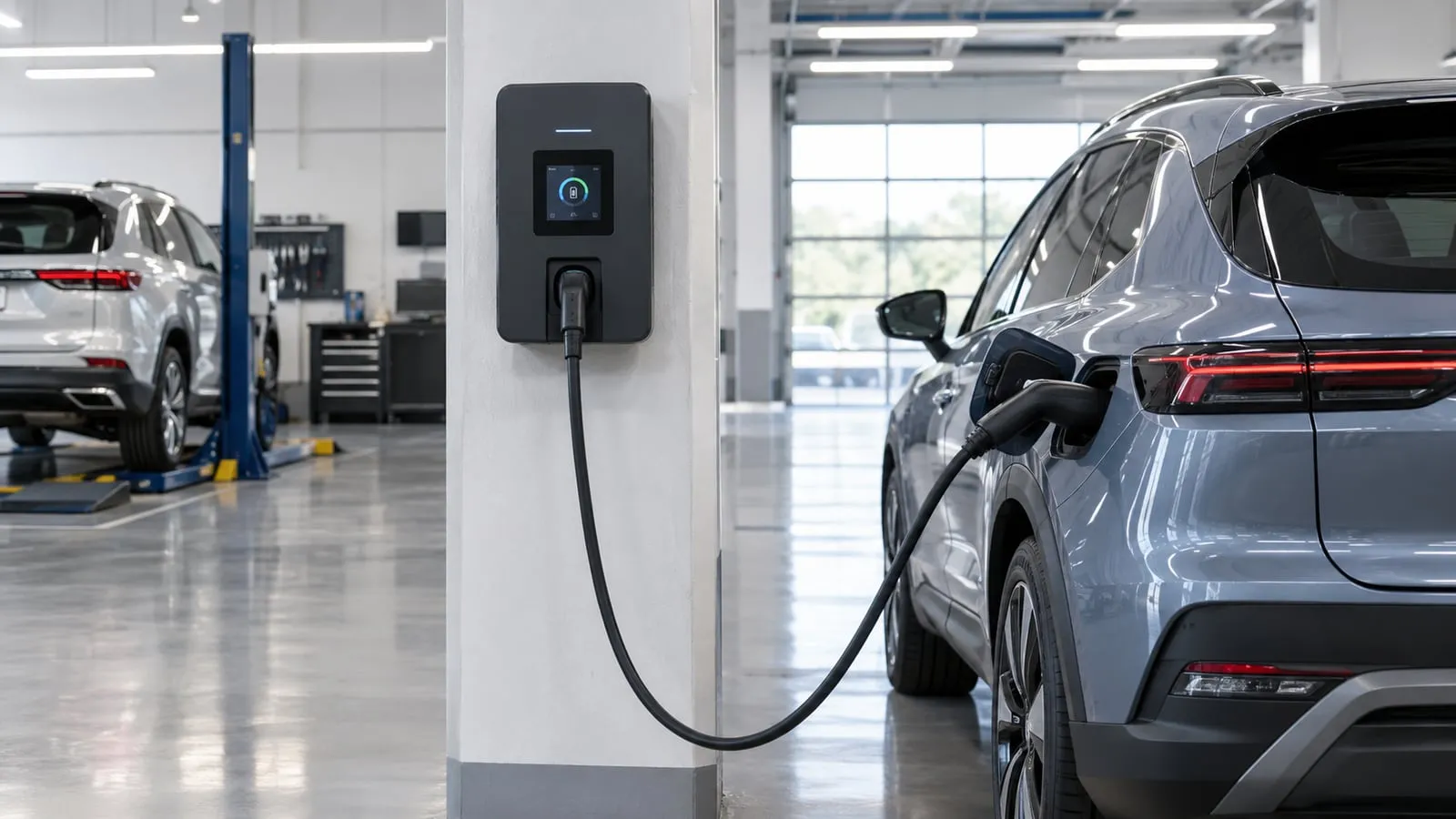
EV Charging for Car Dealerships: Showroom, Workshop and Customer Bays
What car dealerships need for EV charging: pre-delivery charging, workshop DC chargers, customer and staff bays, brand standards and power.
Charging Business ·
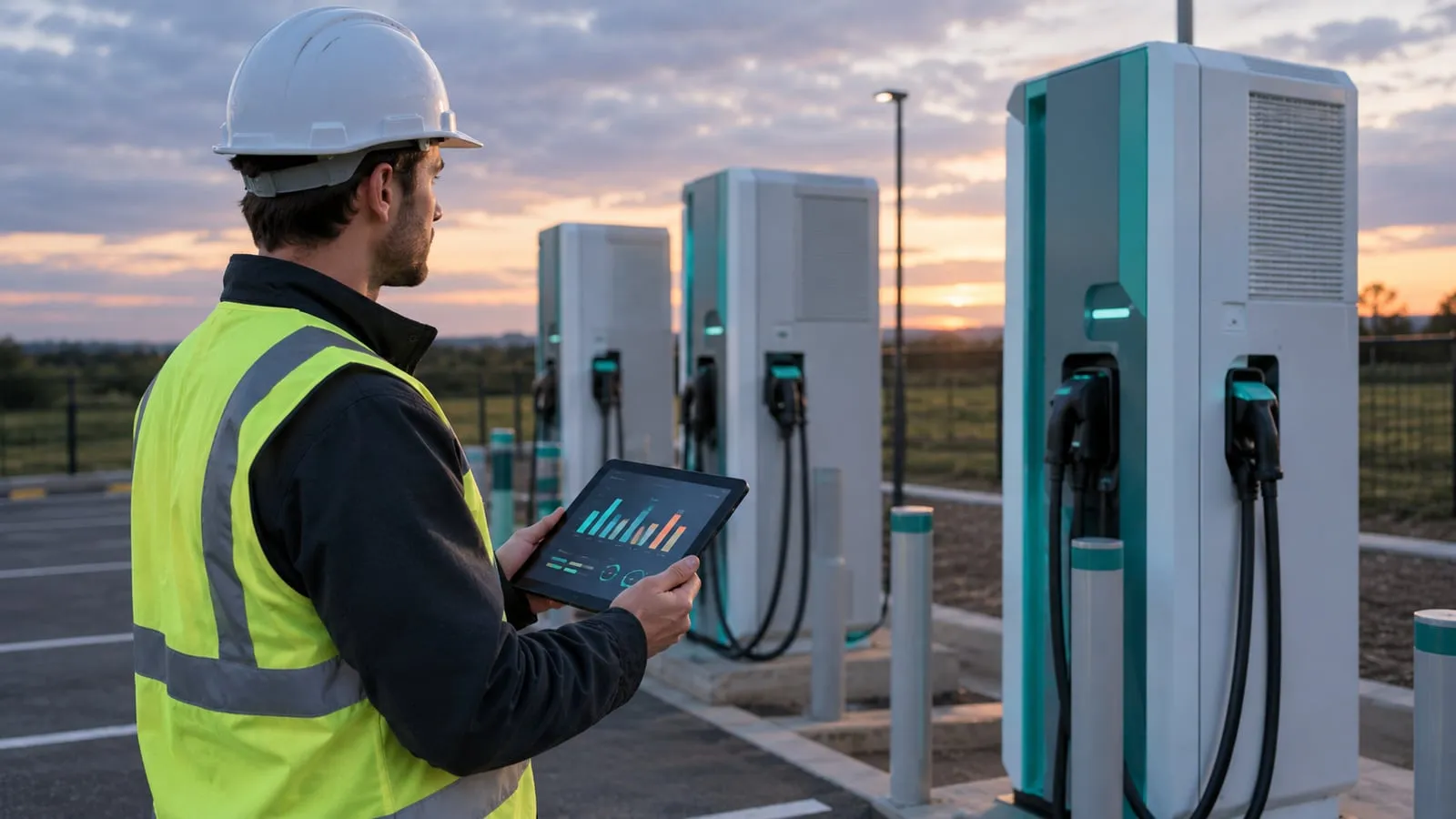
KPIs for Charging Networks: Uptime, Utilization, Session Success and More
The KPIs that run a charging network: uptime, session success, utilization, energy and revenue per connector, repair time — with formulas.

Charging Business ·
Charge Point Management Software (CPMS): What It Does and How to Choose
What charge point management software does — monitoring, access, pricing, payment, load management, roaming, reports — and how to choose one.
Charging Business ·
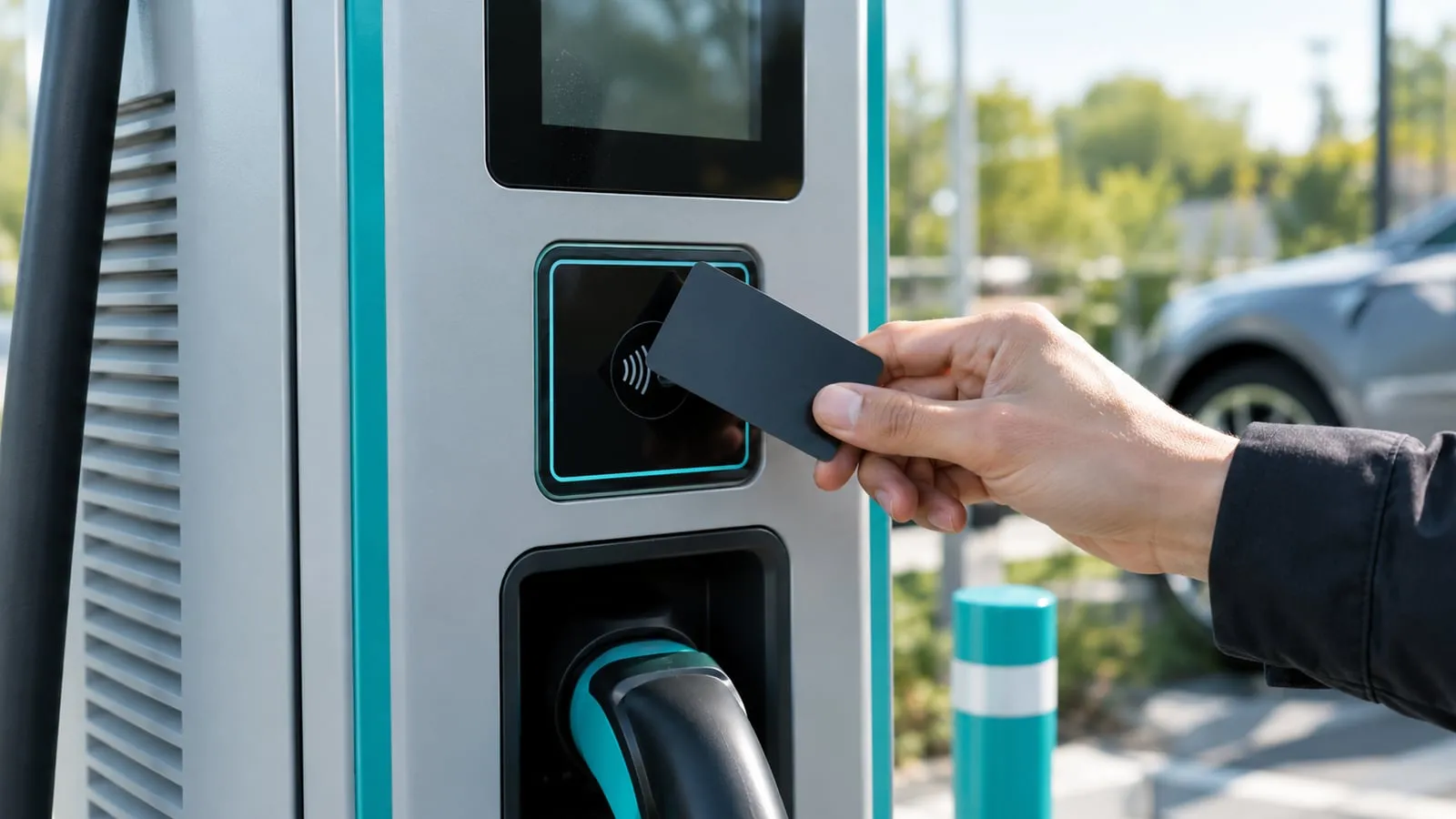
Payment at EV Chargers: RFID, App, QR Code, Card Terminal and Plug & Charge
How drivers pay at EV chargers — RFID, app, QR-code payment, contactless card terminals, Plug & Charge — and which to choose for each site.

Charging Business ·
Franchise, Partnership or Independent: Ways to Enter the EV Charging Business
Comparing ways into EV charging: franchise or network partner, site-host deals, white-label platforms and fully independent operation — costs, control and risk.
Charging Business ·
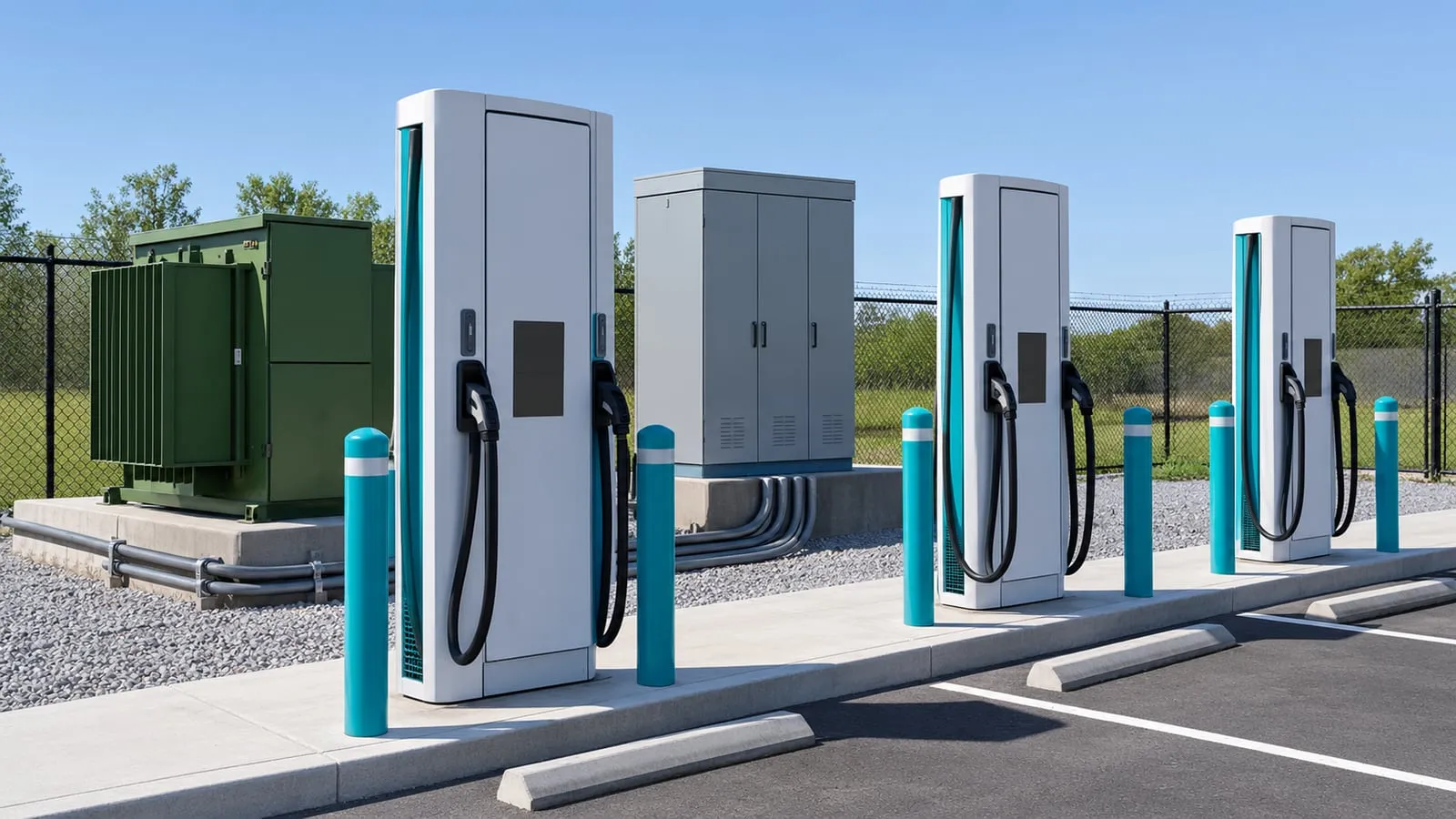
Demand Charges: Why a DC Charging Site’s Power Bill Surprises Owners
How demand charges work at DC fast-charging sites, why they hurt most at low utilization, a worked example, and six ways to cut them.
Charging Business ·
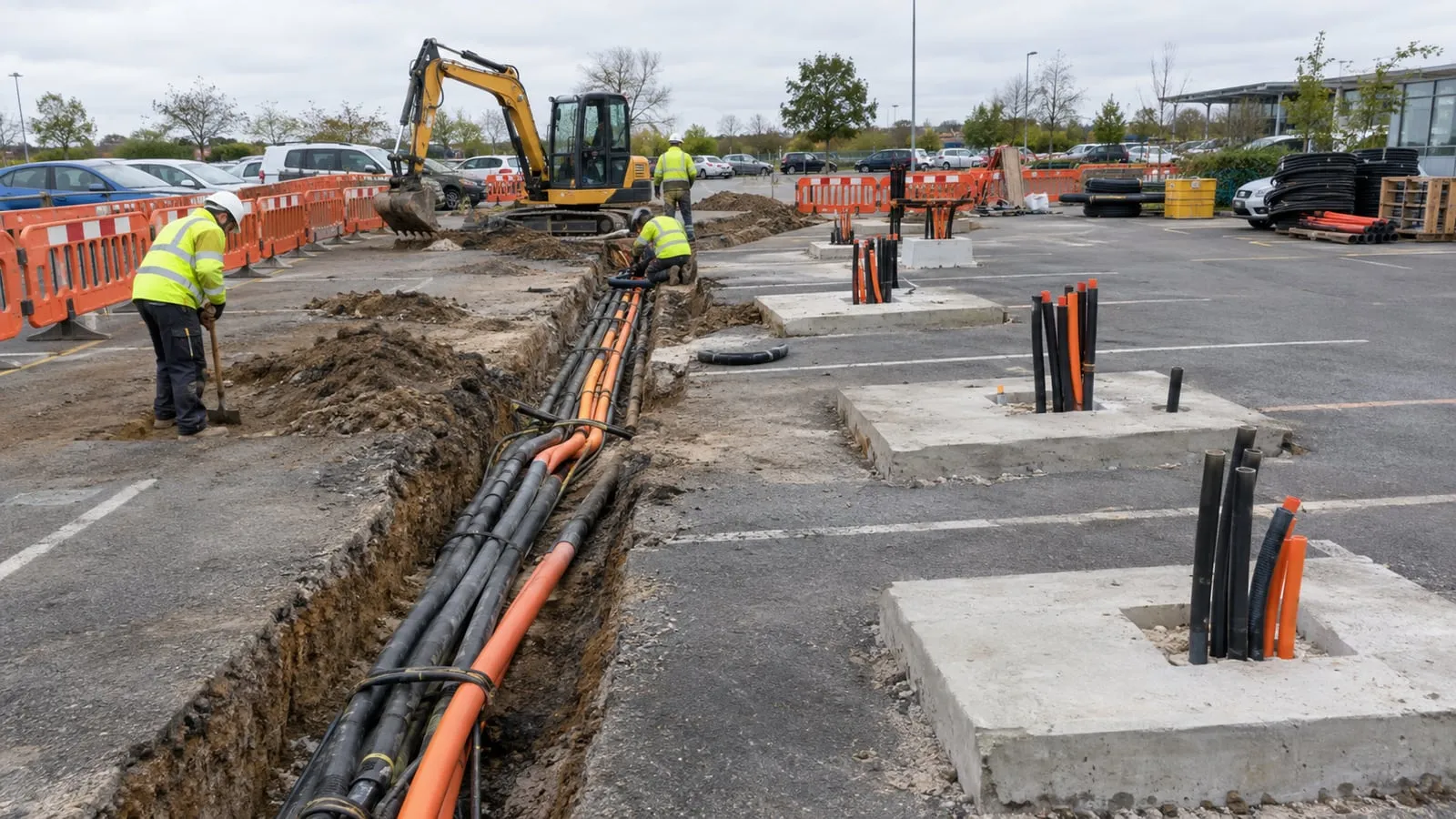
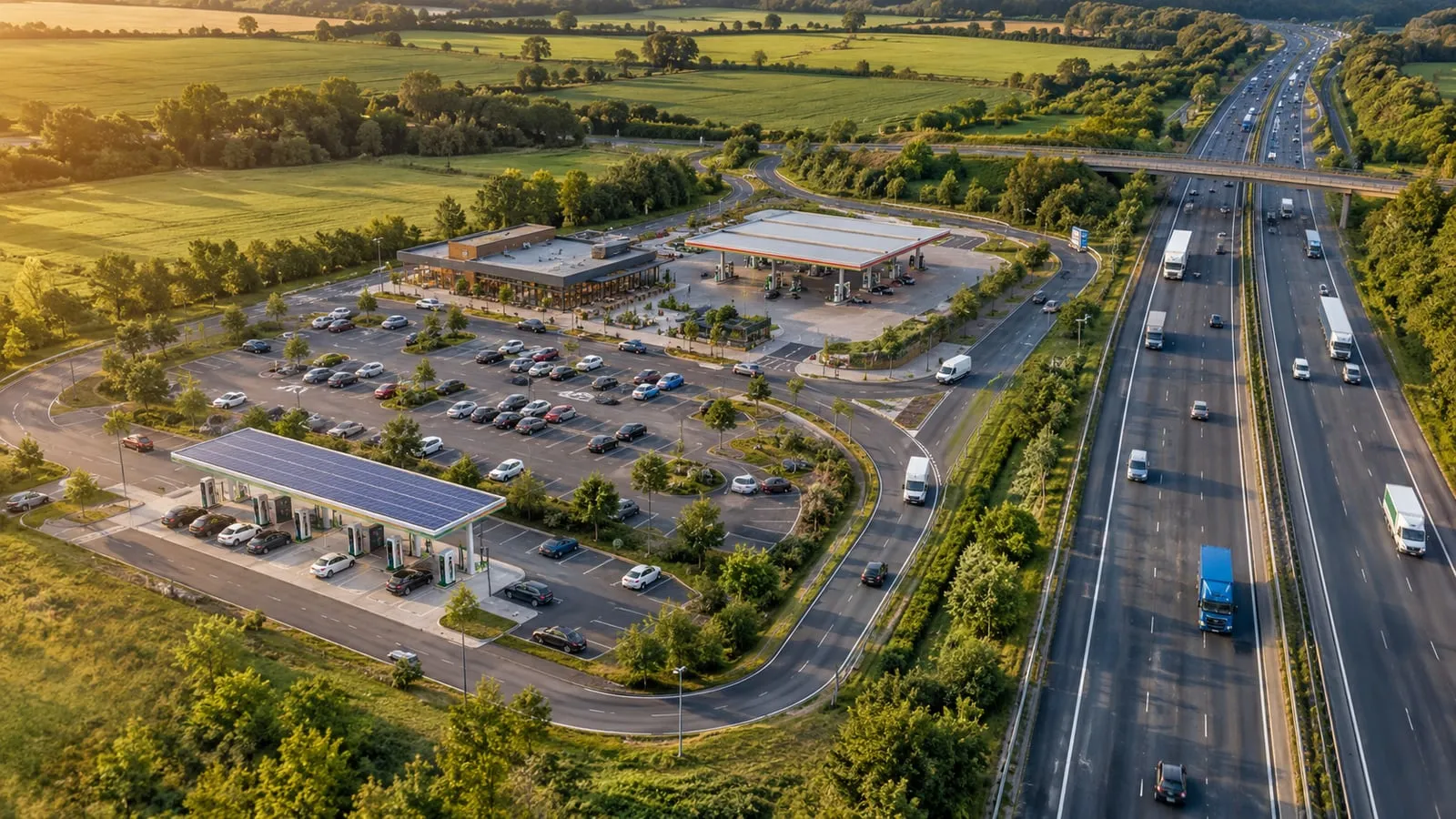
What Goes Into the Cost of an EV Charging Station: The Full Cost Structure
The full cost structure of an EV charging station: hardware, grid connection, civil and electrical works, software, soft costs and running costs.
Charging Business ·
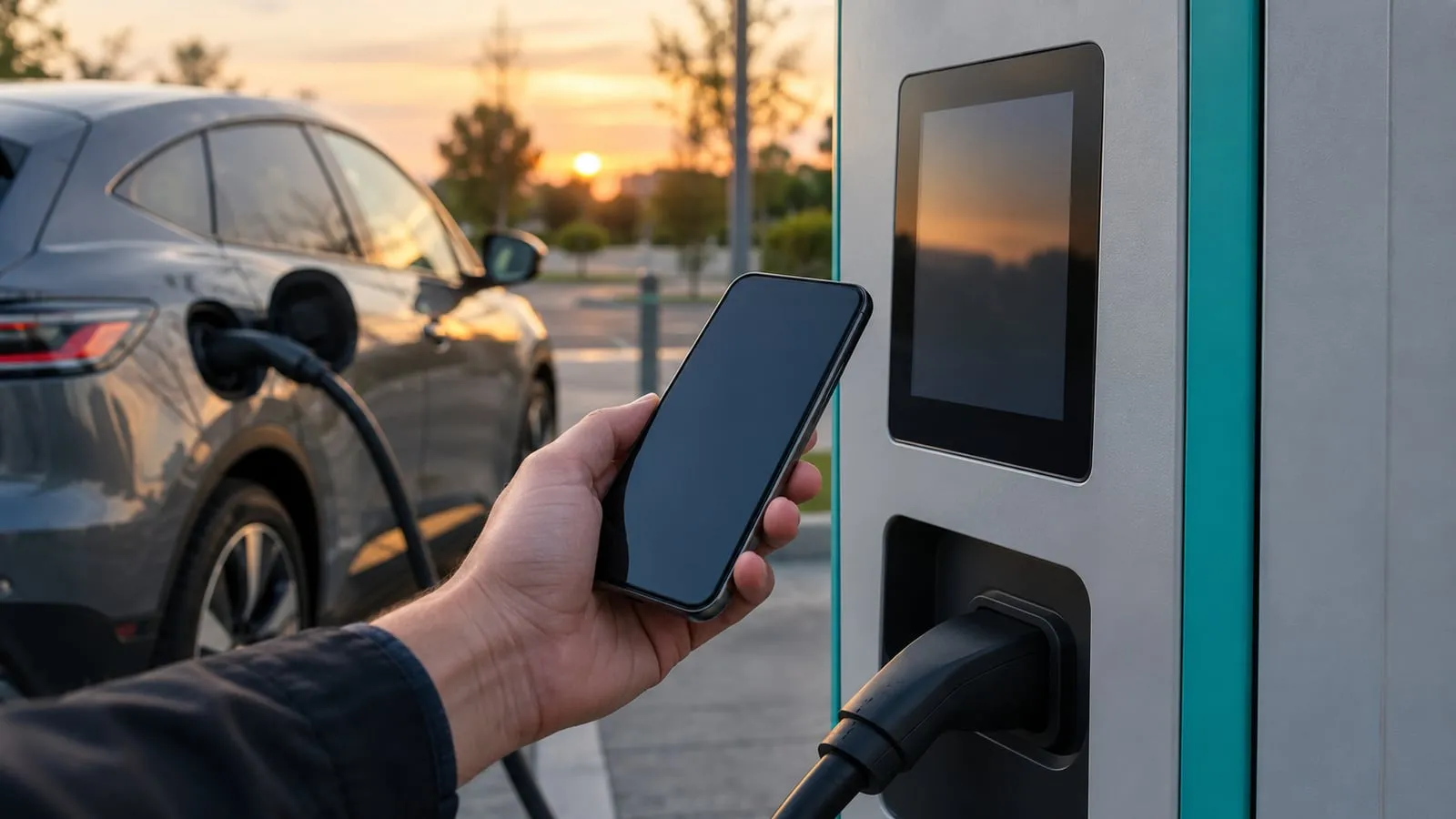
Site Selection for Public DC Fast Charging: A Scoring Method
How to choose sites for public DC fast charging: demand, dwell time, grid capacity, visibility, competition and land terms, with a scoring sheet.
Charging Business ·
How to Price EV Charging: per kWh, per Minute or per Session
Choosing a price model for EV charging: per kWh, per minute or per session, idle fees, time-of-day prices, memberships and price-display rules.

Charging Business ·
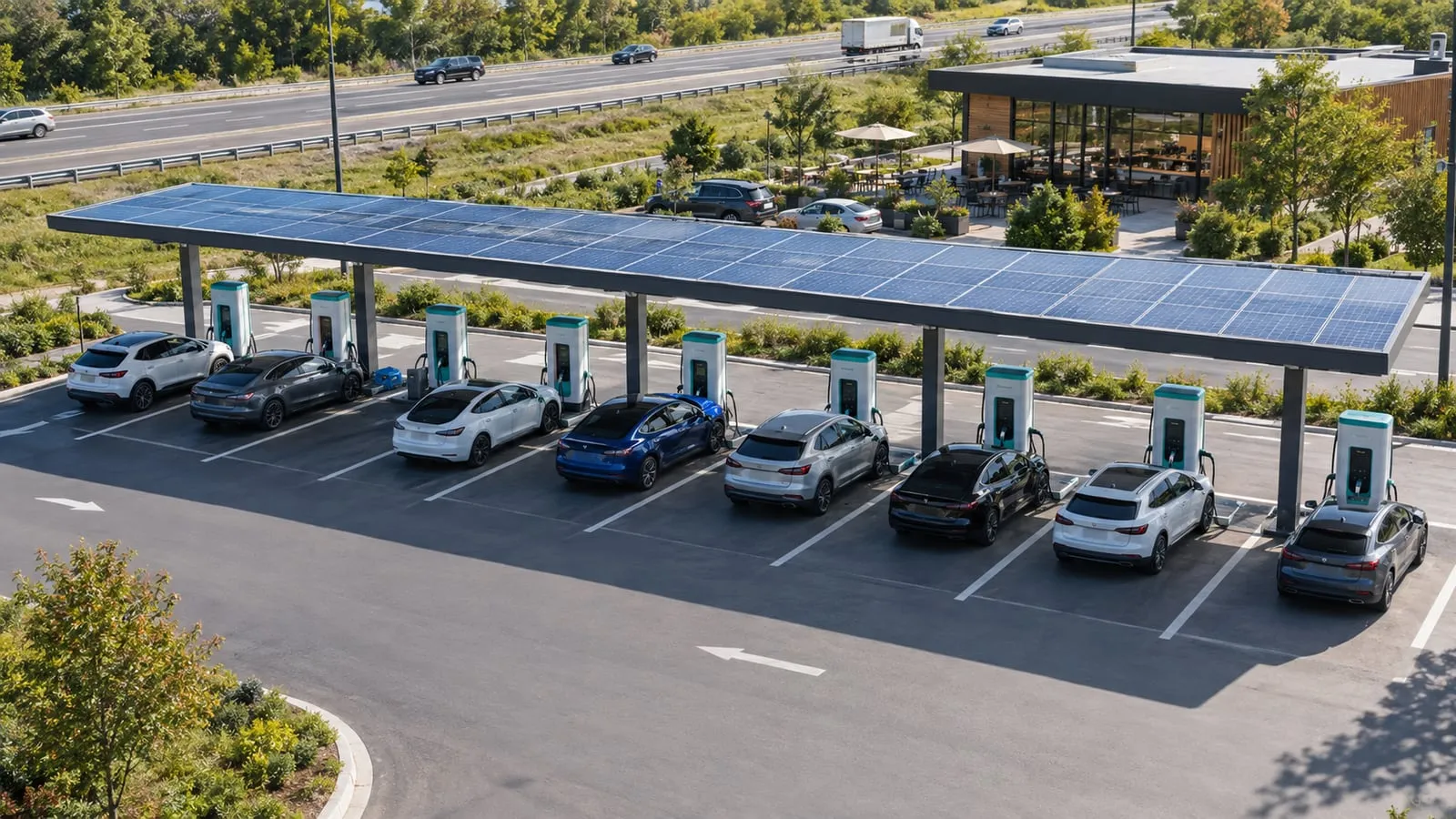
EV Charging Station Business Plan Template (Section by Section)
A ten-section EV charging station business plan template: site, demand, equipment, grid, costs, pricing, financials, operations and risks, with tables.
Charging Business ·
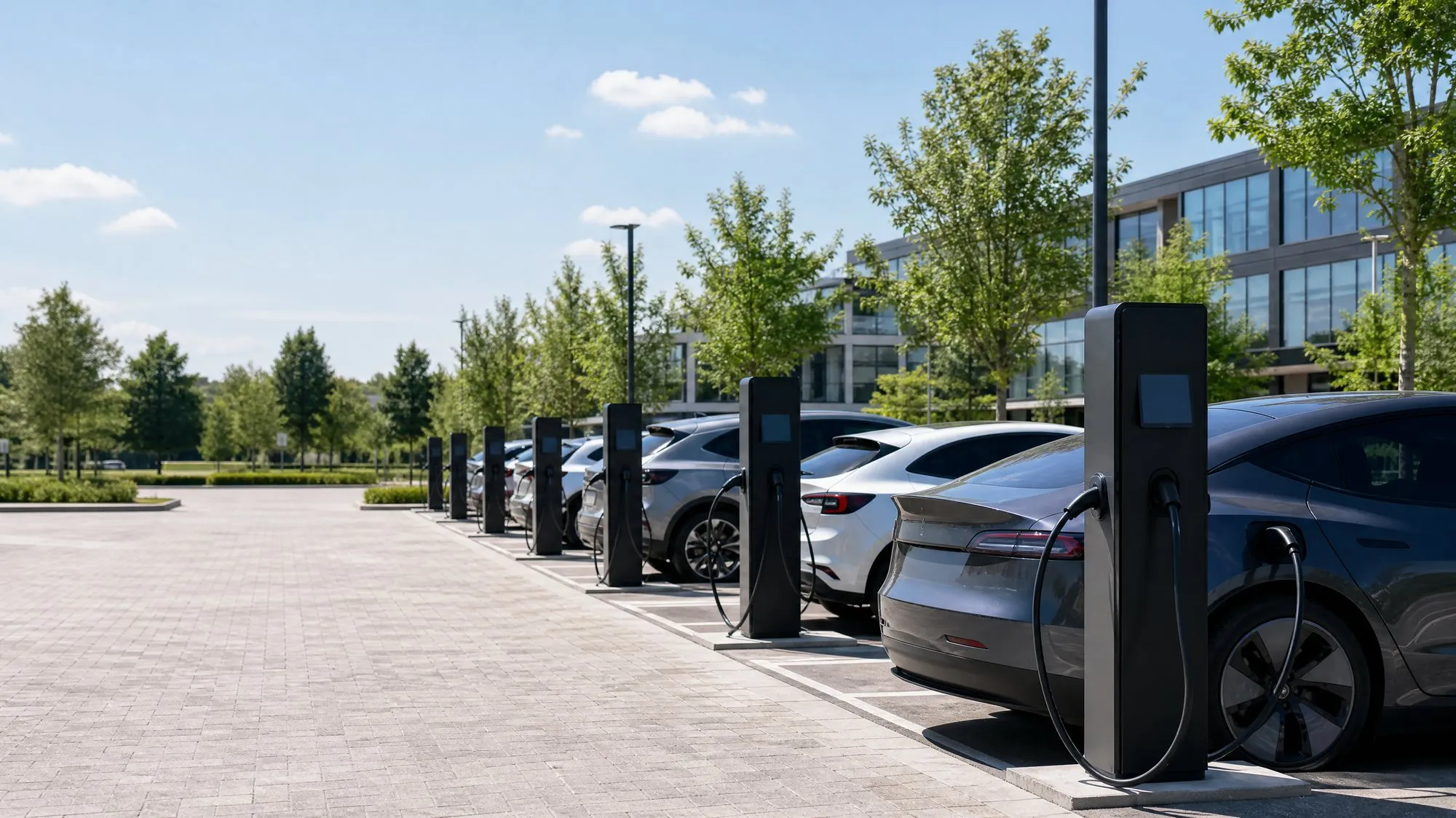
Is an EV Charging Station Profitable? The Utilization Math
How to tell if a charging station will make money: the break-even utilization formula, a worked DC example, what moves the result, and how to raise utilization.
Distributors & Installers ·
Commercial vs Residential Wallboxes: What Changes in the Spec
What separates a commercial EV charger from a home wallbox: ports, authorisation, billing meters, OCPP, load management, durability and rules.
DC Fast Charging ·
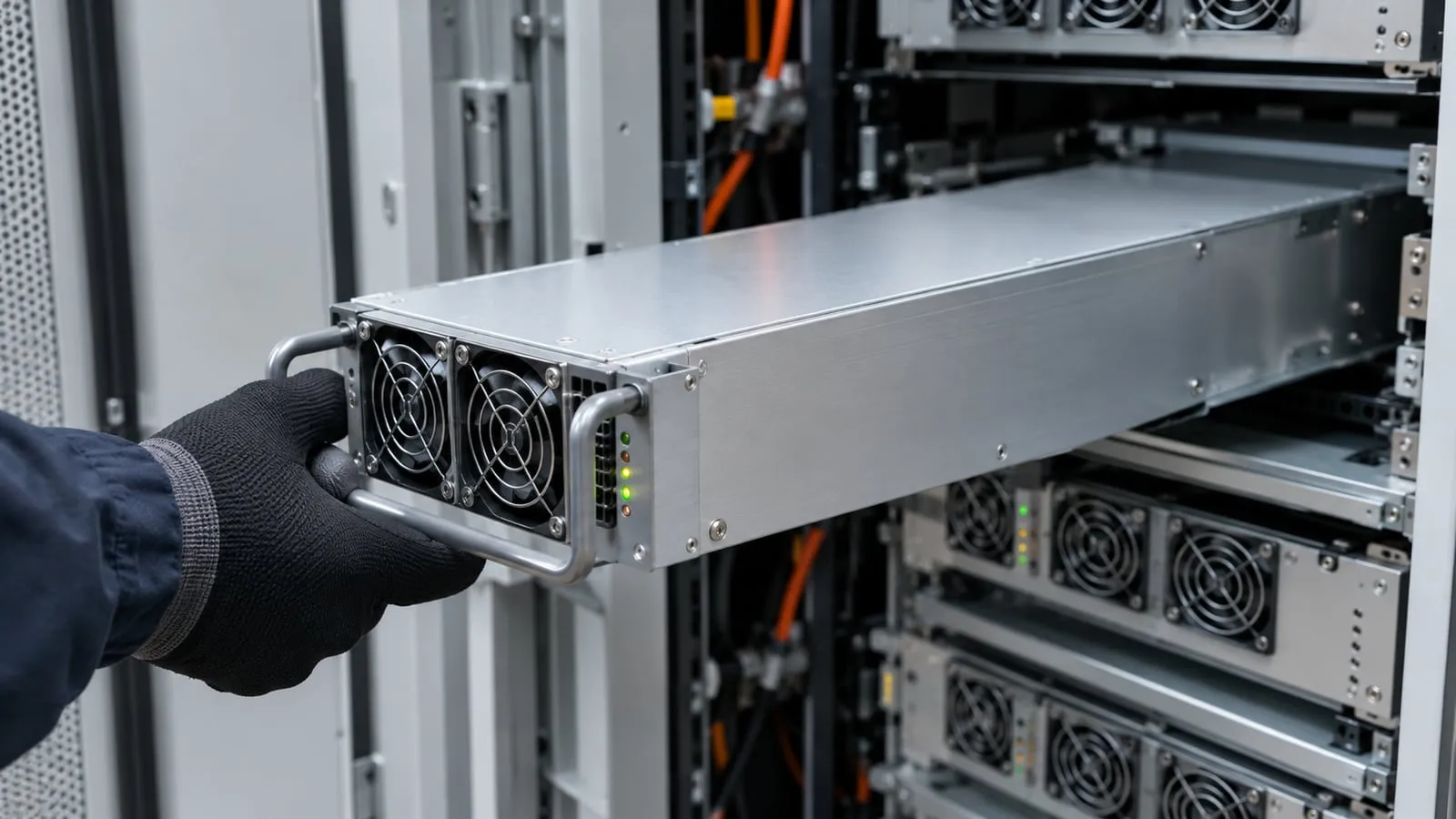
DC Charger Power Modules: Modularity, Redundancy and Repair
How DC charger power modules work, why fast chargers use several, the specs that matter and how modules affect uptime and repair.
Sourcing from China ·
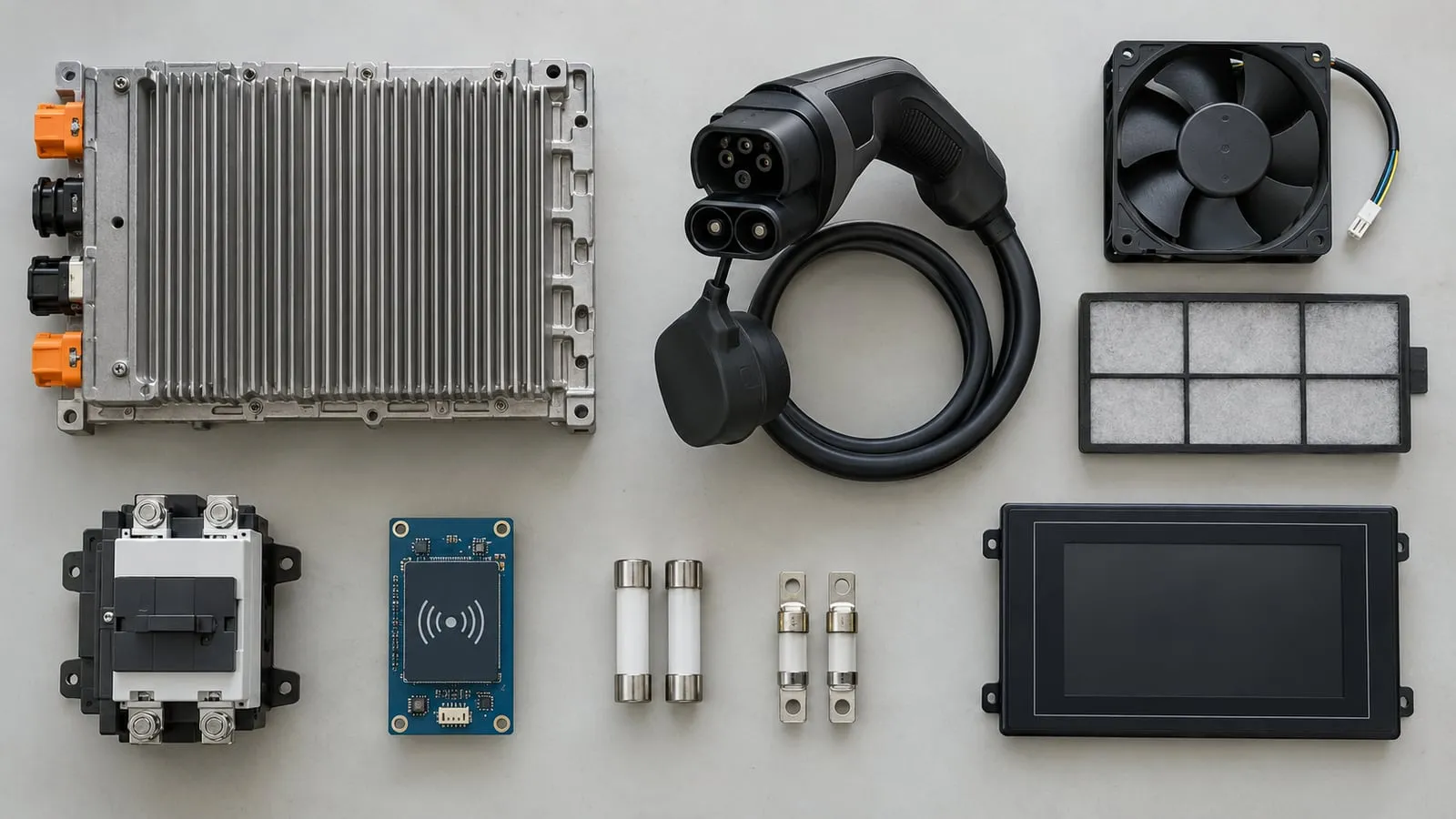
First-Year Spare Parts List for AC and DC Chargers
Which spare parts to stock for AC and DC chargers in year one, how to size the stock from your installed base and lead times, and how to organise it.
Sourcing from China ·
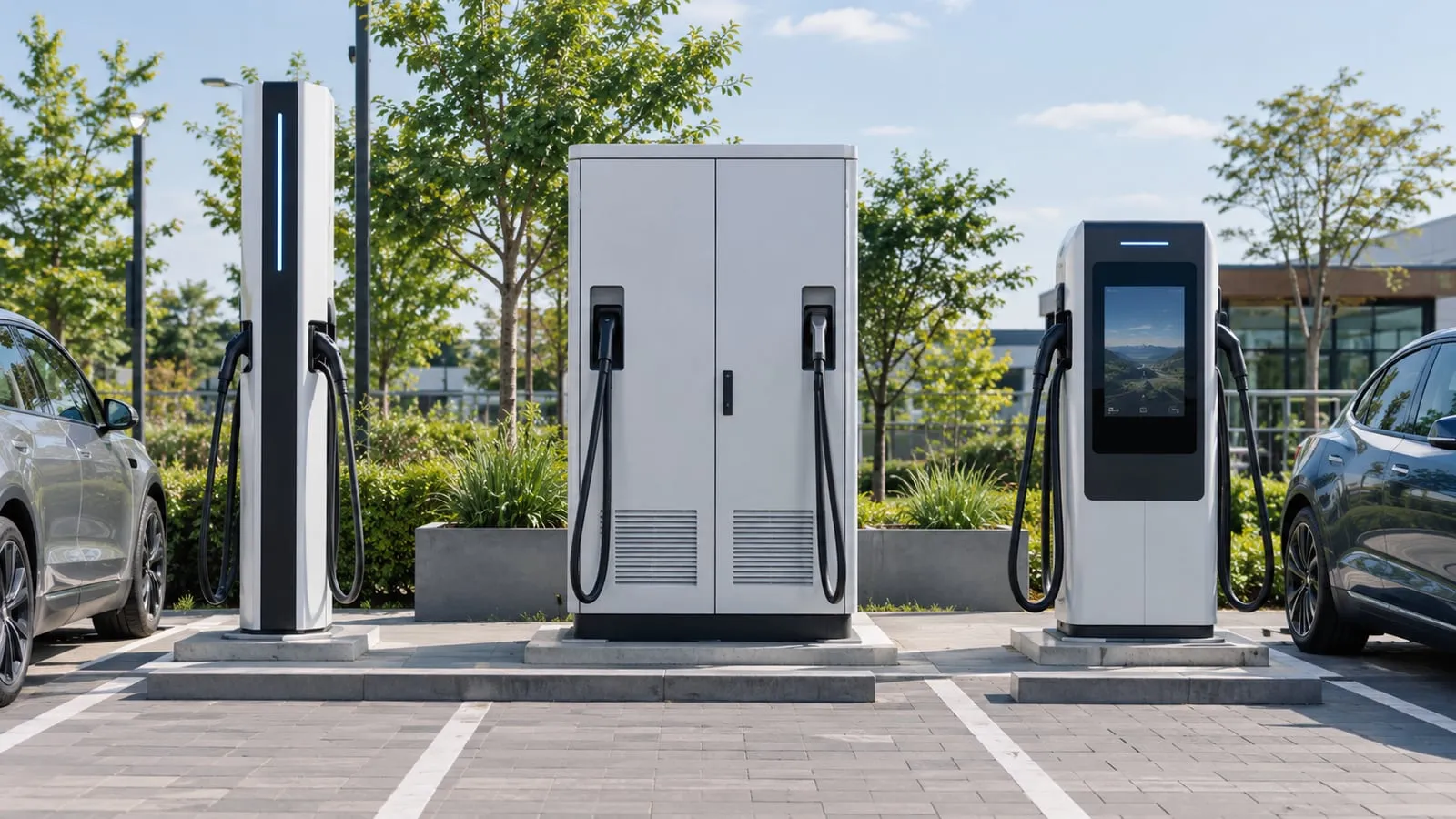
Chinese vs European vs American EV Chargers: A Buyer’s Comparison
How Chinese, European and US-built EV chargers differ in certification, OEM flexibility, lead time, service and funding rules — and when each fits.

Sourcing from China ·
Incoterms and Payment Terms for EV Charger Imports
EXW, FOB, CIF, DAP or DDP for EV charger imports — where cost and risk pass — plus payment terms from T/T deposits to letters of credit.
Sourcing from China ·
Importing EV Chargers into the EU and UK: Documents, Marking and Rules
CE and UKCA for EV chargers: LVD, EMC, RED cybersecurity, RoHS, WEEE, the EU economic operator, AFIR, MID and UK charge point regulations.
Sourcing from China ·
Importing EV Chargers into the US: Tariffs, UL / ETL Listing and Buy America
Importing EV chargers into the US in 2026: NRTL listing, FCC, ENERGY STAR, metering, Section 301 tariffs, recent tariff changes and Buy America.

Sourcing from China ·
Shipping EV Chargers from China: Packaging, HS Codes and Container Loading
How EV chargers are packed and shipped from China: cartons vs crates, HS codes for AC and DC chargers, container sizes, loading plans, documents and insurance.
Sourcing from China ·
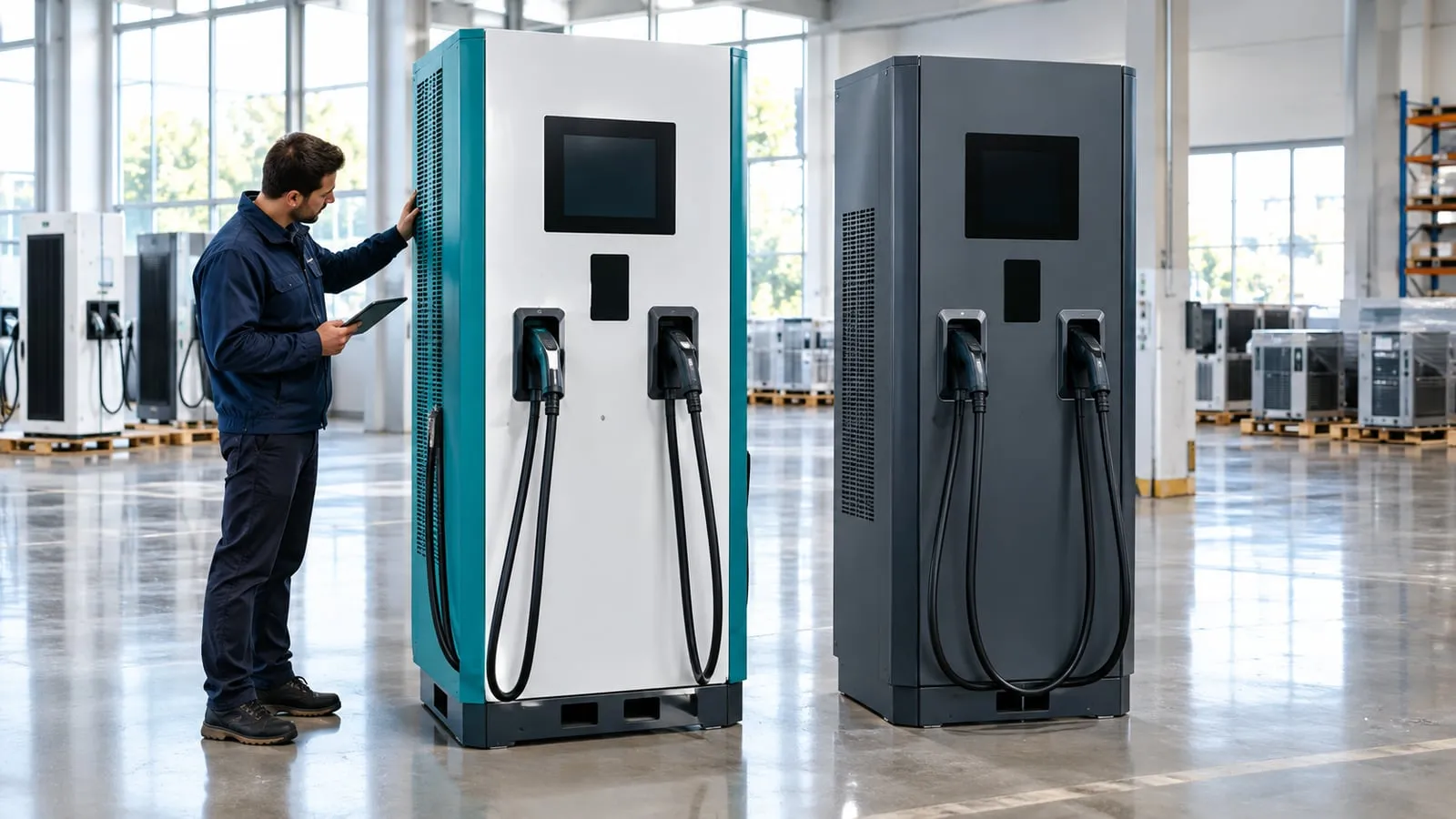
How to Compare EV Charger Quotations Line by Line
Why two EV charger quotes for the “same” model differ, the 25 line items to normalise, how to compare landed cost and five-year cost, and the traps to avoid.
Sourcing from China ·
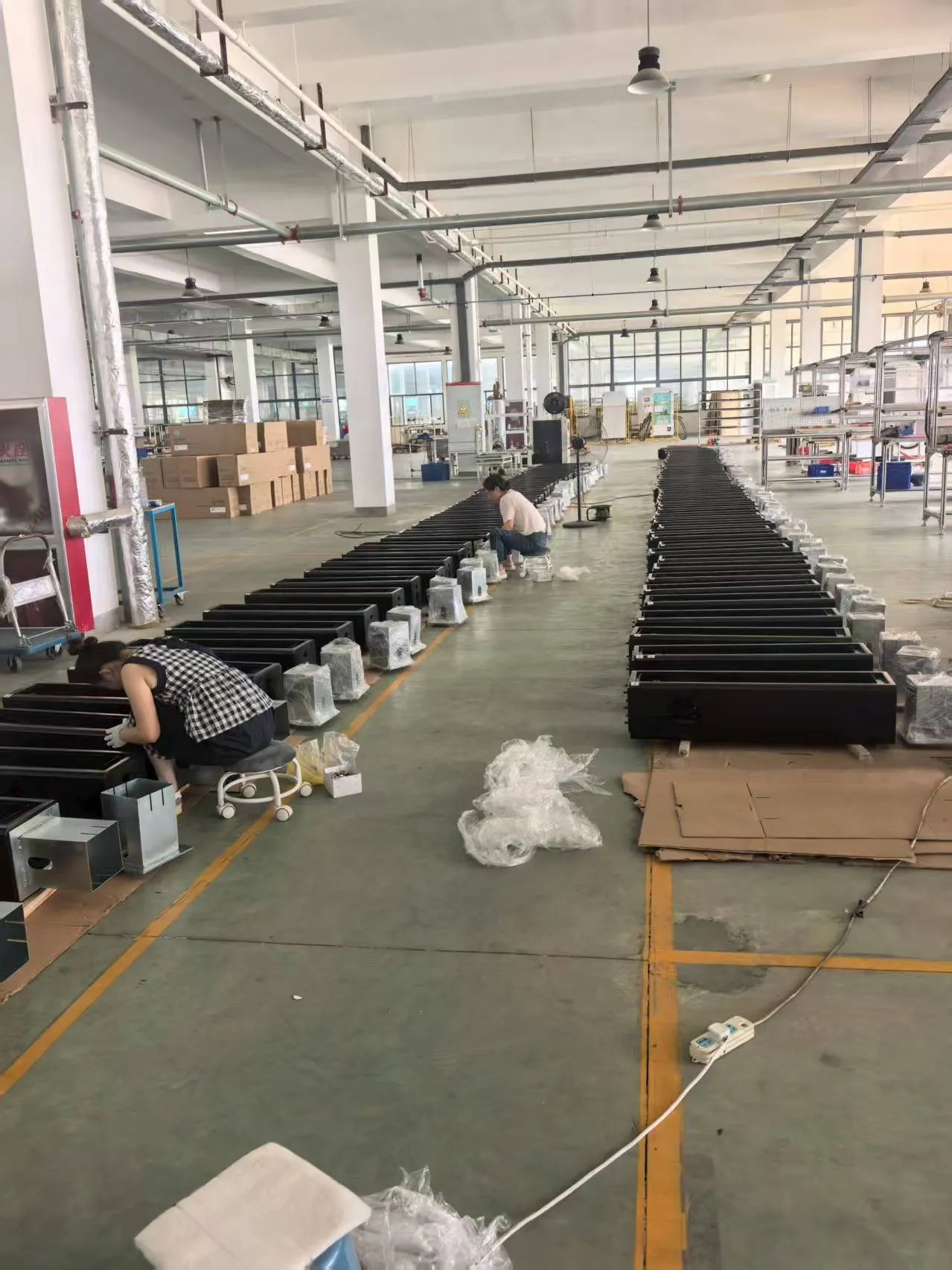
MOQ, Lead Time and Production Schedule for EV Chargers
What drives MOQ and lead time for EV chargers — standard vs custom models, power modules, certification, ageing tests, shipping — and how to plan.
Sourcing from China ·
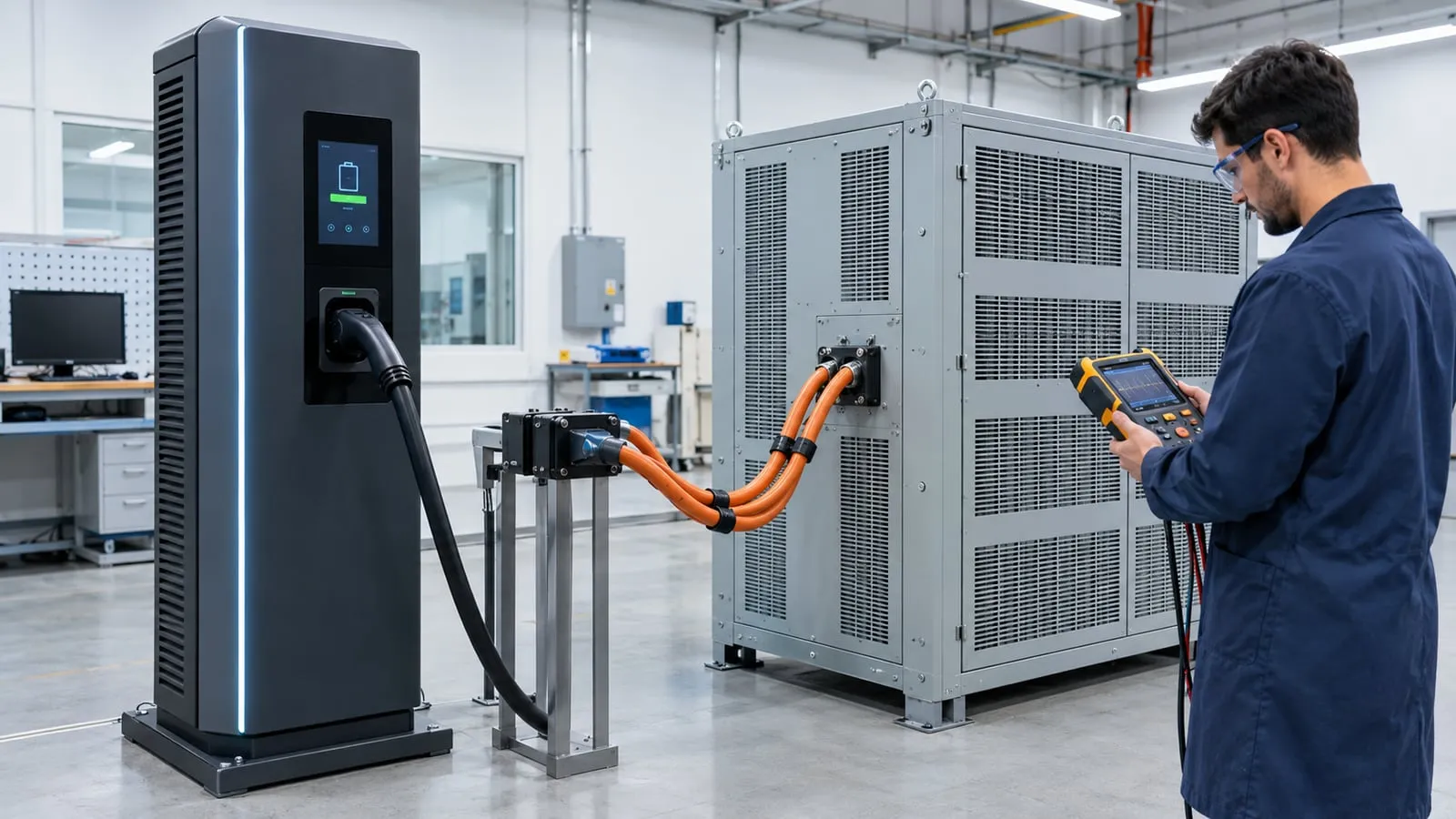
EV Charger Samples: What to Test Before a Bulk Order
A sample test plan for AC wallboxes and DC fast chargers: safety, protection, charging with real cars, metering, OCPP with your back end, heat run, packaging.

Sourcing from China ·
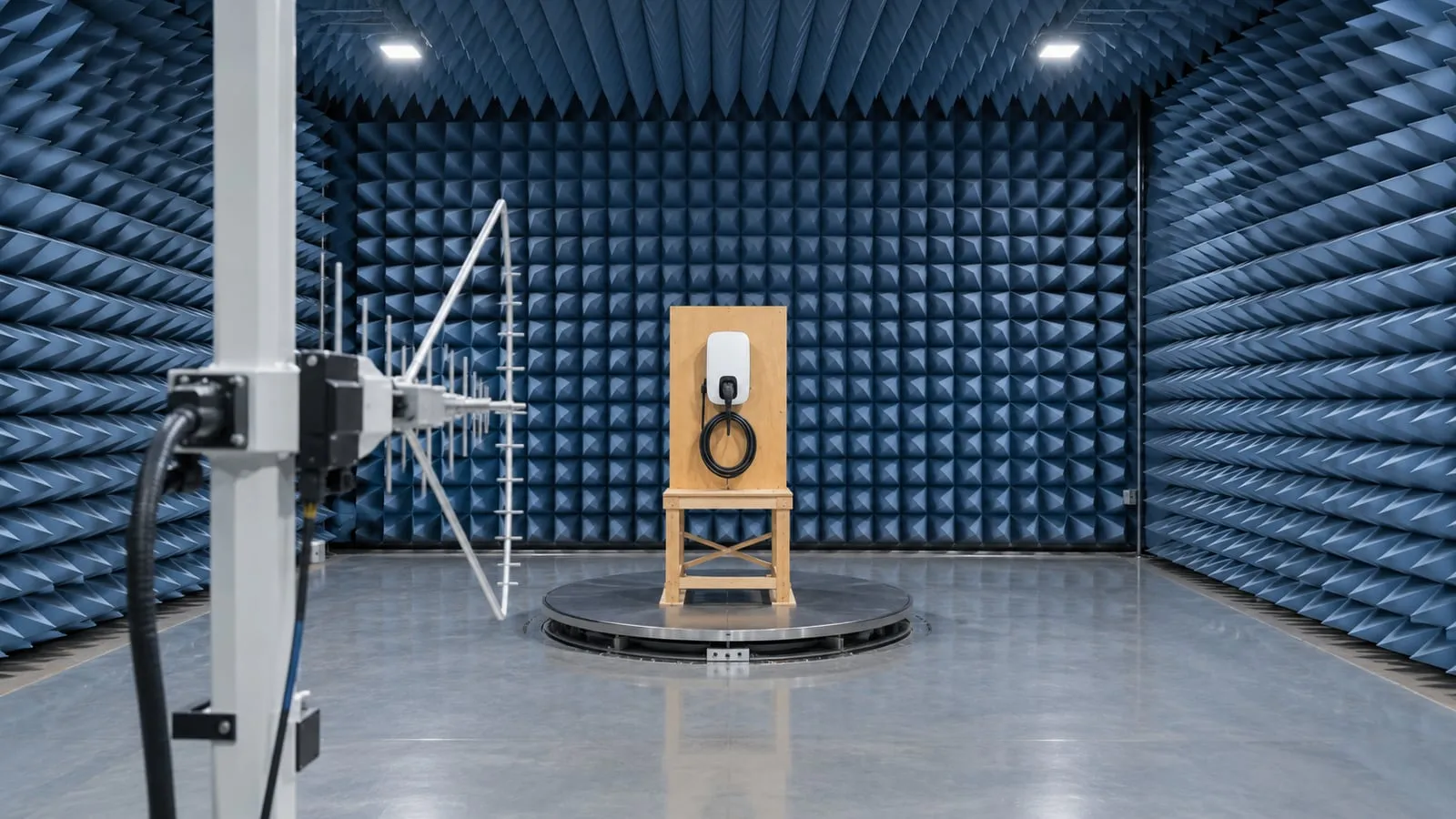
How to Write an EV Charger Tender Specification (RFP Template)
A section-by-section template for EV charger tenders: site, electrical, protection, metering, OCPP, environment, certification, service and scoring.
Sourcing from China ·
What an EV Charger Factory Test Report Should Show
How to read EV charger test reports: lab type tests vs per-unit routine tests, what page one must show, and red flags that a report does not fit.
Sourcing from China ·
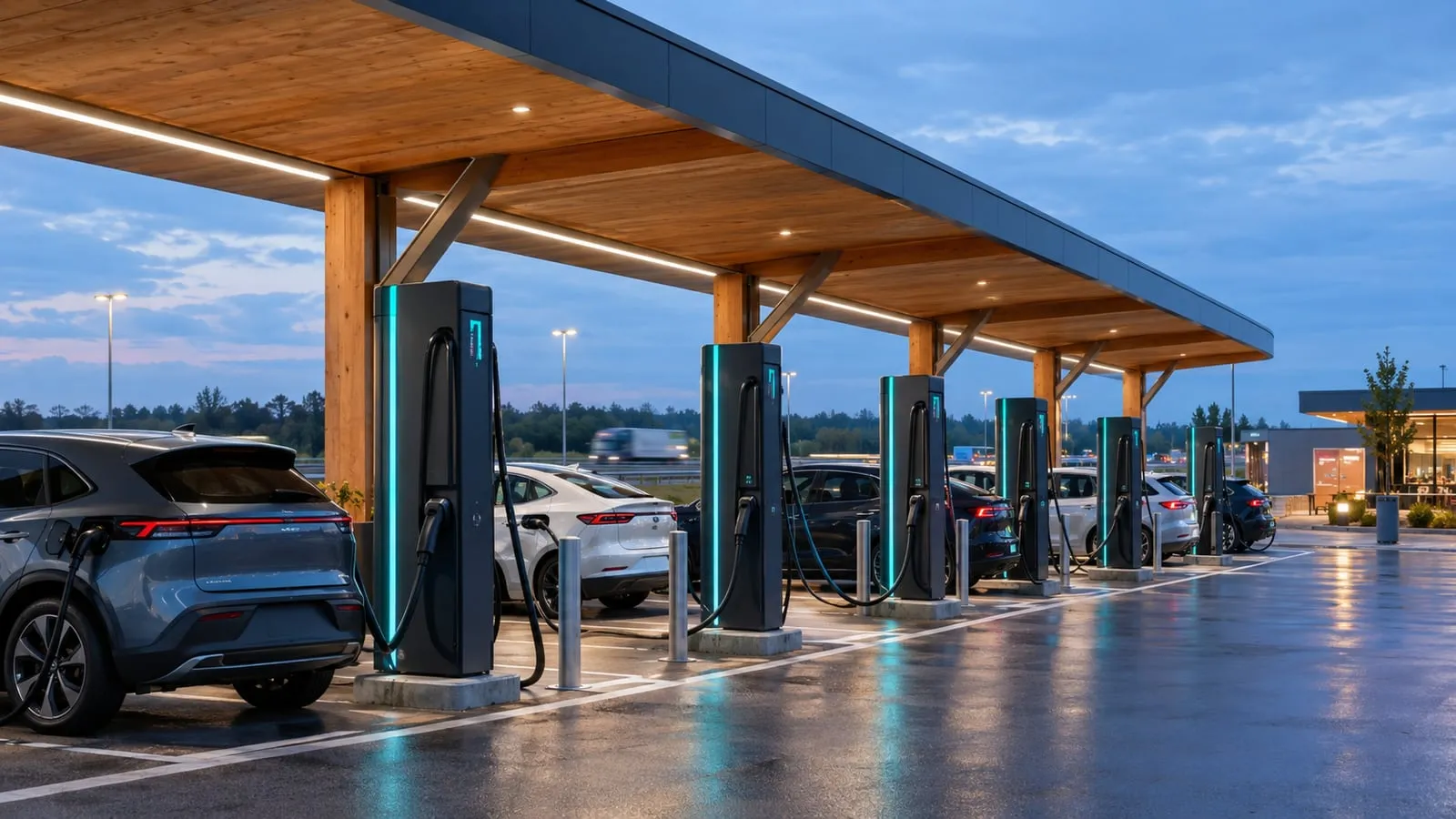
Leading DC Fast Charger Manufacturers Worldwide (2026)
Eleven DC fast charger makers compared — European HPC specialists, US-built suppliers and Asian manufacturers — what each is known for and how to shortlist.
Sourcing from China ·
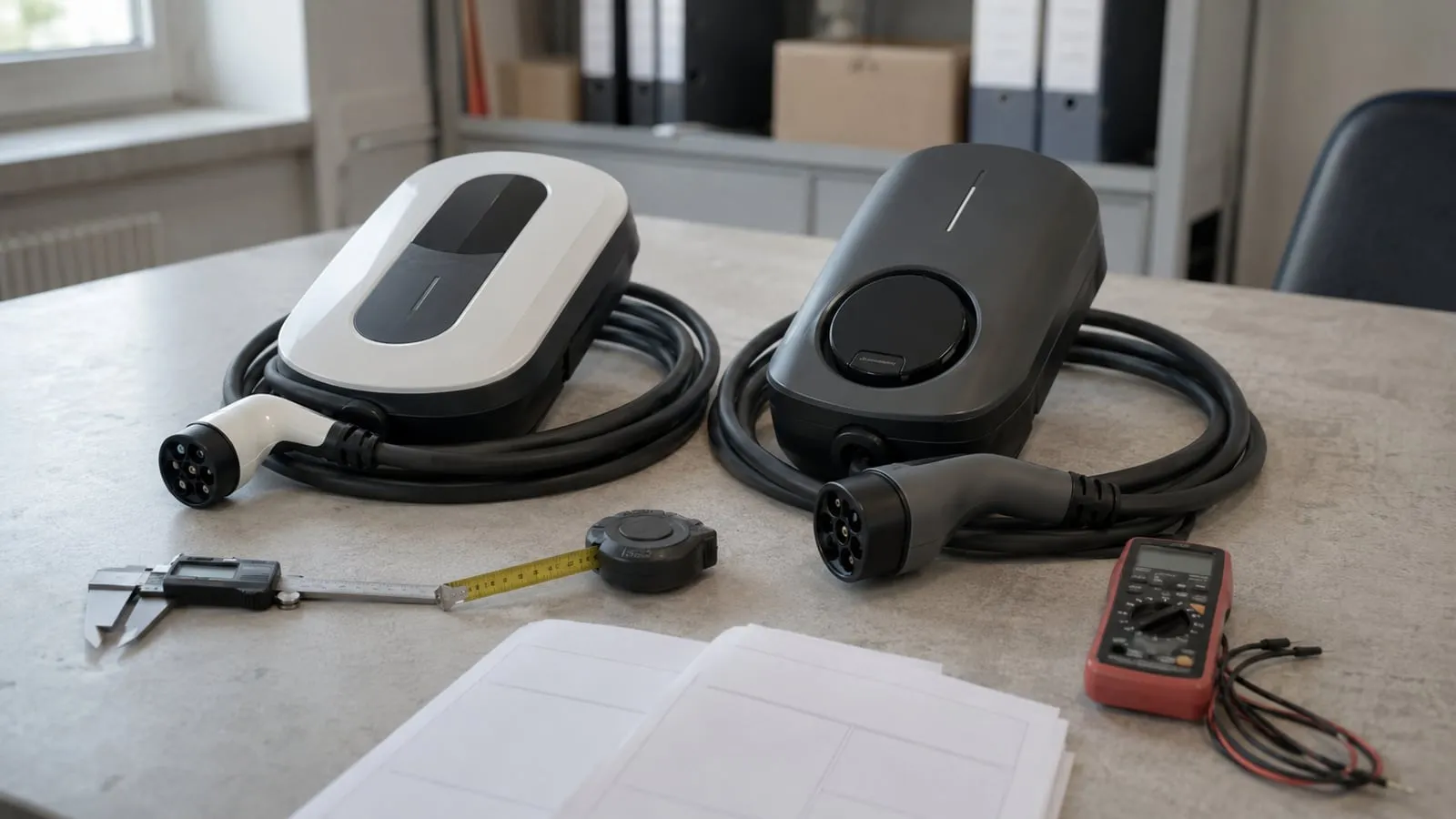
How to Choose an EV Charger Manufacturer: 15 Checks Before You Sign
A practical checklist for choosing an EV charger manufacturer: company, product, certification, commercial and support checks, a scoring sheet and red flags.
Sourcing from China ·
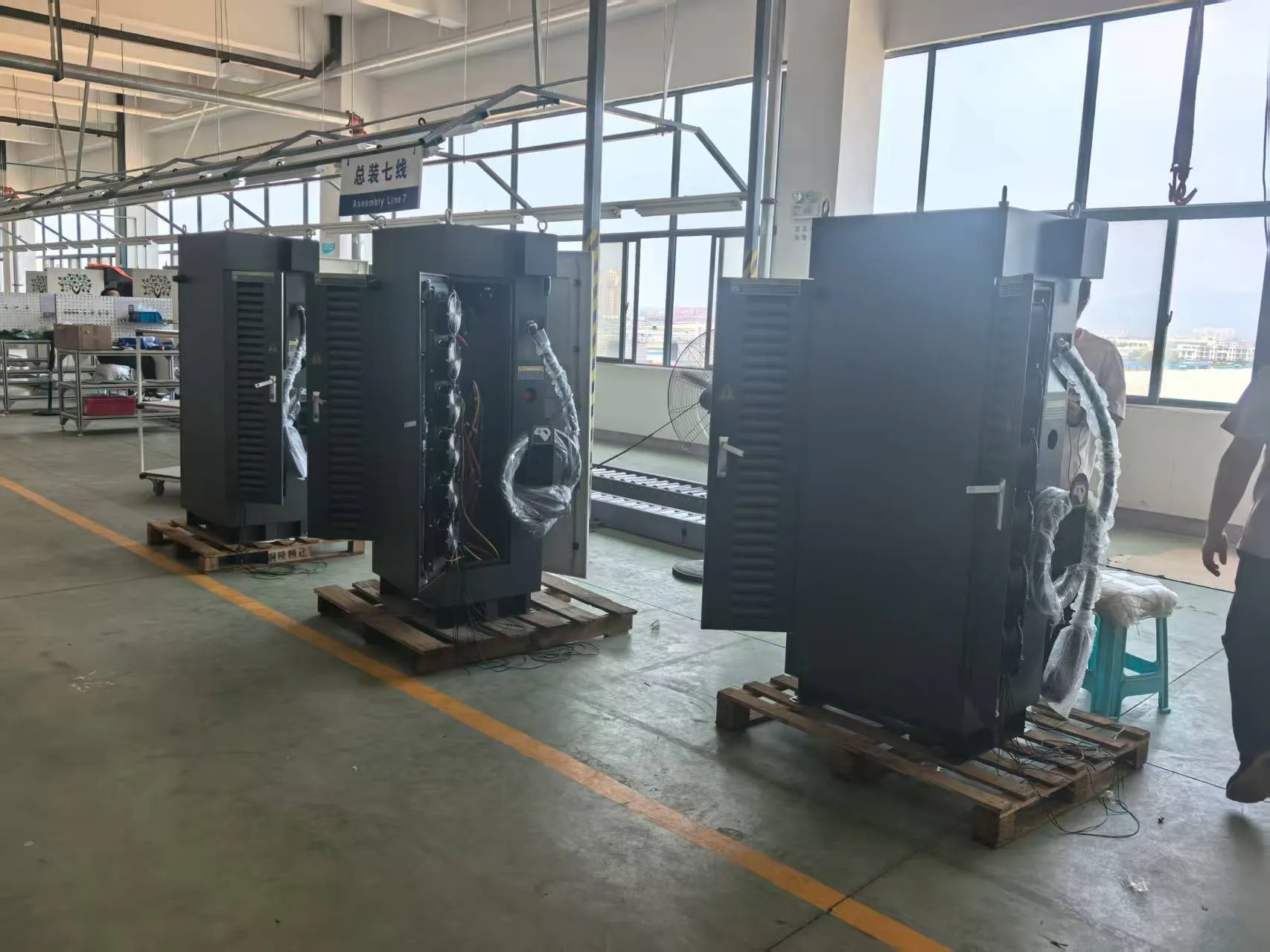
Top 10 EV Charger Manufacturers in China (2026)
Ten Chinese EV charger makers compared by type — network builders, power-electronics groups and export brands — with how to verify each one before you buy.

Sourcing from China ·
How to Verify a Chinese EV Charger Factory Before You Pay
Check a Chinese EV charger supplier before paying: licence lookup, certificate databases, a video audit script, inspection and safe payment terms.