AC Charging
Wall-Mounted vs Pedestal vs Floor-Standing Chargers
Three ways to mount an EV charger — wall, pedestal post and floor-standing cabinet. Cost, space, vandal resistance and which site suits which.
- Prepared by
- VULTAE Engineering Team
- Published
- Reading time
- 3 min
- Sources
- 2 references
Key takeaways
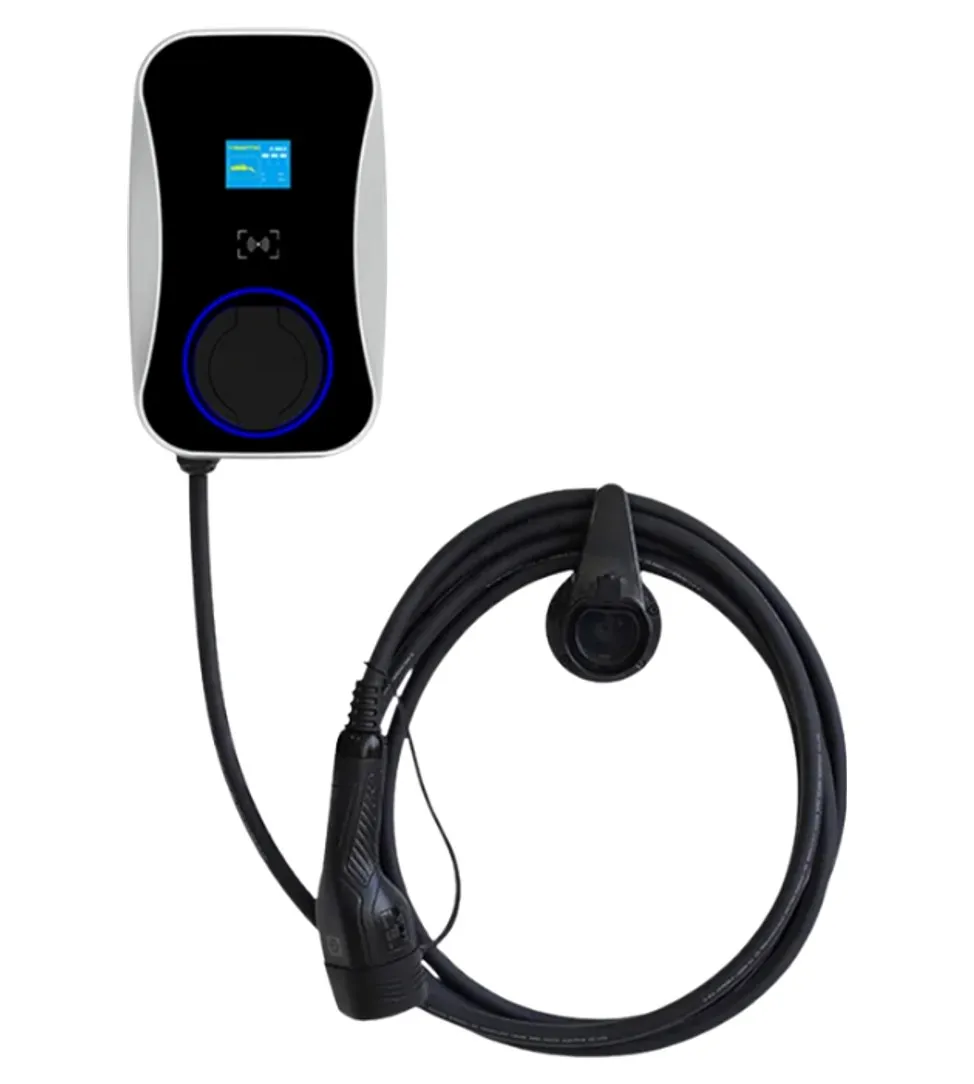
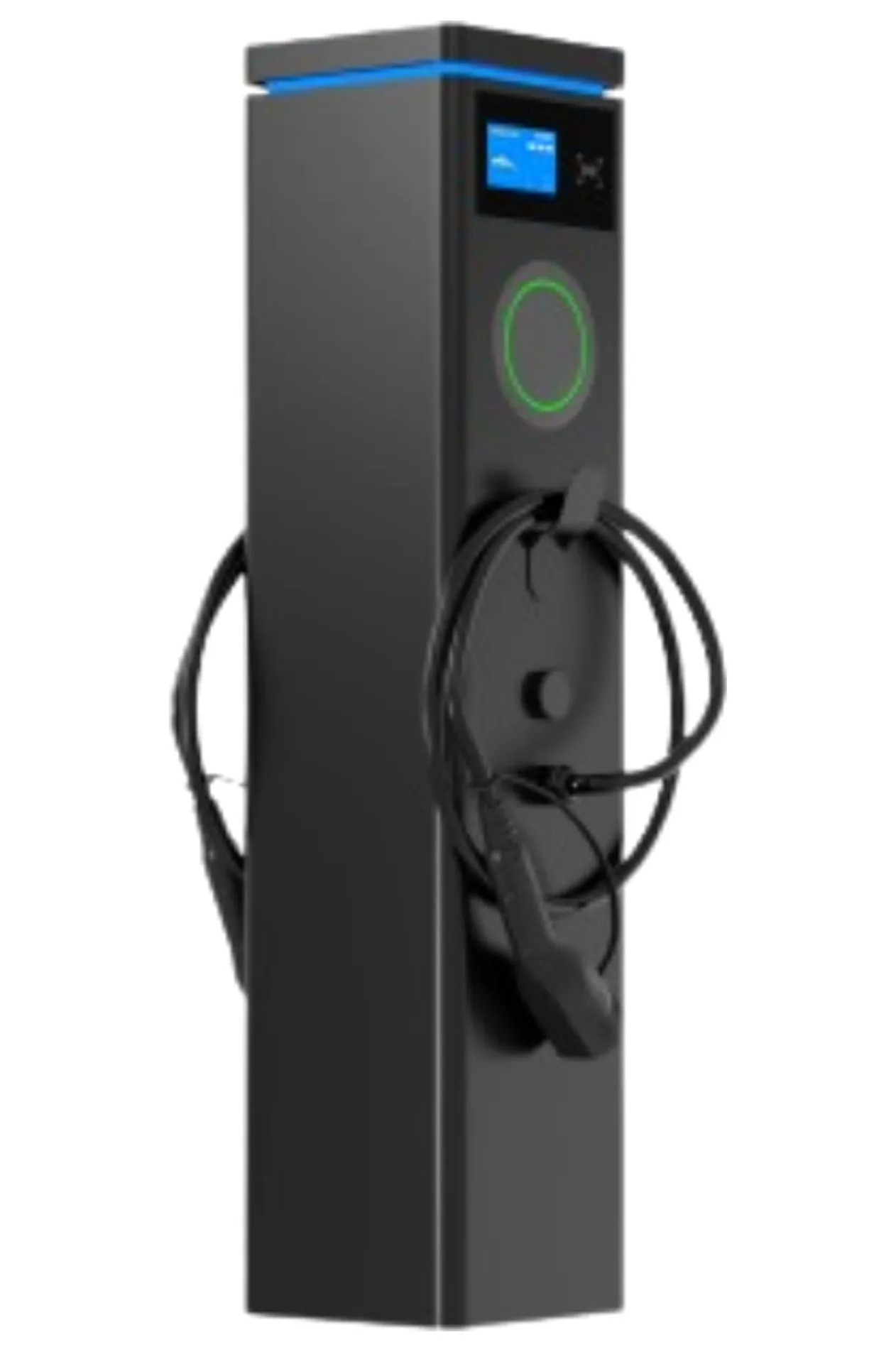
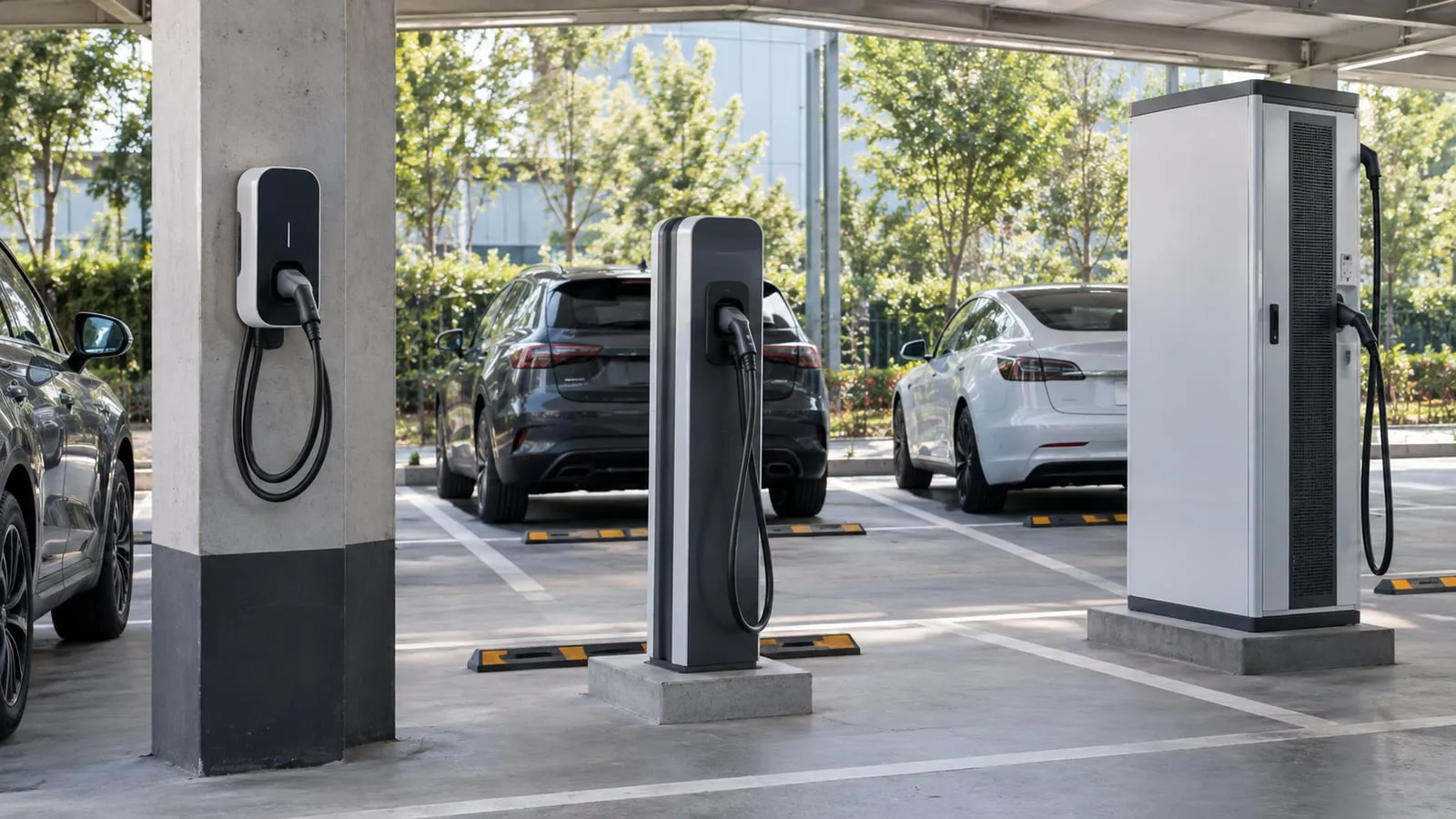
- 1Wall-mounted is the cheapest and simplest, if a suitable wall or pillar is at the right place. Pedestal posts stand on their own and can serve two bays — the usual public car park choice. Floor-standing cabinets are for DC and high-power AC.
- 2A pedestal costs more than a wallbox but saves cabling and walls: one post with two guns serves two bays, and the cable run can be shorter.
- 3Think about the bay: the charger must be reachable from the charge inlet of different cars (front, rear, side) with the cable length available — usually 5–7 m.
- 4Public sites also need impact protection (bollards, kerbs) and vandal resistance, which favours pedestals with IK10 and a solid base.
Contents
Short answer: wall-mounted is cheapest if the wall is where you need it. Pedestal (post) stands anywhere and serves two bays — the usual public car park choice. Floor-standing cabinets are for DC and high-power charging. Pick by bay layout, cable reach and impact risk.
Comparison
| Wall-mounted | Pedestal (post) | Floor-standing cabinet | |
|---|---|---|---|
| Typical power | 3.7–22 kW AC; 20–60 kW DC (wall-mounted DC) | 2 × 3.7–22 kW AC | 60–360 kW DC |
| Needs | Wall or pillar | Plinth or ground base | Concrete plinth |
| Bays served | 1 | 2 (dual-gun) | 1–2 |
| Hardware cost | Lowest | Medium | Highest |
| Installation | Fast | Medium: base and trench | Longest: civil works |
| Impact resistance | Depends on position | Good (IK10 on commercial models) | Good, with bollards |
| Typical site | Garage, wall of a car park | Open car park, street, retail | Highway, fuel station, depot |
Wall-mounted
Choose when you have a wall, pillar or fence in the right place. Advantages: low cost, quick installation, short cable to the supply. Limits: it can only serve bays next to the wall, one bay per unit, and it is exposed if the wall is on a driving path. Use IP55 or better outdoors — see IP and IK ratings.
Pedestal (post)
A free-standing post with one or two connectors. Advantages: serves two bays (one on each side), placed between bays without a wall, easier to protect with a base and bollards, and the cabling is often shorter overall. Limits: a base to build, a trench to the supply, and more cost than a wallbox. Commercial pedestals often carry IK10 impact protection, a screen or payment terminal and RFID.
Floor-standing cabinet
Used for DC fast chargers and some high-power AC. Needs a concrete plinth, larger clearances and a bigger supply. See DC installation and single vs dual-gun.
Choosing by site
| Site | Best fit | Why |
|---|---|---|
| Private garage | Wall-mounted | Wall is right there |
| Apartment car park with walls | Wall-mounted, one per bay | Low cost; load management |
| Open surface car park | Pedestal, two bays per post | No walls; fewer trenches |
| Retail, mall | Pedestal AC plus floor-standing DC | Mix of dwell times |
| Street | Pedestal | Needs to stand alone, vandal-resistant |
| Highway, fuel station | Floor-standing DC | Power and turnover |
| Fleet depot | Wall-mounted on a wall, or pedestal on rows | Fit to bay layout |
Layout checks
- Cable reach. With a 5 m cable, a post centred between two bays reaches both inlets for most cars; test with the cars that will use it.
- Inlet positions. Front, rear and side inlets differ; place the charger near the middle of the bay or choose longer cables.
- Protection. Bollards, kerbs or a raised plinth keep vehicles away — see bay layout.
- Accessibility. Controls and holder height must suit users — see accessible bays.
- Lighting and visibility. Good lighting reduces vandalism and makes the charger easier to use.
Cost view
Hardware: wallbox < pedestal < DC cabinet. But installed cost per bay can favour a pedestal in an open car park, because it avoids long cable runs and extra supports. Compare complete project costs, not just hardware — see the cost structure article.
VULTAE options
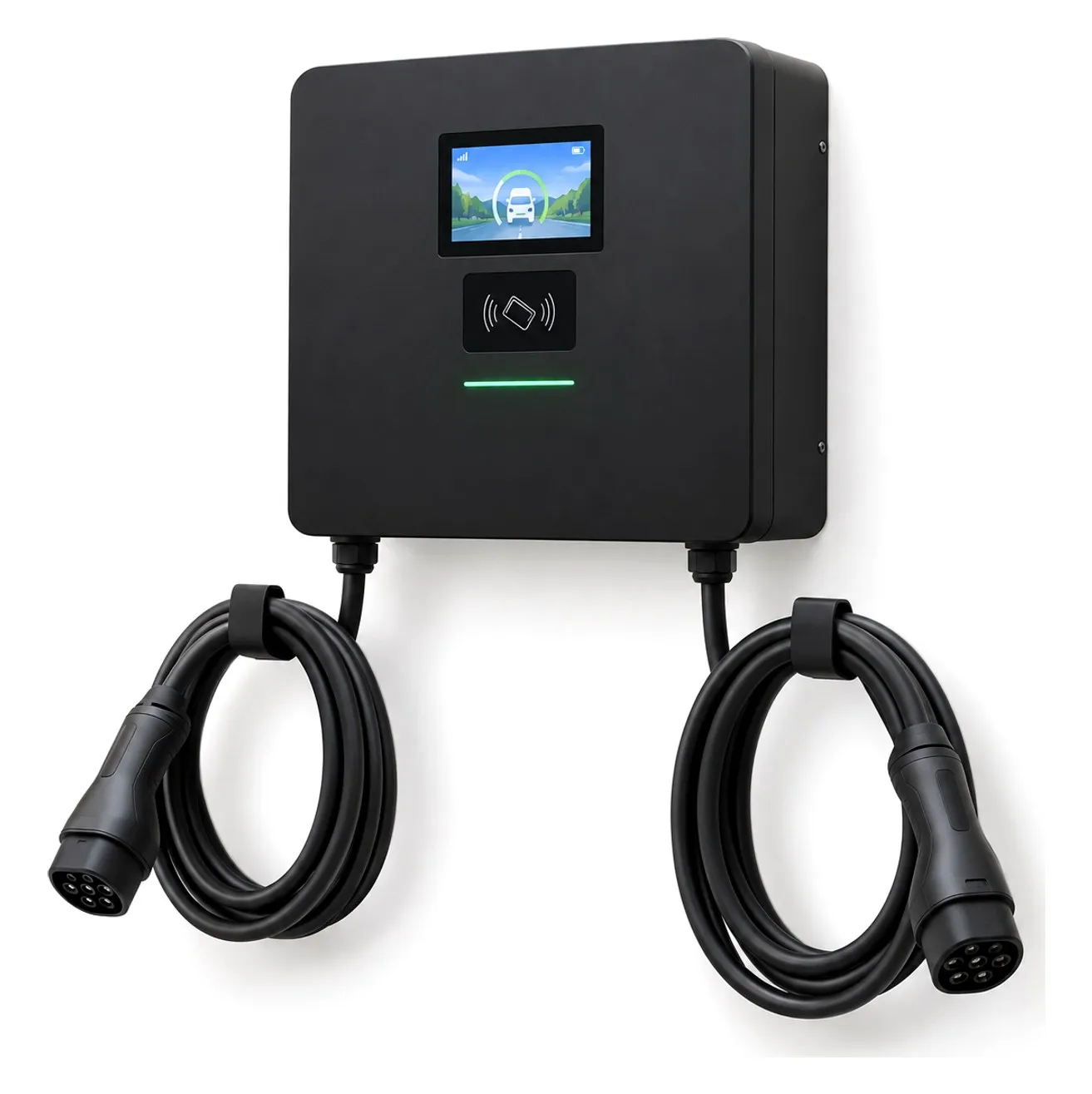
VULTAE offers wall-mounted AC chargers (also available with a post-mounting kit), the dual-port AC pedestal for commercial car parks, DC wall-mounted and floor-standing DC chargers. See the smart wallbox, the dual-port pedestal and the dual-port wall charger.
Questions buyers ask
- Is a wall-mounted or pedestal EV charger better?
- A wall-mounted charger is cheaper and ideal where there is a wall in the right place, such as a garage or a car park perimeter. A pedestal is better in open car parks without walls, and when one post should serve two bays.
- Can a wallbox be mounted on a post?
- Many wallboxes can be mounted on a pole or a post kit; check the manufacturer’s mounting accessories and IP rating. A purpose-built pedestal is sturdier and has space for wiring and protection.
- How far should the charger be from the parking bay?
- Close enough that the cable reaches the inlet of any car using the bay without stretching. A 5 m cable with the charger centred between two bays usually works. Check the cable length and the inlet position of the cars.
- Do I need bollards?
- In public car parks, yes, or a raised plinth and wheel stops. Vehicles reversing into chargers are a common cause of damage.
References
- [1]IEC 60364-7-722:2018 — supplies for electric vehicles. International Electrotechnical Commission.
- [2]IEC 61851-1:2017 — general requirements. International Electrotechnical Commission.