Installation & Power
DC Fast Charger Installation: Foundation, Clearance and Cable Trench
How a DC fast charger is installed: site survey, concrete plinth, conduits, cable trench, clearances and commissioning — a civil and electrical checklist.
- Prepared by
- VULTAE Engineering Team
- Published
- Reading time
- 3 min
- Sources
- 3 references
Key takeaways
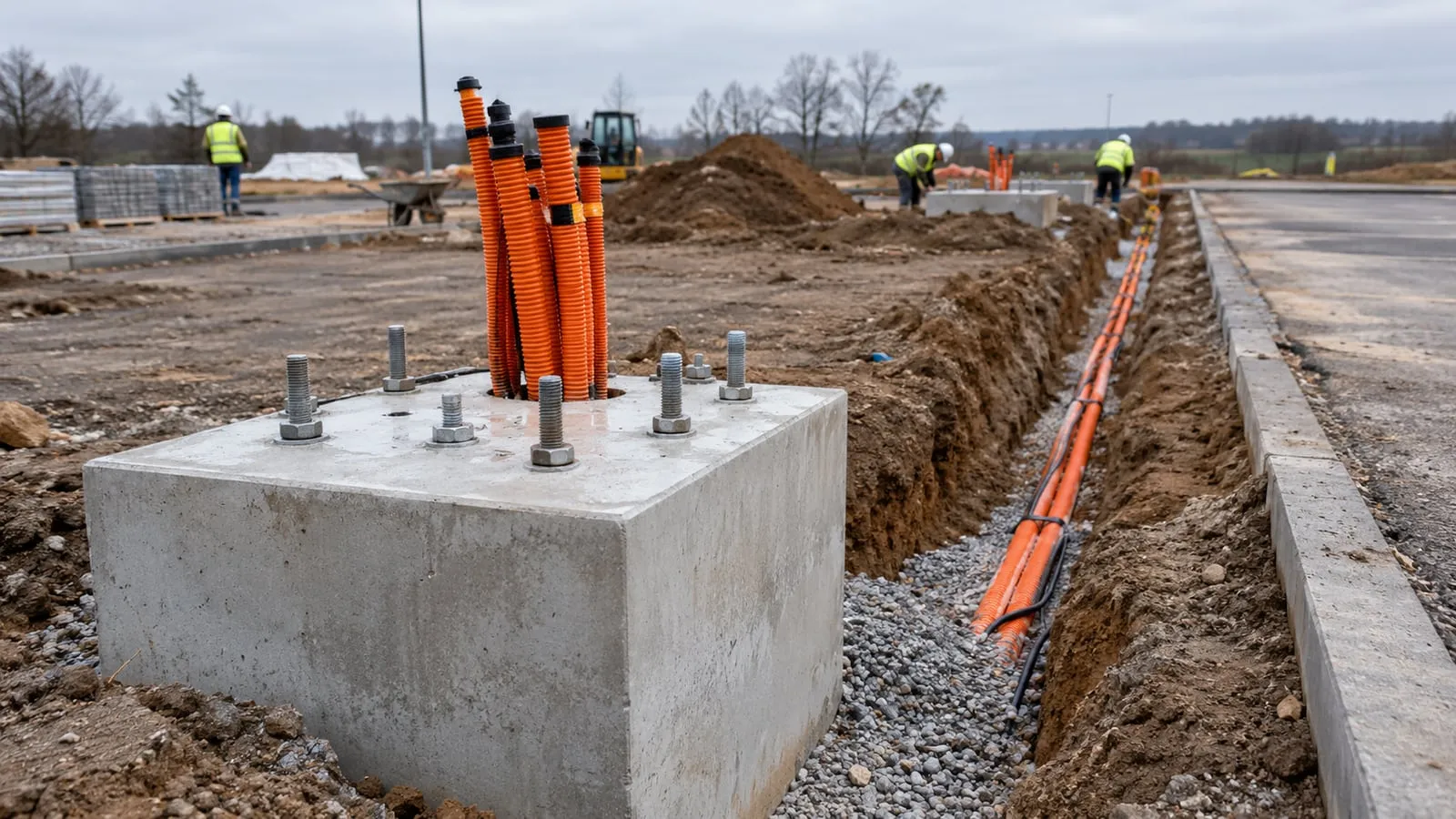
- 1Civil work decides the schedule. A floor-standing DC charger sits on a concrete plinth with anchor bolts and conduits for power, communication and earth; the concrete needs to cure before the charger is placed.
- 2Get the drawing for the exact model first: footprint, weight, anchor bolt pattern, conduit positions and clearances. Pour the foundation to that drawing, not to a generic one.
- 3Plan clearances for airflow, door swing, service access, cable reach and vehicle approach. Include crash protection (bollards or kerbs) where vehicles can hit the charger.
- 4Commissioning is part of the job: insulation and earth tests, communication, a test charge with a real vehicle and a record of the settings.
Contents
Short answer: a floor-standing DC fast charger needs a concrete plinth with anchor bolts, conduits for power and communication, a cable trench to the transformer or switchgear, clearances for air and service, and protection from vehicle impact. Get the installation drawing for your exact model first, pour to it, and plan for commissioning with a real vehicle.
Installation steps
| Step | What happens | Time (typical) |
|---|---|---|
| 1. Site survey | Soil, drainage, underground services, vehicle flow, supply point | 1–3 days |
| 2. Design | Layout, cable sizes, protection, civil drawings | 1–3 weeks |
| 3. Civil works | Excavation, trench, conduits, plinth, bollards | 1–2 weeks |
| 4. Cabling | Pull power, communication and earth cables | 2–5 days |
| 5. Set the charger | Lift with a crane or pallet truck, bolt down | 1 day |
| 6. Terminate and test | Connect cables, insulation and earth tests | 1–2 days |
| 7. Commissioning | Configure, connect to back end, test charge | 1–2 days |
The grid connection is not in this table; it often takes longer than all the steps above. See grid power for DC sites.
The plinth
- Size and weight. A floor-standing DC charger is a heavy cabinet; the plinth must carry its weight and resist overturning and impact.
- Anchor bolts. Cast in or drilled in, to the pattern on the drawing. Wrong spacing is the most common site error.
- Height. Raise the plinth above ground level to keep water away from the base and conduits. In flood-prone areas raise it further.
- Conduits. Power, communication and earth in separate conduits; leave extra for later. Seal them against water and rodents.
- Surface. A flat, level surface, with slope away from the charger.
Never place the charger on bare asphalt or paving slabs without a designed foundation.
Clearances and layout
| Item | Why |
|---|---|
| Air inlet and outlet | Cooling air must not be blocked or recirculated |
| Door swing and service access | A technician must be able to open all doors and replace modules |
| Cable reach | The charging cable must reach the car’s inlet, whichever side it is on, without being stretched or dragged |
| Vehicle approach | Cars, vans or trucks must align without blocking others |
| Wheel stops and bollards | Protect the cabinet from impact |
| Lighting and signage | Safe for night use; clear bay marking |
The model’s manual specifies minimum distances. Use bay layouts that suit your vehicles — see EV charging bay layout and accessible bays.
Electrical works
- Supply cable sized for the charger’s input current — see wire size.
- Protection at the supply point: breaker, residual current protection as required by the model, and surge protection.
- Earthing per the local code — see earthing systems.
- Communication cable (Ethernet) or 4G antenna position — see connectivity.
- Metering if required, including utility meter and billing meter.
Common mistakes
- Pouring the plinth before receiving the drawing for the exact model.
- Conduits in the wrong position, so cables twist at the entry.
- No drainage — water collects at the base.
- No impact protection where vehicles reverse.
- Charger placed so cables cross walkways.
- Skipping commissioning with a real vehicle: a charger may pass tests with a simulator and fail with a particular car.
Commissioning checklist
Insulation and earth continuity tests; correct phase and voltage; communication to the back end; configuration (ID, limits, tariff); safety tests (emergency stop, door switch); test charge with at least one vehicle per connector; a record of settings and test results. See the full commissioning checklist.
VULTAE support
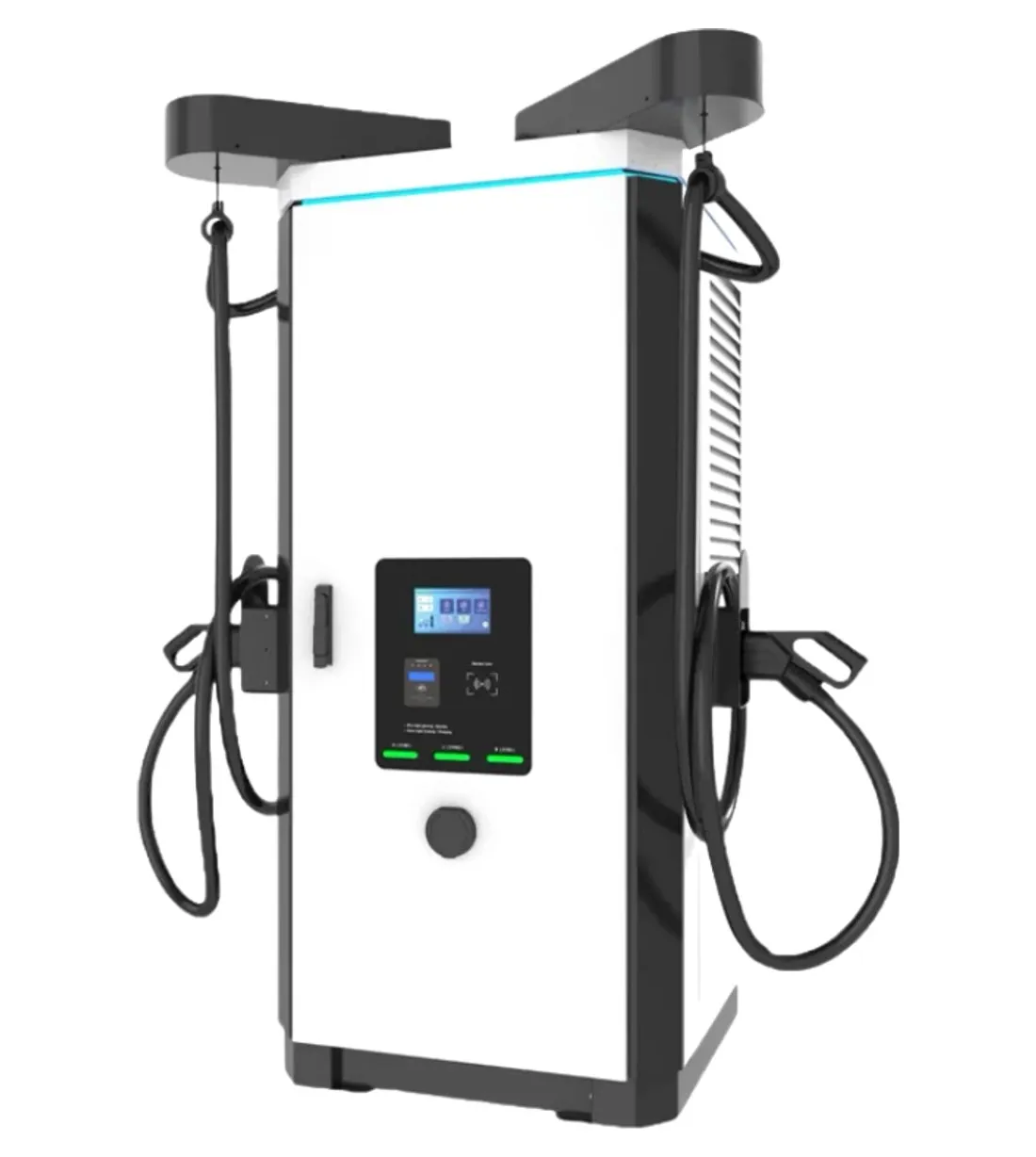
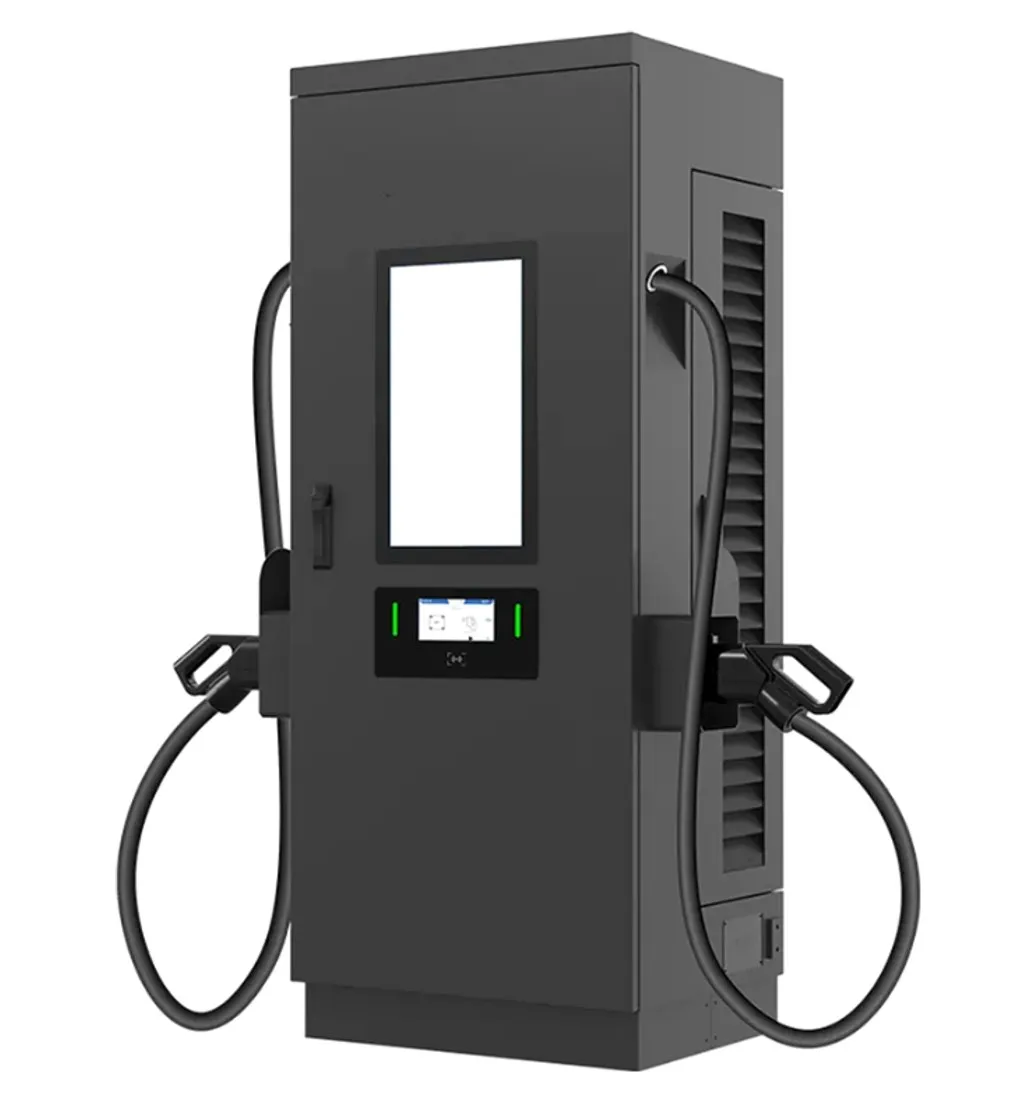
On request we can provide the installation drawing with footprint, anchor pattern, conduit positions and clearances and the installation manual for your model. Ask for the drawing before the civil works start — see the DC fast charger and the installation requirements guide.
Questions buyers ask
- How long does a DC fast charger installation take?
- Civil works, cabling and installation of one or two chargers usually take a few weeks once the grid connection is available. Concrete needs several days to cure before the charger is installed. The grid connection can take much longer.
- Does a DC charger need a concrete foundation?
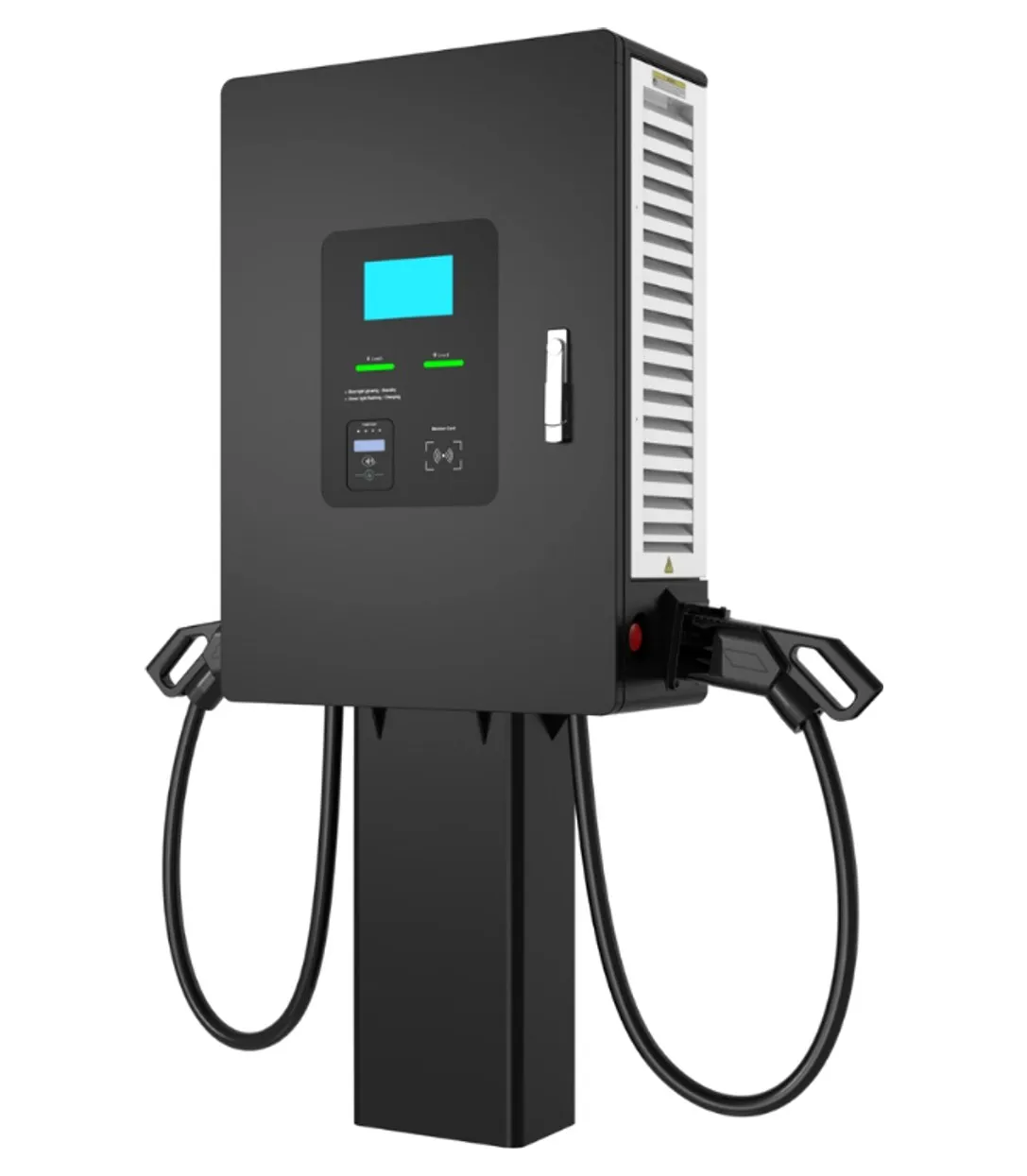
- Floor-standing chargers are normally bolted to a concrete plinth or pad designed for the weight and for vehicle impact protection. Wall-mounted DC chargers need a suitable wall or a stand.
- What clearance does a DC charger need?
- It depends on the model. The manual gives minimum distances for airflow, doors and service access — commonly several hundred millimetres at the sides and rear and more at the front. Use the drawing for your model.
- Who does the installation?
- A licensed electrical contractor, with civil works by a construction contractor, in line with local codes. The charger supplier provides drawings, installation instructions and commissioning support.
References
- [1]IEC 61851-23:2023 — DC electric vehicle supply equipment. International Electrotechnical Commission.
- [2]IEC 60364-7-722:2018 — supplies for electric vehicles. International Electrotechnical Commission.
- [3]Alternative Fuels Data Center: electricity infrastructure development. U.S. Department of Energy.