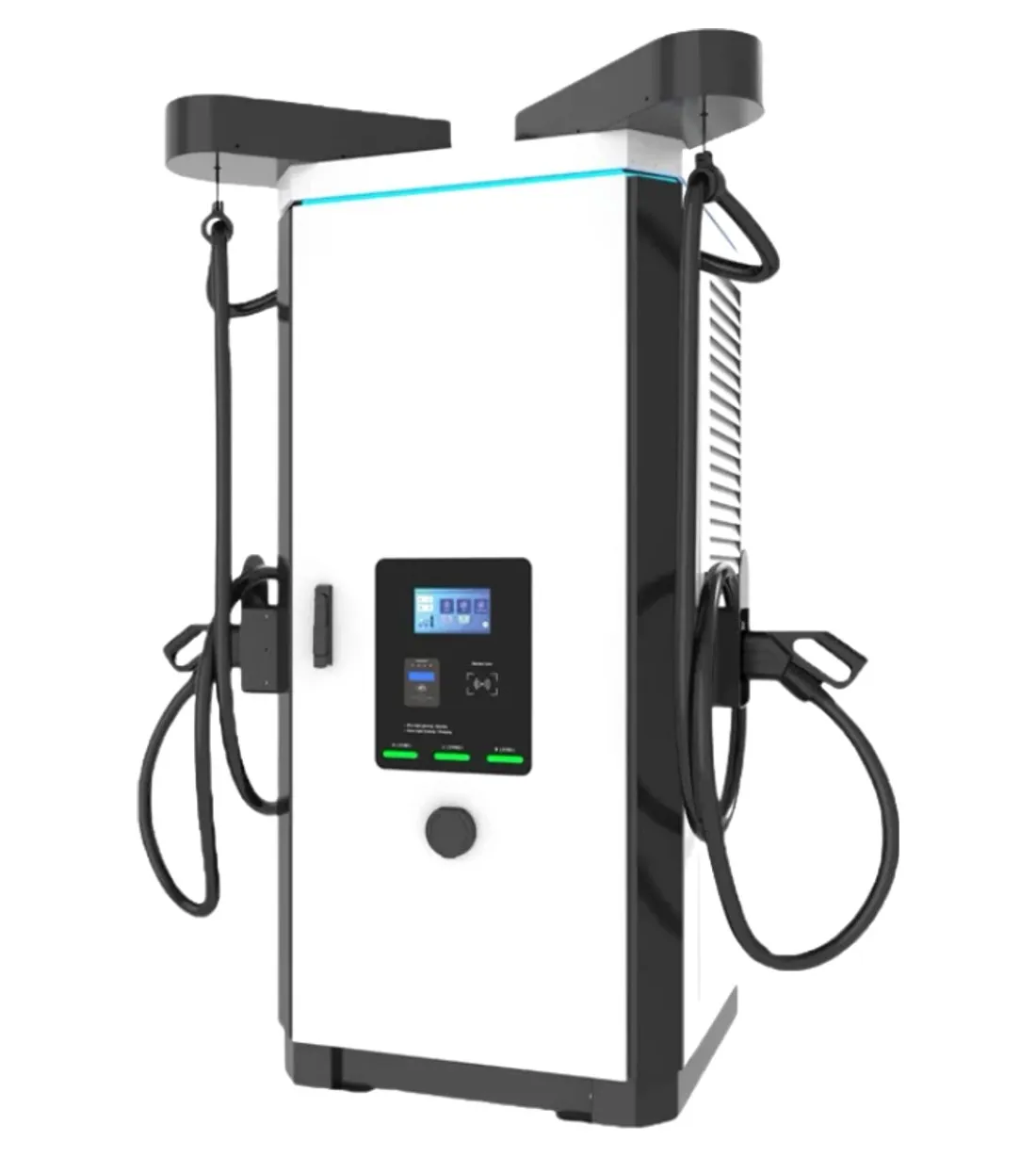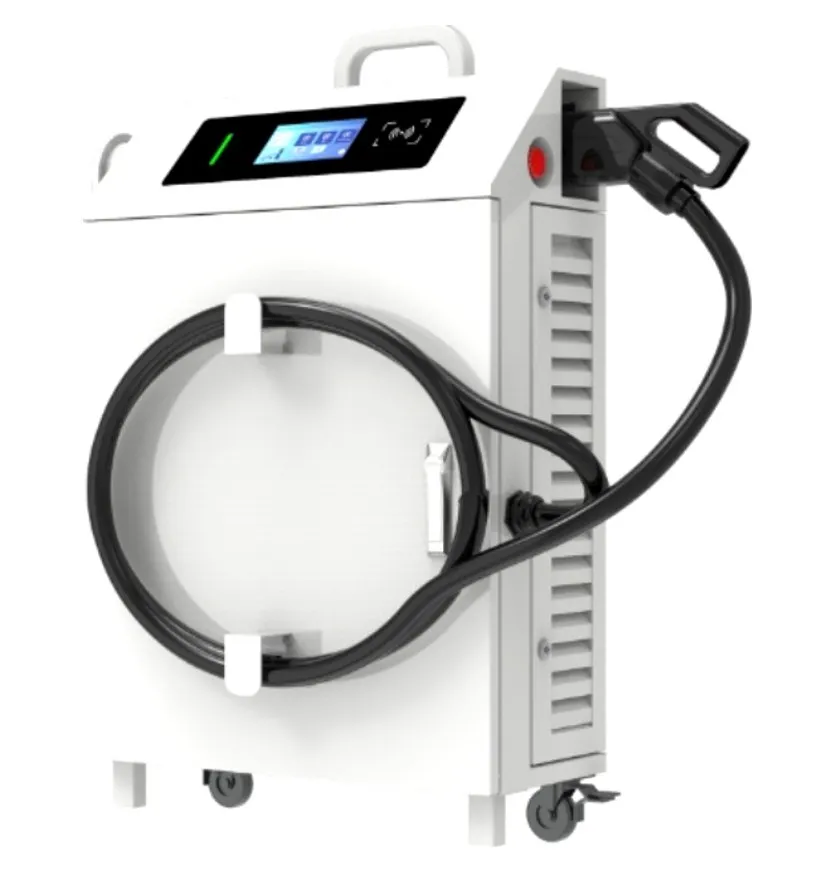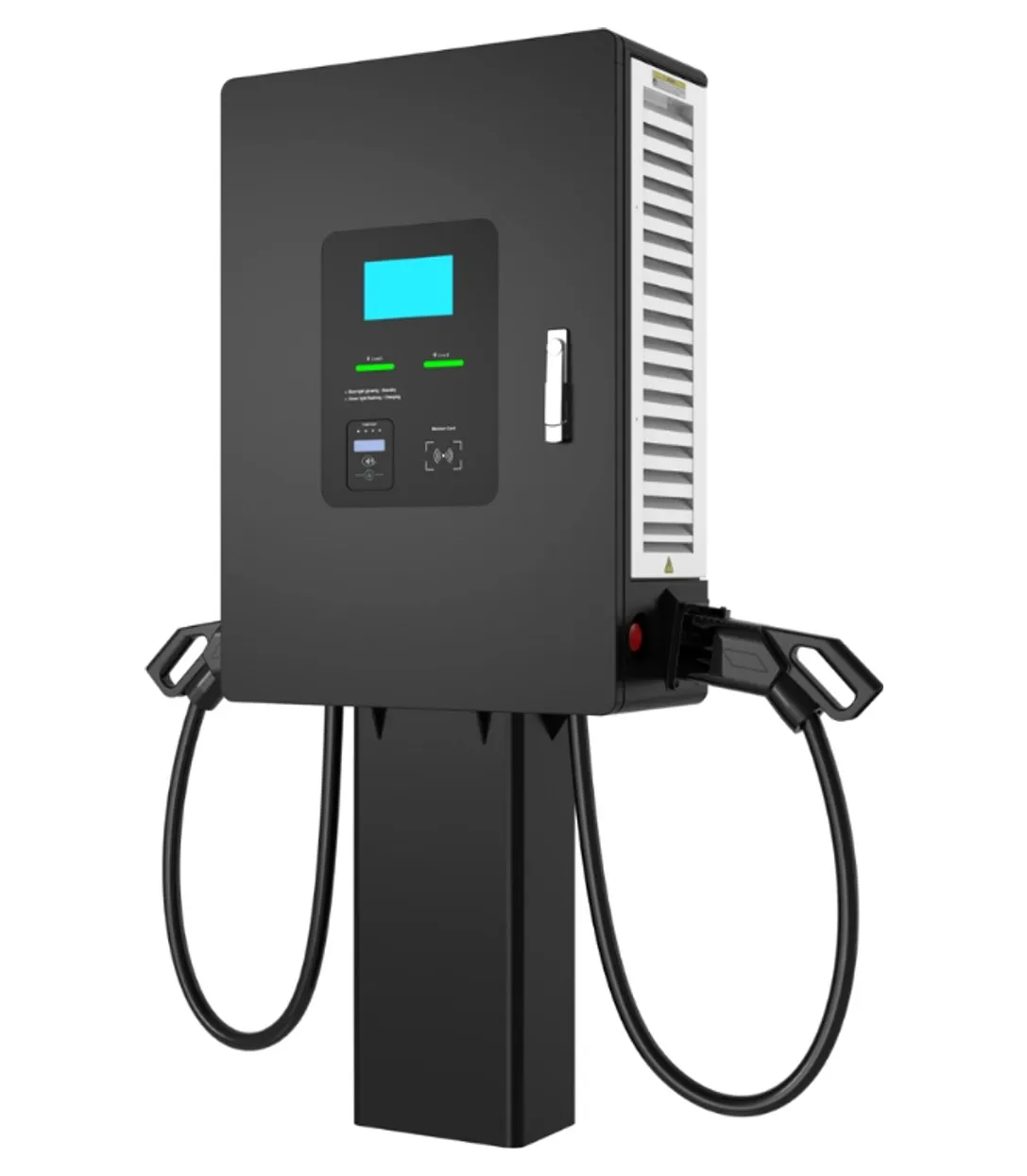
VT-DW series
DC Wallbox
Compact DC charging on a wall or pedestal — for dealerships, retail sites and depots where space is tight.
- 20–60 kW
- CCS1 · CCS2 · CHAdeMO · NACS
- IEC
EV charger manufacturer · AC & DC · OEM / ODM · since 2015

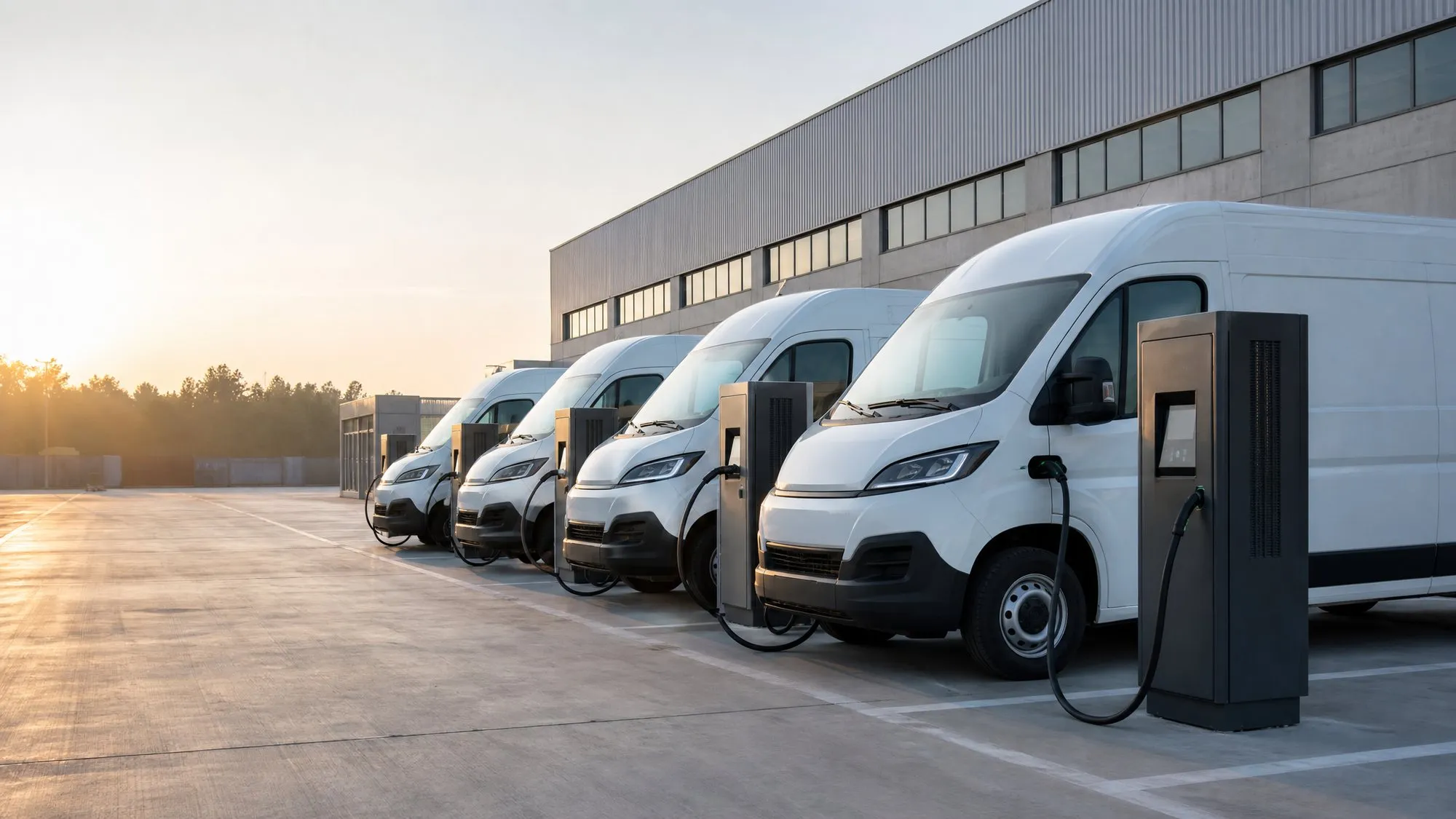
Solutions · Fleet Depots
Fleet charging is planned around shifts: how long vehicles stay at the depot, how far they drive and how much power the site can draw. We combine AC, DC and mobile DC hardware to fit that pattern.
What matters
Vehicles parked overnight need AC or low-power DC; vehicles turned around between shifts need fast DC.
Load management and dual-connector power sharing keep total demand within the grid connection.
OCPP 1.6J / 2.0.1 and RFID cards per driver or vehicle for energy reporting.
A mobile DC charger covers bays without fixed chargers and vehicles that need an emergency top-up.
Recommended
VT-DW series
Compact DC charging on a wall or pedestal — for dealerships, retail sites and depots where space is tight.
Why: 20–60 kW DC on a wall or pedestal for vehicles that stay one to three hours.
VT-DF series
A floor-standing dual-connector fast charger with dynamic power sharing — for public hubs, highways and fleets.
Why: 60 kW and above for fast turnaround between shifts.
VT-DM series
A DC fast charger on wheels — for roadside assistance, dealer service bays and events.
Why: A wheeled 20–80 kW charger for flexible bays and top-ups.
| Charger power | Energy per hour | Typical use |
|---|---|---|
| 22 kW AC | 22 kWh | Overnight, light vans |
| 40 kW DC | 40 kWh | Mid-shift top-up |
| 120 kW DC | 120 kWh | Fast turnaround, larger batteries |
Guidance only — the right choice depends on your vehicles, dwell times and supply. Try the charging calculator →
It depends on dwell time. If vehicles stay 8 hours or more, AC usually covers the daily mileage; shorter stays need DC. Our charging calculator helps compare the options.
Yes. Dual-connector DC chargers share power automatically, and AC chargers support group load management.
Send your market, charger type, power and quantity — our engineers reply with matching models, specifications and pricing.