Certification & Compliance
IP and IK Ratings for Outdoor EV Chargers: What the Numbers Mean
IP54, IP55, IP65 and IK10 explained for EV chargers: what each digit tests, which rating suits garages, car parks and coasts, and what NEMA types mean.
- Prepared by
- VULTAE Engineering Team
- Published
- Reading time
- 3 min
- Sources
- 3 references
Key takeaways
- 1IP shows protection against dust (first digit) and water (second digit), tested under IEC 60529. IK shows resistance to impact, tested under IEC 62262: IK08 is a 5 J impact and IK10 is 20 J.
- 2A higher IP number is not always better. IP55 is tested against water jets; IP65 against stronger jets; IP67 against temporary immersion. Pick the one that matches the site, not the highest number.
- 3Enclosure rating covers the closed enclosure. Corrosion from salt air, sand and heat is a different test — ask about coating class (for example C4) separately.
- 4In North America, enclosures are rated NEMA or UL Type (for example Type 3R, 4 or 4X), not IP. The two systems are not identical.
Contents
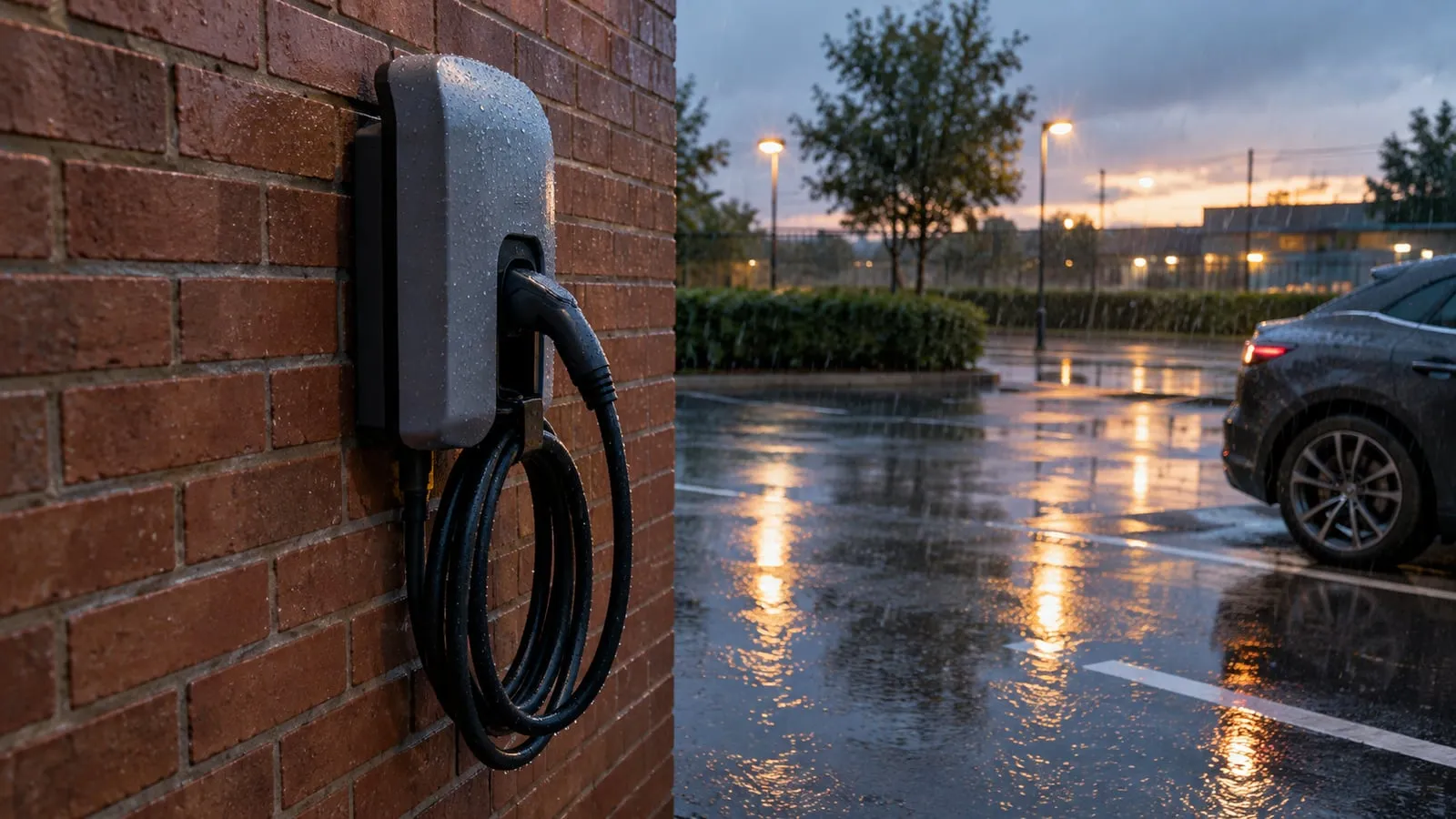
Short answer: IP says how well the enclosure keeps out dust and water (IEC 60529). IK says how well it survives impact (IEC 62262). For most outdoor chargers, IP54 or IP55 is the practical minimum, IP65 suits harsh sites, and IK10 suits public car parks. Corrosion protection is a separate question.
Reading an IP code
The code has two digits. The first is solids, the second is water.
| First digit | Meaning | Second digit | Meaning | |
|---|---|---|---|---|
| 4 | Objects larger than 1 mm | 4 | Splashing water from any direction | |
| 5 | Dust-protected (limited ingress, no harm) | 5 | Water jets, 6.3 mm nozzle | |
| 6 | Dust-tight | 6 | Powerful jets, 12.5 mm nozzle | |
| 7 | Temporary immersion, up to 1 m for 30 min |
So IP54 is dust-protected and splash-proof, IP55 adds protection against jets, and IP65 is dust-tight and withstands powerful jets. Note that IP55 is not “more rainproof” than IP54 in a simple sense — it is tested against a different, stronger water test.
Reading an IK code
The IK scale runs from IK00 to IK10 and is tested by dropping a mass on the enclosure.
| IK code | Impact energy | Typical use |
|---|---|---|
| IK07 | 2 J | Indoor, low risk |
| IK08 | 5 J | Garage, private use |
| IK09 | 10 J | Car parks with light traffic |
| IK10 | 20 J | Public sites, high-traffic car parks, depots |
Which rating for which site
| Site | Typical rating | Why |
|---|---|---|
| Private garage | IP44–IP54, IK08 | Protected from rain; low impact risk |
| Open driveway | IP54–IP55 | Rain and splashes from the car |
| Public car park | IP54–IP55, IK10 | Rain, trolleys, bumps from vehicles |
| Truck stop, depot | IP55–IP65, IK10 | Washdown, dust, vehicle traffic |
| Desert or dusty region | IP65 or IP6x with filtered air intake | Fine dust inside electronics causes failures — see hot climates |
| Coastal site | IP55–IP65 plus a corrosion class | Salt spray corrodes metal even when water is kept out |
What IP does not tell you
- Corrosion. A rating test lasts minutes; salt air works for years. Ask for the coating class — C3, C4 or C5-M under ISO 12944 — and the material of hinges, screws and locks.
- Heat inside the enclosure. A tight enclosure traps heat; the charger must derate or be designed with proper cooling. See hot-climate chargers.
- UV ageing of plastics. Cheap plastics yellow and crack in a few years; ask for UV-stabilised material.
- Gaskets and cable glands. A gland left open or a cut seal destroys the rating. Installation matters: see the installation requirements.
North America: NEMA and UL types
North American products are rated by enclosure type (NEMA 250 / UL 50E), not by IP. Type 3R is rain-proof for outdoor use, Type 4 adds hose-down protection, Type 4X adds corrosion resistance. They are not the same as IP: IEC publishes no official conversion. If you need both markets, ask for both ratings for the exact model. Our North America standards page gives the overview.
What VULTAE offers
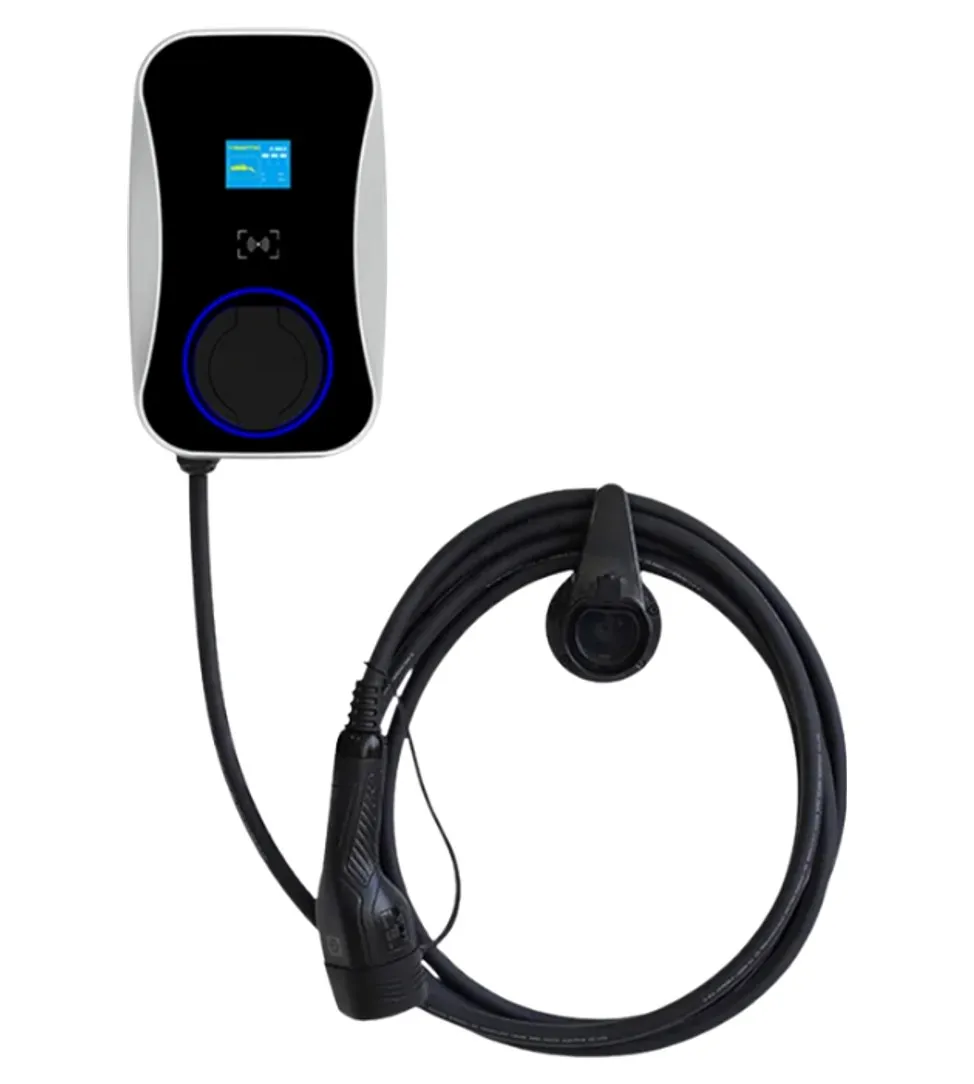
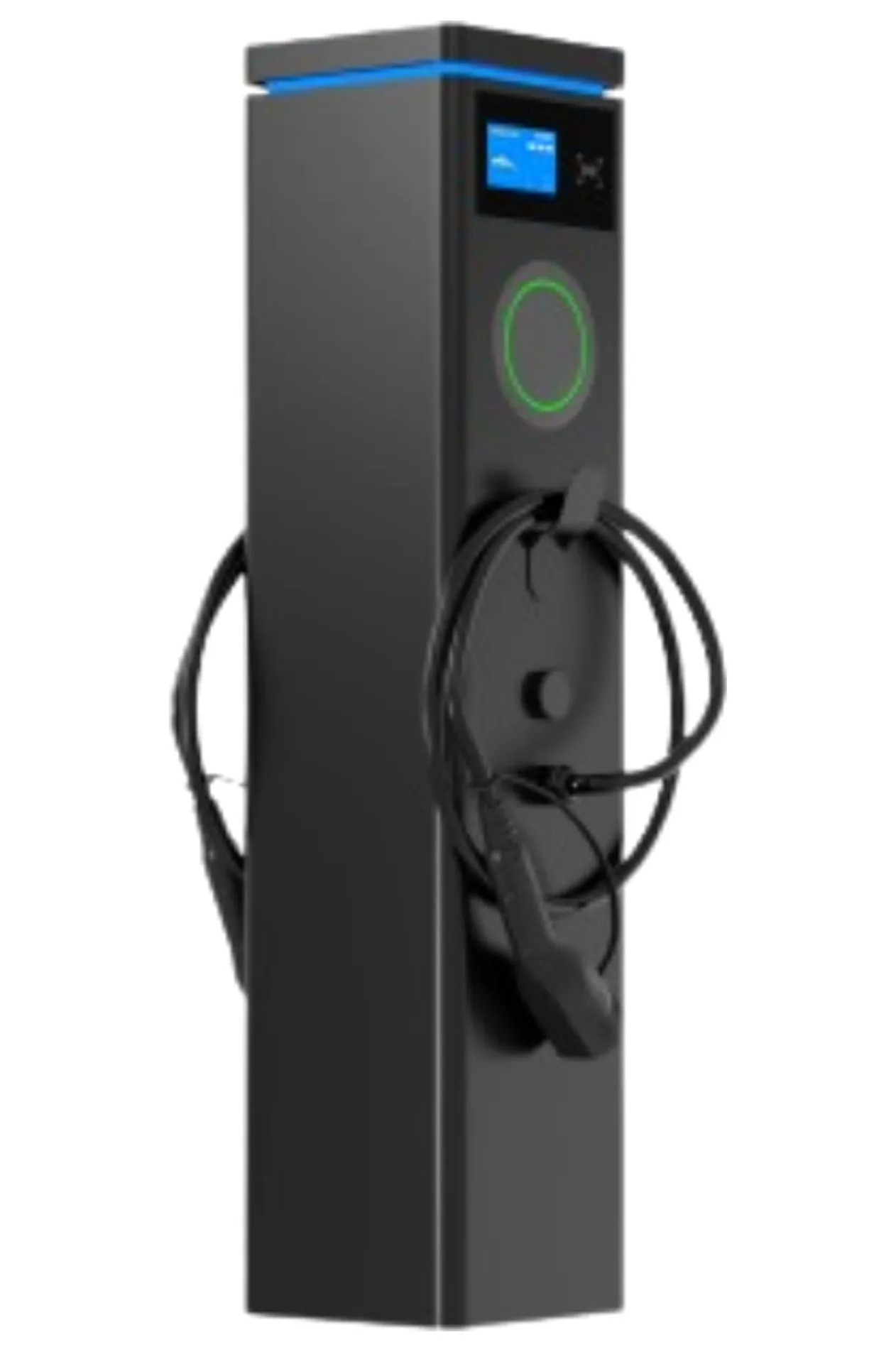
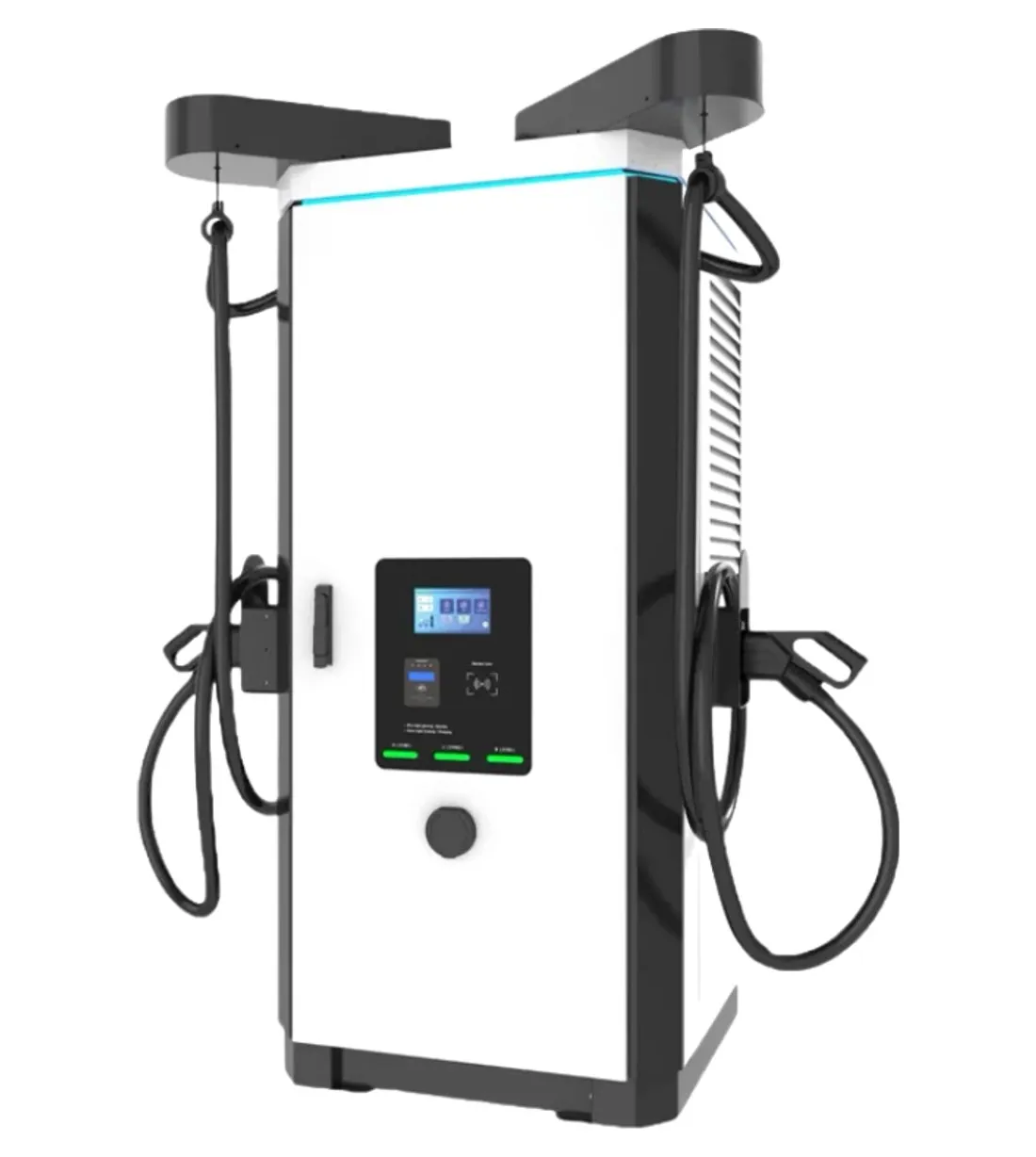
Our smart wall-mounted AC chargers come in IP55 and IP65 versions. Commercial dual-gun AC chargers are IP55 with IK10. DC chargers are IP54 with an optional C4 anti-corrosion treatment, and the North American DC cabinets are Type 3R with IK10. The exact rating depends on the series and the version, so check the product page, and ask for the test report of your model — see how to verify a certificate.
Questions buyers ask
- What IP rating does an outdoor EV charger need?
- Local rules and the product standard set a minimum for outdoor equipment — commonly IP44. In practice commercial chargers are usually IP54 or better, and IP55 or IP65 is common where rain jets, car washes or dust are expected. Check the rule in your market.
- What is the difference between IP55 and IP65?
- The first digit differs: IP6x means completely dust-tight, while IP5x means dust-protected (a little dust may enter without harming operation). On the second digit, 5 means water jets from a 6.3 mm nozzle and 6 means more powerful jets from a 12.5 mm nozzle.
- What does IK10 mean?
- IK10 is the highest level of the IK scale: the enclosure withstands a 5 kg mass dropped from 400 mm, equal to 20 joules of impact energy. It is useful for chargers in public car parks where trolleys and vehicles can hit them.
- Does IP rating cover the charging cable and plug?
- The rating applies to the enclosure. The plug and socket have their own rating, usually when mated; an unplugged connector may have a lower rating. Look at the connector standard (IEC 62196) and the product data.
References
- [1]IP Ratings — International Electrotechnical Commission. International Electrotechnical Commission.
- [2]IEC 61851-1:2017 — general requirements. International Electrotechnical Commission.
- [3]NFPA 70 (National Electrical Code). NFPA.