Standards · North America
EV Charger Standards in North America: Voltage, Connectors, UL / ETL and ENERGY STAR
EV charger requirements in the US and Canada: voltages, J1772 / CCS1 / NACS, UL 2594 and UL 2202 listing, CSA, NEC 625, ENERGY STAR and NEVI.
- Prepared by
- VULTAE Engineering Team
- Published
- Reading time
- 6 min
- Sources
- 7 references
At a glance
- Residential supply
- 120 / 240 V split-phase, 60 Hz
- Commercial supply
- 208Y/120 V or 480Y/277 V 3-phase
- AC connector
- SAE J1772 (Type 1); NACS (SAE J3400)
- DC connectors
- CCS1 and NACS; CHAdeMO legacy
- Safety listing (US)
- UL 2594 (AC) · UL 2202 (DC) · UL 2231
- Safety listing (Canada)
- CSA C22.2 No. 280 / 281
- Installation code
- NEC Article 625 (US)
- Efficiency
- ENERGY STAR EVSE (voluntary)
Key takeaways
- 1North American chargers run on 60 Hz supplies: 208–240 V single-phase for Level 2, and 480 V three-phase (208 V on smaller sites) for DC fast chargers. Equipment built for 230/400 V 50 Hz IEC markets is a different product.
- 2Connectors are in transition: J1772 for AC and CCS1 for DC remain standard, while NACS (standardised as SAE J3400) is being adopted by most automakers. Federally funded DC sites must still provide CCS1 on every port; NACS may be added.
- 3Chargers must be listed by an OSHA-recognised testing laboratory (UL, Intertek / ETL, CSA and others) — to UL 2594 for AC equipment and UL 2202 for DC chargers, with UL 2231 personnel protection — and installed to NEC Article 625.
- 4NEC treats EV charging as a continuous load: the circuit must be rated at 125 % of the charger current, so a 48 A Level 2 charger needs a 60 A circuit.
Contents
Short answer: a charger for the US or Canada must be built for North American supplies (60 Hz; 208–240 V single-phase for Level 2, 480 V or 208 V three-phase for DC), use North American connectors (J1772 and CCS1, increasingly NACS / SAE J3400), be listed by an OSHA-recognised laboratory to UL 2594 (AC) or UL 2202 (DC) — or the CSA equivalents in Canada — and be installed to NEC Article 625. ENERGY STAR is voluntary but often required for rebates; selling energy by the kWh brings state metering rules; and federally funded sites add NEVI and Buy America requirements.
Supply voltages
| Supply | Where | Typical chargers |
|---|---|---|
| 120 V single-phase | Homes, standard outlets | Level 1 portable cords (slow) |
| 240 V split-phase | Homes, small businesses | Level 2 wallboxes, 32–48 A |
| 208Y/120 V three-phase | Commercial buildings, multifamily, parking garages | Level 2 at 208 V (lower power than at 240 V); small DC units |
| 480Y/277 V three-phase | Larger commercial and industrial sites | DC fast chargers |
| 600 V three-phase | Commercial supply in parts of Canada | DC fast chargers built for 600 V or via a transformer |
A Level 2 charger rated at 48 A delivers about 11.5 kW at 240 V but only about 10 kW at 208 V. DC chargers for North America are usually built for a 480 V input; IEC models designed for 400 V 50 Hz are not interchangeable.
Connectors: a market in transition
| Connector | Standard | Use in 2026 |
|---|---|---|
| J1772 (Type 1) | SAE J1772 | Standard AC connector for most non-NACS vehicles; adapters let NACS cars use it |
| CCS1 (Combo 1) | SAE J1772 combo | DC fast charging for most non-NACS vehicles; required on every DC port at NEVI-funded sites |
| NACS | SAE J3400 | Adopted by most automakers for new models; allowed at NEVI sites in addition to CCS1 |
| CHAdeMO | — | Legacy; declining share of new vehicles |
Public DC sites built now usually offer CCS1 and NACS cables together. Our article on NACS and SAE J3400 explains the transition.
Safety listing and certification
| Standard | Covers |
|---|---|
| UL 2594 | Electric vehicle supply equipment (AC charging stations) |
| UL 2202 | Electric vehicle charging system equipment (DC chargers) |
| UL 2231-1 / -2 | Personnel protection systems — the charge-circuit interrupting device (CCID) |
| UL 2251 | Plugs, receptacles and couplers for EVs |
| CSA C22.2 No. 280 / No. 281 | Canadian equivalents for EVSE and personnel protection |
| FCC Part 15 | Electromagnetic emissions; equipment authorisation for radio modules |
Listing must come from a laboratory recognised under OSHA’s NRTL programme — UL, Intertek (ETL), CSA, TÜV, SGS and others. Inspectors accept any recognised NRTL; what matters is that the exact model is listed. North American EVSE uses a CCID with a 20 mA trip level (UL 2231) rather than the 30 mA residual-current devices common in IEC markets.
Installation: NEC Article 625 and the 125 % rule
The National Electrical Code treats EV charging as a continuous load, so the branch circuit and overcurrent protection must be rated at 125 % of the charger’s maximum current.
Many Level 2 chargers can be set to a lower current, which lets them run on an existing smaller circuit — for example, a 48 A charger set to 32 A on a 40 A circuit. In Canada, installation follows the Canadian Electrical Code, Section 86.
Energy efficiency, metering and connectivity
- ENERGY STAR — EPA’s EVSE specification (Version 1.2 for AC chargers since June 2023; DC criteria introduced earlier) sets limits for standby power. Certification is voluntary but required by many utility and state rebate programmes. Check the model in the ENERGY STAR product finder.
- Selling energy by the kWh — many states apply NIST Handbook 44 Section 3.40 to commercial chargers, and California requires type evaluation through its CTEP programme. Plan the meter accordingly.
- Networked chargers — OCPP is the common back-end protocol; NEVI-funded sites must conform to OCPP 2.0.1 and ISO 15118.
Federally funded sites: NEVI and Buy America
| Requirement (23 CFR 680 and FHWA Buy America) | Summary |
|---|---|
| DC ports | At least four ports, each able to deliver 150 kW simultaneously, with a CCS1 connector on every port |
| Communication | OCPP 2.0.1 to the network; ISO 15118 for vehicle communication |
| Uptime | At least 97 % average annual uptime per port |
| Buy America | Final assembly in the US and US-made components worth at least 55 % of component cost (proposed in 2026 to rise up to 100 %) |
VULTAE North American versions
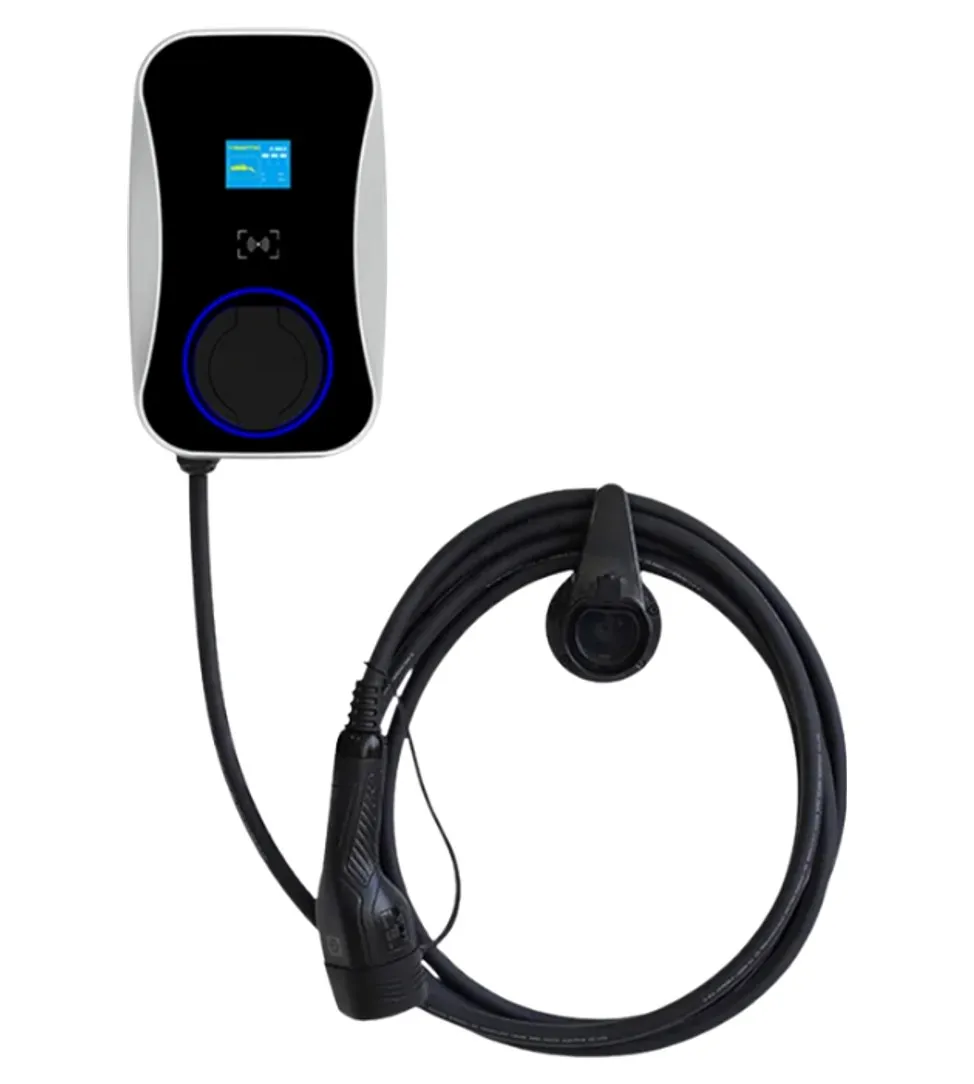
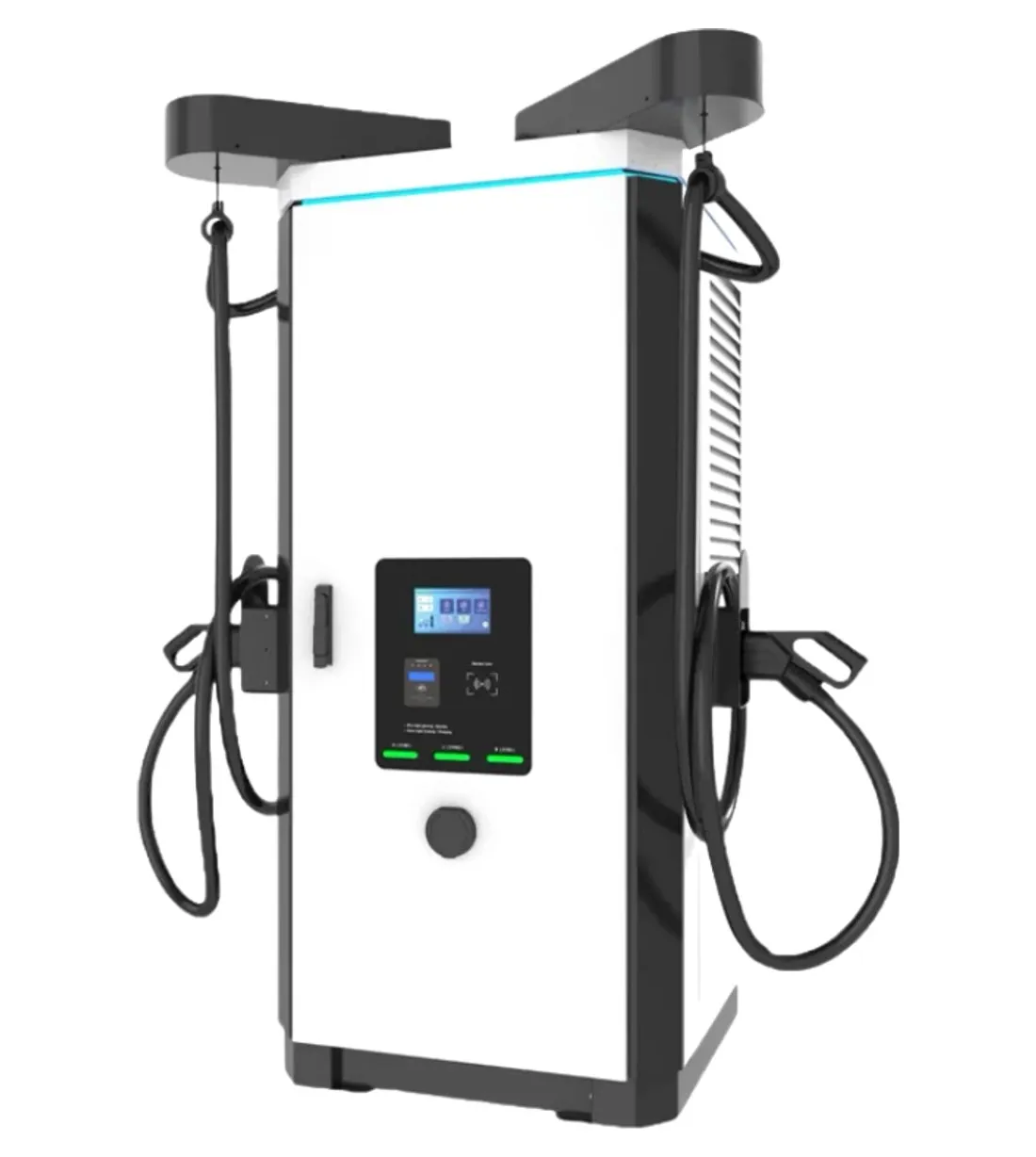
| VT-HW-NA Level 2 wallbox | VT-DF-NA DC fast charger | |
|---|---|---|
| Input | 208–240 V, L1 + L2 + PE | 480 V 3-phase + N + PE, 60 Hz |
| Output | 32 A (7.7 kW), 40 A (9.6 kW), 48 A (11.5 kW) at 240 V | 60 to 360 kW, 200–1,000 V DC |
| Connectors | J1772 (Type 1) | CCS1, NACS, CHAdeMO |
| Protection | CCID 20 mA | NEMA Type 3R enclosure, IK10 |
| Back end | OCPP 1.6J / 2.0.1 | OCPP 1.6J / 2.0.1 |
North American versions are offered with ETL and ENERGY STAR certification; we send the certificates for the exact model you order. Because they are assembled in China, they suit privately funded projects rather than Buy America sites — see importing chargers into the US.
Questions buyers ask
- What certification do EV chargers need in the US?
- Listing by an OSHA-recognised Nationally Recognized Testing Laboratory — for example UL, Intertek (ETL), CSA or TÜV — to UL 2594 for AC electric vehicle supply equipment or UL 2202 for DC chargers, with UL 2231 for personnel protection; FCC authorisation for emissions and any radio modules; and ENERGY STAR if a rebate programme requires it.
- Is ETL the same as UL for EV chargers?
- Both are listings by OSHA-recognised testing laboratories, and both test to the same UL standards. Inspectors accept listings from any recognised NRTL. What matters is that the exact model is listed to the right standard.
- What breaker does a Level 2 charger need?
- Under the NEC, EV charging is a continuous load, so the branch circuit is sized at 125 % of the charger’s rated current: 32 A needs a 40 A circuit, 40 A needs 50 A, and 48 A needs 60 A. Conductor size depends on the run length and installation method; your electrician confirms it.
- Should I buy NACS or CCS1 chargers in 2026?
- For public DC sites, many operators provide both: CCS1 for vehicles still using it (and because NEVI-funded sites require it) and NACS for the growing number of NACS vehicles. For new AC installations, J1772 with adapters remains common while NACS AC connectors are increasingly offered.
- Do chargers in Canada need different certification?
- Yes. Canada uses CSA standards such as CSA C22.2 No. 280 (EVSE) and No. 281 (personnel protection), and listings must be accepted in Canada (for example cUL, cETL or CSA marks). Commercial sites in some provinces are supplied at 600 V three-phase, so check the supply before ordering DC equipment.
References
- [1]Nationally Recognized Testing Laboratory (NRTL) Program. OSHA.
- [2]ENERGY STAR Electric Vehicle Chargers — specification. U.S. EPA.
- [3]ENERGY STAR certified EV chargers — product finder. U.S. EPA.
- [4]23 CFR Part 680 — National Electric Vehicle Infrastructure Standards and Requirements. eCFR.
- [5]SAE J3400 — North American Charging System (NACS) connector. SAE International.
- [6]NIST Handbook 44 (2026), Section 3.40 Electric Vehicle Fueling Systems. NIST.
- [7]Buy America — Federal Highway Administration. Federal Highway Administration.