Connectors & Protocols
NACS (SAE J3400): What It Means for Chargers You Buy in 2026
What NACS (SAE J3400) means for buying EV chargers in North America: the standard, adapters, dual CCS1 + NACS DC chargers, AC options and what to specify.
- Prepared by
- VULTAE Engineering Team
- Published
- Reading time
- 2 min
- Sources
- 4 references
Key takeaways
- 1NACS, the connector Tesla developed, is now the SAE J3400 standard, with J3400/1 for adapters and J3400/2 for connectors and inlets up to 1,000 V. Most carmakers in North America are moving their vehicles to NACS ports.
- 2For DC fast charging in North America, the safe choice during the transition is a dual-connector charger with CCS1 and NACS, so both existing CCS1 cars and new NACS cars can charge.
- 3NACS is a connector, not a protocol change: DC charging still uses the same vehicle communication (DIN 70121 / ISO 15118) as CCS1, and the charger still talks to the back end over OCPP.
- 4Outside North America, NACS matters little: Type 2 and CCS2 remain the standard in Europe, Asia-Pacific, the Middle East and Africa.
Contents
Short answer: NACS — the connector Tesla developed — is now the SAE J3400 standard, with J3400/1 for adapters and J3400/2 for connectors and inlets up to 1,000 V. Most carmakers in North America are switching to NACS ports. For public DC chargers in the US and Canada, buy dual-connector units with CCS1 and NACS during the transition. NACS changes the plug, not the protocols: vehicle communication and OCPP stay the same. Outside North America, keep to Type 2 and CCS2.
The standard in brief
| Document | Covers |
|---|---|
| SAE J3400 | The NACS coupler: connector and inlet for AC and DC charging |
| SAE J3400/1 | Adapters between J3400 and other connectors (published 2025) |
| SAE J3400/2 | Connector and inlet architecture, supporting up to 1,000 V (published 2025) |
| UL 2252 | Safety standard for EV charging adapters |
One NACS plug carries AC and DC through the same pins, which makes it compact. The charger’s communication with the car for DC charging uses the same high-level communication as CCS1.
What changes for charger buyers
| Charger type | What to buy in North America |
|---|---|
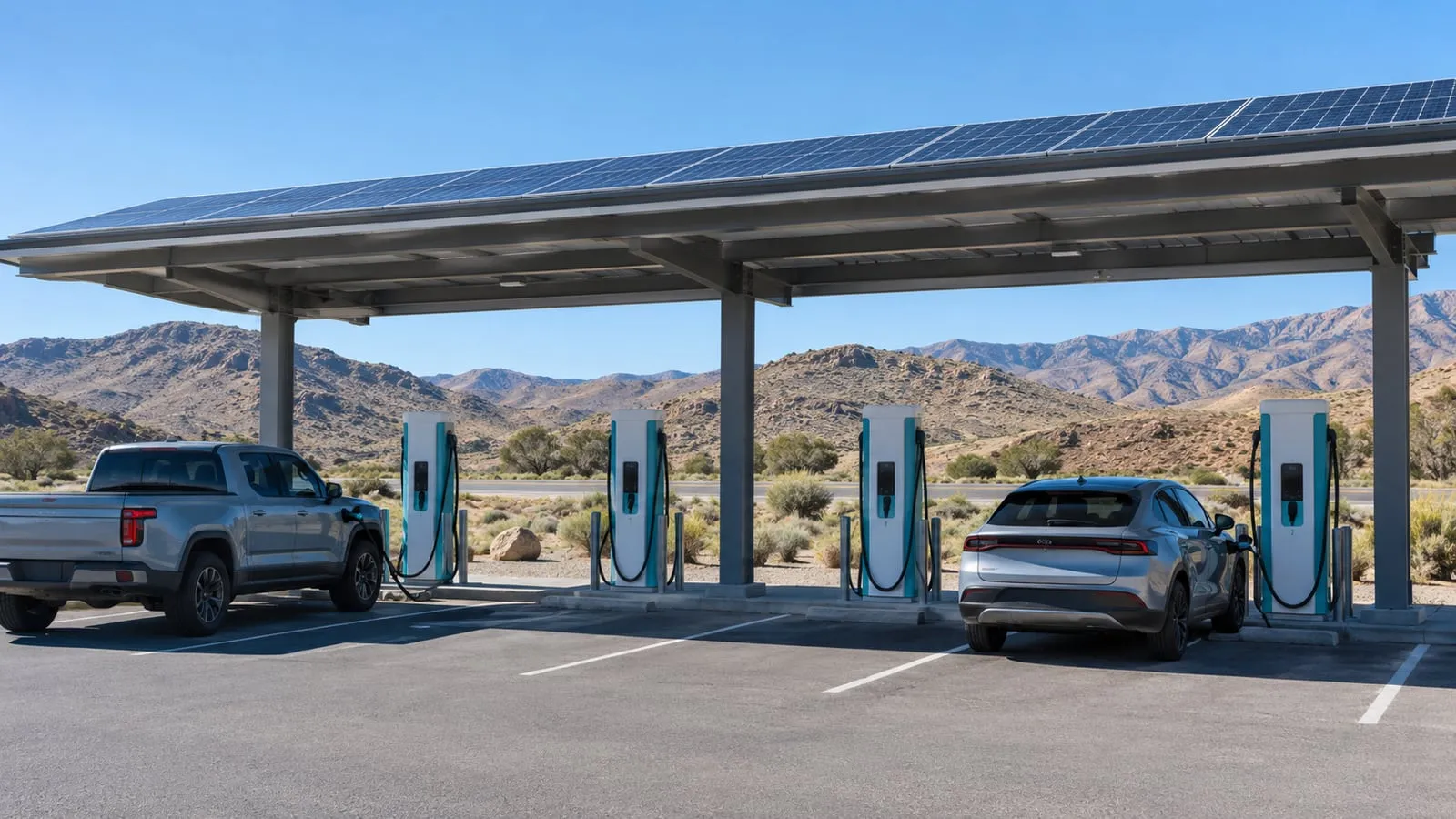
| Public DC fast chargers | Dual-connector: CCS1 + NACS. Check that both cables reach typical inlet positions |
| Fleet DC chargers | The connector of your fleet’s vehicles; plan for future vehicles |
| Level 2 AC, public | J1772 today; NACS cables or dual options as the fleet changes |
| Level 2 AC, home | Match the owner’s car; NACS for new cars of brands that switched |
Funding programmes and site hosts may set connector requirements — check them for funded or contracted sites.
Adapters: useful, not a strategy
Adapters let NACS cars use CCS1 chargers and vice versa. They must be approved by the vehicle maker and meet safety standards — J3400/1 and UL 2252 address this. For public operators, relying on drivers’ adapters means more failed sessions and support calls; offering both cables on the charger is the better experience.
What NACS does not change
| Topic | Unchanged |
|---|---|
| Back-end protocol | OCPP 1.6J or 2.0.1 between charger and CPMS |
| Vehicle communication | DC charging high-level communication as with CCS (DIN 70121 / ISO 15118) |
| Payment | Card terminal, app, RFID, QR code |
| Grid connection | Power and supply sizing |
| Metering and reporting | As before |
Outside North America
NACS is a North American standard. Europe, the UK, Australia, New Zealand, the Middle East, Africa and most of Asia-Pacific use Type 2 and CCS2; Mexico is mixed — see EV connector types by region and the Mexico guide.
VULTAE options for North America
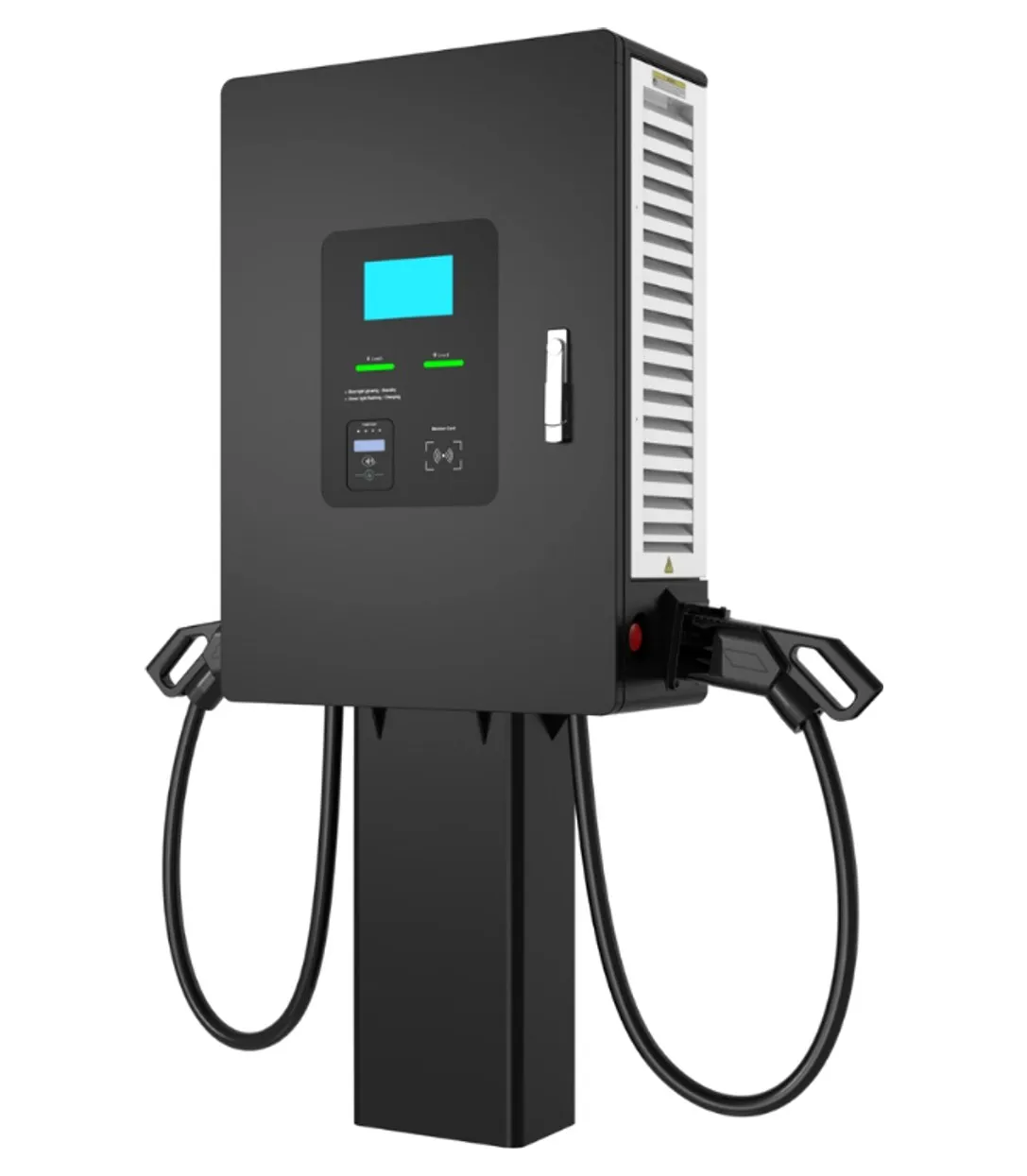
The VT-DF North American series (60–360 kW, 480 V) is available with CCS1, NACS and CHAdeMO options, so a cabinet can carry CCS1 + NACS; the VT-DW DC wallbox (20–60 kW) offers CCS1 with NACS as an option. Both are designed to UL 2202 and CSA standards and connect over OCPP 1.6J / 2.0.1 — see the VT-DF product page and 360 kW.
Questions buyers ask
- Should I buy NACS or CCS1 chargers in the US?
- For public DC sites, both: a dual-connector charger with one CCS1 and one NACS cable serves today’s mix of vehicles. Over time the share of NACS vehicles will grow; cables can be changed later if the cabinet supports it.
- Is NACS the same as SAE J3400?
- Yes. NACS is the common name; SAE J3400 is the standard that defines it, with J3400/1 covering adapters and J3400/2 covering connectors and inlets.
- Can CCS1 cars use NACS chargers?
- With an approved adapter, many can, and NACS cars can use CCS1 chargers with adapters too. Adapters must be safe and approved by the carmaker; SAE J3400/1 and UL 2252 cover adapter requirements.
- Does NACS change OCPP or payment?
- No. NACS is a physical connector. The charger still communicates with the vehicle using the same DC charging protocols as CCS and with the back end over OCPP, so payment, pricing and monitoring work the same way.
References
- [1]SAE J3400 — North American Charging System (NACS) electric vehicle coupler. SAE International.
- [2]SAE expands the J3400 family of standards with J3400/2. EVChargingStations.com.
- [3]Adapter compatibility. Joint Office of Energy and Transportation (US).
- [4]CharIN updated statement regarding SAE J3400 / SAE J1772 adapters. CharIN.