Connectors & protocols · Pillar guide
EV Charging Connectors and Protocols: The Complete Guide for Buyers
One map of the connectors and protocols in EV charging — plugs by region, car-to-charger, charger-to-back-end and roaming protocols — and what to specify.
- Prepared by
- VULTAE Engineering Team
- Published
- Reading time
- 4 min
- Sources
- 5 references
At a glance
- AC connectors
- Type 1 (J1772) · Type 2 · NACS
- DC connectors
- CCS1 · CCS2 · NACS · CHAdeMO · GB/T
- Car ↔ charger
- DIN 70121 · ISO 15118-2 / -20
- Charger ↔ back end
- OCPP 1.6J · 2.0.1 (IEC 63584)
- Back end ↔ roaming
- OCPI · OICP
- Plug & Charge
- ISO 15118 + PKI
- EU 2027
- ISO 15118-20 on new public points
- North America
- Moving to NACS (SAE J3400)
Key takeaways
- 1Think in four layers: the plug (connector), the car-to-charger language (DIN 70121 / ISO 15118), the charger-to-back-end language (OCPP) and the back-end-to-partner language (OCPI / OICP).
- 2Connectors follow the region and the vehicles: Type 2 + CCS2 in most of the world, J1772 + CCS1 moving to NACS in North America, GB/T in China, CHAdeMO for older Japanese models.
- 3Specify OCPP 1.6J or 2.0.1 — tested with your back end — in every networked charger, so you are never locked to one software provider.
- 4Watch the deadlines: ISO 15118-20 for new public chargers in the EU from 2027, and the NACS transition in North America.
Contents
Short answer: EV charging runs on four layers — the connector (plug and inlet), the car-to-charger protocol (DIN 70121 / ISO 15118), the charger-to-back-end protocol (OCPP) and the back-end-to-partner protocols (OCPI, OICP). Choose connectors by region and vehicles, insist on OCPP 1.6J or 2.0.1 tested with your back end, and plan for ISO 15118-20 in EU public charging from 2027 and the NACS transition in North America. Each section links to a detailed guide.
The four layers
| Layer | Between | Options | Detailed guide |
|---|---|---|---|
| 1. Connector | Cable and car | Type 1, Type 2, CCS1, CCS2, NACS, CHAdeMO, GB/T | Connector types by region |
| 2. Vehicle communication | Car and charger | Basic PWM signalling (IEC 61851); DIN 70121, ISO 15118-2, ISO 15118-20; CHAdeMO and GB/T protocols | ISO 15118 and Plug & Charge |
| 3. Charger management | Charger and CPMS | OCPP 1.6J, OCPP 2.0.1, OCPP 2.1 | OCPP 1.6J vs 2.0.1 |
| 4. Roaming | CPMS and partners | OCPI (peer-to-peer), OICP (hub) | OCPP vs OCPI vs OICP |
Layer 1: connectors
| Region | AC | DC |
|---|---|---|
| Europe, UK | Type 2 | CCS2 |
| North America | J1772 → NACS | CCS1 → NACS |
| Middle East, Africa, most of Asia-Pacific | Type 2 | CCS2 (CHAdeMO, GB/T in places) |
| China | GB/T | GB/T |
| Mixed markets (Mexico, New Zealand, parts of Latin America and Southeast Asia) | Varies | Two DC connector types at public sites |
North America is moving to NACS (SAE J3400) — see NACS chargers. Our country guides list the connectors for each market.
Layer 2: car-to-charger communication
AC charging uses a simple pulse-width signal on the control pilot (IEC 61851-1) to tell the car how much current it may draw — see charging modes. DC charging needs digital communication: CCS uses DIN 70121 and ISO 15118-2, with ISO 15118-20 as the second generation; CHAdeMO and GB/T use their own protocols. ISO 15118 also enables Plug & Charge and, with -20, bidirectional charging.
Layer 3: OCPP
OCPP is what makes charger hardware and management software interchangeable. 1.6J is still widely deployed; 2.0.1 adds security profiles, a device model and Plug & Charge support, and is standardised as IEC 63584; 2.1 adds bidirectional and energy-management features. Specify the version, the features and the back ends it is tested with.
Layer 4: roaming
Roaming lets drivers use one app or card across networks. OCPI connects partners directly; OICP connects them through the Hubject hub. Roaming lives in your CPMS, not in the charger — see charge point management software.
What to specify when you buy chargers
| Item | Specify |
|---|---|
| Connectors | By region and vehicle mix; cable length; one or two DC types |
| Vehicle communication | DIN 70121 / ISO 15118-2; ISO 15118-20 for EU public chargers from 2027; Plug & Charge if needed |
| OCPP | 1.6J and/or 2.0.1; feature profiles; security profile; tested back ends |
| Connectivity | Ethernet, Wi-Fi, 4G; fallback |
| Metering | Billing-grade where you sell per kWh |
| Payment | RFID, QR, card terminal — see payment options |
| Firmware | Over-the-air updates; support period |
| Certificates | Covering the exact connector and protocol configuration |
Deadlines and transitions to watch
| Change | Where | What to do |
|---|---|---|
| ISO 15118-20 on new and renovated public AC and DC points from 1 January 2027 | EU (AFIR implementing rules) | Confirm supplier support and firmware path |
| NACS adoption by carmakers | North America | CCS1 + NACS dual-connector DC; plan AC cable options |
| OCPP 2.0.1 / 2.1 adoption | Global | Prefer chargers that support 2.0.1; check back-end roadmap |
| National connector rules | Mexico, Vietnam and others | Follow our country guides |
VULTAE chargers at a glance
| Series | Connectors | Back end |
|---|---|---|
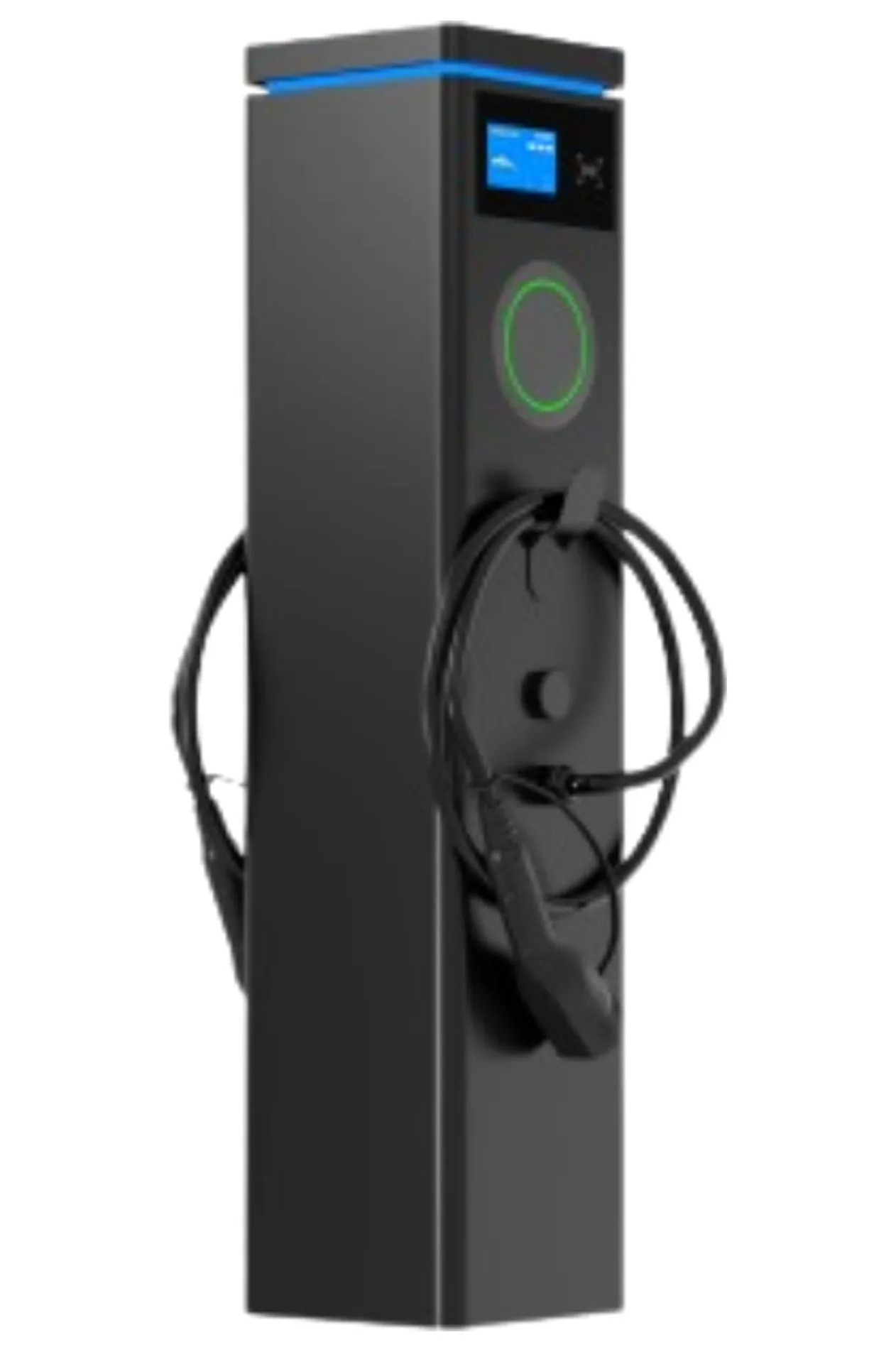
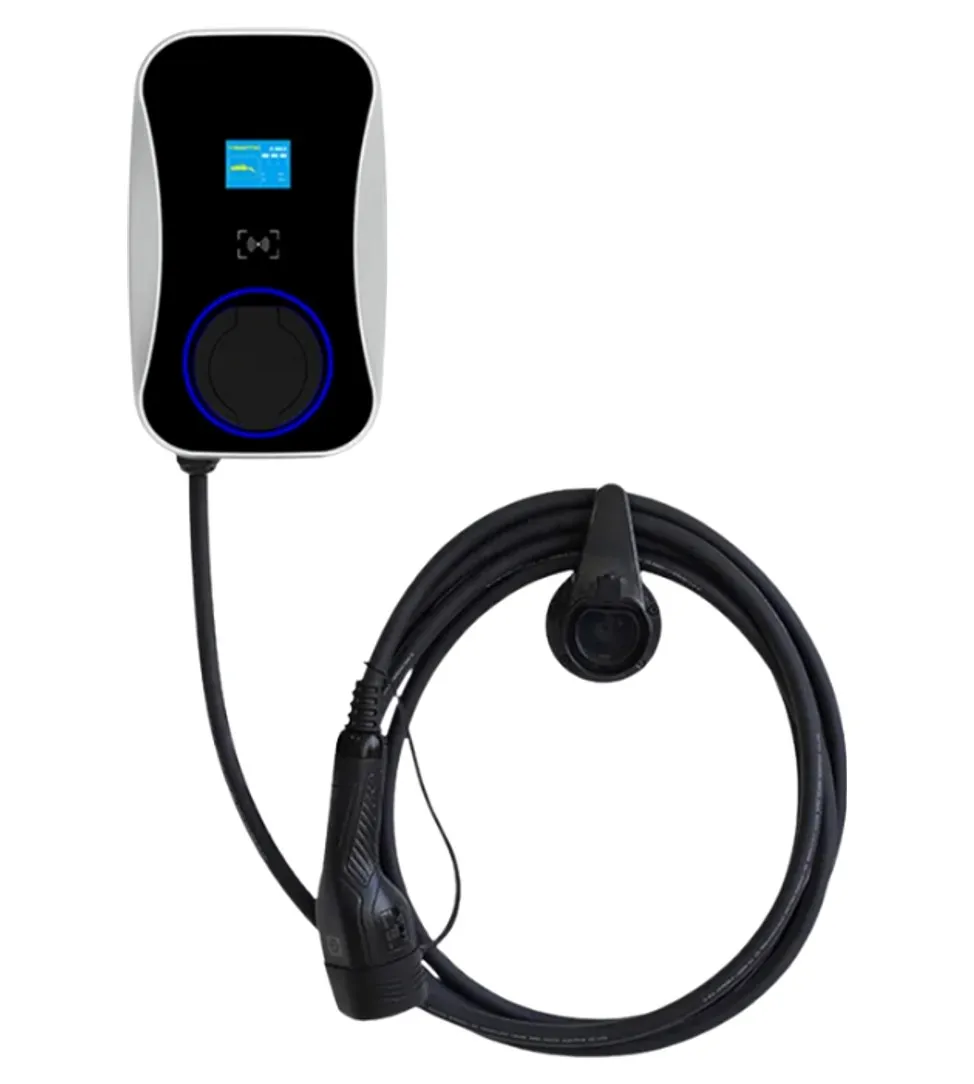
| VT-HW wallbox | Type 2 (IEC); J1772 (North America) | OCPP 1.6J / 2.0.1, app |
| VT-CW / VT-CP dual-port AC | Type 2 | OCPP 1.6J / 2.0.1 |
| VT-DW DC wallbox | CCS2 or CCS1; CHAdeMO, NACS and GB/T options | OCPP 1.6J / 2.0.1 |
| VT-DFC compact DC | CCS2 + CCS2 or CCS2 + CHAdeMO | OCPP 1.6J / 2.0.1 |
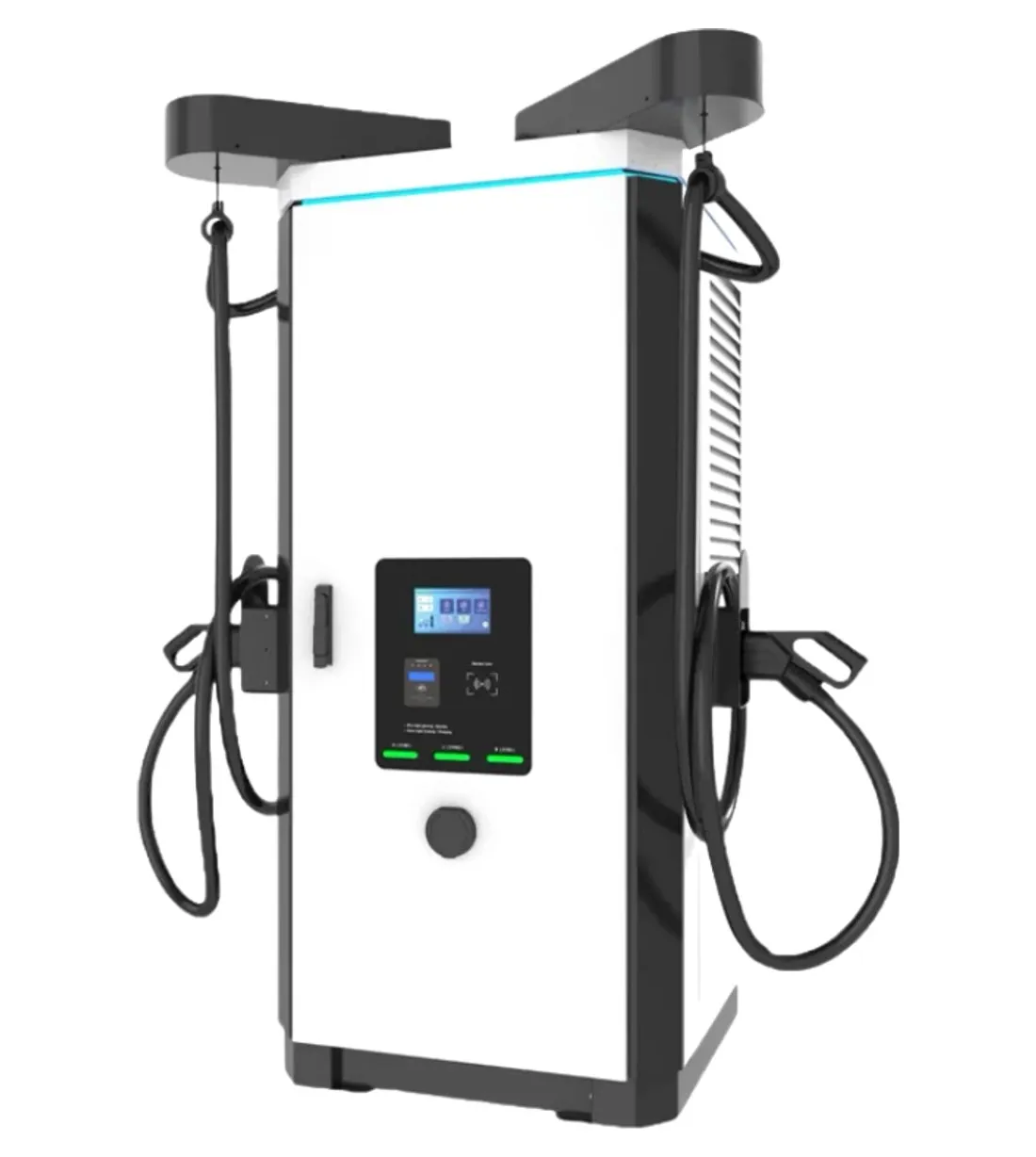
| VT-DF DC fast charger | CCS2 + CCS2 / CHAdeMO (IEC); CCS1, NACS, CHAdeMO options (North America) | OCPP 1.6J / 2.0.1 |
Tell us your market, vehicles and back end, and we will confirm the connector and protocol configuration for the exact models you need.
Questions buyers ask
- What protocols does an EV charger use?
- Up to three: a vehicle-communication protocol over the cable (DIN 70121 or ISO 15118 for DC and advanced AC), OCPP to talk to its management software, and — through that software — roaming protocols such as OCPI or OICP to work with other networks.
- Which connector should my chargers have?
- The one your users’ vehicles use. Type 2 and CCS2 in Europe, the UK, most of Asia-Pacific, the Middle East and Africa; J1772, CCS1 and NACS in North America; GB/T in China; CHAdeMO where older Japanese vehicles are common.
- Why is OCPP important when buying chargers?
- OCPP lets chargers from any manufacturer work with any compatible management software. Without it, you are tied to one supplier’s software and cannot switch provider without replacing hardware.
- What changes in 2027 for EU public chargers?
- Under AFIR’s implementing rules, publicly accessible AC and DC recharging points installed or renovated from 1 January 2027 must support ISO 15118-20 communication. Check the full requirements for your project.
References
- [1]Regulation (EU) 2023/1804 on alternative fuels infrastructure (AFIR). EUR-Lex.
- [2]Open Charge Point Protocol (OCPP). Open Charge Alliance.
- [3]SAE J3400 — North American Charging System (NACS) electric vehicle coupler. SAE International.
- [4]ISO 15118-20:2022. International Organization for Standardization.
- [5]OCPI — Open Charge Point Interface. EVRoaming Foundation.