Connectors & Protocols
ISO 15118 and Plug & Charge: How It Works and What It Needs
How ISO 15118 enables car-to-charger communication and Plug & Charge: -2 vs -20, certificates and PKI, what each party needs, EU deadlines.
- Prepared by
- VULTAE Engineering Team
- Published
- Reading time
- 3 min
- Sources
- 4 references
Key takeaways
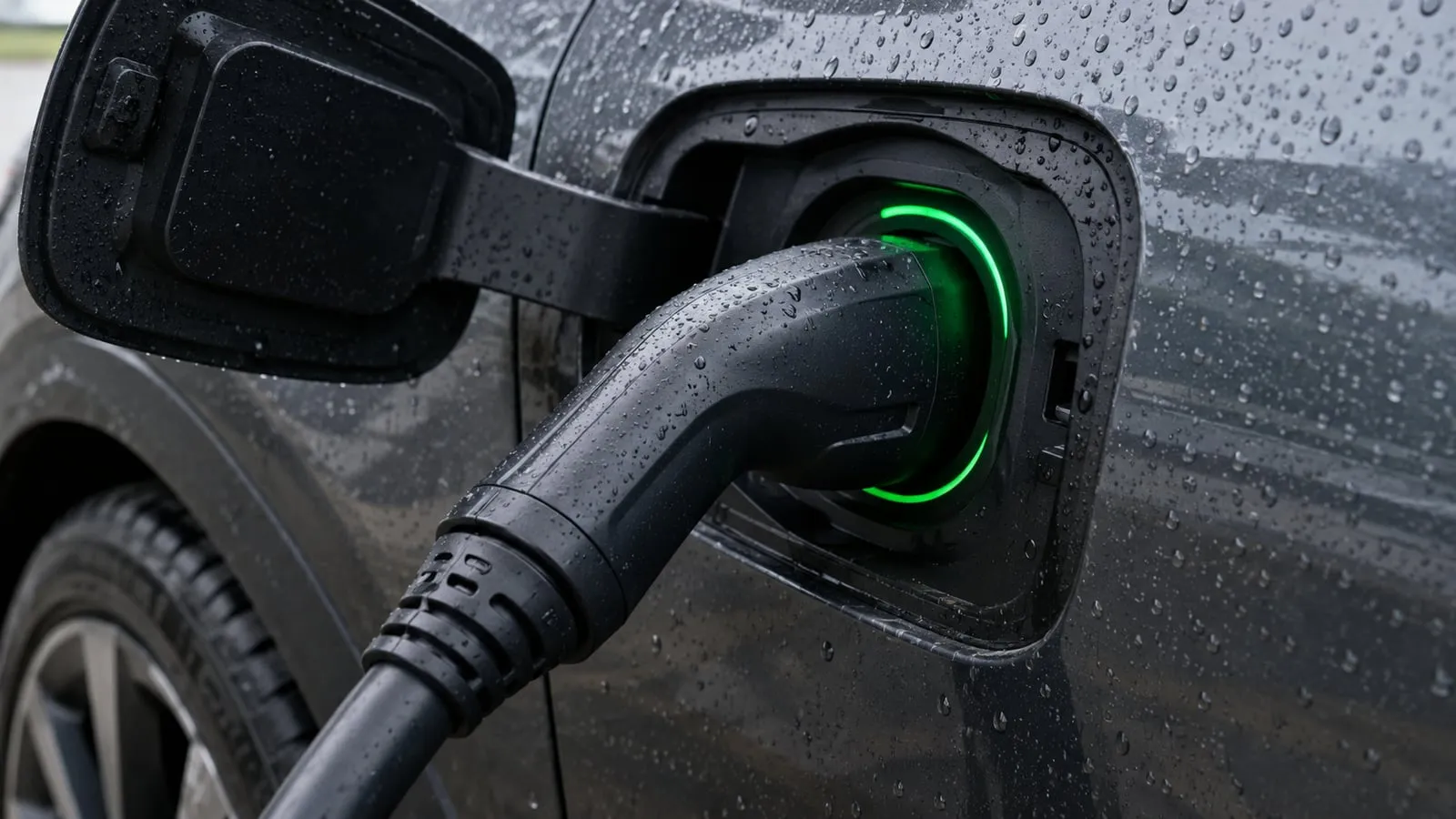
- 1ISO 15118 defines digital communication between an EV and a charger over the charging cable. It carries charging parameters and, with certificates, identifies the car for Plug & Charge: plug in, and charging and billing start automatically.
- 2ISO 15118-2 (2014) is widely used for DC charging and Plug & Charge; ISO 15118-20 (2022) adds stronger security, wireless and bidirectional charging.
- 3Plug & Charge needs three parties to support it: the car, the charger and the back end, linked through a public key infrastructure (PKI) of certificates.
- 4In the EU, AFIR’s implementing rules require ISO 15118 communication on new and renovated public recharging points, with ISO 15118-20 from 1 January 2027.
Contents
Short answer: ISO 15118 is the digital language between an EV and a charger, carried over the charging cable. It exchanges charging parameters and — with certificates — lets the car identify itself for Plug & Charge: plug in, and charging and billing start without an app or card. ISO 15118-2 (2014) is widely used; ISO 15118-20 (2022) adds stronger security, wireless and bidirectional charging. Plug & Charge needs the car, the charger and the back end to support it, linked by a certificate infrastructure. In the EU, new public chargers must support ISO 15118, with -20 from 1 January 2027.
What ISO 15118 does
| Function | What happens |
|---|---|
| High-level communication | Car and charger agree voltage, current and energy needs over power-line communication on the control pilot |
| Plug & Charge | The car presents a contract certificate; the charger and back end authorise the session |
| Smart charging | The car receives charging schedules and can plan its charging |
| Bidirectional charging (-20) | Energy can flow from the car to the grid or building, where allowed |
| Security | TLS-encrypted communication with certificates |
Generations
| DIN SPEC 70121 | ISO 15118-2 | ISO 15118-20 | |
|---|---|---|---|
| Published | 2012 / 2014 | 2014 | 2022 |
| Use | Early CCS DC charging | DC (and AC) high-level communication; Plug & Charge | Second generation |
| Plug & Charge | No | Yes | Yes |
| Security | Limited | TLS 1.2 | TLS 1.3, stronger requirements |
| Bidirectional | No | No | Yes |
| Wireless | No | No | Yes (with related parts) |
Many cars and chargers today support DIN 70121 and ISO 15118-2; support for -20 is growing.
How Plug & Charge works
- Car is provisioned with a contract certificate from its e-mobility service provider.
- Driver plugs in; the car and charger set up a secure connection using certificates from the PKI.
- Charger forwards the identification to the back end (OCPP 2.0.1 has messages for this).
- Back end checks the contract with the provider or roaming platform and authorises the session.
- Charging starts; the session is billed to the driver’s contract.
All three parties — vehicle, charger, back end — must support it, and the certificates must come from PKIs they all trust.
EU requirements
Under AFIR and its implementing rules published in 2025:
| Requirement | Applies to |
|---|---|
| ISO 15118-2 communication | Publicly accessible AC and DC recharging points installed or renovated after the transition period set in the rules |
| ISO 15118-20 | Publicly accessible AC and DC recharging points installed or renovated from 1 January 2027 |
Check the exact scope and dates for your project in the delegated and implementing acts, and confirm the supplier’s support for the exact model and firmware.
What to ask a supplier
- Which vehicle-communication protocols does the model support: DIN 70121, ISO 15118-2, ISO 15118-20?
- Is Plug & Charge supported, and with which PKIs and back ends has it been tested?
- How are certificates installed and renewed (OCPP 2.0.1 certificate management)?
- Is the firmware upgradable over the air to add -20 features?
- What is the plan for AFIR 2027 compliance on public chargers?
Where this sits among the protocols
ISO 15118 covers car ↔ charger; OCPP covers charger ↔ back end; OCPI / OICP cover back end ↔ roaming partners — see OCPP vs OCPI vs OICP and OCPP 1.6J vs 2.0.1.
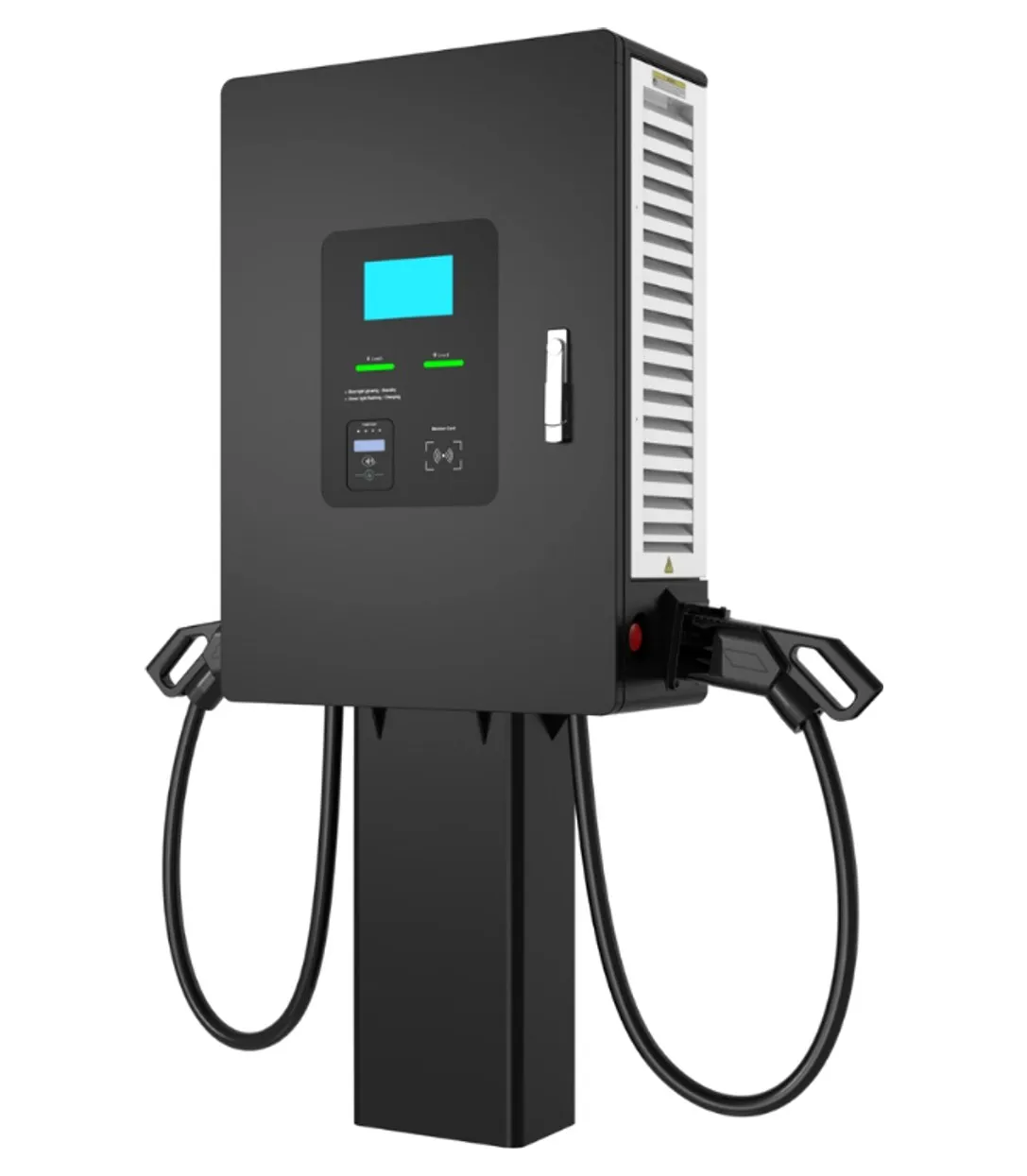
VULTAE DC chargers communicate with vehicles using the CCS high-level communication standards, with ISO 15118 listed among the design standards of our DC wallbox. Ask us which ISO 15118 functions, including Plug & Charge, are available for the model and market you need.
Questions buyers ask
- What is Plug & Charge?
- Plug & Charge lets an EV identify itself to the charger with a digital contract certificate when it is plugged in. The charger and back end check the certificate, start the session and bill the driver’s e-mobility contract — no app, card or terminal needed.
- What is the difference between ISO 15118-2 and ISO 15118-20?
- ISO 15118-2 (2014) is the first generation, widely used for DC charging and Plug & Charge. ISO 15118-20 (2022) is the second generation, with stronger security (TLS 1.3), support for wireless and bidirectional charging, and more flexible energy transfer modes.
- Does my charger need ISO 15118?
- DC chargers using CCS already communicate with the car digitally (DIN 70121 or ISO 15118-2). For Plug & Charge, smart charging with the car and, in the EU, compliance for new public chargers, ISO 15118 support — including -20 from 2027 — is needed. Ask your supplier which parts are supported for the exact model.
- Is Plug & Charge available on all EVs?
- No. It depends on the car model and the carmaker’s certificate services, the charging network and the back end. Support is growing, especially in Europe and North America.
References
- [1]ISO 15118-20:2022 — 2nd generation network layer and application layer requirements. International Organization for Standardization.
- [2]AFIR regulation update — ISO 15118-20, displays, smart charging. Pionix.
- [3]European Commission publishes AFIR delegated acts. European Alternative Fuels Observatory.
- [4]Open Charge Point Protocol (OCPP). Open Charge Alliance.