Certification & Compliance
Charging Modes 1–4 (IEC 61851) Explained
Modes 1, 2, 3 and 4 in IEC 61851: what each one means, where a wallbox, a portable cable and a DC charger fit, and which mode you actually buy.
- Prepared by
- VULTAE Engineering Team
- Published
- Reading time
- 3 min
- Sources
- 3 references
Key takeaways
- 1IEC 61851-1 defines four charging modes by how the car is connected and where the safety functions sit. Mode 1: plain socket, no protection in the cable. Mode 2: socket with a control box in the cable. Mode 3: dedicated charger with a control pilot. Mode 4: DC charging with an off-board charger.
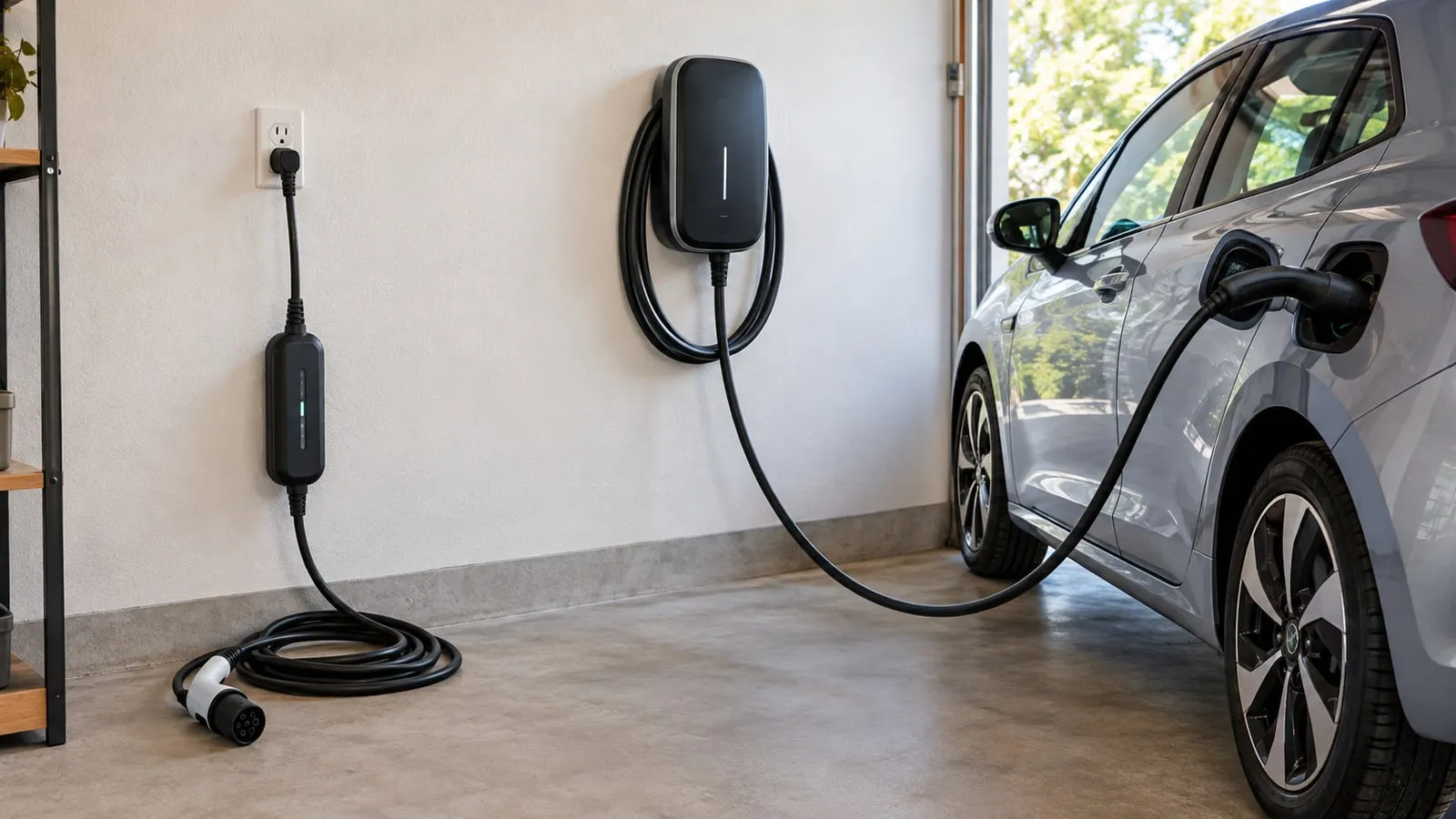
- 2A wallbox or charging post is Mode 3. A portable cable with a plug is Mode 2. A DC fast charger is Mode 4. Mode 1 is not allowed in many countries and should not be bought for new projects.
- 3The mode sets the safety concept: Mode 3 and Mode 4 negotiate current with the car over the control pilot or digital communication before power flows.
- 4For a commercial site, Mode 3 (AC) and Mode 4 (DC) are what you buy. Mode 2 is for occasional or emergency charging.
Contents
Short answer: IEC 61851-1 describes four charging modes. Mode 3 is a wallbox or post (AC, control pilot to the car). Mode 2 is a portable cable with a control box. Mode 4 is DC fast charging. Mode 1 is a plain socket and should not be specified for new projects.
The four modes
| Mode | What it is | Where the safety functions are | Typical power | Typical use |
|---|---|---|---|---|
| 1 | Vehicle connected to a standard socket by a plain cable | In the building’s wiring only (RCD, breaker) | Up to about 3.7 kW | Scooters and light vehicles; not for cars in many countries |
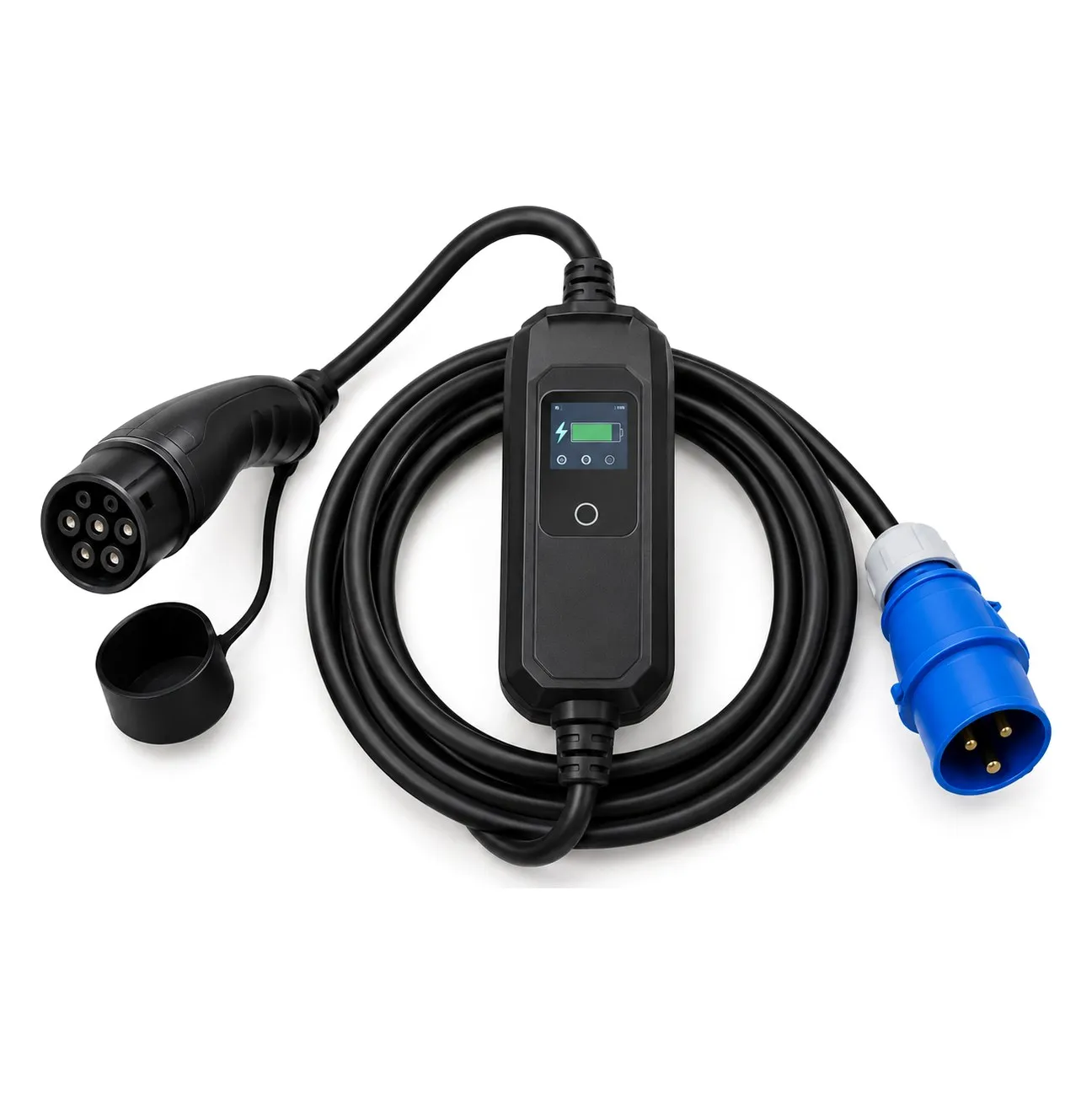
| 2 | Cable with an in-cable control and protection device (IC-CPD) | In the cable box | 2.3–7.4 kW (single phase), up to 22 kW with three-phase industrial plugs | Portable charger, emergency, travel |
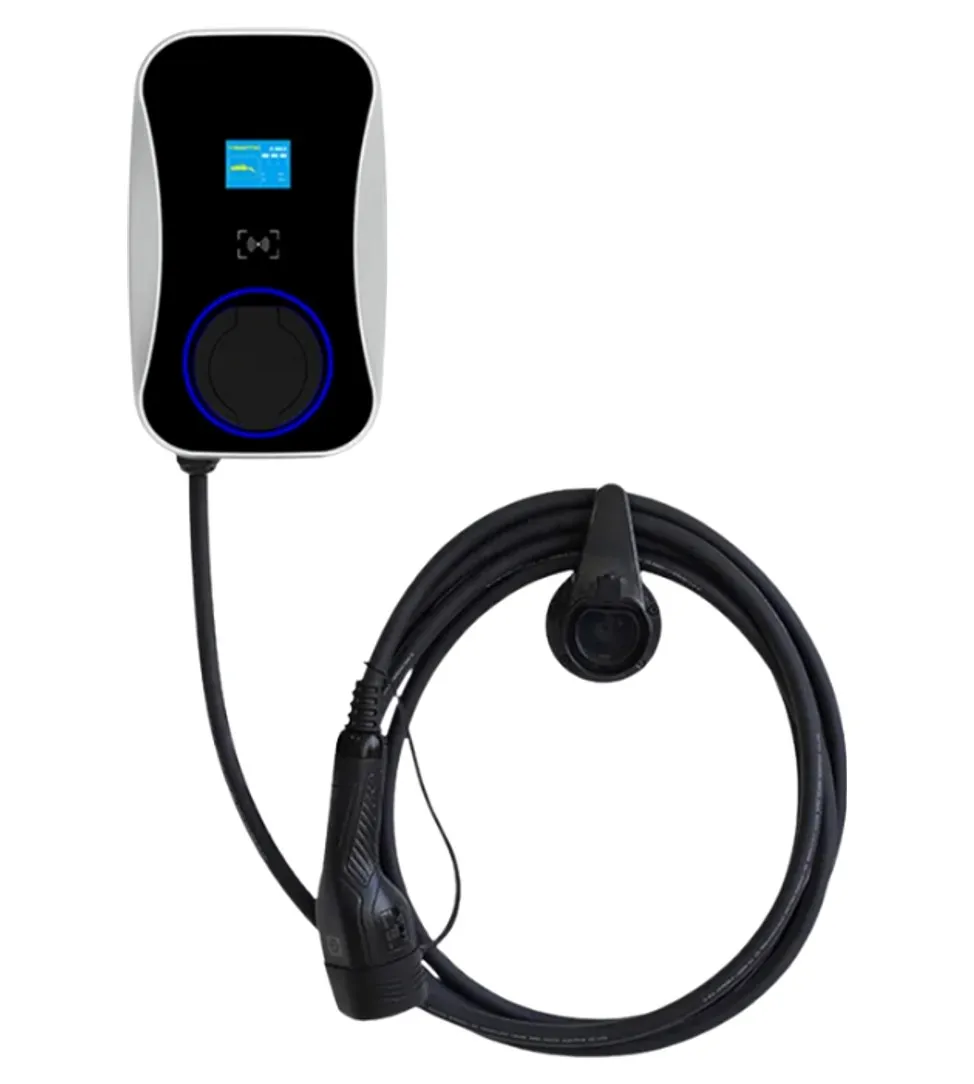
| 3 | Fixed charger with a control pilot to the vehicle | In the charger | 3.7–22 kW AC (higher in some regions) | Home, workplace, public AC |
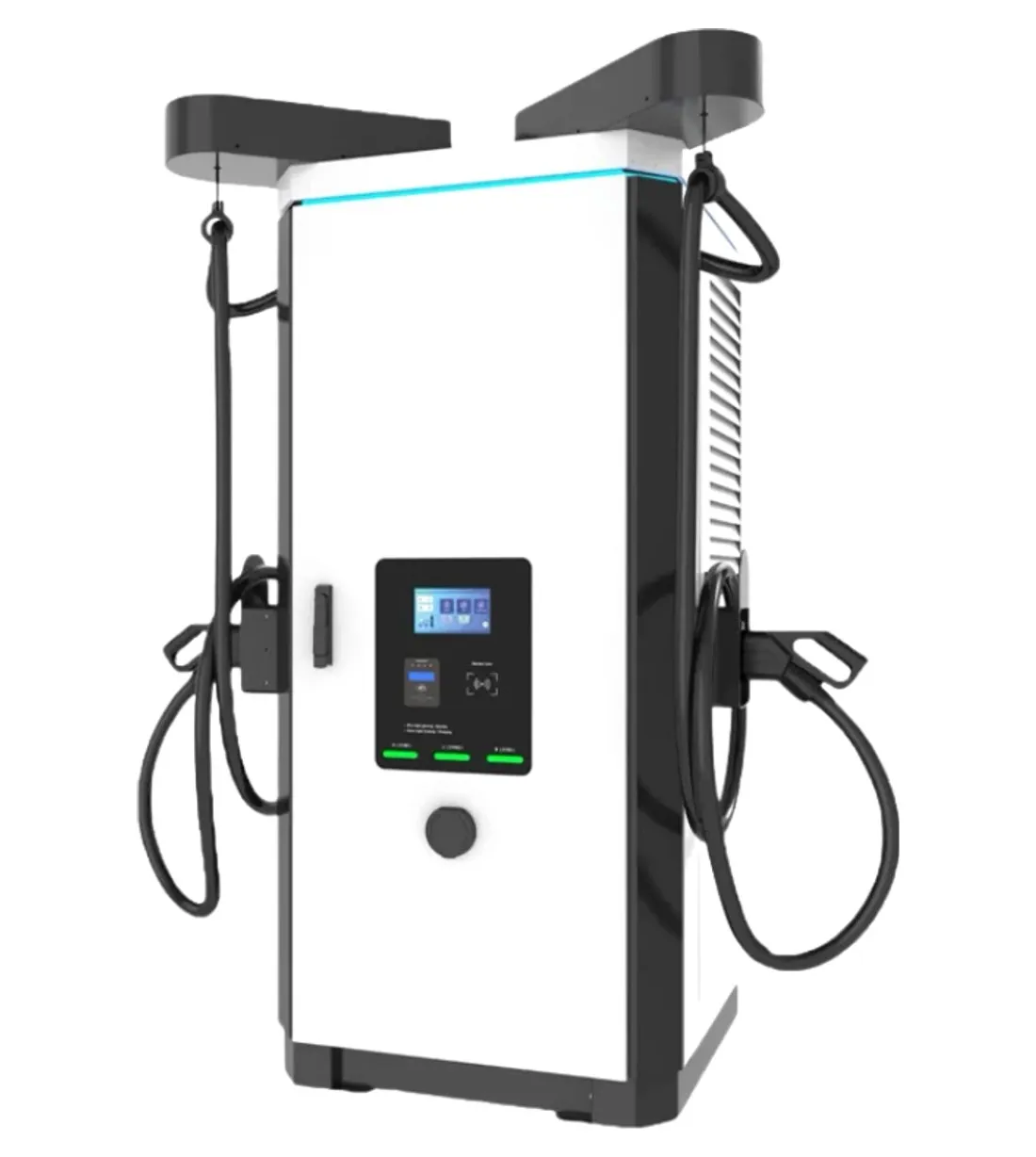
| 4 | Off-board DC charger | In the charger, with digital communication | 20–360 kW and above | Public fast charging, depots |
Why Mode 3 became the standard for AC
In Mode 3 the charger and the vehicle talk through the control pilot (CP) and proximity pilot (PP) lines. The charger tells the car the maximum current it can offer, the car signals that it is ready, and only then does the charger close its contactor. If the connection is lost, power is cut. The charger also provides the protection against residual current (see Type A vs Type B RCD), the earth check and, depending on the market, other safety functions.
Mode 2 does the same job from a box in the cable, which is why it works from an ordinary socket — but it depends on the quality of that socket and its wiring, which is why Mode 2 is for limited use. See portable chargers for the Mode 2 product line.
How the mode relates to the connector
The connector and the mode are two different choices.
| Region | AC connector | DC connector | AC mode | DC mode |
|---|---|---|---|---|
| Europe | Type 2 | CCS2 | Mode 3 | Mode 4 |
| North America | Type 1 (J1772) / NACS | CCS1 / NACS | Mode 3 | Mode 4 |
| China | GB/T AC | GB/T DC | Mode 3 | Mode 4 |
| Japan | Type 1 | CHAdeMO | Mode 3 | Mode 4 |
For connector details see EV connector types.
What to buy
- Home and workplace: Mode 3 wallbox. Choose power by supply — see single-phase vs three-phase.
- Public car park, hotel, retail: Mode 3 AC posts, often dual-gun.
- Highway, fleets, fast turnaround: Mode 4 DC chargers.
- Backup, rental and travel: a Mode 2 portable cable — as a supplement, not as the main charger.
Common mistakes
- Treating a Mode 2 cable as a permanent charger. It works, but it relies on an old socket and a plug that gets warm over hours.
- Mixing mode and connector. “Type 2” is a connector; “Mode 3” is the way the car and charger communicate.
- Ignoring the supply. A 22 kW charger on a single-phase supply will only give 7.4 kW at most.
VULTAE products by mode
VULTAE builds Mode 3 AC wallboxes and posts, Mode 4 DC chargers (wall-mounted, floor-standing and mobile) and Mode 2 portable chargers. See the product range and the guide to connectors and protocols.
Questions buyers ask
- What is Mode 3 charging?
- A dedicated EV charger (wallbox, post) connected to the grid, with control and protection functions inside the charger and a control pilot signal to the vehicle. The charger and the car agree on the current before power flows. Most home and public AC charging is Mode 3.
- What is Mode 2 charging?
- A cable with an in-cable control and protection box (IC-CPD) plugged into a normal or industrial socket on one end and the vehicle on the other. It is used for portable chargers and emergencies.
- Is Mode 1 allowed?
- Mode 1 connects the vehicle to a standard socket with no in-cable protection and no control pilot. It is prohibited or discouraged in many countries for new installations. Do not specify it.
- Is Mode 4 the same as DC fast charging?
- Yes. In Mode 4 the charger is outside the vehicle and delivers DC power directly to the battery, with digital communication. It is the basis of CCS, CHAdeMO and GB/T DC charging.
References
- [1]IEC 61851-1:2017 — general requirements. International Electrotechnical Commission.
- [2]IEC 61851-23:2023 — DC electric vehicle supply equipment. International Electrotechnical Commission.
- [3]IEC 60364-7-722:2018 — supplies for electric vehicles. International Electrotechnical Commission.