Certification & Compliance
RCD Type A vs Type B and 6 mA DC Fault Detection for EV Chargers
Type A RCD plus 6 mA DC detection or a Type B RCD? How the two ways of meeting DC fault protection compare on cost, space, nuisance trips and local rules.
- Prepared by
- VULTAE Engineering Team
- Published
- Reading time
- 3 min
- Sources
- 4 references
Key takeaways
- 1An EV charger can leak smooth DC fault current, which a normal Type A RCD may fail to see and which can blind it to AC faults. So the standards ask for protection against DC residual current.
- 2Two common ways: a Type B RCD, or a Type A RCD plus a device that detects 6 mA DC and opens the circuit (an RDC-DD, IEC 62955). Many chargers have the 6 mA device built in.
- 3Who supplies which protection depends on the country and the charger. In several markets the installation rules accept either route; others require Type B or the built-in 6 mA device. Check the local wiring rules.
- 4The practical question for buyers: does the charger contain 6 mA DC detection, and does the installer still need a separate Type B RCD? Get both answers in writing.
Contents
Short answer: an EV charger can leak smooth DC fault current, which a normal Type A RCD may not detect. You solve this in one of two ways: a Type B RCD, or a Type A RCD plus 6 mA DC detection (an RDC-DD, IEC 62955) that is usually built into the charger. Local rules decide which route is accepted, so check them before you order.
Why the problem exists
A charger converts AC to DC inside the vehicle or the charger. If insulation fails on the DC side, the fault current can be smooth DC. A Type A RCD is designed for AC and pulsating DC. Smooth DC in its core can saturate it, so it may not trip even when the AC fault current that follows exceeds 30 mA. That is why the installation standard for EV supplies (IEC 60364-7-722) and the product standard (IEC 61851-1) ask for protection against DC residual current.
The two routes
| Route 1: Type B RCD | Route 2: Type A RCD + 6 mA DC detection | |
|---|---|---|
| Where | Installation (consumer unit or board) | DC detection in the charger; Type A RCD in the board |
| Detects | AC, pulsating DC, smooth DC, high frequency | Type A covers AC/pulsating; the charger’s device covers smooth DC at 6 mA |
| Cost | Higher: the Type B device is bigger and costs several times a Type A | Lower for the installer; cost sits in the charger |
| Space in board | Larger device | Standard width |
| Nuisance trips | Can trip on harmless leakage from other loads on the same device, depending on design | Fewer; the charger’s device only sees the charger |
| What the installer must check | That the board’s Type B matches the circuit | That the charger has the DC device, and that it is certified |
What the charger should show
For Route 2, ask for these in writing:
- A statement that the charger includes 6 mA DC detection (RDC-DD to IEC 62955), not only a mention in marketing text.
- The test report that covers it — see how to check a certificate.
- Whether the charger disconnects both live conductors when it trips, and how it resets (some need manual reset, some auto-reset a limited number of times).
- Whether the charger needs a separate Type B in your market anyway.
Local rules differ
The route that is acceptable depends on the country and on the local wiring regulations. The IEC installation standard allows both routes. Many markets also require overcurrent protection, surge protection and a dedicated circuit; some require a PEN (open neutral) fault detection device. In Great Britain, for example, the wiring rules are covered by BS 7671 and the charger itself must meet the smart charge point regulations. Our installation requirements guide lists the typical elements; the electrical installer in your country has the final say.
How VULTAE chargers handle it
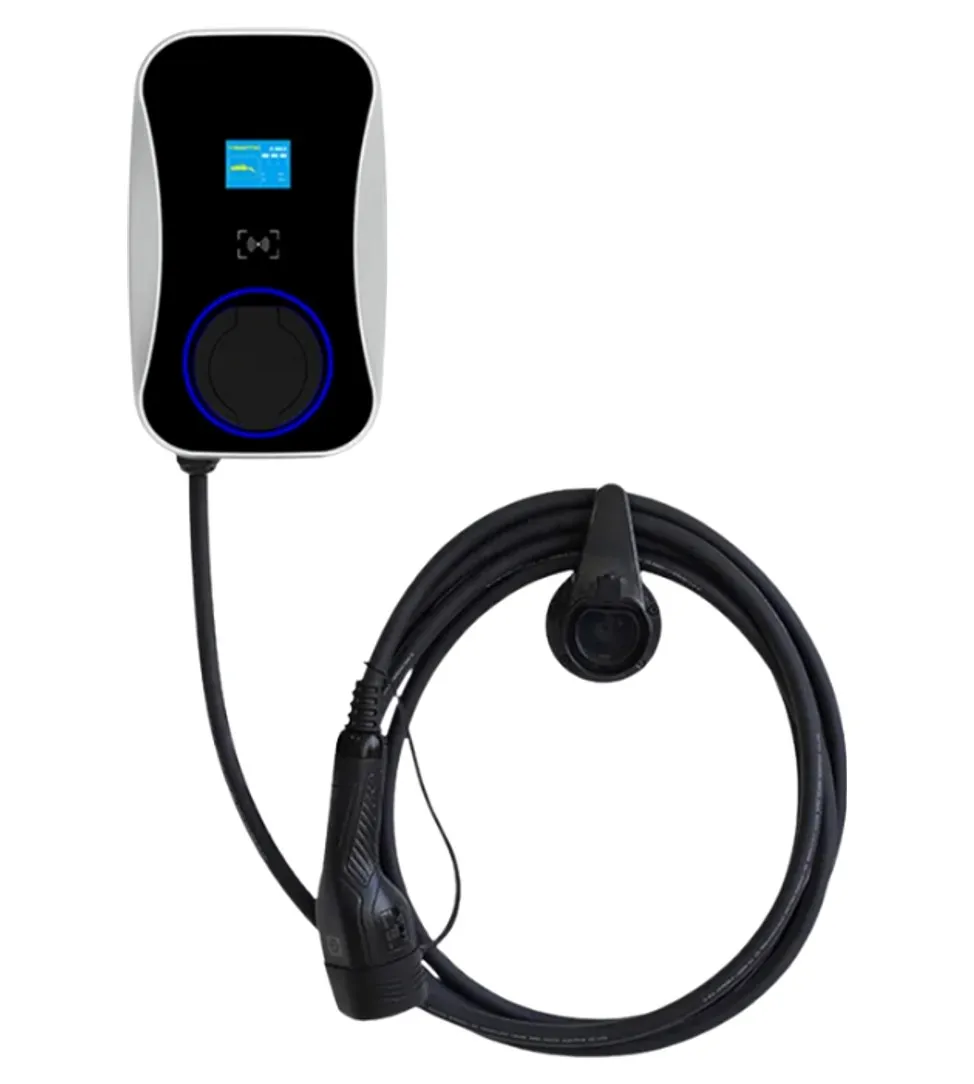
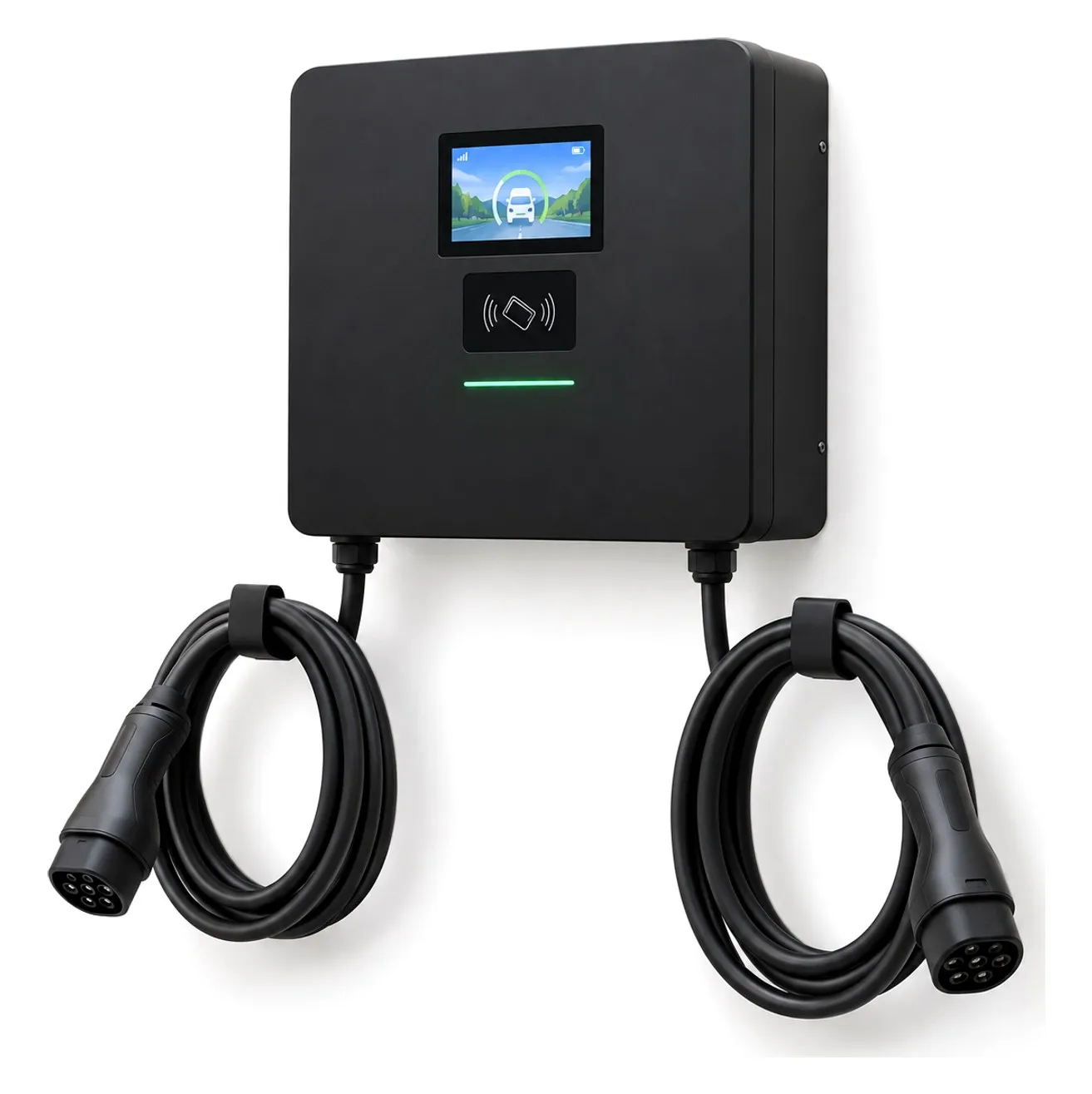
Our smart wall-mounted AC chargers combine a 30 mA Type A residual current device with 6 mA DC fault protection, together with ground detection, surge protection and over- and under-voltage protection; PEN protection for the UK is an option. For the exact protection on each model see the product pages for the smart wallbox and the dual-port wall charger, and ask for the test report of your model.
Practical advice for buyers
- Put the requirement in the tender — “built-in RDC-DD 6 mA, IEC 62955” — see how to write a tender specification.
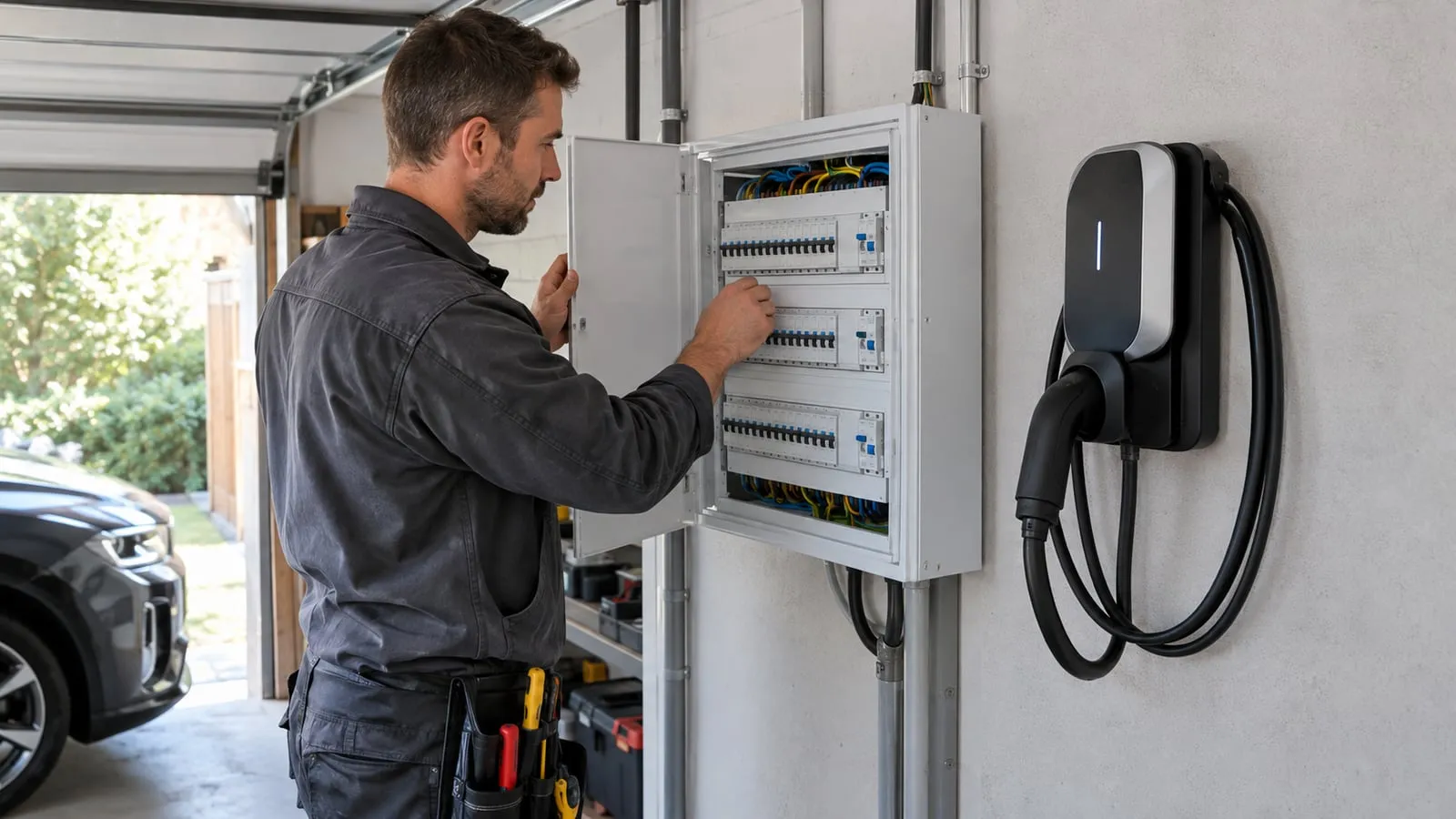
- For installers, document which route you used on the installation certificate.
- For multi-charger sites, avoid sharing one RCD between many chargers; a single DC fault would trip them all. This also helps load management.
Questions buyers ask
- Why does an EV charger need special RCD protection?
- The charger’s power electronics can create a smooth DC fault current when an insulation fault occurs. Smooth DC can saturate the magnetic core of a Type A RCD, which may stop it from tripping on an AC fault. DC protection closes that gap.
- What is the difference between Type A and Type B?
- A Type A RCD detects AC residual current and pulsating DC. A Type B RCD also detects smooth DC and high-frequency residual current. Type B devices are larger and more expensive.
- What is RDC-DD?
- A residual direct current detecting device, standardised in IEC 62955. It watches for smooth DC residual current (typically a 6 mA threshold) and disconnects the charger. It is usually built into the charger, so a Type A RCD upstream is enough in many installations.
- Do I still need an RCD in the consumer unit if the charger has 6 mA DC detection?
- Usually yes — the installation still needs overcurrent protection and an RCD for AC residual current, normally 30 mA Type A. The built-in 6 mA device covers the DC part. Confirm with the local installation code.
References
- [1]IEC 62955:2018 — residual direct current detecting device (RDC-DD) for mode 3 charging. International Electrotechnical Commission.
- [2]IEC 60364-7-722:2018 — supplies for electric vehicles. International Electrotechnical Commission.
- [3]IEC 61851-1:2017 — general requirements. International Electrotechnical Commission.
- [4]Regulations: electric vehicle smart charge points. GOV.UK.