Charging Business
Payment at EV Chargers: RFID, App, QR Code, Card Terminal and Plug & Charge
How drivers pay at EV chargers — RFID, app, QR-code payment, contactless card terminals, Plug & Charge — and which to choose for each site.
- Prepared by
- VULTAE Engineering Team
- Published
- Reading time
- 3 min
- Sources
- 3 references
Key takeaways
- 1Private and semi-private sites work best with RFID cards or an app linked to user accounts. Public sites need ad-hoc payment that works for any driver without signing up — a contactless card terminal or QR-code web payment.
- 2In the EU, AFIR requires new publicly accessible chargers of 50 kW and above to accept ad-hoc payment by payment card; below 50 kW, other ad-hoc methods such as a QR code are allowed.
- 3Plug & Charge (ISO 15118) is the smoothest experience — plug in and the car identifies itself — but needs support in the car, the charger and the back end.
- 4Most public sites combine methods: card terminal or QR for ad-hoc users, RFID and app for members and fleets, roaming for other networks’ customers.
Contents
Short answer: match payment to the site. Private and semi-private chargers (homes, workplaces, apartments, fleets) work best with RFID cards or an app tied to user accounts. Public chargers need ad-hoc payment that any driver can use without signing up: a contactless card terminal or QR-code web payment. In the EU, new public chargers of 50 kW and above must accept payment cards. Plug & Charge (ISO 15118) is the smoothest option where cars and back ends support it, and roaming lets other networks’ customers pay with their own apps.
The options compared
| Method | How it works | Driver needs | Best for |
|---|---|---|---|
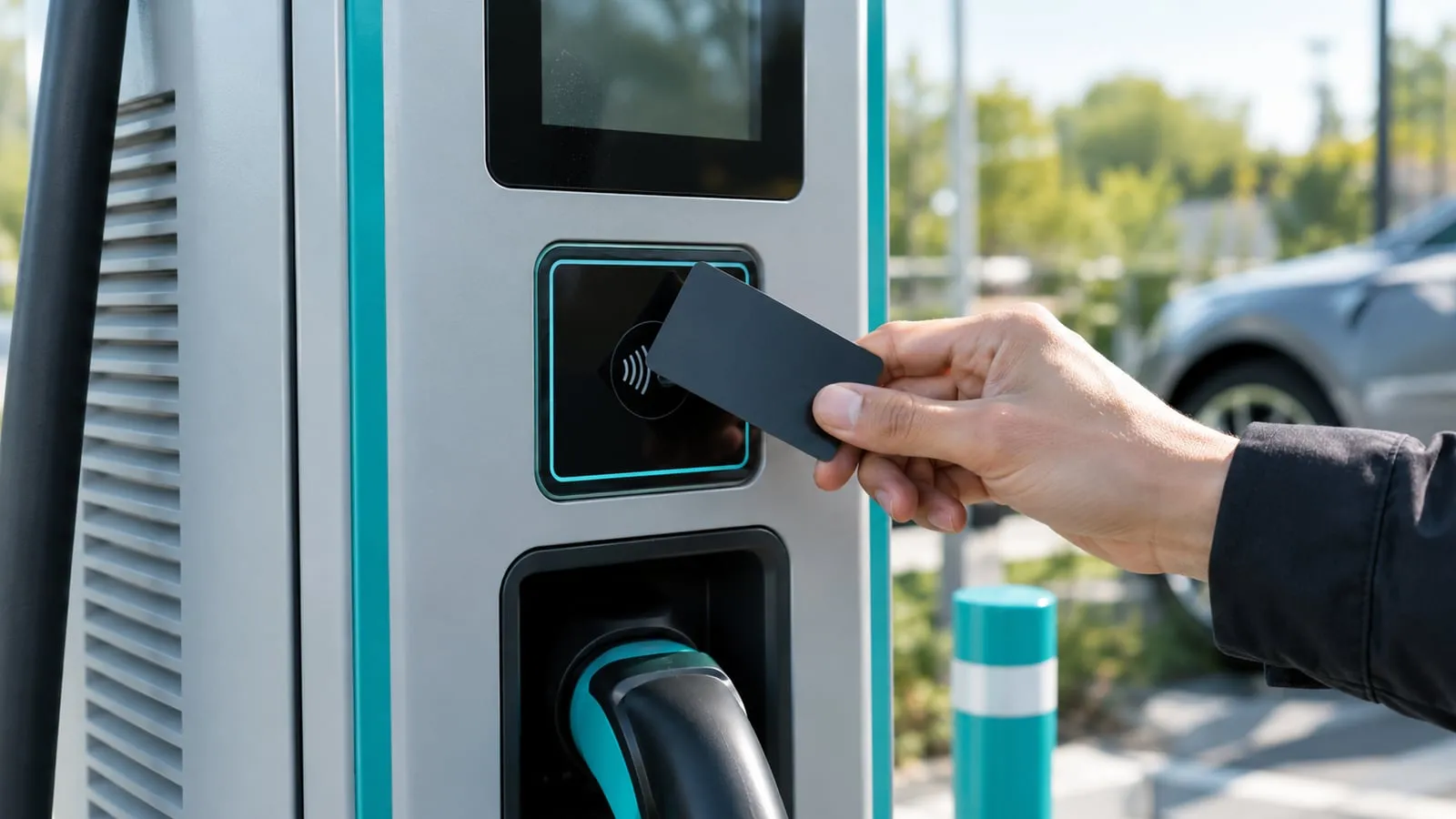
| RFID card | Tap a card linked to an account | A card from the operator or employer | Workplaces, apartments, fleets, members |
| App | Start and pay in the operator’s app | Smartphone, account, mobile signal | Networks with loyal users |
| QR code | Scan a code on the charger, pay on a web page | Smartphone and payment card | Public AC, low-cost ad-hoc payment |
| Contactless card terminal | Tap a bank card or phone wallet on the charger | Payment card | Public DC; required on new EU chargers ≥ 50 kW |
| Plug & Charge | Car identifies itself by certificate on plug-in | Compatible car and contract | High-traffic public networks |
| Roaming | Other networks’ apps and cards work at your charger | Their account | Any public network |
Rules to know
| Market | Requirement |
|---|---|
| EU — AFIR | New publicly accessible chargers ≥ 50 kW: ad-hoc payment with payment card readers or contactless devices; below 50 kW, other ad-hoc means such as QR-code payment allowed; prices displayed clearly |
| US — NEVI-funded sites (23 CFR 680) | Contactless payment among the requirements, plus other access methods |
| Other markets | Check consumer-protection and payment rules; card schemes have their own certification requirements for terminals |
Choosing by site
| Site | Recommended combination |
|---|---|
| Home | App or plug-and-charge without authentication |
| Workplace | RFID per employee; app optional |
| Apartments and condos | RFID per resident, per-user billing |
| Hotels | RFID cards at reception; QR code for visitors |
| Retail and destination AC | QR-code payment plus RFID and roaming |
| Public DC, highway, fuel station | Contactless card terminal, QR code, RFID, app, roaming; Plug & Charge where supported |
| Fleet depot | RFID per vehicle or driver; or vehicle ID via Plug & Charge |
Card terminals: what to check
- Certification of the terminal for your country’s card schemes.
- Pre-authorisation amount and how quickly unused amounts are released.
- Receipts: on screen, by email or via a web page.
- Mounting: built into the charger, or on a stand next to AC posts — see stands and payment mounts.
- Integration with your CPMS and payment provider.
Plug & Charge in practice
Plug & Charge needs three things to line up: a car with ISO 15118 support and a contract certificate, a charger with ISO 15118 communication and certificate handling, and a back end connected to the certificate ecosystem. Where all three exist, drivers simply plug in. See ISO 15118 and Plug & Charge.
How VULTAE chargers support payment
| Product | Payment options |
|---|---|
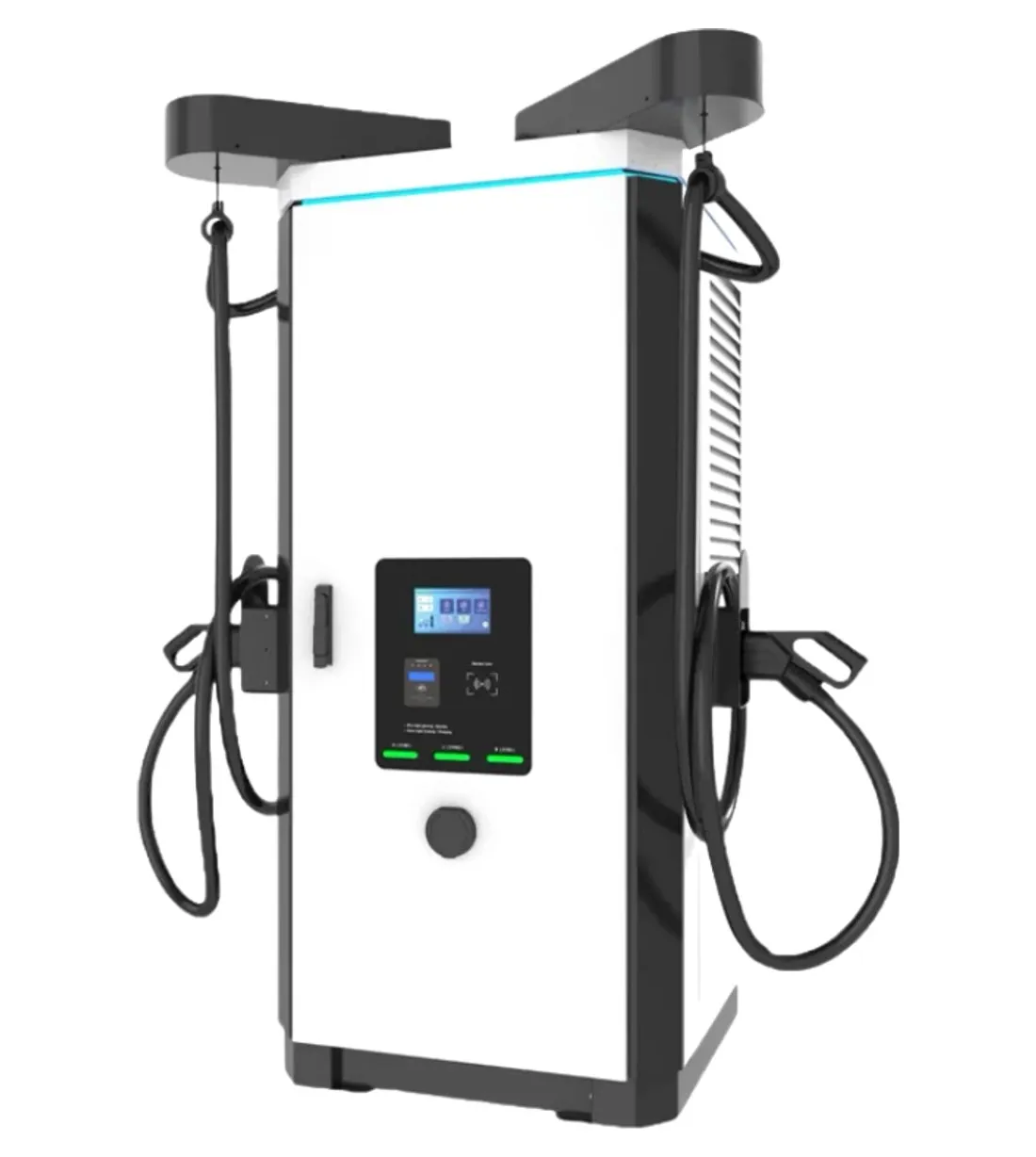
| VT-DF and VT-DFC DC chargers | RFID, QR code, POS card terminal option, app via OCPP |
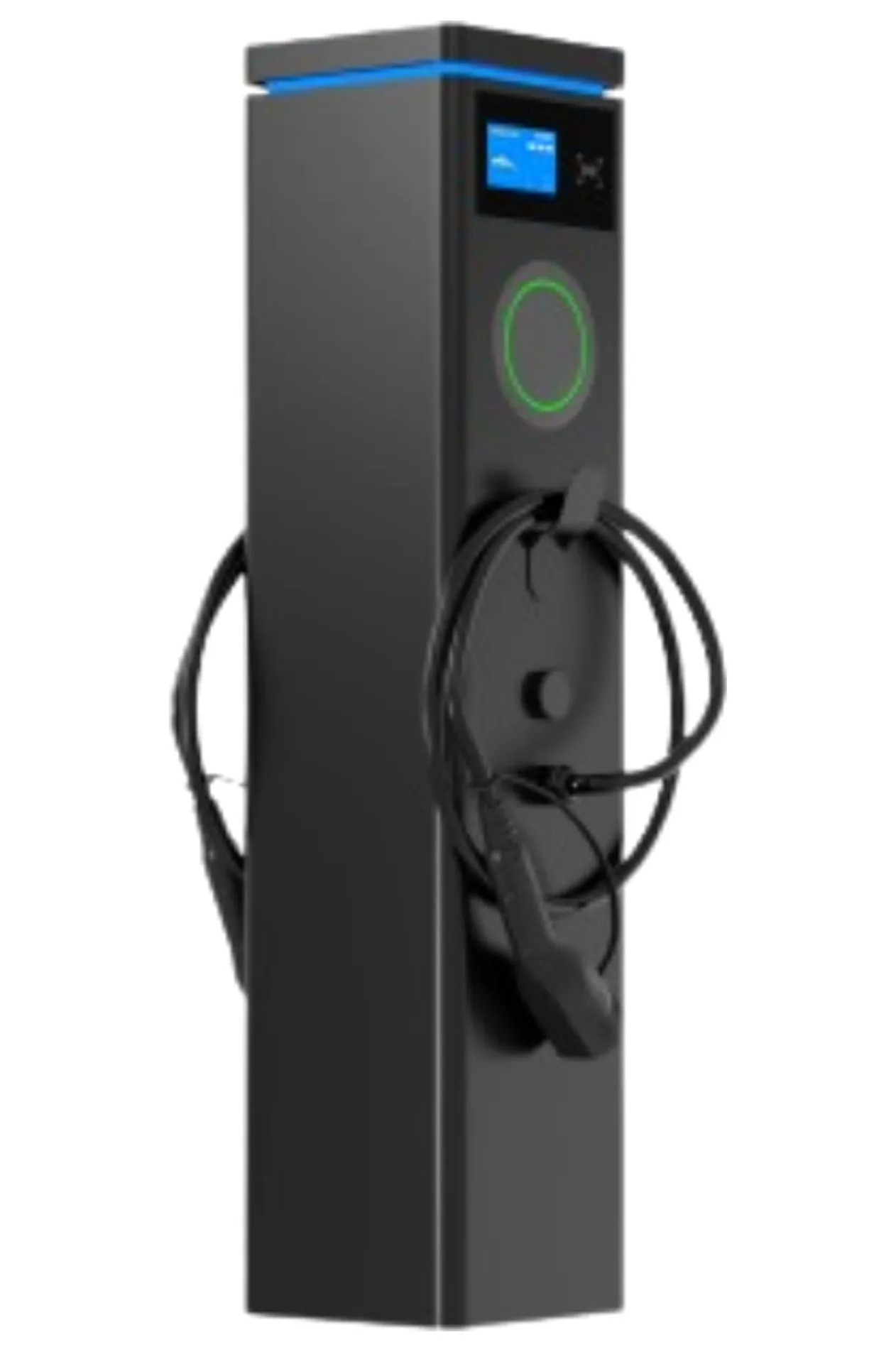
| VT-CW and VT-CP dual-port AC chargers | RFID, app or QR-code start, payment terminal option |
| VT-HW wallboxes | RFID, app, plug & charge (free-vend) mode |
| Payment stands | Mounts for card terminals next to AC chargers |
All connect to third-party CPMS platforms over OCPP 1.6J / 2.0.1, so tariffs and payment rules are set in the software you choose — see charge point management software.
Questions buyers ask
- What is the best payment method for public EV chargers?
- A contactless card terminal on the charger, because any driver can pay without an app or account, plus QR-code web payment and RFID or app for regular customers. In the EU, card payment is required on new public chargers of 50 kW and above.
- Do AC chargers need card terminals?
- Not always. Under AFIR, publicly accessible chargers below 50 kW can offer ad-hoc payment through other means, such as a QR code linking to a web payment page. Private and workplace AC chargers usually use RFID or an app.
- What is Plug & Charge?
- Plug & Charge, based on ISO 15118, lets the car identify itself to the charger with a digital certificate when it is plugged in, so charging and billing start automatically. It needs support in the vehicle, the charger and the back end, and a contract with an e-mobility provider.
- Can drivers from other networks pay at my chargers?
- Yes, through roaming. Your CPMS connects to roaming platforms or other networks via protocols such as OCPI or OICP, and their customers use their own app or card at your chargers.
References
- [1]Regulation (EU) 2023/1804 on alternative fuels infrastructure (AFIR). EUR-Lex.
- [2]23 CFR Part 680 — National Electric Vehicle Infrastructure standards and requirements. Electronic Code of Federal Regulations.
- [3]ISO 15118-20:2022 — vehicle-to-grid communication interface, 2nd generation network and application protocol requirements. International Organization for Standardization.