Charging business · Pillar guide
Starting an EV Charging Business: Business Models, Costs, Revenue and Risks
Starting an EV charging business: five business models, the full cost stack, revenue streams, the utilization that decides profit, and the key risks.
- Prepared by
- VULTAE Engineering Team
- Published
- Reading time
- 5 min
- Sources
- 4 references
At a glance
- Business models
- 5 — from site host to network operator
- Capital costs
- Hardware, grid, civil works, software
- Running costs
- Energy, demand charges, service, fees
- Main revenue
- Energy sales; also fees, ads, retail
- Profit driver
- Utilization
- US DC average utilization
- 16.4 % (2025)
- Global public chargers
- 7 million+ (end 2025)
- Biggest risks
- Low use, grid delay, downtime
Key takeaways
- 1Choose a business model before choosing chargers: site host, owner-operator, charging-as-a-service, fleet charging or a full public network each have different capital needs, risks and returns.
- 2Hardware can be less than half of a DC site’s capital cost; the grid connection, civil works and software can cost as much or more — and the grid connection usually takes the longest.
- 3Utilization decides profit. US DC fast chargers averaged 16.4 % utilization in 2025; a site that reaches its break-even utilization early and keeps chargers available is profitable, one that does not is not.
- 4The largest risks are low early demand, delays and costs in the grid connection, demand charges, and downtime — all of which can be planned for.

Contents
Short answer: an EV charging business sells energy — and convenience — at a margin. Start by choosing a business model (site host, owner-operator, charging-as-a-service, fleet charging or public network). Budget the whole cost stack, where hardware can be less than half of a DC site’s capital cost. Then plan for utilization, the single number that decides profit: US DC fast chargers averaged 16.4 % in 2025. The main risks — low early use, grid delays, demand charges and downtime — can all be planned for.
For entrepreneurs, property owners, fuel retailers, fleet operators and investors planning charging businesses. Each section links to a detailed guide.
The market in brief
| Indicator | Figure | Source |
|---|---|---|
| Public charging points worldwide | More than 7 million at the end of 2025 | IEA |
| Added in 2025 | 1.8 million (+33 %), 65 % of them in China | IEA |
| US DC fast-charger utilization, 2025 | 16.4 % of operating hours on average | Paren |
| EU motorway requirement | Charging pools every 60 km on the TEN-T core network | AFIR |
The market is growing everywhere, but unevenly: some countries are building their first public networks, others are moving to high-power hubs. The business model must fit the local stage.
Five business models
| Model | Who owns the chargers | Who earns the charging revenue | Capital need | Best for |
|---|---|---|---|---|
| Site host | Site owner (hotel, mall, office) | Site owner, often via a service provider | Low–medium | Destinations that want to attract customers |
| Owner-operator | You | You | Medium–high | Entrepreneurs with good sites |
| Charging-as-a-service | You (or a partner) | Shared with the site host, or a fixed fee from the host | High | Companies serving many sites |
| Fleet charging | Fleet or a service provider | Saves fuel costs; service fees | Medium | Logistics, taxis, buses, rental |
| Public network | You | You, plus roaming partners | High | Well-funded operators, fuel retailers, utilities |
Many companies combine models — for example a fleet depot that sells public charging in the evenings. Distributors and installers can also build a service business on top of hardware sales; see become an EV charger distributor.
The cost stack
| Layer | Capital costs | Running costs |
|---|---|---|
| Hardware | Chargers, pedestals, cables, payment terminals | Spare parts, repairs after warranty |
| Grid | Connection fee, transformer, switchgear, cables | Energy, demand charges, standing charges |
| Civil works | Foundations, trenching, bollards, canopies, signage | Site maintenance, cleaning |
| Software | Commissioning, integration | Back-end (CSMS) fees, payment processing, roaming fees, SIM data |
| Site | Permits, design, legal | Land lease or revenue share with the host, insurance |
| People | Project management | Customer support, field service |
For a DC hub, the grid connection and civil works can cost as much as the chargers — and the grid connection usually has the longest lead time. Details in what goes into the cost of an EV charging station and demand charges.
Revenue streams
| Stream | How it works |
|---|---|
| Energy sales | Per kWh, per minute or per session — see how to price EV charging |
| Idle and parking fees | After charging ends, to keep bays free |
| Subscriptions and memberships | Lower prices for a monthly fee |
| Roaming | Drivers of other networks pay via roaming platforms |
| Advertising | Screens on DC chargers — see advertising screens |
| Retail and food | Revenue from shops and cafés while cars charge |
| Services to hosts and fleets | Management fees, maintenance contracts, charging-as-a-service |
| Public support | Grants or environmental credits where available |
Utilization: the number that decides profit
Utilization is the share of time a charger is actually delivering energy. Fixed costs — the loan or lease on the equipment, demand charges, software fees — are paid whether or not cars come. Every extra hour of charging adds margin. So every business plan should state:
- The break-even utilization: at what share of hours the site covers all its costs.
- A realistic ramp-up: how utilization grows over the first three to five years as local EV numbers rise.
- The uptime assumption: a charger out of service earns nothing.
US DC fast chargers averaged 16.4 % utilization in 2025 — about four hours a day. Well-located sites are much higher; new sites in early markets start lower. The worked example in is an EV charging station profitable? shows how to calculate your own break-even.
Risks and how to manage them
| Risk | How to manage it |
|---|---|
| Low early utilization | Site selection; phased build-out with ducting for later chargers; fleet anchor customers — see site selection |
| Grid delay or cost | Apply early; size the connection for later phases; load management |
| Demand charges | Site load management, tariffs for EV charging where available, battery buffers |
| Downtime | Reliable hardware, remote monitoring, spare parts, service contracts — see uptime |
| Technology change | OCPP 1.6J / 2.0.1 hardware not tied to one software provider; connectors that can be changed |
| Regulation | Follow payment, pricing, metering and data rules in your market — see our country guides |
Your next steps
- Choose the business model and your first sites.
- Get the grid capacity and connection cost for each site.
- Build the business plan — use our business plan template.
- Select hardware and software that fit the model — see the charge point operator solution.
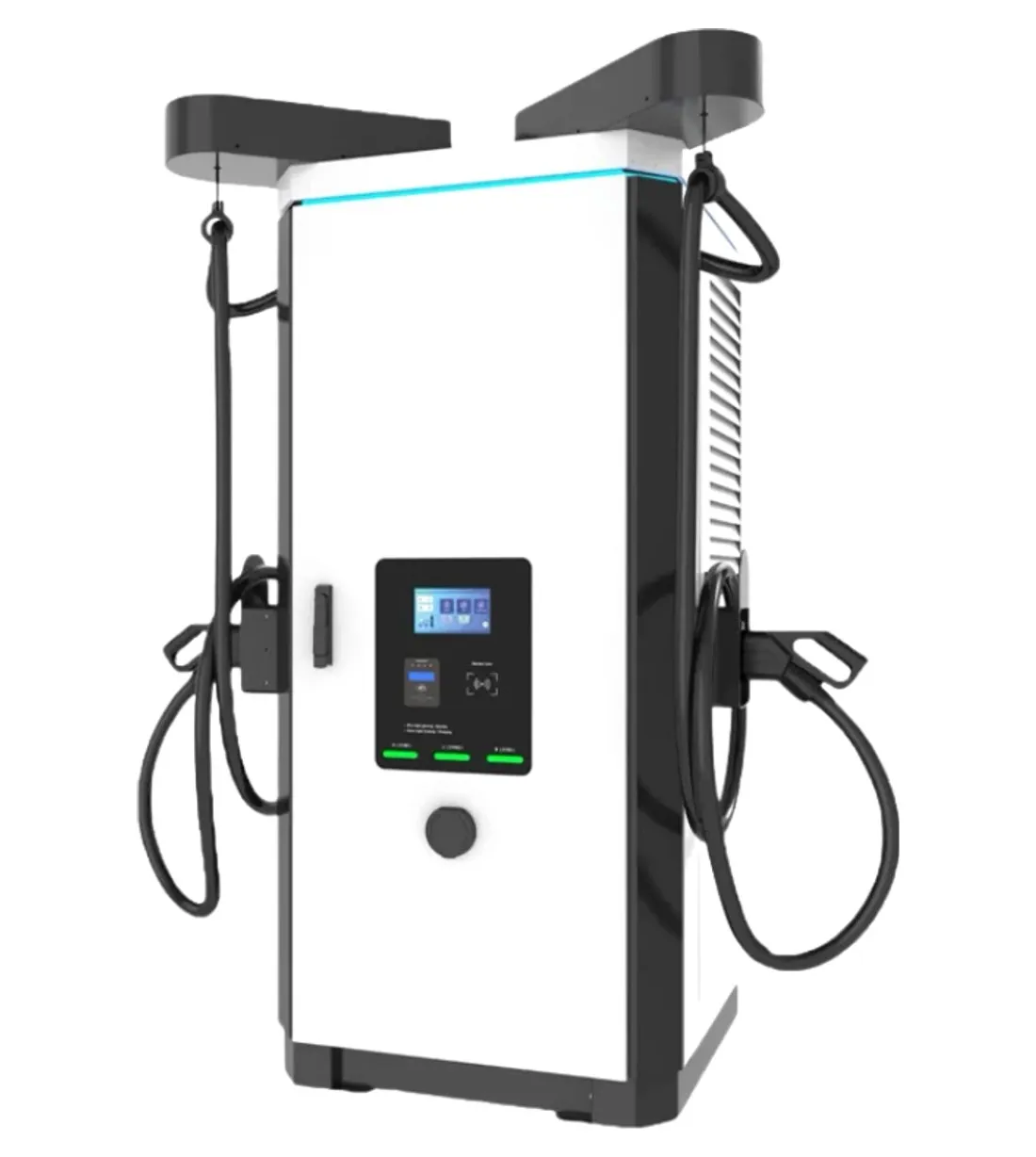
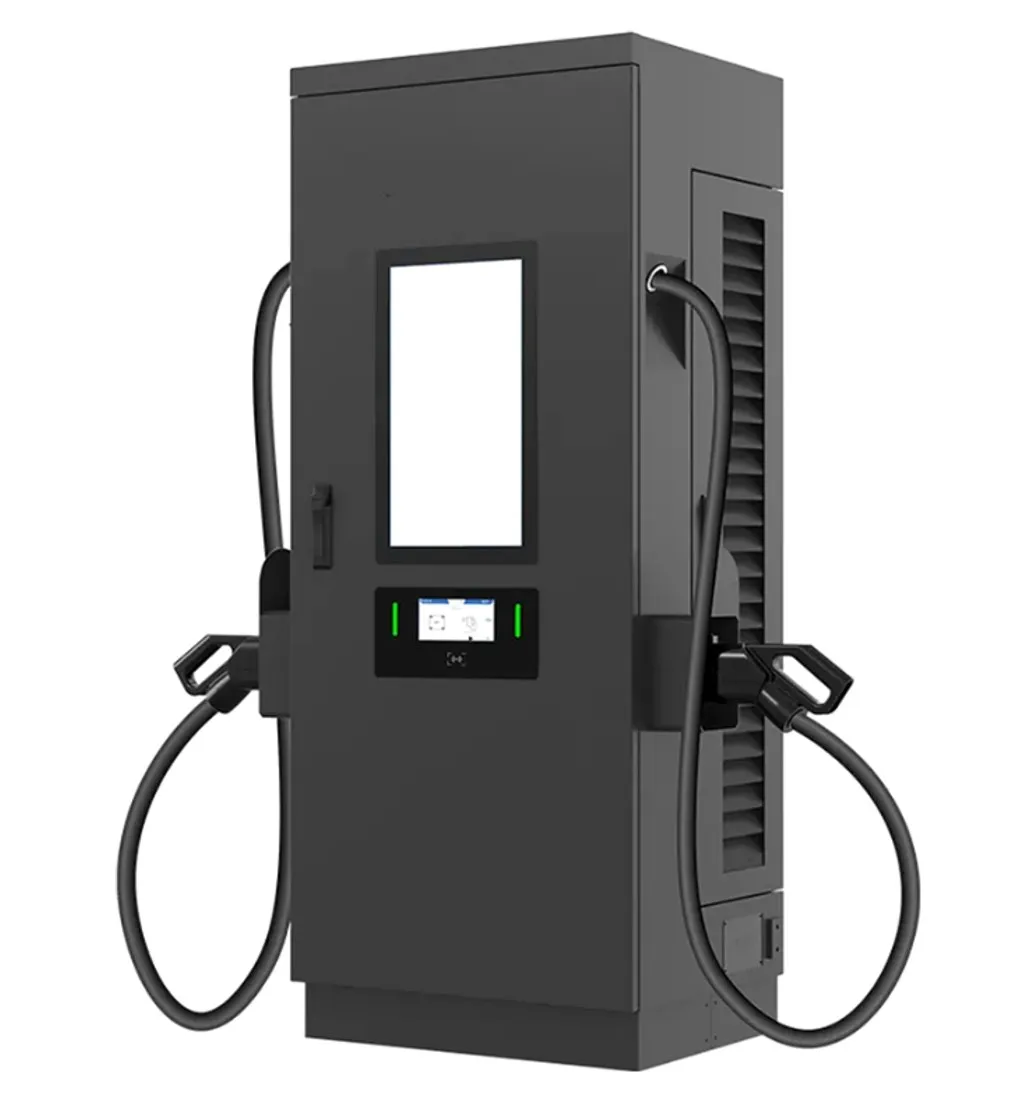
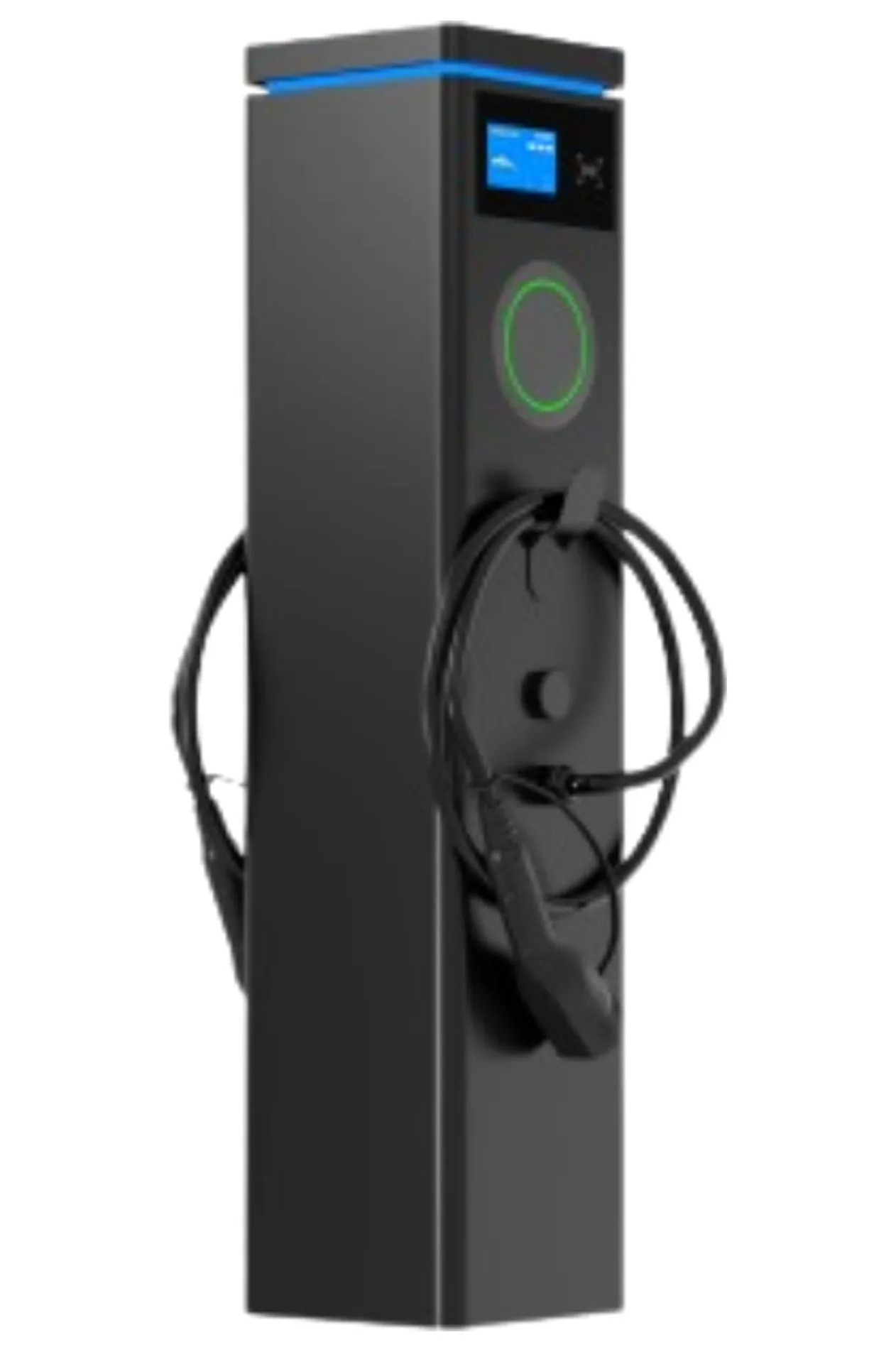
Where VULTAE fits. We manufacture the AC and DC hardware for each of these models — dual-port AC chargers for site hosts, DC wallboxes for fleets, and 60–360 kW dual-connector DC chargers with payment terminals and advertising screens for public networks — all with OCPP 1.6J / 2.0.1, so you keep control of your software choice. Send us your sites and model, and we will propose configurations.
Questions buyers ask
- How do EV charging businesses make money?
- Mainly by selling energy at a margin over its cost, priced per kWh, per minute or per session. Other income includes idle fees, subscriptions, advertising on charger screens, retail and food sales at the site, payments from site hosts or fleets for charging services, and in some markets public grants or environmental credits.
- How much does it cost to start an EV charging business?
- It depends on the model. A site host adding a few AC chargers spends little; a public DC hub with several fast chargers needs a significant investment in hardware, a medium-voltage grid connection, civil works and software. Build the budget from quotes for each layer rather than from the charger price alone.
- Is the EV charging business profitable?
- It can be, when utilization is high enough to cover energy, demand charges and fixed costs. Profitability depends on the site, the price margin, the grid tariff and uptime. US DC fast chargers averaged 16.4 % utilization in 2025, and well-located sites are above that.
- What is the biggest risk in the EV charging business?
- Low utilization in the first years, often combined with fixed costs such as demand charges and software fees. Good site selection, phased build-out and reliable hardware reduce it.
References
- [1]Paren’s 2025 state of the US DC fast charging industry report. EVChargingStations.com.
- [2]IEA: 1.8 million public EV chargepoints added globally in 2025. EV Infrastructure News.
- [3]Global EV Outlook — electric vehicle charging. International Energy Agency.
- [4]Regulation (EU) 2023/1804 on alternative fuels infrastructure (AFIR). EUR-Lex.