Charging Business
Demand Charges: Why a DC Charging Site’s Power Bill Surprises Owners
How demand charges work at DC fast-charging sites, why they hurt most at low utilization, a worked example, and six ways to cut them.
- Prepared by
- VULTAE Engineering Team
- Published
- Reading time
- 4 min
- Sources
- 3 references
Key takeaways
- 1Many commercial tariffs bill not only energy (kWh) but also the highest power drawn in the month (kW). One 15-minute peak from two fast chargers can set that charge for the whole month.
- 2At low utilization, demand charges are spread over few kWh, so the effective electricity cost per kWh soars. RMI found demand charges can be up to around 90 % of a low-use DC site’s monthly bill.
- 3The cure starts before construction: ask the utility for its EV or low-load-factor tariffs, and design the site with load management so the peak is a choice, not an accident.
- 4Site-level power limits, smart scheduling for fleets, batteries and solar can all cap the peak; which one pays depends on your tariff and usage.
Contents
Short answer: on many commercial tariffs you pay twice — for energy (per kWh) and for your highest power peak in the month (per kW). Two fast chargers running together for 15 minutes can set that peak for the whole month. At low utilization the demand charge is spread over very few kWh, so the effective cost per kWh soars; RMI found demand charges can be up to around 90 % of a low-use DC site’s bill. Ask the utility for EV-friendly tariffs and design the site with load management before you build.
How a demand charge works
| Bill component | Measured as | Example |
|---|---|---|
| Energy charge | kWh used in the month | 12,000 kWh × energy price |
| Demand charge | Highest average power in any 15- or 30-minute interval in the month, in kW | 300 kW × demand price |
| Fixed charges | Per month | Meter, connection, service |
The demand charge does not care how often the peak happens. One busy afternoon sets it.
Why it hurts most at low utilization
Example values only — use your own tariff. Two 150 kW chargers, demand charge $15 per kW per month, energy $0.15 per kWh. When both run at once, the peak is about 300 kW, so the demand charge is about $4,500 a month — whatever the usage.
| Energy sold per month | Demand charge per kWh | Energy per kWh | Effective cost per kWh |
|---|---|---|---|
| 5,000 kWh | $0.90 | $0.15 | $1.05 |
| 10,000 kWh | $0.45 | $0.15 | $0.60 |
| 20,000 kWh | $0.225 | $0.15 | $0.38 |
| 40,000 kWh | $0.11 | $0.15 | $0.26 |
This is why new public DC sites can lose money on every kWh in their first year, even with a price that looks generous.
Six ways to reduce demand charges
| Measure | How it works | Best for |
|---|---|---|
| 1. Choose the right tariff | Some utilities offer EV-specific or low-load-factor tariffs with reduced or phased-in demand charges, or time-of-use energy prices instead | Every site — ask before you design |
| 2. Site power limit | Load management caps the total power; chargers share it | Sites where full simultaneous power is rarely needed |
| 3. Dual-connector sharing | Two cars share one cabinet’s power instead of two cabinets adding up | Public sites |
| 4. Smart scheduling | Fleet vehicles charge in sequence or off-peak | Depots with predictable schedules |
| 5. Battery buffer | A battery supplies peaks and recharges slowly | High demand charges, weak grid connections |
| 6. Solar | Reduces daytime energy; reduces demand only if it reliably covers the peak | Sites with daytime peaks and roof or canopy space |
The trade-off with a power limit
A site limit means that at the busiest moments some drivers charge slower. Set it with data: how often do both chargers run at full power, and what would a lower peak save? For many low-use public sites, a limit around 60–70 % of the installed power costs drivers little and saves a large share of the demand charge.
Questions to ask your utility
- Which tariffs are available for EV charging? Are demand charges reduced or phased in?
- Over what interval is demand measured (15 or 30 minutes)?
- Is there a ratchet — does a peak keep affecting the bill for months afterwards?
- Are there time-of-use periods for energy?
- Can the site use a separate meter for charging?
Designing for it
- Put load management in the electrical design from the start.
- Choose chargers that accept remote power limits over OCPP.
- Prefer dual-connector DC cabinets that share power.
- Leave space and ducts for a future battery if the tariff may change.
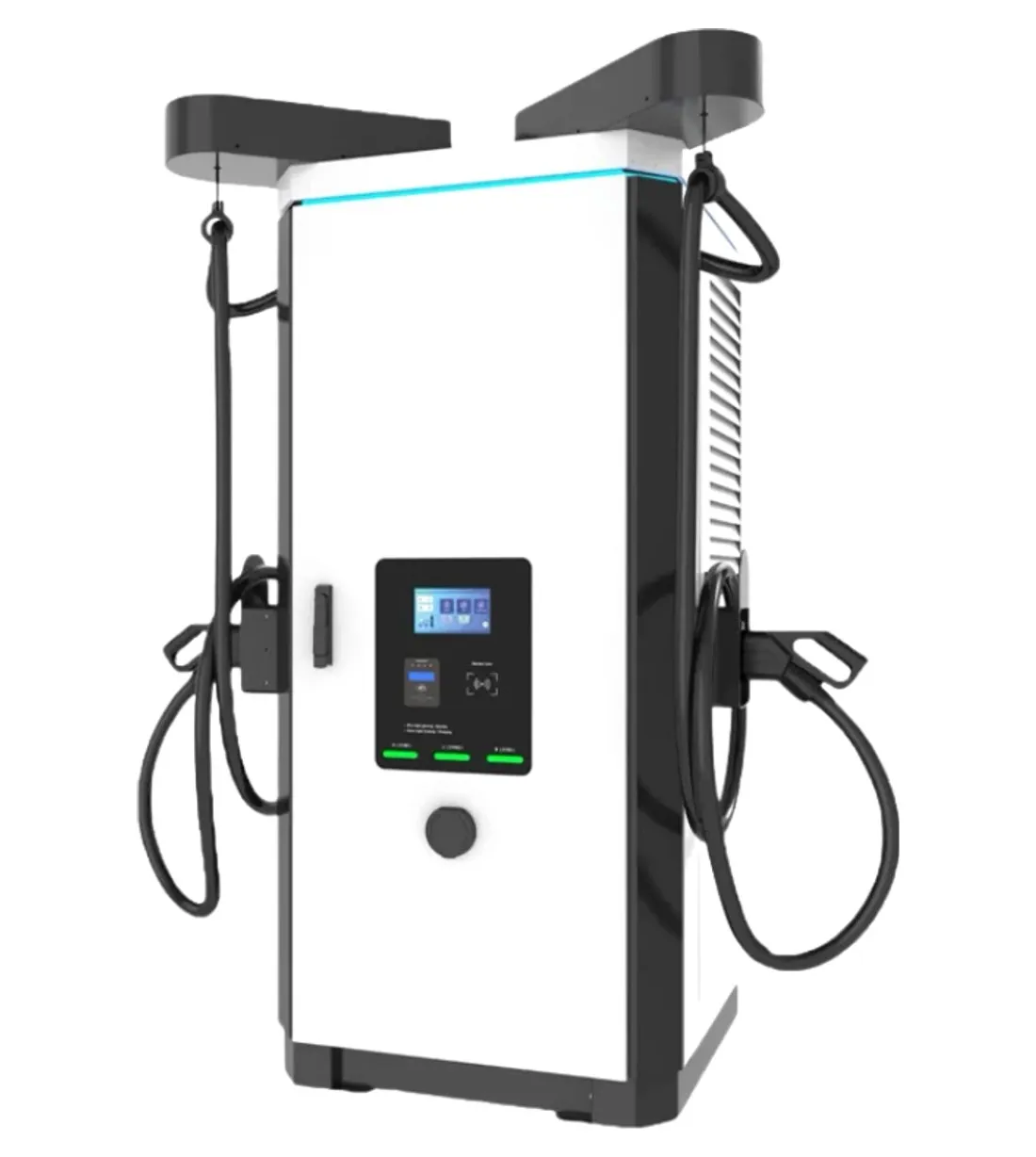
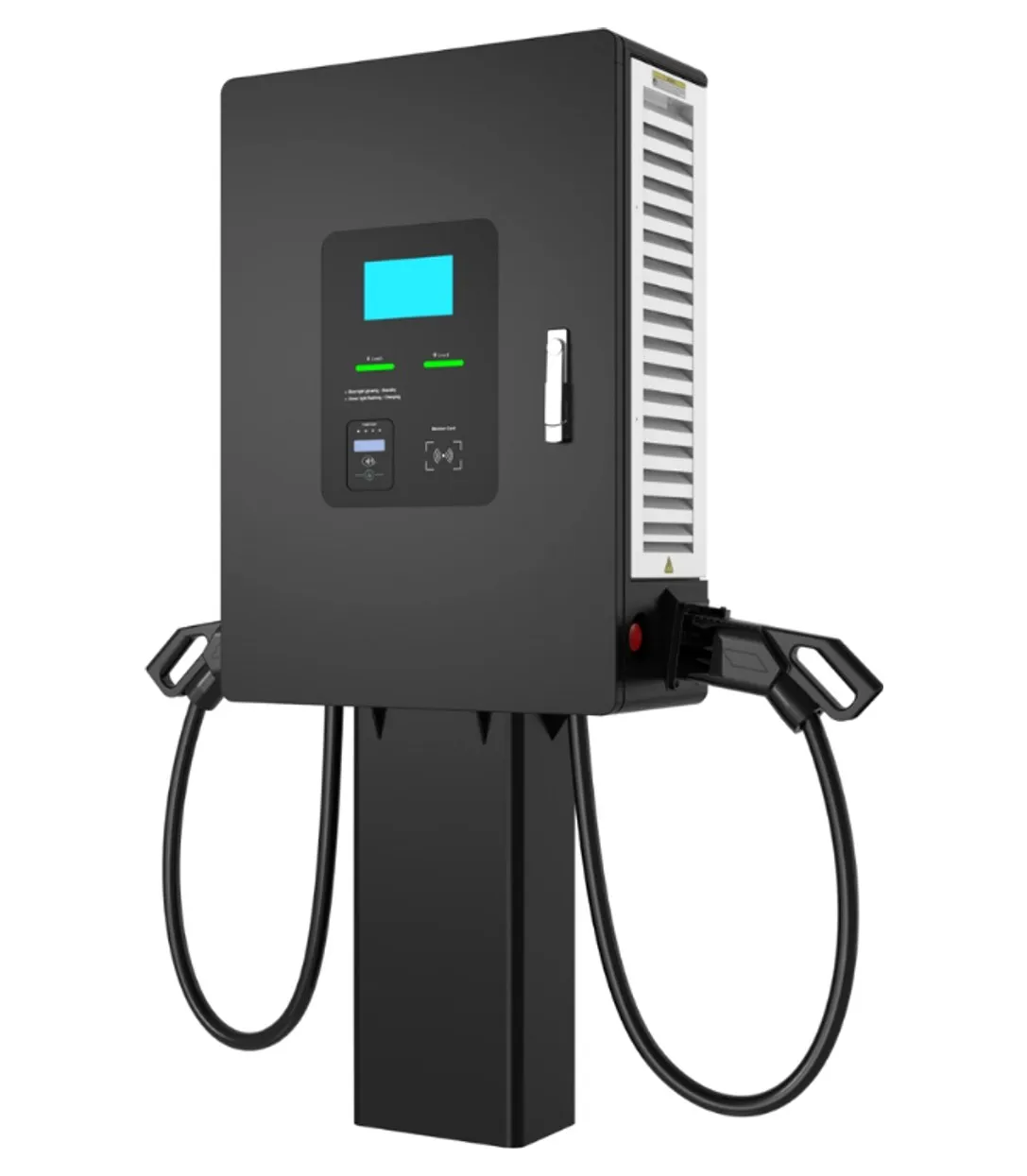
VULTAE DC chargers support dynamic power sharing between their two connectors and remote power limits via OCPP 1.6J / 2.0.1, and our DC wallboxes (20–60 kW) suit fleet depots where charging can be spread over hours. For the full cost picture, see what goes into the cost of an EV charging station.
Questions buyers ask
- What is a demand charge?
- A charge based on the highest power a site draws during the billing period, usually measured over 15 or 30 minutes and billed per kW. It is separate from the energy charge per kWh. A short peak can set the demand charge for the whole month.
- Why are demand charges a problem for EV charging?
- Fast chargers draw high power for short periods. At a site with few sessions, the demand charge is divided over little energy, so the cost per kWh becomes very high. RMI found demand charges can be up to around 90 % of the monthly bill at low-use DC sites.
- How can I reduce demand charges at a charging site?
- Choose a tariff designed for EV charging or low load factors if your utility offers one, set a site-wide power limit with load management, schedule fleet charging off-peak, and consider a battery to supply peaks. Each option has a cost; model them with your tariff.
- Do AC chargers cause demand charges?
- They can, if many AC chargers run at full power at the same time on a commercial tariff. Load management avoids most of it, because AC sessions are long and can be spread out.
References
- [1]DCFC rate design study. RMI.
- [2]Electricity rates for EV direct current fast charging in the United States. National Renewable Energy Laboratory.
- [3]Technology solutions to mitigate electricity cost for EV DC fast charging. National Renewable Energy Laboratory.