Distributors & Installers
Becoming an EV Charger Distributor: How to Start and Win Installer Accounts
How to start distributing EV chargers: range and supplier, certificates, stock and pricing, technical support, and winning installer accounts.
- Prepared by
- VULTAE Engineering Team
- Published
- Reading time
- 3 min
- Sources
- 1 references
Key takeaways
- 1A charger distributor wins on four things installers care about: products that pass inspection and work first time, stock on the shelf, fast technical support, and fair, stable prices.
- 2Start with a focused range — a home wallbox, a commercial dual-port AC unit, a DC wallbox and accessories — in the right market version, with certificates for the exact models.
- 3Support is the product: installation guides, commissioning tools, an app or OCPP back end that works, training, and a quick warranty process.
- 4Grow beyond hardware: services such as commissioning, maintenance and managed charging for installers’ clients add margin and loyalty.

Contents
Short answer: a successful charger distributor gives installers four things: products that pass inspection and work first time, stock on the shelf, fast technical support and fair, stable prices. Start with a focused range in the right market version with certificates for the exact models, build support as carefully as the product list, and grow into services that installers and their clients pay for.
Step 1: pick your customers
| Customer | What they buy | What they need from you |
|---|---|---|
| Electrical installers | Home and small commercial wallboxes | Stock, simple installation, quick support |
| Electrical wholesalers | A range to list | Margin, marketing material, training |
| Car dealerships | Home wallboxes sold with cars, dealership chargers | Branding options, reliable supply |
| Project buyers (developers, councils, CPOs) | AC posts and DC chargers by the project | Specifications, documents, project pricing |
| Fleet operators | Depot chargers | Sizing help, service contracts |
Most distributors start with installers and wholesalers, and add projects as they gain references.
Step 2: a focused range
| Category | Example | Why |
|---|---|---|
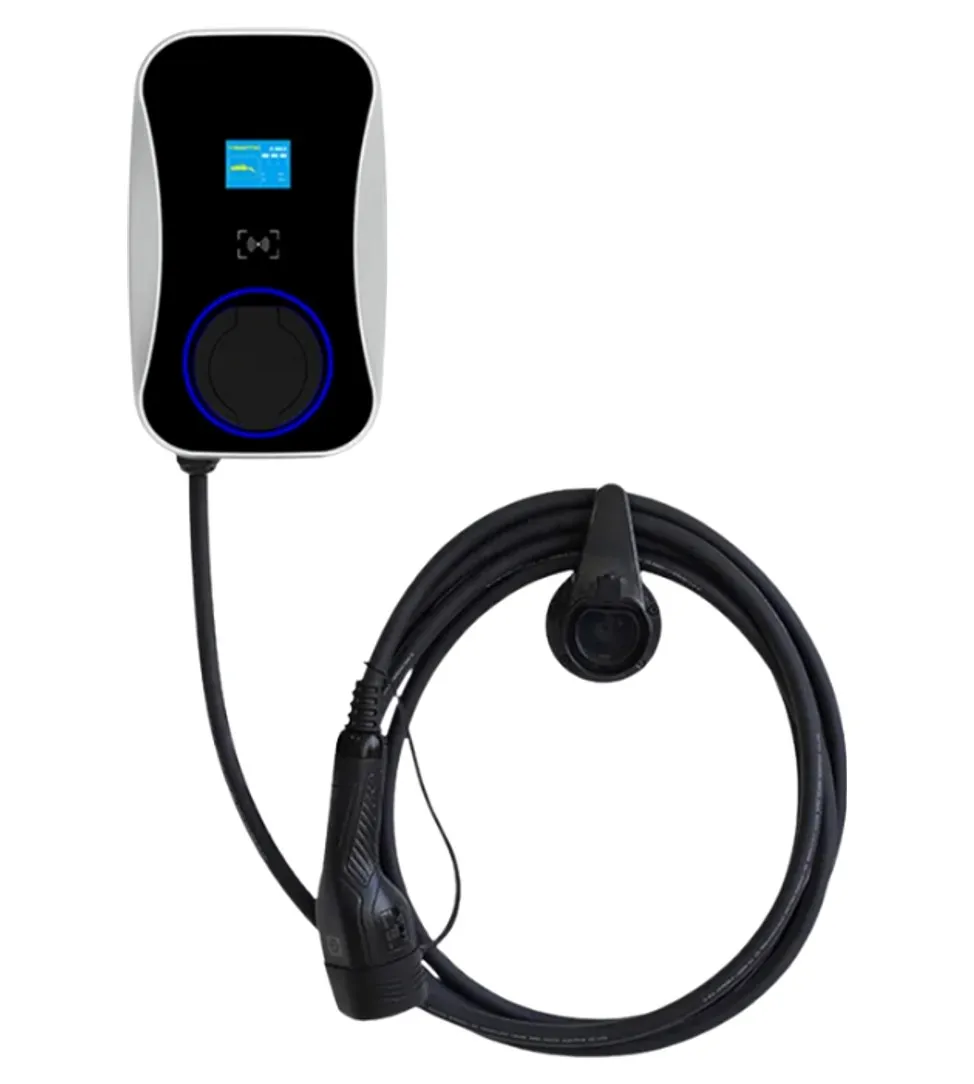
| Home wallbox | 7 kW single-phase, 11/22 kW three-phase; app and OCPP | Volume product |
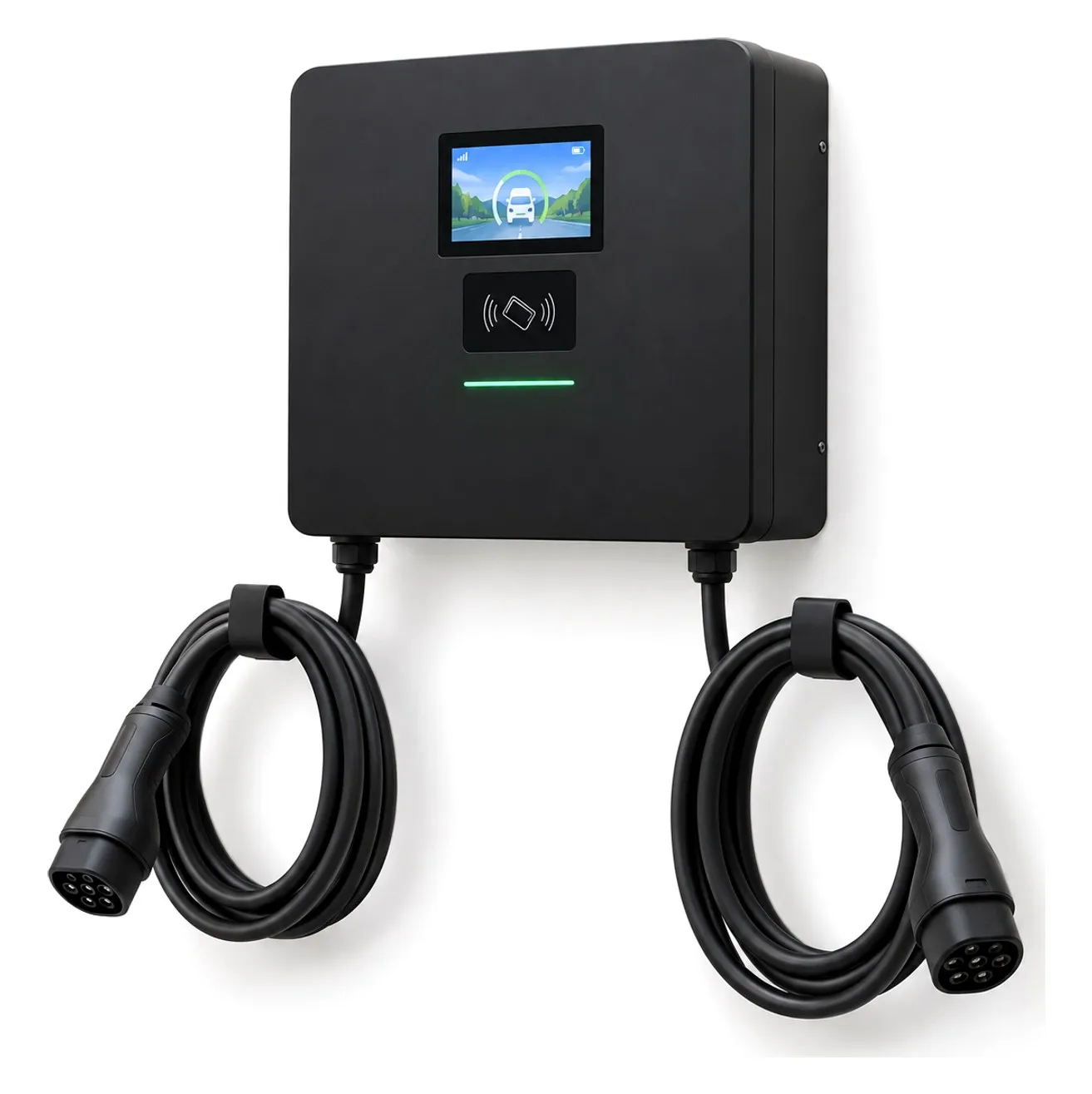
| Commercial AC | Dual-port wall unit or pedestal with RFID, MID option | Workplaces, apartments, hotels |
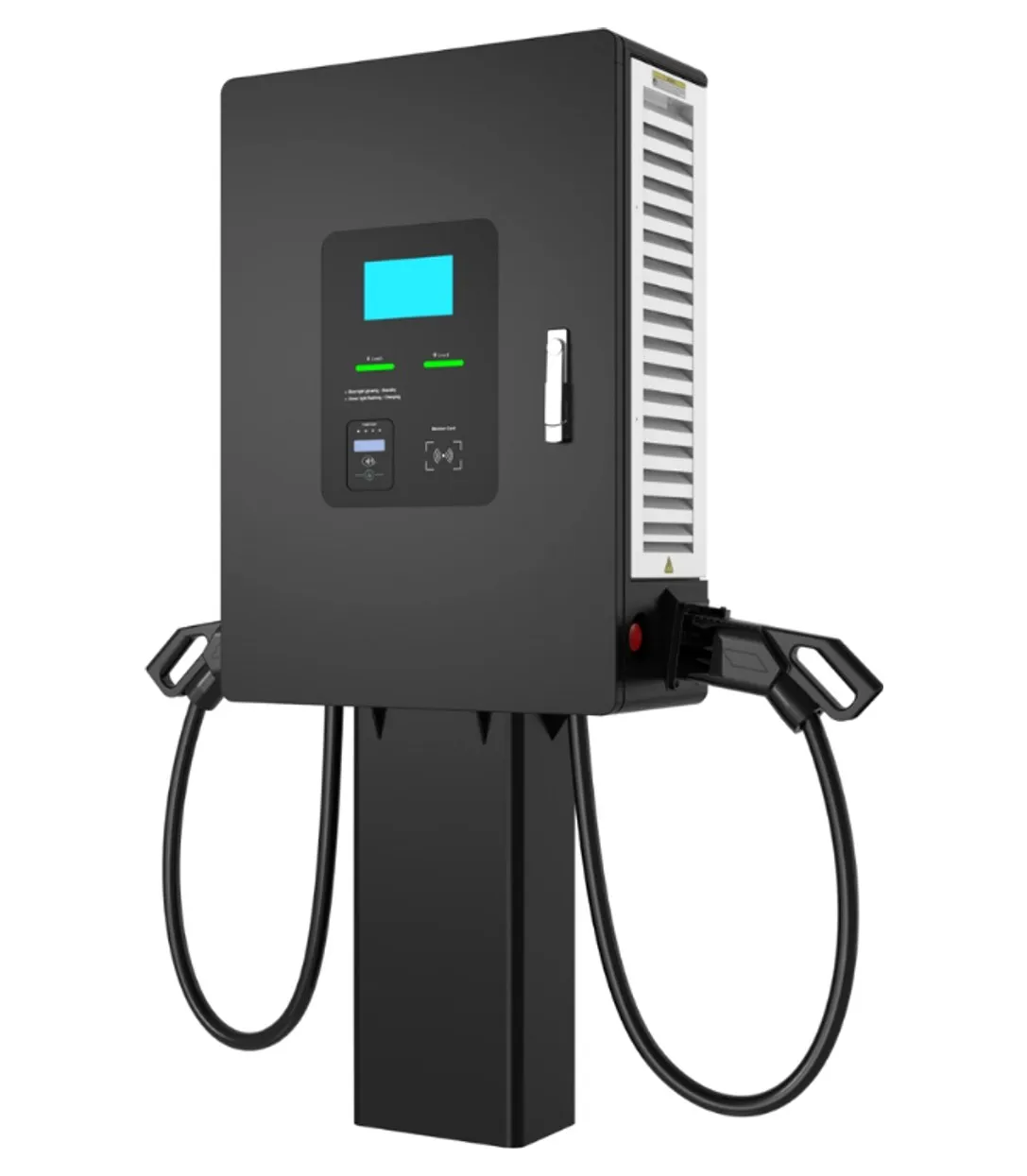
| DC wallbox | 20–60 kW | Dealerships, fleets, small businesses |
| Accessories | Cables, adapters, pedestals, payment stands | Add-on sales |
| DC fast chargers (later) | 120–180 kW dual connector | Projects |
Keep the range small enough to stock and support well. Every model needs documentation, spare parts and trained staff.
Step 3: compliance in your market
As importer or distributor, you carry legal responsibilities. In the EU, for example, importers must check the CE marking, the technical documentation and labelling, and keep records. Before stocking a model:
- Certificates for the exact model, valid in your market — see how to verify a certificate.
- Labels and manuals in your market’s languages.
- Local rules: smart-charging requirements, RCD protection, metering — see our standards pages and country guides.
- If you sell under your own brand, how the certificates are issued or extended to your brand — see OEM / ODM.
Step 4: stock, pricing and terms
| Topic | Good practice |
|---|---|
| Stock | Fast-moving models always in stock; forecast with the supplier |
| Pricing | Clear price list for installers; project pricing rules; stable over time |
| Supplier terms | MOQ, lead time, payment terms, price validity — see MOQ and lead time |
| Exclusivity | Territory or channel exclusivity in exchange for volume commitments |
| Spare parts | Kit in stock; price list for installers |
Step 5: support is the product
Installers remember the distributor who answered the phone when a charger would not commission. Build:
- Installation guides and wiring diagrams in your language.
- Commissioning tools: app, configuration software, OCPP set-up instructions.
- A technical hotline with trained staff; direct line to the manufacturer’s engineers.
- Training for installers, with certificates — a reason to come back.
- A fast warranty process: swap first, investigate later for top accounts.
Step 6: win installer accounts
| Tactic | Why it works |
|---|---|
| Training days with a free demo unit | Installers try the product without risk |
| Next-day delivery | Installers hate waiting for stock |
| Referral of end-customer leads | Builds loyalty |
| Marketing material for installers’ customers | Helps them sell |
| Price protection on quoted projects | Installers keep their margin |
Step 7: grow into services
Hardware margins come under pressure as markets mature. Services add margin and keep customers:
- Commissioning and OCPP set-up for installers’ commercial clients.
- Maintenance contracts and spare-parts kits.
- Managed charging on a white-label CPMS — see franchise, partnership or independent.
- Load-management design for apartments and workplaces.
Working with VULTAE
We supply AC wallboxes, dual-port AC chargers, DC wallboxes, DC fast chargers and accessories in IEC and North American versions, with certificates for the exact models, OEM / ODM private label, and technical support for distributors. See distributors and installers or send us your market and range through the contact form.
Questions buyers ask
- How do I become an EV charger distributor?
- Choose your market and customer group (installers, electrical wholesalers, car dealers, project buyers), select a supplier with certificates for your market, build a focused range, agree pricing, stock and support terms, and train your first installers. Many distributors start with home and commercial AC chargers and add DC later.
- What margin can an EV charger distributor make?
- Margins vary by market, volume and the services you add. Hardware margins come under pressure as markets mature; distributors protect margin through exclusive or private-label ranges, technical support and services such as commissioning and maintenance.
- Should I sell my own brand or the manufacturer’s brand?
- A private-label brand builds long-term value and protects you from price comparison, but needs certification in your name or under your brand, marketing and more stock. Selling the manufacturer’s brand is faster to start. Some distributors do both.
- What do installers expect from a charger distributor?
- Stock available the next day, products that pass inspection, clear installation manuals, quick answers to technical questions, easy commissioning, and fast replacement under warranty.
References
- [1]CE marking — obligations of importers and distributors. European Commission.