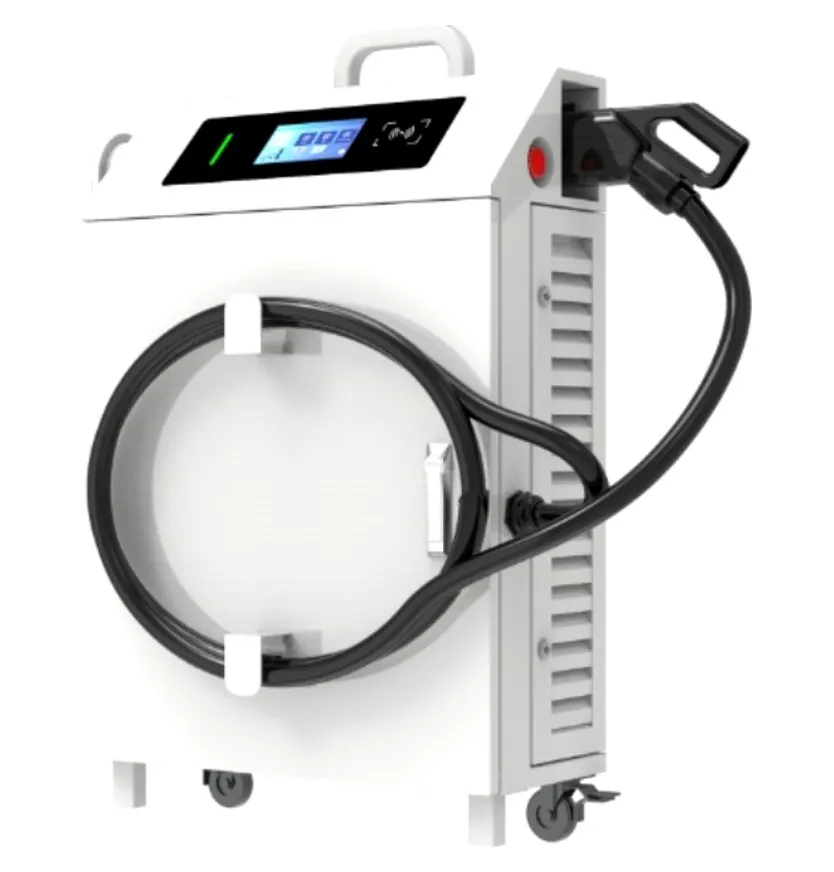
DC fast chargers · 360 kW
360 kW DC Charger for Electric Trucks and Ultra-Fast Hubs
A 360 kW dual-connector DC charger on 480 V: about 387 kVA of supply, two vehicles at up to about 180 kW each, sizing for truck depots and hubs.
- Prepared by
- VULTAE Engineering Team
- Published
- Reading time
- 4 min
- Sources
- 3 references
At a glance
- Rated output
- 360 kW DC
- Market
- North America (480 V, 60 Hz)
- Connectors
- CCS1 · NACS · CHAdeMO options
- Output voltage
- 200–1,000 V DC
- Current per CCS connector
- Up to 200 A
- Input
- 480 V 3-phase, 465 A per phase
- Apparent power
- ≈ 387 kVA
- VULTAE model
- VT-DF360-NA
Key takeaways
- 1The VT-DF360-NA is the top of our dual-connector range for 480 V North American sites. Its job is to keep two high-voltage vehicles charging fast at the same time — with 200 A cables, each connector delivers up to about 160–180 kW depending on the vehicle’s battery voltage.
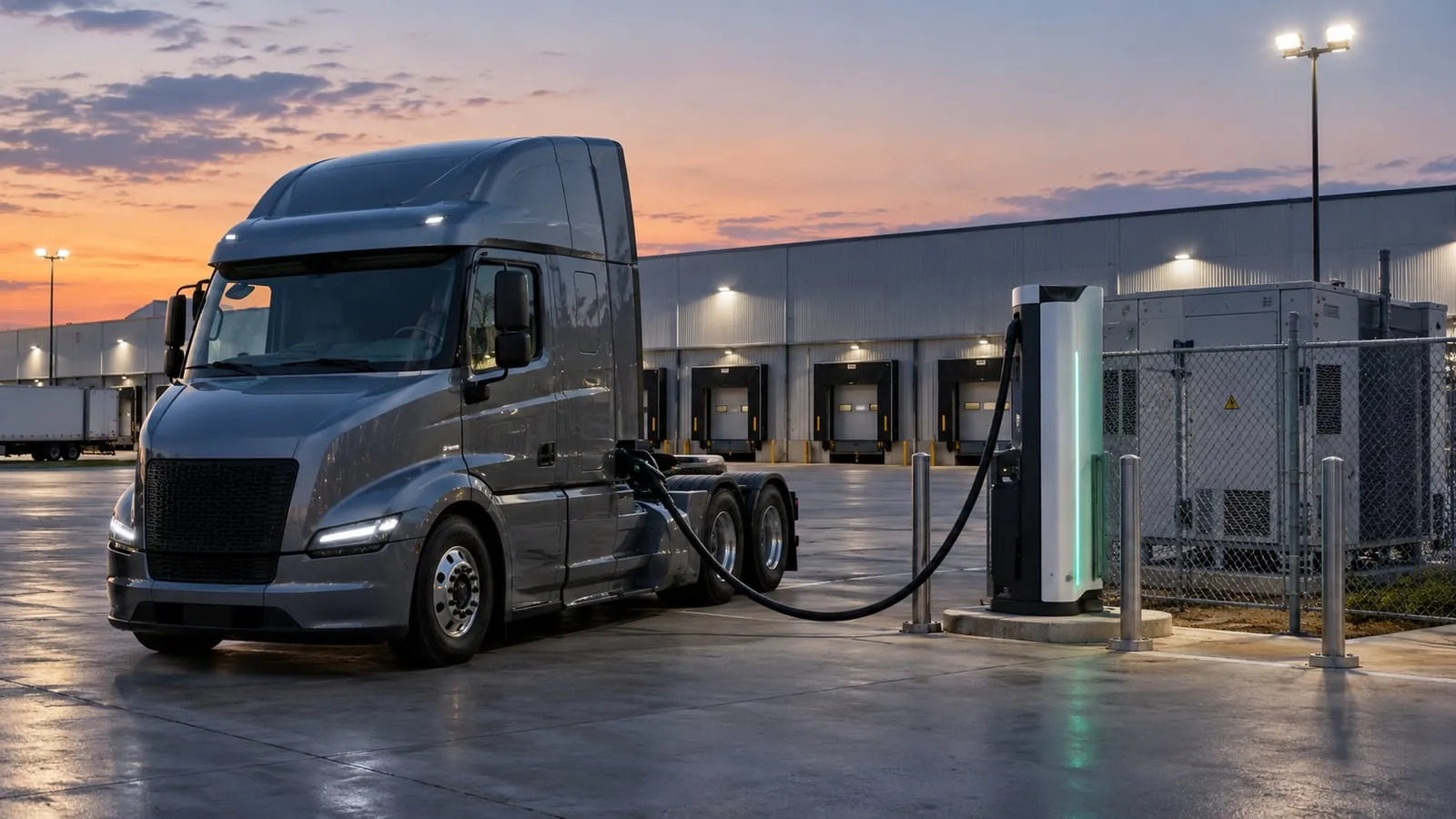
- 2For electric trucks, vans and buses, energy per shift matters more than peak power: a 360 kW unit can put roughly 200–270 kWh into two vehicles in a 45-minute break, depending on their batteries and charging curves.
- 3Plan the supply first: about 387 kVA per charger (465 A per phase at 480 V). Depots with several units almost always need a new utility transformer and load management.
- 4Outside North America, the IEC version of the same cabinet goes up to 300 kW (VT-DF300) on 400 V supplies.
Contents
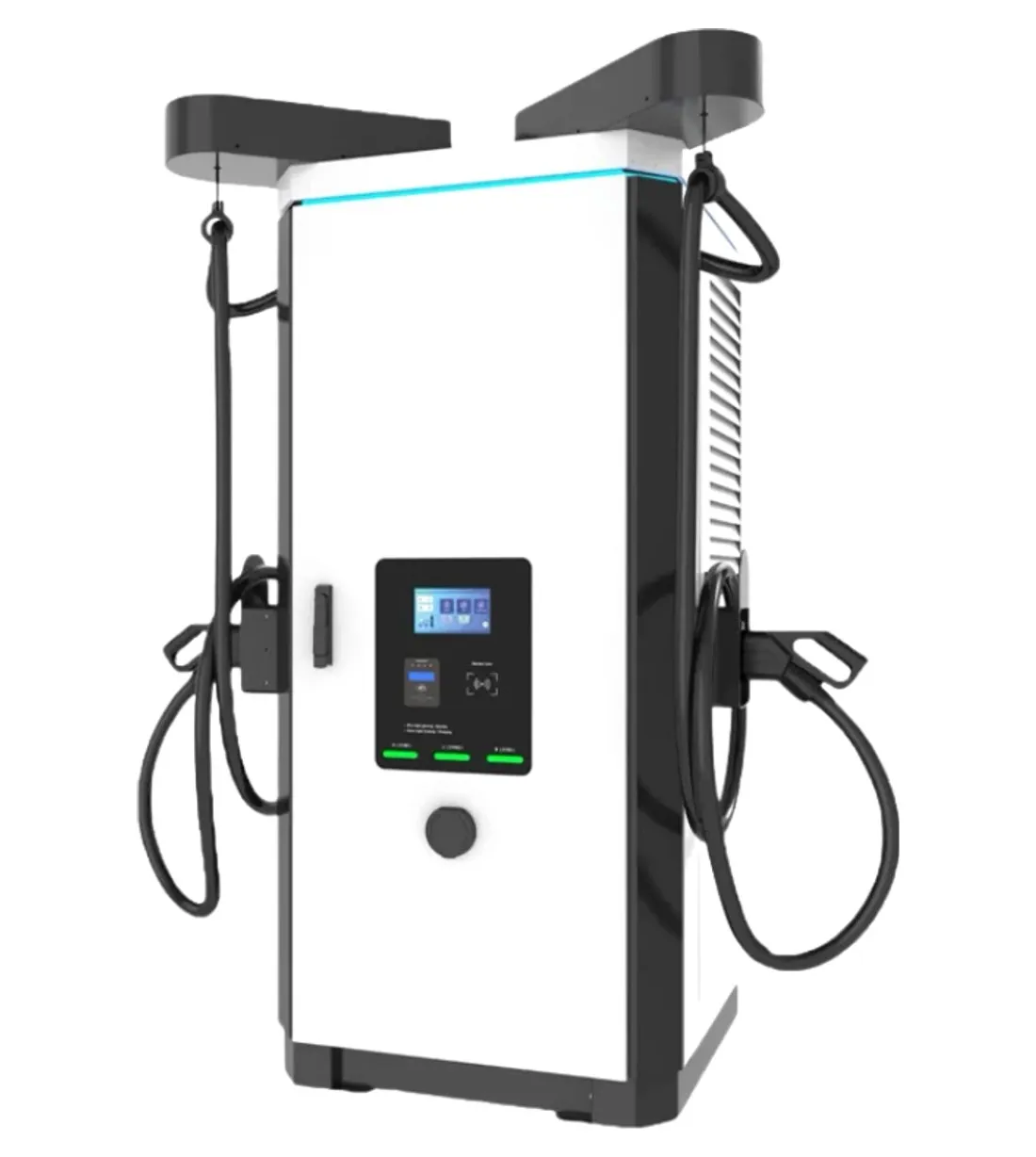
Short answer: the VT-DF360-NA is a 360 kW, two-connector DC charger for 480 V North American sites. It is built to charge two high-voltage vehicles fast at the same time: with 200 A cables, each connector delivers up to about 160–180 kW, depending on the vehicle’s battery voltage. It needs about 387 kVA of supply (465 A per phase at 480 V). It suits truck and van depots with short breaks, busy highway hubs and mixed fleets; for 400 V markets the same cabinet goes up to 300 kW.
What 360 kW means per vehicle
| Situation | Connector A | Connector B | Cabinet used |
|---|---|---|---|
| One 400 V-class car | ≈ 80 kW | — | ≈ ¼ |
| One 800 V-class truck or car | ≈ 160 kW | — | ≈ ½ |
| Two 800 V-class vehicles | ≈ 160 kW | ≈ 160 kW | ≈ 90 % |
| Two vehicles near 900 V | ≈ 180 kW | ≈ 180 kW | All |
| One 400 V + one 800 V vehicle | ≈ 80 kW | ≈ 160 kW | ⅔ |
Peak values with 200 A CCS1 cables, before the vehicles’ charging curves taper. A 360 kW cabinet is about simultaneous high-power charging — it pays off when two heavy, high-voltage vehicles regularly charge together.
Sizing for trucks, vans and buses: think in energy per break
For commercial vehicles, the useful question is not “how many kW?” but “how many kWh can I put back during the break?”
| Fleet pattern | Typical solution |
|---|---|
| Overnight depot charging, 8+ hours | 60–150 kW per vehicle is usually enough — see fleet depot sizing |
| Double shifts, 30–60 minute breaks | 240–360 kW dual-connector units at the depot |
| Regional trucks charging on the route | 360 kW units at truck stops with pull-through bays |
| Buses with short layovers | High-power DC at the terminal; overnight AC or DC at the depot |
| Mixed cars and vans | Power sharing lets one cabinet serve both |
Always check each vehicle’s connector, maximum charging current and voltage range — and for trucks, the cable length and reach to the inlet position. Pull-through bays and 6 m or custom-length cables avoid tight manoeuvres.
Supply and site
| Item | VT-DF360-NA |
|---|---|
| Supply | 480 V AC 3P+N+PE, 60 Hz |
| Input current | Up to 465 A per phase |
| Apparent power | ≈ 387 kVA per unit |
| Typical feed | Dedicated utility service and transformer; several units share a site transformer with load management |
| Foundation | Concrete pad, cable entry from below; bollards for truck bays |
| Enclosure | NEMA Type 3R, IK10, −25 °C to +55 °C |
At this power, demand charges often decide operating cost. A depot with four 360 kW units can draw well over 1 MW at peak. Scheduling, site-level load management and, where available, utility make-ready or fleet tariffs should be part of the design — see demand charges.
400 V markets
The VT-DF360-NA is a 480 V North American model. For 230/400 V sites in Europe, the Middle East, Asia-Pacific and elsewhere, the same cabinet is built up to 300 kW (VT-DF300) with CCS2 + CCS2 or CCS2 + CHAdeMO connectors and 465 A per phase at 400 V. For truck and bus depots in those markets, see 240 kW and the VT-DF product page.
VT-DF360-NA specifications
| VT-DF360-NA | |
|---|---|
| Max. output power | 360 kW |
| Output voltage | 200–1,000 V DC |
| Connectors | CCS1; NACS and CHAdeMO options |
| Max. current | CCS1 up to 200 A; CHAdeMO 150 A |
| Efficiency | ≥ 95.2 % at full load |
| Enclosure | NEMA Type 3R · IK10 |
| Operating temperature | −25 °C to +55 °C (−13 °F to +122 °F) |
| Design standards | UL 2202, UL 2231-1/-2, CSA C22.2 No. 280 and No. 281.2 |
| Interface | 7″ touchscreen, RFID, QR code; OCPP 1.6J / 2.0.1 |
| Options | 21″ advertising screen, POS card payment, 4G, custom cable length |
| Footprint (W × D × H) | 850 × 840 × 1,850 mm (plus 115 mm cable hanger) |
Questions buyers ask
- How fast does a 360 kW charger charge an electric truck?
- Per connector, power is the cable current times the battery voltage. With 200 A CCS cables, a truck with an 800 V-class battery charges at up to about 160 kW, and one around 900 V at up to about 180 kW, until its charging curve tapers. Two trucks can charge at those speeds at the same time on one 360 kW cabinet.
- What supply does a 360 kW DC charger need?
- The VT-DF360-NA draws up to 465 A per phase at 480 V, about 387 kVA. One unit usually needs a dedicated service and transformer; a depot with several units needs a utility transformer sized for the whole site and load management to control demand charges.
- Is a 360 kW charger available for 400 V markets?
- The 360 kW model is built for 480 V, 60 Hz North American supplies. For 230/400 V markets, the same VT-DF cabinet is available up to 300 kW (VT-DF300), with CCS2 and CHAdeMO connectors.
- Do electric buses need a 360 kW charger?
- Not usually for overnight depot charging, where 60–150 kW per bus over several hours is enough. High-power units help where vehicles must recharge quickly between shifts or routes — for example trucks on double shifts or buses with short layovers.
References
- [1]SAE J3400 — North American Charging System (NACS) electric vehicle coupler. SAE International.
- [2]UL 2202 — standard for electric vehicle charging system equipment. UL Standards & Engagement.
- [3]Alternative Fuels Data Center — developing infrastructure to charge electric vehicles. U.S. Department of Energy.