Fleet & Heavy Vehicles
Charging Electric Buses and Trucks: Power, Connectors, Depots
How electric buses and trucks charge: depot vs opportunity charging, 150–400 kW DC, CCS and MCS, energy needs per shift and depot planning basics.
- Prepared by
- VULTAE Engineering Team
- Published
- Reading time
- 3 min
- Sources
- 3 references
Key takeaways
- 1Buses and trucks charge in two ways: slowly at the depot overnight (50–150 kW per vehicle) and quickly during the day at stops or hubs (150–400 kW and up). Which you need depends on the daily distance and the time available.
- 2Energy per shift is the starting number: a bus using 1.2 kWh/km for 250 km needs about 300 kWh; a heavy truck at 1.5–2 kWh/km for 400 km needs 600–800 kWh. Divide by the hours available to find the power.
- 3Connectors: CCS is common for buses and trucks in Europe and North America today; the Megawatt Charging System (MCS) is being introduced for heavy trucks above about 1 MW. Check what the vehicle supports.
- 4Depot planning is a power and layout problem: supply capacity, load management, bay geometry and charger count per vehicle. A ratio of one charger per vehicle is not always needed with dual-gun units and scheduling.
Contents
Short answer: buses and trucks charge slowly at the depot overnight (50–150 kW per vehicle) or quickly during the day (150–400 kW and above). Start from energy per shift, divide by the time available, and plan the supply and load management for the whole depot. Check the connector the vehicle uses: CCS today for most, MCS for the heaviest trucks.
Two ways to charge
| Mode | Power | Where | Typical use |
|---|---|---|---|
| Depot (overnight) | 50–150 kW per vehicle | Fleet yard | Daily top-up while parked 6–10 hours |
| Opportunity (en route) | 150–450 kW | Terminals, stops, hubs | Short top-ups during the day |
| Destination | 22–150 kW | Warehouses, ports | Charge during loading and unloading |
| Public hub | 150–400 kW | Highways | Long-distance trucks |
Energy and power: the sizing method
- Daily distance × consumption = energy per shift.
- Time available to charge.
- Energy ÷ time = average power (add 10–15% for charging losses and a safety margin).
| Vehicle | Consumption (typical) | Distance | Energy per shift | Power for 8 h |
|---|---|---|---|---|
| City bus (12 m) | about 1.2 kWh/km | 250 km | about 300 kWh | about 40 kW (+ losses) |
| Articulated bus | about 1.8 kWh/km | 250 km | about 450 kWh | about 60 kW |
| Delivery van | about 0.3 kWh/km | 150 km | about 45 kWh | about 6 kW |
| Medium truck | about 1.0 kWh/km | 250 km | about 250 kWh | about 35 kW |
| Heavy truck | about 1.5–2.0 kWh/km | 400 km | 600–800 kWh | 80–100 kW (8 h) or 500+ kW (1 h) |
Real consumption depends on load, climate and terrain; use your own data. See the fleet depot sizing article.
Connectors and standards
- CCS (CCS2 in Europe, CCS1 in North America) is used by many buses and trucks today, with currents up to 500 A on liquid-cooled cables.
- GB/T in China.
- MCS (Megawatt Charging System) is being introduced for heavy trucks above about 1 MW; check availability and vehicle support.
- Pantograph (roof or underbody) is used for some buses on routes.
See connector types and cable cooling.
Depot design
| Topic | Points |
|---|---|
| Supply | Total power for all chargers, with diversity — see grid power for DC sites |
| Load management | Prioritise by departure time — see load management |
| Layout | Turning circles, bay length, cable reach; cable booms for large vehicles |
| Charger type | Dual-gun cabinets with dynamic sharing reduce cost — see single vs dual gun |
| Protection | Bollards, canopies, drainage and lighting |
| Software | OCPP with a fleet or depot management system |
| Maintenance | High availability: spare modules and connectors on site |
| Safety | Fire-fighting procedures, emergency stop, training |
Opportunity charging
At a bus terminal a 300 kW charger can add 50 kWh in about 10 minutes at a stop, but it needs a large supply and a smart schedule. Cost vs benefit depends on the route and the tariff. For tariffs and demand charges see demand charges.
Business view
Fleet charging is often the most predictable demand for a charging operator because the schedule is known. See fleet depot sizing and rental and ride-hailing fleets for related cases.
VULTAE for fleets
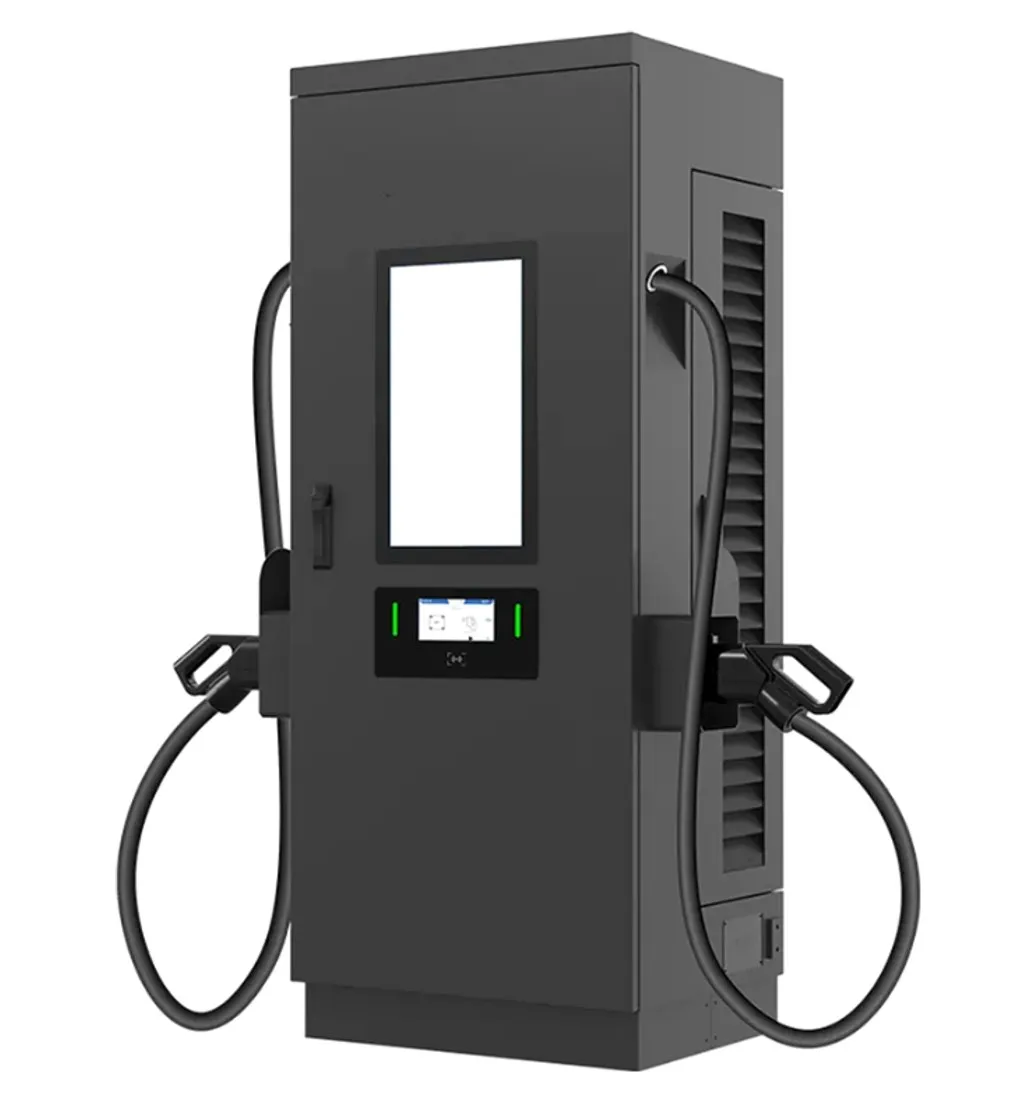
VULTAE’s floor-standing DC chargers range from 60 to 360 kW with dual connectors and dynamic power sharing, and AC chargers are available for overnight van and light-truck charging. For heavy trucks, tell us the vehicle’s voltage, current and connector and we will confirm what is available. See the DC fast charger and the fleet solutions page.
Questions buyers ask
- How much power does an electric bus need to charge?
- Overnight depot charging uses 50–150 kW per bus. A 300 kWh pack takes about 3–6 hours at 50–100 kW. Opportunity charging during the day uses 200–450 kW for a few minutes per stop.
- What connector do electric trucks use?
- Many trucks and buses use CCS today. The Megawatt Charging System (MCS) is being introduced for heavy long-haul trucks that need over 1 MW. Check the vehicle specification and the market.
- How many chargers does a depot need?
- It depends on the shifts and the dwell time. If vehicles stay 8–10 hours overnight, one dual-gun charger can serve two vehicles in sequence or share power. A detailed schedule shows how many chargers you need.
- Do bus and truck chargers need special features?
- They need high availability, robust cables and connectors, load management and smart scheduling, and often integration with fleet or depot software through OCPP.
References
- [1]IEC 61851-23:2023 — DC electric vehicle supply equipment. International Electrotechnical Commission.
- [2]Regulation (EU) 2023/1804 — AFIR. EUR-Lex.
- [3]Open Charge Point Protocol (OCPP). Open Charge Alliance.