Fleet & Heavy Vehicles
EV Charging for Rental and Ride-Hailing Fleets
Charging strategies for rental and ride-hailing fleets: turnaround charging at rental lots, driver hubs, home charging, DC power, access control.
- Prepared by
- VULTAE Engineering Team
- Published
- Reading time
- 3 min
- Sources
- 1 references
Key takeaways
- 1Rental fleets charge between rentals; the goal is to turn a returned car around with enough charge before the next customer — DC at return areas, AC in storage bays.
- 2Ride-hailing and taxi cars drive 200–400 km a day, so charging time is lost earning time. Fast DC hubs near demand, shared by many drivers, are the backbone; home charging helps where drivers have parking.
- 3Driver access and billing need careful design: RFID per car or per driver, fleet prices, and reports that separate company energy from private use.
- 4Utilization at good fleet hubs can be far above public averages — which makes higher-power DC and strong uptime worth paying for.
Contents
Short answer: rental fleets need to turn returned cars around quickly — DC at return areas, AC in storage bays. Ride-hailing and taxi cars drive 200–400 km a day, so charging time is lost income — they rely on fast DC hubs near demand, plus home AC where drivers can park. Both need access control and billing per vehicle or driver. Because fleet hubs are used intensively, higher-power DC and strong uptime pay off more than at average public sites.
Two fleet types, two patterns
| Car rental | Ride-hailing and taxi | |
|---|---|---|
| Daily distance | Varies by customer | Typically 200–400 km |
| When charging happens | Between rentals, at the branch | Between trips, at shift changes, overnight |
| Who plugs in | Staff | Drivers |
| Key constraint | Turnaround time before the next rental | Earning time lost while charging |
| Typical chargers | DC at return area; AC in storage | DC hubs; home AC for drivers who can |
Rental fleets: plan by turnaround
| Area | Purpose | Recommended |
|---|---|---|
| Return lane | Top up returned cars during cleaning and checks | 60–120 kW DC, dual-connector |
| Preparation bays | Bring cars to the minimum state of charge | DC wallboxes, 20–60 kW |
| Storage | Cars waiting a day or more | AC dual-port posts, 7–22 kW, load-managed |
| Airport branches | Peak returns at the same time | More DC; schedule by next booking |
Set a minimum state of charge for each rental, link chargers to the fleet system so staff know which cars to plug in first, and keep spare capacity for peaks around holidays.
Ride-hailing and taxis: plan by lost earning time
For a driver, 30 minutes at a slow charger is 30 minutes without fares. That puts the value on speed and certainty:
| Need | Solution |
|---|---|
| Charge quickly between trips | 120–180 kW dual-connector DC; most ride-hailing cars are 400 V class and draw about 70–90 kW on a 200 A cable — see 120 kW |
| Find a free charger | Hubs with many bays; real-time availability in an app |
| Low energy cost | Overnight AC at home or at the depot; time-of-day prices at hubs |
| Facilities | Toilets, food, rest area at hubs |
| Reliability | Uptime and session success above public averages — see uptime |
A dedicated hub that serves a ride-hailing platform or taxi company can reach utilization well above the public average, because drivers charge often and at predictable times — see is an EV charging station profitable?.
Access, billing and reporting
| Requirement | How |
|---|---|
| Only fleet vehicles or drivers | RFID per car or per driver; app accounts |
| Fleet price vs public price | Group tariffs in the CPMS |
| Company vs private energy | Separate cards or accounts; reports per driver |
| Integration with the fleet system | Data export or API from the CPMS |
| Mixed public use | Card terminal or QR code for public users at off-peak times |
See charge point management software and payment options.
Sizing
Use energy and time: daily kWh per vehicle ÷ available charging time = minimum power, then decide how many vehicles share each charger. The full method is in how many chargers does a fleet depot need?.
Recommended VULTAE configuration
| Site | Model |
|---|---|
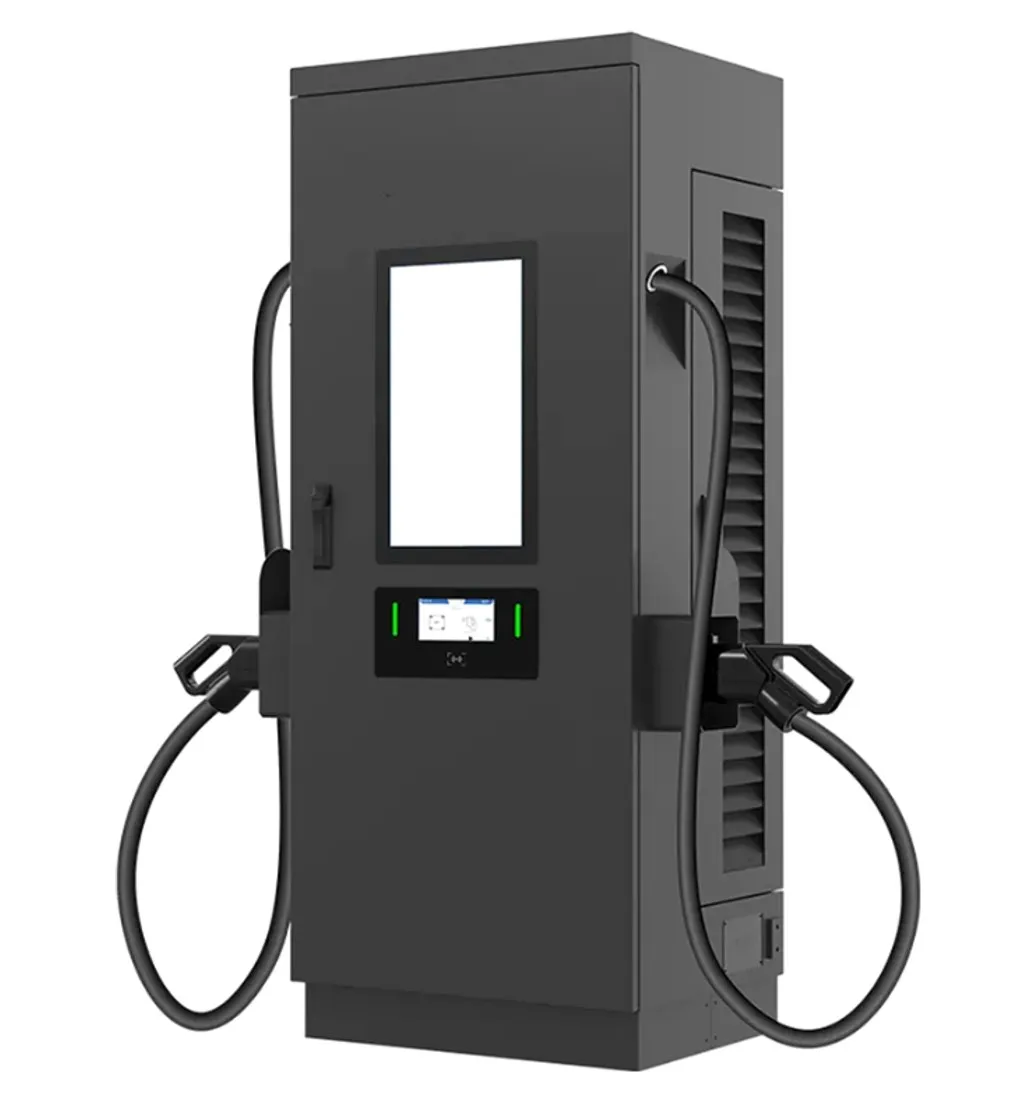
| Ride-hailing and taxi hubs | VT-DF dual-connector DC, 120–180 kW, RFID, card terminal option |
| Tight urban hubs | VT-DFC compact DC, 120 / 180 kW |
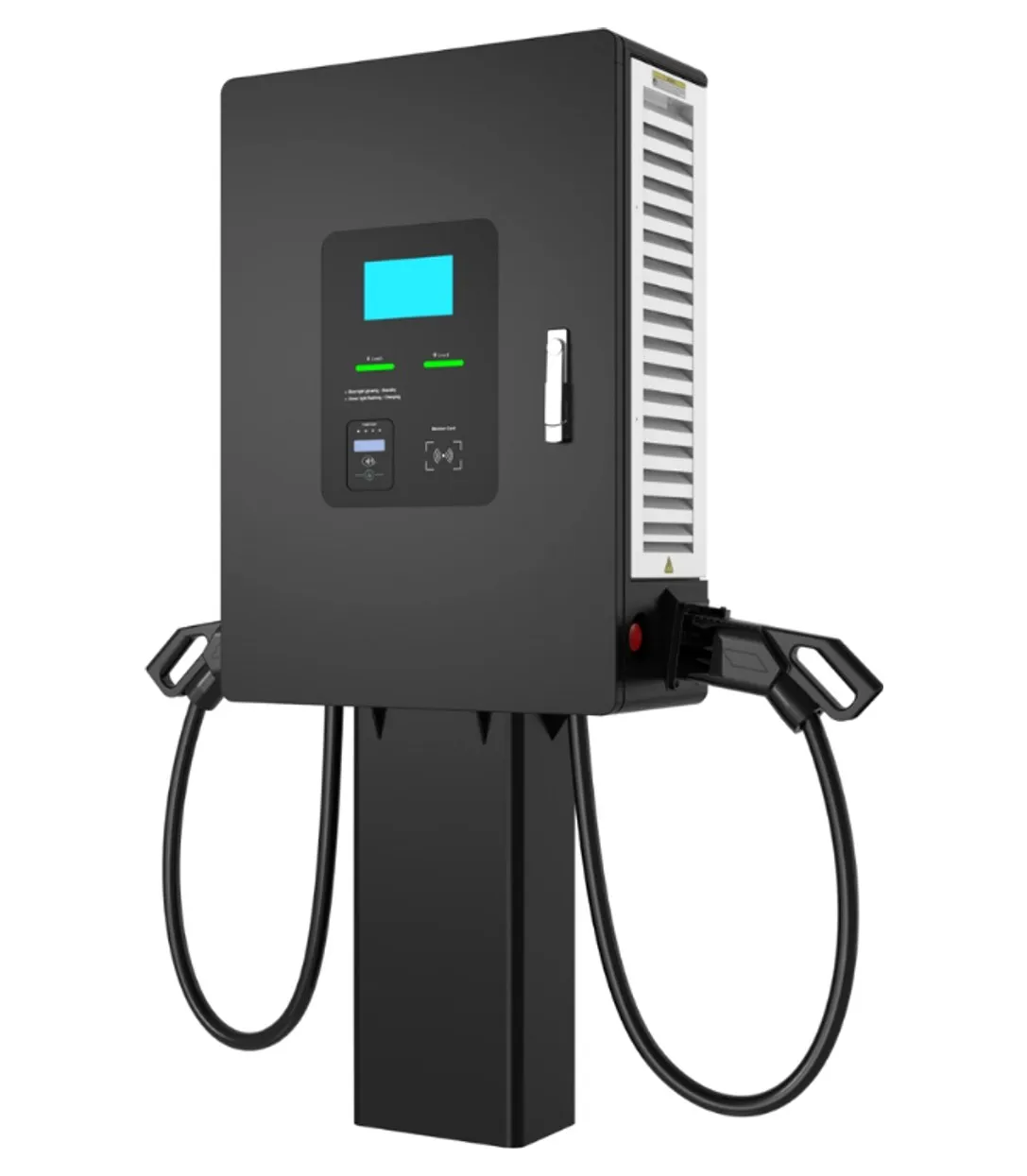
| Rental return and preparation areas | VT-DF 60–120 kW; VT-DW DC wallbox 20–60 kW |
| Storage and overnight bays | VT-CP dual-port AC pedestal, load-managed |
| Drivers’ homes | VT-HW smart wallbox with fleet reporting via OCPP |
Questions buyers ask
- How do car rental companies charge their EVs?
- Usually with DC chargers at return and preparation areas to turn cars around quickly, plus AC chargers in storage bays for cars waiting longer. The aim is a minimum state of charge before each new rental.
- What chargers do ride-hailing drivers need?
- Fast DC charging near where they work, at hubs they can reach between trips, typically 60–180 kW. Drivers with home parking can charge overnight on AC, which is usually cheapest.
- How do fleets control who charges and who pays?
- With RFID cards or app accounts per vehicle or per driver, fleet tariffs in the charge point management software, and reports per vehicle and driver. Company vehicles and drivers’ private cars can be billed differently.
- Is a dedicated ride-hailing charging hub profitable?
- It can be, because ride-hailing drivers charge often and at predictable times, raising utilization. The business case depends on site cost, grid connection, prices and uptime — see the utilization method in our profitability guide.
References
- [1]Paren’s 2025 state of the US DC fast charging industry report. EVChargingStations.com.