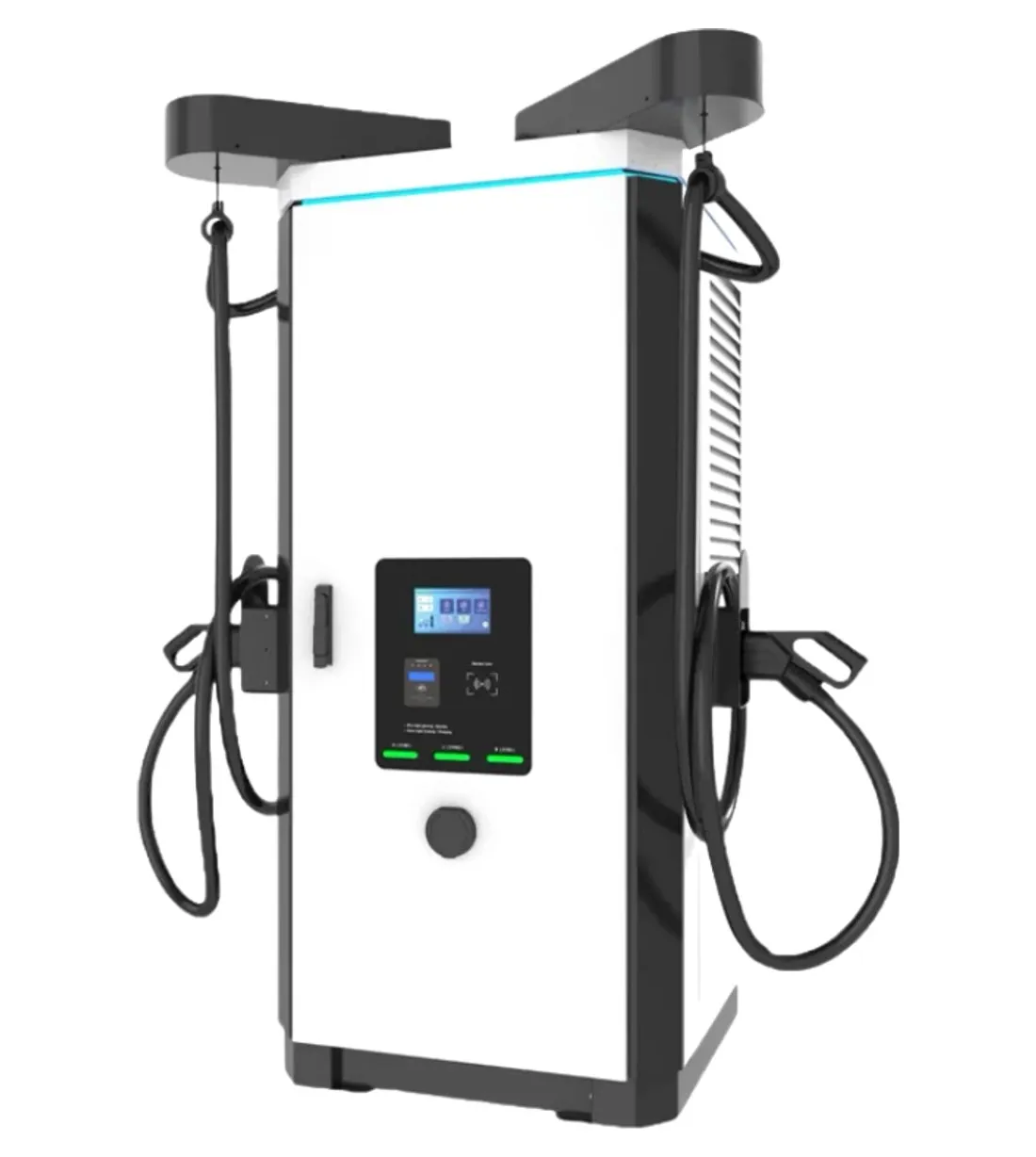
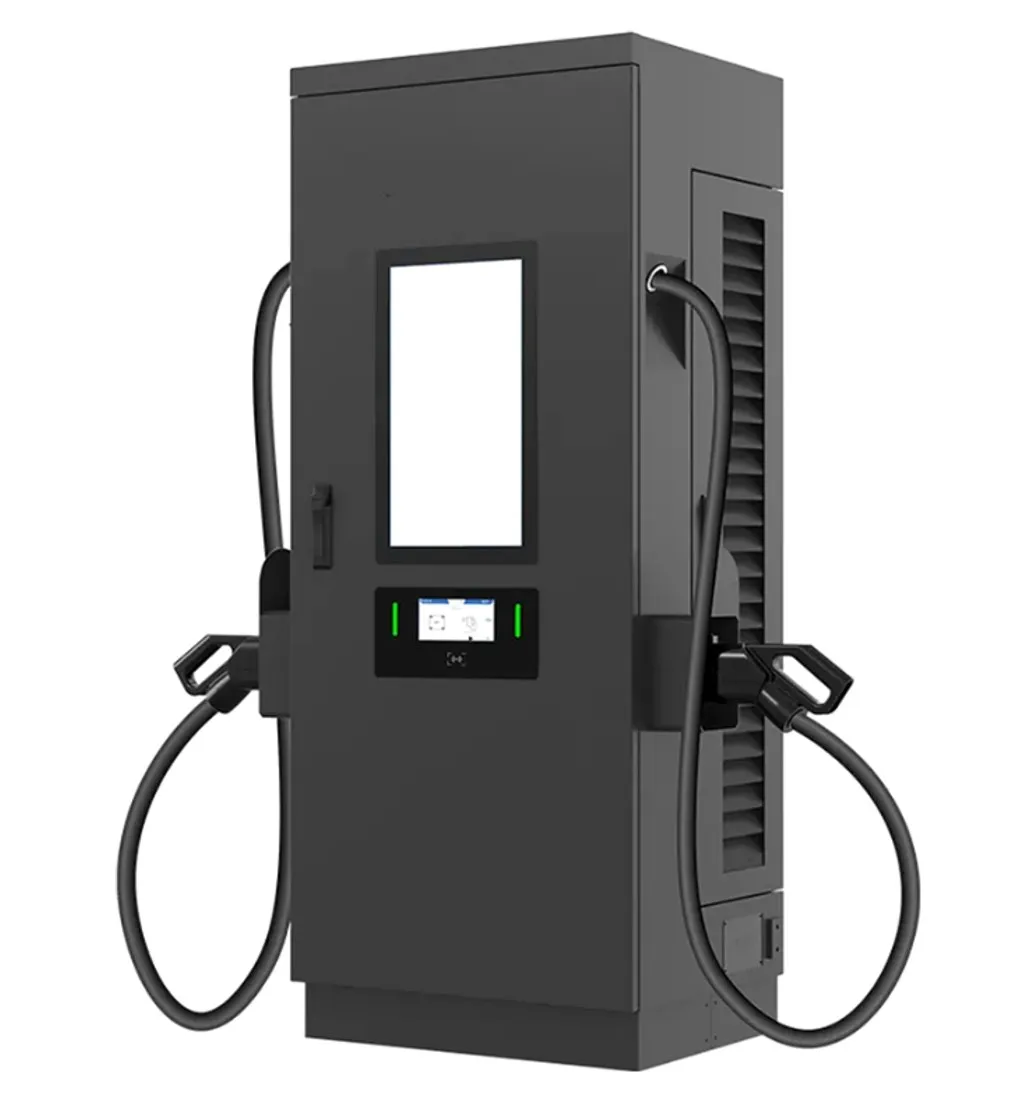
DC Fast Charging
Liquid-Cooled vs Air-Cooled DC Charging Cables
When a DC charger needs a liquid-cooled cable: current limits of air-cooled cables, weight, cost, maintenance, trucks and 350 kW sites compared.
- Prepared by
- VULTAE Engineering Team
- Published
- Reading time
- 3 min
- Sources
- 2 references
Key takeaways
- 1Current heats the cable. An air-cooled DC cable of practical thickness is limited to roughly 200–250 A per connector. Beyond that, liquid cooling keeps a thin, light cable cool enough: it allows 400–500 A and more.
- 2At 400 V, 250 A is only 100 kW. At 800–1,000 V, 250 A already gives 200–250 kW. So liquid cooling matters most for high-voltage vehicles, trucks and 350 kW-class chargers.
- 3Liquid-cooled cables cost more, add a coolant circuit and need maintenance (pump, coolant, seals), but they are lighter and easier for drivers.
- 4Choose by the vehicles you expect: for 400 V cars below about 100 kW, air-cooled is enough and simpler.
Contents
Short answer: an air-cooled DC cable is limited to about 200–250 A. Above that, liquid cooling carries 400–500 A or more in a cable thin enough to handle. It matters for 800–1,000 V vehicles, trucks and 350 kW-class chargers; for 400 V cars below about 100 kW, air-cooled is enough and simpler.
Why current is the limit
Heat in a conductor rises with the square of the current. To keep a cable cool, you either make the copper thicker (heavier) or remove the heat with coolant. The practical limit for a handleable air-cooled cable is about 200–250 A.
| Voltage | 200 A | 250 A | 500 A |
|---|---|---|---|
| 400 V | 80 kW | 100 kW | 200 kW |
| 500 V | 100 kW | 125 kW | 250 kW |
| 800 V | 160 kW | 200 kW | 400 kW |
| 1,000 V | 200 kW | 250 kW | 500 kW |
So an air-cooled cable at 1,000 V can already deliver 200–250 kW; at 400 V it cannot go beyond 100 kW. The decision depends on the voltage of the vehicles you serve.
Comparison
| Air-cooled | Liquid-cooled | |
|---|---|---|
| Max current (typical) | 200–250 A | 400–600 A or more |
| Cable weight and thickness | Thick and heavy at the upper end | Thin and light for the same current |
| Cost | Lower | Higher |
| Complexity | Simple | Coolant circuit, pump, heat exchanger |
| Maintenance | Low | Coolant checks, pump, seals |
| Failure impact | Cable replacement | Leaks, pump failure, cable replacement |
| Best for | Cars up to about 100–250 kW | Trucks, 800 V cars, 350 kW and above |
Which vehicles you serve
| Vehicle | Typical voltage | Cable need |
|---|---|---|
| City and family cars (400 V) | 350–450 V | Air-cooled enough up to ~100 kW |
| 800 V cars | 600–800 V | Air-cooled up to ~200 kW; liquid for higher |
| Vans | 400 V | Air-cooled |
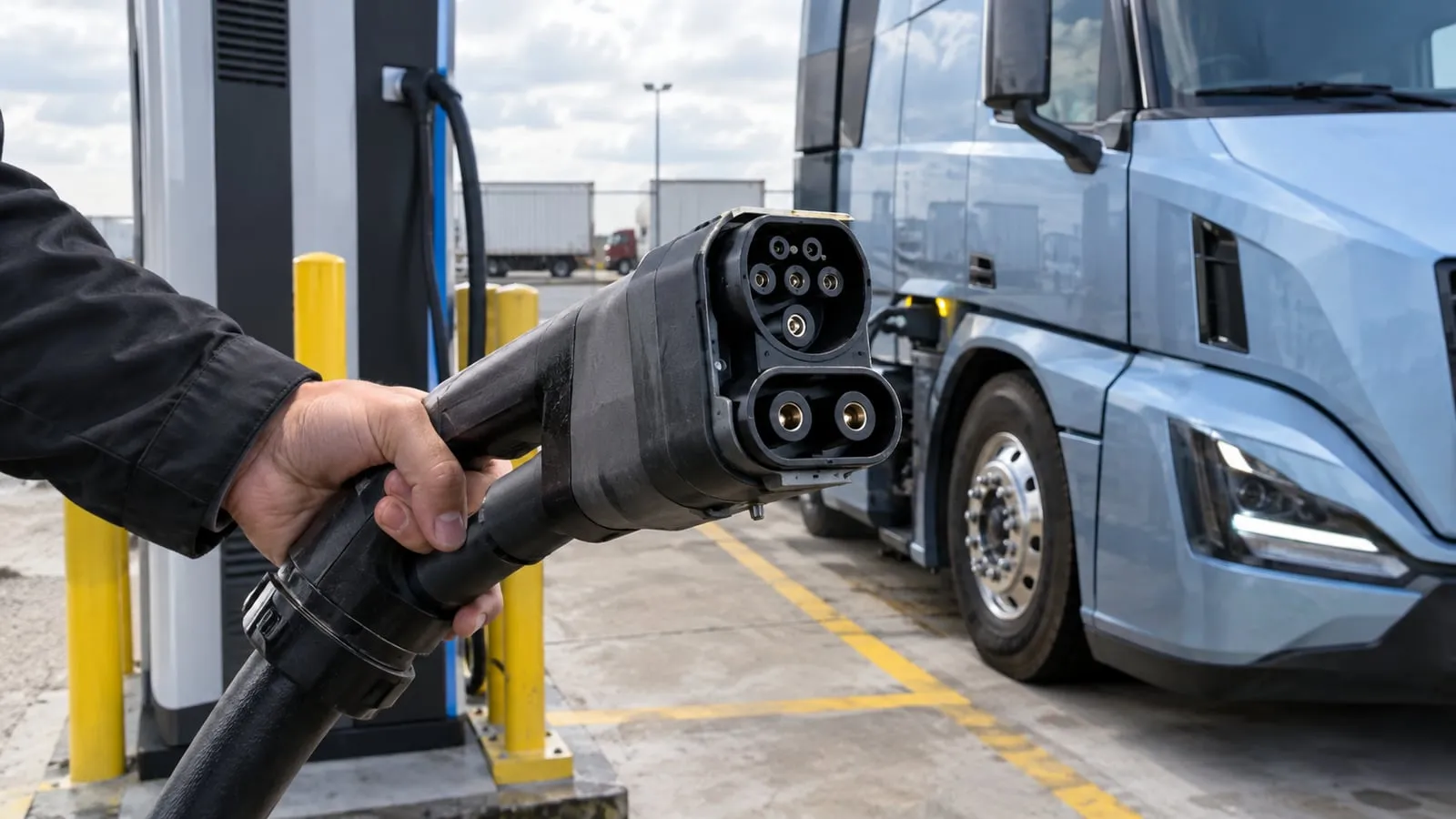
| Electric trucks and buses | 600–1,000 V | Liquid-cooled for the highest rates |
Handling and the driver
Liquid-cooled cables are lighter and more flexible for their current, and often paired with a cable boom to hold them — see cable management. A thick air-cooled cable at high current is heavy, hard to coil in the cold and a common cause of wear.
Cost and risk
The cooling system adds cost to the cable and the charger; a leak or pump failure can take the connector out of service. Ask about service intervals, spare cable assemblies and warranty. See the maintenance checklist.
Decision guide
- List the vehicle voltages and currents you must serve.
- Compute the power at the lowest voltage you need to support at full speed.
- If that exceeds about 100 kW at 400 V, or 250 A, consider liquid cooling.
- If you serve mostly cars below 150 kW, an air-cooled design is simpler and cheaper.
- For trucks, ask the vehicle maker about their charging connector and current — see buses and trucks.
VULTAE cables
On the European floor-standing series VULTAE DC chargers are rated up to 200 A per CCS connector, with a 6 m cable (custom length available). If your vehicles need more current than that, for example trucks or very high-power sites, contact us with the vehicle voltage and current you must support, and we will confirm the cable cooling available for the exact model. See the DC fast charger and how the charging curve limits power.
Questions buyers ask
- What is the maximum current of an air-cooled DC cable?
- Around 200–250 A for a cable thickness that drivers can handle, depending on the design and ambient temperature. Some designs reach a bit more with a thick, heavy cable. Check the data sheet at your temperature.
- Why do high-power chargers use liquid cooling?
- To carry 400–600 A or more in a cable that is thin and light enough to use. Coolant circulates through the conductors and connector and carries heat away.
- Is liquid cooling necessary for a 120 kW charger?
- Usually not. At 120 kW and 400–500 V the current is 240–300 A at most; many 120 kW chargers use air-cooled cables, and the car limits current at the top of its range. Check the maximum current you need at the lowest vehicle voltage.
- What maintenance does a liquid-cooled cable need?
- Checks of coolant level and quality, pump and fan operation, leaks at connections and the connector, and regular replacement of coolant per the manual. Failures can be costly, so ask about spare parts and service.
References
- [1]IEC 61851-23:2023 — DC electric vehicle supply equipment. International Electrotechnical Commission.
- [2]IEC 61851-1:2017 — general requirements. International Electrotechnical Commission.