Country guide · Mexico
EV Chargers in Mexico: CFE Connection, NOM-001-SEDE, Mixed Connectors and 60 Hz Supply
Supplying EV chargers to Mexico: 127/220 V and 480 V at 60 Hz, CFE connection and NOM-001-SEDE verification, J1772, CCS1, NACS and GB/T, and where demand is.
- Prepared by
- VULTAE Engineering Team
- Published
- Reading time
- 5 min
- Sources
- 6 references
At a glance
- Grid supply
- 127 / 220 V and 480 V class, 60 Hz
- AC connectors
- J1772 (Type 1) · NACS
- DC connectors
- CCS1 · NACS · GB/T
- Installation rule
- NOM-001-SEDE-2012
- Grid connection
- CFE Distribución + verification unit
- Charging positions
- 60,932 (June 2026)
- Public positions
- 4,653 — 1,592 DC, 3,061 AC
- New NOMs
- Connectors and charging infrastructure in development
Key takeaways
- 1Mexico uses North American-style supply — 127 V single-phase and 220 V three-phase in homes and businesses, 480 V class in larger commercial and industrial sites — at 60 Hz. Choose North American charger versions or confirm the input range carefully.
- 2Connecting a charger installation to the grid goes through CFE Distribución, with a favourable opinion from an electrical installation verification unit (UVIE) confirming compliance with NOM-001-SEDE-2012.
- 3Connectors are mixed: J1772 and NACS for AC, and CCS1, NACS and GB/T for DC, reflecting vehicles from the United States, Europe and China. Public sites need more than one DC connector type.
- 4Of 60,932 charging positions counted in June 2026, 92 % were private — mostly home chargers — and 4,653 were public (1,592 DC). Fleets, workplaces and retailers are adding public and semi-public charging fastest.
Contents
Short answer: chargers for Mexico run on 60 Hz: 127/220 V in homes and small businesses, and often a 480 V class three-phase supply at larger sites. The installation follows NOM-001-SEDE-2012 and is connected through CFE Distribución with a favourable opinion from a verification unit (UVIE). Connectors are mixed — J1772 and NACS for AC, CCS1, NACS and GB/T for DC — so public sites need more than one DC connector. Of about 61,000 charging positions in June 2026, 4,653 were public.
For distributors, installers, dealerships, fleet managers and operators buying chargers for Mexico. It summarises public information as of October 2026 — confirm current requirements with CFE, the CRE and a Mexican certification body before you sign.
Supply: North American voltages, case by case
Mexico’s electricity system looks more like the United States than Europe, but the voltages are not identical. Match the charger to the site:
| Site supply | Typical charger | Version to choose |
|---|---|---|
| Home, 127 V single-phase only | Level 1 portable charging; upgrade for Level 2 | — |
| Home or business, 220 V between phases | Level 2 AC wallbox, 32–48 A (≈ 7–10 kW) | North American AC version (208–240 V) |
| Commercial, 220 V three-phase | AC posts; DC wallboxes where the input range allows | Check the DC charger’s input range |
| Larger commercial and industrial, 480 V class three-phase | 60–360 kW DC fast chargers | North American DC version (480 V) |
If a site has a supply between these classes — for example 440 V — check the charger’s input tolerance or add a transformer. Frequency is always 60 Hz.
Connecting to the grid: CFE and NOM-001-SEDE
| Step | Who | What |
|---|---|---|
| 1. Design | Electrical designer | Installation designed to NOM-001-SEDE-2012 (Mexico’s electrical installation standard, including its provisions for EV charging) |
| 2. Verification | Electrical installation verification unit (UVIE) | Favourable verification opinion that the installation complies |
| 3. Connection request | Site owner, to CFE Distribución | For installations connected below 69 kV |
| 4. Tariff | CFE | Commercial tariff with demand charges for larger sites — see demand charges |
The Energy Regulatory Commission (CRE) has worked on specific electromobility rules, and the Ministry of Economy has been developing NOMs for charging connectors and adapters and for charging infrastructure connected to the national grid. Until they are final, buyers rely on NOM-001-SEDE for installations and on North American or IEC test reports for the equipment. Ask a Mexican certification body whether your charger model falls under a mandatory product NOM.
Three connector worlds on one road
For fleets, choose the connector of your vehicles. For public sites, a dual-connector DC charger with CCS1 + NACS covers most North American-standard cars; add GB/T where Chinese-brand vehicles are a large share of your users. Mexico’s connector NOM may settle this — design sites so cables can be changed later.
Where the chargers are
| Indicator | June 2026 | Source |
|---|---|---|
| Charging positions, total | 60,932 (+17.5 % year-on-year) | EMA via Autocosmos |
| Private positions | 56,279 — 45,238 residential, 5,233 fleet, 4,098 restricted-access, 1,710 dealerships | EMA |
| Public positions | 4,653 — 1,592 DC and 3,061 AC | EMA |
| Public DC fast-charging locations | 458 | EMA |
Most owners charge at home — nine in ten installed their charger for under 25,000 pesos, according to the same survey. The commercial opportunity is in fleets (delivery, ride-hailing, corporate), workplaces and dealerships, retailers and shopping centres, and highway corridors between the main cities, where public DC is still sparse.
Recommended configurations
| Site | Typical choice |
|---|---|
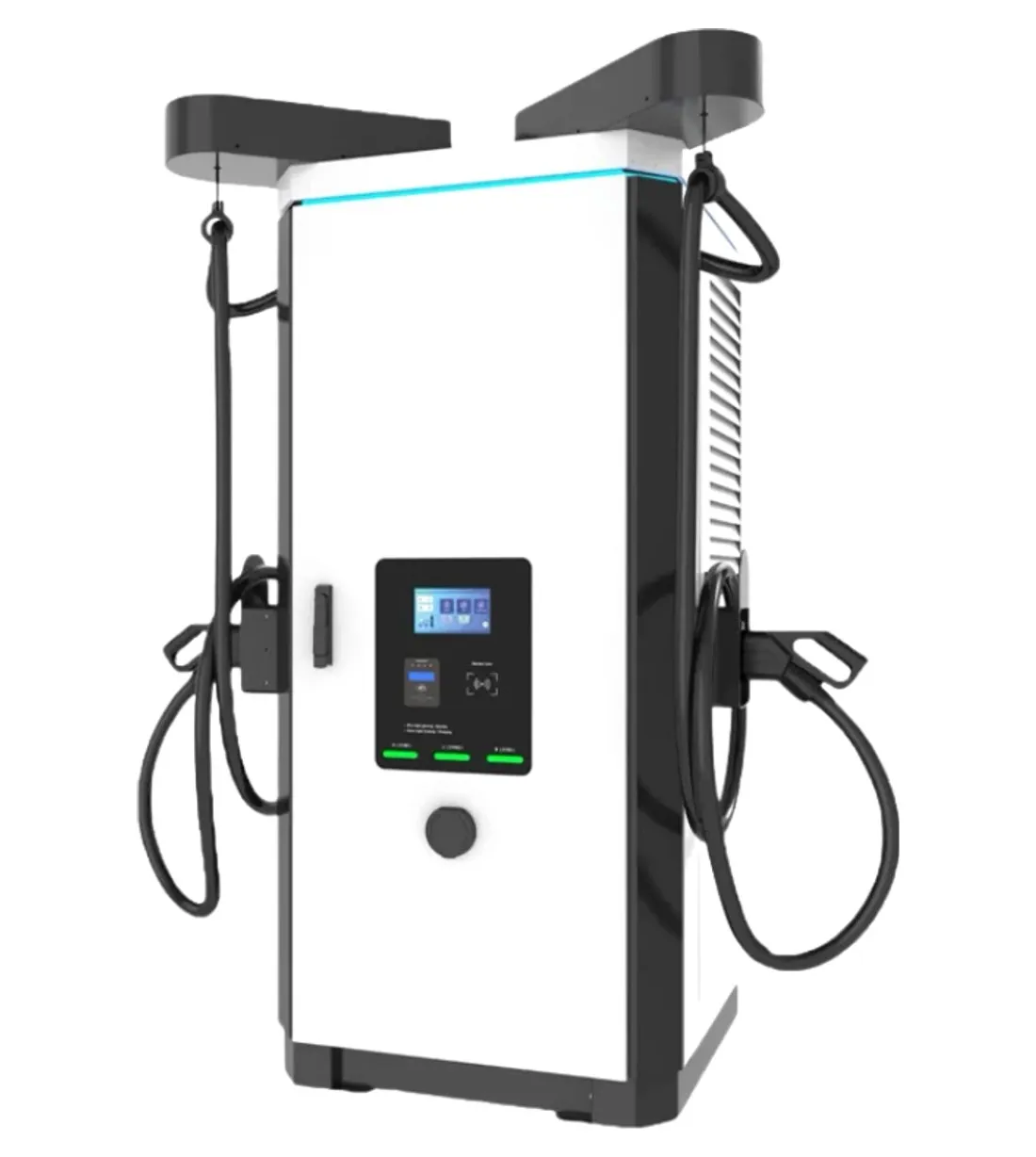
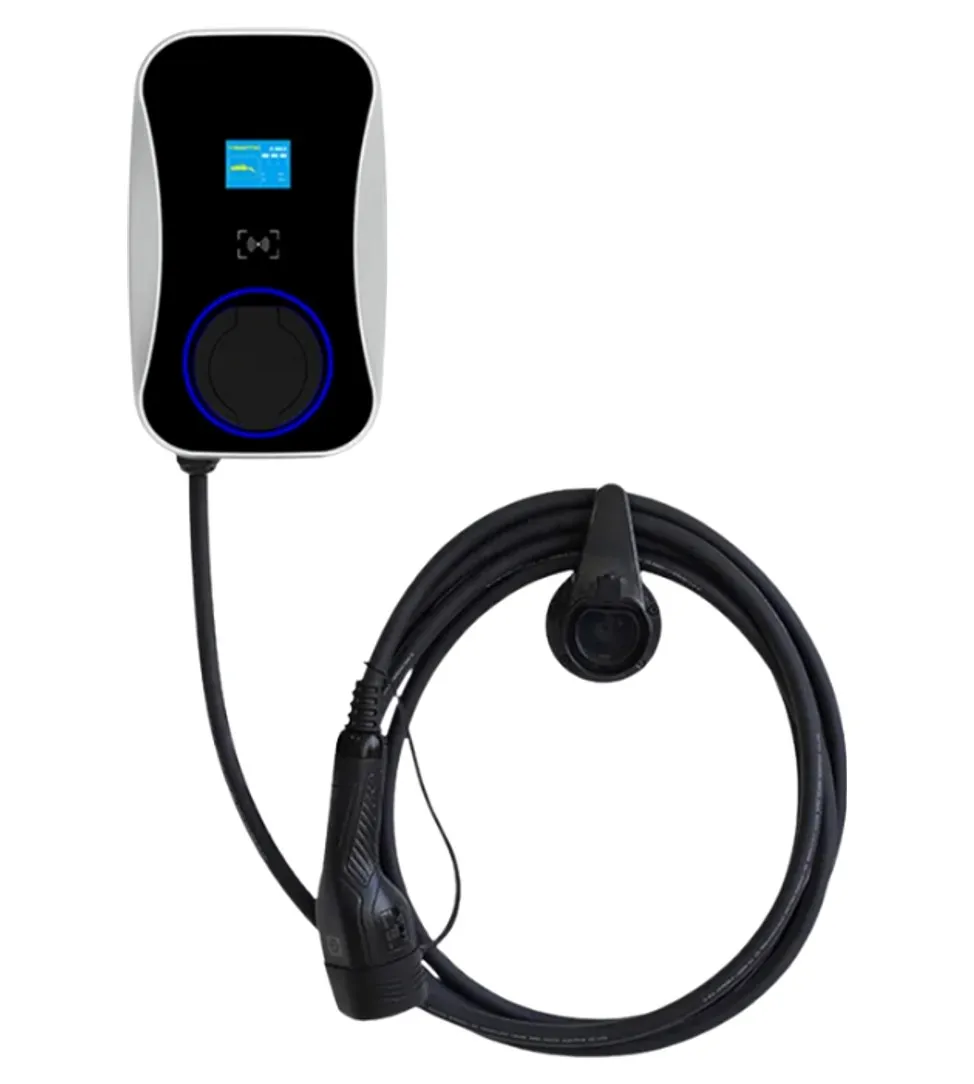
| Homes | Level 2 wallbox on 220 V, J1772 or NACS, 32–48 A |
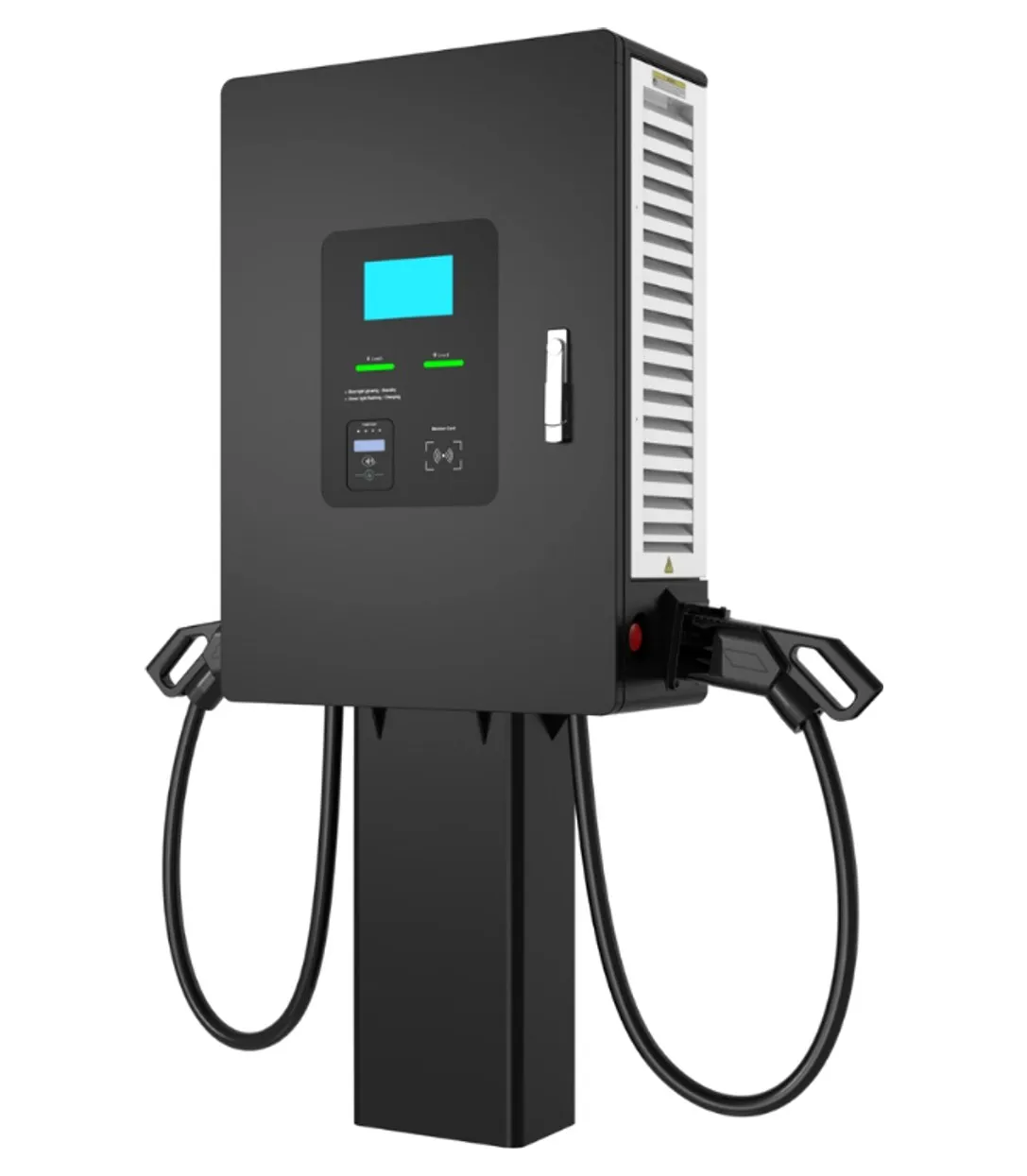
| Dealerships | Level 2 for customer cars plus a 30–60 kW DC unit for pre-delivery and service |
| Workplaces and corporate fleets | Level 2 wallboxes with RFID and OCPP; load management |
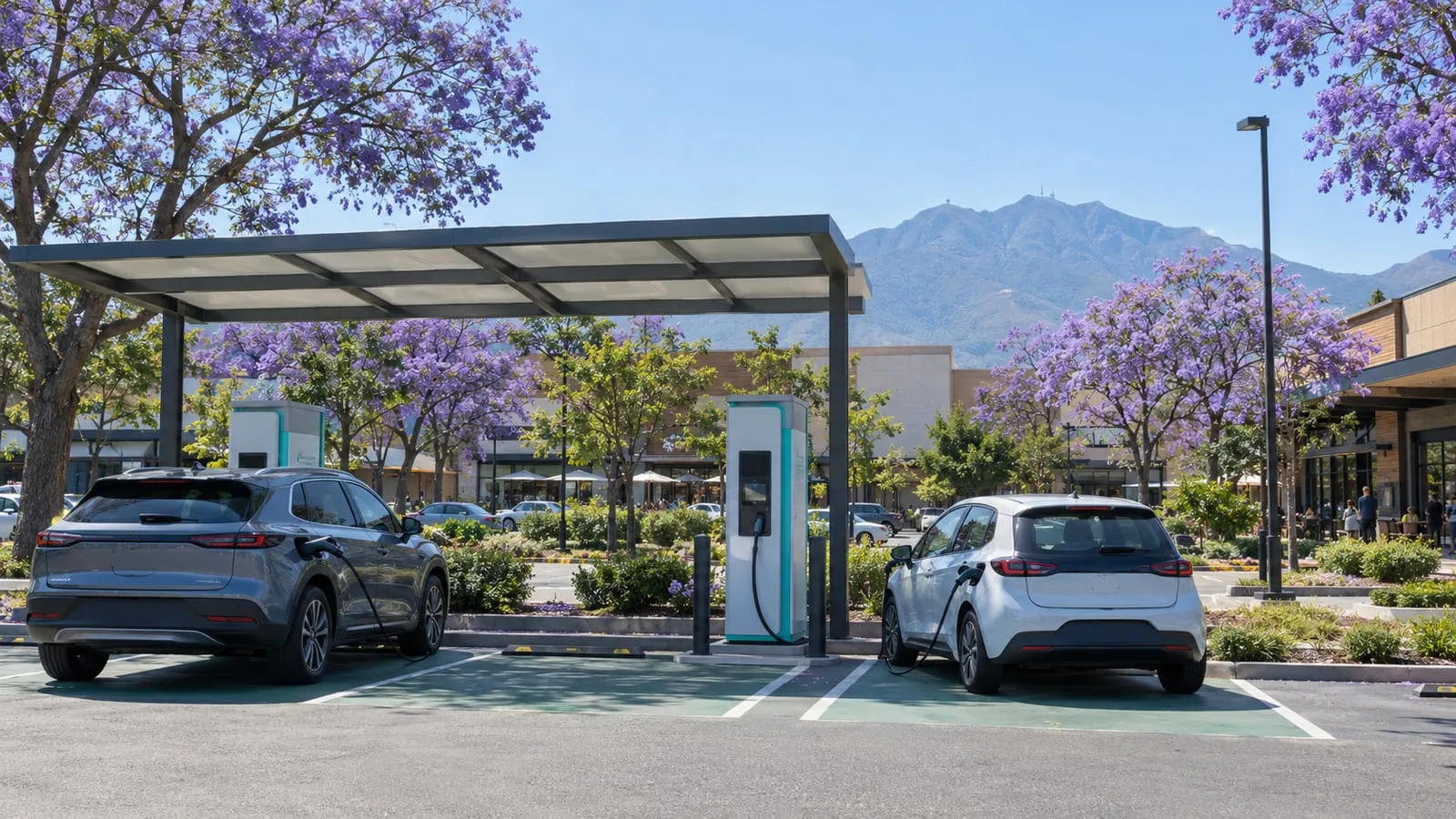
| Shopping centres and retail | Level 2 posts plus 60–180 kW DC, CCS1 + NACS (GB/T where needed) |
| Delivery and ride-hailing depots | DC wallboxes or 120–180 kW dual DC on a 480 V supply |
| Highway corridors | 150–240 kW dual-connector DC |
Where VULTAE fits. Our North American series are built for 60 Hz: VT-HW North American Level 2 wallboxes (VT-HW7-NA to VT-HW11-NA, 32–48 A, J1772) for homes, workplaces and dealerships, and VT-DF-NA dual-connector DC fast chargers (60–360 kW, 480 V, CCS1, NACS and CHAdeMO options) for retail, fleets and corridors, with OCPP 1.6J / 2.0.1. For 220 V three-phase sites we will match the right model to your supply — send us the site voltage. We supply the test reports, certificates for the exact model and the technical file for verification and any product certification in Mexico.
Checklist before you order
- Site voltage and phases: 127/220 V, 220 V three-phase or 480 V class; always 60 Hz.
- Installation designed to NOM-001-SEDE-2012 and verified by a UVIE; CFE connection request.
- Connectors for your users: J1772 / NACS for AC; CCS1, NACS and/or GB/T for DC.
- Product certification route agreed with a Mexican certification body.
- CFE tariff and demand charges for DC sites; load management.
- OCPP 1.6J or 2.0.1 for fleets and public sites.
- Local stock of spare parts and trained technicians — see our spare-parts list.
Questions buyers ask
- What voltage do EV chargers need in Mexico?
- Mexico uses 60 Hz. Homes and small businesses have 127 V single-phase and 220 V between phases; larger commercial and industrial sites often have a 480 V class three-phase supply. A Level 2 AC charger runs on 220 V, and DC chargers are chosen to match the site’s three-phase voltage.
- How do I connect an EV charger to the grid in Mexico?
- Installations connected at less than 69 kV are requested from CFE Distribución. The request needs a favourable verification opinion from an electrical installation verification unit (UVIE) confirming that the installation complies with NOM-001-SEDE-2012.
- Which connectors are used in Mexico?
- There is no single standard yet. AC charging uses J1772 (Type 1) and increasingly NACS; DC charging uses CCS1, NACS and GB/T, the last mainly for Chinese brands. A Mexican standard (NOM) on charging connectors and adapters is being developed.
- How many EV chargers are there in Mexico?
- According to Electro Movilidad Asociación (EMA), Mexico had 60,932 charging positions in June 2026: 56,279 private (mostly at homes) and 4,653 public, of which 1,592 were DC and 3,061 AC.
- Do EV chargers need NOM certification in Mexico?
- The installation must comply with NOM-001-SEDE-2012. For the charger itself, check with a Mexican certification body whether the product falls under a mandatory product NOM and plan NOM marking if it does. Mexico is also developing specific NOMs for charging connectors and for charging infrastructure connected to the national grid.
References
- [1]CRE publishes preliminary draft on electromobility at CONAMER. Holland & Knight.
- [2]Mexico’s creation of electric vehicle standards (NOMs). Foley & Lardner.
- [3]Charger network in Mexico grew during the first half of 2026 (EMA barometer). Autocosmos.
- [4]Lack of clear rules hampering EV charging infrastructure in Mexico. BNamericas.
- [5]XCharge to install fast chargers in Mexico. electrive.
- [6]Understanding NOM-001-SEDE. Schneider Electric México.