Country guide · Chile
EV Chargers in Chile: SEC Authorisation, RIC N°15, Electric Bus Depots and Seismic Sites
Supplying EV chargers to Chile: SEC product authorisation, RIC N°15 and TE6, 220/380 V 50 Hz, Type 2, CCS2 and GB/T, bus depots and earthquake-proof sites.
- Prepared by
- VULTAE Engineering Team
- Published
- Reading time
- 5 min
- Sources
- 7 references
At a glance
- Grid supply
- 220 / 380 V, 50 Hz
- AC connector
- Type 2 (99 % of public AC)
- DC connectors
- CCS2 (74 %) · CHAdeMO (23 %) · GB/T for buses
- Product approval
- SEC authorisation (since April 2021)
- Installation
- RIC N°15 + TE6 registration
- Chargers
- 5,245 (2025) — 1,230 public
- Santiago e-buses
- 4,088 — 62 % of the RED fleet
- Site risks
- Earthquakes, desert sun, coastal salt
Key takeaways
- 1Chargers and charging products need prior authorisation from the Superintendence of Electricity and Fuels (SEC) before they are sold or installed — a requirement in force since 15 April 2021, based on the IEC 61851 and IEC 62196 series and other referenced standards.
- 2Installations follow the SEC technical regulation RIC N°15, updated in 2024, and are registered with the SEC by an authorised electrician through the TE6 process.
- 3Chile is the region’s most developed charging market: 5,245 chargers in 2025, 1,230 of them public, with Type 2 on 99 % of public AC points and CCS2 on 74 % of DC points. Three operators run 83 % of public installations.
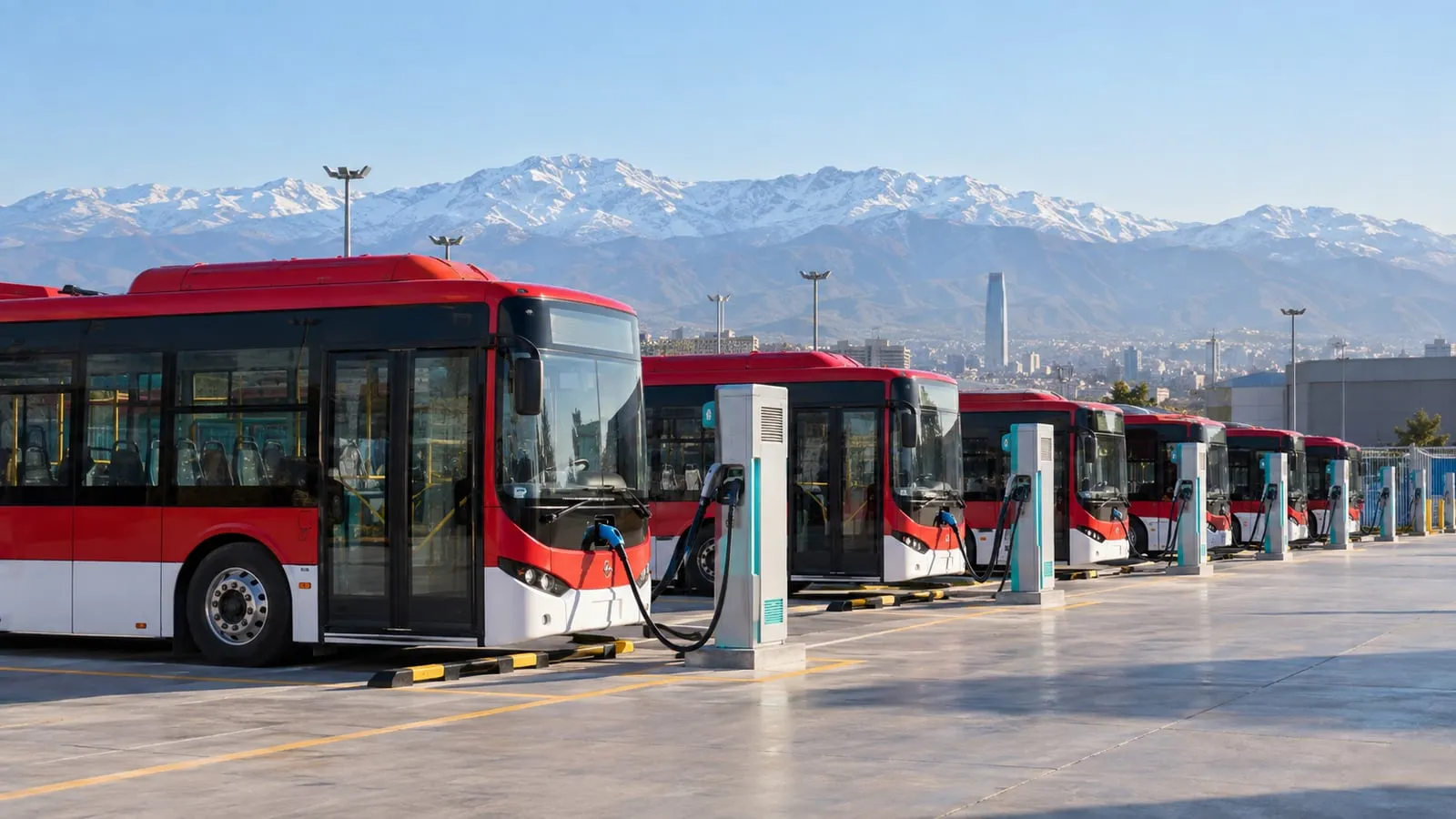
- 4Santiago runs the largest electric bus fleet outside China — 4,088 buses, 62 % of its public transport fleet — so depot charging for buses and trucks is a major segment, often with GB/T connectors.
Contents
Short answer: chargers for Chile need prior authorisation from the SEC (Superintendence of Electricity and Fuels), required since April 2021 and based on the IEC 61851 and IEC 62196 standards. Installations follow RIC N°15 and are registered with the SEC through the TE6 process. The supply is 220/380 V at 50 Hz; public sites use Type 2 for AC and mainly CCS2 for DC, while electric bus depots often use GB/T. Anchor every floor-standing unit for earthquakes.
For importers, distributors, installers, fleet and transport operators supplying Chile. It summarises public information as of October 2026 — confirm current requirements with the SEC and an authorised certification body before you sign.
Approval path: product, installation, registration
| Stage | Rule | Who |
|---|---|---|
| Product | SEC prior authorisation of charging products (since 15 April 2021), via an SEC-authorised certification body and laboratory | Importer or brand owner |
| Design and installation | RIC N°15 — technical regulation for EV charging installations (new version 2024) | Authorised electrician / installer |
| Registration | TE6 declaration of the charging installation to the SEC | Authorised electrician |
| Supervision | SEC inspections — 122 public charging installations inspected in 2025 | SEC |
The SEC resolution references more than 18 standards, mainly the IEC 61851 series for charging systems and the IEC 62196 series for plugs and connectors, as well as ISO 15118 and, for Chinese-standard equipment, GB/T. UL, UNE or JEVS standards may be accepted where the documentation is in Spanish or English. In practice, IEC test reports for the exact model are the basis for SEC certification.
The most mature charging market in Latin America
| Indicator | Detail | Source |
|---|---|---|
| Chargers in operation, 2025 | 5,245 (24 in 2018) | SEC |
| Private / public | 4,015 private (76.5 %) · 1,230 public (23.5 %) | SEC |
| Santiago Metropolitan Region | 3,827 chargers | SEC |
| Public AC connector | Type 2 on 99.11 % of points | SEC |
| Public DC connectors | CCS2 74.36 % · CHAdeMO 23.24 % | SEC |
| Largest public operators | Copec Voltex 37 %, Enel Mobility 37 %, Enex 9 % | SEC |
| Santiago electric buses | 4,088, 62 % of the RED fleet | DTPM |
With public charging concentrated in a few large operators, independent buyers find most demand in bus and truck depots, mining and industrial fleets, workplaces and residential buildings, and regional networks outside Santiago.
Electric bus and truck depots
Santiago’s RED system runs the largest electric bus fleet outside China, mostly from Chinese manufacturers. Depot charging has its own rules of thumb:
| Topic | What to plan |
|---|---|
| Connector | Check each bus model — many use GB/T; newer models may use CCS2 |
| Power per bus | Overnight: 60–150 kW per bus is common; quick top-ups between shifts need more |
| Dual-connector cabinets | One cabinet serving two buses in sequence or in parallel reduces grid connection size |
| Grid | Medium-voltage connection and transformer sized for the whole depot, with load management |
| Uptime | Remote monitoring, spare power modules on site, trained depot technicians |
See charging electric buses and trucks and fleet depot sizing.
Earthquakes, desert and coast
| Condition | What to specify |
|---|---|
| Seismic activity across the country | Floor-standing units anchored to a reinforced foundation designed by a local engineer; flexible cable entries; wall units fixed to structural walls |
| Atacama and the north: intense UV, heat, dust | UV-stable housings and cables, IP54 minimum, cleanable filters on DC chargers, shade |
| Mining sites at altitude | State the site altitude in the specification — insulation and cooling are rated for altitude |
| Coastal cities (Valparaíso, Antofagasta, Iquique) | C4–C5 corrosion-resistant finish, stainless fixings |
| Cold, wet south (Patagonia) | Low-temperature operation, anti-condensation heating |
Recommended configurations
| Site | Typical choice |
|---|---|
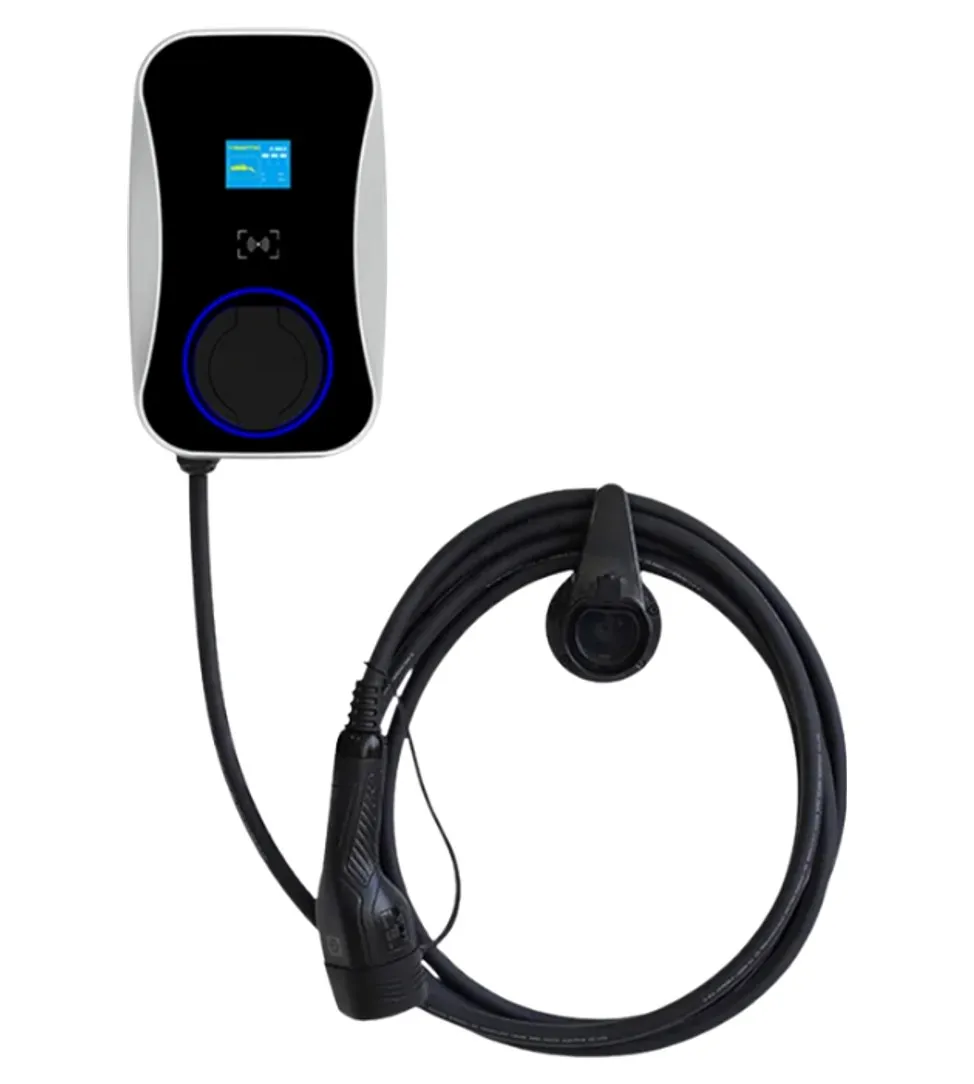
| Homes | 7 kW single-phase or 11–22 kW three-phase wallbox, Type 2 |
| Apartment buildings | Load-managed wall units or dual-port AC posts with per-user billing |
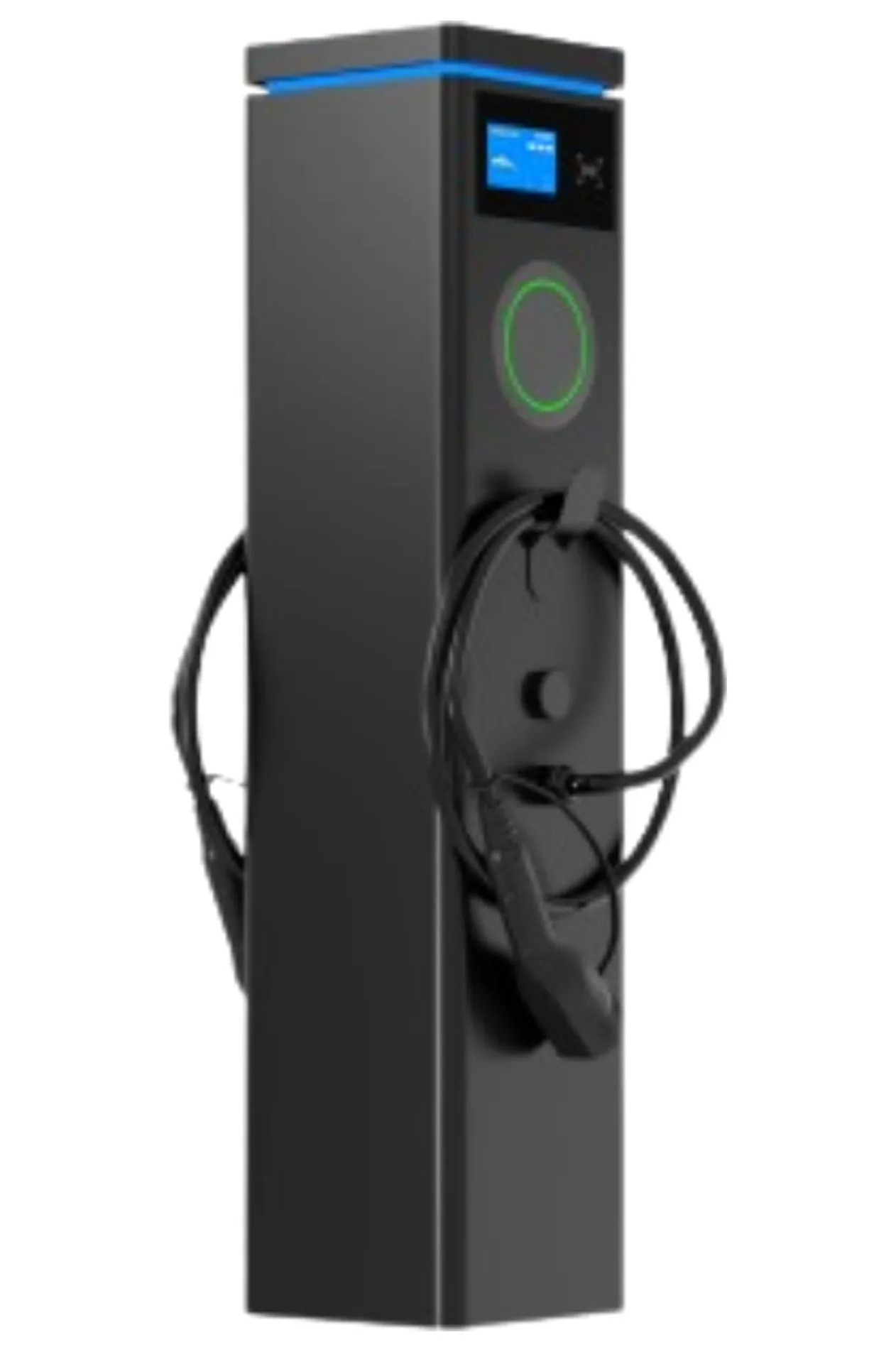
| Workplaces and retail | Dual-port AC posts; 60–120 kW DC for short stays |
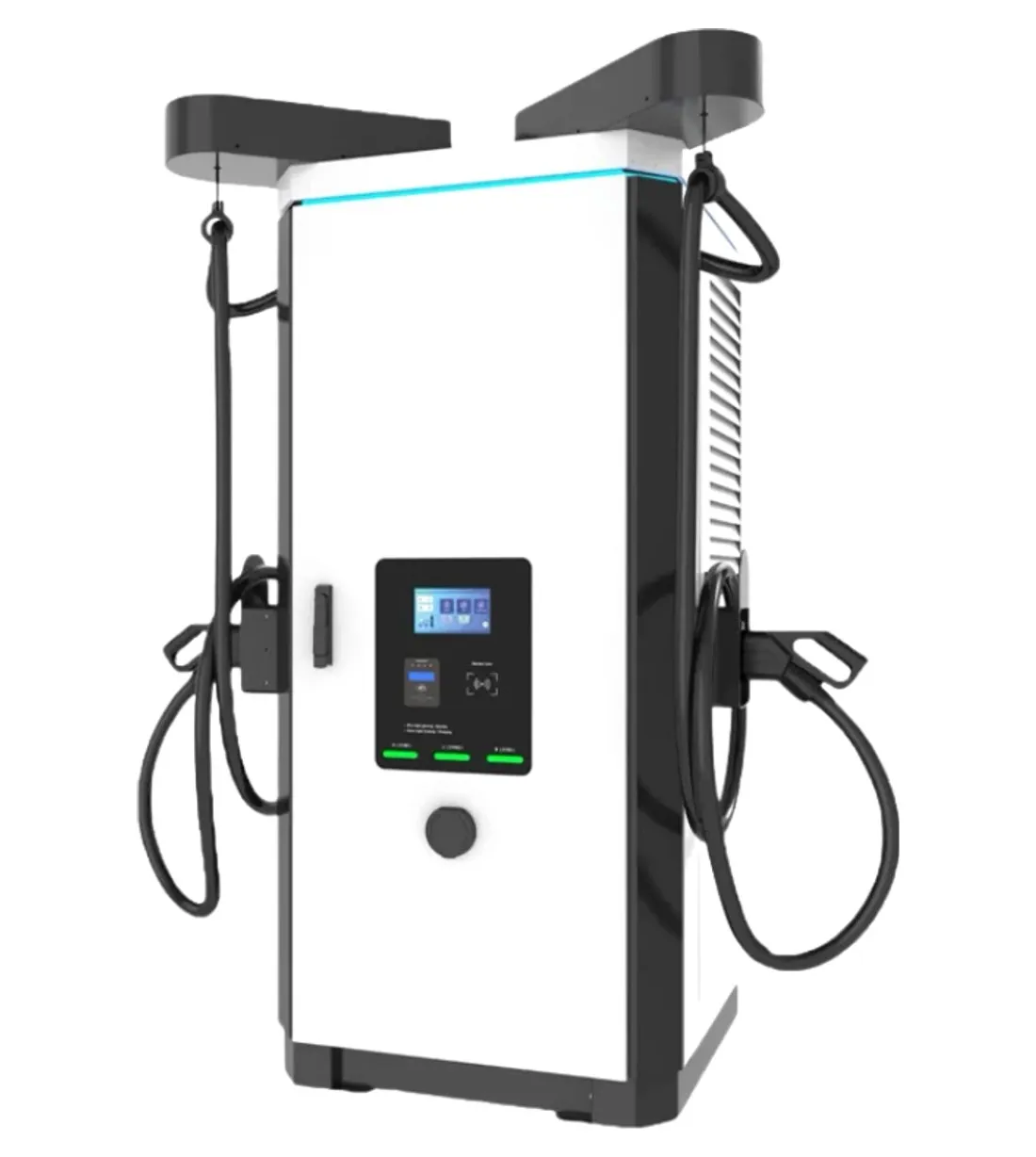
| Highway and regional networks | 120–180 kW dual-connector DC, CCS2 (+ CHAdeMO where needed) |
| Bus and truck depots | 60–240 kW dual-connector DC with the fleet’s connector; load management |
| Mining and industrial fleets | DC wallboxes or dual DC with rugged enclosures and remote monitoring |
Where VULTAE fits. Our IEC series are built for 230/400 V at 50/60 Hz — Chile’s 220/380 V supply sits within the normal input range of 230/400 V equipment — and operate from −20 °C to +55 °C: VT-HW wallboxes, VT-CW and VT-CP dual-port AC chargers, VT-DW DC wallboxes and VT-DF dual-connector DC chargers (60–300 kW) for highways and depots, with Type 2, CCS2 and CHAdeMO options, OCPP 1.6J / 2.0.1, IK10 and a C4 anti-corrosion finish. SEC authorisation is applied for by the Chilean importer for a specific model; we provide the IEC test reports, technical file and samples for certification.
Checklist before you order
- SEC authorisation route for the exact model — certification body, laboratory, and who holds it.
- Installation designed to RIC N°15 and registered through TE6.
- Connectors: Type 2 for AC; CCS2 (and CHAdeMO where needed) for public DC; the fleet’s connector for depots.
- Seismic anchoring and foundation design.
- UV, dust, altitude, cold or corrosion protection for the region.
- OCPP 1.6J or 2.0.1 and remote monitoring.
- Spare parts in Chile and trained technicians — see our spare-parts list.
Questions buyers ask
- Do EV chargers need SEC certification in Chile?
- Yes. Since 15 April 2021, products used in EV charging infrastructure need prior authorisation from the Superintendence of Electricity and Fuels (SEC). Certification is carried out by SEC-authorised certification bodies and laboratories against the referenced standards, mainly the IEC 61851 and IEC 62196 series.
- What is RIC N°15?
- RIC N°15 is the SEC technical regulation for electric vehicle charging installations, part of Chile’s electrical installation rules. A new version published in 2024 strengthened safety, efficiency and interoperability requirements. Installations are registered with the SEC through the TE6 process by an authorised electrician.
- Which connectors are used in Chile?
- According to the SEC, Type 2 is on 99.11 % of public AC charging points, while CCS2 is on 74.36 % and CHAdeMO on 23.24 % of public DC points. Electric buses, many from Chinese manufacturers, often use GB/T at depots.
- How many EV chargers does Chile have?
- The SEC counted 5,245 chargers in operation in 2025, up from 24 in 2018: 4,015 private and 1,230 public. The Santiago Metropolitan Region has 3,827 of them.
- Who are the main public charging operators in Chile?
- Copec Voltex (37 % of public installations), Enel Mobility Chile (37 %) and Enex (9 %), together 83 % of the public network, according to the SEC’s 2026 national report.
References
- [1]SEC national report on EV charging infrastructure in Chile (2026). Reporte Minero.
- [2]New version of RIC N°15 strengthens safety in EV charging infrastructure. Ministry of Energy.
- [3]Charging systems regulations. Ministry of Energy.
- [4]Chile — EV chargers installation in homes, public roads and buildings. TÜV Rheinland.
- [5]Chilean certification (SEC). TÜV Rheinland.
- [6]Charging ahead with electric buses in Santiago (DTPM presentation). ITDP / DTPM.
- [7]Copec Voltex powering Chile’s electromobility push. BNamericas.