Sites & Applications
EV Charging for Car Dealerships: Showroom, Workshop and Customer Bays
What car dealerships need for EV charging: pre-delivery charging, workshop DC chargers, customer and staff bays, brand standards and power.
- Prepared by
- VULTAE Engineering Team
- Published
- Reading time
- 3 min
- Sources
- 1 references
Key takeaways
- 1Dealerships charge cars for four reasons: stock and pre-delivery, workshop diagnostics and software updates, test drives, and customers or staff. Each needs a different charger.
- 2A DC wallbox (20–60 kW) in the workshop and at the handover area saves hours: cars leave with a full battery, and software updates run without the battery draining.
- 3Car brands often set charging requirements for their franchised dealers — number of points, power and sometimes approved hardware. Check the brand’s standards before buying.
- 4Plan power for all four uses with load management, and choose connectors for every brand you sell and service.
Contents
Short answer: dealerships charge for four reasons — stock and pre-delivery, workshop work, test drives, and customers and staff — and each needs a different charger. Install AC wallboxes or dual-port posts for parked stock, staff and customers, and at least one DC wallbox (20–60 kW) for the handover area and workshop. Check your car brand’s dealer standards, plan the supply with load management, and choose connectors for every brand you sell and service.
Four uses, four chargers
| Use | What happens | Recommended |
|---|---|---|
| Stock and pre-delivery | Cars stored for weeks, then charged for handover | AC wallboxes or dual-port posts in the stock area; DC for last-minute top-ups |
| Workshop | Diagnostics and software updates drain the battery; customers expect more range on return | DC wallbox (20–60 kW) in or next to the workshop; AC at work bays |
| Test drives and demonstrators | Cars used several times a day | DC wallbox near the showroom exit |
| Customers and staff | Visits of 1–3 hours; staff all day | Dual-port AC posts; one public DC unit if the site is on a main road |
Why the workshop needs DC
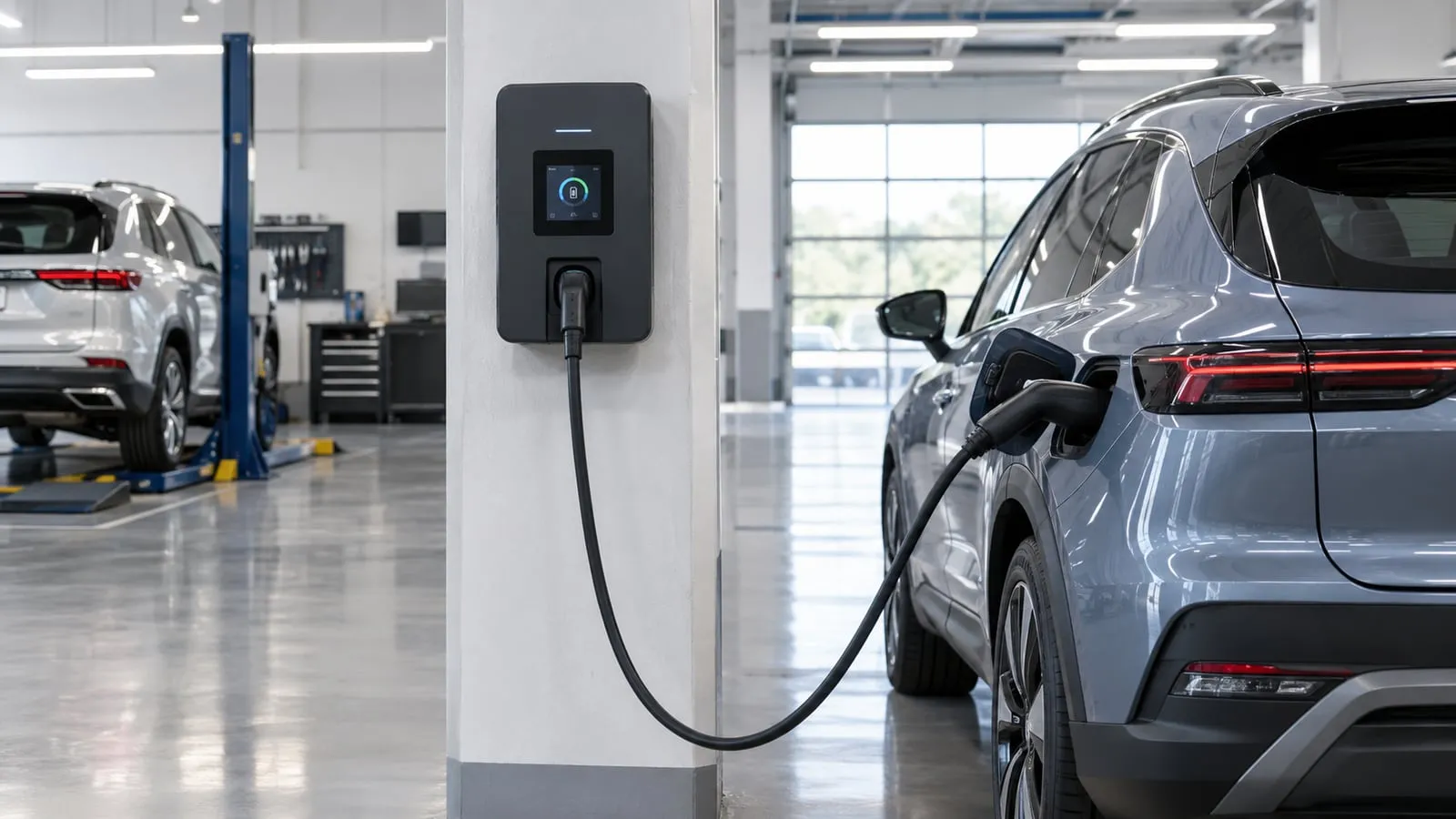
Modern EVs often need software updates and long diagnostic sessions with the car awake, which drain the battery. A DC wallbox at 30–60 kW can keep the battery stable during the work and add useful range before the car goes back — a small service that customers notice.
Check your brand’s standards
Many car brands publish EV-readiness standards for franchised dealers. They may set:
- the number of charging points per site or per sales volume,
- minimum power (often at least one DC charger),
- connector types and, sometimes, approved hardware or charging networks,
- signage, bay layout and customer access.
Read them before ordering, and ask whether the brand accepts hardware from your own supplier as long as it meets the technical requirements.
Power planning
A dealership already has workshop equipment, lifts, compressors and showroom lighting. Add chargers with a plan:
| Measure | Benefit |
|---|---|
| Dynamic load management across AC chargers | More points on the existing supply |
| DC wallboxes rather than large DC cabinets | Lower supply requirement (20–60 kW) |
| Charging stock at night | Uses spare capacity off-peak |
| Separate metering for public chargers | Clear billing and cost allocation |
Connectors for every brand
Multi-brand dealers and independent workshops see every connector type. Plan for:
| Market | AC | DC |
|---|---|---|
| Europe, UK, most of Asia-Pacific | Type 2 | CCS2 (CHAdeMO for some older imports) |
| North America | J1772 and NACS | CCS1 and NACS |
| Markets with Chinese brands | Type 2 or GB/T | CCS2 or GB/T |
See EV connector types by region.
Customer experience
- Free charging during service visits is a simple loyalty tool.
- Charge the car before handover: a new EV delivered with a low battery disappoints.
- Explain home charging: many dealers sell or recommend a home wallbox with the car — a natural add-on — see OEM / ODM for dealer-branded wallboxes.
Recommended VULTAE configuration
| Area | Model |
|---|---|
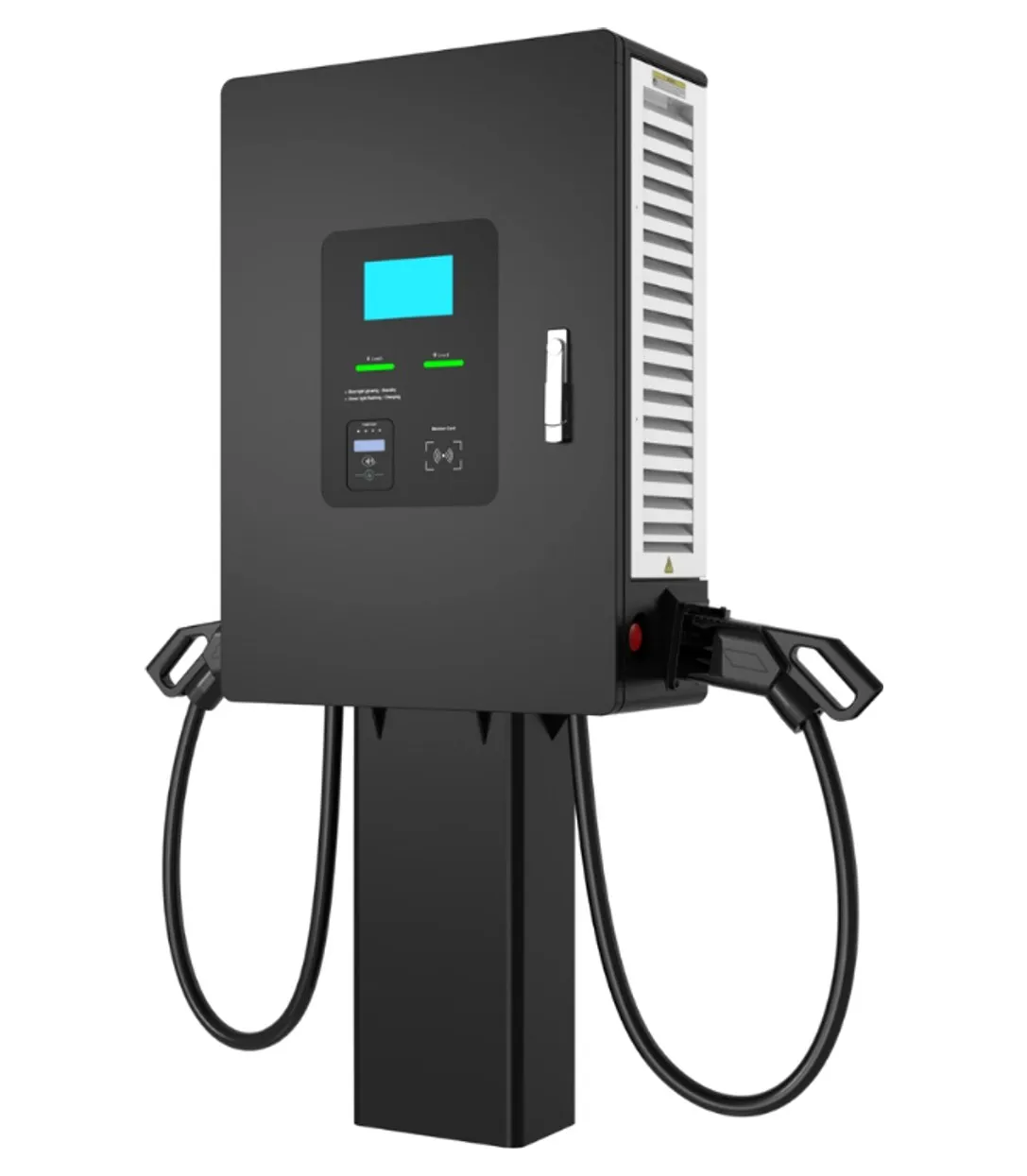
| Workshop and handover | VT-DW DC wallbox, 20–60 kW, CCS2 or CCS1 |
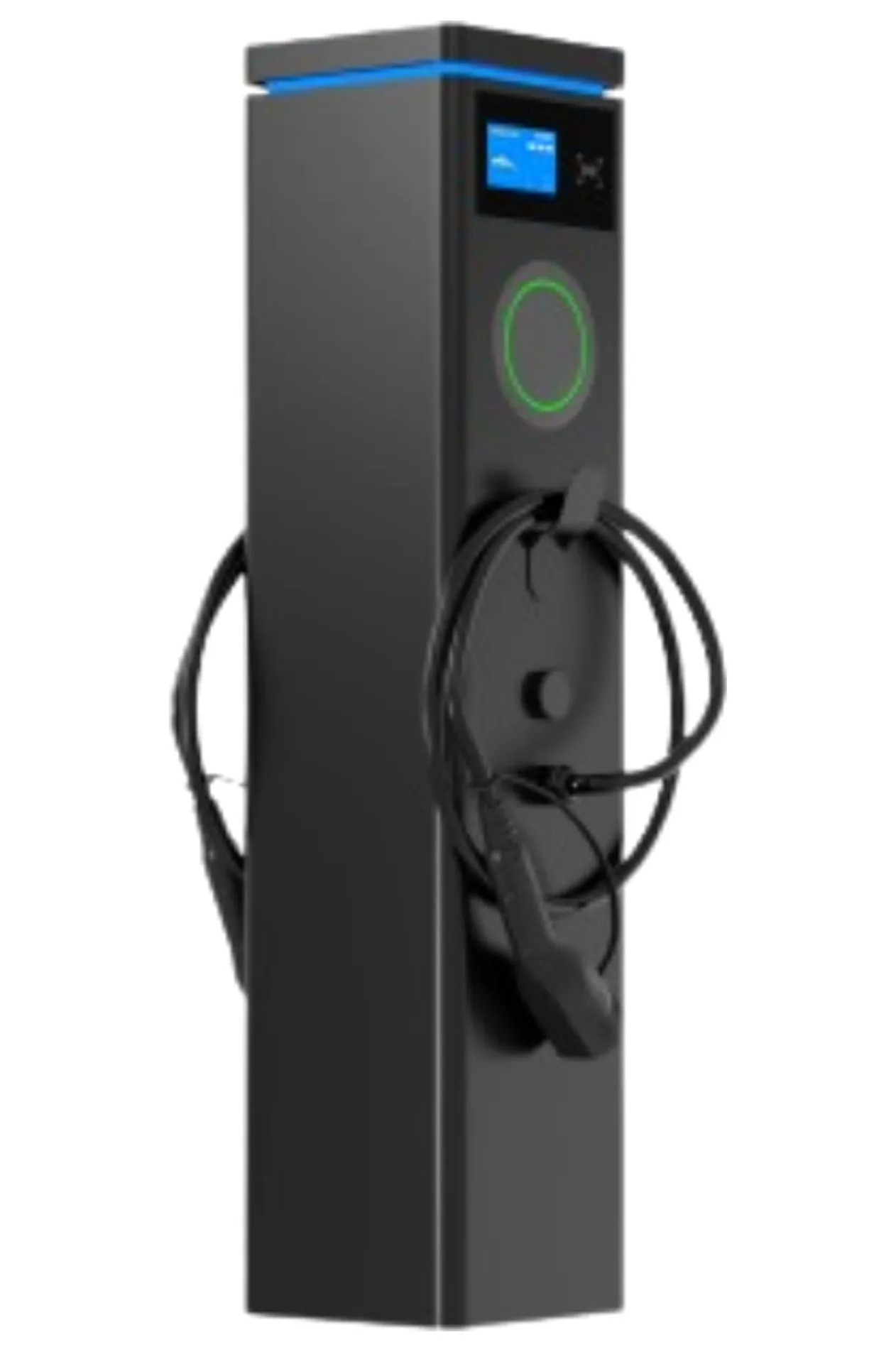
| Stock, staff and customer parking | VT-CP dual-port pedestal or VT-CW dual-port wall charger |
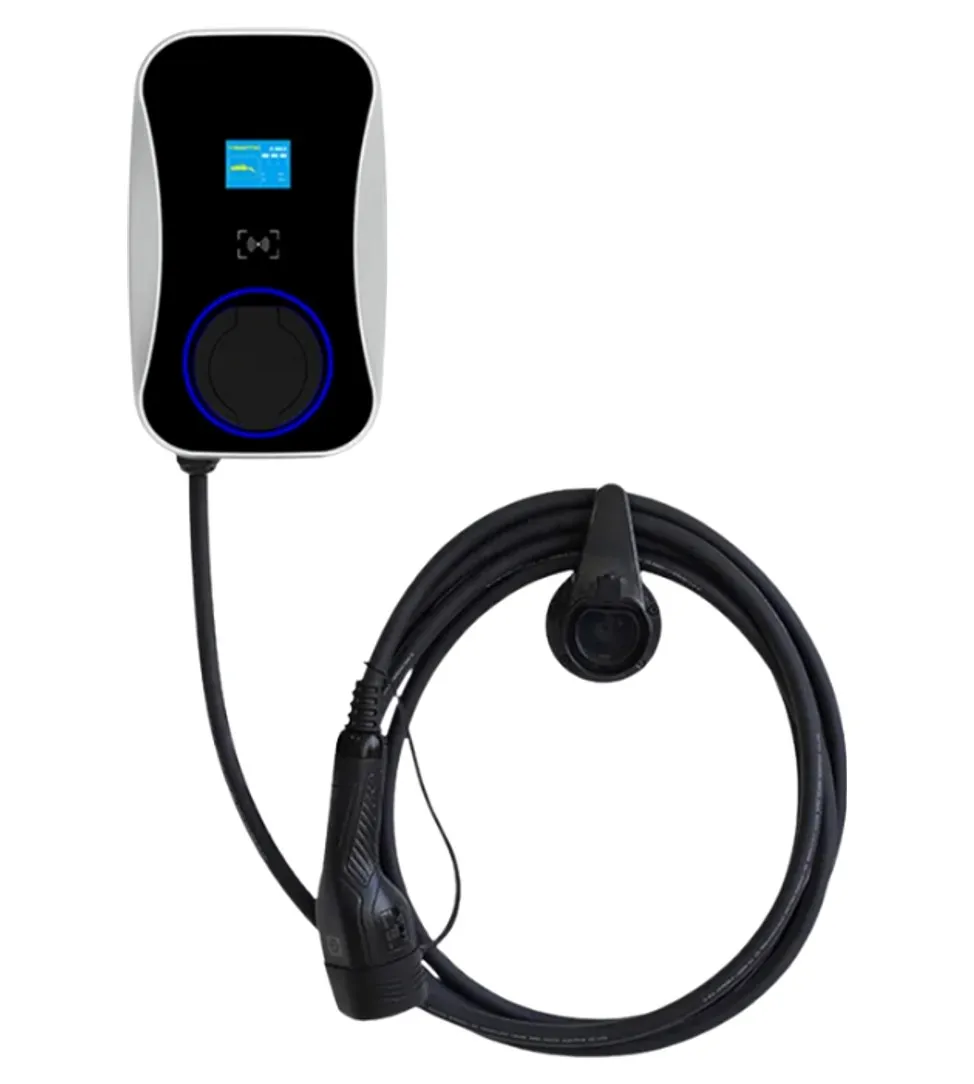
| Home wallboxes sold with cars | VT-HW smart wallbox, IEC or North American version, with dealer branding |
| Roadside public charging | VT-DFC compact DC charger, 120 / 180 kW |
Send us your brands, number of parking and workshop bays and available supply, and we will propose a layout.
Questions buyers ask
- What chargers does a car dealership need?
- Usually AC wallboxes or dual-port posts for stock, staff and customer parking, plus at least one DC charger — a 20–60 kW DC wallbox is often enough — for pre-delivery top-ups, test-drive cars and the workshop.
- Why does a dealership workshop need a DC charger?
- To keep cars charged during long diagnostics and software updates, and to return customers’ cars with more range than they arrived with. A DC unit adds meaningful range in the time a car spends in the workshop.
- Do car brands require specific chargers at dealerships?
- Many brands publish dealer standards for EV readiness, which can specify the number of charging points, power levels and sometimes approved hardware or networks. Check your brand’s requirements before ordering.
- Should customers pay to charge at a dealership?
- Many dealers offer free charging to customers as a service, especially during workshop visits. Public chargers at the front of the dealership can be paid, using card, QR code or app, to cover costs.
References
- [1]Alternative Fuels Data Center — charging infrastructure. U.S. Department of Energy.