Sourcing from China
How to Verify a Chinese EV Charger Factory Before You Pay
Check a Chinese EV charger supplier before paying: licence lookup, certificate databases, a video audit script, inspection and safe payment terms.
- Prepared by
- VULTAE Engineering Team
- Published
- Reading time
- 5 min
- Sources
- 5 references
Key takeaways
- 1Verify four things before paying a deposit: the legal company, the certificates, the factory itself and the payment route. Each can be checked in public databases or on a live video call within a day.
- 2Look the company up in China’s National Enterprise Credit Information Publicity System; the name, registration number and business scope must match the contract and the bank account.
- 3Check certificates at the source — TÜV Certipedia, UL Product iQ, the Intertek directory, the ENERGY STAR product finder — using the model number on your quotation.
- 4Pay the balance only after an inspection you control: your own video inspection or a third-party pre-shipment inspection with an agreed sampling level.
Contents
Short answer: before you pay a Chinese EV charger supplier, verify four things. The company — look it up in China’s official enterprise register and match the name to your contract and the bank account. The certificates — search the certificate numbers in the issuing body’s own database using the model number on your quotation. The factory — run a live, uncut video walk-through of production, testing and storage. The payment route — pay a deposit, and release the balance only after an inspection you control. All four can be done in a few days and cost little compared with a container of the wrong chargers.
1. Verify the legal company
Every Chinese company has an 18-character unified social credit code. Ask for it, together with a copy of the business licence, and search it in the National Enterprise Credit Information Publicity System (gsxt.gov.cn).
| Field in the register | What to check |
|---|---|
| Company name (Chinese) | Same as on the contract, pro forma invoice and receiving bank account |
| Status | “存续” / “在业” (active) — not cancelled or revoked |
| Business scope | Includes manufacturing of charging equipment or electrical equipment — a pure trading scope suggests a middleman |
| Registered address | Matches the factory address you will audit, or the factory is a named branch |
| Date of establishment | Consistent with the experience the supplier claims |
| Administrative penalties, abnormal operation list | Nothing serious and unexplained |
A trading company is not automatically a problem — but you should know whether you are buying from the maker, because certificates, warranty and spare parts depend on the maker.
2. Verify certificates at the source
Certificates are the most commonly faked or misused documents. A certificate is valid only for the holder, the factory and the model it names.
| Certificate | Where to check it | What must match |
|---|---|---|
| TÜV marks and CB reports | TÜV Rheinland Certipedia, or the issuing body’s database | Holder, factory, model number, standard (e.g. IEC 61851-1) |
| UL listing | UL Product iQ | Company, file number, model |
| ETL listing | Intertek directory of listed products | Company, model, standard (e.g. UL 2594) |
| ENERGY STAR | ENERGY STAR product finder | Brand and model number |
| CE declaration | Issued by the manufacturer — ask for the LVD and EMC test reports from the lab behind it | Model, standards, lab name and report number |
| UKCA | Manufacturer’s declaration plus test reports | Same as CE |
If the certificate names a different company, ask why. A legitimate reason is that you are buying a brand-licensed or OEM product made by the certificate holder — in that case you need a letter from the holder and the product must be identical.
3. Verify the factory with a live video audit
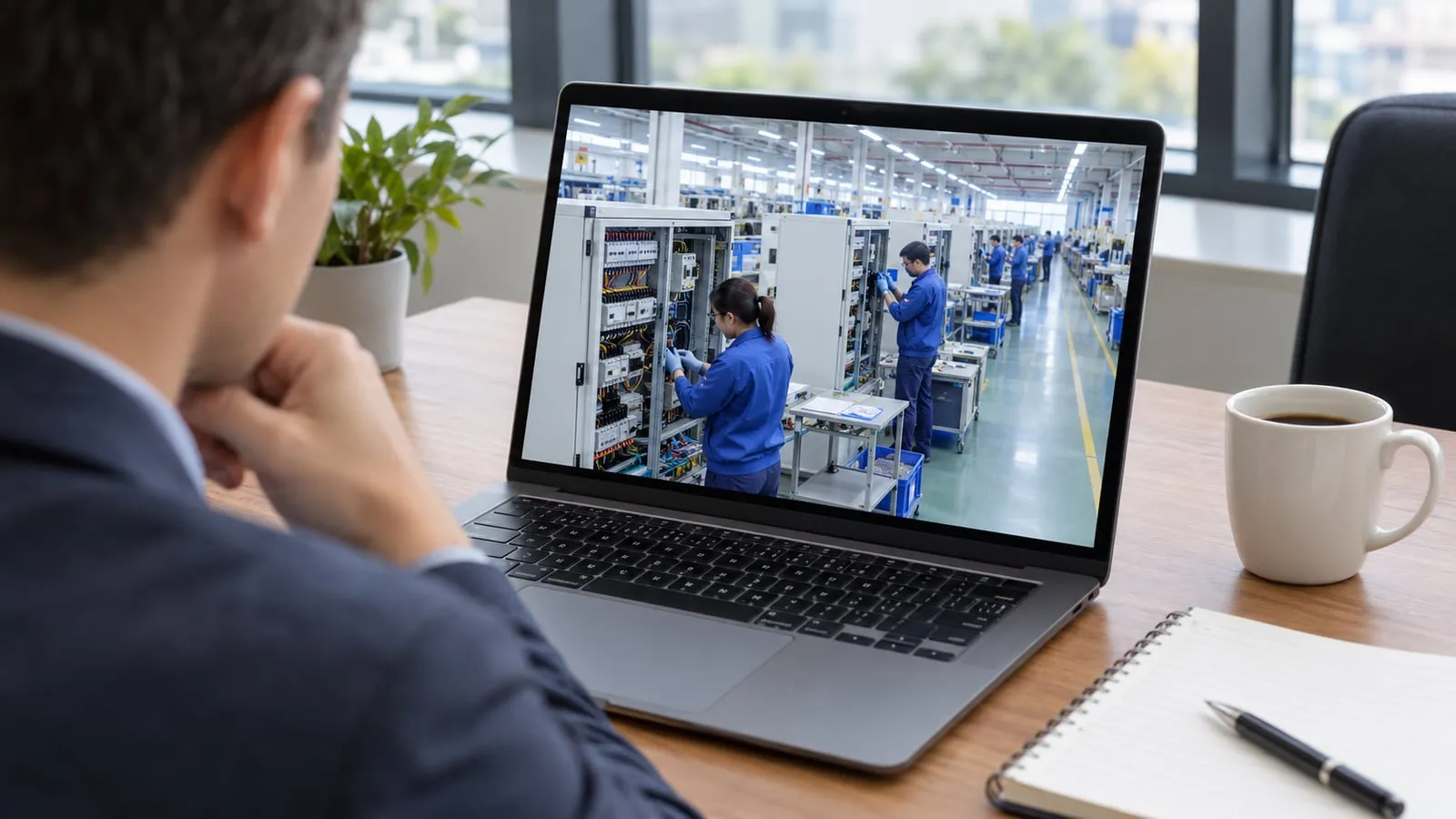
A video audit costs nothing and is surprisingly effective if you lead it. Agree a time, ask for one continuous call without cuts, and follow a script.
| Stop | Ask to see | Good sign |
|---|---|---|
| Entrance and signboard | The company name on the building | Matches the business licence |
| Incoming inspection | Inspection of boards, contactors, power modules | Records or labels showing pass / fail |
| Assembly line | Chargers being built now, not a showroom | Work in progress, work instructions at each station |
| Test stations | Insulation / hi-pot test, functional test, a charge session on a test load | Test software with serial numbers |
| Ageing room | Units running under load for hours before packing | Racks of chargers powered on |
| Warehouse | Finished goods with serial labels, packaging | Your model in stock or in production |
| Your sample | The sample you will receive, tested on camera | Serial number shown on camera |
4. Use a third-party inspection for larger orders
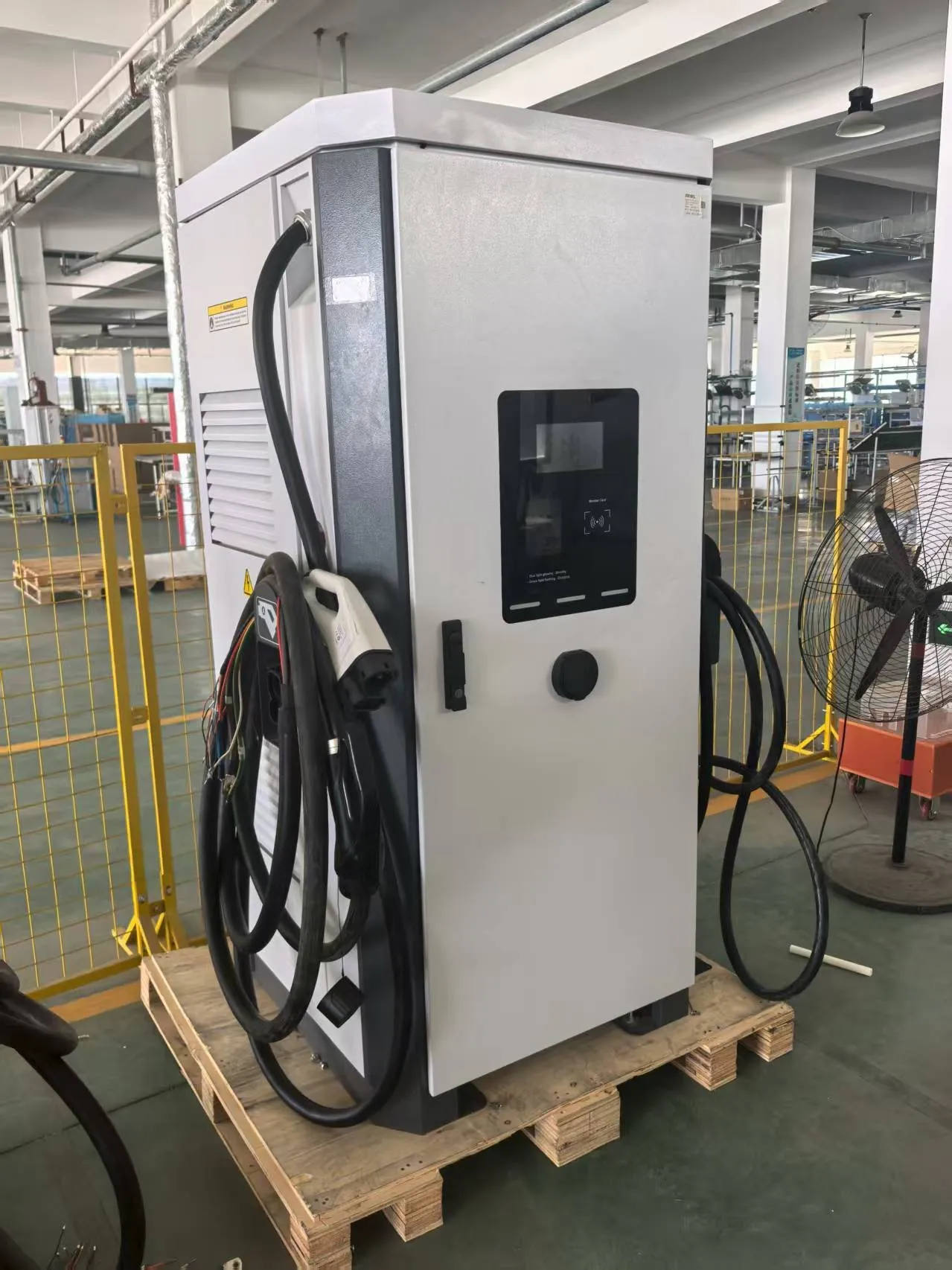
For a first container or a large order, a third-party inspection company (for example SGS, Bureau Veritas, Intertek or QIMA) can audit the factory or inspect goods before shipment.
- Factory audit: management system, production capacity, test equipment, quality records. Useful before you sign a long-term agreement.
- Pre-shipment inspection: random units are picked from finished stock using a sampling plan based on ISO 2859-1 (AQL), and checked for appearance, labels, packaging, functions and safety tests you specify — for example insulation resistance and a full charging session.
Write the inspection checklist yourself and attach it to the purchase order, so the inspector tests what matters for your market.
5. Protect the payment
| Term | Risk to buyer | When it fits |
|---|---|---|
| 100 % in advance | High | Small samples only |
| Deposit + balance before shipment after your inspection | Medium | Most first orders |
| Deposit + balance against copy of bill of lading | Medium | Repeat orders with a known supplier |
| Letter of credit with inspection certificate | Low | Large orders; requires bank fees and strict documents |
Two rules apply whatever terms you choose: pay only to a bank account in the name of the contracting company, and be suspicious of any late request to change bank details — confirm by phone with a person you know.
Red flags during verification
- The supplier refuses an unscheduled or uncut video call.
- The business scope is trading only, but the supplier insists it is the manufacturer.
- Certificates cannot be found in the issuing body’s database, or name another model.
- The bank account belongs to a different company or a person.
- Test stations or an ageing room “are being upgraded” and cannot be shown.
Auditing VULTAE
The same checks apply to us. You can ask for a live video audit or a visit to our factory in Qingdao, ask for your sample to be tested on camera, and send a third-party inspector with your own checklist. Contact us through the contact form, and see our related guides on choosing a manufacturer and testing samples.
Questions buyers ask
- How can I check if a Chinese company is real?
- Search the company’s Chinese name or unified social credit code in the National Enterprise Credit Information Publicity System (gsxt.gov.cn). It shows the registered name, legal representative, registered capital, address, business scope and status. The name must match the contract, the invoice and the receiving bank account.
- How do I verify a CE or UL certificate for an EV charger?
- Ask for the certificate number and the issuing body, then search the body’s own database — for example TÜV Rheinland Certipedia, UL Product iQ or the Intertek directory of listed products. Check that the holder, the factory and the model number match your quotation. A CE declaration of conformity is issued by the manufacturer itself, so ask for the test reports behind it as well.
- Is a video factory audit enough?
- For a first order it is often enough if you control the call: ask the supplier to walk without cuts from the gate to the assembly line, test stations, ageing room and warehouse, and to show your sample being tested. For large orders, add a third-party audit or a visit.
- What payment terms are safe when buying from China?
- A deposit with the balance paid after a satisfactory inspection, or a letter of credit with inspection documents, protects the buyer better than 100 % payment in advance. Always pay to an account in the name of the contracting company.
- What is a pre-shipment inspection?
- An inspection of finished goods before they leave the factory, usually by a third-party company. Inspectors pick random units according to an agreed sampling plan, check appearance, labels, packaging and functions, and report before you release the balance.
References
- [1]National Enterprise Credit Information Publicity System. State Administration for Market Regulation (China).
- [2]Certipedia — certificate database. TÜV Rheinland.
- [3]UL Product iQ. UL Solutions.
- [4]ENERGY STAR certified EV chargers — product finder. U.S. EPA.
- [5]ISO 2859-1 — sampling procedures for inspection by attributes. International Organization for Standardization.