Markets
UK Public Charge Point Regulations 2023: A Buyer's Summary
A buyer’s summary of the UK Public Charge Point Regulations 2023: payment, pricing, reliability, data and helpline duties, and what they mean for chargers.
- Prepared by
- VULTAE Engineering Team
- Published
- Reading time
- 2 min
- Sources
- 2 references
Key takeaways
- 1The Public Charge Point Regulations 2023 set rules for public charge points in Great Britain: contactless payment, price transparency, minimum reliability for rapid chargers, open data and a free helpline. Scope, thresholds and dates are set in the regulations and official guidance.
- 2For a hardware buyer the rules mean a payment-ready charger, reliable communication and remote monitoring, so the operator can meet reliability and data duties.
- 3This is a summary for buyers, not legal advice. Read the regulations and the government guidance for your project before you order.
Contents
Short answer: the Public Charge Point Regulations 2023 ask operators of public charge points in Great Britain for payment access (including contactless), clear pricing, reliability for rapid chargers, open data and a helpline. The details — thresholds, dates and exemptions — are in the regulations and the government guidance. Check them for your project; this page is a buyer’s summary, not legal advice.
What the regulations cover
| Area | What it is about |
|---|---|
| Payment | Contactless payment access on defined public chargers; other payment methods such as roaming |
| Pricing | Clear price information, in a standard way, before a session starts |
| Reliability | A minimum reliability level for rapid chargers, measured across an operator’s network |
| Data | Open data on location, availability and pricing of public charge points |
| Support | A free helpline for drivers |
| Smart and other rules | The regulations sit alongside the smart-charge-point rules that apply to many chargers |
Thresholds depend on charger power and on whether a charger is new or existing. The regulations and guidance list them; do not rely on a summary for compliance.
What it means for the hardware you buy
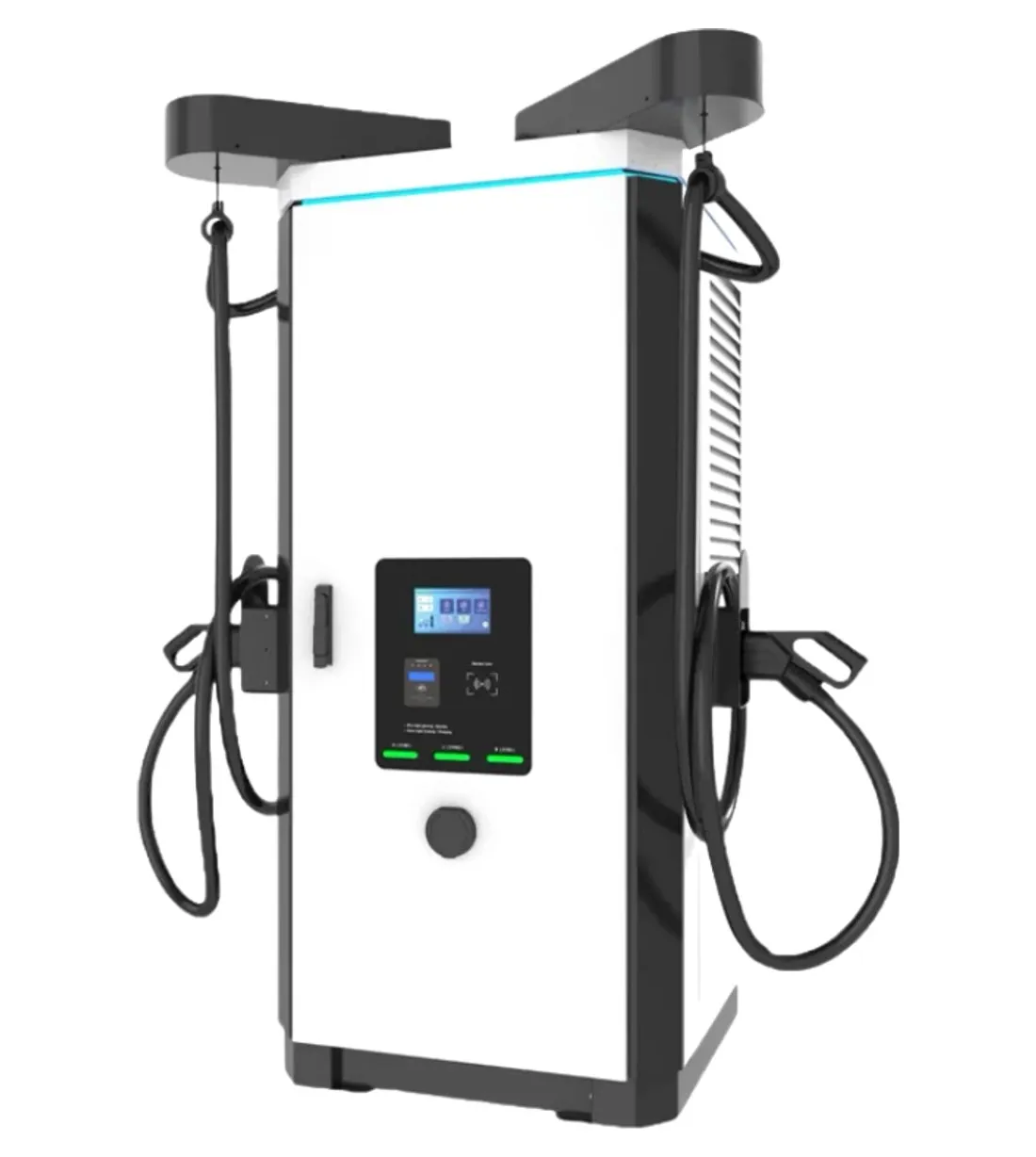
- A payment-ready charger. Ask whether the model has an integrated card terminal or a mount for one, and whether the charger works with a payment provider’s back end; see payment options.
- Reliable communication. OCPP over Ethernet, Wi-Fi or 4G, with a fallback if the network drops; see 4G, Wi-Fi and Ethernet.
- Remote monitoring and diagnostics. To report reliability and fix faults quickly you need status history and error codes; see remote diagnostics.
- Accurate metering where you sell by the kWh; see MID-certified chargers.
- Spare parts and response times that support the reliability target; see uptime.
Buyer’s checklist
| Question for the supplier | Why it matters |
|---|---|
| Does the model support contactless payment, and how? | Payment duty |
| Which OCPP version and features? | Data and monitoring |
| What status and error data can the back end read? | Reliability reporting |
| What spare parts and response times do you offer? | Keeping uptime |
| Which certificates apply for Great Britain (UKCA and any marks you need)? | Product compliance |
VULTAE supplies IEC versions with CE, UKCA and TÜV certification. We send the certificates for the exact model on request.
Related rules
- Smart charge point regulations apply to many chargers sold in Great Britain; see the government guidance.
- The EU has its own approach for public charging; see AFIR explained.
Because the rules and guidance are updated, always read the current text before an order.
Questions buyers ask
- Do the regulations apply to private chargers?
- They concern public charge points, as defined in the regulations. Chargers at homes or closed workplace car parks are generally outside the public definition, but check the definition and your site’s access.
- What must a public charger support?
- Payment options as required by the regulations (including contactless payment for defined chargers), communication with a back end for data and monitoring, and the information needed to show prices and status.
- Where do I find the exact thresholds and dates?
- In the regulations on legislation.gov.uk and in the government’s guidance. Rules have different thresholds for power levels and for new and existing chargers, so read the text for your case.
References
- [1]The Public Charge Point Regulations 2023. legislation.gov.uk.
- [2]Public Charge Point Regulations 2023: guidance. GOV.UK.