Distributors & Installers
Stocking Strategy for EV Charger Distributors
How much EV charger stock should a distributor hold? Fast movers, lead times, spare parts, cash flow and how to avoid dead stock when models or firmware change.
- Prepared by
- VULTAE Engineering Team
- Published
- Reading time
- 2 min
- Sources
- —
Key takeaways
- 1Stock the few models that sell every month (usually wallbox variants and cables), order large and project items to demand, and hold a small spare-parts kit per model for support.
- 2The factory lead time sets your safety stock: the longer and less reliable the supply, the larger the buffer, and the more cash is tied up.
- 3Dead stock comes from model, connector or firmware changes and from market rules that move. Agree change notices with the supplier and review slow movers every quarter.

Contents
Short answer: stock fast movers, order project items to demand, hold a spare-parts kit and set safety stock from the real lead time. Review slow movers every quarter so that model or rule changes do not leave you with dead stock.
Sort the range into four groups
| Group | Examples | Strategy |
|---|---|---|
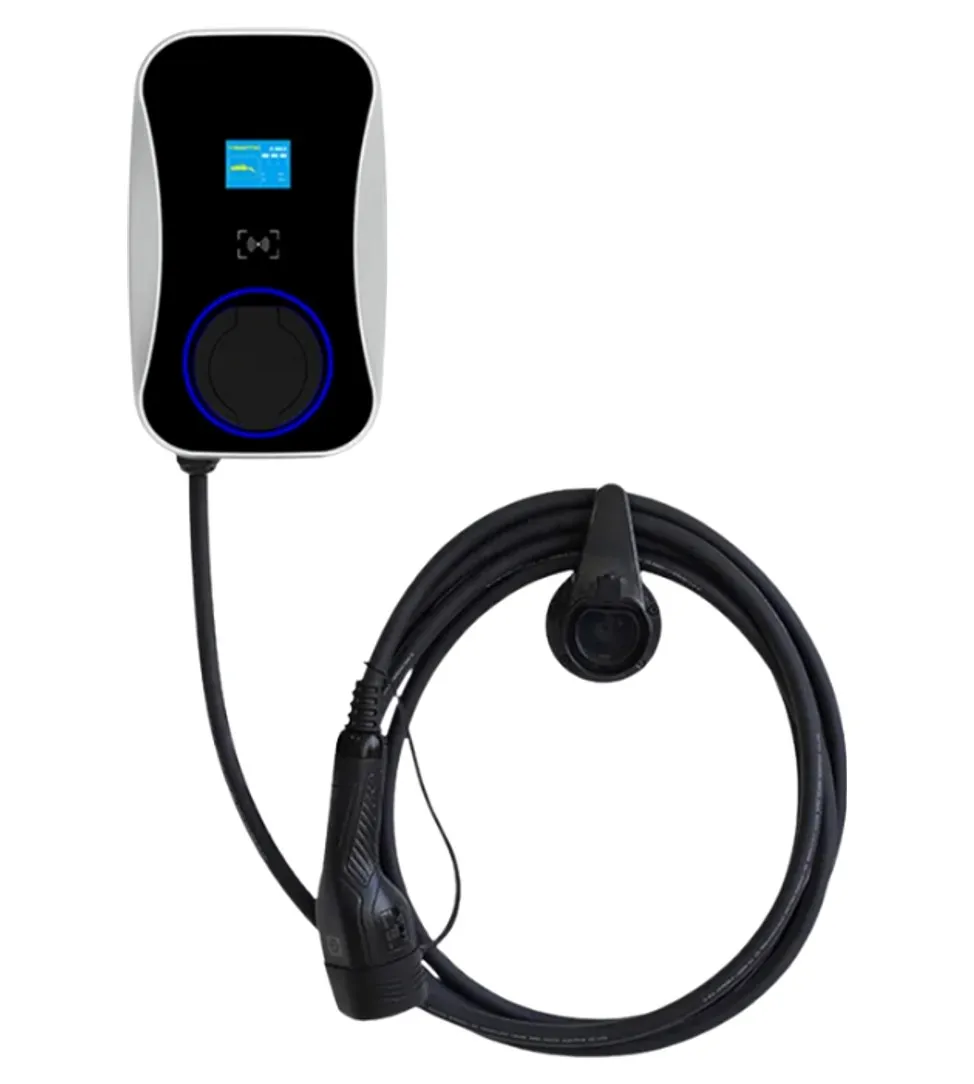
| Fast movers | Two or three wallbox versions, standard cables | Hold stock, reorder at a set point |
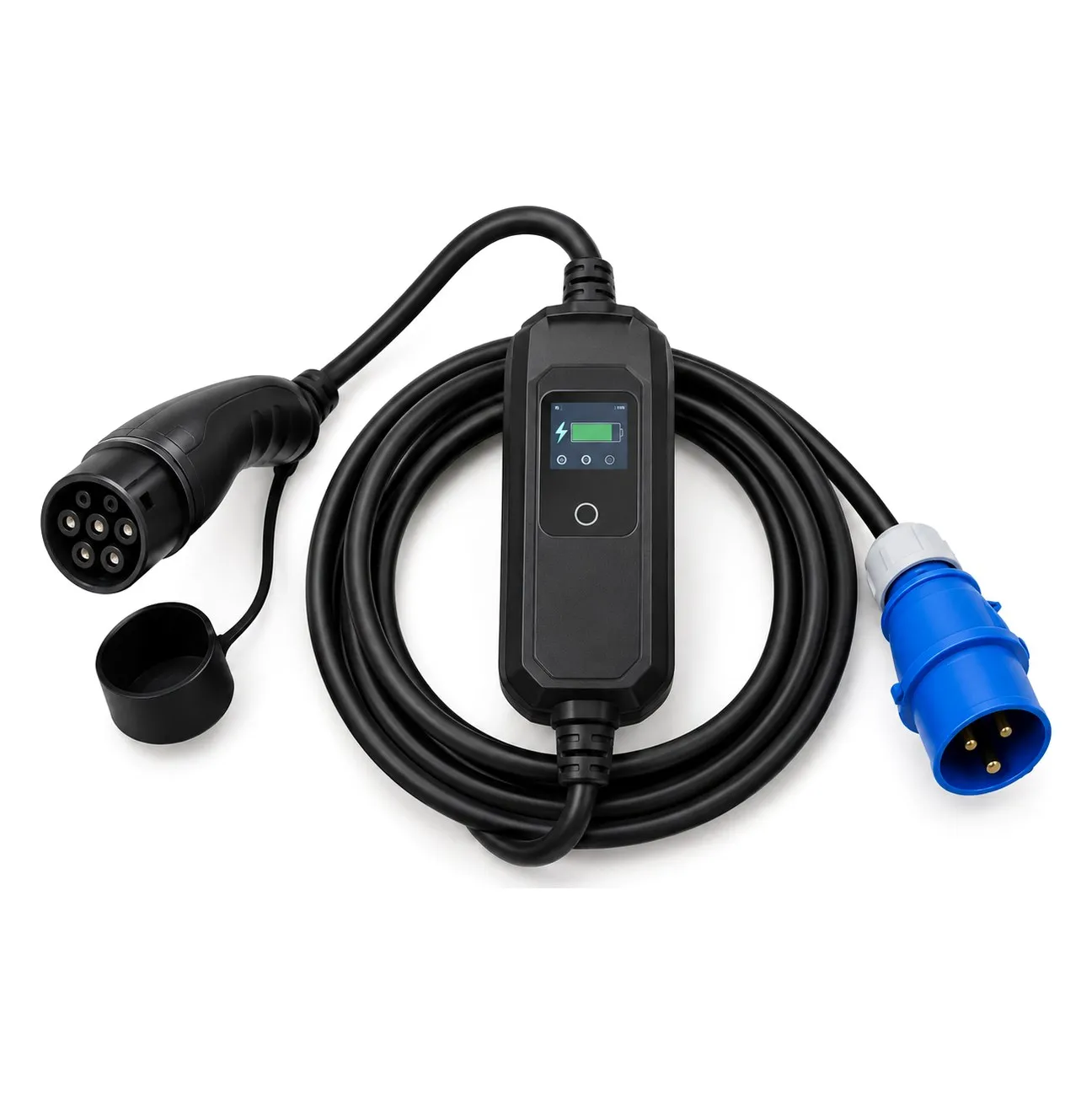
| Medium movers | Pedestals, portable chargers, adapters | Small stock, reorder against orders |
| Project items | DC chargers, special versions, OEM units | Order to confirmed demand |
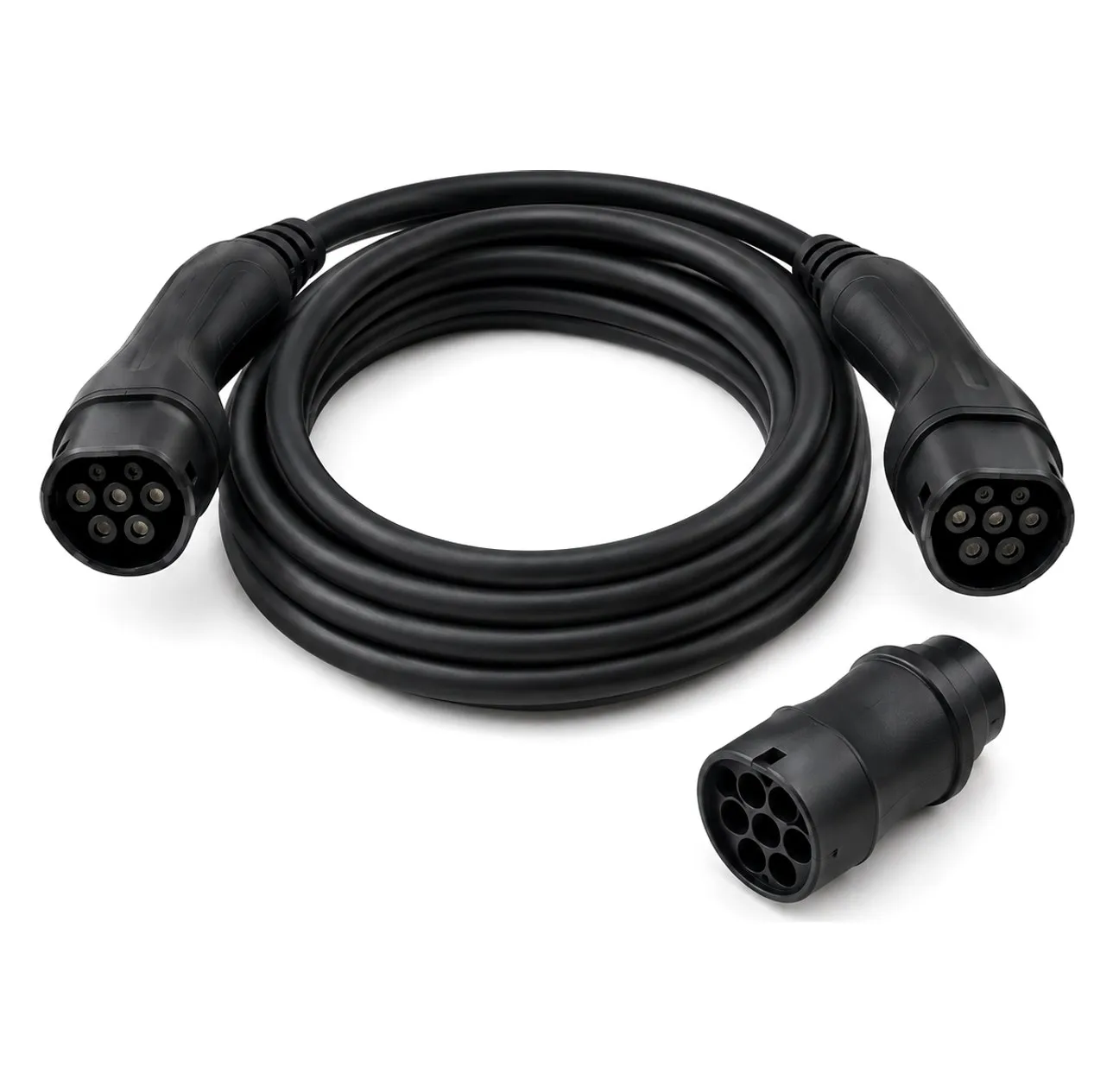
| Support items | Spare parts, cables, connectors | Small kit per model, refill after use |
Start with sales data. If you have none, treat the first orders as tests: sell from a small stock and watch which versions move.
Setting safety stock from lead time
A simple way to think about it:
- Average monthly sales of a model: for example 20 units.
- Total lead time from order to shelf: production, shipping and clearance, for example 10 weeks.
- Demand during lead time: about 20 × (10 ÷ 4.3) ≈ 47 units.
- Safety margin for delays and spikes: for example 25 %.
- Reorder point: about 59 units on hand and on order.
If sea freight is slow or irregular, raise the margin or use air freight for urgent top-ups. Read shipping from China and MOQ and lead time.
What it costs to hold stock
| Cost | Why it matters |
|---|---|
| Cash tied up | A pallet of wallboxes can be a large part of working capital |
| Storage and handling | Space, insurance, damage |
| Obsolescence | Models, connectors or firmware change |
| Warranty | Stock ages; check warranty start dates |
Compare the cost of holding stock with the cost of losing a sale because you had none.
Rules and market fit
Stock the version that matches your market (grid voltage, connector, certificates). A unit that cannot be sold in your country is dead stock from day one. Keep the certificates for each model in the file — see certificates and verify a certificate.
Spare parts for support
Support is part of the offer. A small kit per model — cables, connectors, a control board, a fan or filter for DC — lets you fix faults fast. See the spare parts list.
Agreements with the supplier
- Notice of change: advance warning of model, connector, shell or firmware changes.
- Stock rotation or buy-back: what happens to unsold units on a discontinued model.
- Lead time commitments: and what happens if they slip.
- Reserved capacity: for peak periods.
See distributor agreement clauses.
A quarterly review
- List stock by model and age.
- Mark units older than six months as slow.
- Decide: promote, discount, bundle or return.
- Update reorder points from the last three months of sales.
For a first order, ask VULTAE for a recommended mix for your market; see becoming a distributor.
Questions buyers ask
- What should a new distributor stock first?
- The best-selling wallbox versions for your market (for example the 7 kW and 11 kW socket and cable versions), a few cables and adapters, and a small spare-parts kit. Order larger products against confirmed projects.
- How much safety stock do I need?
- Enough to cover the factory lead time plus shipping and a margin for delays, based on your average monthly sales. Start small and raise it as you see real demand.
- How do I avoid dead stock?
- Ask the supplier for notice before model, connector or firmware changes, keep stock of versions that match your market’s rules, and sell slow movers before they age.