DC Fast Charging
AC vs DC Chargers for Business: Choosing 7 to 360 kW
How to choose between AC and DC EV chargers for a business site: dwell time, kWh per visit, power levels from 7 kW to 360 kW, supply needs and site examples.
- Prepared by
- VULTAE Engineering Team
- Published
- Reading time
- 3 min
- Sources
- 3 references
Key takeaways
- 1The deciding number is dwell time: how long a car stays. Over 4 hours, AC at 7–11 kW is enough and far cheaper. For 30–90 minutes, 22 kW AC or 30–60 kW DC. For 15–30 minutes, 120 kW DC and above.
- 2Energy per hour at the charger is roughly its power: 7 kW adds about 7 kWh (about 45 km of range) in an hour, 22 kW about 22 kWh (about 140 km), 60 kW DC about 60 kWh, minus the taper near full.
- 3DC costs more per charger, needs a bigger supply and a more involved installation — but it earns more per bay because it turns cars over faster. AC costs less and suits long stays.
- 4A common site mix: mostly AC for staff and customers who stay, a few DC for quick top-ups, with load management over the supply.
Contents
Short answer: choose by dwell time. If cars stay four hours or more, AC (7–11 kW) is enough and far cheaper. For 30–90 minutes, use 22 kW AC or 30–60 kW DC. For 15–30 minutes, use 120 kW DC and above. Most business sites end up with AC for the many and DC for the few.
What each type does
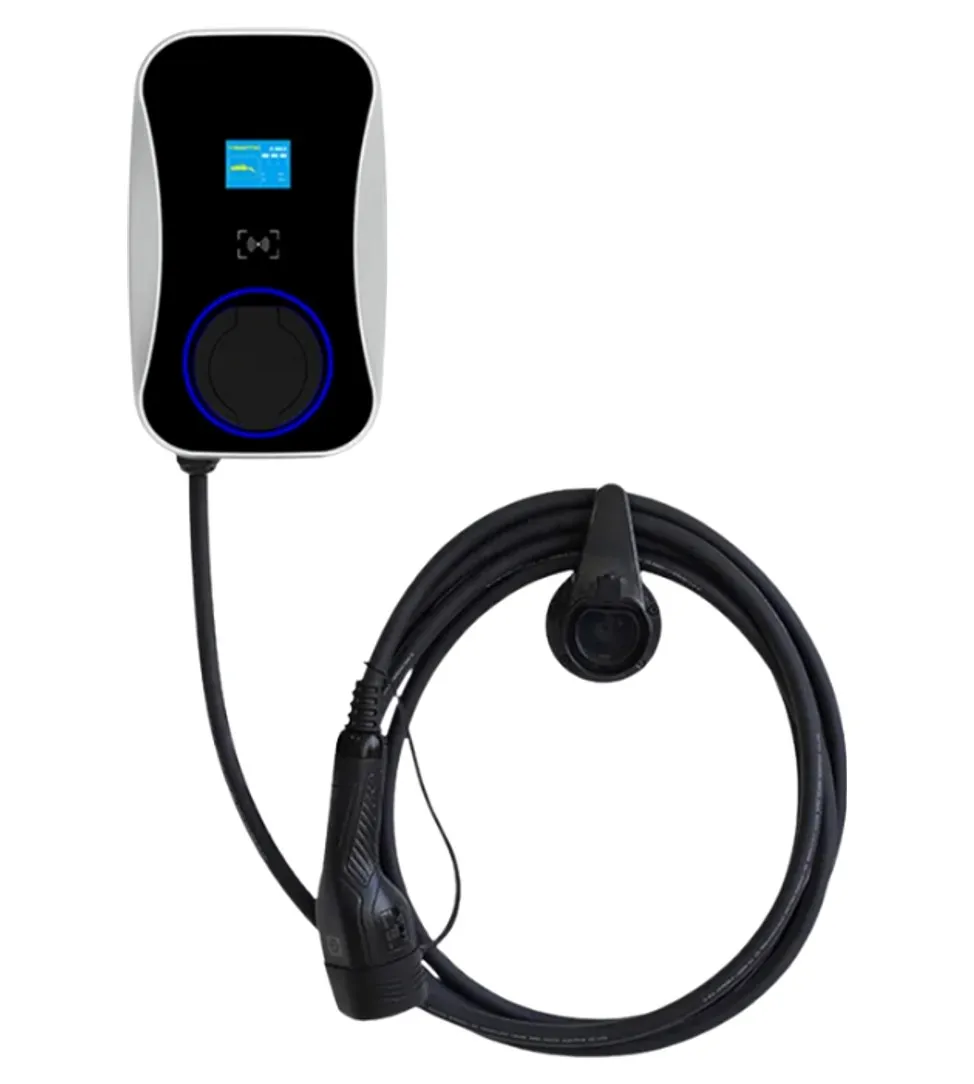
AC chargers pass alternating current to the car, where the onboard charger converts it. Their power is limited by the car’s onboard charger (usually 7–11 kW, sometimes 22 kW). They are simple, light and inexpensive.
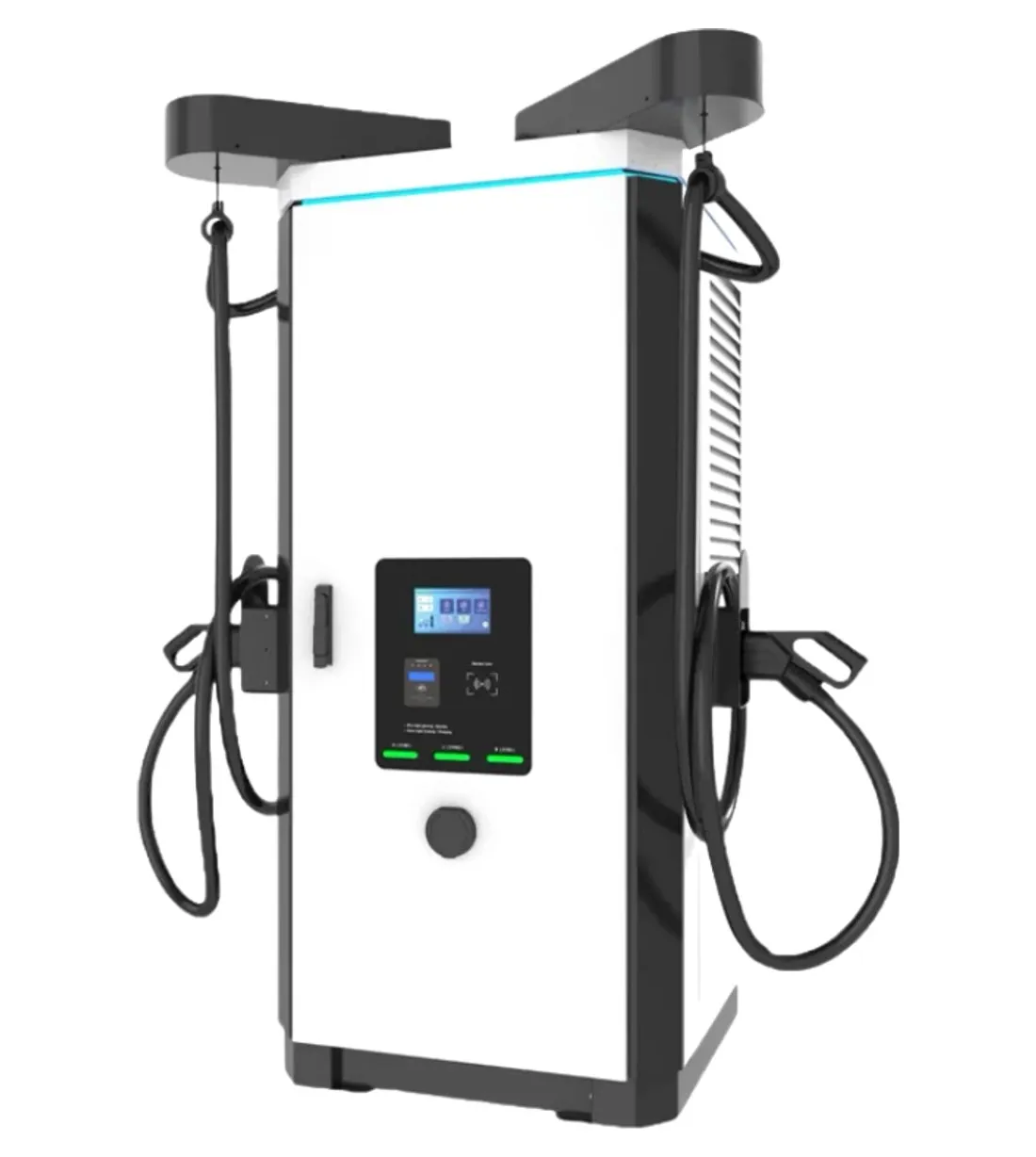
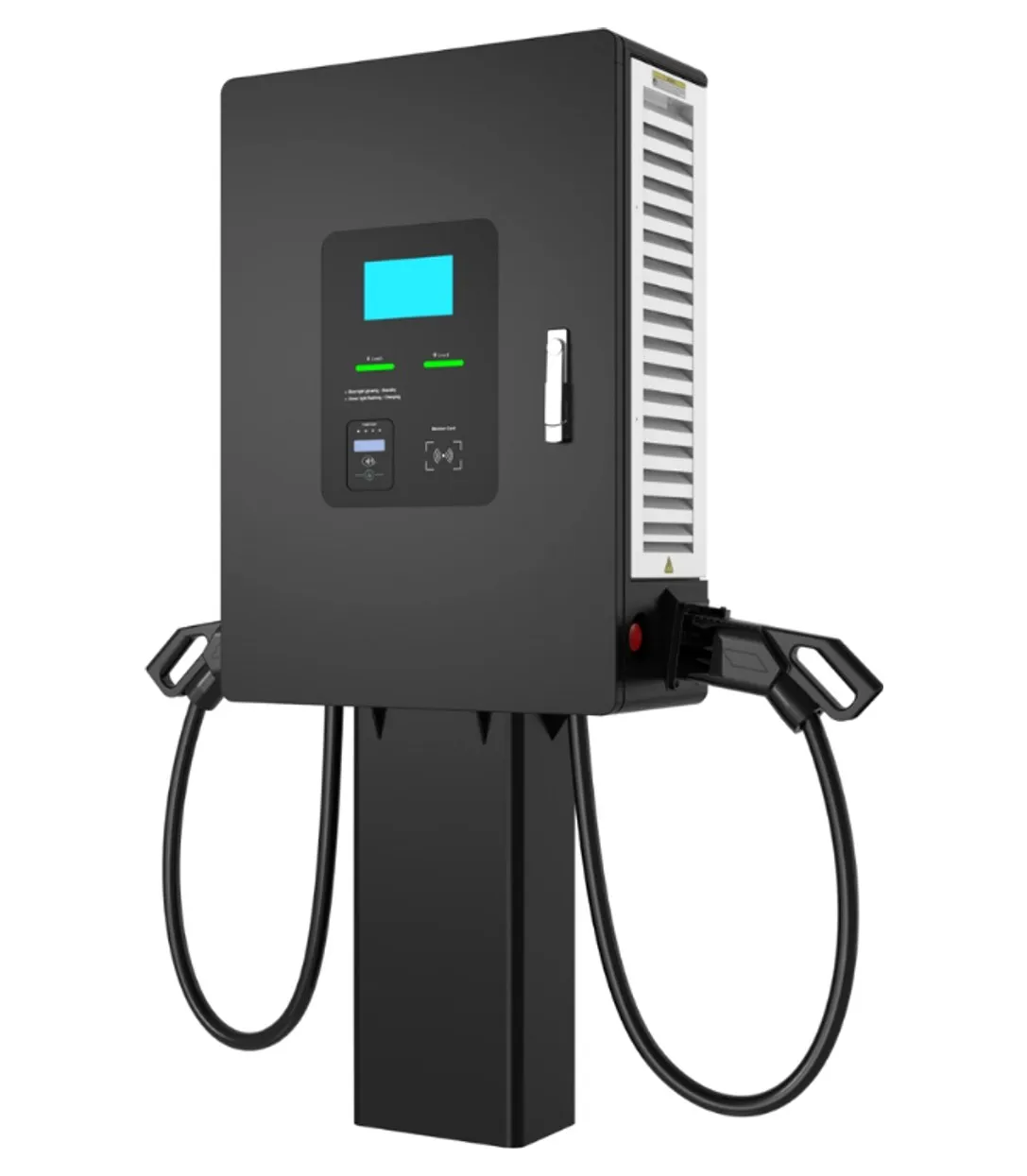
DC chargers convert AC to DC inside the charger and feed the battery directly. They carry the expensive power electronics, so they cost more, but they deliver 20 kW to 360 kW and above.
Energy per hour
Assume a car using 16 kWh per 100 km (about 6 km per kWh).
| Charger | Power | Energy added in 1 hour | Range added per hour |
|---|---|---|---|
| AC single-phase | 7.4 kW | about 7 kWh | about 45 km |
| AC three-phase | 11 kW | about 11 kWh | about 65 km |
| AC three-phase | 22 kW | about 22 kWh* | about 135 km* |
| DC | 30 kW | about 30 kWh | about 180 km |
| DC | 60 kW | about 55–60 kWh | about 340 km |
| DC | 120 kW | about 100 kWh** | — |
| DC | 240–360 kW | limited by the car’s curve | — |
* Only if the car accepts 22 kW AC; many accept 11 kW or less. ** Cars slow down as the battery fills — see the charging curve.
Match to dwell time
| Site | Typical stay | Recommended |
|---|---|---|
| Workplace | 6–9 hours | AC 7–11 kW |
| Apartment building | Overnight | AC 7–11 kW with load management |
| Hotel | Overnight | AC 7–22 kW; a DC for guests passing through |
| Shopping centre | 1–3 hours | AC 11–22 kW, some DC 30–60 kW |
| Restaurant, retail stop | 20–60 minutes | DC 30–120 kW |
| Highway service area | 15–30 minutes | DC 120–360 kW |
| Fuel station | 10–30 minutes | DC 120 kW and above |
| Fleet depot | Overnight, or a quick turnaround | AC for overnight, DC for fast turnaround |
What changes with DC
| AC | DC | |
|---|---|---|
| Hardware cost per charger | Low | Several times higher |
| Grid connection | Low to medium | Medium to high — see grid power for DC sites |
| Installation | Wall or post, simple | Foundation, cabling, commissioning — see DC installation |
| Income per bay | Low | High if utilised |
| Maintenance | Light | More: power modules, cooling, filters |
| Space | Small | Larger footprint and clearances |
A practical mix
For a 50-bay retail car park, for example: 40 AC posts at 7–11 kW for shoppers and staff, 8 AC at 22 kW for those who need a faster charge, and 2 DC chargers of 60–120 kW for quick stops. Load management keeps the total within the supply.
Plan for the future
If you start with AC, leave space for DC, reserve supply capacity and put in spare conduits. If you start with DC, add AC posts for long stays — they cost little and fill your bays with income-earning cars. For business models see is EV charging profitable.
VULTAE range
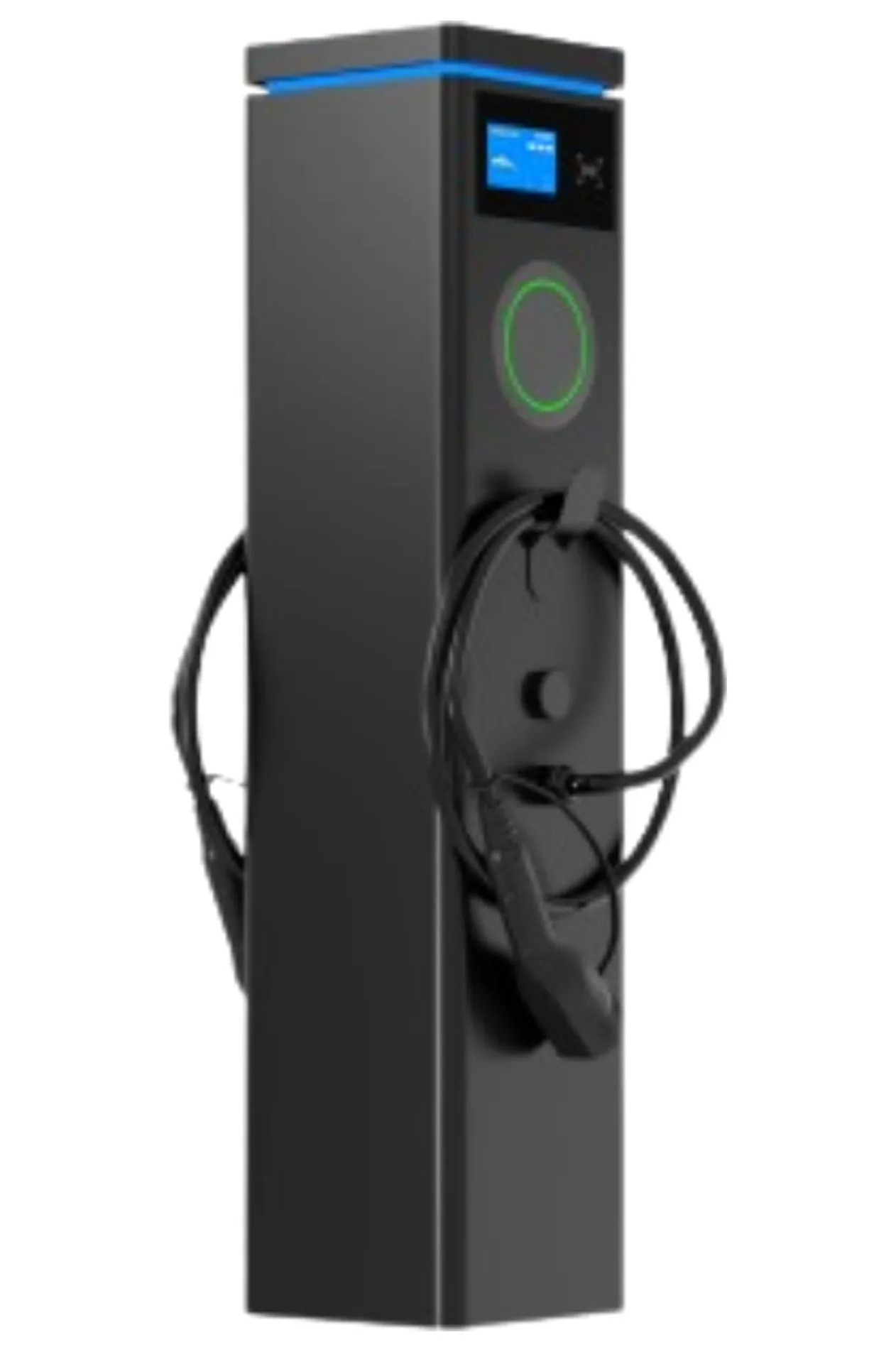
VULTAE offers AC chargers from 3.7 to 22 kW (wall-mounted and dual-gun pedestal), DC wall-mounted chargers from 20 to 60 kW and floor-standing DC chargers from 60 to 360 kW. See the AC pedestal, the DC wallbox and the DC fast charger, or use the charging calculator.
Questions buyers ask
- Should a business install AC or DC chargers?
- Match the charger to how long vehicles stay. Workplaces, hotels and apartment buildings, where cars stay for hours, are best served by AC. Highway sites, fuel stations and fleets with tight turnaround need DC. Many sites use both.
- How much range does AC charging add per hour?
- About 40–45 km per hour at 7 kW, about 65 km at 11 kW and about 130–140 km at 22 kW, for a typical car using 16 kWh per 100 km. Many cars cannot accept 22 kW, so check the vehicles.
- Why is DC fast charging more expensive?
- DC chargers contain the power conversion equipment that an AC charger leaves in the car, so they cost more, need a larger grid connection and more installation work. The income per bay is also higher because sessions are short and power is higher.
- Can I start with AC and add DC later?
- Yes, if you plan for it: leave space, reserve capacity in the supply and put conduits for the future. Load management lets AC and DC share the supply.
References
- [1]IEC 61851-1:2017 — general requirements. International Electrotechnical Commission.
- [2]IEC 61851-23:2023 — DC electric vehicle supply equipment. International Electrotechnical Commission.
- [3]Alternative Fuels Data Center: electricity infrastructure development. U.S. Department of Energy.