Sites & Applications
EV Charging at Restaurants and Fast-Food Sites
How restaurants and quick-service sites add EV charging: dwell times, AC vs DC, power needs, payment, signage, and what a 30-minute meal can charge.
- Prepared by
- VULTAE Engineering Team
- Published
- Reading time
- 1 min
- Sources
- —
Key takeaways
- 1A restaurant visit lasts about 30 to 90 minutes. That fits DC chargers of 20–60 kW at drive-in and roadside sites, and AC chargers where guests stay longer.
- 2Charging brings customers who might otherwise stop elsewhere. Place chargers near the entrance with good lighting and clear signage.
- 3Payment must be simple. Offer card or app payment, or include charging as a customer benefit with validation.
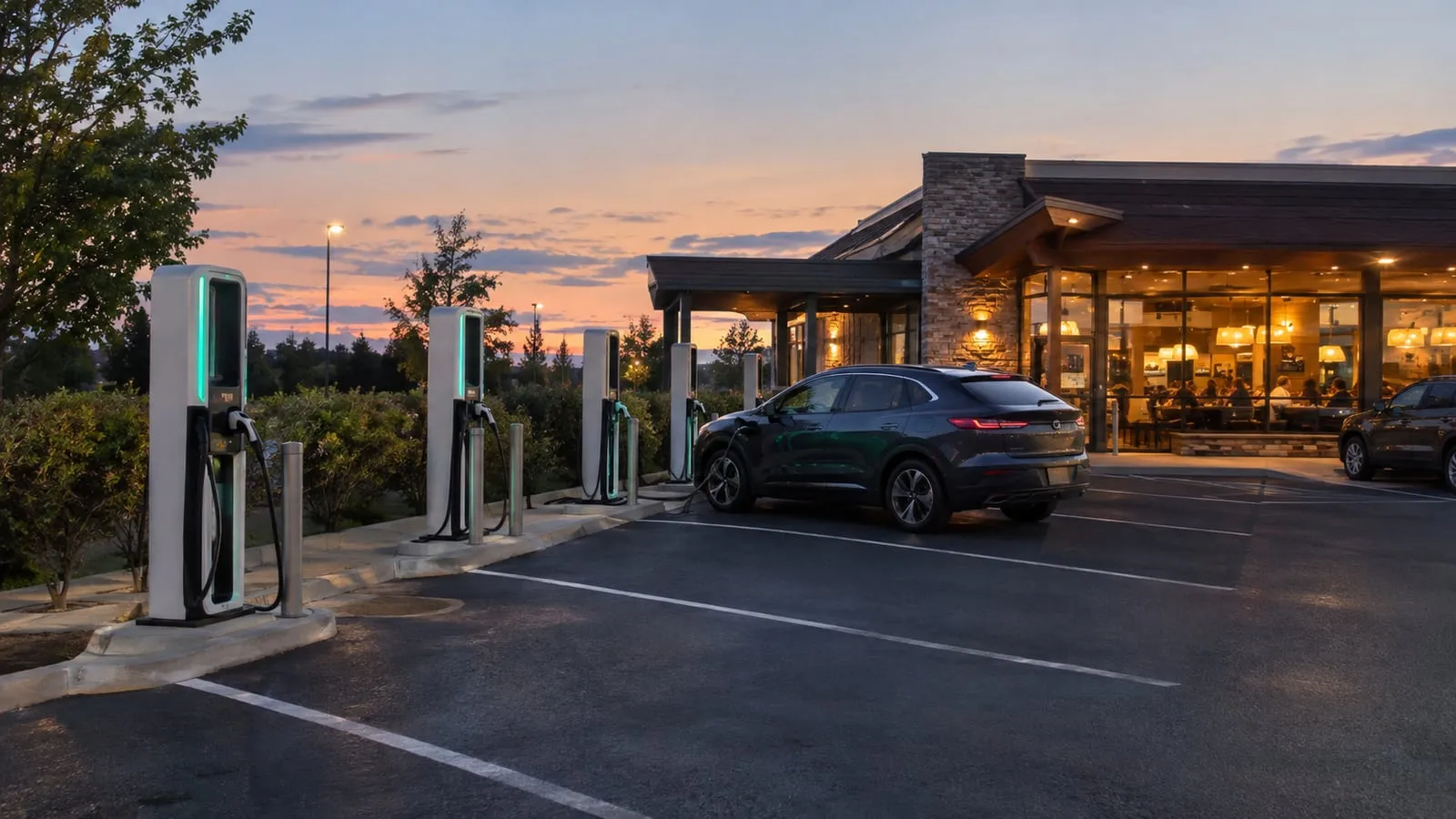
Short answer: match the charger to the meal time: DC 20–60 kW for 30–60 minute stops, AC 7–22 kW where guests stay longer. Put chargers near the entrance, light them well and make payment simple.
What dwell time buys
| Dwell | AC 11 kW | DC 30 kW | DC 60 kW |
|---|---|---|---|
| 30 min | ~5 kWh | ~15 kWh | ~30 kWh |
| 60 min | ~10 kWh | ~30 kWh | ~55 kWh |
| 90 min | ~15 kWh | ~45 kWh | ~80 kWh |
These figures are estimates and assume the car accepts the full power.
Site types
| Site | Typical choice |
|---|---|
| Roadside restaurant | DC 60 kW and above |
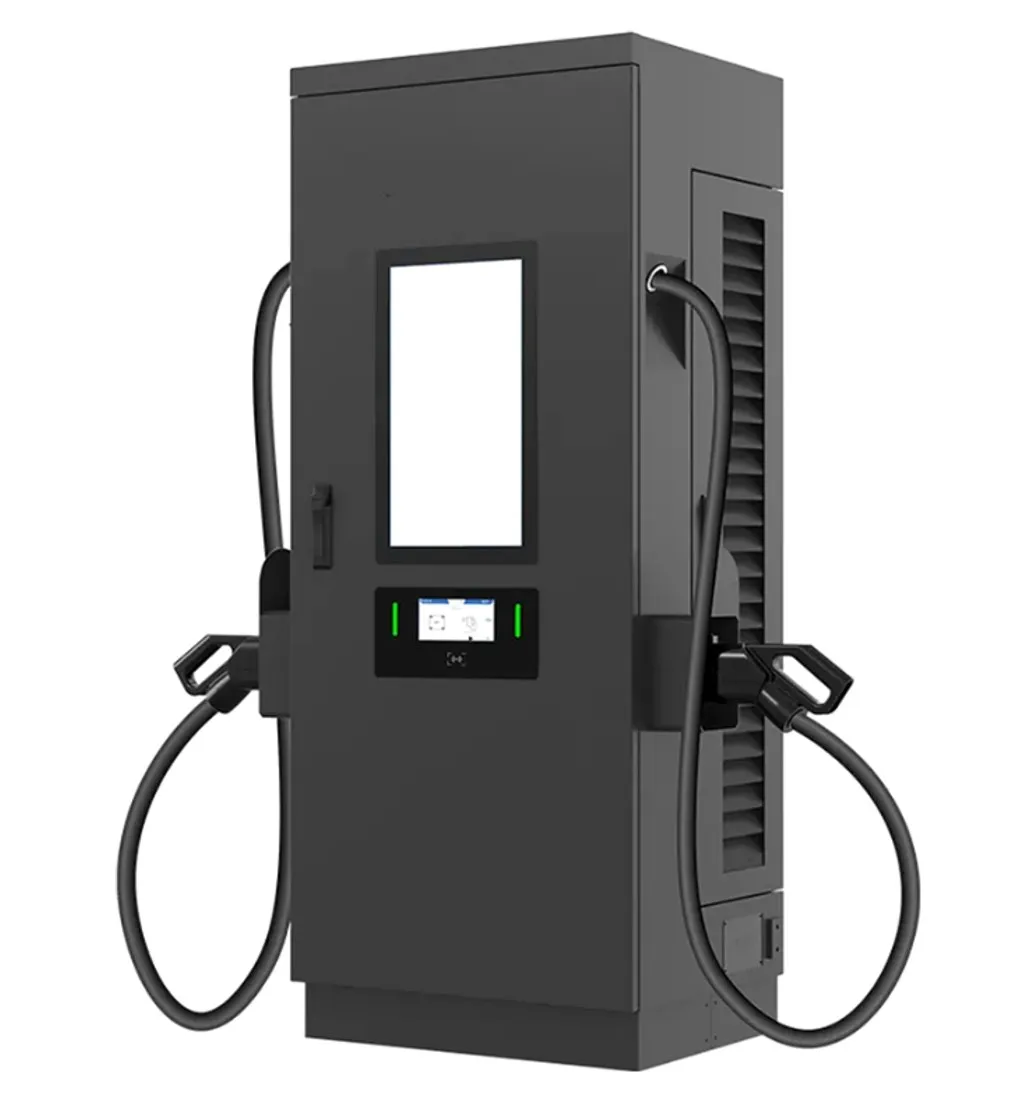
| Drive-in fast food | DC 30–60 kW; compact units |
| Sit-down restaurant | DC 30 kW or AC 22 kW |
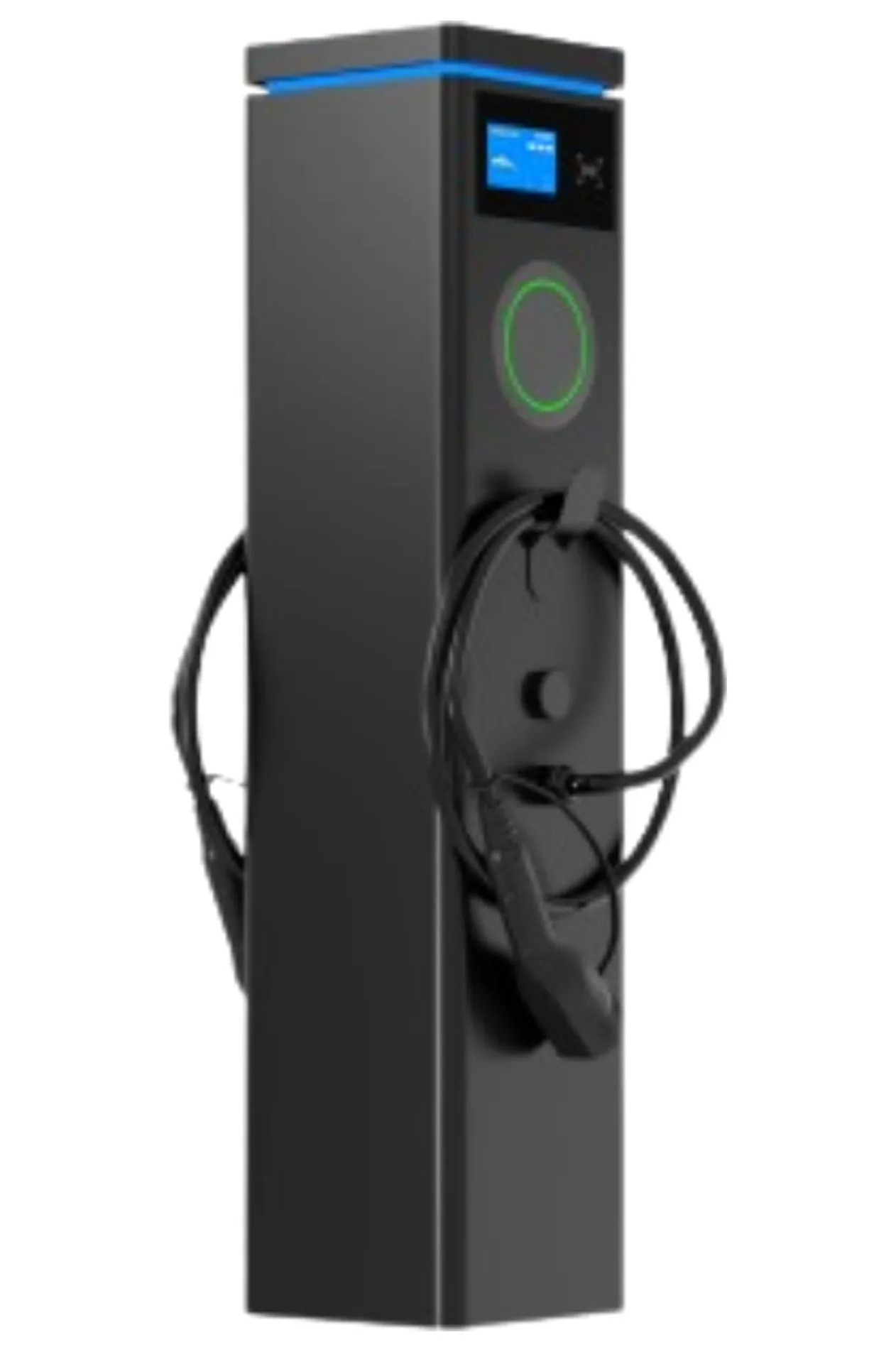
| Café with long stays | AC 7–22 kW |
Business model
- Own and charge per kWh.
- Free or discounted with a purchase.
- Host a charge point operator and share revenue — see revenue sharing.
Practical points
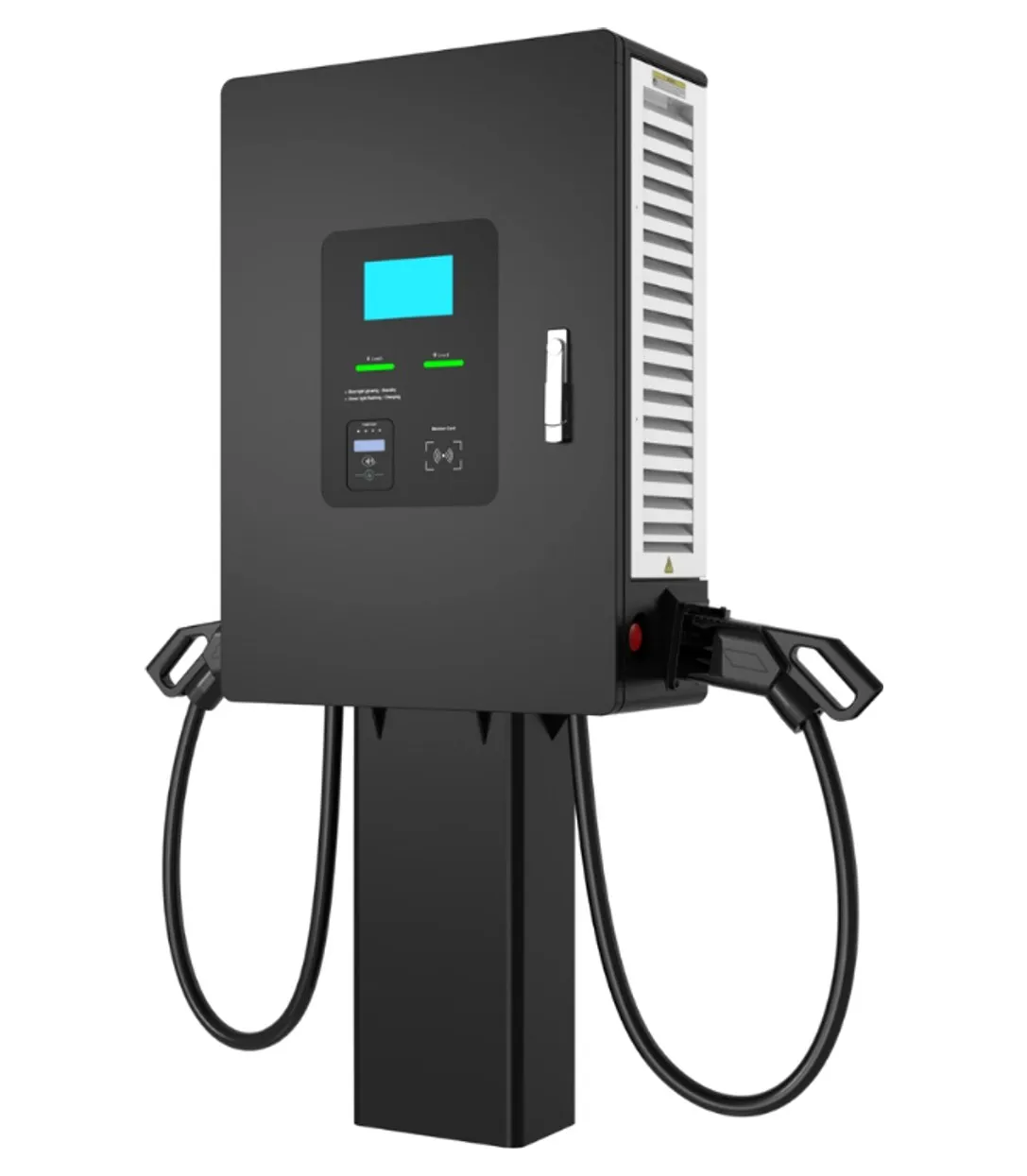
- Supply: check the building’s capacity; DC wallboxes can run on smaller supplies — see DC wallbox vs floor-standing.
- Layout: bays near the entrance, clear of delivery routes — see bay layout.
- Payment: card, app or RFID — see payment options.
- Signage: visible from the road.
VULTAE’s compact DC charger fits small forecourts, and the DC wallbox works on limited supplies.
Questions buyers ask
- How much can a car charge during a meal?
- A 30 kW DC charger adds roughly 20 to 30 kWh in 45 minutes if the car accepts the power. An 11 kW AC charger adds about 8 kWh in the same time.
- Should a restaurant charge for electricity?
- It can charge per kWh, offer free charging with a purchase, or share revenue with a charge point operator. The best model depends on your costs and goals.
- Which charger suits a drive-through site?
- Short-stay sites suit DC at 30 kW and above; compact units help when space is tight.