DC Fast Charging
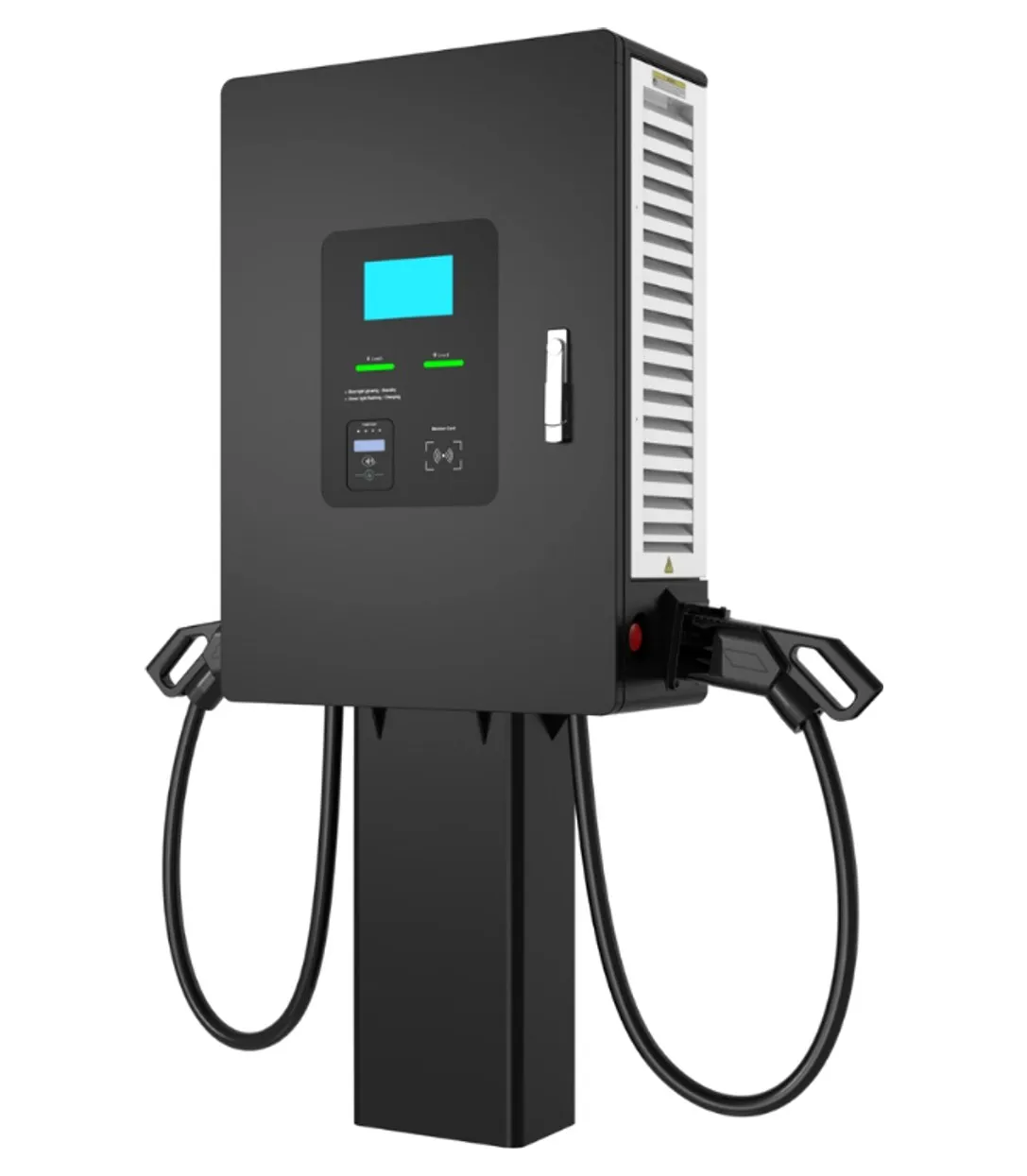
DC Wallbox vs Floor-Standing DC Charger
DC wallbox (20–60 kW) or floor-standing cabinet (60–360 kW)? Compare power, supply, space, cost and sites to choose the right DC charger.
- Prepared by
- VULTAE Engineering Team
- Published
- Reading time
- 1 min
- Sources
- —
Key takeaways
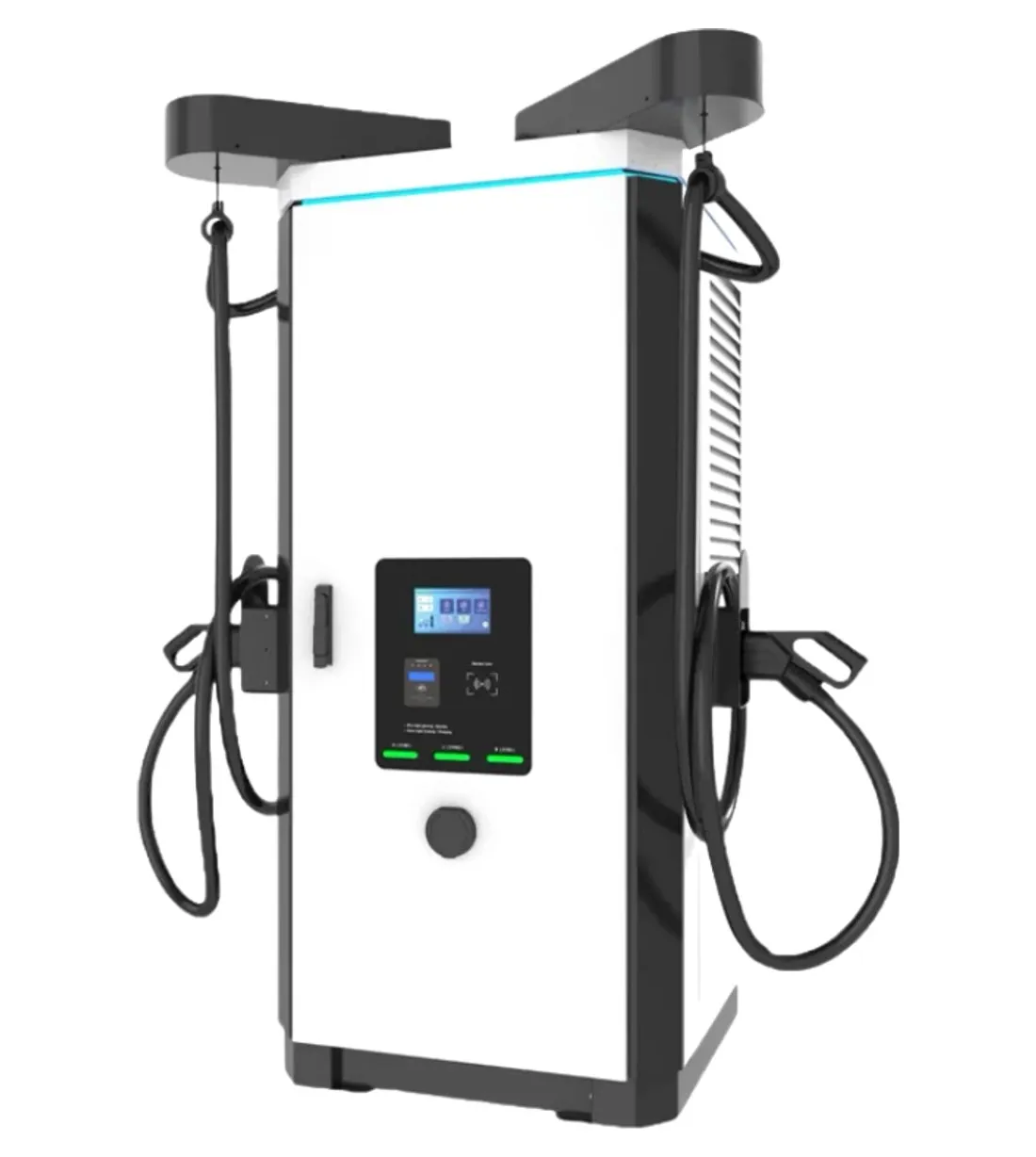
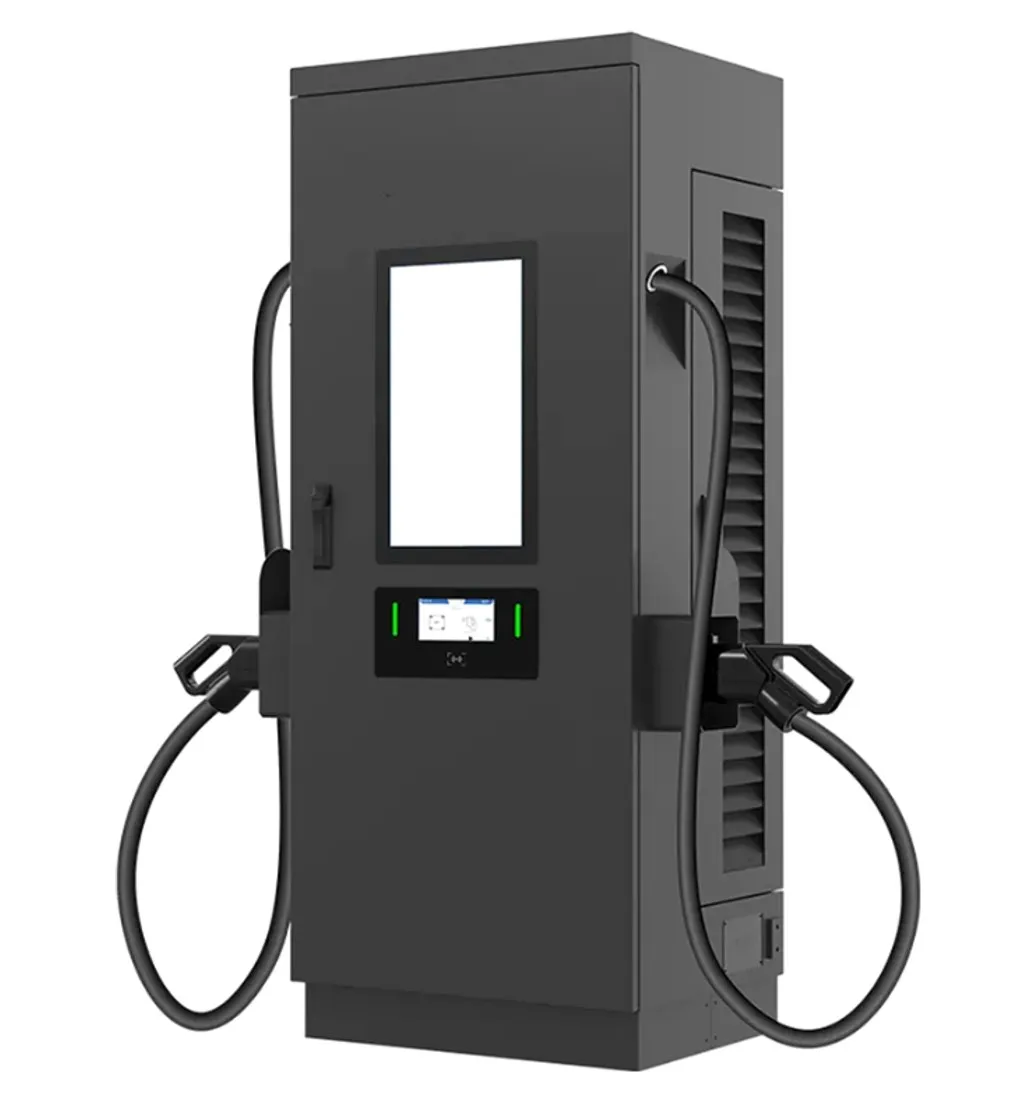
- 1A DC wallbox delivers 20–60 kW in a compact unit and suits dealerships, hotels and depots where vehicles stay one to two hours or the supply is limited. A floor-standing cabinet delivers 60–360 kW and suits public hubs, highways and fleets with high use.
- 2Supply is often the deciding factor: a 30 kW wallbox can run on a supply that could never carry a 150 kW cabinet.
- 3Think about turnover. If cars must leave in 20–30 minutes, the higher power of a cabinet pays back; if they stay one to two hours, a wallbox is enough.
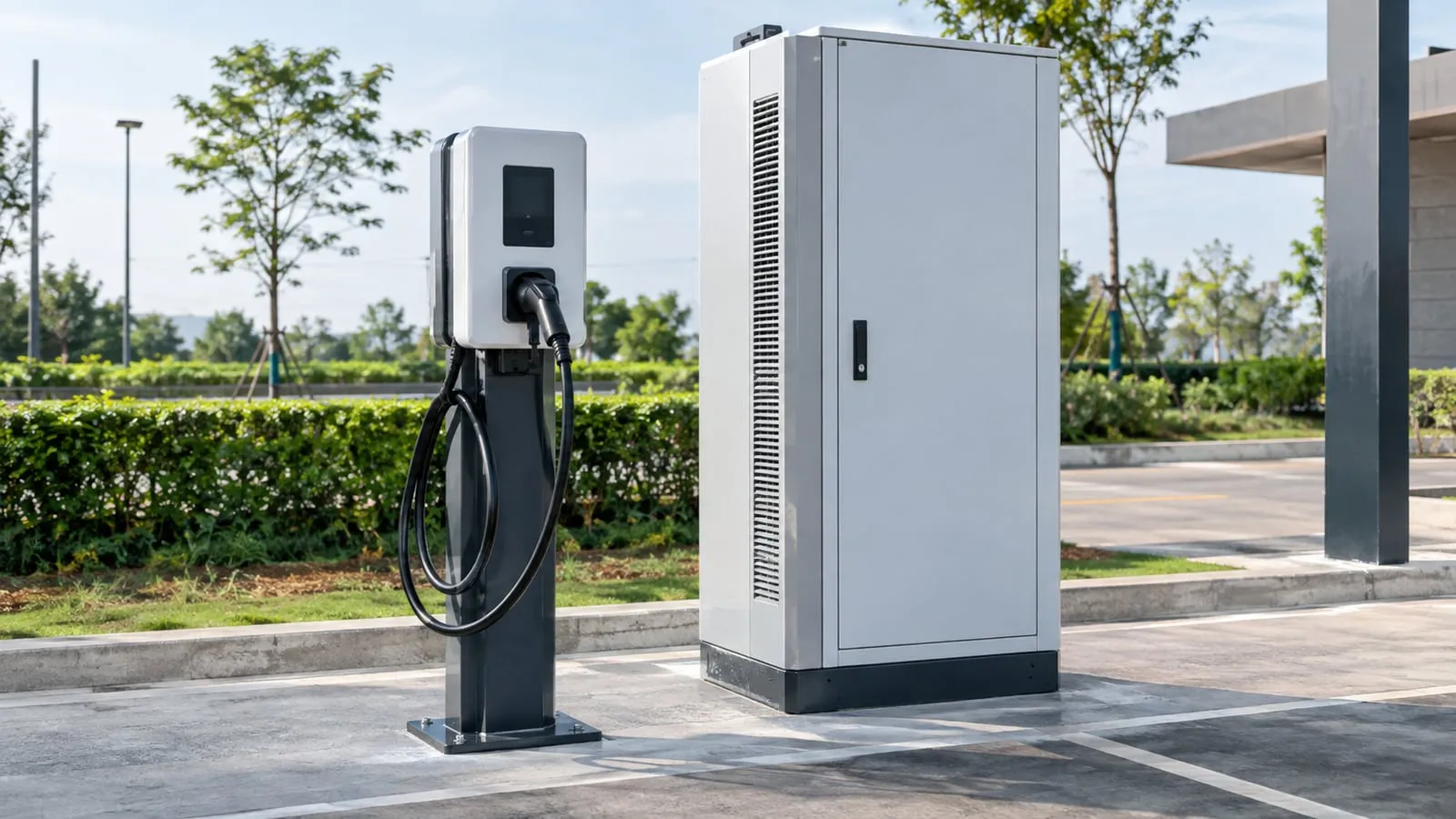
Short answer: pick a DC wallbox for 20–60 kW at sites with limited space or supply and dwell times of one to two hours. Pick a floor-standing cabinet for 60–360 kW, high turnover and public hubs.
Comparison
| DC wallbox | Floor-standing DC | |
|---|---|---|
| Power | 20–60 kW | 60–360 kW |
| Connectors | 1 or 2 | Usually 2, with power sharing |
| Supply | Smaller | Larger, often new transformer |
| Footprint | Wall or slim pedestal | Cabinet on a plinth |
| Civil works | Light | Heavier |
| Typical dwell | 1–2 hours | 15–45 minutes |
| Typical sites | Dealerships, hotels, depots, retail | Highways, hubs, fuel stations, large fleets |
Supply and cost
A 30 kW unit draws roughly 47 A per phase at 400 V; a 150 kW unit draws far more and may need a transformer and a grid application. See grid power for DC sites.
Turnover and revenue
Higher power sells more kWh per hour but costs more and needs more supply. Use your own dwell times and tariff to compare — the charging time calculator helps.
Site examples
| Site | Suggested |
|---|---|
| Car dealership delivery bay | DC wallbox 20–30 kW |
| Hotel with two-hour stays | DC wallbox 30–40 kW |
| Fleet depot with fast turnarounds | DC wallbox 40–60 kW or small cabinet |
| Highway service area | Floor-standing 120–300 kW |
| Fuel station forecourt | Floor-standing 120–180 kW |
See the DC wallbox and DC fast charger pages for specifications, and 30 and 40 kW chargers for small DC sites.
Questions buyers ask
- How fast is a 30 kW DC wallbox?
- About 45 kWh in around an hour and a half if the car accepts the full 30 kW. Use a charging time calculator for your battery size.
- Can a wallbox have two connectors?
- Some models can; the 40 and 60 kW versions of the VT-DW have two CCS2 connectors for two vehicles.
- When do I need a floor-standing cabinet?
- When you need 60 kW or more per charger, high turnover or two connectors with power sharing, for example on a highway or at a public hub.