DC Fast Charging
30 kW and 40 kW DC Chargers: Where They Fit
30 and 40 kW DC chargers suit sites with limited supply and stays of one to two hours. Charging times, supply sizes, typical sites and where they are too slow.
- Prepared by
- VULTAE Engineering Team
- Published
- Reading time
- 2 min
- Sources
- —
Key takeaways
- 1A 30 kW DC charger adds roughly 45 kWh in about an hour and a half, and a 40 kW unit around 60 kWh, on a supply of about 47 A or 62 A per phase at 400 V. That is far less supply than a 150 kW cabinet needs.
- 2They fit dealerships, hotels, depots and retail sites where cars stay one to two hours or where the grid connection is limited. For high-turnover public hubs and highways they are too slow.
- 3Always check the car: a DC charger only delivers what the vehicle accepts, and many cars charge slower than their maximum when the battery is full or cold.
Contents
Short answer: 30–40 kW DC is the right size where stays last one to two hours and the grid supply is limited. It brings DC speed without the transformer, plinth and grid application a 150 kW cabinet usually needs. For sites where cars must leave in 20–30 minutes, choose higher power.
What these power levels deliver
| Power | Energy in 1 hour (approx.) | Input current per phase at 400 V | Time to add 45 kWh |
|---|---|---|---|
| 20 kW | ~18 kWh | 31 A | ~2.5 h |
| 30 kW | ~27 kWh | 47 A | ~1.7 h |
| 40 kW | ~36 kWh | 62 A | ~1.25 h |
The energy figures assume about 90 % efficiency and a car that accepts the full power. The current figures are the input currents of the VULTAE DC wallbox models; your electrician sizes the actual supply.
Why small DC makes sense
Smaller supply. A 30 kW unit needs about 47 A per phase. Many commercial buildings can provide that. A 150 kW cabinet needs several times more and often a new transformer; see grid power for DC sites.
Less civil work. Wall-mounted or slim pedestal units avoid the plinth and trenching of a cabinet; see DC wallbox vs floor-standing.
Better fit to dwell time. Where cars stay an hour or two, extra power would sit unused.
Where 30–40 kW fits
| Site | Why it fits |
|---|---|
| Car dealership, delivery bay | Cars are charged before handover; supply is limited |
| Hotel with 1–2 hour stops | Guests top up during meals or meetings |
| Fleet depot with short turnarounds | Fast top-up between shifts, small supply |
| Retail with modest utilisation | Lower cost per bay |
| Roadside restaurant | A 45-minute meal adds 20–30 kWh |
Where it is too slow
- Highway hubs and service areas, where drivers expect 20–30 minute stops.
- Taxi and ride-hailing hubs, where every minute of waiting costs income; see charging hubs for taxis.
- High-utilisation public sites that need several cars an hour per bay.
Three things to check
- The car. Find the maximum DC power and the charging curve; many cars slow down above about 80 % state of charge — see the DC charging curve.
- The connector. CCS2 is standard on the VULTAE DC wallbox, with CCS1, CHAdeMO, NACS and GB/T available for other markets.
- The supply. Confirm three-phase 400 V and the input current for your chosen model.
VULTAE options
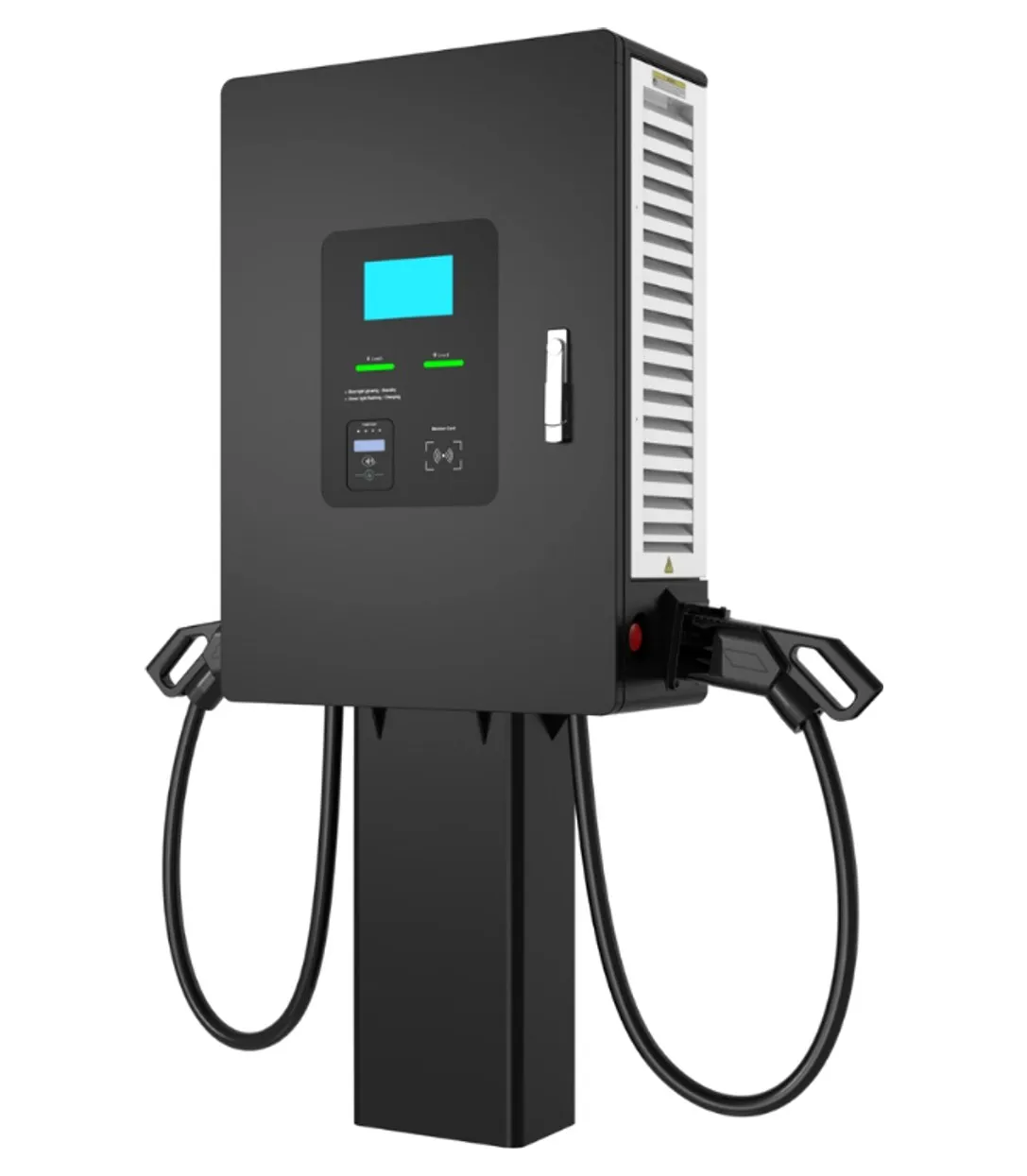
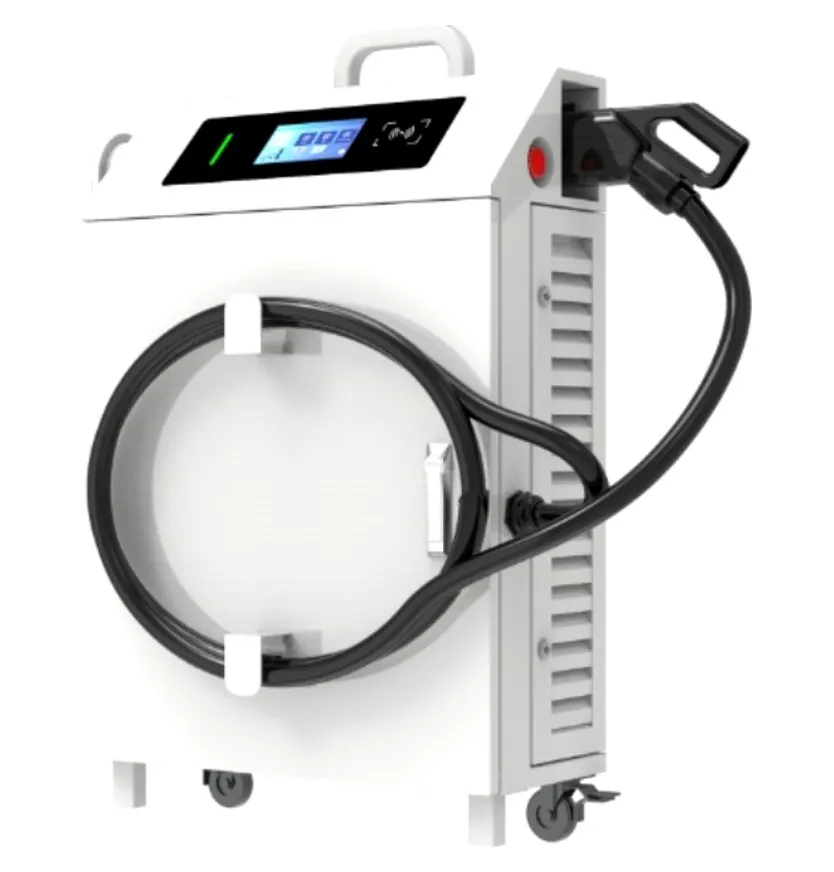
The DC wallbox covers 20 to 60 kW with single or dual connectors; the mobile DC charger brings 20–80 kW to dealer bays and temporary sites. Send us your supply and dwell times and we will suggest a size.
Questions buyers ask
- How long does a 30 kW DC charger take to charge a car?
- About 1.5 hours to add 45 kWh, if the car accepts the full 30 kW. A car with a smaller battery or a lower maximum DC power takes the time its own limit allows. Use the charging time calculator with your own battery size.
- Is 40 kW worth it over 30 kW?
- It adds about a third more energy per hour. It is worth it if stays are shorter or cars accept the power and the supply can give about 62 A per phase. If stays are long, 30 kW or even 20 kW may be enough.
- Can one 30–40 kW unit charge two cars?
- Single-connector models charge one car. Dual-connector models, such as 40 and 60 kW units with two CCS2 connectors, charge two cars and share the power.