Fleet & Heavy Vehicles
Charging Hubs for Taxis and Ride-Hailing Drivers
Design a charging hub for taxis and ride-hailing: high utilisation, DC power, queue management, uptime, location, amenities and driver payment.
- Prepared by
- VULTAE Engineering Team
- Published
- Reading time
- 1 min
- Sources
- —
Key takeaways
- 1Taxis and ride-hailing drivers are high-mileage users who need quick, reliable DC charging near where they work. Utilisation can be high, so uptime, queue handling and location matter more than headline power.
- 2A hub benefits from several chargers of 60 kW and above, clear signage, canopy and lighting, driver amenities and simple payment or accounts for drivers and fleets.
- 3Check the grid early: a multi-charger DC hub usually needs a new or upgraded connection.
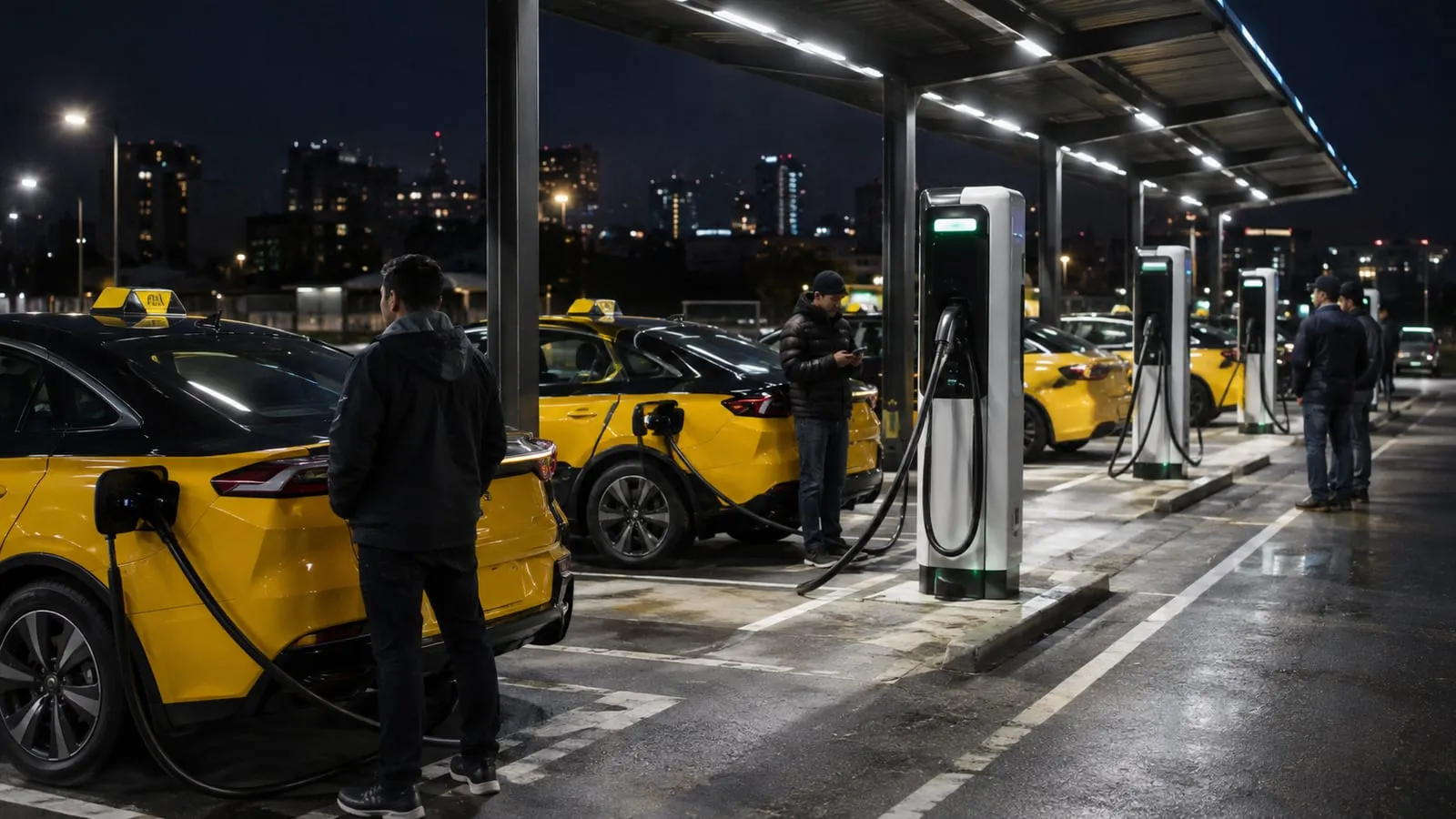
Short answer: for taxis and ride-hailing, build reliable DC hubs near work areas. Prioritise uptime, queue handling, location and amenities over peak power, and plan the grid connection early.
What drivers need
| Need | Design response |
|---|---|
| Fast turnaround | DC 60 kW and above |
| No waiting | Enough chargers, queue rules |
| Reliability | Monitoring, spares — see uptime |
| Safety and comfort | Lighting, canopy, seating, toilets, food |
| Easy payment | Fleet accounts, RFID, app |
Sizing
- Estimate kWh per driver per shift.
- Count drivers charging in peak hours.
- Choose charger power that brings cars through in 20–40 minutes.
- Add spare capacity.
| Item | Example thinking |
|---|---|
| Energy per driver | Depends on distance and battery |
| Peak vehicles | Number of cars arriving in the busiest hour |
| Charger power | Time per charge × power = energy |
Location
- Close to airports, stations and city centres.
- Easy entry and exit and room for queuing.
- Good visibility and signage.
Hardware
| Option | Use |
|---|---|
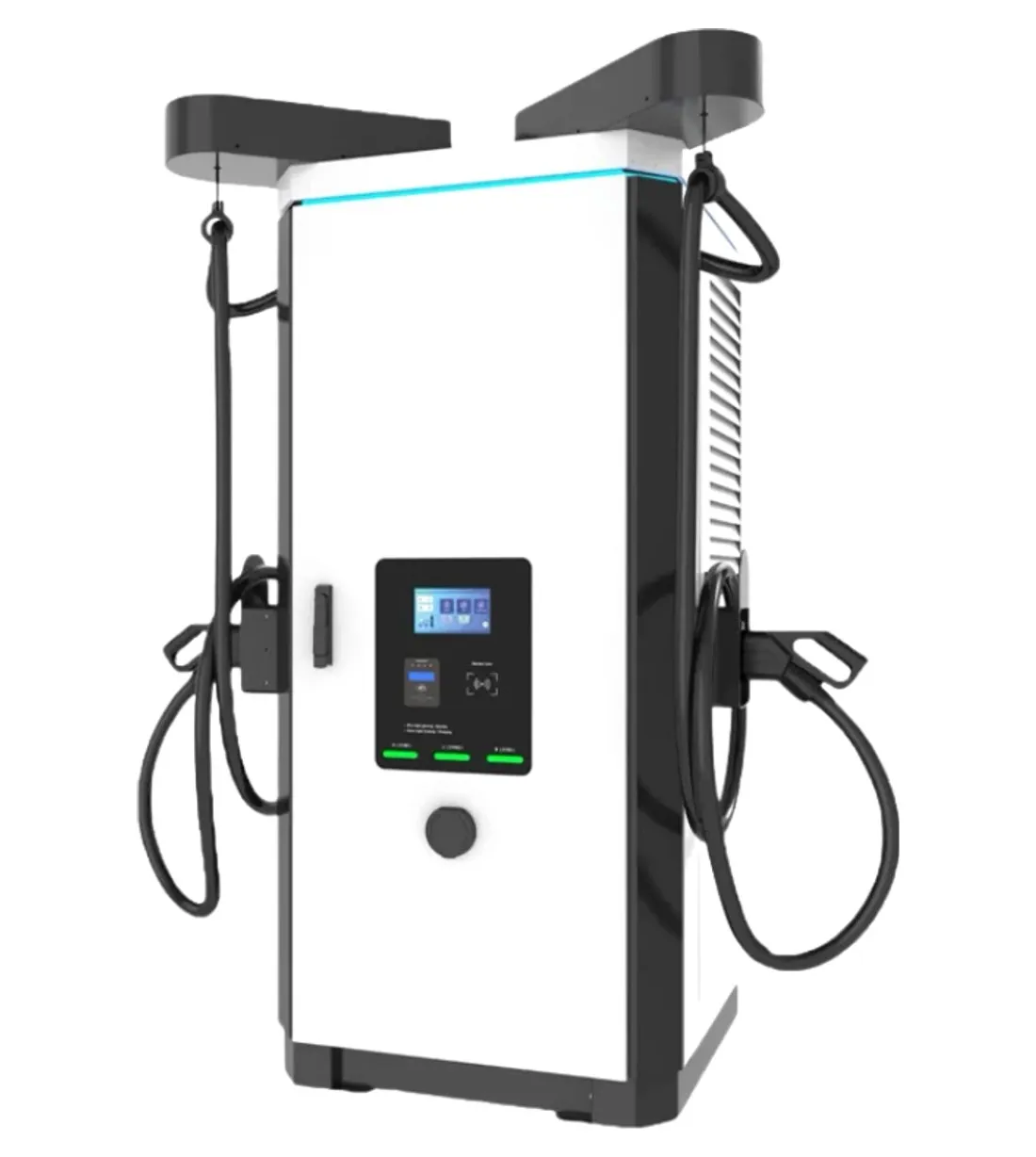
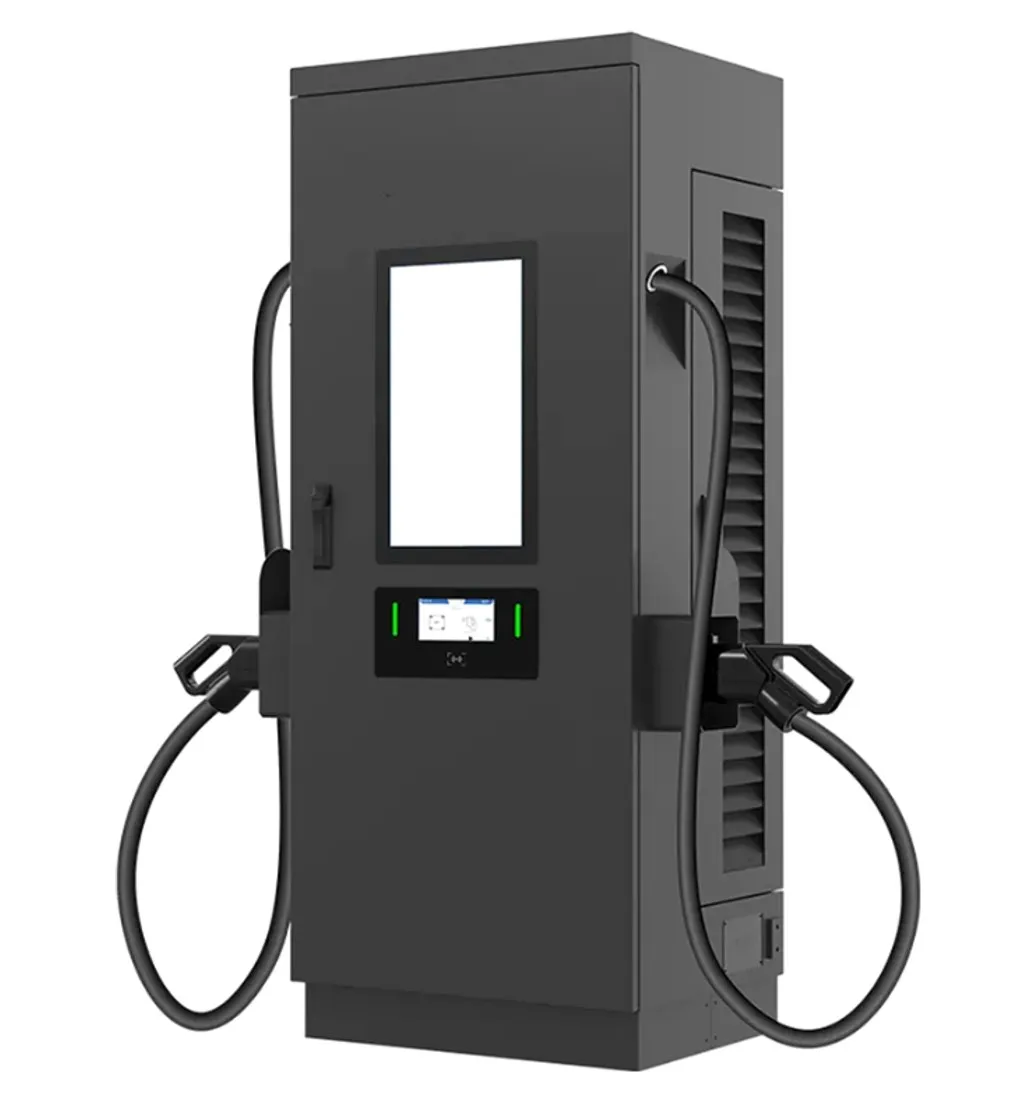
| DC fast charger with two connectors | Main hub units |
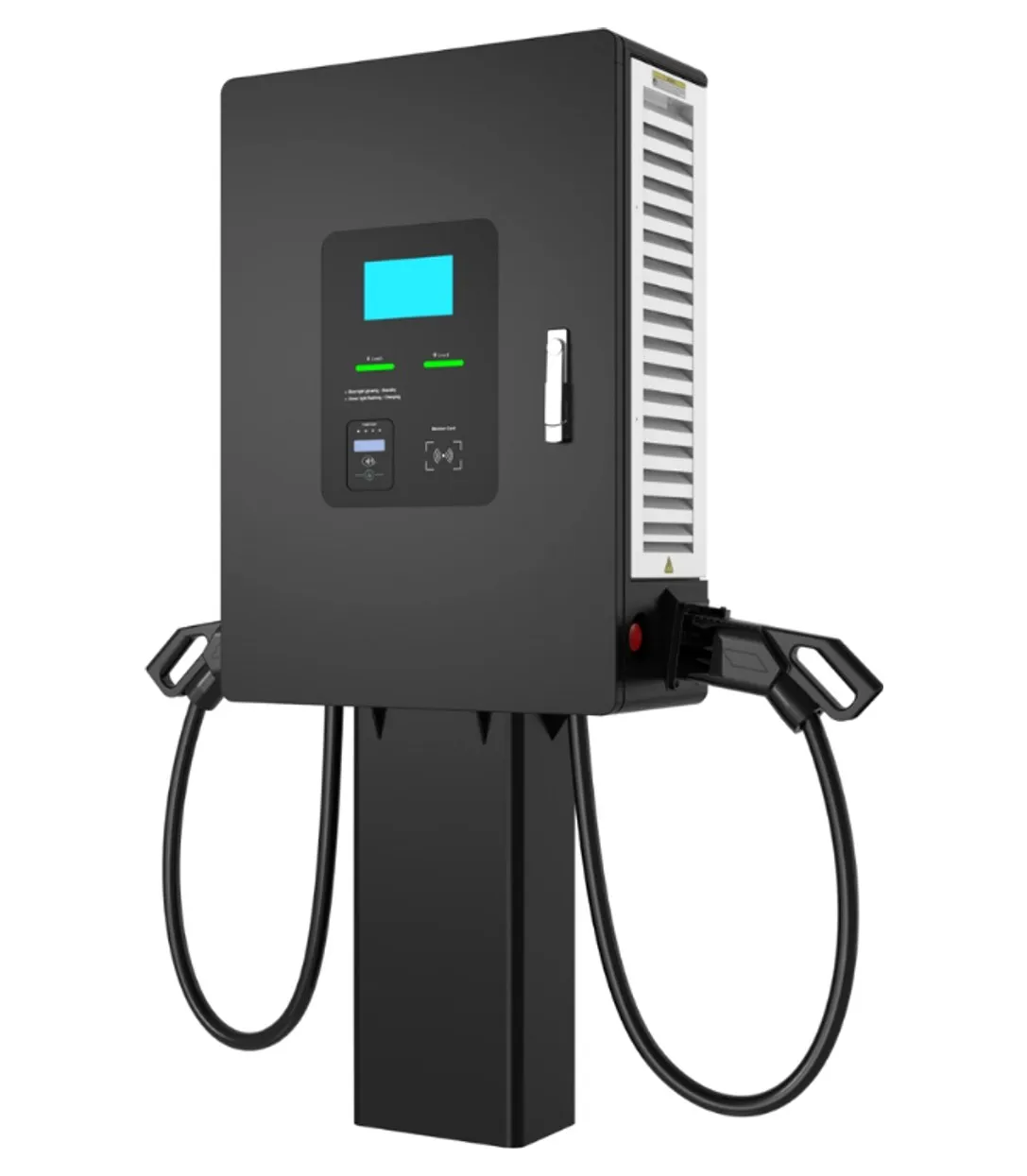
| Compact DC charger | Limited space |
| Advertising screen | Revenue while drivers charge — see advertising screens |
Operations
Questions buyers ask
- How much power does a taxi hub need?
- It depends on the number of vehicles, shift patterns and battery sizes. Plan from kWh per driver per day and the peak number of cars waiting.
- Why is uptime so important?
- Drivers lose income when a charger is down, and queues grow quickly. Remote monitoring and spare parts are essential — see [uptime](/blog/ev-charger-uptime/).
- How do drivers pay?
- Often by fleet accounts, RFID cards or an app. Offer simple options and clear prices.