Sites & Applications
Billing EV Charging in Offices and Multi-Tenant Buildings
How to bill EV charging fairly in offices, apartments and shared car parks: user ID, metering, tariffs, infrastructure cost sharing, legal checks.
- Prepared by
- VULTAE Engineering Team
- Published
- Reading time
- 3 min
- Sources
- 2 references
Key takeaways
- 1Fair billing in shared buildings rests on three things: identify every user (RFID or app), measure every session’s energy (billing-grade meter), and price it with clear rules (tariffs in the CPMS).
- 2Separate two costs: the energy each user consumes, and the shared infrastructure — backbone, load management, software — which can be covered by a monthly fee or included in the energy price.
- 3Where energy is resold by the kWh, check metering and resale rules: Europe uses MID-certified meters, Germany adds Eichrecht, and other countries have their own rules.
- 4Give users transparency — session history and monthly statements — and give the building manager simple reports for invoicing or payroll.
Contents
Short answer: in shared buildings, billing is fair when you identify every user (RFID or app), measure every session with a billing-grade meter, and price it with clear rules set in the charge point management software. Separate the energy each user consumes from the shared infrastructure cost, which is often covered by a monthly fee. Check metering and resale rules before charging per kWh, and give users and managers simple statements and reports.
The three building blocks
| Block | Options | Notes |
|---|---|---|
| Identify the user | RFID card, app account, Plug & Charge | One card per resident, employee or vehicle |
| Measure the energy | Meter in the charger (MID-certified where required), or a separate sub-meter | Billing-grade accuracy and tamper protection |
| Price and bill | Tariffs and statements in the CPMS; invoicing by the building, a service provider or payroll | Clear, published rules |
What to bill: energy and infrastructure
| Cost | Who causes it | Typical recovery |
|---|---|---|
| Energy per session | Each user | Price per kWh × kWh used |
| Backbone cabling, load management | All EV users (now and future) | One-off fee per user, monthly fee, or included in the energy price |
| Software, SIM data, maintenance | All EV users | Monthly fee per user or per charger |
| The charger in a private bay | That owner | Bought by the owner, or leased |
Agree the model in writing — in apartments, through the owners’ association; in offices, through the lease or company policy.
Billing models compared
| Model | How it works | Best for |
|---|---|---|
| Energy at cost | Users pay the building’s electricity price per kWh | Workplaces, small apartment buildings |
| Energy + monthly fee | Cost price per kWh plus a fixed fee for infrastructure and software | Apartments with a shared backbone |
| All-in price per kWh | A higher price per kWh covers everything | Larger buildings, service-provider-run systems |
| Free as a benefit | Employer or landlord pays | Workplaces, premium buildings |
| Visitor pay-as-you-go | QR code or card payment on shared posts | Visitor bays |
Legal checks before you bill per kWh
| Check | Why |
|---|---|
| Metering rules | Billing by the kWh may require approved meters — MID in the EU; Eichrecht in Germany; NMI-approved EVSE for trade in Australia |
| Resale of electricity | Some countries limit resale or treat it as energy supply |
| Consumer information | Prices displayed and statements available |
| Tax | Employee charging benefits may be taxable or exempt depending on the country |
| Data protection | Session data is personal data — store and share it lawfully |
Make it transparent
- Users see their sessions, energy and cost in an app or web portal.
- Monthly statements with session details.
- Managers get one report per tenant, resident or cost centre for invoicing or payroll.
- Rules for idle time and shared bays are published.
Hardware that supports fair billing
| Feature | Why |
|---|---|
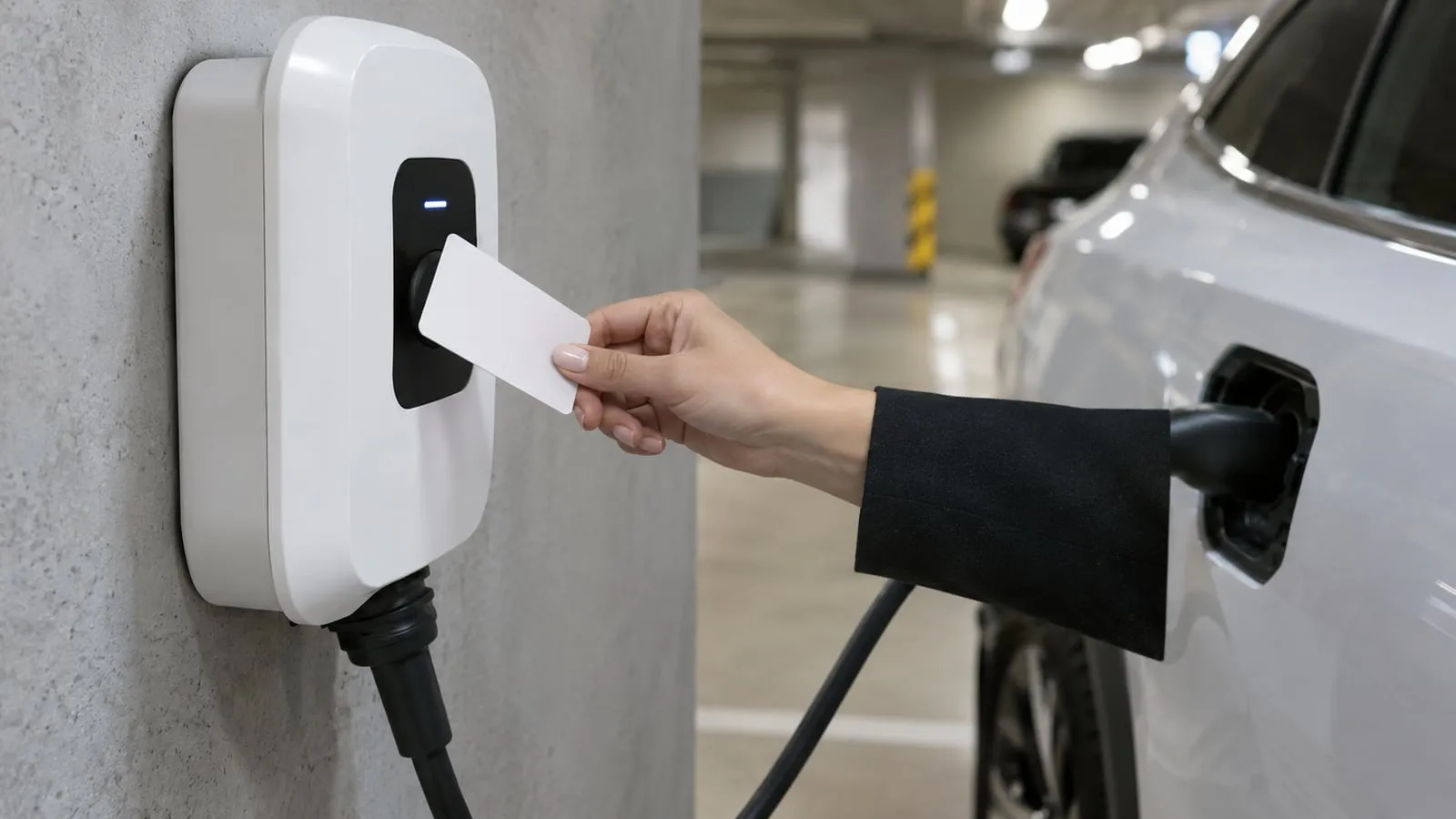
| RFID reader on every charger | Per-user identification |
| Billing-grade meter (MID option) | Accurate, accepted measurement |
| OCPP 1.6J / 2.0.1 | Works with the CPMS that produces statements |
| Load management | Shares the building’s supply fairly |
| Dual-port units | Two users per device; both metered |
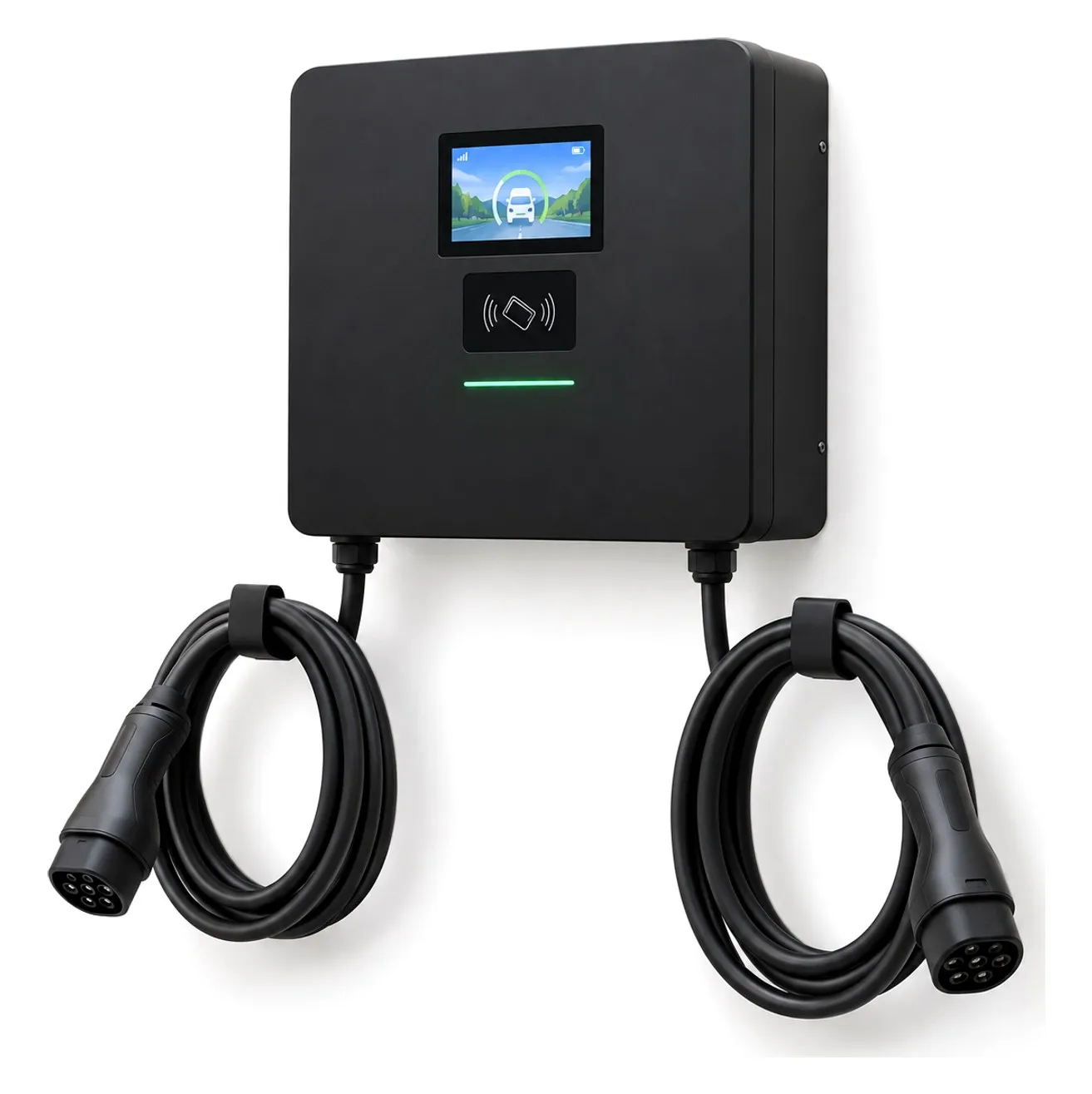
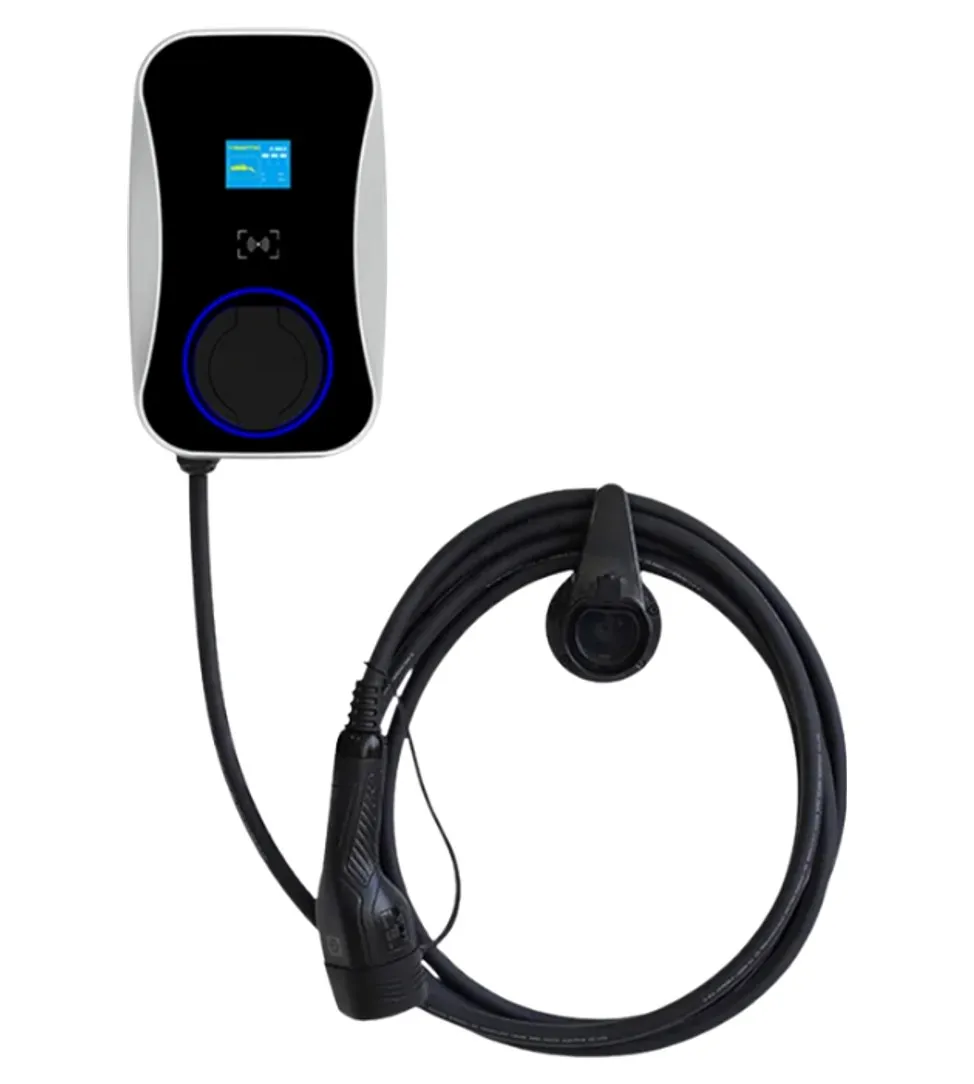
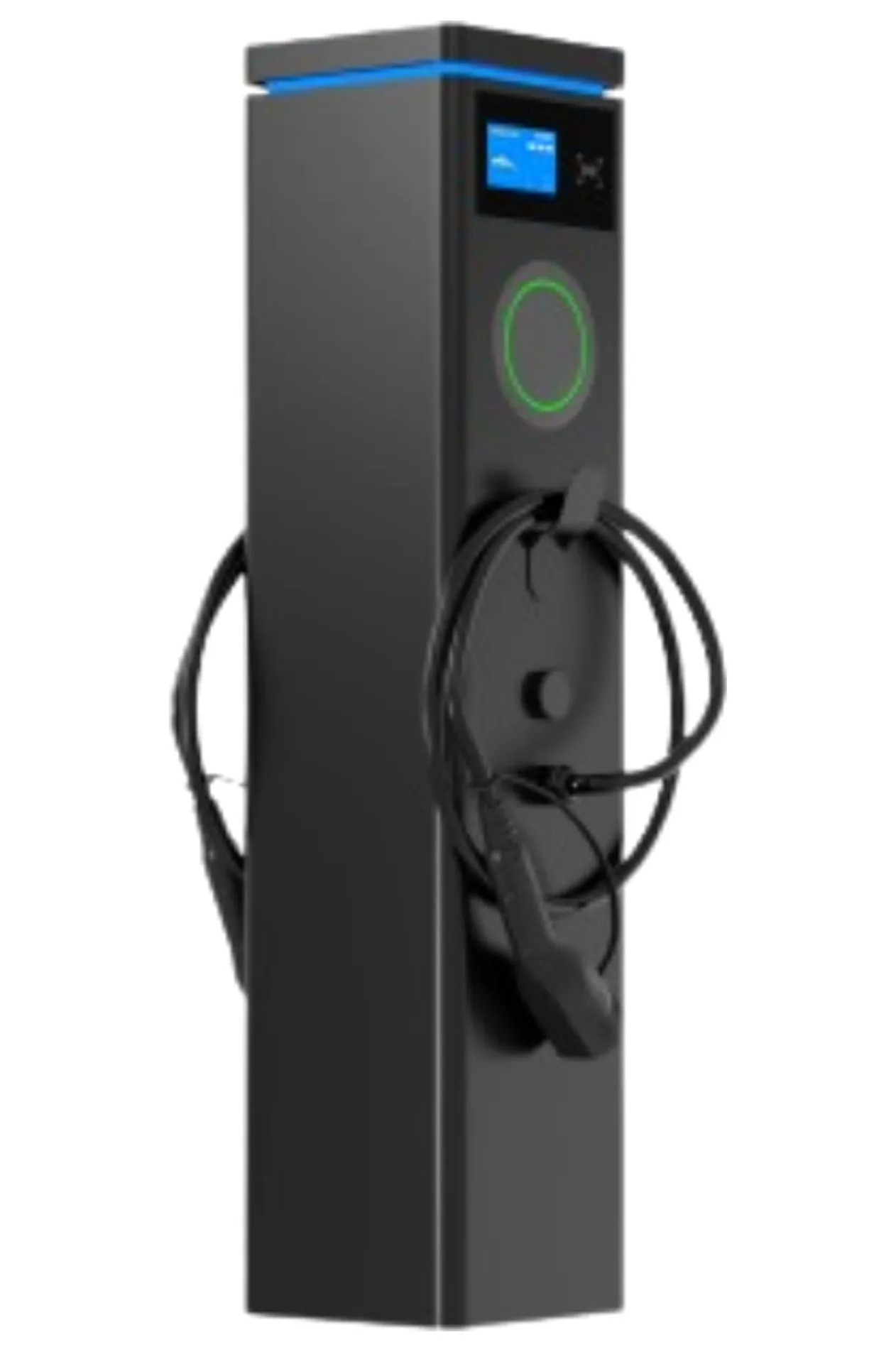
VULTAE VT-CW and VT-CP dual-port AC chargers are available with MID-certified meters and RFID; VT-HW wallboxes have RFID, app start and OCPP for single bays. For building planning, see EV charging for apartments and condos and workplace EV charging.
Questions buyers ask
- How do apartment residents pay for shared EV chargers?
- Each resident starts sessions with their own RFID card or app account. The charge point management software records the energy per session and produces monthly statements, which the building or a service provider bills — often with a fixed monthly fee for the shared infrastructure.
- Can a building owner resell electricity for EV charging?
- In many places, yes, but rules differ: some require approved meters, some limit resale above cost, and some treat it as an energy-supply activity needing a licence. Check local metering, consumer and energy-supply rules before charging per kWh.
- How should infrastructure costs be shared in a multi-tenant building?
- Common approaches are a one-off connection fee per user, a monthly fee per user for the backbone, maintenance and software, or a higher energy price that recovers the investment over time. The fairest choice depends on whether all residents or only EV owners paid for the system.
- How do companies handle employee charging costs?
- With per-employee RFID cards and monthly reports: the company can charge employees, offer free charging as a benefit, or reimburse home charging. Check the tax treatment of charging benefits in your country.