Solutions · Apartments and condos
EV Charging for Apartments and Condos: Shared Supply, Fair Billing and Garage Safety
Planning EV charging in apartments and condos: individual vs shared chargers, load management on the building supply, per-resident billing, garage safety.
- Prepared by
- VULTAE Engineering Team
- Published
- Reading time
- 3 min
- Sources
- 1 references
At a glance
- Main constraint
- The building’s supply
- Key technology
- Dynamic load management
- Charger type
- AC wallboxes, 7–11 kW
- Billing
- Per resident, via RFID + OCPP
- Approval
- Owners’ association / management body
- Safety
- Fire authority and RCD protection
- EU rule (new residential)
- Pre-cabling ≥ 50 % of spaces
- VULTAE series
- VT-HW · VT-CW · VT-CP
Key takeaways
- 1The building’s electrical supply, not the chargers, decides how many cars can charge. A central backbone with dynamic load management lets every parking space get a charger without upgrading the connection for each one.
- 2Choose between individual chargers on each owner’s meter and a shared, managed system billed per resident. Shared systems scale better; individual ones are simpler for a few early adopters.
- 3Billing must be fair and auditable: each resident starts sessions with their own RFID card, and the OCPP back end records energy per user for monthly statements.
- 4Underground garages need the fire authority on board early: placement, separation, emergency shut-off and RCD protection with DC fault detection.
Contents
Short answer: in apartment buildings the supply, not the chargers, is the limit. Build a shared backbone through the garage, connect 7–11 kW AC wallboxes as residents need them, and run them all on dynamic load management so the total stays within the building’s capacity. Give every resident an RFID card on an OCPP back end for fair, per-user billing, get the owners’ association and the fire authority involved early, and protect every point with the required RCD and DC fault detection.
Two models: individual or shared
| Individual chargers | Shared, managed system | |
|---|---|---|
| How it works | Each owner installs a charger on their own meter or sub-meter | One backbone and controller for the garage; chargers added per space |
| Supply | Each charger takes a share of the building or owner’s capacity — runs out quickly | Load management divides the available capacity among all chargers |
| Billing | On each owner’s electricity bill | Per resident from the back end, billed by the building or a service provider |
| Scales to | A few early adopters | Every space |
| Best for | Small buildings, few EVs | Medium and large buildings, new builds |
Many buildings start individually and hit the supply limit after a handful of chargers. If more than a few residents are interested, plan a shared system from the start.
How load management makes every space possible
A building of 60 apartments may have spare capacity for only 8–10 chargers at full power. That is still enough for 60 chargers if they share it:
| Cars charging at night | Power each (from 66 kW spare) | Energy each in 10 h |
|---|---|---|
| 6 | 11 kW (full) | up to 110 kWh |
| 20 | ≈ 3.3 kW | ≈ 33 kWh |
| 40 | ≈ 1.6 kW average (cars take turns near the minimum current) | ≈ 16 kWh |
Most residents need 10–20 kWh a day, so even at high occupancy almost everyone is charged by morning. The controller measures the building load, divides the remainder, and can rotate cars when the minimum current is reached. Details: dynamic load management.
Fair billing
| Need | Solution |
|---|---|
| Only residents can charge | RFID card or app per resident, assigned by the management body |
| Each pays for their energy | Per-session energy in the OCPP back end; monthly statements |
| Visitors | Guest cards or QR-code payment on shared posts |
| Building costs | A fixed monthly fee for the backbone and maintenance, plus energy |
| Transparency | Residents can see their sessions in an app or portal |
Where energy is billed per kWh, local rules may require approved meters — the VT-CW is available with a MID-certified meter. See billing in multi-tenant buildings.
Approvals and safety
- Owners’ association or management body: decision on the model, cost sharing and rules for use. In many countries residents have a right to install a charger, but common areas still need consent.
- Electrical design: backbone size, protection, earthing and the load-management controller.
- Fire authority: placement, separation, emergency shut-off, ventilation — see parking garage fire safety.
- Protection in each charger: residual-current protection with DC fault detection (Type A + 6 mA DC, or Type B) — see Type B RCDs and 6 mA detection.
The rules in the EU
The recast Energy Performance of Buildings Directive (EU) 2024/1275 requires new and majorly renovated residential buildings with more than three parking spaces to have pre-cabling for at least 50 % of the spaces and ducting for the rest. Member states also set rights for residents to install chargers. Outside the EU, many cities and states have their own EV-ready building codes.
Recommended VULTAE configuration
| Situation | Model |
|---|---|
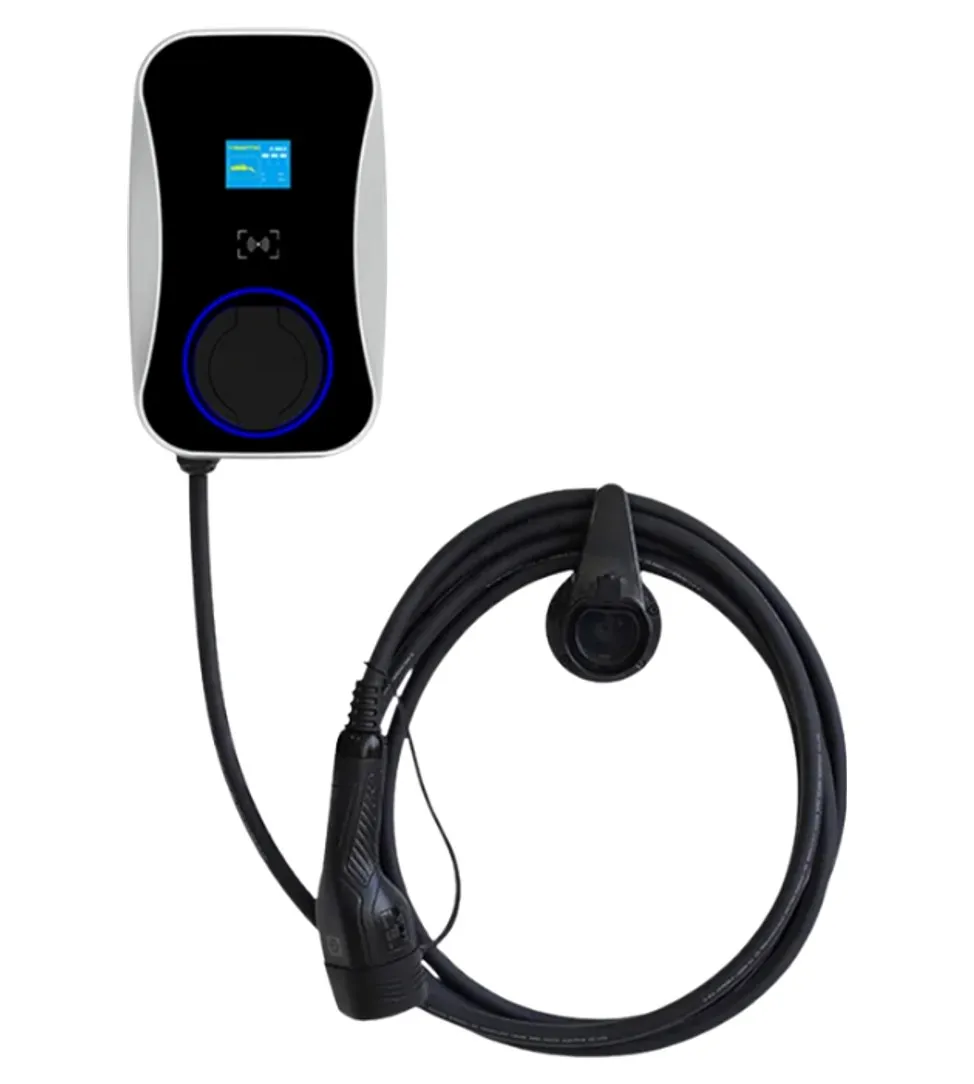
| One charger per private space | VT-HW smart wallbox, 7.4–11 kW, RFID, OCPP, load balancing |
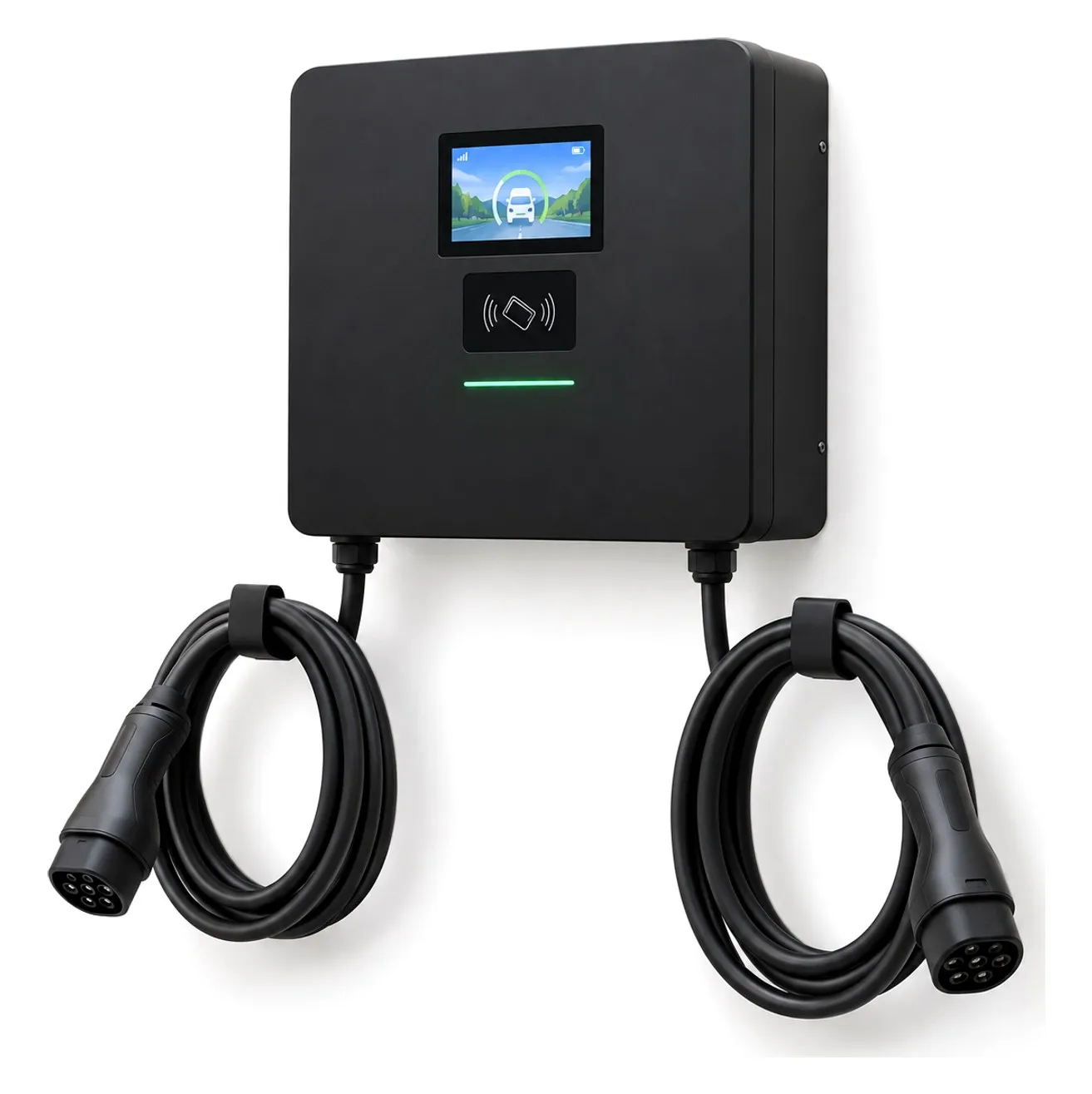
| Two spaces from one wall | VT-CW dual-port wall charger, 2 × 7–22 kW, MID meter option |
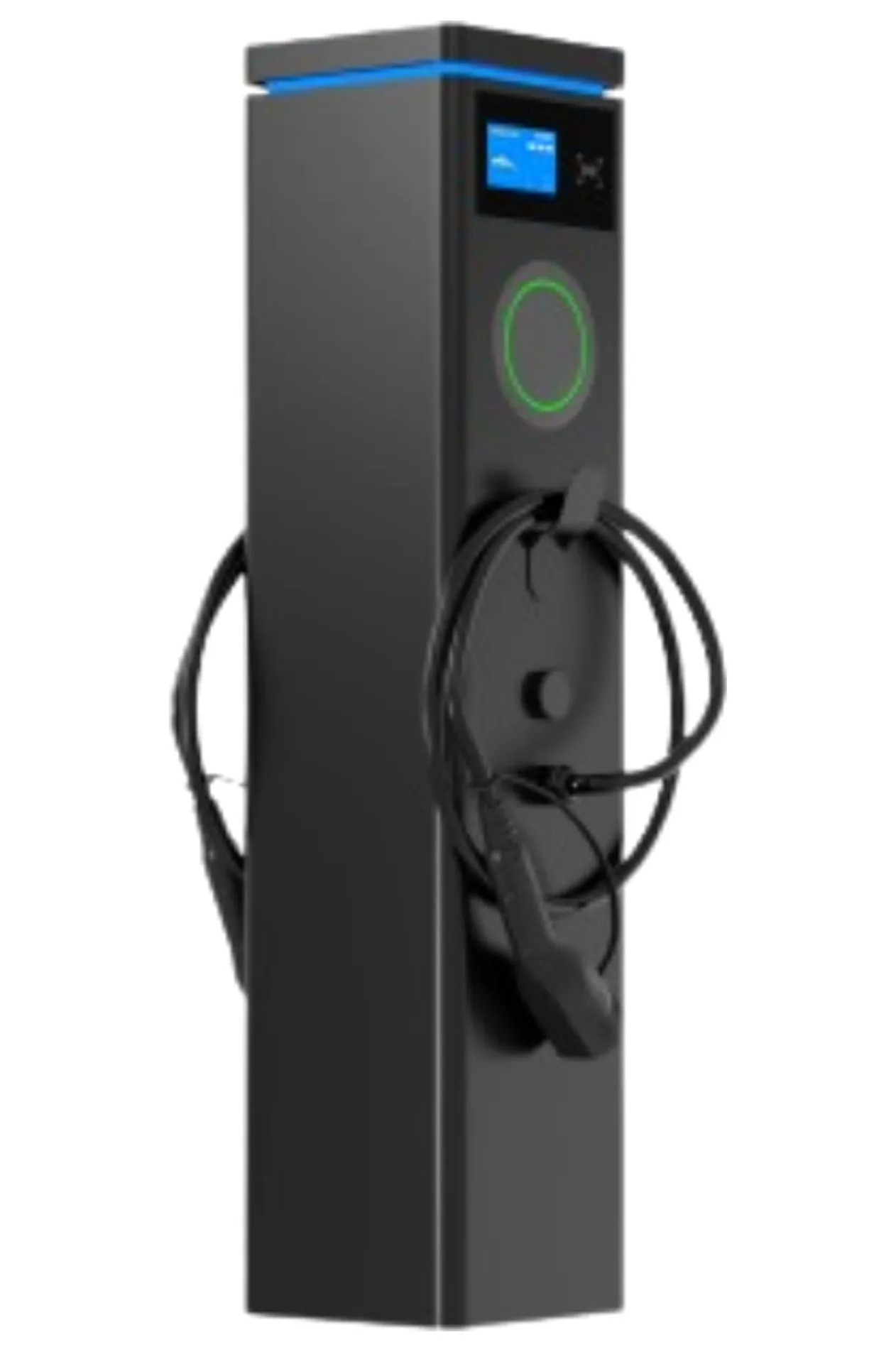
| Open or visitor parking | VT-CP dual-port pedestal, IP55 · IK10 |
| North America | VT-HW North American wallboxes, 32–48 A, J1772 |
Send us the number of spaces, the building’s supply and the spare capacity at night, and we will propose a backbone layout and a phased plan.
Questions buyers ask
- How can every resident in an apartment building get an EV charger?
- With a shared backbone and load management. A main cable route runs through the garage with connection points at each space; chargers are added as residents need them, and a load-management controller keeps the total within what the building supply can provide.
- How do residents pay for the electricity?
- Each resident uses their own RFID card or app. The OCPP back end records the energy of every session and produces a monthly statement per resident, which the management body or a charging service provider bills. Where energy is resold, check local rules on metering.
- Is it safe to charge EVs in an underground garage?
- Yes, when the installation follows local electrical and fire rules: chargers with the required RCD and DC fault protection, placement and separation agreed with the fire authority, an emergency shut-off and good ventilation and lighting. Involve the fire authority before you start.
- What does the EU require for new apartment buildings?
- Under the recast Energy Performance of Buildings Directive (EU) 2024/1275, new and majorly renovated residential buildings with more than three parking spaces need pre-cabling for at least 50 % of spaces and ducting for the rest. Member states set the detailed national rules.