Sites & Applications
EV Charging at Hospitals and Healthcare Sites
Hospitals serve staff, patients and visitors with different stays. How to mix AC and DC, reserve bays, share a tight supply and keep charging reliable.
- Prepared by
- VULTAE Engineering Team
- Published
- Reading time
- 2 min
- Sources
- —
Key takeaways
- 1A hospital car park serves staff (long stays), patients (hours) and visitors (short stays). AC at 7–11 kW suits staff, AC up to 22 kW suits patients, and a few DC units serve visitors and hospital fleets.
- 2Older hospital buildings often have a tight electrical supply. Load management shares the available capacity and avoids costly upgrades, while ducts for future bays keep expansion cheap.
- 3Reliability, clear signage, accessible bays and a plan for emergency access matter more than headline power at a healthcare site.
Contents
Short answer: use AC for staff and patients, a few DC chargers for visitors and the hospital fleet, load management if the supply is tight, access control for staff bays and clear signage. Plan accessible bays and fire safety from the start.
Who parks and for how long
| User | Typical stay | Suggested charging |
|---|---|---|
| Staff | 8–12 hours | AC 7–11 kW, load-managed |
| Inpatients’ relatives and outpatients | 2–6 hours | AC 11–22 kW |
| Short visitors, deliveries | under 1 hour | DC 20–40 kW or a few AC bays |
| Hospital fleet and ambulances’ support vehicles | varies | AC overnight; DC for quick top-up |
Staff bays are the volume. Because staff stay all shift, 7 kW delivers 50 kWh over seven hours; there is no need for fast charging.
The supply is usually the limit
Many hospital sites have grown over decades and the electrical capacity left for new loads is limited. Three ways to handle this:
- Dynamic load management keeps total charger power below a limit set by the building’s spare capacity — see dynamic load management.
- Staggered charging gives each car a share of the day.
- Low-power AC on many bays instead of high-power chargers on a few.
Design points for a healthcare site
| Topic | What to plan |
|---|---|
| Access control | RFID or app for staff bays; open bays for visitors |
| Accessible bays | Reach and layout; see accessible bays |
| Fire safety | Covered car parks need a specialist review; see garage fire safety |
| Emergency access | Keep routes clear of cables and equipment |
| Lighting and security | Staff arrive and leave at night |
| Reliability | Remote monitoring and a response plan; see uptime |
| Maintenance | Outside peak hours |
Business model
Hospitals can own the chargers, host a charge point operator, or offer charging as a staff benefit with a deduction. The choice sets who pays for the supply, hardware and maintenance; see revenue sharing with site hosts.
Example mix for 200 bays
| Bays | Hardware | Notes |
|---|---|---|
| 60 | AC 7 kW (dual-port pedestals) | Staff, load-managed |
| 10 | AC 22 kW | Patients and relatives |
| 2–4 | DC 30–40 kW | Visitors, fleet |
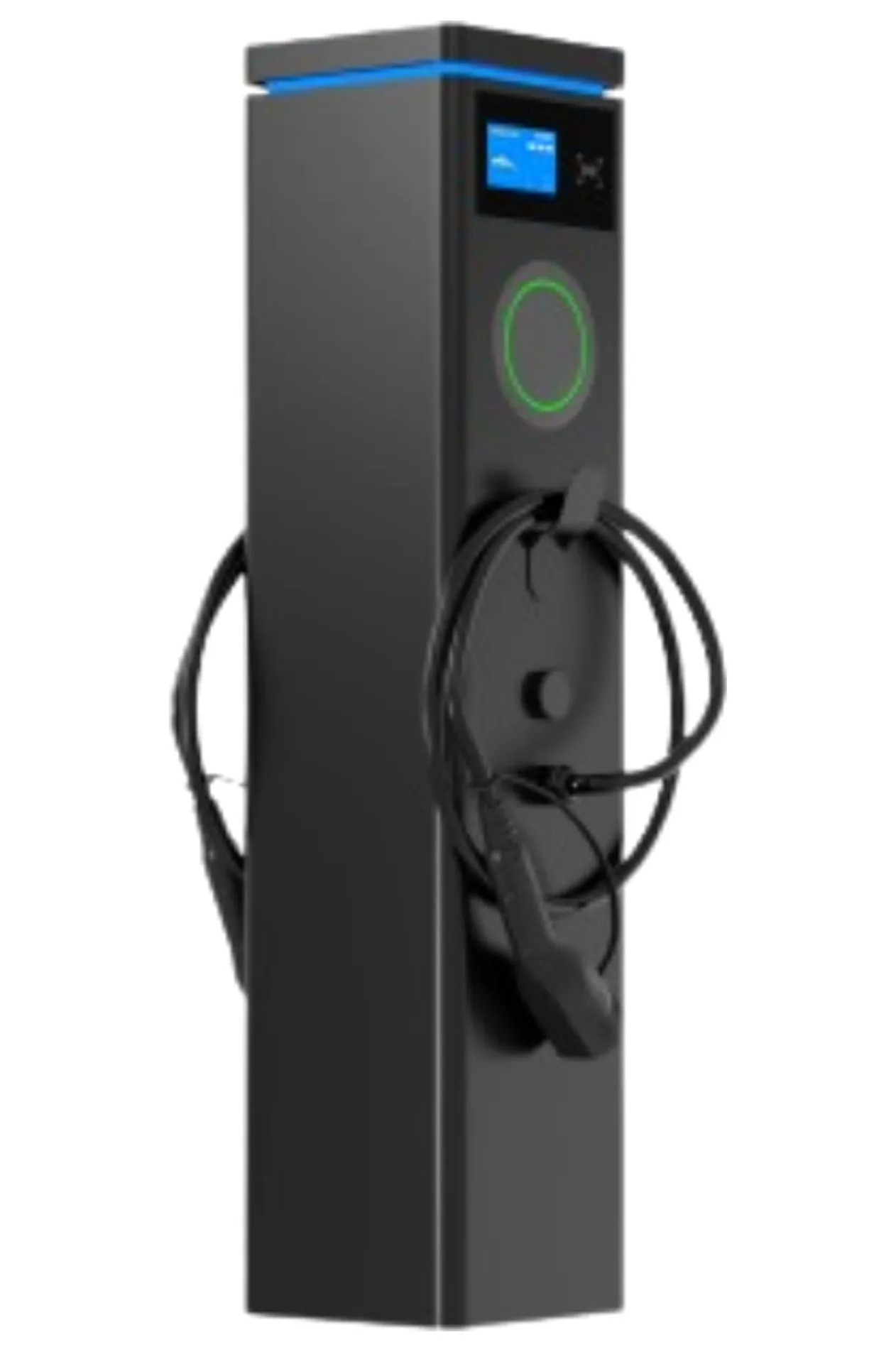
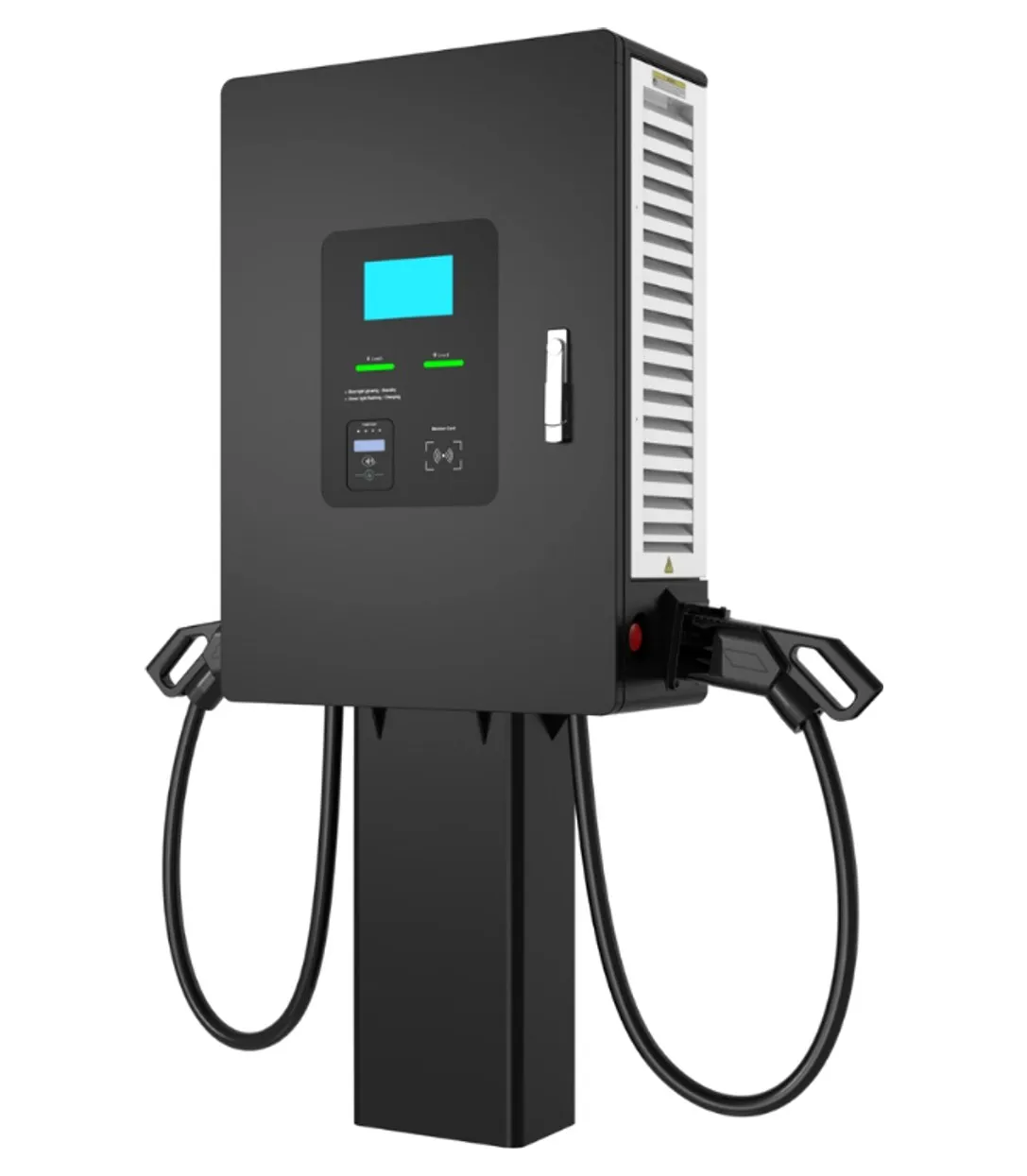
The figures are an illustration, not a recommendation; the real mix depends on your users and supply. The dual-port pedestal serves two bays from one post, and the DC wallbox runs on a modest supply.
Questions buyers ask
- Which charger suits hospital staff?
- AC at 7–11 kW with load management. Staff stay for a shift, so a low power across many bays beats a few fast chargers and costs much less in supply.
- Should some bays be restricted to staff?
- Often yes. Access control by RFID or app keeps staff bays for staff, while visitor bays stay open. Decide the rule with the facilities team.
- Does charging create fire-safety questions in covered car parks?
- It can. Consult the fire-safety specialist and the authority for your country before installing in a covered or underground car park.