Sites & Applications
EV Charging for Municipal Car Parks and Parking Operators
How parking operators and municipalities add EV charging: who owns the hardware, tariffs, enforcement, access, payment and the mix of AC and DC.
- Prepared by
- VULTAE Engineering Team
- Published
- Reading time
- 1 min
- Sources
- —
Key takeaways
- 1Parking operators and municipalities usually need AC chargers for long stays and a small number of DC chargers for short stays. Payment, access control and enforcement are as important as the hardware.
- 2Decide the business model first: own and operate, concession to a charge point operator, or lease. It determines who pays for the supply, the hardware and the maintenance.
- 3Plan ducting and supply for future bays now; adding chargers later is much cheaper if the infrastructure is already in.
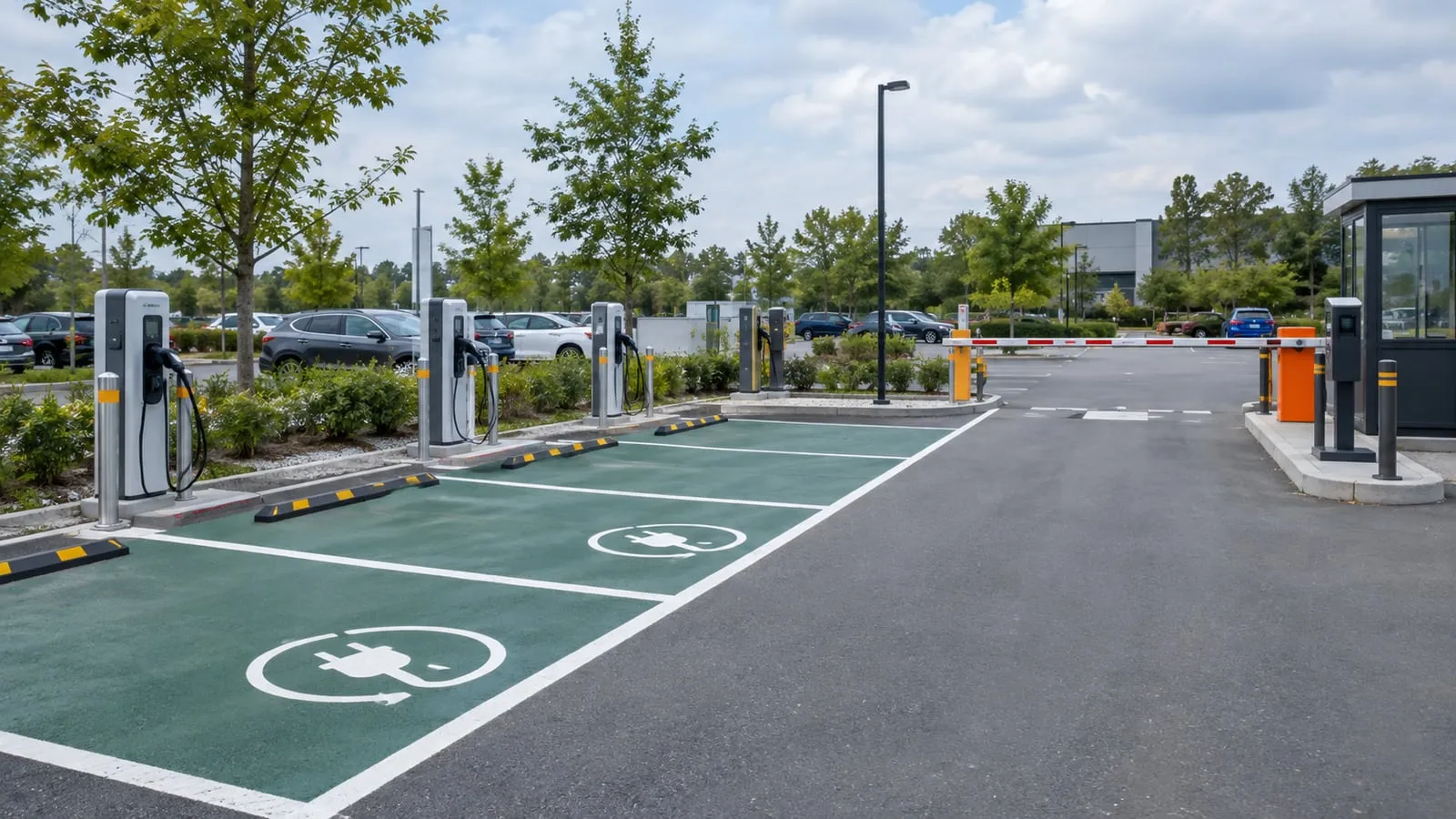
Short answer: a municipal or operator car park needs AC chargers for long stays, a few DC chargers for short stays, clear payment and access rules and enforcement. Choose the ownership model first.
Ownership and operation
| Model | Who invests | Who operates | Typical use |
|---|---|---|---|
| Own and operate | The operator or city | The operator | Small sites, control of tariff |
| Concession | A charge point operator | The CPO | Larger networks, no capex for the host |
| Lease or revenue share | Shared | Shared | Medium sites — see revenue sharing |
Hardware mix
| Dwell time | Hardware |
|---|---|
| Hours (commuters, residents) | AC pedestal, dual-port |
| 1–2 hours (shoppers) | AC 22 kW or DC 20–30 kW |
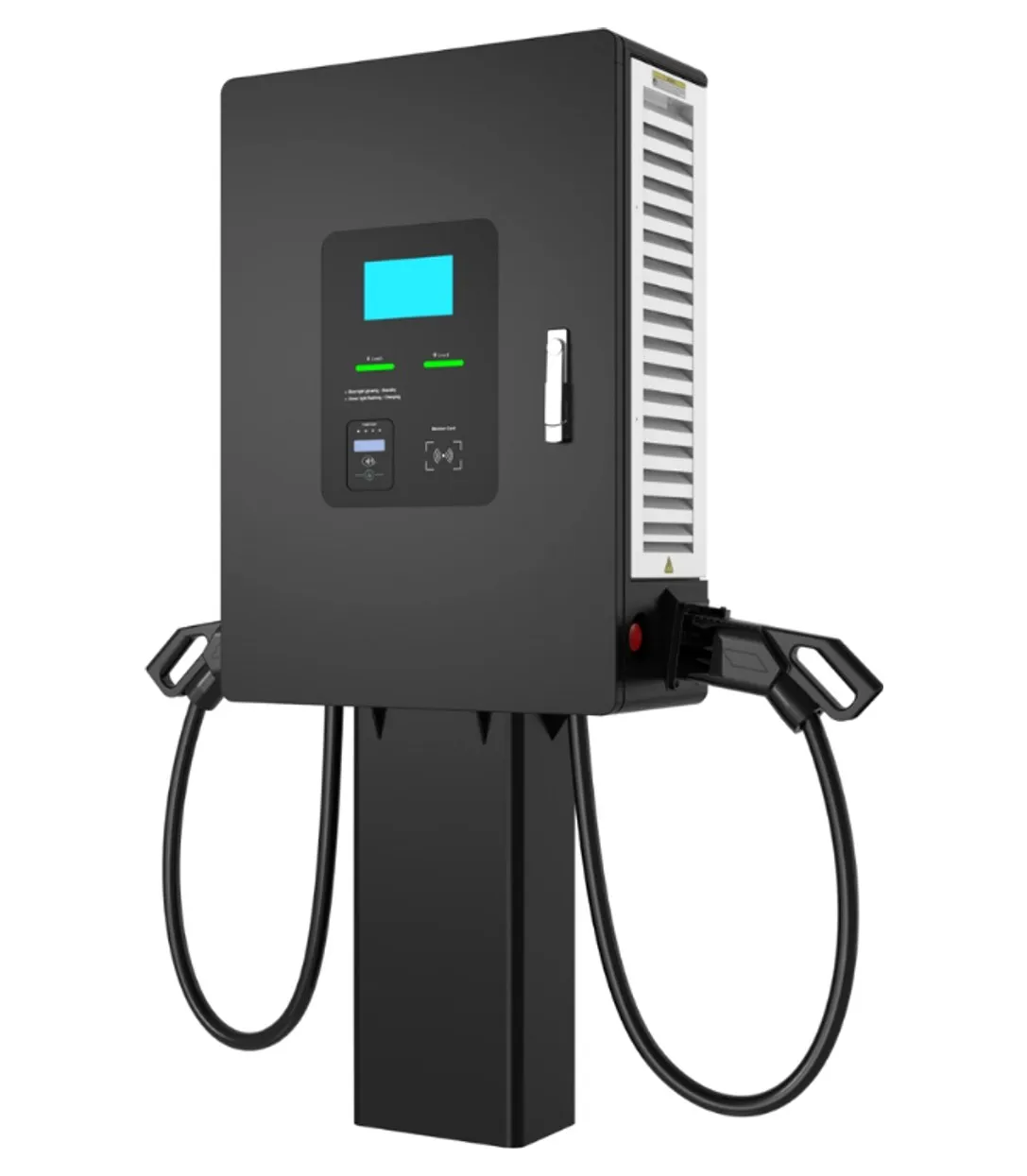
| Short stays, taxis | DC 60 kW and above |
Operations checklist
- Access: open to all or by permit.
- Payment: RFID, app, card.
- Enforcement: signage, idle fees, monitoring.
- Uptime: remote monitoring and a response plan — see uptime.
- Reporting: utilisation per charger for planning.
Planning for growth
Install ducts and supply capacity for more bays than you start with. See bay layout and dynamic load management.
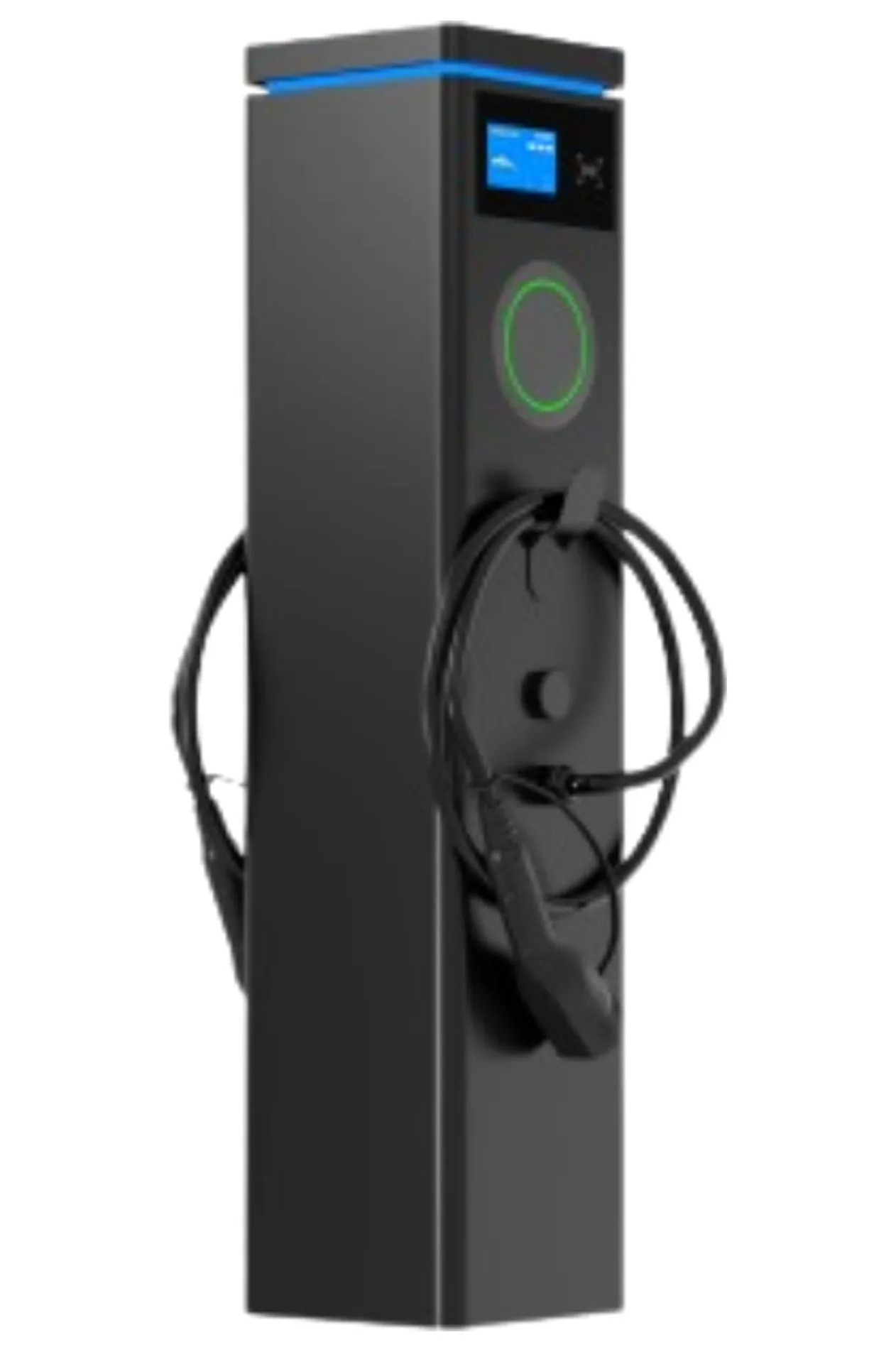
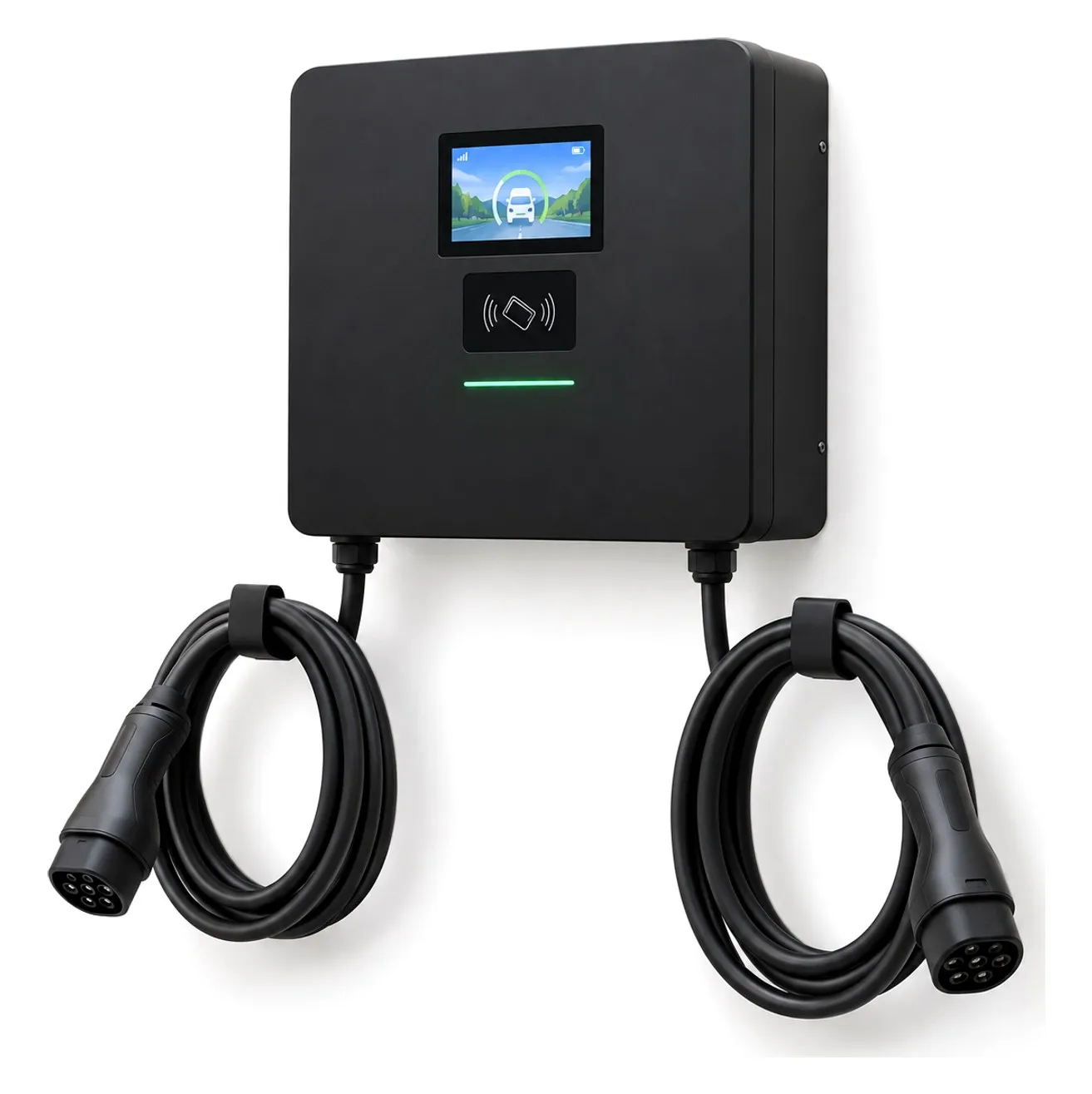
VULTAE’s dual-port pedestal and dual-port wall charger are suited to shared car parks.
Questions buyers ask
- Should a car park use AC or DC?
- Mostly AC, because cars stay for hours. Add DC chargers if there is a high-turnover use, such as short-stay visitors or taxis.
- How do drivers pay?
- Common options are RFID, an app with QR code, and a card terminal. Choose based on users and the cost of the back end — see [payment options](/blog/ev-charger-payment-options/).
- How do I prevent non-EV vehicles taking the bays?
- Use clear signage and marking, and an enforcement policy. Idle fees help EVs finish and leave — see [idle fees](/blog/ev-charging-idle-fees-overstay-policy/).