DC Fast Charging
DC Charger Power Modules: Modularity, Redundancy and Repair
How DC charger power modules work, why fast chargers use several, the specs that matter and how modules affect uptime and repair.
- Prepared by
- VULTAE Engineering Team
- Published
- Reading time
- 5 min
- Sources
- 2 references
Key takeaways
- 1A DC fast charger is built from several identical power modules — typically 20 to 40 kW each — that convert AC from the grid into DC for the battery. A 120 kW charger might use four 30 kW modules.
- 2The most important module specification after power is the constant-power voltage range: below it, current limits the output, so modules that hold full power from about 300 V upwards serve both 400 V and 800 V vehicles well.
- 3Modularity is good for uptime: when one module fails, a well-designed charger keeps working at reduced power, and a trained technician can swap the module in minutes.
- 4Ask your supplier who makes the modules, their efficiency at partial load, their cooling and operating temperature, the module warranty, and the price and lead time of a spare.

Contents
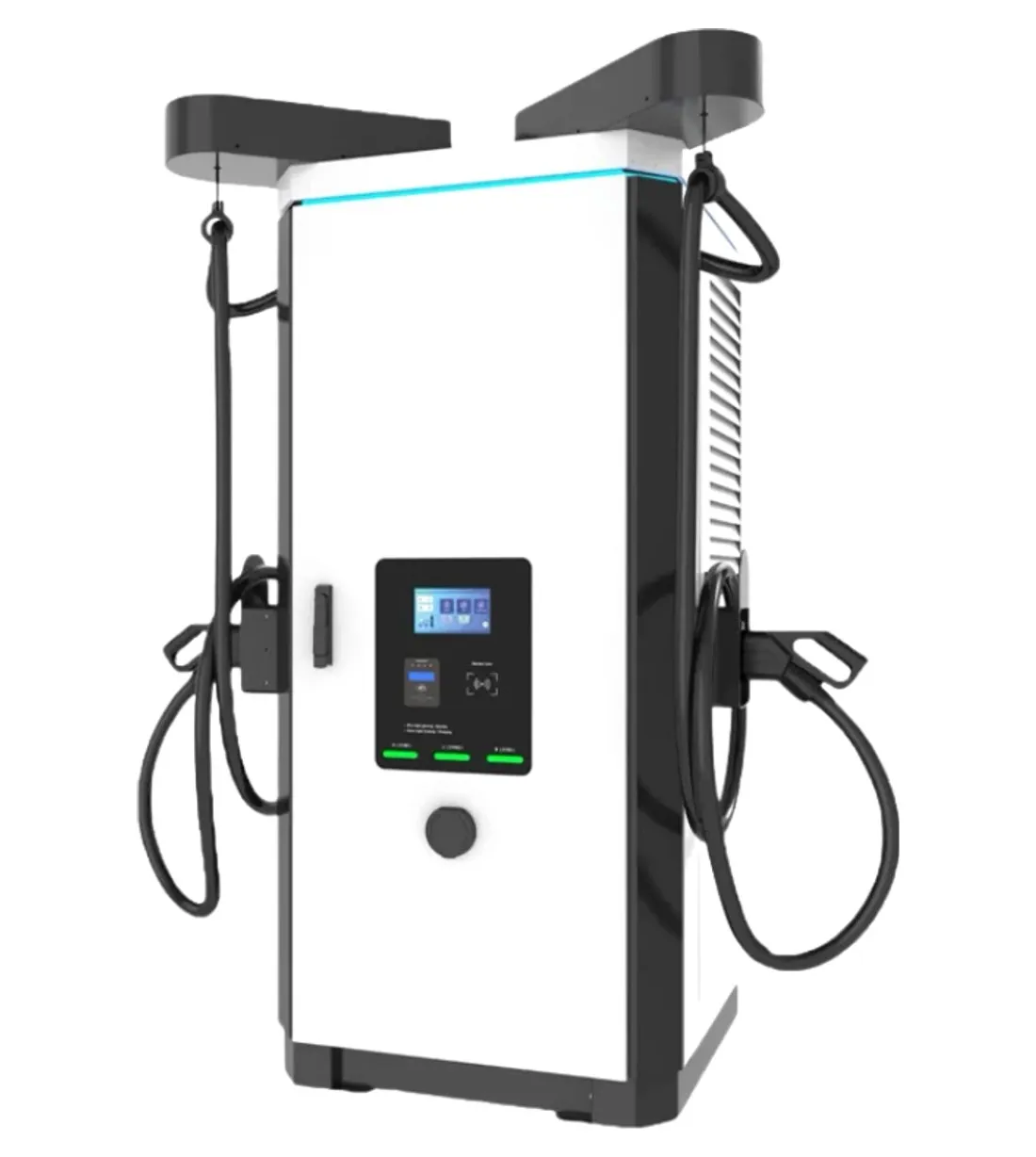
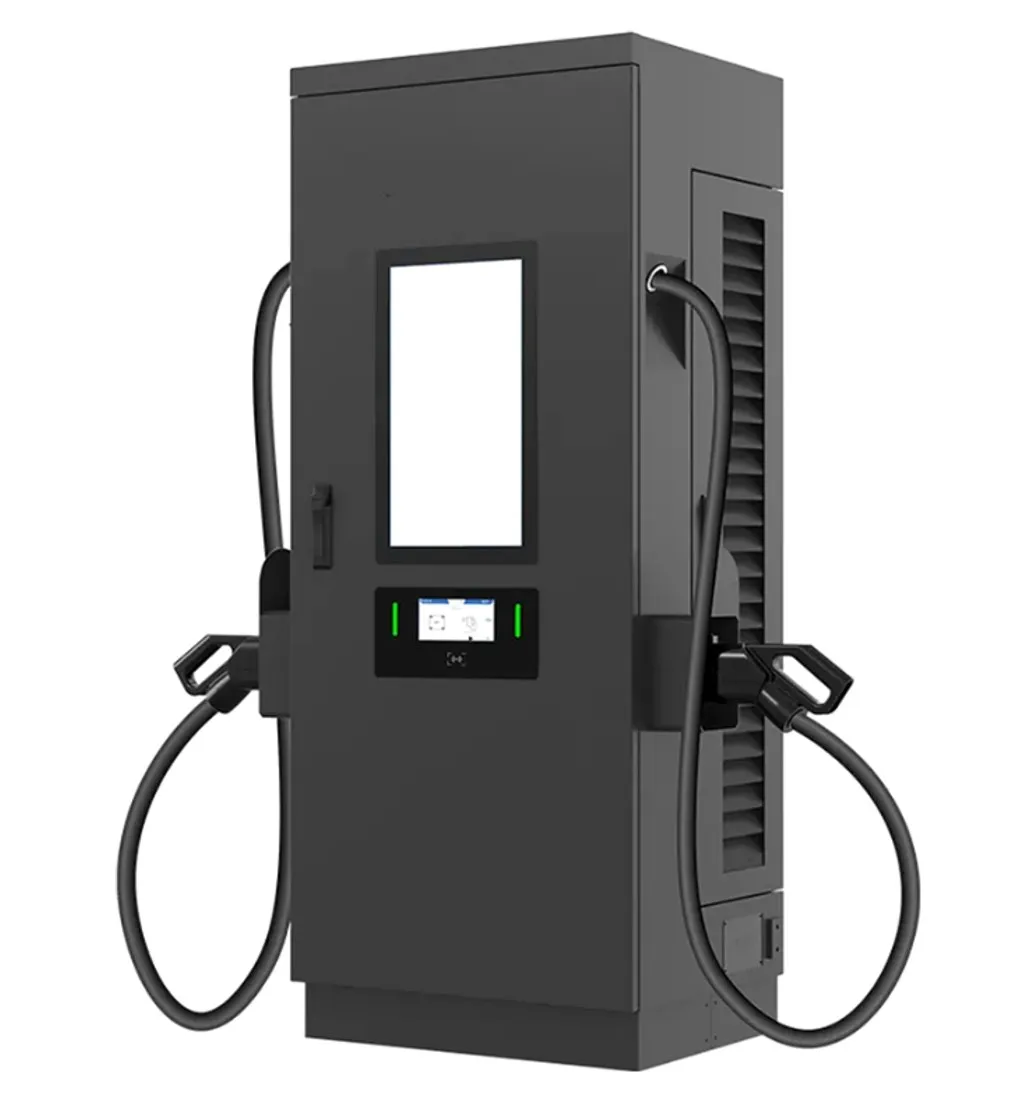
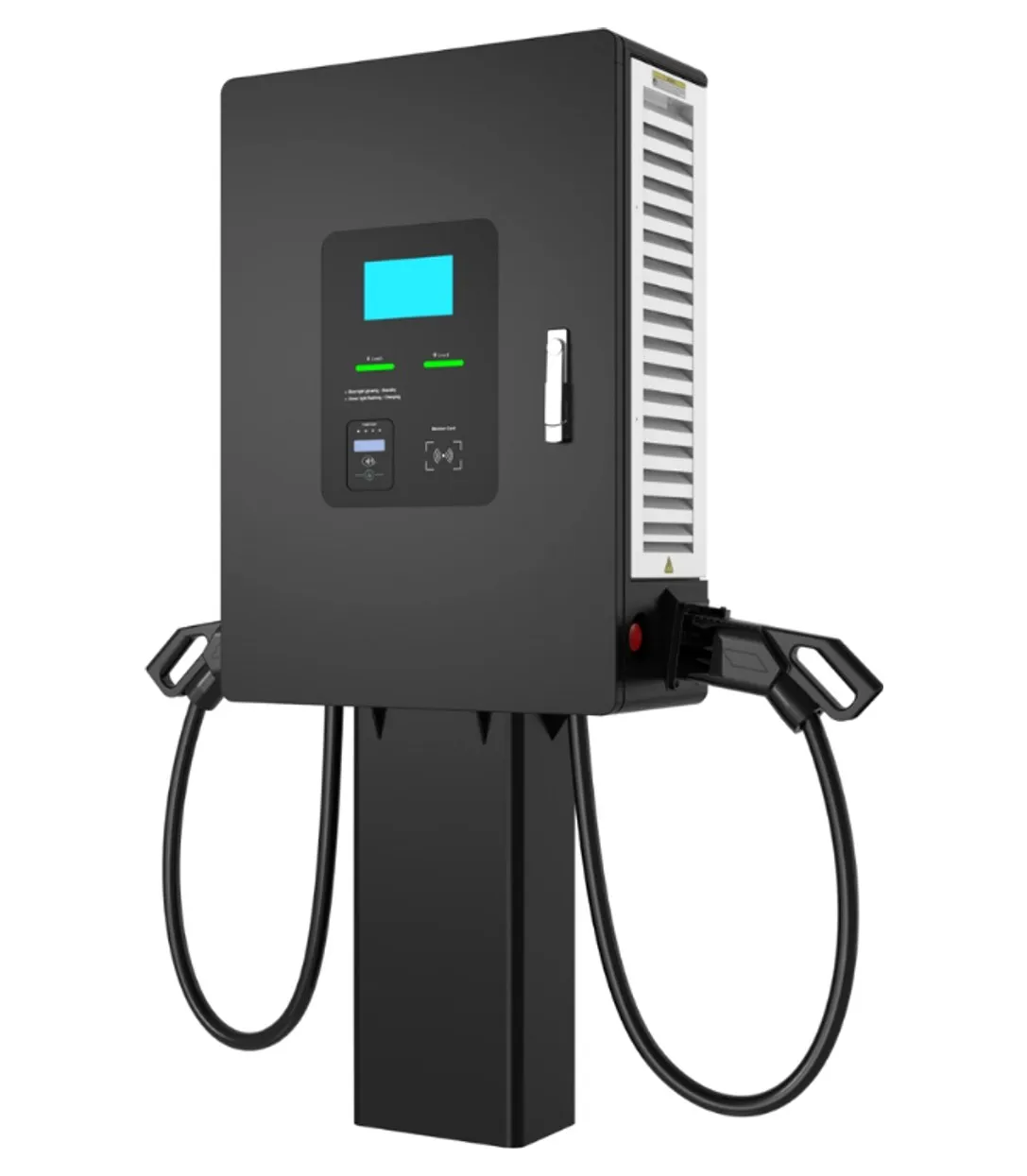
Short answer: the power module is the heart of a DC fast charger. Each module — typically 20 to 40 kW — converts three-phase AC into DC at the voltage and current the car requests. Chargers combine several identical modules: a 120 kW cabinet might use four 30 kW units, a 240 kW cabinet eight. This makes chargers scalable, lets power move between connectors, keeps them running at reduced power when one module fails, and turns most repairs into a quick module swap. When you compare suppliers, ask about the module maker, its constant-power voltage range, efficiency, cooling, warranty and spare price.
What happens inside a module
A module has two stages. The power-factor-correction (PFC) rectifier draws a clean, nearly sinusoidal current from the grid and produces an internal DC bus. The isolated DC/DC converter then produces exactly the voltage and current the vehicle’s battery management system requests during the session, and provides galvanic isolation between grid and vehicle. Newer designs use silicon-carbide transistors for higher efficiency and power density.
The specifications that matter
| Specification | What to look for | Why it matters |
|---|---|---|
| Rated power | 20, 30, 40 kW are common | Sets the steps in which power can be shared |
| Output voltage range | 150 or 200 V up to 1,000 V | Covers 400 V and 800 V vehicles |
| Constant-power voltage range | Full power from about 300 V upwards | Below this, current limits the output |
| Maximum output current | Per module | Combined current must match the cable rating |
| Efficiency | Peak around 95–96 %; check partial load too | Losses are energy you pay for and heat you must remove |
| Standby power | As low as possible | Chargers spend many hours idle |
| Power factor and THD | PF close to 0.99, low harmonic distortion | Grid connection rules and losses |
| Cooling | Forced air or liquid; filters | Hot, dusty sites need easy filter access |
| Operating temperature and derating | Full power to the highest site temperature | Derating on hot days reduces revenue |
| Protection and communication | Over-voltage, over-current, short-circuit, over-temperature; CAN interface | Safe shutdown and control |
| Warranty and spare price | Module warranty in years; spare price and lead time | Modules are the costliest spare part |
Constant-power range: why it decides real charging speed
A module delivers its rated power only within its constant-power voltage range. Below that, it is limited by its maximum current, so its power falls. If modules hold full power from around 300 V, the charger serves both 400 V-class and 800 V-class vehicles well. Remember that the cable is a second limit: a 200 A air-cooled CCS cable caps a 400 V-class car at about 80 kW, whatever the modules can do — see our 120 kW charger guide.
Modularity and uptime
| Benefit | How it helps |
|---|---|
| Graceful degradation | If one of four modules fails, a well-designed charger keeps charging at about three-quarters of its power instead of stopping |
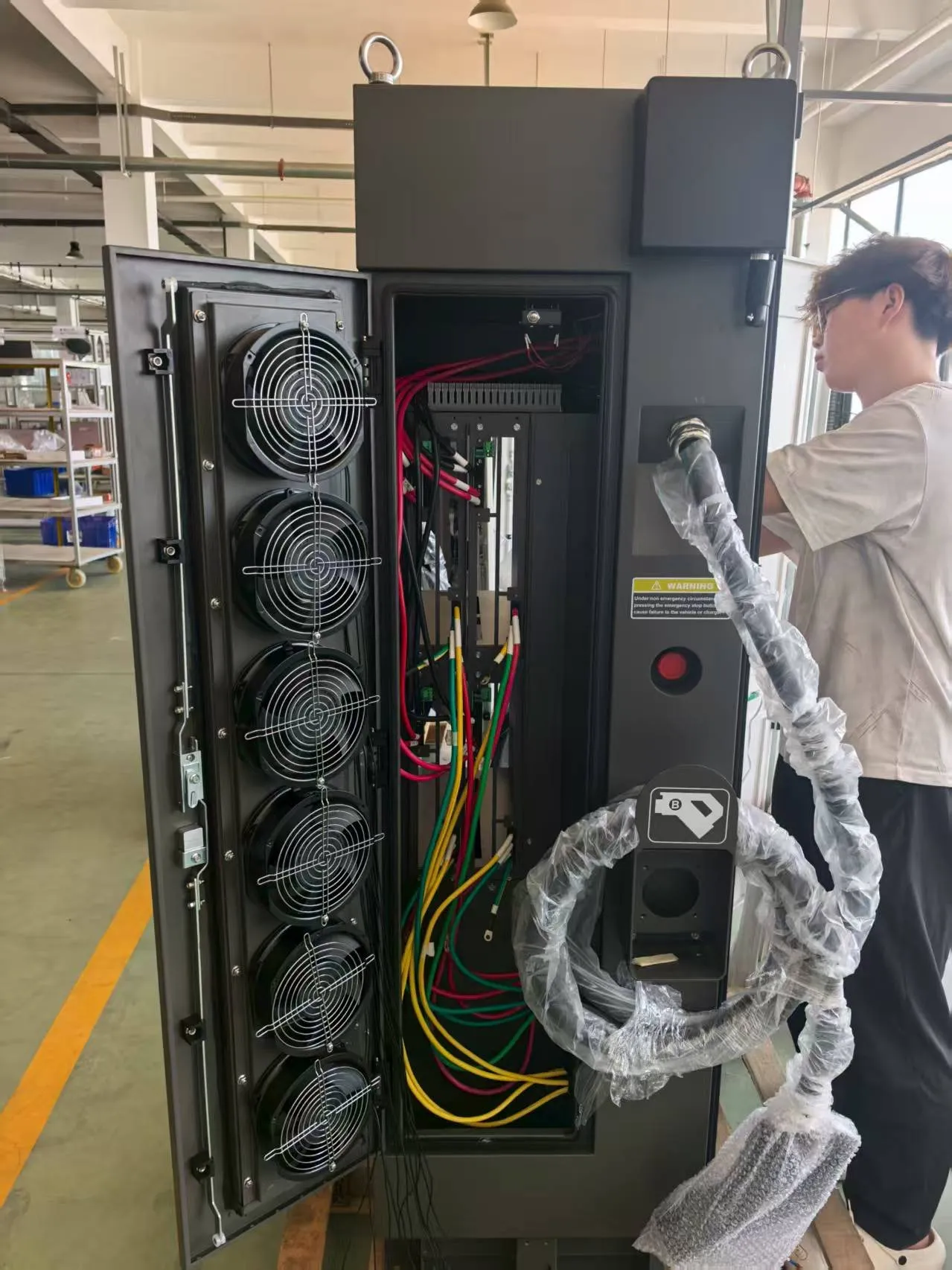
| Quick repair | A trained technician swaps a module from the rack; the failed module goes back for repair |
| Scalable power | The same cabinet can be built at different power levels with more or fewer modules |
| Power sharing | Modules are switched between connectors in steps as vehicles arrive and leave |
Ask how the charger behaves when a module fails — does it keep running at reduced power, report the fault to the back end, and continue to share power correctly?
Repairing and replacing modules
- Safety first: DC chargers contain high voltages and stored energy. Only trained staff should open the power section, following lock-out procedures and waiting for capacitors to discharge.
- Match the module: model, hardware revision and firmware must be compatible with the charger controller.
- Keep spares regionally: modules are the most expensive spare part; most operators hold them at a hub rather than at every site (see our spare-parts list).
- Record serials: log the serial of every module removed and fitted, for warranty claims and failure analysis.
Who makes power modules
Several companies specialise in charger power modules — Chinese makers such as Infypower, Sinexcel, UUGreenPower and Winline among them — and some charger manufacturers design their own. Neither approach is better by default; what matters is the module’s field record, its specifications above, and whether the charger maker can supply spares quickly for the life of the charger.
Ask us about the modules in your charger
For our VT-DW, VT-DFC and VT-DF DC chargers, ask us for the module configuration of the exact model, its efficiency and temperature data, and spare module pricing and lead time.
Questions buyers ask
- What is a power module in an EV charger?
- A self-contained AC/DC converter, usually 20–40 kW, that turns three-phase AC from the grid into regulated DC at the voltage and current the vehicle asks for. Several modules are combined in parallel to make a DC fast charger of the required power.
- Why are DC chargers built from several modules?
- It lets one design scale from 30 kW to several hundred kW, lets power be shared between connectors in steps, keeps the charger working at reduced power if one module fails, and makes repairs a module swap rather than a board-level repair on site.
- What does constant power range mean for a charging module?
- The output voltage range over which the module can deliver its full rated power. Below that voltage it is limited by its maximum current, so its power falls. A wide constant-power range lets the same charger deliver full power to both 400 V and 800 V vehicles.
- How efficient are DC charger power modules?
- Modern modules reach around 95–96 % peak efficiency, and complete chargers of good design are specified at about 95 % at full load. Efficiency at partial load and standby power matter too, because chargers spend much of their time below full power or idle.
- Can I replace a DC charger power module myself?
- Only trained technicians should, following the manufacturer’s lock-out and safety procedure, because DC chargers contain high voltages and stored energy. In many designs a module slides out of a rack after removing a few screws and connectors, so the swap itself is quick.
References
- [1]IEC 61851-23:2023 — DC electric vehicle supply equipment. International Electrotechnical Commission.
- [2]ENERGY STAR Electric Vehicle Chargers — specification. U.S. EPA.