AC Charging
22 kW AC Charger: Who Actually Needs It
A 22 kW AC charger needs a three-phase supply and a car that accepts 22 kW. Who benefits, who does not and what to choose instead, with supply and cost points.
- Prepared by
- VULTAE Engineering Team
- Published
- Reading time
- 2 min
- Sources
- —
Key takeaways
- 1A 22 kW AC charger only gives 22 kW if the car’s onboard charger accepts it and the site has a three-phase supply of 32 A per phase for that charger. Many cars accept 7.4 or 11 kW, so many sites do not use the extra power.
- 2The charger itself costs a little more; the cable, breaker and especially the supply and load management cost much more. At sites with many chargers the supply is the real limit.
- 322 kW makes sense for mixed fleets, short stays and sites that want to be ready for newer cars, where the supply allows. Otherwise 11 kW is the efficient choice.
Contents
Short answer: 22 kW AC is for three-phase sites with cars that accept 22 kW or sites that want to be ready for them. For most users 11 kW is the efficient choice. The extra cost is mostly in the supply, not in the charger.
The car decides
A car’s onboard charger converts AC to DC for the battery and limits AC power. Typical limits are 3.7, 7.4, 11 or 22 kW. If the car accepts 11 kW, a 22 kW charger still delivers 11 kW. See why a 22 kW charger charges at 11 kW.
What 22 kW needs from the site
| Item | 11 kW | 22 kW |
|---|---|---|
| Phases | Three | Three |
| Current per phase | 16 A | 32 A |
| Typical breaker | 16 A | 32 A |
| Typical copper cable (short run) | 2.5–4 mm² | 6 mm² |
| Energy in 3 hours | about 30 kWh | about 60 kWh (if the car accepts it) |
The values are indicative; see wire size and have a qualified electrician size the circuit.
Who benefits from 22 kW
- Mixed fleets that include vans or cars with 22 kW onboard chargers.
- Short stays of one to two hours at retail or workplaces, where every kWh counts.
- Sites preparing for the future, where the supply is available and ducts are in.
- Taxi and delivery bases with short turnarounds on AC.
Who does not
- Homes with one car and an overnight stay.
- Single-phase supplies, which cap AC at 7.4 kW.
- Sites with a tight supply, where 22 kW × many chargers needs more capacity than is available.
The cost picture
| Cost | Effect |
|---|---|
| Charger | Slightly higher |
| Cable and breaker | Larger |
| Supply and upgrades | Often the biggest difference |
| Load management | Needed on shared supplies |
Compare the total project cost, not just the charger price.
Load management makes it practical
On a shared supply, dynamic load management shares the capacity. Twenty 22 kW chargers do not need 440 kW if cars stay for hours; they need enough power to deliver the daily energy. See fleet depot sizing.
A quick decision guide
| Situation | Choice |
|---|---|
| Cars at 7.4 or 11 kW; single user | 7.4 or 11 kW |
| Mixed fleet with some 22 kW cars; three-phase supply | 22 kW |
| Many chargers on a limited supply | 11 kW with load management |
| Single-phase supply | 7.4 kW |
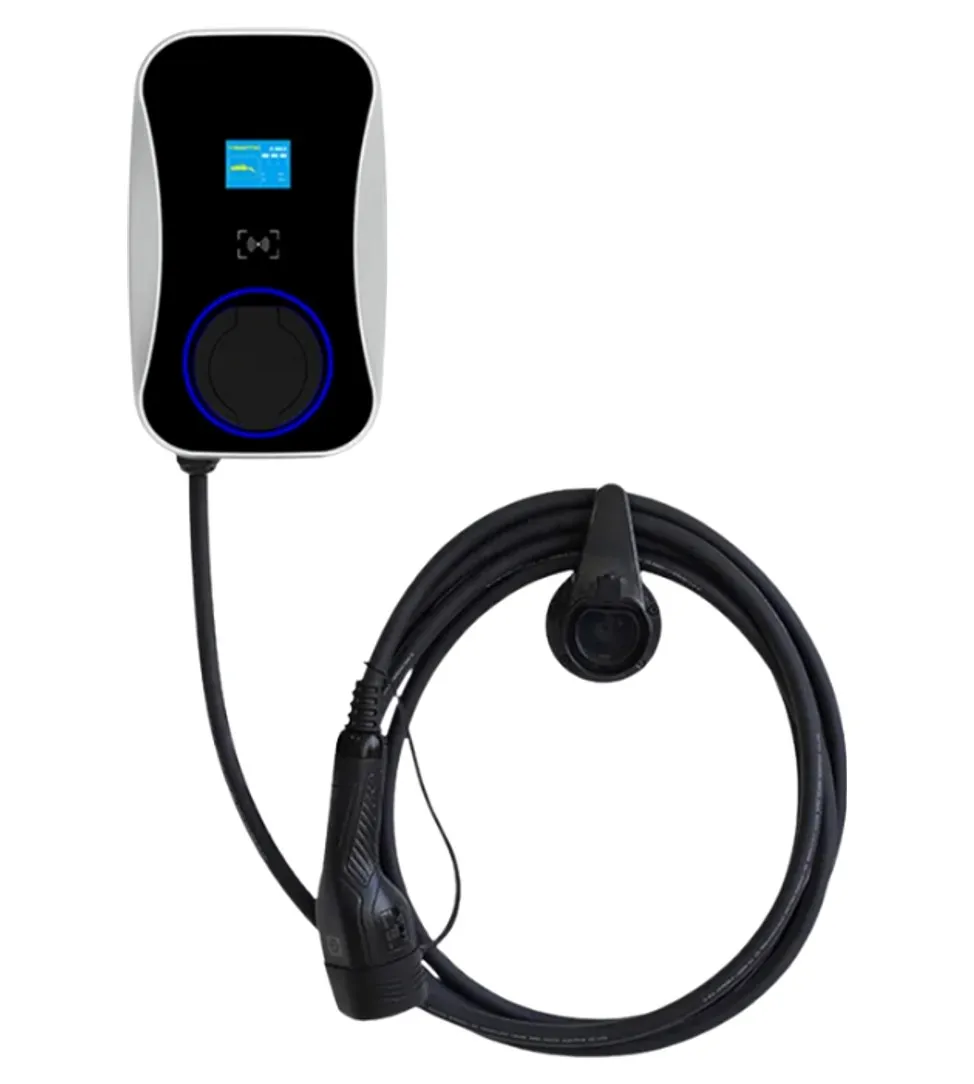
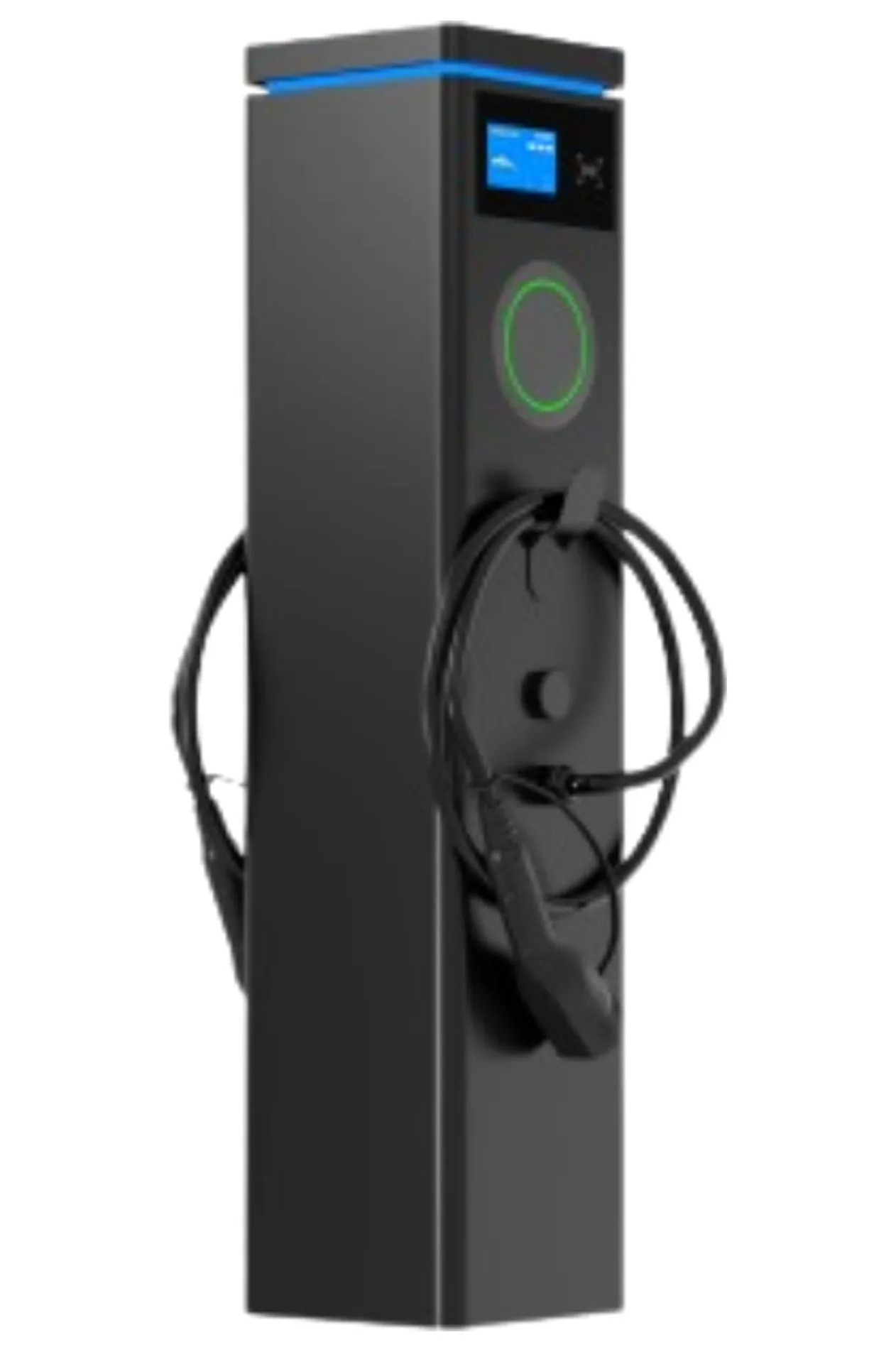
The VULTAE smart wallbox and dual-port pedestal are available at 3.7, 7.4, 11 and 22 kW per point. Use the charging time calculator to compare.
Questions buyers ask
- Do most cars accept 22 kW on AC?
- No. Many cars accept 7.4 kW (single-phase) or 11 kW (three-phase). Some models accept 22 kW. Check the vehicle specification for the maximum AC charging power and the number of phases.
- What supply does a 22 kW charger need?
- A three-phase supply with 32 A per phase (about 22 kW at 400 V). The cable, breaker and protection must be sized for it; your electrician calculates the circuit.
- Can several 22 kW chargers share a limited supply?
- Yes, with load management. The chargers share the available power, so each car gets less when many are connected, which is usually fine for long stays.