Sites & Applications
EV Chargers for Solar Homes and Businesses: PV-Aware Charging
How PV-aware EV chargers use solar surplus: how they measure it, minimum current limits, 1-phase vs 3-phase switching, and what to ask suppliers.
- Prepared by
- VULTAE Engineering Team
- Published
- Reading time
- 2 min
- Sources
- 2 references
Key takeaways
- 1A PV-aware charger changes its current to follow the solar surplus: the solar production minus the building’s other use. It needs a measurement of the surplus (a current transformer or meter on the grid connection, or data from the inverter).
- 2The minimum charging current limits what is possible: most cars need at least 6 A. On a single-phase 230 V charger that is about 1.4 kW; on three-phase about 4.1 kW. Below that the charger pauses, or takes a little grid power.
- 3Modes usually include: solar only, solar plus minimum grid, fast (ignore solar) and scheduled. Pick by whether you value savings or certainty.
- 4Self-consumption is the main benefit when feed-in tariffs are low and grid prices are high. If export is paid well, the saving is smaller.
Contents
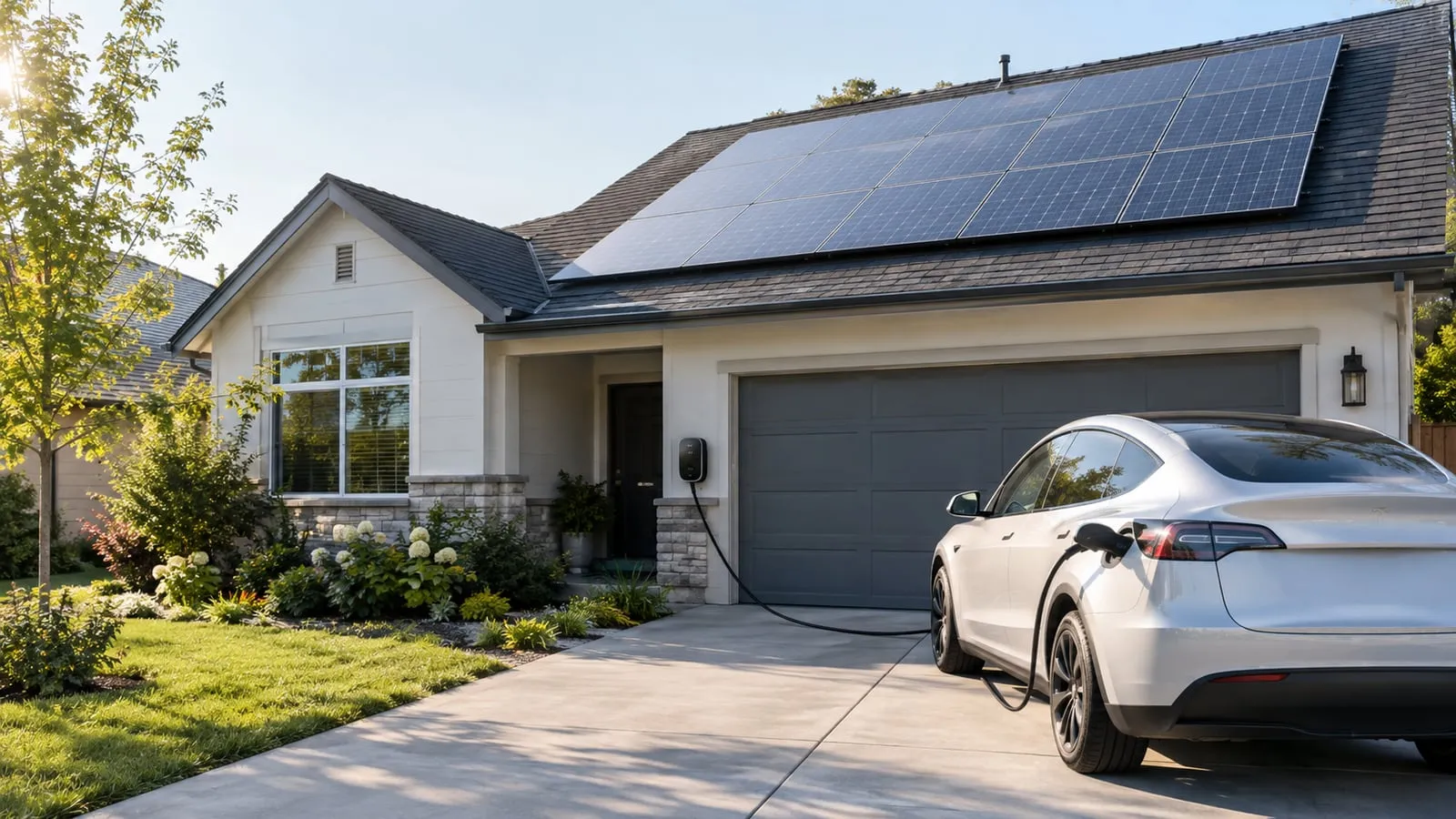
Short answer: a PV-aware charger adjusts its current to follow the solar surplus. It needs a measurement of grid import/export, and it is limited by the car’s minimum current (about 6 A): 1.4 kW on single-phase, 4.1 kW on three-phase. It saves most when the car is home during the day and grid prices are far above feed-in prices.
How it works
- A meter or current transformer (CT) at the grid connection measures import and export. Or the inverter shares production data.
- The charger calculates surplus = production − house use.
- It sets the charging current to match the surplus, in steps of about 1 A.
- If the surplus falls below the minimum, it pauses, or continues at the minimum with some grid power, depending on the mode.
The minimum current
Cars accept 6 A at the lowest. So the lowest solar power that can charge:
| Charger | Minimum power at 6 A |
|---|---|
| Single-phase 230 V | 6 × 230 = about 1.4 kW |
| Three-phase 400 V | 6 × 400 × 1.73 = about 4.1 kW |
| 240 V (North America) | 6 × 240 = about 1.4 kW |
If the surplus is below this, the car cannot charge from solar alone. Chargers that can switch from three to single phase lower the threshold; small PV systems benefit.
Typical modes
| Mode | What happens | Best when |
|---|---|---|
| Solar only | Charges only from surplus | Maximising savings; flexible departure |
| Solar + minimum grid | Keeps charging at minimum current with grid top-up | You need the car ready |
| Fast | Ignores solar | Need the car now |
| Scheduled | Charges at set times, such as cheap night tariff | No PV or cloudy days |
Making it work well
- Place the measurement point correctly: at the grid connection, so it sees the whole house.
- Avoid hunting: set a delay before stopping, and a minimum duration for each session.
- Combine with a battery: a home battery can store the midday surplus for evening charging; coordination matters.
- Use load balancing: protect the main fuse — see load management.
- Use the car’s own settings (departure time and charge limit) alongside.
Business sites
Offices and fleets with daytime charging match solar best. Large sites use an energy management system and OCPP smart charging. See solar carports and smart charger features.
Questions for the supplier
- What measurement device is supported (CT, meter, inverter integration)?
- What is the minimum surplus needed, and does the charger switch phases?
- Which modes are available, and can they be set by schedule?
- Does it work offline?
- Which inverter brands have tested integration?
- Is solar mode part of the base price, or a subscription?
VULTAE
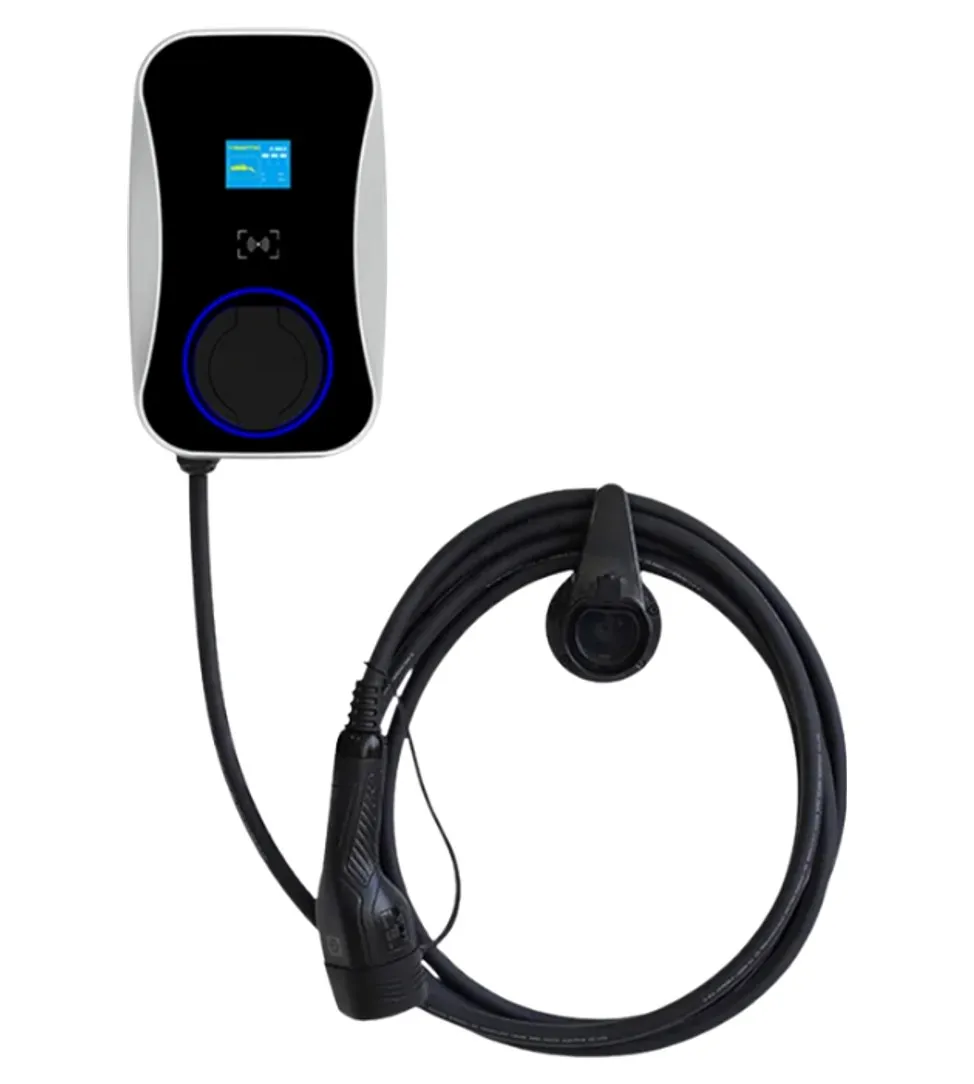
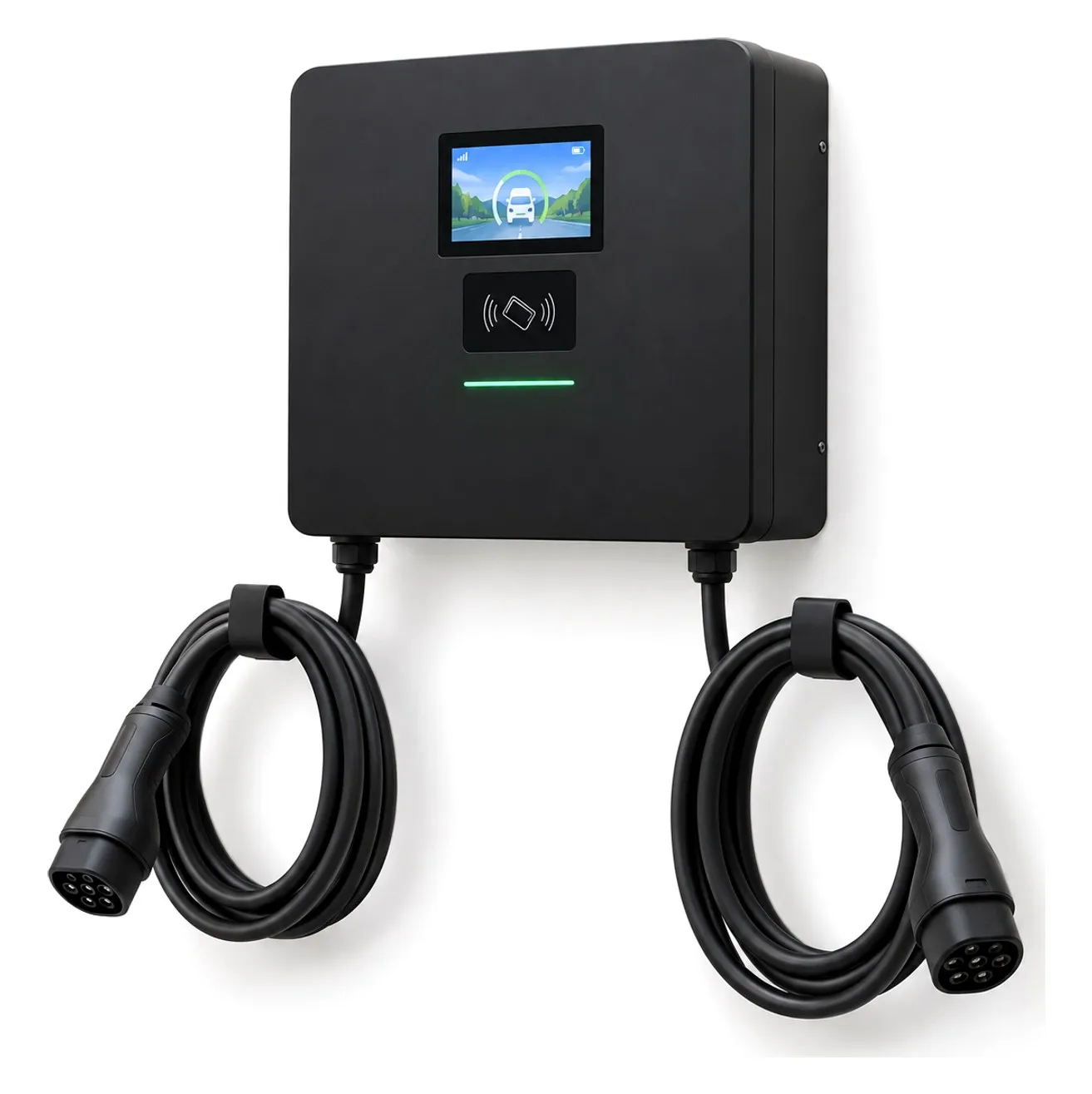
VULTAE’s smart AC chargers include solar-surplus load balancing and home dynamic load balancing with a current transformer on the supply, as well as OCPP support. See the smart wallbox and the dual-port wall charger; the single vs three-phase article explains the supply side.
Questions buyers ask
- How does a solar-aware EV charger work?
- It measures the power flowing to or from the grid, calculates the surplus from solar production, and sets the charging current so that the car uses that surplus. If the sun fades, it lowers the current or stops.
- Why does my charger stop when clouds pass?
- Because the surplus falls below the minimum charging current, around 6 A. Settings for a minimum grid share or a delay before stopping reduce start-stop cycling.
- Do I need a three-phase charger for solar charging?
- It works with both. Single-phase chargers can use small surpluses starting at about 1.4 kW. Three-phase chargers need at least about 4.1 kW to start, unless they can switch to single-phase.
- Is solar charging worth it?
- It saves most when the price of grid electricity is high compared with feed-in payment, and when the car is at home during the day. Evening-only charging gains little without a home battery.
References
- [1]IEC 61851-1:2017 — general requirements. International Electrotechnical Commission.
- [2]Open Charge Point Protocol (OCPP). Open Charge Alliance.