AC Charging
Smart Charger Features Worth Paying For
Which smart EV charger features earn their cost — OCPP, load balancing, solar-aware charging, scheduling, RFID, payment — and which are marketing.
- Prepared by
- VULTAE Engineering Team
- Published
- Reading time
- 2 min
- Sources
- 2 references
Key takeaways
- 1Features that pay back: OCPP (so you are not locked to one back end), load balancing, scheduling for cheap tariffs, solar-surplus charging where you have PV, and clear status feedback.
- 2Features that depend on the site: RFID or app authentication (shared and public sites), payment terminals (public), MID metering (billing), and screens (information and advertising).
- 3Features to treat with caution: proprietary apps without OCPP, features that need a paid subscription to the manufacturer’s cloud, and “AI” labels without a defined function.
- 4Ask what works offline. A smart charger that cannot charge when the internet is down is a poor design.
Contents
Short answer: pay for OCPP, load balancing, scheduling, solar-aware charging (if you have PV) and good offline behaviour. Pay for RFID, payment and MID metering only if the site needs them. Be wary of proprietary apps and subscriptions that lock you in.
Feature value table
| Feature | Who needs it | Value |
|---|---|---|
| OCPP 1.6J / 2.0.1 | Every commercial site | High: freedom to choose the back end — see OCPP versions |
| Dynamic load balancing | Homes with limited supply, multi-charger sites | High — see load management |
| Scheduling / tariff-aware charging | Anyone with time-of-use prices | High; some markets require a default off-peak schedule |
| Solar-surplus charging | Homes and businesses with PV | High if PV; see solar-aware charging |
| RFID / app authentication | Shared, workplace, public | Needed — see RFID access control |
| Payment terminal | Public pay-per-use sites | Needed for ad-hoc payment |
| MID or calibrated meter | Billing by kWh | Needed — see MID and Eichrecht |
| Remote firmware update | Everyone | High — see OTA updates |
| Multiple links (Wi-Fi, 4G, Ethernet) | Public and remote sites | Medium to high — see connectivity |
| Screen | Public; advertising | Site dependent |
| Plug & Charge (ISO 15118) | Public networks | Growing — see ISO 15118 |
| Local app (for example Tuya) | Home users | Convenient; not for commercial back ends |
Questions that separate real smart features from marketing
- Does it speak OCPP, and which version? If the answer is “our own app only”, you are locked in.
- What works offline? Authorisation list, local current limit, transaction storage.
- Is there a subscription? Ask for the cost after year one, and what stops working if you stop paying.
- Who owns the data? You should be able to export sessions and meter values.
- How are updates delivered and for how long? See OTA updates.
- Is the security documented? See cybersecurity requirements.
Home vs business
| Home | Business | |
|---|---|---|
| Must have | Scheduling, load balancing, status LEDs | OCPP, authentication, metering, remote management |
| Nice to have | Solar-aware charging, app | Payment terminal, screen, RFID, MID meter |
| Avoid | Subscription-only features | Closed systems |
Smart charging rules
Some countries require smart features by law: in Great Britain, private chargers must be smart-enabled with a default off-peak schedule and meet security rules. Check the rules of your market — see cybersecurity requirements.
VULTAE smart features
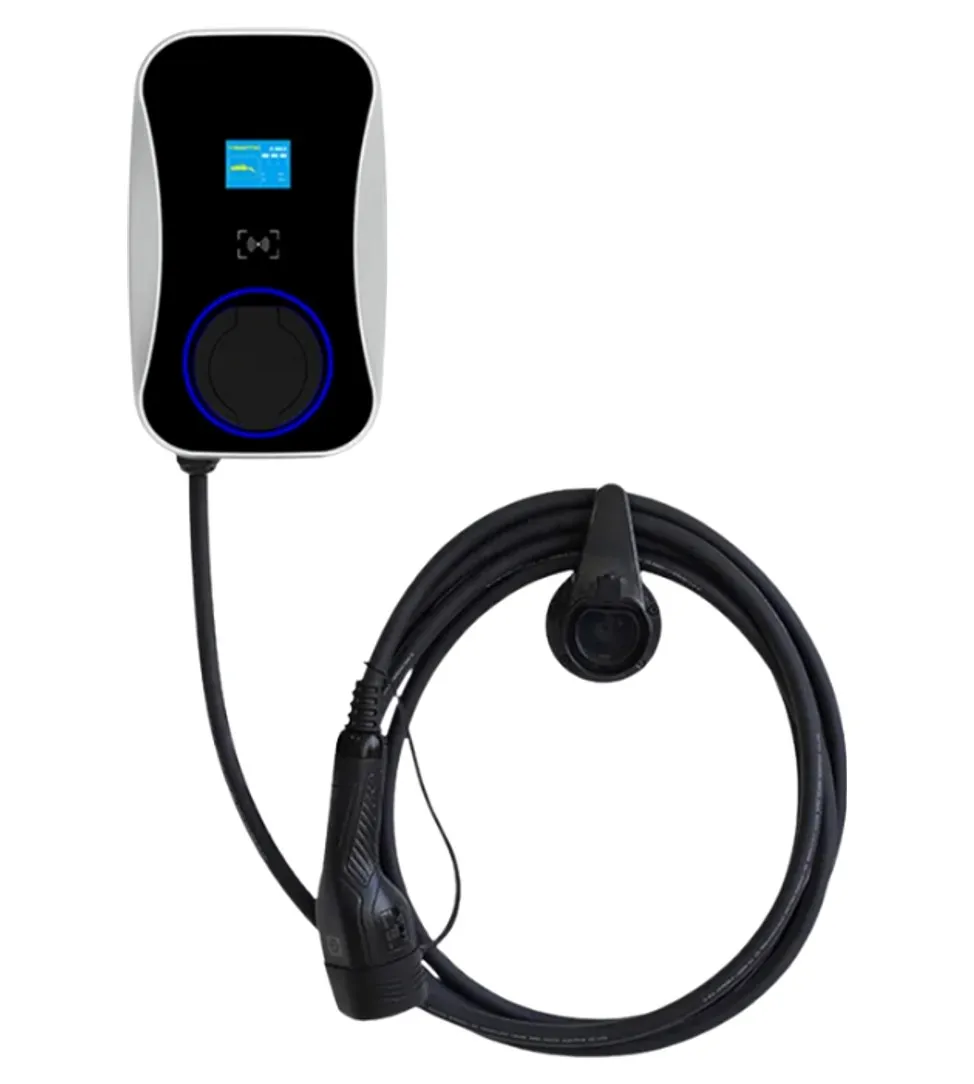
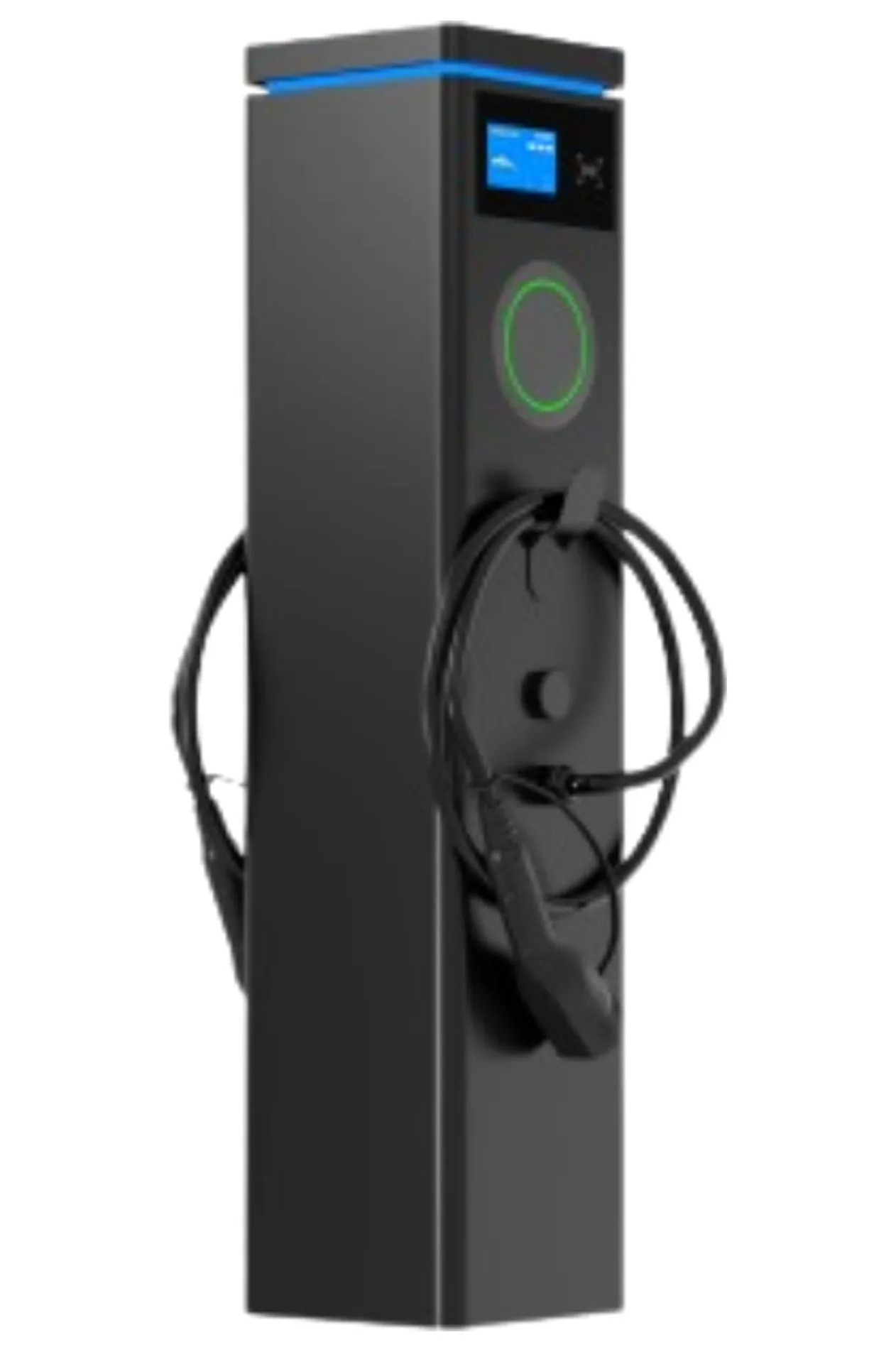
VULTAE’s smart AC chargers offer Wi-Fi, 4G and Ethernet, OCPP 1.6J and 2.0.1, a Tuya app option, home dynamic and solar-surplus load balancing, RFID, app and plug-and-charge start modes, and group and power management. Commercial models add payment terminal support and a MID-certified meter on request. Exact features depend on the model — see the smart wallbox and the dual-port pedestal.
Questions buyers ask
- What makes an EV charger smart?
- It connects to a network and can be controlled and monitored: remote start and stop, scheduling, current limits, energy reporting and software updates. In a business it also means integration with a back end through OCPP.
- Is OCPP important for a home charger?
- For a single home charger it is optional, but it keeps the option of switching apps or back ends. For any commercial or shared installation OCPP is practically essential.
- What is solar-surplus charging?
- The charger adjusts its current to the surplus power from the solar system, so more of the car’s energy is self-generated. It needs a meter or inverter data and a charger that can vary current continuously.
- Do I need a screen on the charger?
- Not for home use. In public sites a screen helps with instructions and status, and can carry information or advertising. It adds cost and a part that can fail, so decide by site.
References
- [1]Open Charge Point Protocol (OCPP). Open Charge Alliance.
- [2]Regulations: electric vehicle smart charge points. GOV.UK.