Sites & Applications
EV Charging at Airports and Long-Stay Car Parks
How to plan EV charging for airport and long-stay parking: dwell times, AC versus DC, load management, rental cars, payment and a bay-count method.
- Prepared by
- VULTAE Engineering Team
- Published
- Reading time
- 2 min
- Sources
- —
Key takeaways
- 1Long-stay parking means dwell times from hours to weeks. Low-power AC charging with load management fits most bays; DC chargers suit rental returns, staff and short-stay drivers who need a fast top-up.
- 2Cars sit for a long time, so the challenge is sharing limited power fairly and not leaving a fully charged car on a charger for ten days. Plan time limits or idle fees, and decide whether charging is a paid service for travellers.
- 3Rental fleets and shuttle operators are the other big users. Agree their needs early, because they change the number of chargers and the back-end integration.
Contents
Short answer: most airport bays need AC with load management, a time limit or idle fee and simple payment; add DC where cars arrive empty and leave soon, such as rental returns and short-stay.
Who charges and when
| User | Dwell time | Best charging |
|---|---|---|
| Long-stay traveller | 3–14 days | 7 kW AC or less, with load management |
| Short-stay or meeter-greeter | 30–120 minutes | 22 kW AC or DC |
| Staff | 4–10 hours | 7–11 kW AC, separate bays |
| Rental cars | Minutes to hours | DC and AC near the return area |
| Shuttle and taxi | Short, frequent | DC, depot-style; see taxi and ride-hailing hubs |
A car parked for a week does not need fast charging. It needs a reliable bay and a fair share of the power.
Power and load management
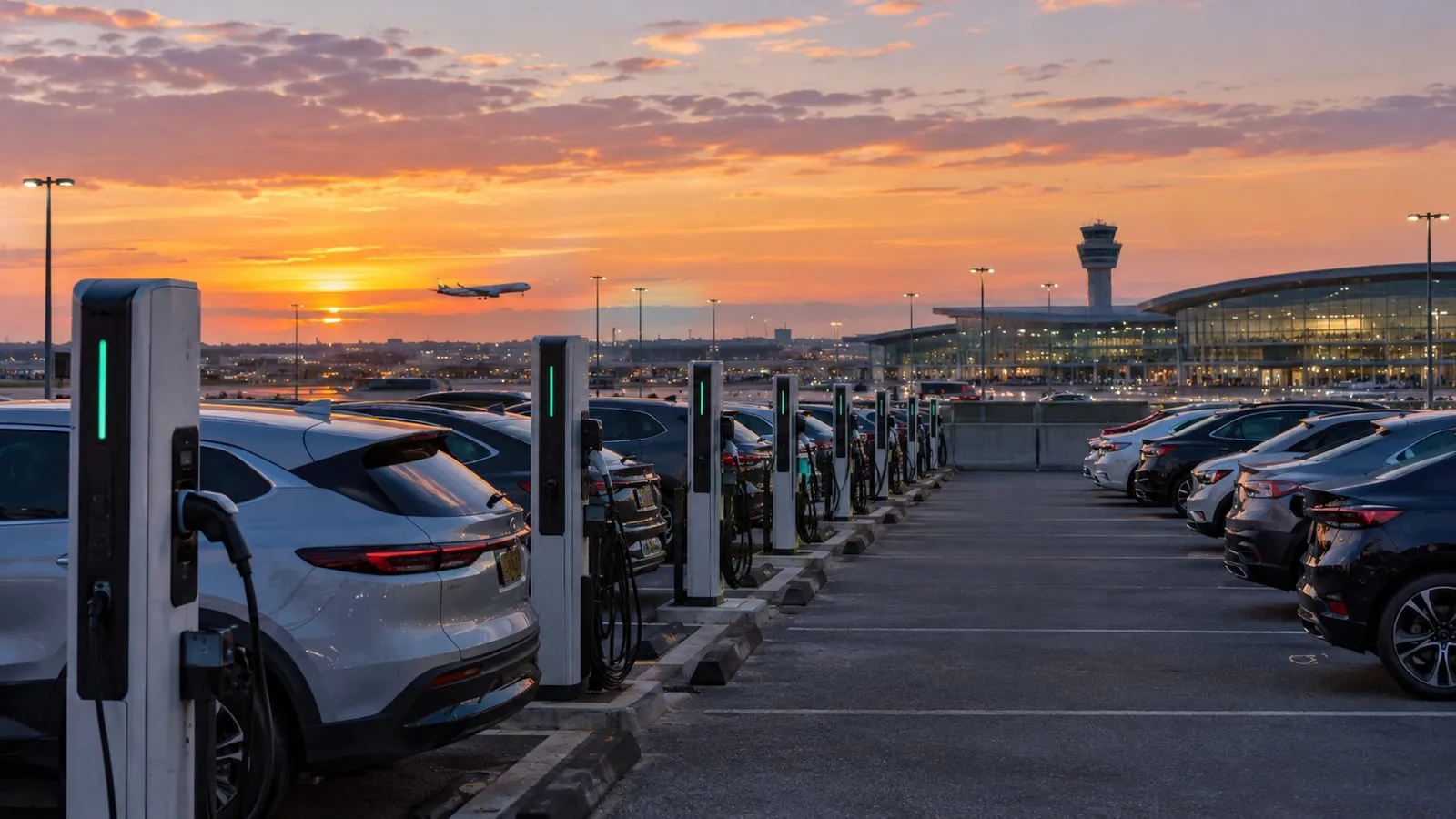
An airport car park may have thousands of bays. Equip a share now and prepare for more:
- Ducting and spare ways in distribution boards for later expansion.
- Dynamic load management so many chargers share one connection; see dynamic load management.
- Metering and sub-metering per zone for cost allocation.
- Peak management: avoid demand charges by capping power at arrival peaks; see demand charges.
Charger selection
| Area | Suggested equipment |
|---|---|
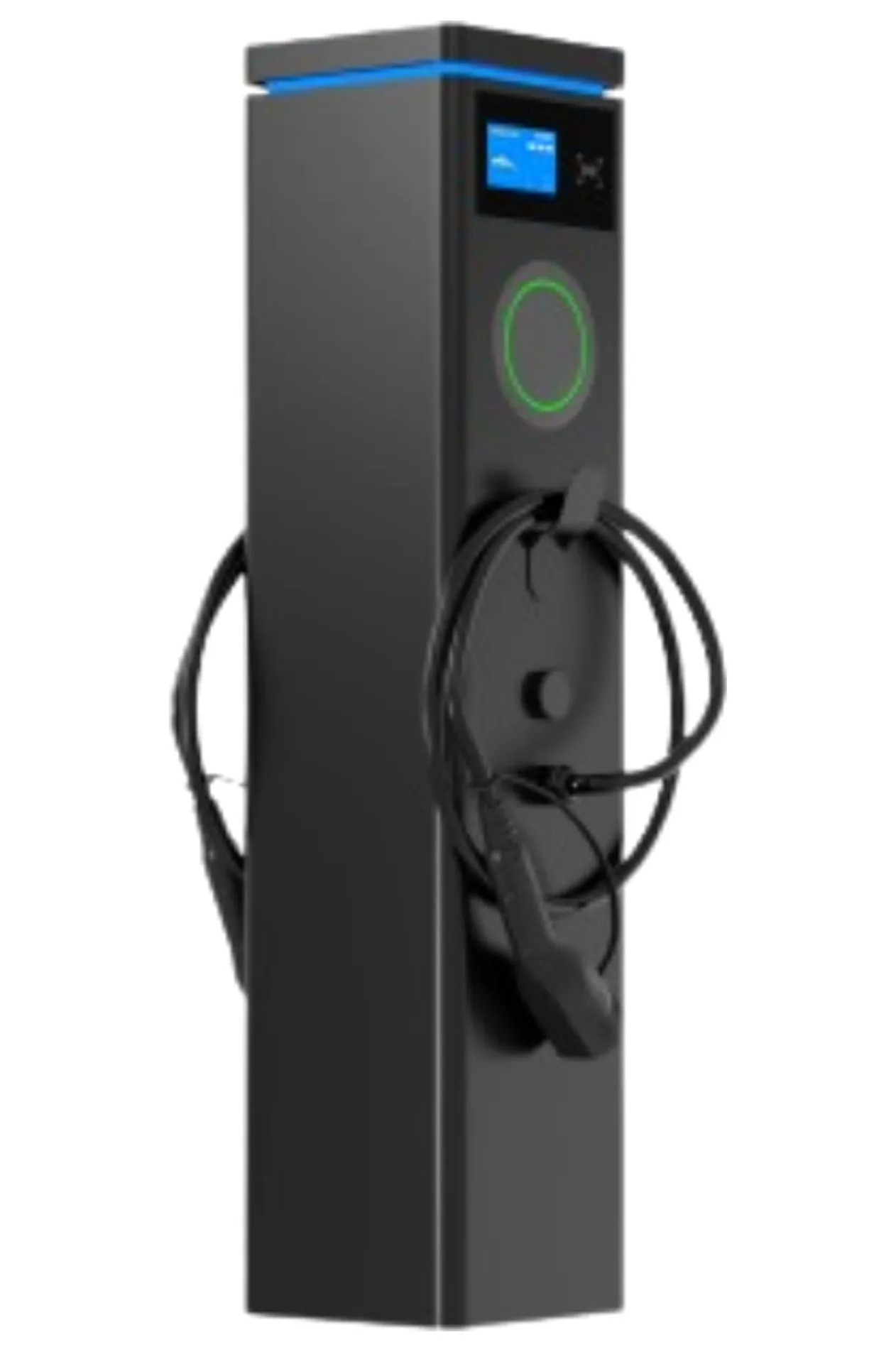
| Long-stay rows | Dual-port AC pedestals at 7–11 kW |
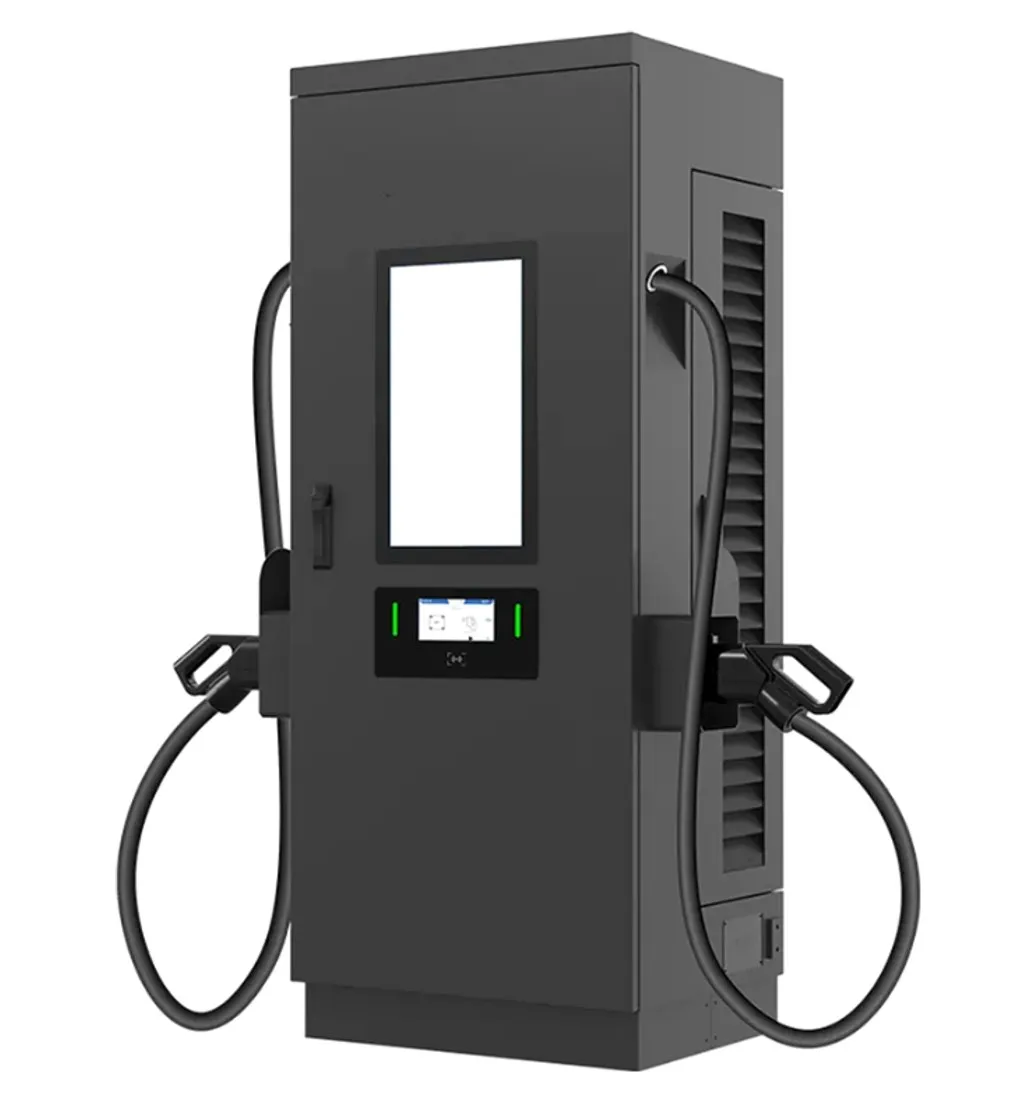
| Short-stay | 22 kW AC and one or two DC chargers |
| Rental return | DC and AC, depending on fleet needs |
| Staff car park | Lower-cost AC wallboxes on a separate meter |
Think about cable management, bollards and weather protection on open surfaces; see bay layout, signage and bollards.
Rules that keep bays working
- Time limit on charging, with the car owner notified through the app.
- Idle fee after the session ends; see idle fees and overstay policies.
- Priority for travellers with a booking or loyalty status, if the operator offers it.
- Enforcement of bays reserved for charging.
Payment and access
| Option | Strength | Weakness |
|---|---|---|
| Parking-ticket integration | One bill at exit | Needs system integration |
| App with card | Familiar | Needs mobile signal in car parks |
| RFID card | Simple for staff and fleets | Not for visitors |
| Card terminal | No app needed | Cost per charger |
See payment at EV chargers and billing in multi-tenant buildings for models that scale.
Questions for the supplier
Ask about connectivity in underground or covered areas, OCPP support, the number of chargers one load group supports and remote diagnostics. Airport sites also have security and approval processes: allow time. VULTAE can propose a layout from your car park plan and supply rating.
Questions buyers ask
- Is AC or DC better for airport parking?
- AC for long stays: it is cheaper, simple and the car has hours to charge. Add some DC capacity for rental return bays, staff and drivers on a short visit.
- How do you stop cars occupying bays for a week?
- Use a maximum charging time, an idle fee after the car is full and clear signage. A back-end rule can also move the booking to the next vehicle. Check local rules for fees.
- Who pays for the energy?
- Typically the traveller pays per kWh, per hour or as a parking add-on. Some airports include charging in a premium parking product.