Certification & Compliance
UL 2594 and UL 2202 Explained for EV Chargers
UL 2594 covers AC EV supply equipment and UL 2202 covers DC charging systems. What each standard covers, who tests it and what to ask for on a certificate.
- Prepared by
- VULTAE Engineering Team
- Published
- Reading time
- 2 min
- Sources
- 3 references
Key takeaways
- 1In North America, chargers are normally listed by a nationally recognised testing laboratory (NRTL) to a UL product standard. UL 2594 covers AC electric vehicle supply equipment; UL 2202 covers DC charging systems.
- 2A listing is tied to a model, a manufacturer and a scope. Ask for the listing, not just a mark on the label, and check that it matches the exact model and configuration you will import.
- 3ETL and UL listings are both issued by NRTLs; either can be acceptable. What matters is the standard and the scope.
Short answer: UL 2594 is the safety standard for AC EV supply equipment; UL 2202 is for DC charging systems. A North American listing by an NRTL (UL, ETL and others) to the right standard is what inspectors and utilities usually ask for. Always check the model and scope on the listing.
What each standard covers
| UL 2594 | UL 2202 | |
|---|---|---|
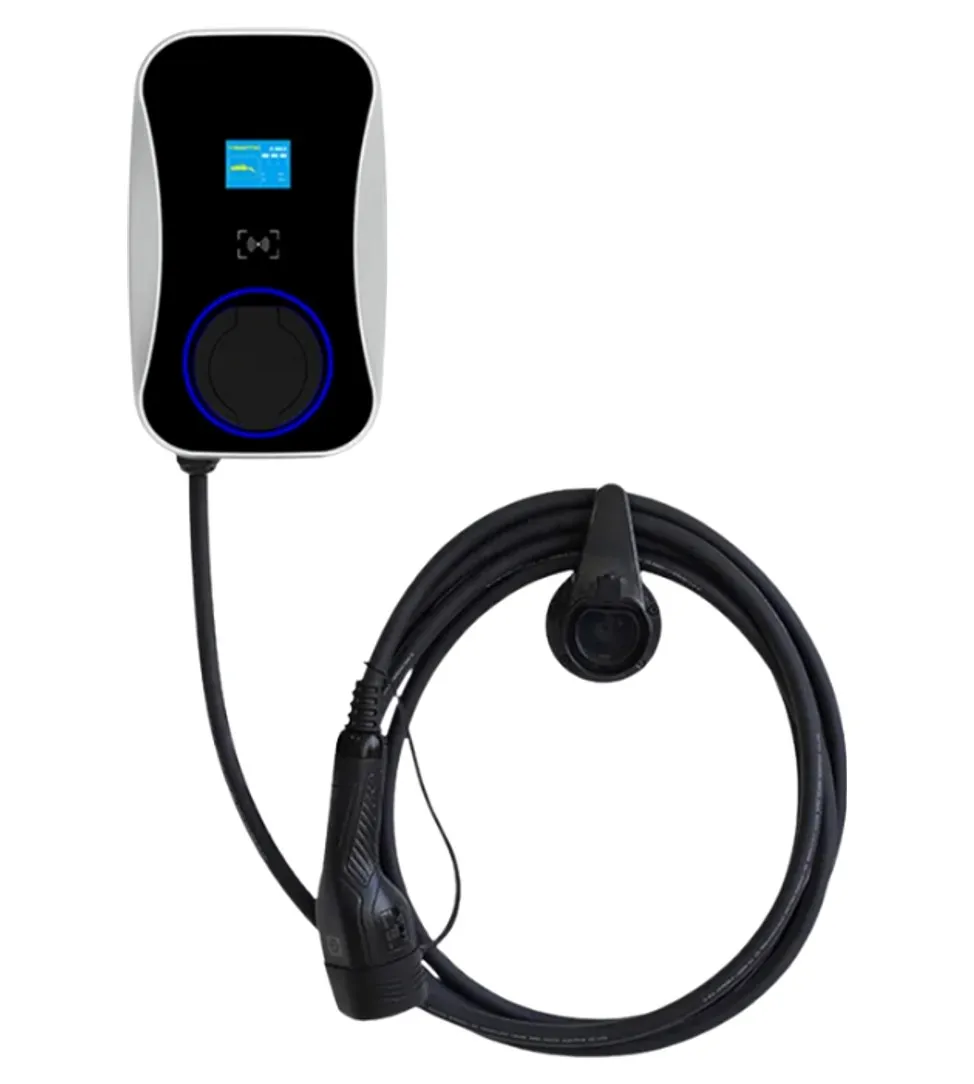
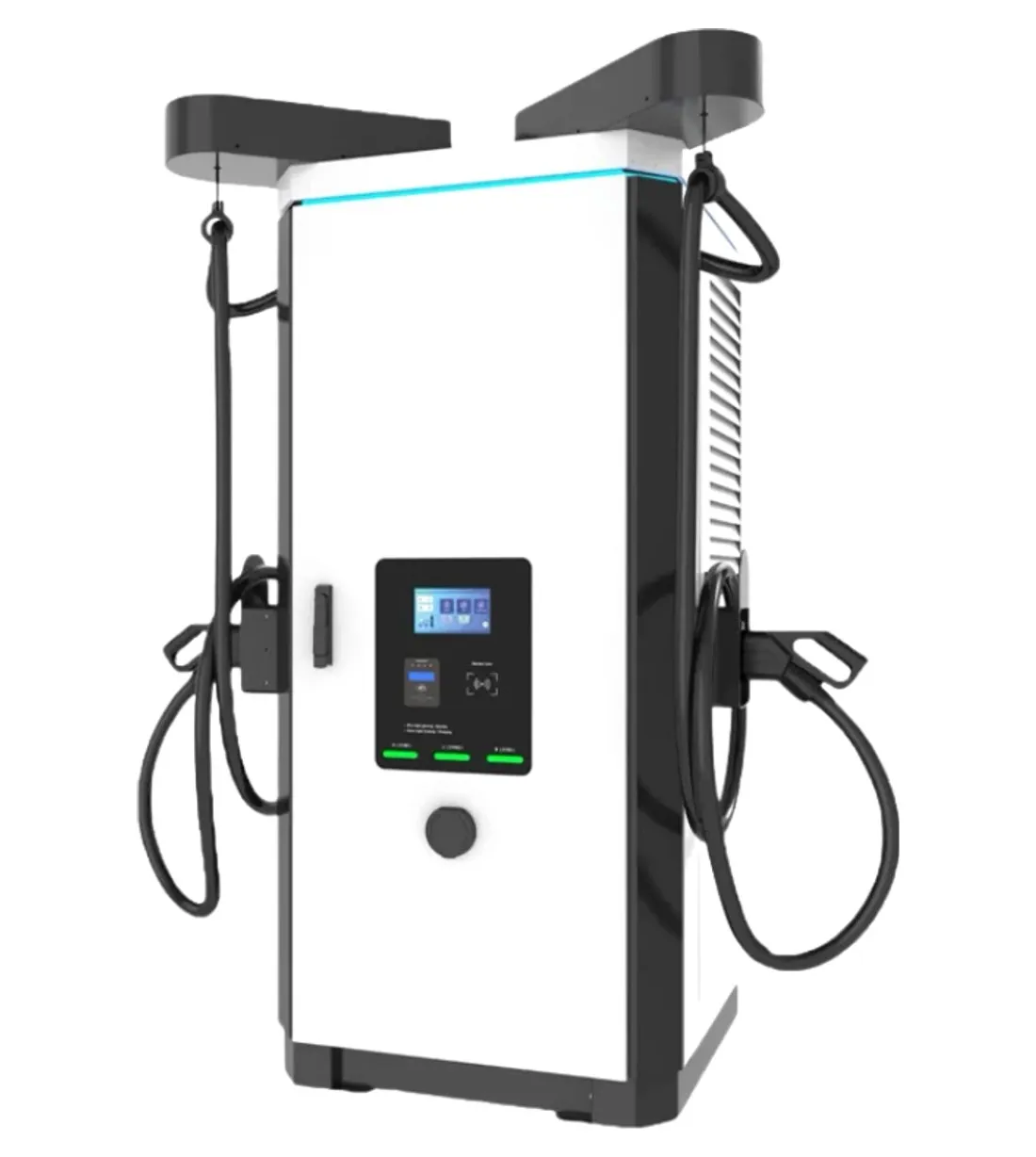
| Equipment | AC EV supply equipment (wallboxes, AC posts, portable AC units are covered by related standards) | DC EV charging system equipment |
| Typical product | Level 2 wallbox, AC pedestal | DC fast charger |
| Main topics | Electrical safety, enclosure, protection, labelling | Electrical safety, power conversion, isolation, enclosure, labelling |
| Used with | NEC rules on installation | NEC rules on installation |
Chargers sold in North America also meet installation rules in the NEC (NFPA 70) and, for ground-fault protection, the device’s own built-in protection — see the NEC overview.
Who tests
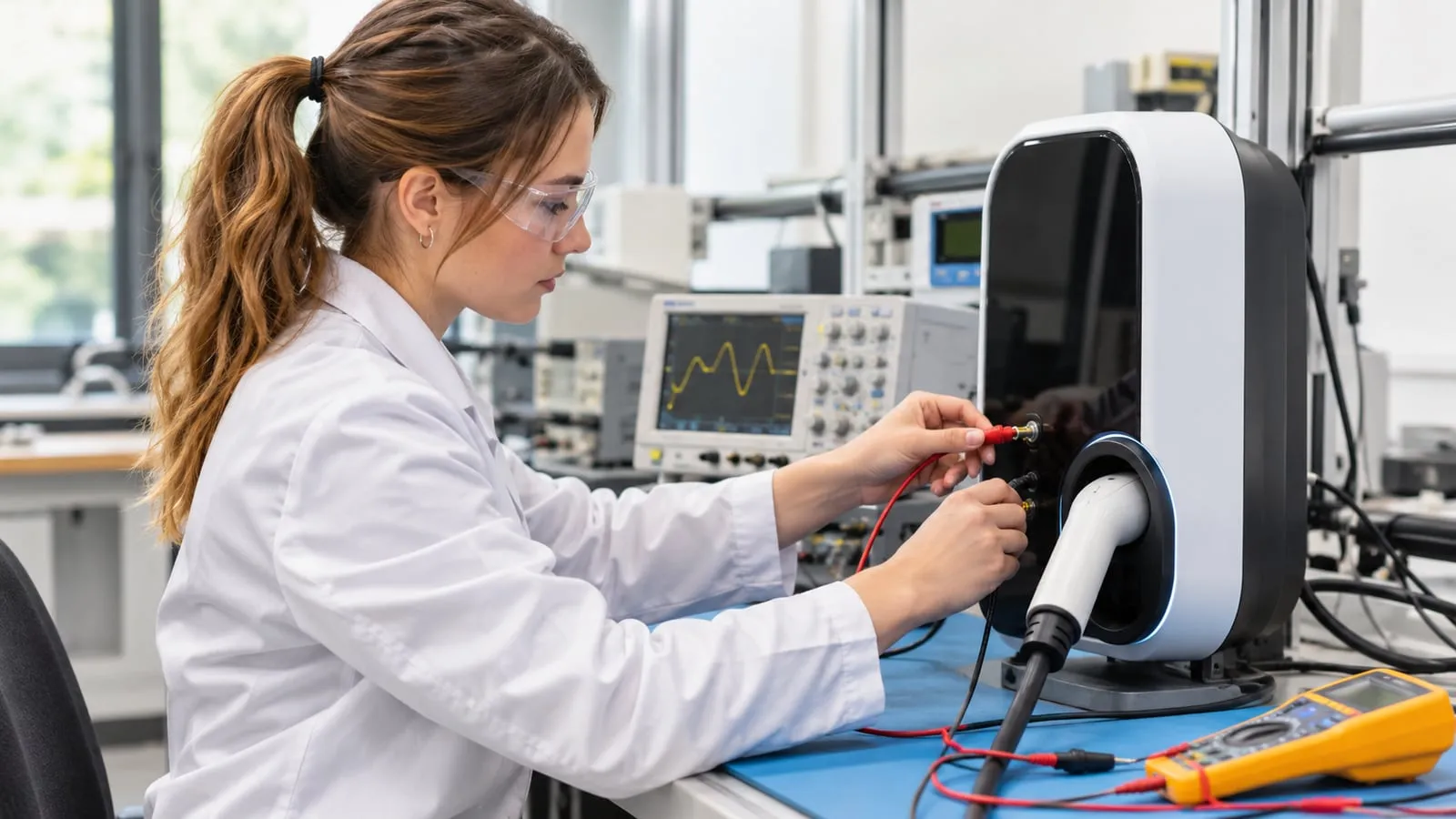
An NRTL is a laboratory recognised by OSHA to test and list products to the relevant standards. UL and ETL (Intertek) are well known. The listing is public: the manufacturer, model and standard are named.
What to check on the listing
- Standard: UL 2594 for AC, UL 2202 for DC, or the standards named in the local rules.
- Model names: exactly the models you will buy, including connector variants.
- Rating: voltage and current ratings match your supply (for example 208–240 V, 48 A).
- Holder: the company named on the listing is the one you buy from, or an authorised brand holder.
- Date and status: the listing is current.
Related requirements
- ENERGY STAR for EV chargers is a separate programme on standby efficiency; see the ENERGY STAR page.
- Buy America rules apply to some publicly funded projects — see our ETL / UL and Buy America guide.
VULTAE’s North American versions carry ETL and ENERGY STAR; certificates for the exact model are sent on request. See certifications.
Questions buyers ask
- What is the difference between UL 2594 and UL 2202?
- UL 2594 is the product safety standard for AC electric vehicle supply equipment, such as wallboxes and AC posts. UL 2202 covers DC charging systems, such as fast chargers.
- Is an ETL listing the same as UL?
- Both are NRTL marks. An ETL listing means the product was tested to the relevant UL standard by Intertek; many authorities accept either. Confirm what your local authority requires.
- Does a listing cover all variants of a charger?
- Only the models and configurations named in the listing. A change of connector, enclosure or firmware may need review. Ask the lab what a variant needs.
References
- [1]UL 2202 — Electric Vehicle (EV) Charging System Equipment. UL Standards.
- [2]Nationally Recognized Testing Laboratory Program. OSHA.
- [3]NFPA 70 (National Electrical Code). NFPA.