Certification & Compliance
IEC 62196 Explained: The Connector Standard Behind Type 2 and CCS
IEC 62196 defines EV plugs, socket-outlets and inlets for conductive charging. What its parts cover, how Type 2 and CCS fit in and what to check on a charger.
- Prepared by
- VULTAE Engineering Team
- Published
- Reading time
- 1 min
- Sources
- 1 references
Key takeaways
- 1IEC 62196 is a family of standards for plugs, socket-outlets, vehicle connectors and vehicle inlets for conductive charging. Part 2 covers AC accessories such as Type 2; Part 3 covers DC accessories, including the combined connectors used for CCS.
- 2A connector marked to IEC 62196 helps interoperability, but the whole charger must also meet system standards such as IEC 61851.
- 3Check the connector type and rating on the charger label and in the certificate: voltage, current, ingress protection and the part of the standard the product is tested to.
Contents
Short answer: IEC 62196 defines the plugs, sockets, vehicle connectors and inlets used for conductive EV charging. Part 2 covers AC (Type 2), Part 3 covers DC (including CCS-type combined connectors). The charger must also meet IEC 61851.
Parts and what they cover
| Part | Covers | Examples |
|---|---|---|
| IEC 62196-1 | General requirements | Common rules |
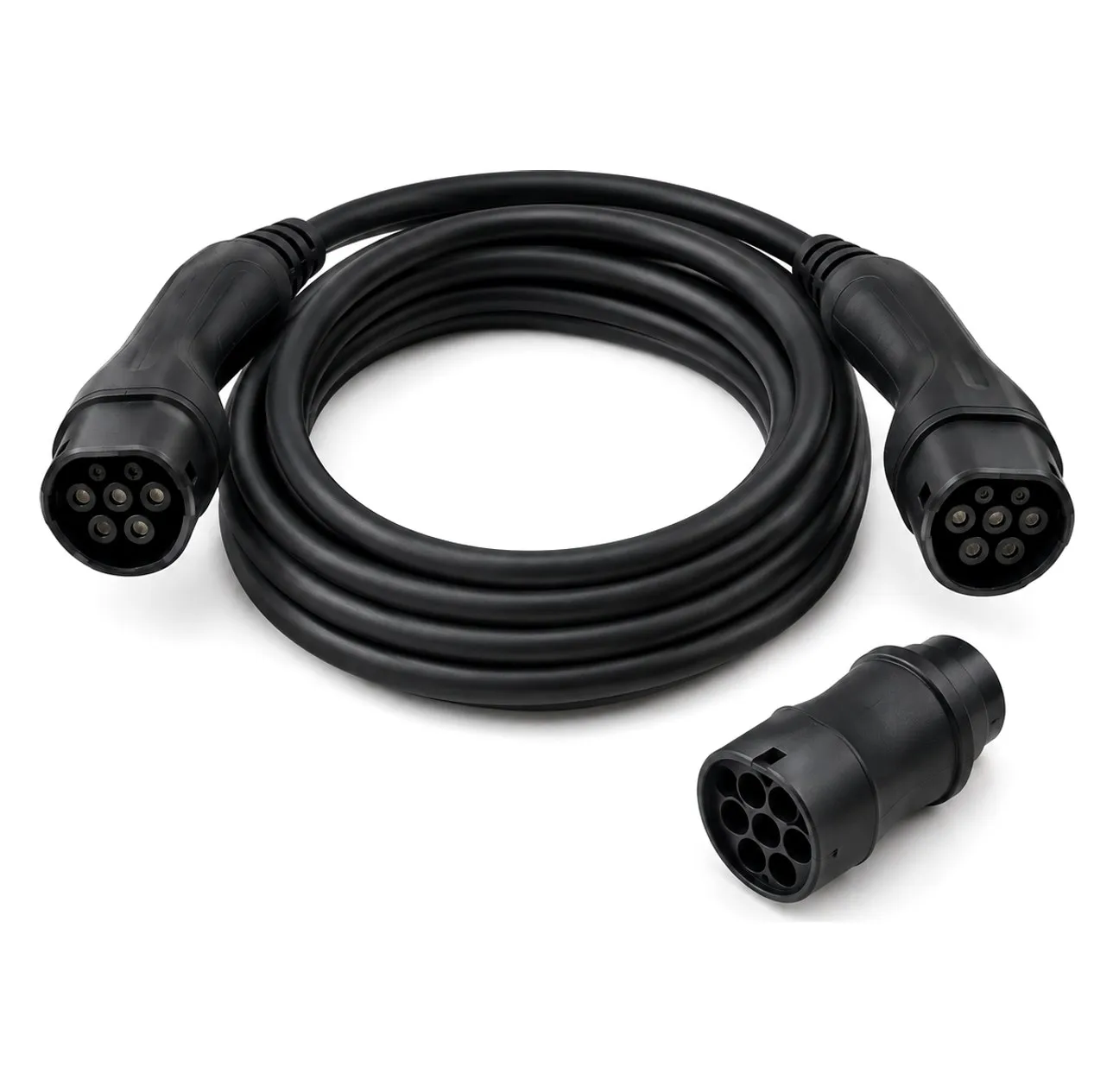
| IEC 62196-2 | AC accessories | Type 1 and Type 2 couplers |
| IEC 62196-3 | DC accessories | Combined connectors used for CCS |
| Other parts | Light vehicles and special cases | Check the current list |
How the connector fits the system
| Standard | Role |
|---|---|
| IEC 62196 | The physical connector |
| IEC 61851-1 | Requirements for the charging system |
| IEC 61851-23 | DC charging station requirements |
| ISO 15118 / DIN 70121 | Digital communication for DC |
See charging modes and the connectors and protocols guide.
What to check on a charger
- The connector type on the label: Type 2, CCS2 and so on.
- The rated voltage and current of the connector and the cable.
- The IP rating of the connector in use and when unplugged.
- The standard named in the certificate.
- The cable specification, if tethered.
Common misunderstandings
| Myth | Reality |
|---|---|
| “Same plug, same safety” | The cable, protection and system also matter |
| “Adapters make all connectors compatible” | Adapters handle shape; power and protocol are separate |
| “Type 2 means 22 kW” | Type 2 can carry different currents; the charger sets the rating |
For adapters and cables, see Type 2 charging cables and adapters and verify a certificate.
Questions buyers ask
- What is the difference between Type 2 and CCS2?
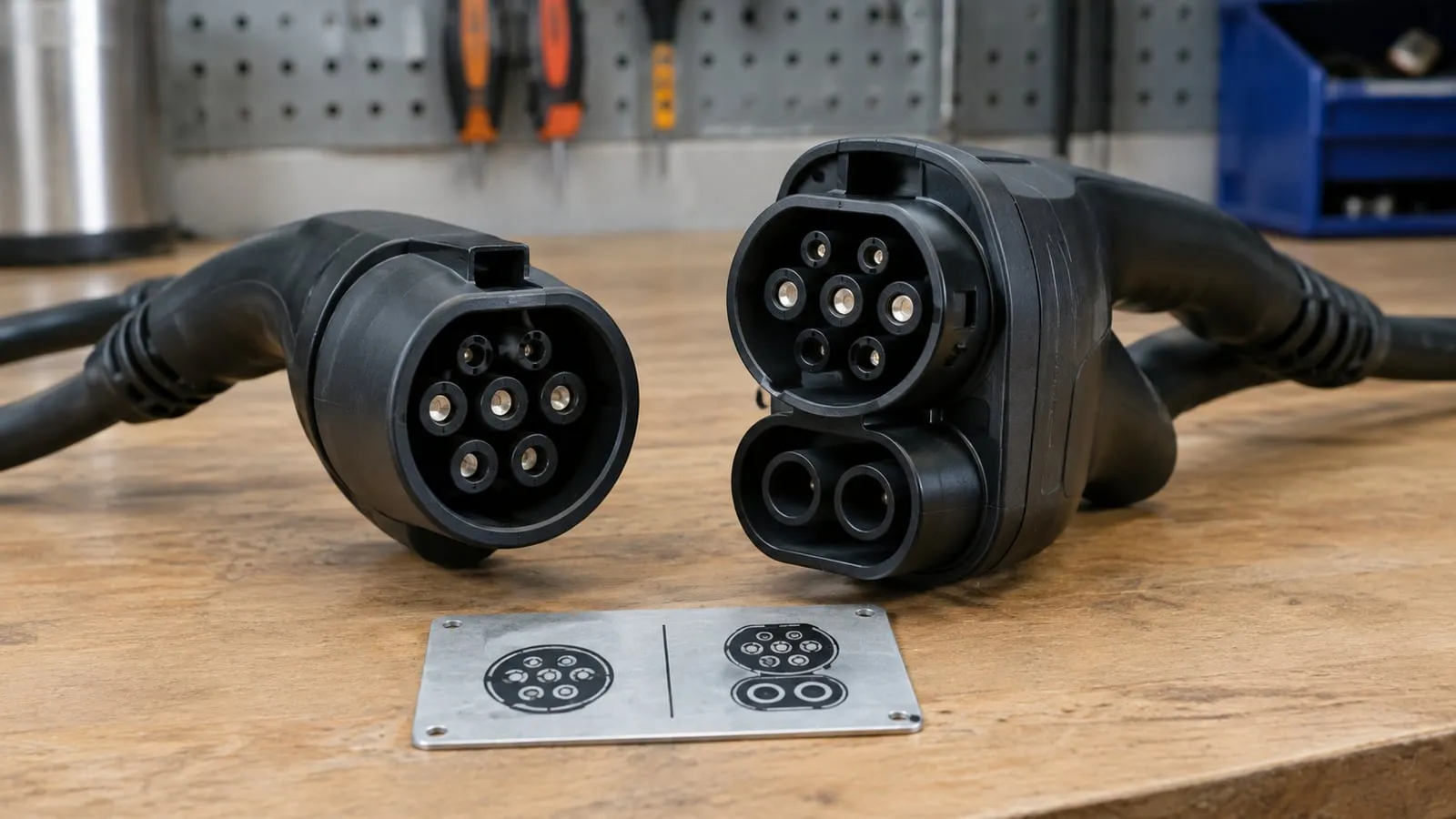
- Type 2 is the AC connector. CCS2 adds two large DC contacts below the Type 2 shape so one inlet on the car can take AC or DC. The DC side is covered by IEC 62196-3.
- Is Type 1 part of IEC 62196?
- Type 1 (SAE J1772) is defined in SAE J1772 and also appears in IEC 62196-2 as a type of vehicle coupler.
- Does IEC 62196 cover GB/T?
- GB/T connectors are defined by Chinese standards, with related IEC work. Check the standard named in the product documentation.
References
- [1]IEC 61851-1:2017 — general requirements. International Electrotechnical Commission.