Sourcing from China
Reading an EV Charger Data Sheet: 25 Specs Explained
How to read an EV charger data sheet: power, current, voltage, efficiency, protection, protocols and certificates, and what to ask when a value is missing.
- Prepared by
- VULTAE Engineering Team
- Published
- Reading time
- 2 min
- Sources
- —
Key takeaways
- 1A data sheet is a claim, not a proof. Read the electrical ratings, protection, communication, environment and certificate lines, then check each against a certificate, a label or a test.
- 2Many problems come from missing or vague values: “up to” power, no input current, no residual-current type, no certificate scope. Ask for a written answer for every blank.
- 3Compare chargers on the same lines: rated power at your voltage, input current per phase, protection class, communication, and the exact certificate.

Short answer: read a data sheet in five groups — electrical, protection, communication, environment and compliance — and ask for anything missing. The sheet tells you what the supplier claims; certificates and samples tell you what is true.
25 specs in five groups
| Group | Spec | What it tells you |
|---|---|---|
| Electrical | 1 Input voltage and phases | Whether it fits your supply |
| 2 Frequency (50/60 Hz) | Compatibility with the grid | |
| 3 Rated current per connector | The continuous current | |
| 4 Rated power | At which voltage the power applies | |
| 5 Input current per phase (DC) | Supply size needed | |
| 6 Output voltage range (DC) | Which vehicles it can charge | |
| 7 Efficiency | Losses at full load | |
| 8 Standby power | Idle consumption | |
| Protection | 9 Overcurrent, overvoltage, undervoltage | Basic device protection |
| 10 Residual current detection | Type and DC component (see Type B and 6 mA DC) | |
| 11 Surge protection | Resilience to spikes | |
| 12 Earth monitoring | Safety on different earthing systems | |
| 13 Temperature derating | Behaviour in heat | |
| Communication | 14 Connectivity | Ethernet, Wi-Fi, 4G |
| 15 Back-end protocol | OCPP 1.6J or 2.0.1 (see OCPP versions) | |
| 16 Vehicle protocol | DIN 70121, ISO 15118 for DC | |
| 17 Authentication | RFID, app, QR, plug & charge | |
| 18 Firmware updates | Over the air or by hand | |
| Environment | 19 IP rating | Dust and water (see IP and IK) |
| 20 IK rating | Impact resistance | |
| 21 Operating temperature | Climate range | |
| 22 Altitude and humidity | Site limits | |
| Compliance | 23 Certificates and standards | CE, UKCA, TÜV, ETL and the scope |
| 24 Metering accuracy | Whether you can bill by kWh | |
| 25 Warranty | Duration and what it excludes |
Common traps
- Power “up to” a value without stating voltage or conditions.
- Single-phase and three-phase models mixed in one column.
- IP rating given for the charger but not for the socket version.
- Certificates listed on the sheet but not backed by documents for the exact model.
- Missing input current, which means the supply cannot be sized.
Checks beyond the sheet
- Compare the data sheet with the rating label on a sample.
- Check the certificate scope against the model name.
- Run an acceptance test on a sample — see sample testing.
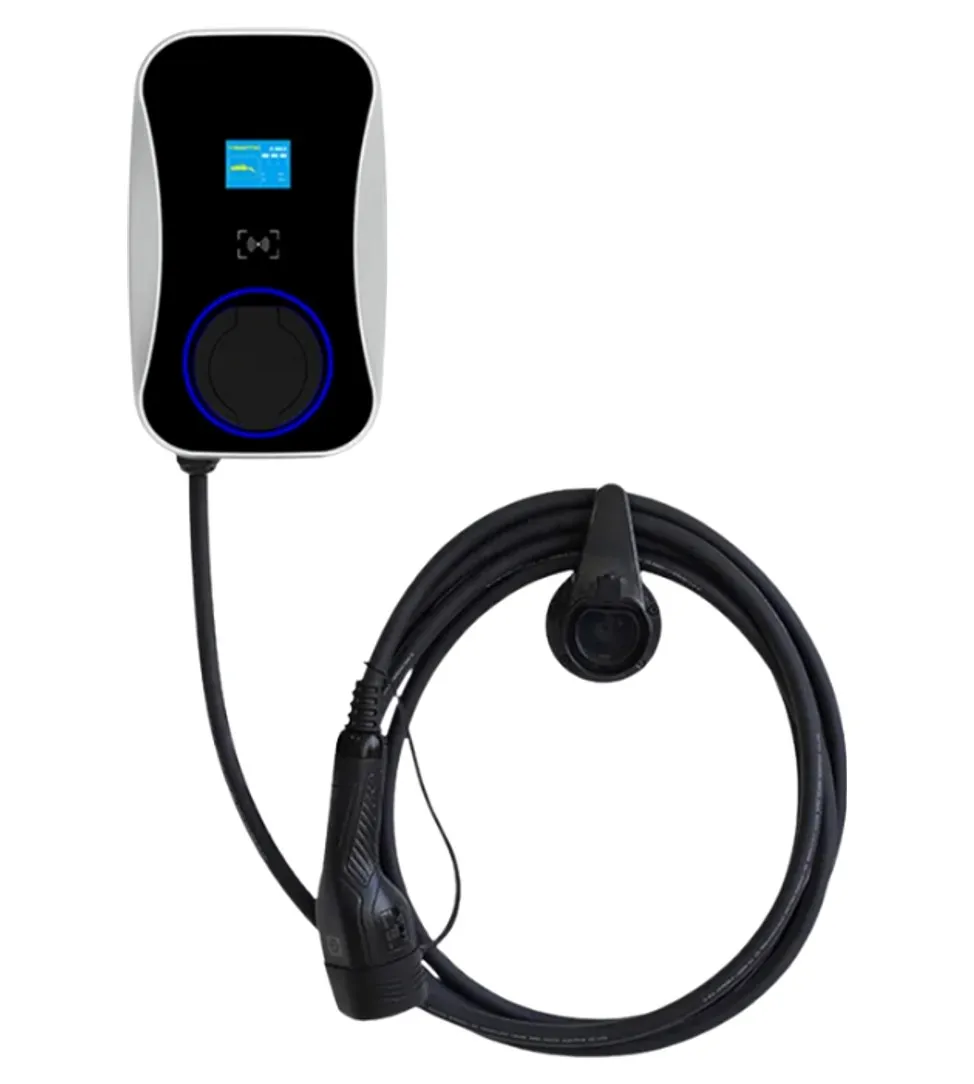
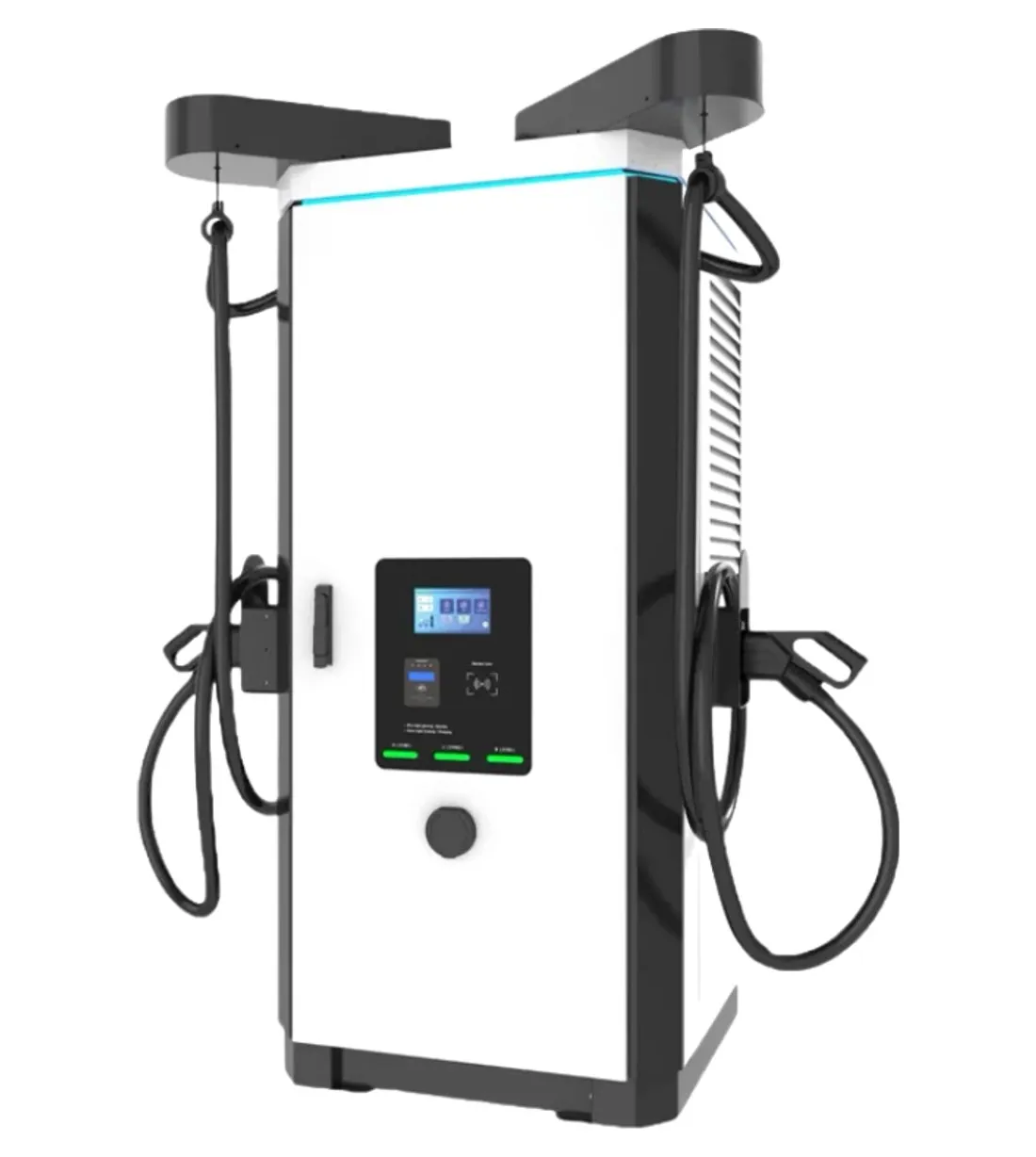
Our own product pages show model-by-model tables with input current, protection and ratings, so you can compare each line. Start with the AC chargers and DC fast chargers.
Questions buyers ask
- What should I check first on a data sheet?
- The rated power and current at your supply voltage, the connector type, the communication protocol and the certificates for your market.
- What does “rated” mean compared with “maximum”?
- Rated is the continuous value the equipment is designed and tested for; maximum can be a short-term or optional value. Charge on the rated values.
- What do I do if a value is missing?
- Ask the supplier in writing and keep the answer with the quote. If it matters to safety or approvals, do not order until it is stated.