Portable & Mobile Charging
Portable Charger vs Wallbox: When Each One Wins
A portable Mode 2 charger travels with the car; a wallbox is fixed and faster. Compare power, safety, cost and use cases before you buy either.
- Prepared by
- VULTAE Engineering Team
- Published
- Reading time
- 2 min
- Sources
- —
Key takeaways
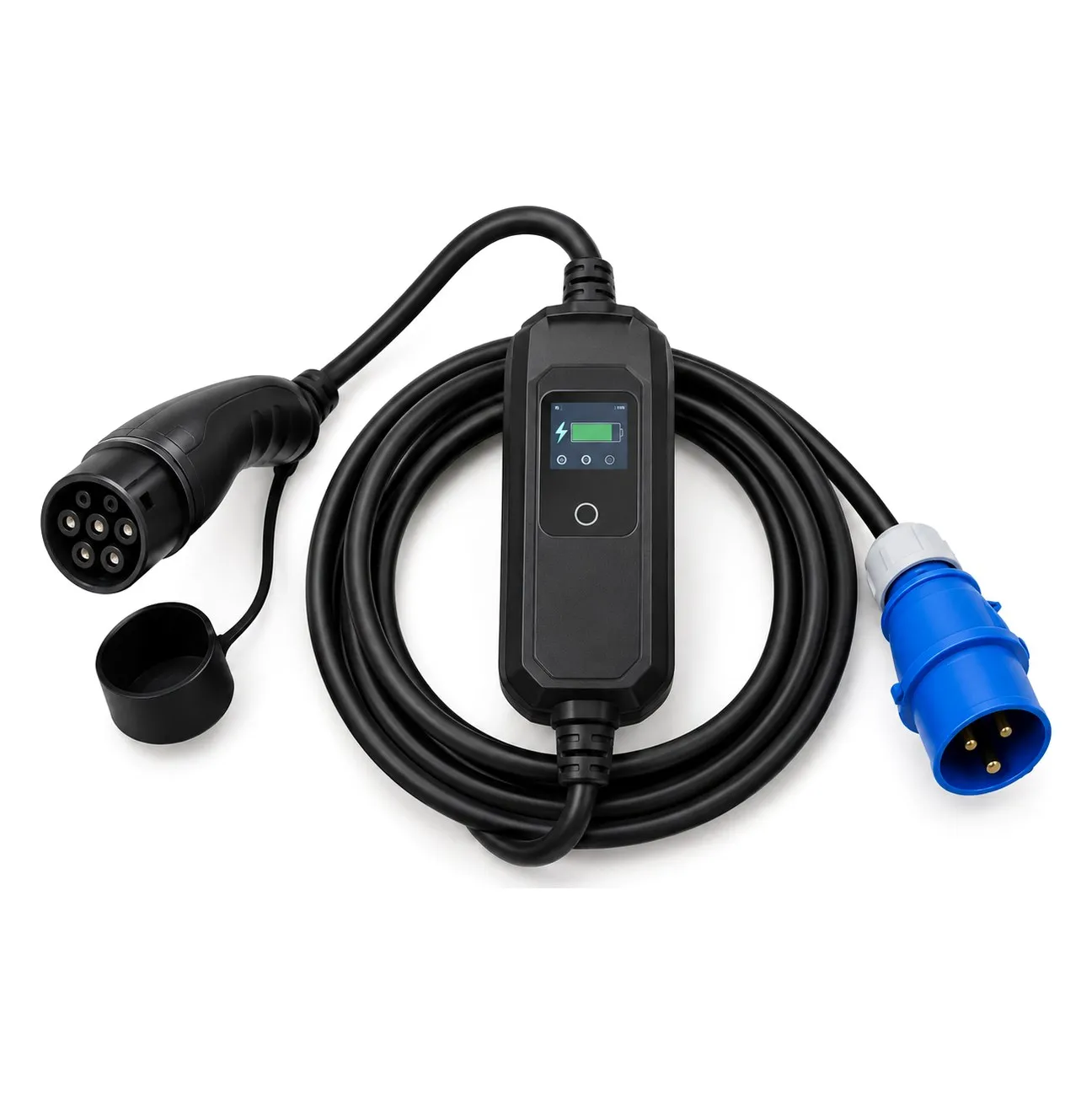
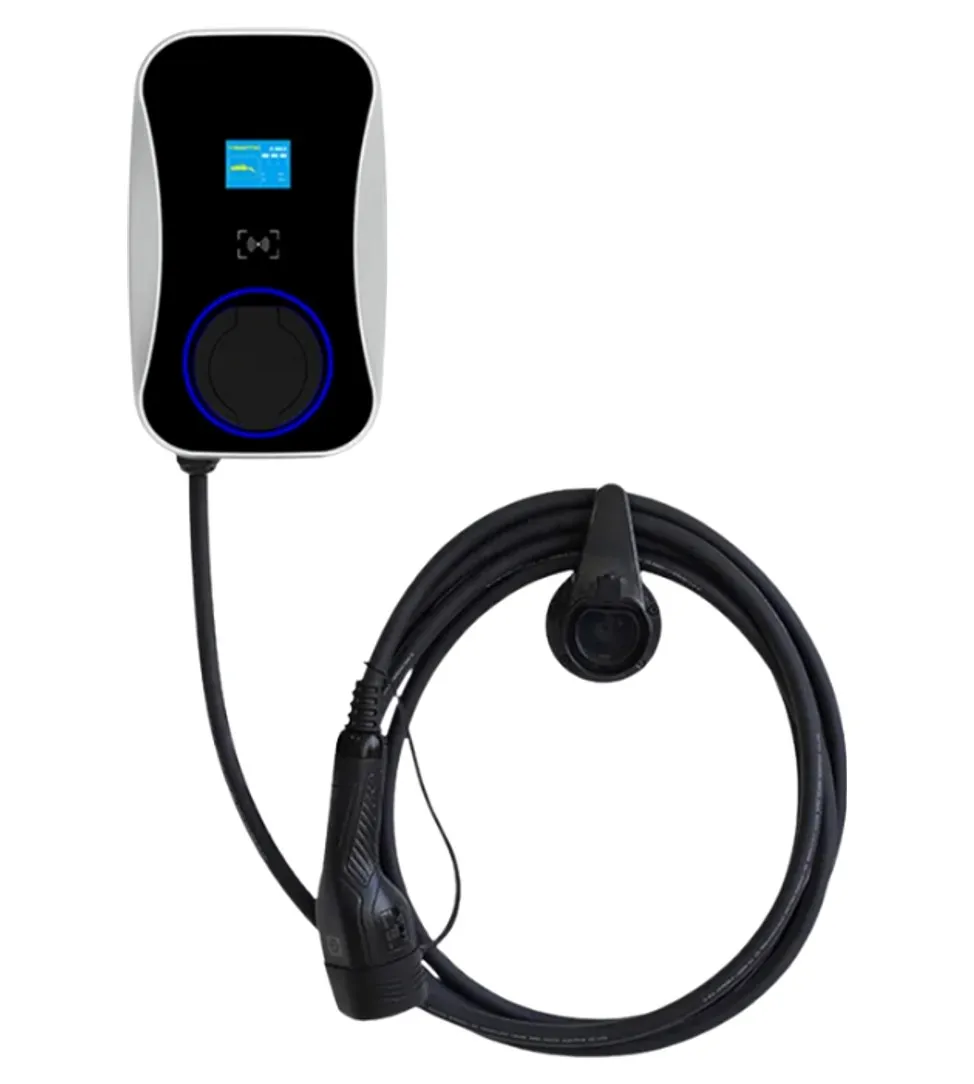
- 1A wallbox (Mode 3) is a fixed, dedicated installation: higher power, better protection and a better daily experience. A portable charger (Mode 2) plugs into an existing socket and is useful as a backup, for travel and for places where no wallbox is possible.
- 2The socket is the limit of a portable charger. A household socket is not designed for hours at full current, so portable chargers lower the current; an industrial socket on a suitable circuit can give much more.
- 3For daily home charging, a wallbox almost always wins. For dealers, rental fleets and drivers who visit many sites, a portable charger is a useful second device.
Contents
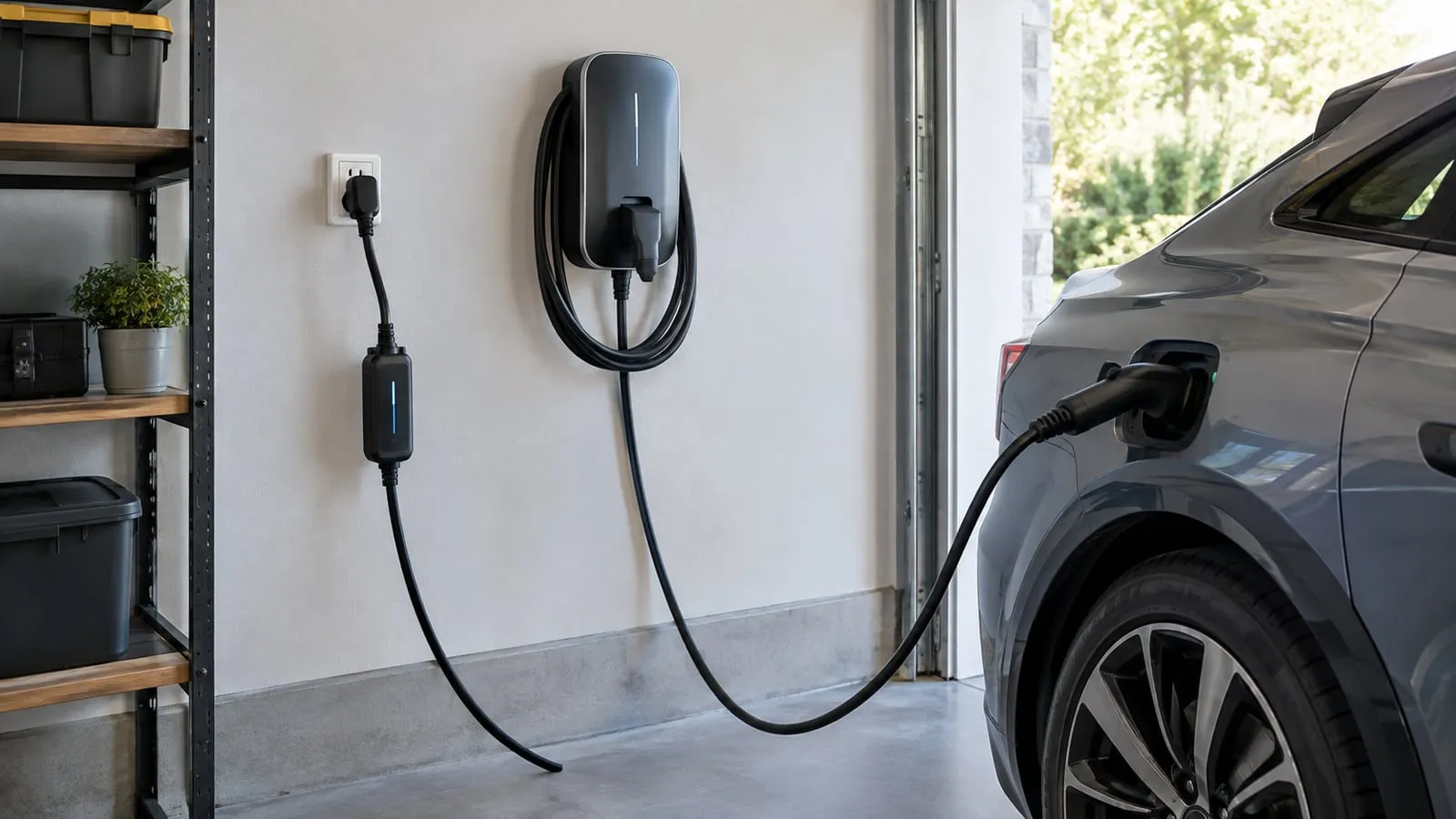
Short answer: pick a wallbox for daily charging at a fixed place — it is faster, safer to operate every day and can be smart. Pick a portable charger when the car travels, when no wallbox can be installed, or as a backup. Many users end up owning both.
Side by side
| Portable (Mode 2) | Wallbox (Mode 3) | |
|---|---|---|
| Installation | None — plugs into a socket | Dedicated circuit, fixed mounting |
| Typical power | 1.4–22 kW depending on socket and model | 3.7–22 kW (AC) |
| Protection | In-cable control box | Built into the unit and the circuit |
| Daily convenience | Carry, plug, unplug each time | Cable or socket always ready |
| Smart features | Basic (current setting, schedule) | Load balancing, OCPP, solar, RFID |
| Typical user | Drivers on the move, dealers, rental fleets | Homes, workplaces, car parks |
| Cost | Lower hardware cost, no installation | Higher total with installation |
Why the socket decides
A household socket is designed for short, intermittent loads. Running a car for hours at high current heats the socket and plug. Portable chargers therefore let you reduce the current, often to 6–10 A, which adds only a few kilometres of range per hour. A dedicated industrial socket on a suitable circuit can support 16 or 32 A, and three-phase versions reach 11 or 22 kW. See what is Mode 2 charging.
When portable wins
- You drive between sites and cannot rely on a fixed charger.
- You rent or lease a home and cannot install a wallbox.
- A dealer or rental fleet needs a charger that follows the car.
- You want a backup if the main charger fails.
When a wallbox wins
- You charge at the same place every day.
- You need faster charging than a household socket provides.
- You want load balancing, solar charging or OCPP — see smart charger features.
- The charger will be used by more than one person or exposed to weather every day.
Decision table
| Question | If yes |
|---|---|
| Is there one place where you charge most days? | Wallbox |
| Do you need more than about 3.7 kW daily? | Wallbox |
| Will you charge away from home often? | Add a portable charger |
| Can no wallbox be installed at all? | Portable on the best available socket |
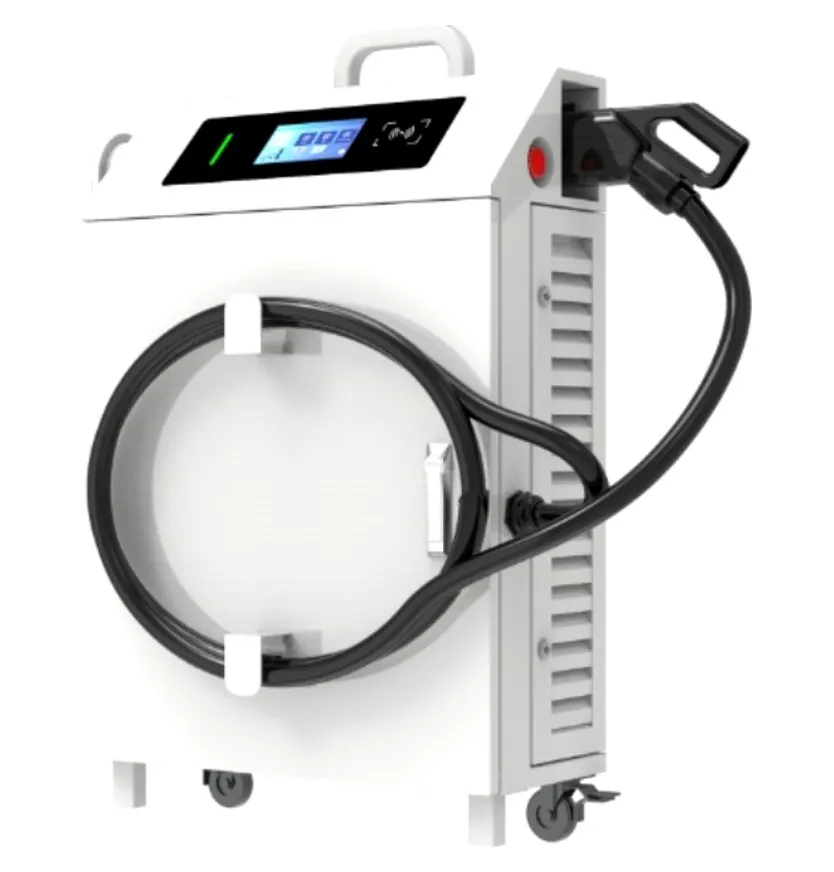
VULTAE makes both: the portable Mode 2 charger and the smart wallbox, plus a mobile DC charger for dealer and fleet use.
Questions buyers ask
- Can a portable charger replace a wallbox at home?
- It can work as a stop-gap on a suitable socket and circuit, but it is a poor long-term replacement: lower current on household sockets, more wear on the socket and no fixed installation. A wallbox on its own circuit is the better daily solution.
- Is a Mode 2 portable charger safe?
- It includes protection electronics in the control box, such as residual current detection and temperature monitoring, but the safety of the whole chain also depends on the socket, the wiring and the plug. Use a sound socket on a circuit rated for the current you set.
- What power can a portable charger deliver?
- It depends on the socket and the charger. Typical values are 6–10 A on a household socket and up to 16 or 32 A on a suitable industrial socket, which is 3.7 to 22 kW on three-phase models.