Sites & Applications
EV Charging at Leisure Centres, Gyms and Entertainment Venues
Leisure centres, gyms and cinemas see one to three hour stays. How to choose AC or DC, size the supply, handle payment and use charging to attract visitors.
- Prepared by
- VULTAE Engineering Team
- Published
- Reading time
- 1 min
- Sources
- —
Key takeaways
- 1Leisure venues have predictable dwell times of one to three hours, which suits AC charging at 7–22 kW and a few DC points for quick top-ups.
- 2Charging can bring visitors and extend stays; decide whether it is free for members, paid per kWh or part of a package.
- 3Use load management to share the venue’s supply, especially when peak building load coincides with peak visitor arrival.
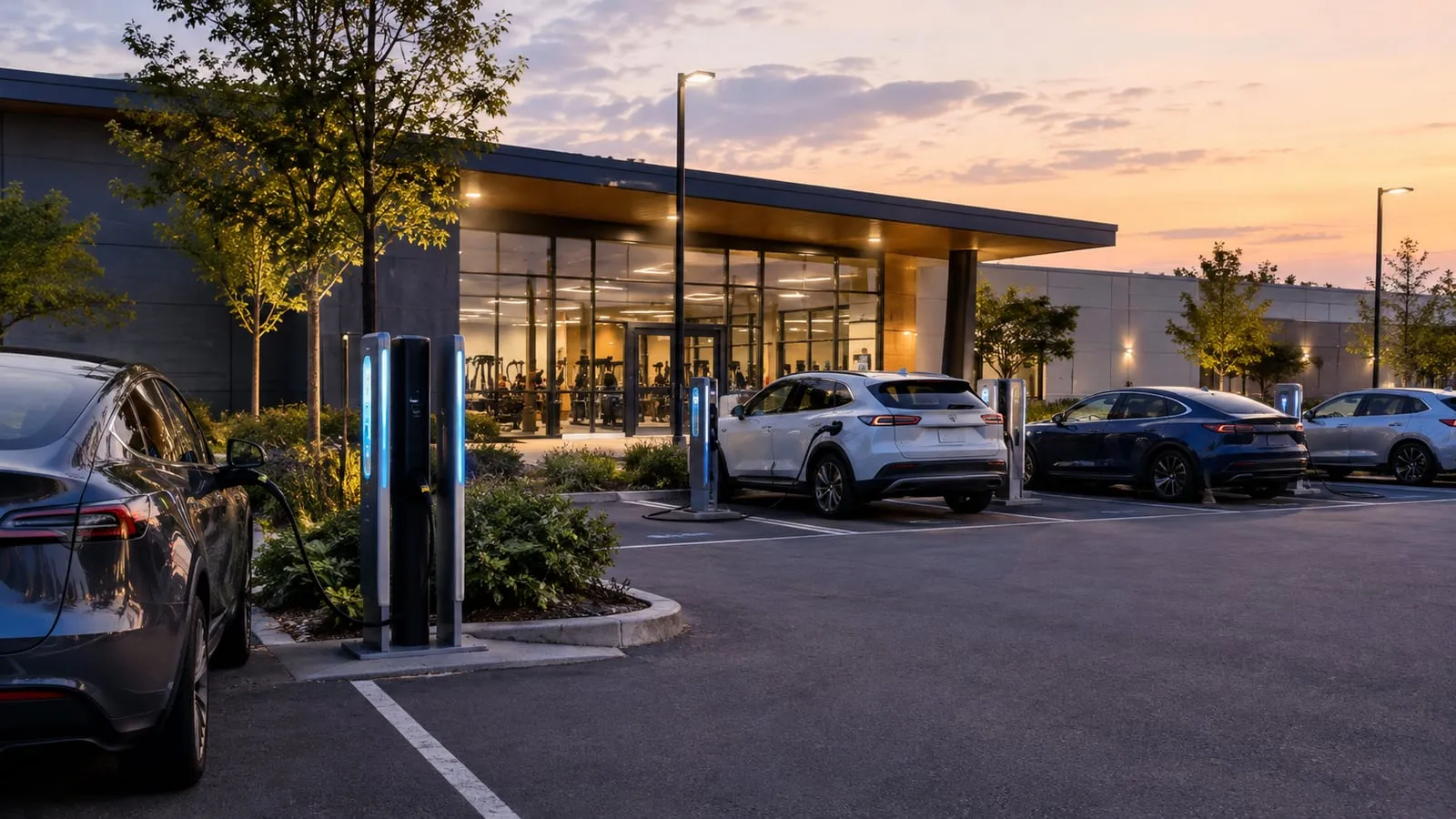
Short answer: match charging power to one to three hour stays: AC 7–22 kW for most bays, DC 20–40 kW for a few quick top-ups. Share the supply with load management and decide the pricing model before installation.
What a visit buys
| Dwell | AC 7.4 kW | AC 11 kW | DC 30 kW |
|---|---|---|---|
| 1 hour | ~7 kWh | ~10 kWh | ~27 kWh |
| 2 hours | ~14 kWh | ~20 kWh | ~50 kWh |
| 3 hours | ~21 kWh | ~30 kWh | ~70 kWh |
Estimates; real values depend on the car.
Site design
- Put chargers near the entrance with lighting and signage.
- Plan dual-port pedestals for pairs of bays — see bay layout.
- Include accessible bays — see accessible bays.
- Leave ducts for more bays later.
Pricing options
| Model | Notes |
|---|---|
| Free for members | Simple, but cost and queues |
| Per kWh | Fair and common |
| Time-based | Encourages turnover |
| Parking plus charging | Simple for visitors |
Supply
Gyms and pools use a lot of power in the evening. Use dynamic load management to cap charger load when the building is busy.
Hardware
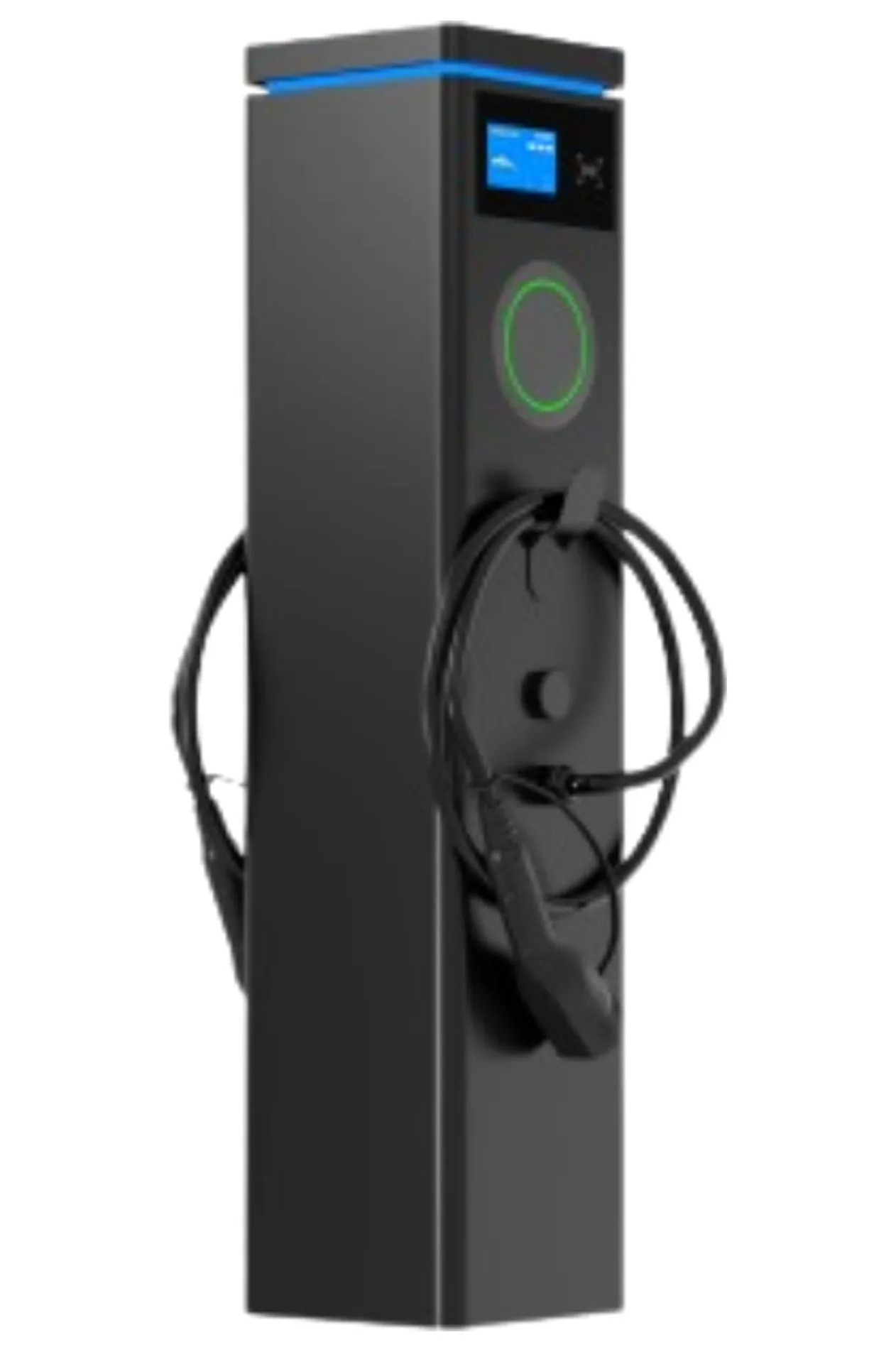
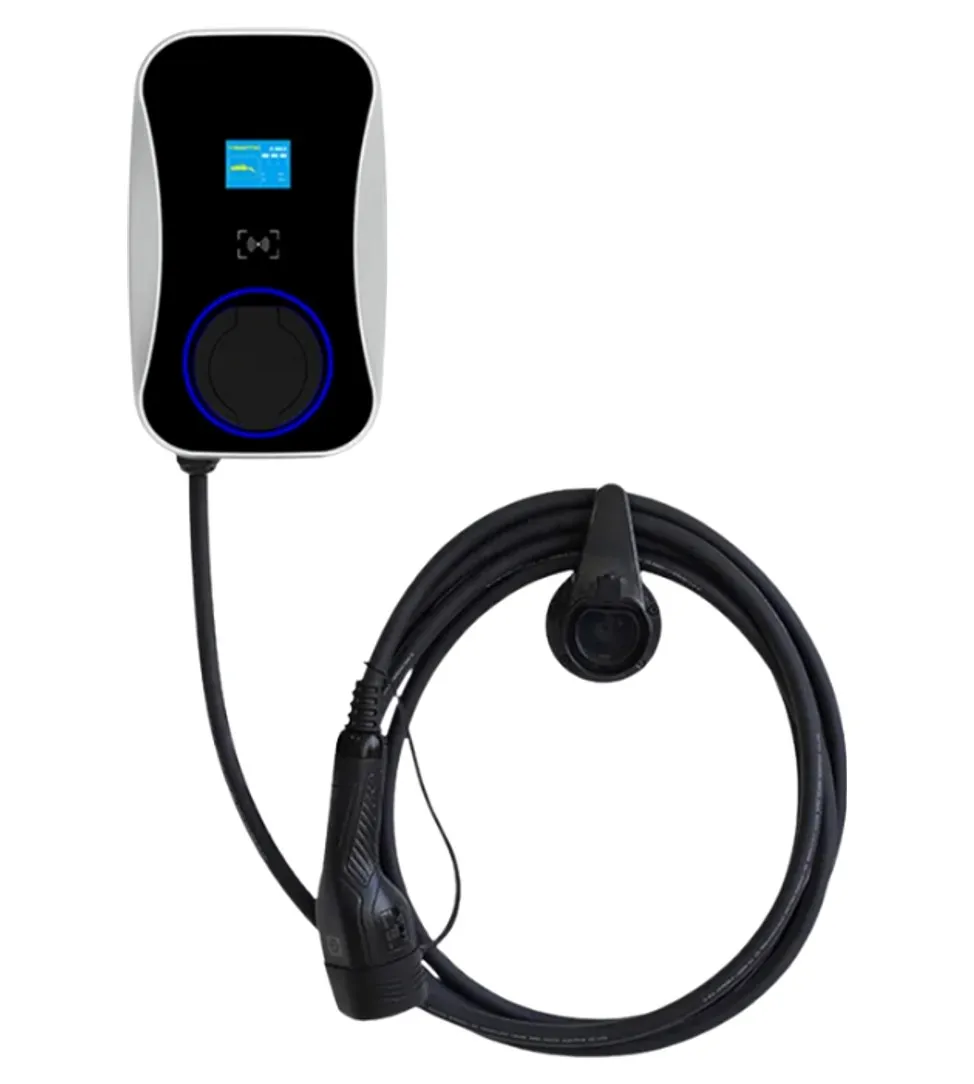
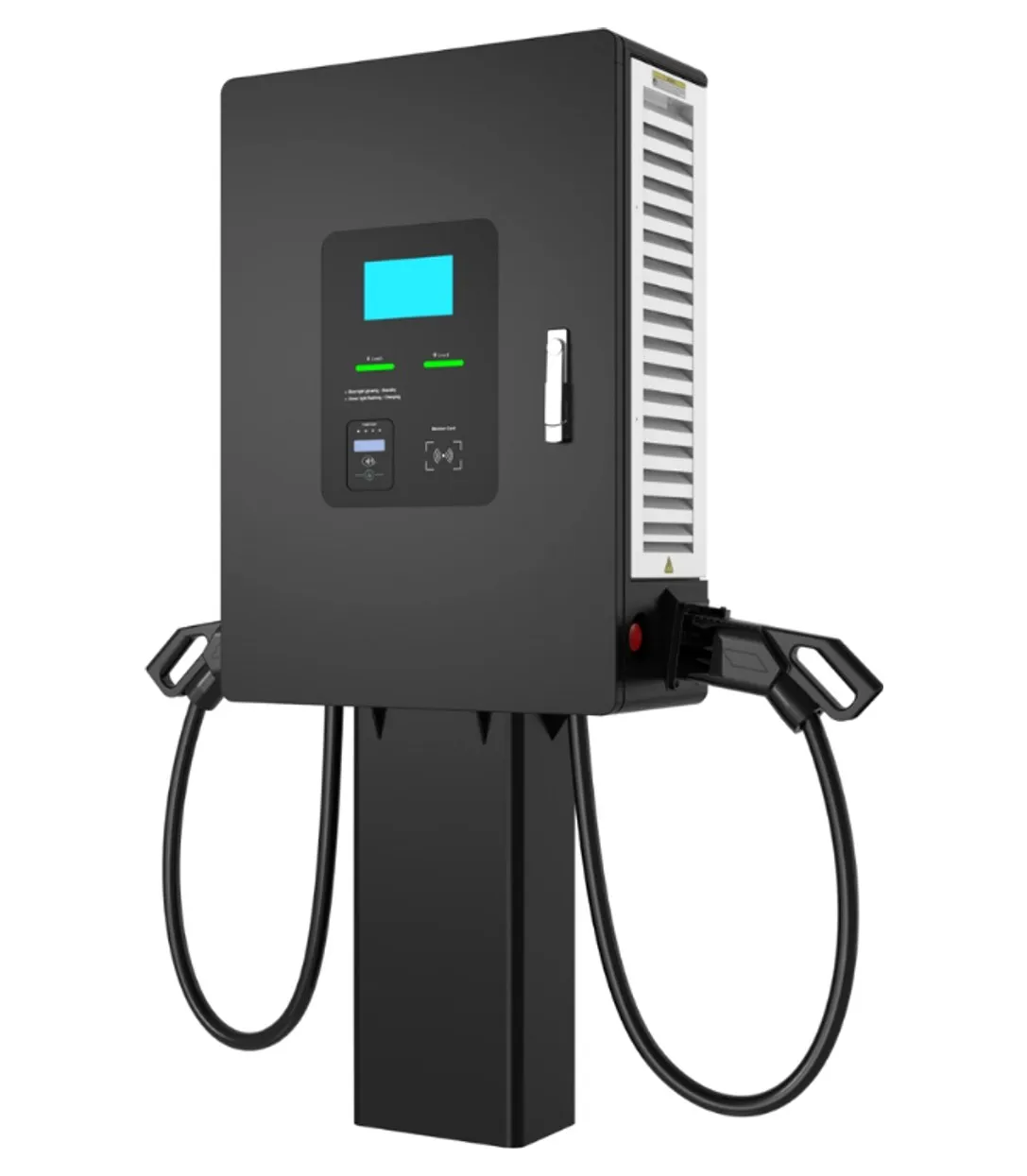
The dual-port pedestal suits open car parks; the DC wallbox suits quick top-ups.
Questions buyers ask
- Which charger fits a gym?
- AC chargers of 7–22 kW suit sessions of one to two hours. Add a DC wallbox if visitors want a fast top-up.
- Should charging be free?
- It can be a member benefit, but cost and queueing should be considered. Many venues charge per kWh or with a parking fee.
- How do I avoid overloading the building supply?
- Use dynamic load management to limit total charger power when the building load is high.