Portable & Mobile Charging
Selling Portable EV Chargers Online: Compliance, Listings and Returns
What an online seller needs for portable EV chargers: marking and documents, safe listings, plug variants, returns, warranty handling and marketplace rules.
- Prepared by
- VULTAE Engineering Team
- Published
- Reading time
- 2 min
- Sources
- —
Key takeaways
- 1A portable charger is a mains electrical product. Online it is judged on safety marking, correct plug and voltage for the destination, clear instructions and a credible return and warranty process.
- 2Most returns and complaints come from the wrong plug, a weak socket, a wrong expectation of charging speed or the product not working with the car. A precise listing prevents more of them than any packaging does.
- 3Marketplaces and regulators ask for documents and markings. Prepare the declaration of conformity, test reports, manual in the local language and importer or responsible-person details before you list.
Contents
Short answer: sell by region and plug variant, show the real charging power and socket requirement, hold the documents before you list and plan returns and warranty from day one.
What a listing must say
| Item | Why it matters |
|---|---|
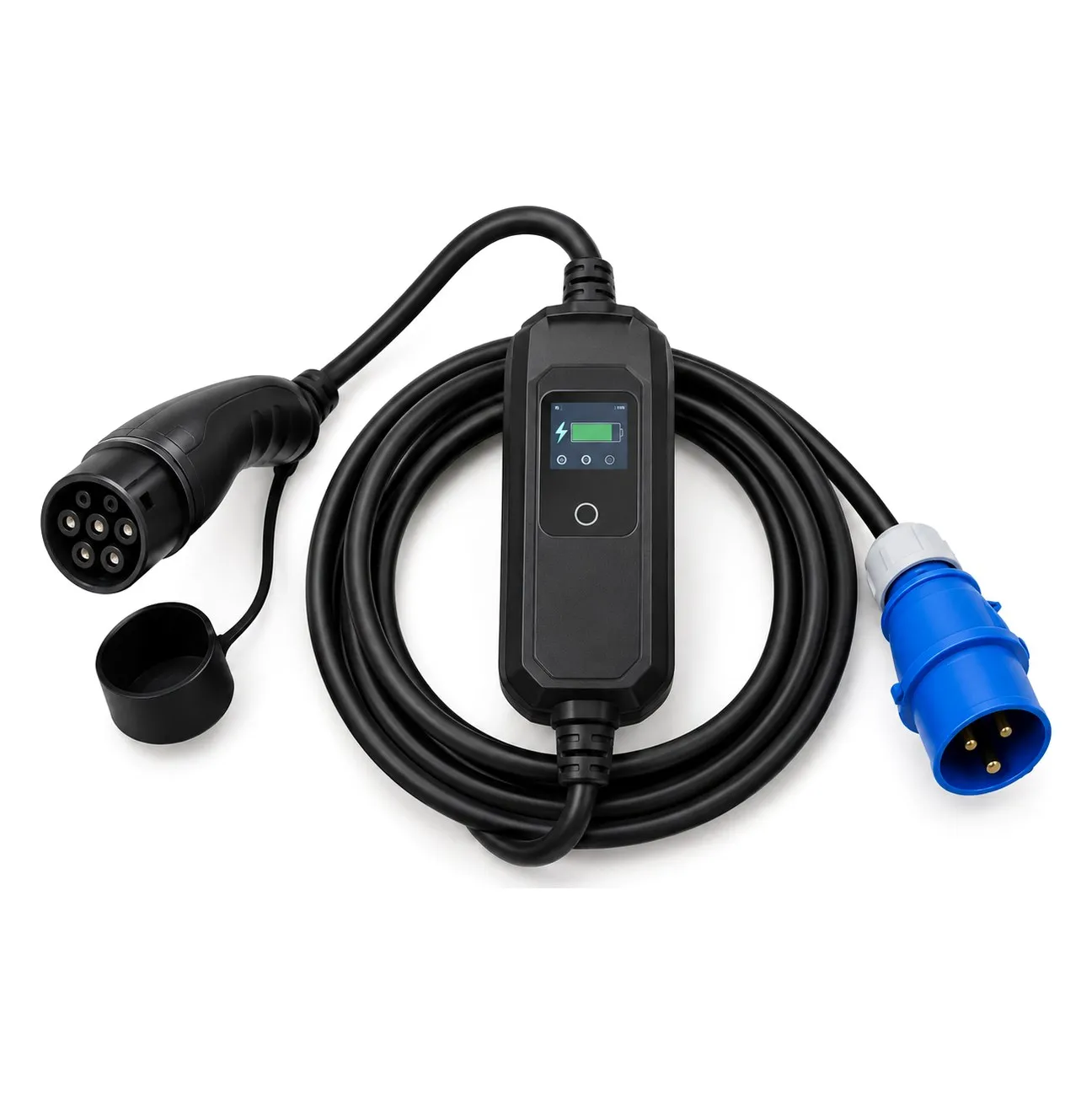
| Plug type and country | The most common cause of returns; see plug types by country |
| Voltage and current setting | 230 V and 10 A or 16 A decides the real power |
| Charging power in kW | A realistic figure, not the cable rating |
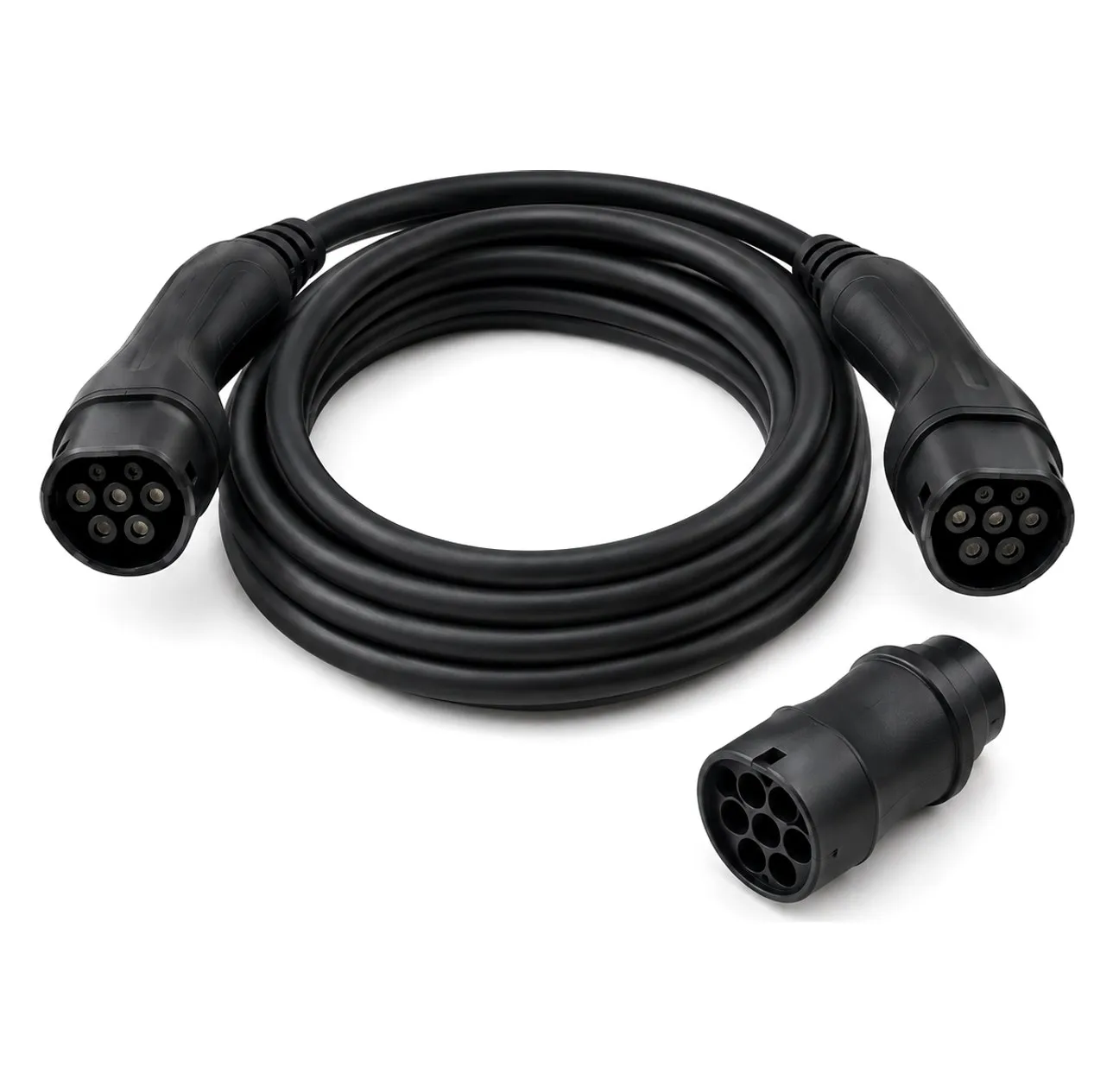
| Car connector | Type 1 or Type 2 at the vehicle end |
| Cable length | For parking position |
| Ingress rating | Outdoor use limits |
| Warnings | Do not use with extension leads or worn sockets |
A 16 A portable charger on a 230 V socket gives about 3.7 kW at best; many home sockets cannot carry that for hours. Say so; see Mode 2 safety.
Compliance and documents
- Marking: the marks required for the destination market, on the product and the packaging.
- Declaration of conformity or listing for the exact model.
- Test reports for the in-cable control box; see in-cable control box safety checks.
- Manual and warnings in the language of the market.
- Responsible person or importer details on the product or packaging where required.
- Waste and battery rules where relevant; see RoHS, REACH and WEEE.
Marketplaces often ask for these documents. This is general information, so confirm the rules in each country you sell in.
Product pages that reduce returns
- A compatibility table by car connector and region.
- A photo of the plug and the control box, not a render.
- Charging time examples for common battery sizes, with the assumptions.
- A short do and do not list for sockets and extension leads.
- A video on first use.
Returns and warranty
| Question | Plan |
|---|---|
| Wrong plug | Offer an exchange for the correct variant, and say who pays |
| Defective unit | Warranty replacement process with photos and serial number |
| Misuse | Clear terms and the cost of inspection |
| Return shipping | Cost, packaging and re-test before resale |
| Used products | Re-test or scrap, never resell unsafe units |
See warranty and claims for what a supplier warranty usually covers.
Supply and packaging
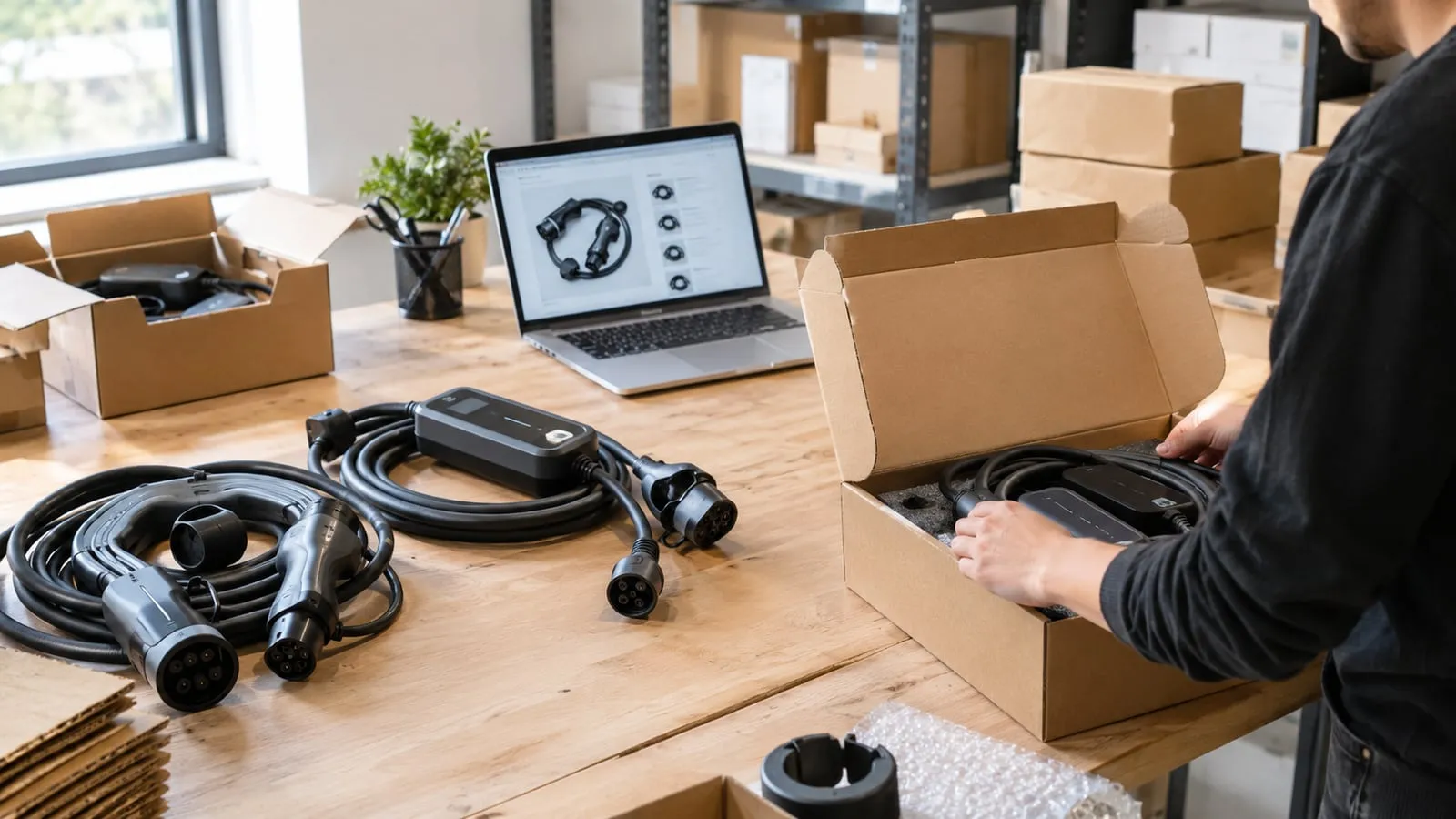
Order variants by market and agree a packing standard for courier handling; see export packaging and drop tests and travelling with a portable charger. A cheap carton that arrives damaged costs more than a good one.
VULTAE can supply portable chargers with regional plug variants, private-label packaging and manuals for online sellers; send us your target countries and platforms.
Questions buyers ask
- Which documents do I need to list a portable charger?
- Typically a declaration of conformity or listing, test reports, the manual, product photos showing the marking and the importer or responsible-person details. Marketplace and country requirements differ, so check each one.
- Why do portable chargers get returned?
- Wrong plug for the home socket, slow charging because of a 10 A or 16 A limit, tripped sockets and confusion about the car’s connector. Clear specifications reduce these.
- Can I sell one product worldwide?
- One hardware platform, yes, with different plug and voltage variants and marking per region. Do not mix variants in one listing.