Fleet & Heavy Vehicles
Fleet Driver Home Charging: Reimbursement Models
How companies pay for company-car and van charging at employees' homes: flat rate, metered reimbursement and managed chargers, compared in a table.
- Prepared by
- VULTAE Engineering Team
- Published
- Reading time
- 2 min
- Sources
- —
Key takeaways
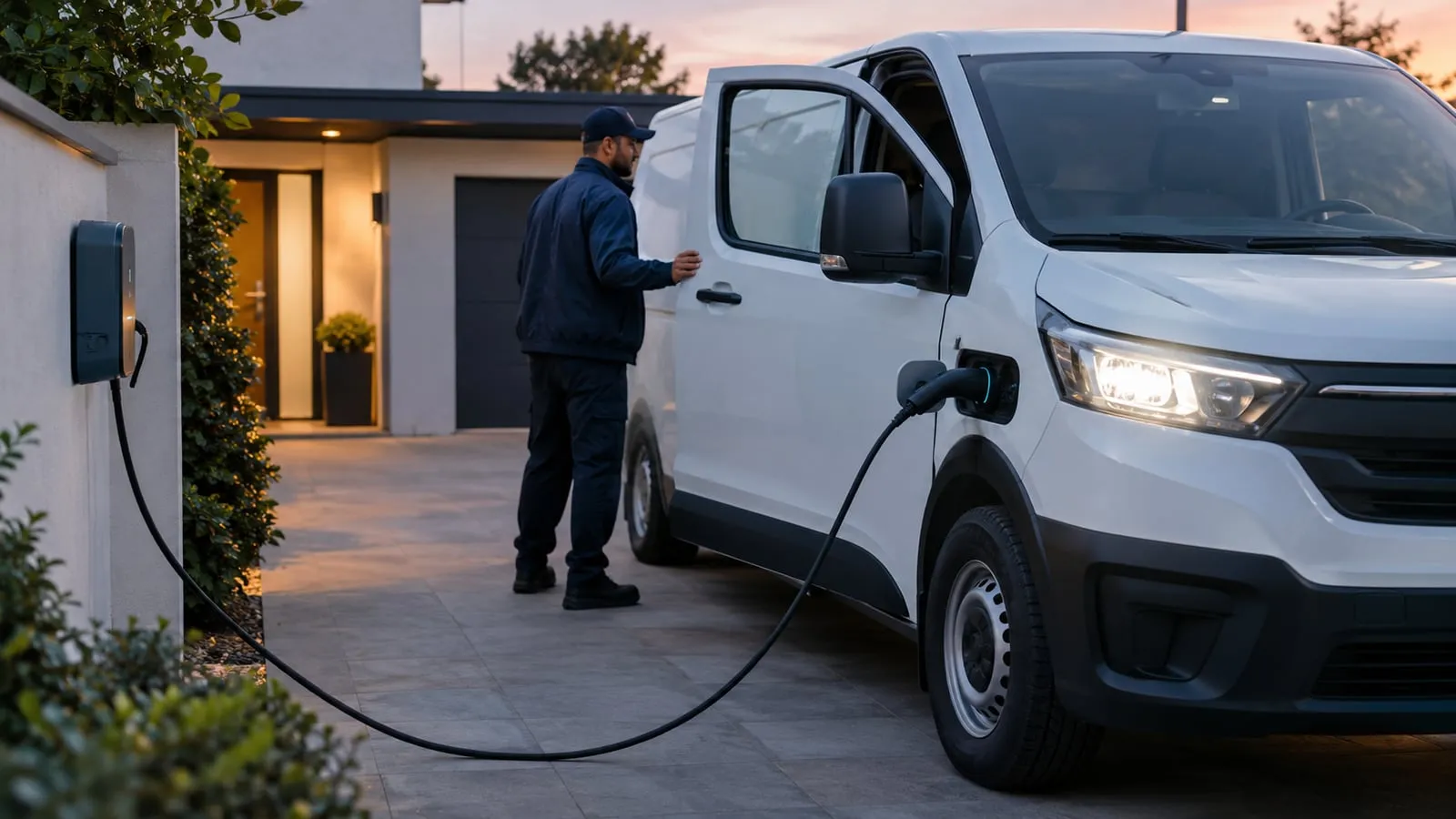
- 1Drivers who take the vehicle home need a fair way to be paid back for the electricity. Options are a flat allowance, a reimbursement based on a metered kWh and a managed home charger that reports sessions to the fleet.
- 2A flat rate is simple but inaccurate; a metered approach is fair but needs data and agreed prices. A charger that reports the fleet’s sessions separately from household use solves most disputes.
- 3Tax and labour rules differ by country. Treat this page as a map of options and check with an adviser what is allowed and how the benefit is taxed.
Contents
Short answer: reimburse what the vehicle actually used at an agreed price per kWh, using charger data rather than estimates, and write the policy down. Confirm the tax and legal treatment locally.
Models compared
| Model | How it works | Strength | Weakness |
|---|---|---|---|
| Flat allowance | A fixed monthly amount | Simple | Inaccurate; not tied to use |
| Mileage-based | Estimate kWh from distance and efficiency | Easy to audit | Needs a trusted efficiency figure |
| Metered reimbursement | kWh from the home charger times an agreed price | Fair and transparent | Needs session data |
| Company-paid charger with billing | Charger reports sessions; the platform invoices the fleet | Accurate; household use separated | Set-up cost |
| Public charging card | Driver uses public chargers with a company card | No home set-up | Costly; not always convenient |
The price per kWh
Options for the agreed price:
- The driver’s actual tariff from the electricity bill.
- A national or regional average published by an authority.
- A fixed company rate reviewed once a year.
- A time-of-use rate when the driver charges off-peak; see off-peak smart charging.
Pick a method you can explain in one sentence to a driver.
What data you need
| Data | Source |
|---|---|
| kWh per session | Charger meter or platform |
| Date and time | Charger log |
| Vehicle or driver | RFID card, app login or charger ID |
| Tariff used | Policy or driver’s bill |
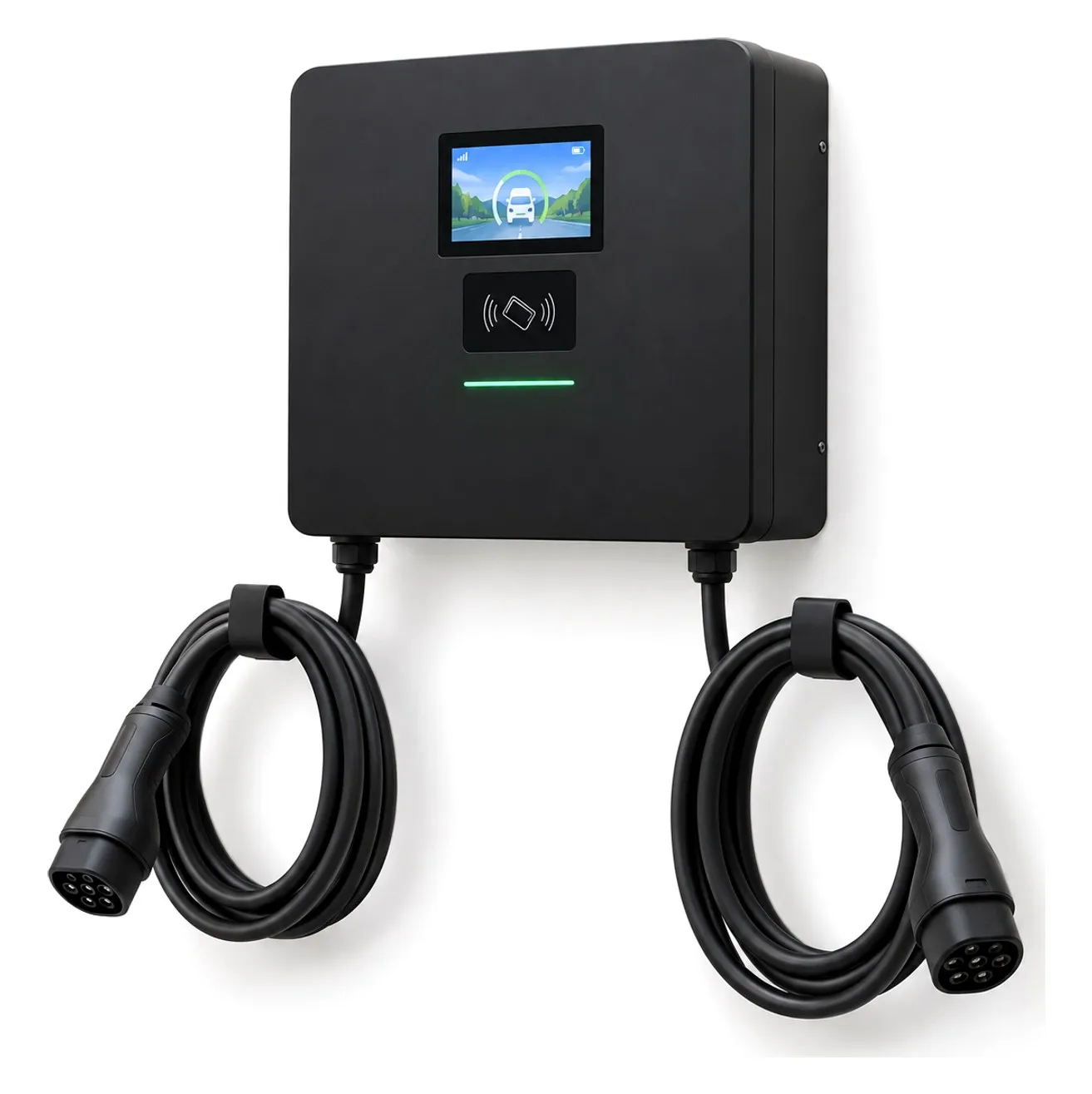
Chargers with an OCPP connection and metering give this directly; see charging reports: which data to export and fleet charging software.
Home charger options
| Option | Notes |
|---|---|
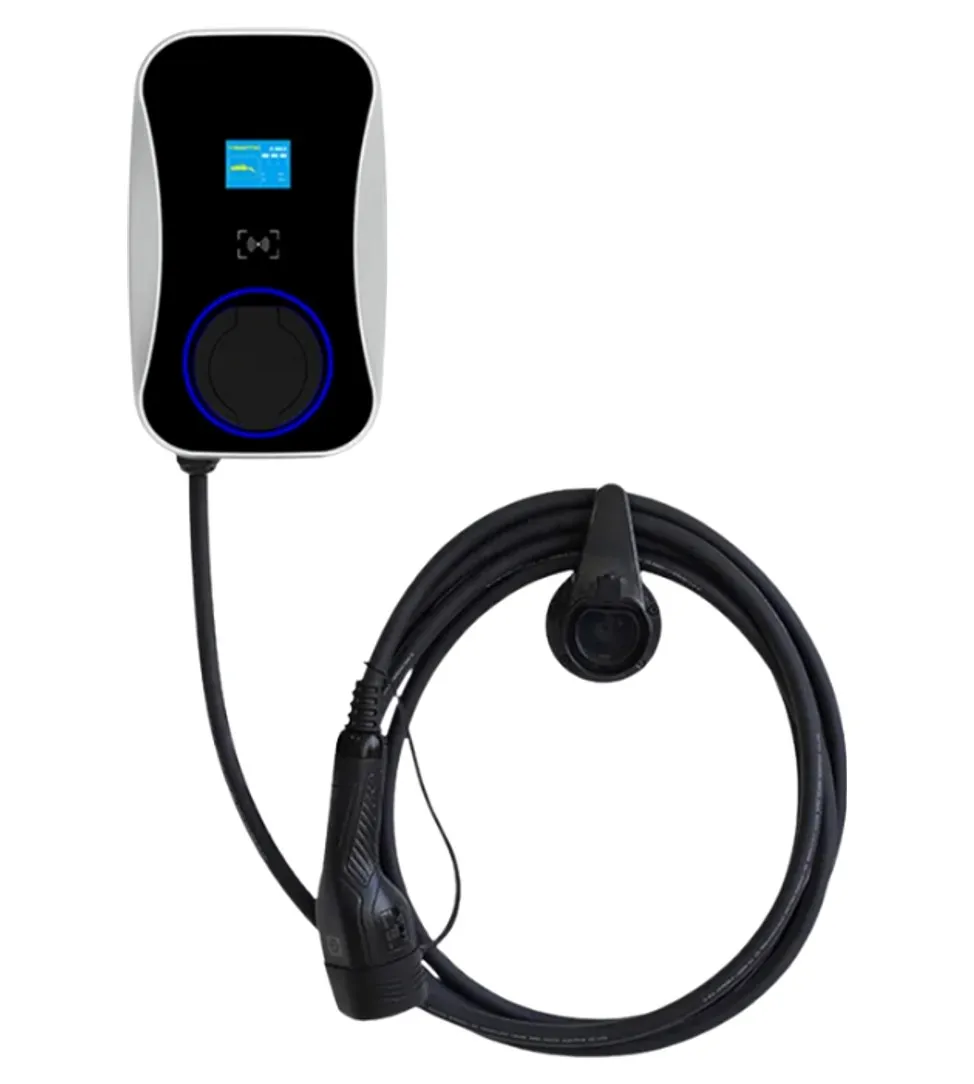
| Company provides and owns the charger | Standard model, consistent data, retrieved when the job ends |
| Employee owns, company reimburses installation | Fewer assets for the company; less control |
| Leased charger | Spreads the cost; check contract terms |
Match the charger to the home: single-phase 7 kW suits most garages; see single-phase vs three-phase for the supply and cable length for the bay.
Policy points
- Who qualifies: drivers with a company vehicle and a home charger.
- What is paid: only kWh delivered to the company vehicle.
- How often: monthly, using platform reports.
- Privacy: only vehicle session data is shared, not household use.
- Safety and installation: a qualified electrician installs it; see installation requirements.
- Exit: what happens if the driver leaves the company.
Training the driver on use helps; see the fleet driver charging checklist. This is general information, not tax or legal advice.
Questions buyers ask
- Why not just pay a flat allowance?
- It is easy to run, but it will over-pay some drivers and under-pay others, and it does not follow tariff changes. It works for small fleets and similar usage.
- How can I separate fleet charging from household use?
- Use a separate charger or an app that tags sessions to the vehicle, so only the kWh delivered to the company car is claimed. Some chargers report the meter reading for each session.
- Who owns the home charger?
- It could be the employee, the company or a lease. Whoever owns it, agree maintenance, removal at the end of the job and who pays for repairs.