Markets
EV Charging in Southeast Asia: Standards and Voltages by Country
Grid voltage, connectors, approvals and licensing for EV chargers in Malaysia, Thailand, Vietnam, the Philippines and Indonesia in one table.
- Prepared by
- VULTAE Engineering Team
- Published
- Reading time
- 3 min
- Sources
- 3 references
Key takeaways
- 1Most of Southeast Asia uses 220–230 V single-phase and 380–400 V three-phase at 50 Hz, with Type 2 for AC and CCS2 for DC. The Philippines is the exception on frequency at 60 Hz.
- 2Product approval differs by country: Malaysia (ST Certificate of Approval and SIRIM label), Thailand (TIS standards), Vietnam (TCVN, with a mandatory QCVN regulation due), Philippines (DTI PS mark and ICC sticker) and Indonesia (SNI). Approvals can take months, so start early.
- 3Operating a public charger often needs a separate licence or accreditation, such as Malaysia’s EVCS licence, Philippines DOE accreditation and Indonesia’s IUPTLU licence or PLN partnership.
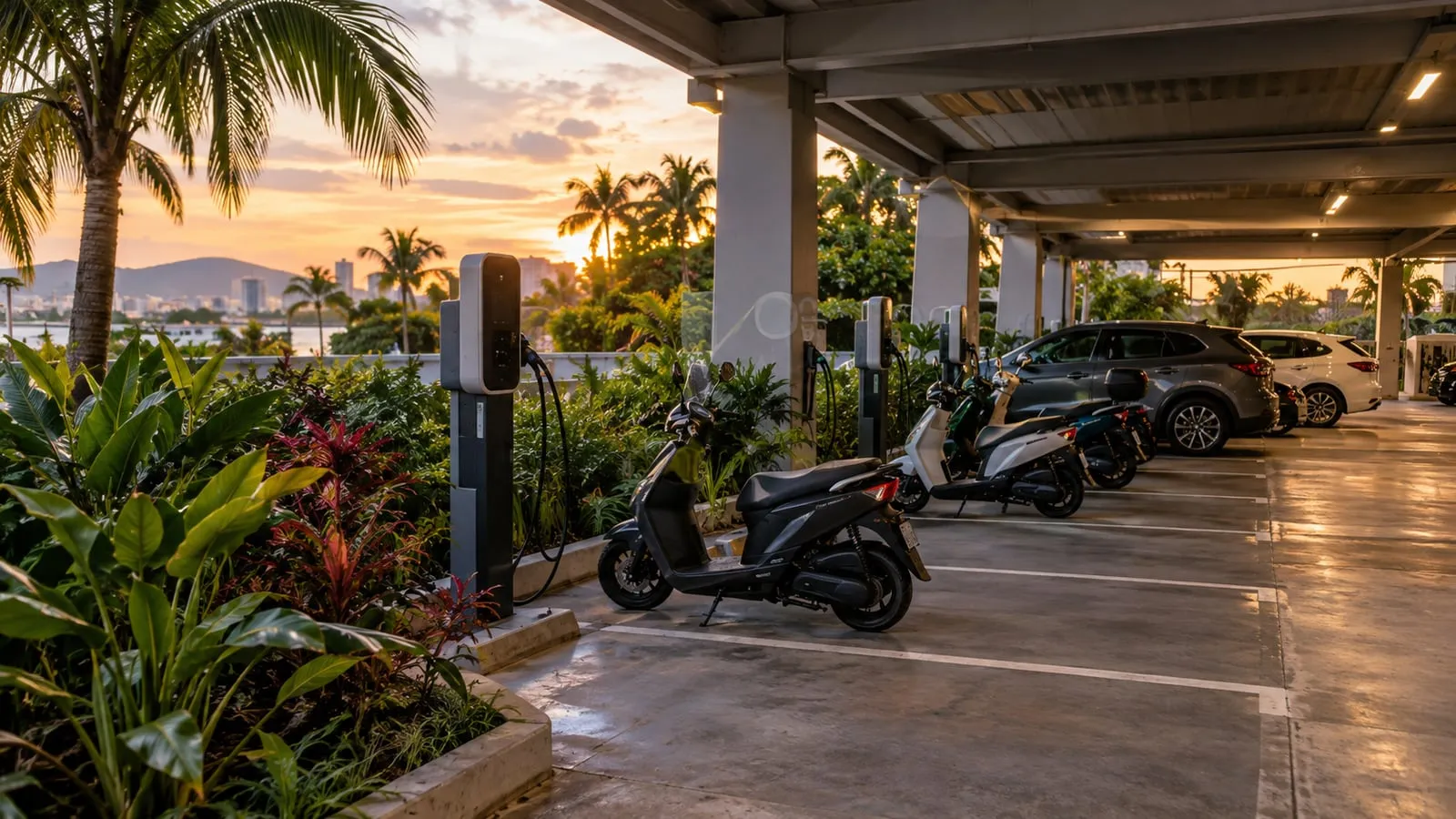
- 4Climate matters: heat, humidity, heavy rain and, in places, salt air. Specify IP rating, corrosion protection and shade — see the climate articles.
Contents
Short answer: most of Southeast Asia runs on 220–230 V / 380–400 V at 50 Hz (the Philippines at 60 Hz) with Type 2 AC and CCS2 DC. The real differences are product approvals and licences — each country has its own — and climate. Use the table below as a starting point and then the country guide.
Comparison
| Malaysia | Thailand | Vietnam | Philippines | Indonesia | |
|---|---|---|---|---|---|
| Grid | 230/400 V, 50 Hz | 230/400 V, 50 Hz | 220/380 V, 50 Hz | 230 V, 60 Hz | 230/400 V, 50 Hz |
| AC connector | Type 2 | Type 2 | Type 2 | Type 2 | Type 2 |
| DC connector | CCS2 (some CHAdeMO) | CCS2 (some CHAdeMO) | CCS2 | CCS2 | CCS2, CHAdeMO in rules |
| Product standard | IEC-based; ST approval | TIS 61851-1, -23, TIS 62752 | TCVN 13078 series; QCVN due | DTI PS mark and ICC sticker | SNI (IEC 61851-based) |
| Operator licence | EVCS licence (shared and public) | Per regulation; BOI incentives for stations | Per regulation | DOE accreditation | IUPTLU licence or PLN partnership |
| Utility | TNB (Peninsula) | MEA, PEA | EVN | Meralco (Manila) | PLN |
The details come from our country guides; rules change, so confirm with the authority or a local partner before shipping.
Country notes
| Country | Notes | Guide |
|---|---|---|
| Malaysia | ST Certificate of Approval and ST-SIRIM label; public and shared chargers need an EVCS licence; national targets for charging facilities | Malaysia |
| Thailand | National TIS standards for charger and safety; high DC share in public network; tax incentives for stations | Thailand |
| Vietnam | Large e-motorbike fleet and a big domestic network; mandatory national regulation due | Vietnam |
| Philippines | 60 Hz; DTI PS mark and ICC sticker; EVIDA law; typhoons and salt air | Philippines |
| Indonesia | Permen ESDM 1/2023; licensing; certified installation (SLO); SNI equipment standards | Indonesia |
What the climate demands
Heat, humidity, heavy rain and in places salt air are normal. Specify:
- IP rating of at least IP54, IP55 or IP65 depending on exposure — see IP and IK ratings.
- Corrosion protection for coastal sites — see coastal and desert enclosures.
- Operating temperature with derating information — see hot climates.
- Shade and drainage in the design.
- Surge protection in thunderstorm regions — see surge protection.
Typical sites
| Site type | Typical charger |
|---|---|
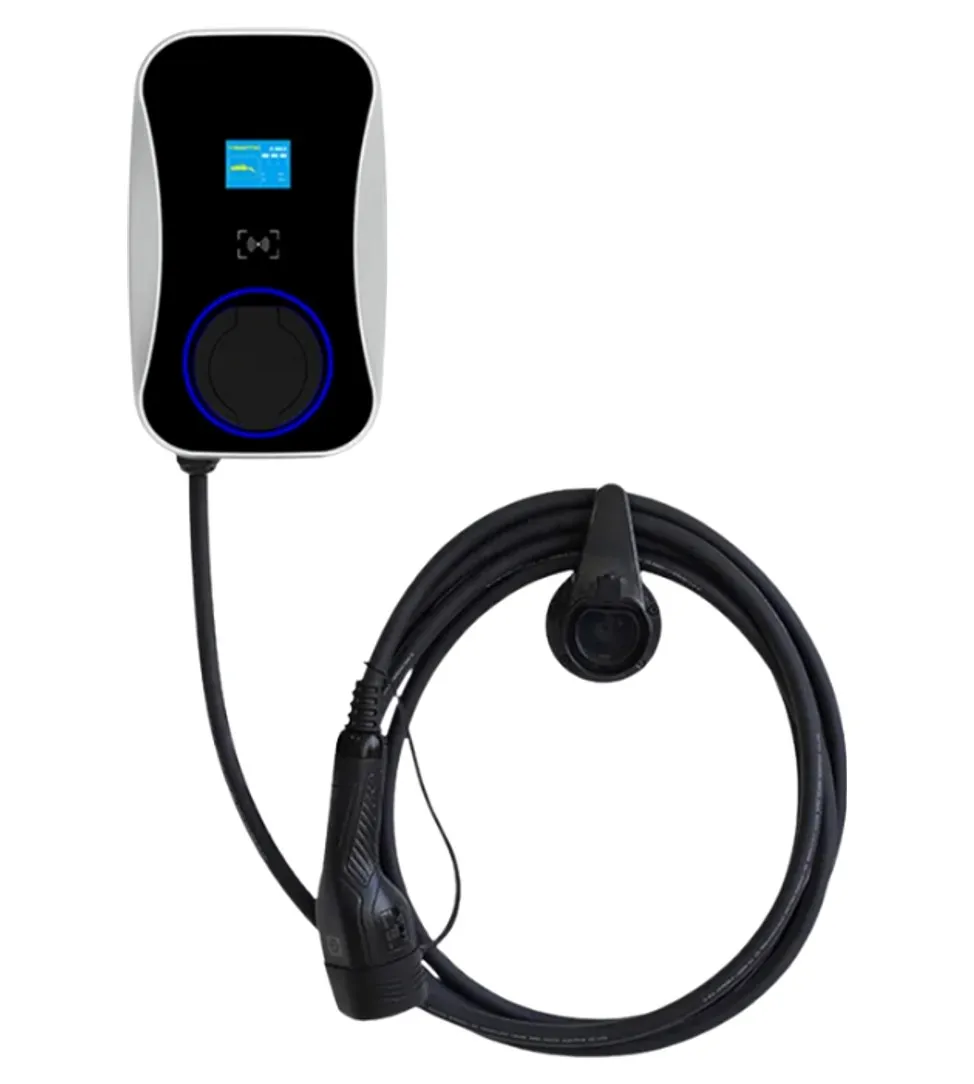
| Condominium or apartment | AC wallboxes with load management |
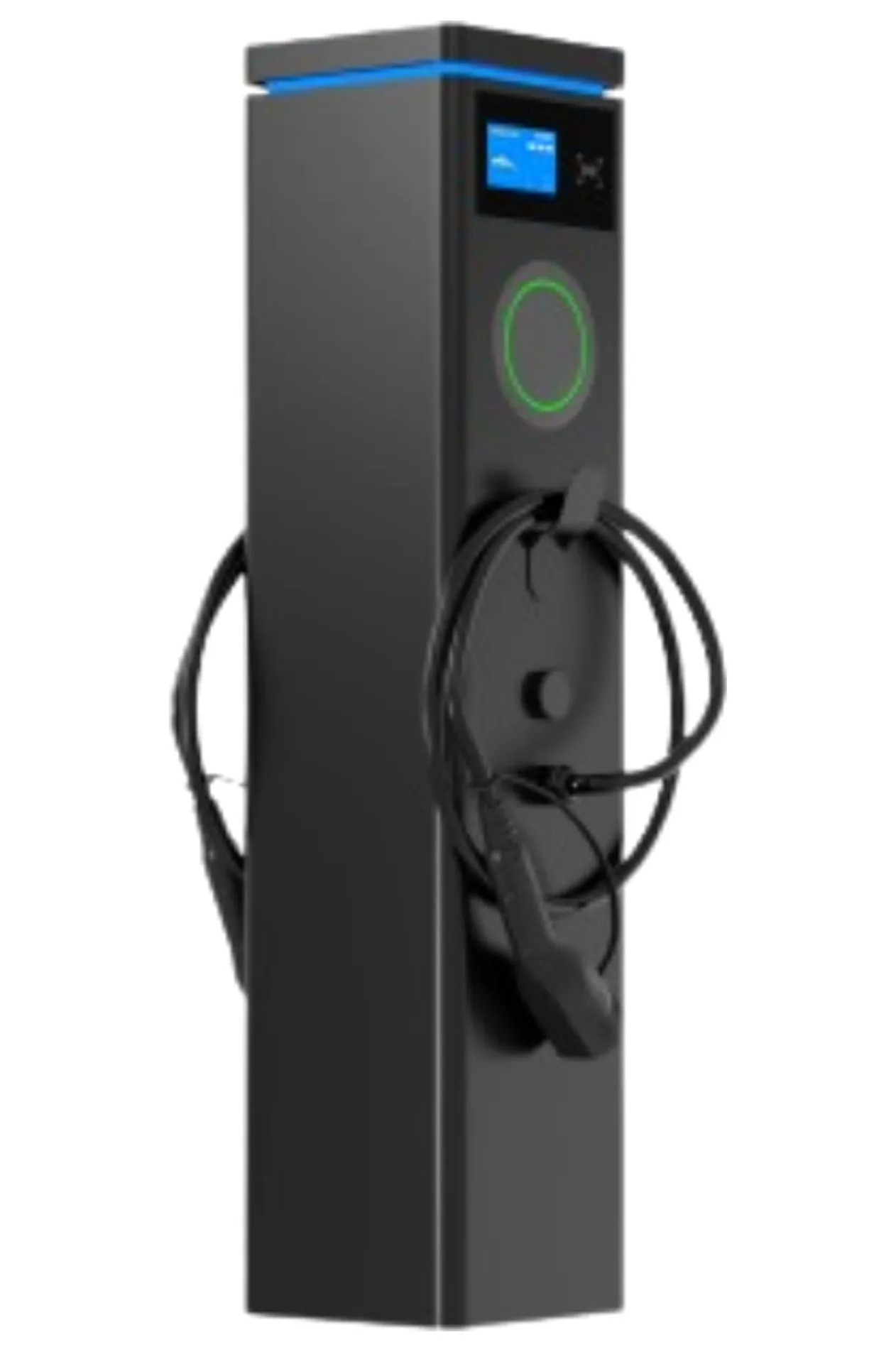
| Shopping mall | AC posts and some DC |
| Hotel | AC; DC for passing guests |
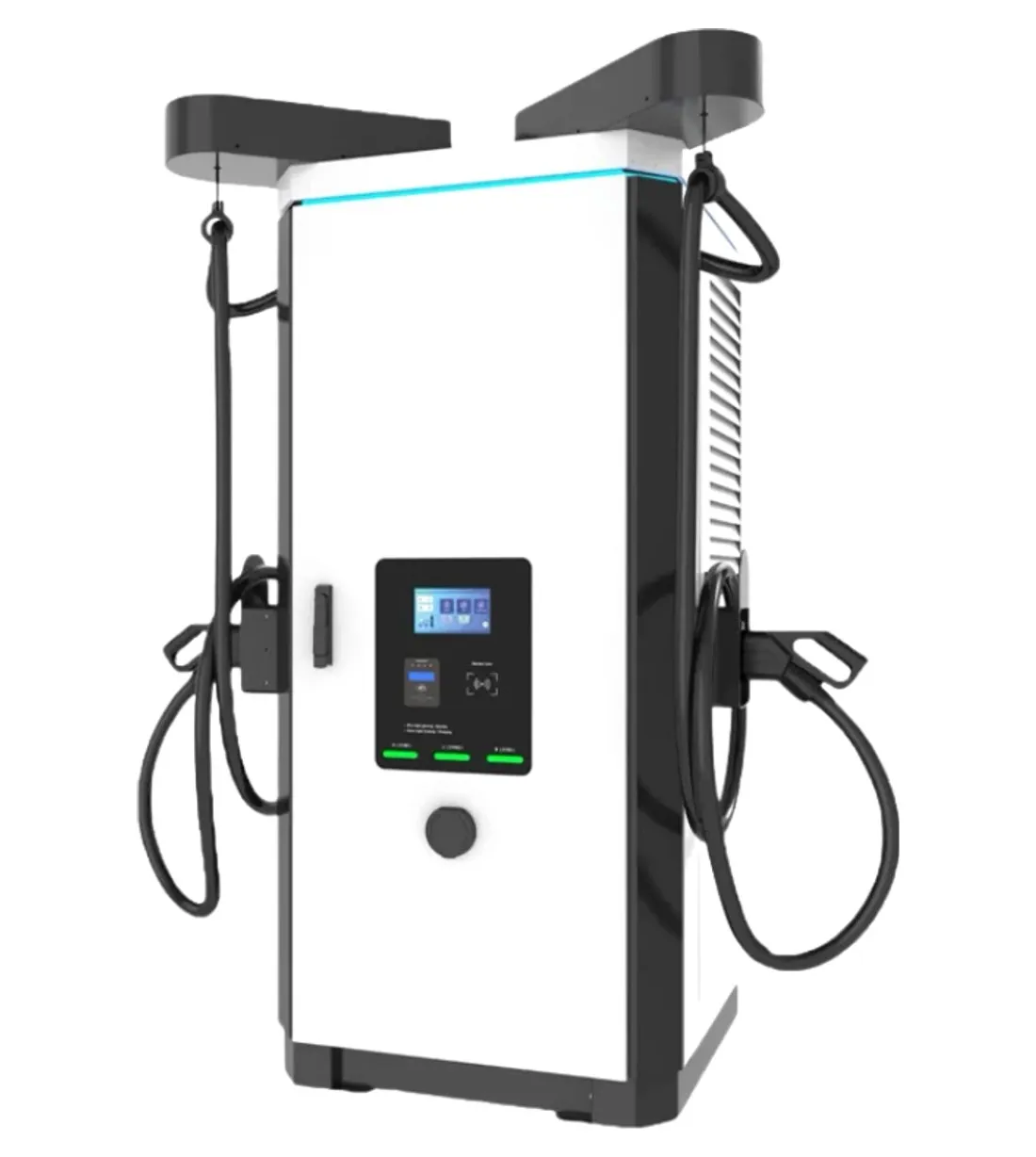
| Fuel station and highway | DC 60–180 kW |
| Fleet (taxi, delivery, bus) | AC overnight, DC for fast turnaround |
| Two-wheeler hubs | Specialised; not covered here |
Practical steps for an importer
- Choose the country and the standard (voltage, frequency, connector).
- Get the local approval route from the authority or a local agent.
- Request the factory’s test reports and check coverage — see verify certificates.
- Plan labels and manuals in the local language where required.
- Plan service: local technicians and spare parts — see maintenance.
- Check licence requirements if you will operate chargers.
VULTAE
VULTAE builds the IEC version for these markets (230/400 V, Type 2, CCS2), and many AC models support 50/60 Hz — confirm the frequency for the exact model, especially for the Philippines. We provide test reports and certificates for the exact model on request. See the market guides and the voltage reference.
Questions buyers ask
- What is the EV charging connector standard in Southeast Asia?
- Type 2 for AC and CCS2 for DC are the common standards in the main markets covered here, with some CHAdeMO DC chargers in places. Check each country’s current rules.
- Do I need local approval to sell chargers in Malaysia or Thailand?
- Yes. Malaysia requires an Energy Commission (ST) Certificate of Approval and a label; Thailand has national TIS standards for chargers. Details change, so confirm with the authority or a local agent.
- Which Southeast Asian country uses 60 Hz?
- The Philippines uses 230 V at 60 Hz. Check that the charger supports 60 Hz. Most of the others use 50 Hz.
- Is Southeast Asia a good market for DC chargers?
- DC share is high in Thailand’s public network, and several countries are expanding fast. Public sites and fleets need DC; homes and condominiums mostly need AC. See each country guide for market data.
References
- [1]Malaysia Energy Commission: EVCS criteria. Suruhanjaya Tenaga (Energy Commission).
- [2]TÜV SÜD: Philippines technical regulation for EV charging equipment. TÜV SÜD.
- [3]TÜV Rheinland: Thailand draft ministerial regulations for EVSE. TÜV Rheinland.