Country guide · Thailand
EV Chargers in Thailand: TIS Standards, MEA and PEA Connections, BOI Incentives
Supplying EV chargers to Thailand: mandatory TIS 61851 standards, MEA and PEA connections, BOI incentives, a DC-heavy network, Type 2 and CCS2.
- Prepared by
- VULTAE Engineering Team
- Published
- Reading time
- 5 min
- Sources
- 6 references
At a glance
- Grid supply
- 230 / 400 V, 50 Hz
- AC connector
- Type 2
- DC connector
- CCS2 (some CHAdeMO)
- Product standards
- TIS 61851-1, TIS 61851-23, TIS 62752
- Utilities
- MEA (Bangkok area) · PEA (provinces)
- Public network
- 4,817 locations, 14,486 connectors (Apr 2026)
- DC share of connectors
- ≈ 62 %
- Investment incentive
- BOI tax holiday for charging stations
Key takeaways
- 1Thailand is moving EV charging equipment under mandatory Thai Industrial Standards: TIS 62752 (Mode 2 cables), TIS 61851-1 (AC, Mode 3) and TIS 61851-23 (DC, Mode 4) were notified to the WTO in September 2025, and in July 2026 the standards committee approved EV charger standards as mandatory controlled products. Check the TISI licence status for each model before you ship.
- 2Who connects the site depends on where it is: the Metropolitan Electricity Authority (MEA) in Bangkok, Nonthaburi and Samut Prakan, and the Provincial Electricity Authority (PEA) everywhere else. Each has its own connection and metering procedure.
- 3Thailand’s public network is unusually DC-heavy: about 62 % of its 14,486 public connectors were DC in April 2026, built largely by fuel retailers and energy companies along highways.
- 4BOI investment promotion offers a 5-year corporate income tax exemption for charging stations with at least 40 chargers, a quarter of them DC; smaller projects get 3 years.
Contents
Short answer: chargers for Thailand run on 230/400 V at 50 Hz with Type 2 for AC and CCS2 for DC. The equipment is moving under mandatory Thai Industrial Standards — TIS 61851-1 for AC, TIS 61851-23 for DC and TIS 62752 for portable Mode 2 cables — so each model will need a TISI licence held by a Thai importer. Sites connect through MEA in greater Bangkok or PEA in the provinces, and larger charging-station projects can claim a BOI tax holiday.
For importers, distributors, contractors and charge point operators in Thailand. It summarises public information as of October 2026 — confirm current procedures with TISI, MEA or PEA and the BOI before you sign.
A DC-first market
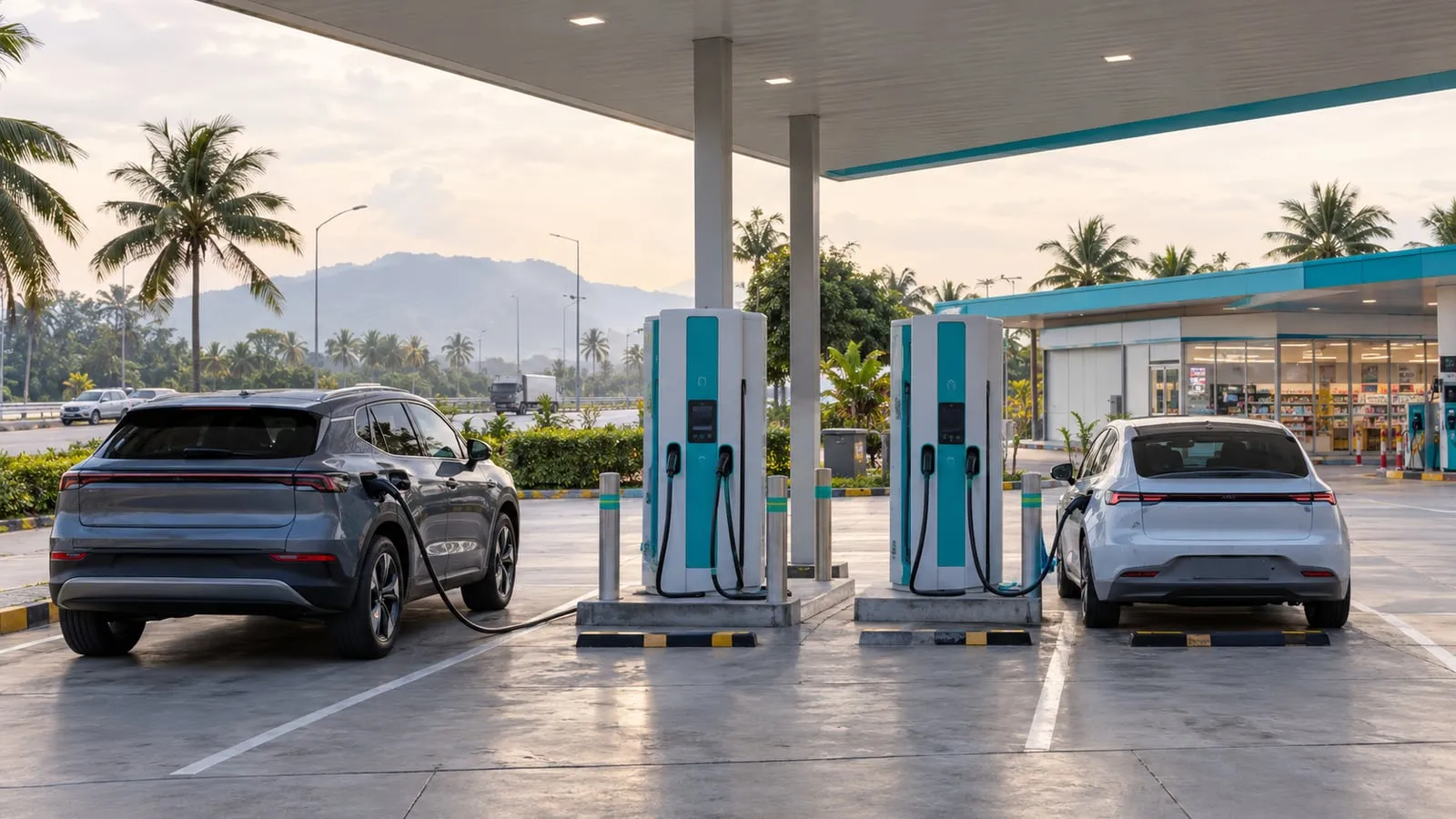
Most countries build AC first and add DC later. Thailand did the opposite: fuel retailers and energy companies put DC chargers on forecourts and highways early, so DC connectors now outnumber AC almost two to one.
For a supplier this means two different buyers. Forecourt and highway operators want high-power DC with strong uptime and payment options. Property owners — condominiums, hotels, offices, villages — are only now adding AC, and they want simple, managed wallboxes and dual-port posts.
Product standards: the move to mandatory TIS
| Standard | Covers | Status |
|---|---|---|
| TIS 62752-2567 (2024) | In-cable control and protection device (IC-CPD) for Mode 2 portable chargers | Draft ministerial regulation notified to WTO, 19 Sep 2025 |
| TIS 61851 Part 1-2567 (2024) | Conductive charging system, general requirements — AC (Mode 3) | Draft ministerial regulation notified to WTO, 19 Sep 2025 |
| TIS 61851 Part 23-2567 (2024) | DC electric vehicle supply equipment (Mode 4) | Draft ministerial regulation notified to WTO, 19 Sep 2025 |
| EV charging cables, AC and DC chargers | Mandatory controlled products | Approved by the Thai Industrial Standards Committee, July 2026 |
The TIS documents follow the IEC 61851 and IEC 62752 series, so a charger tested to the IEC versions is the right starting point. What changes is the paperwork: once the ministerial regulations take effect, a Thai importer must hold a TISI licence for each model, usually based on testing at a recognised laboratory and a factory inspection. Ask your supplier early for the IEC test reports, the CB certificate where available, and dates for a factory audit.
Connecting a site: MEA or PEA
| MEA | PEA | |
|---|---|---|
| Area | Bangkok, Nonthaburi, Samut Prakan | All other provinces |
| Typical home case | Single-phase meter upgrade for a 7 kW charger; three-phase for 11–22 kW | Same approach; check local transformer capacity in rural areas |
| Commercial DC sites | Dedicated transformer; power-quality limits apply | Same; longer lead times possible for new transformers |
The Energy Regulatory Commission sets power-quality rules for connections to the grid, including harmonic limits referenced to IEEE 519 (total harmonic distortion not above 5 %). Ask for the charger’s THD and power-factor data at full and partial load — the utility may ask for it.
BOI incentives for charging stations
The Board of Investment promotes EV charging stations:
| Project size | Incentive |
|---|---|
| At least 40 chargers, at least 25 % DC | 5-year corporate income tax exemption |
| Smaller projects | 3-year corporate income tax exemption |
In April 2022 the BOI also dropped the ISO-certification requirement and allowed promoted projects to receive support from other agencies. Conditions change — check them with the BOI before you plan a project around them.
Climate: heat, monsoon and floods
| Risk | What to specify |
|---|---|
| Hot season heat on open forecourts | Shade canopies; derating curve at your peak temperature |
| Monsoon rain (roughly May to October) | IP54 minimum, IP55 for exposed AC posts |
| Flash flooding in low-lying Bangkok and central plains | Raised plinths for DC cabinets; cable entries and power modules above the local flood level |
| Thunderstorms | Surge protection at the board and in the charger; good earthing |
| Coastal resorts (Phuket, Pattaya, Hua Hin) | C4 corrosion-resistant finish, stainless fixings |
Recommended configurations
| Site | Typical choice |
|---|---|
| Detached houses and villages | 7 kW single-phase or 11–22 kW three-phase wallbox, Type 2 |
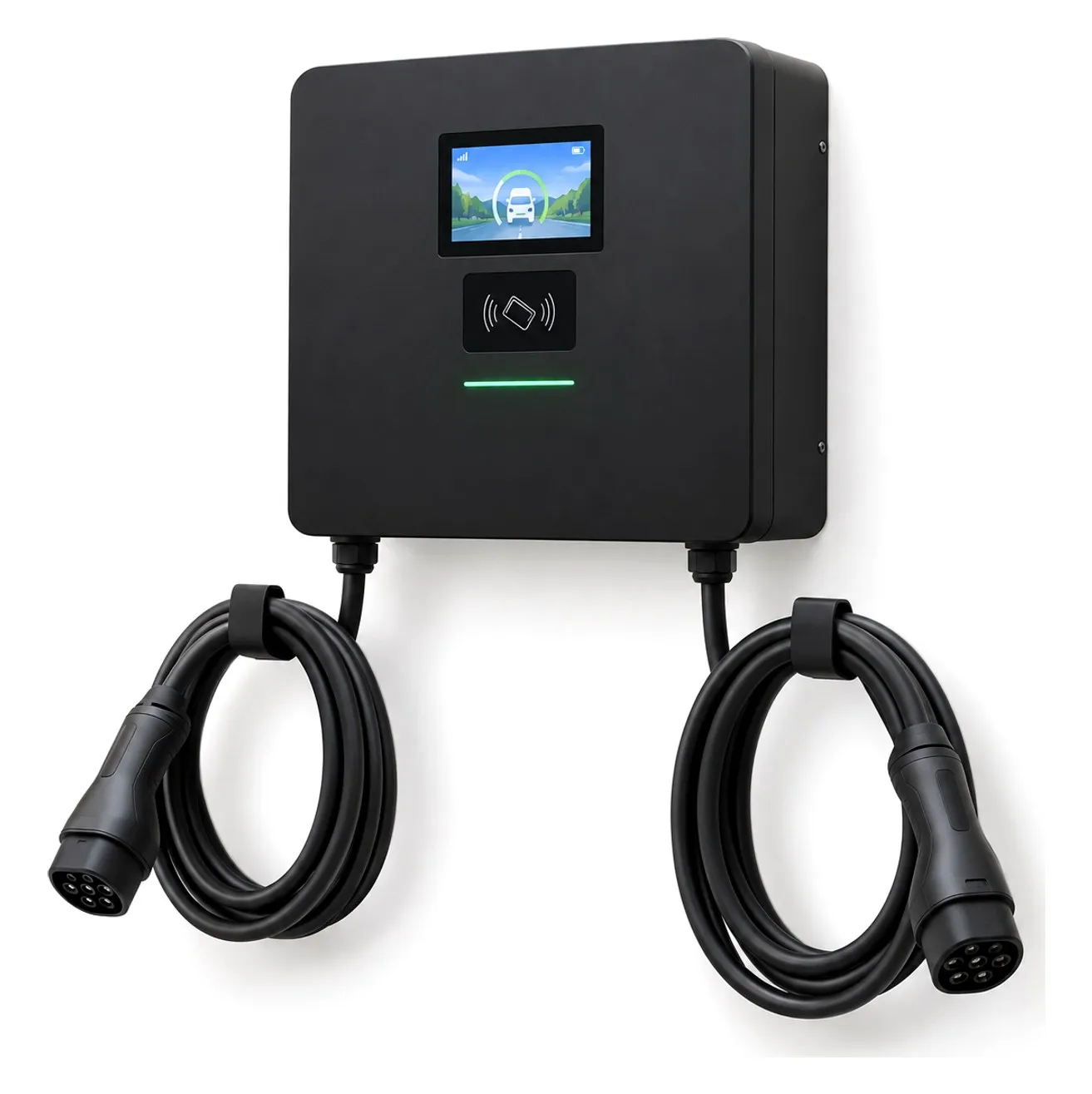
| Condominiums | Dual-port AC wall units or posts with RFID and per-user billing; load management |
| Hotels and resorts | 2 × 7–22 kW dual-port AC for overnight guests; one DC unit for day visitors |
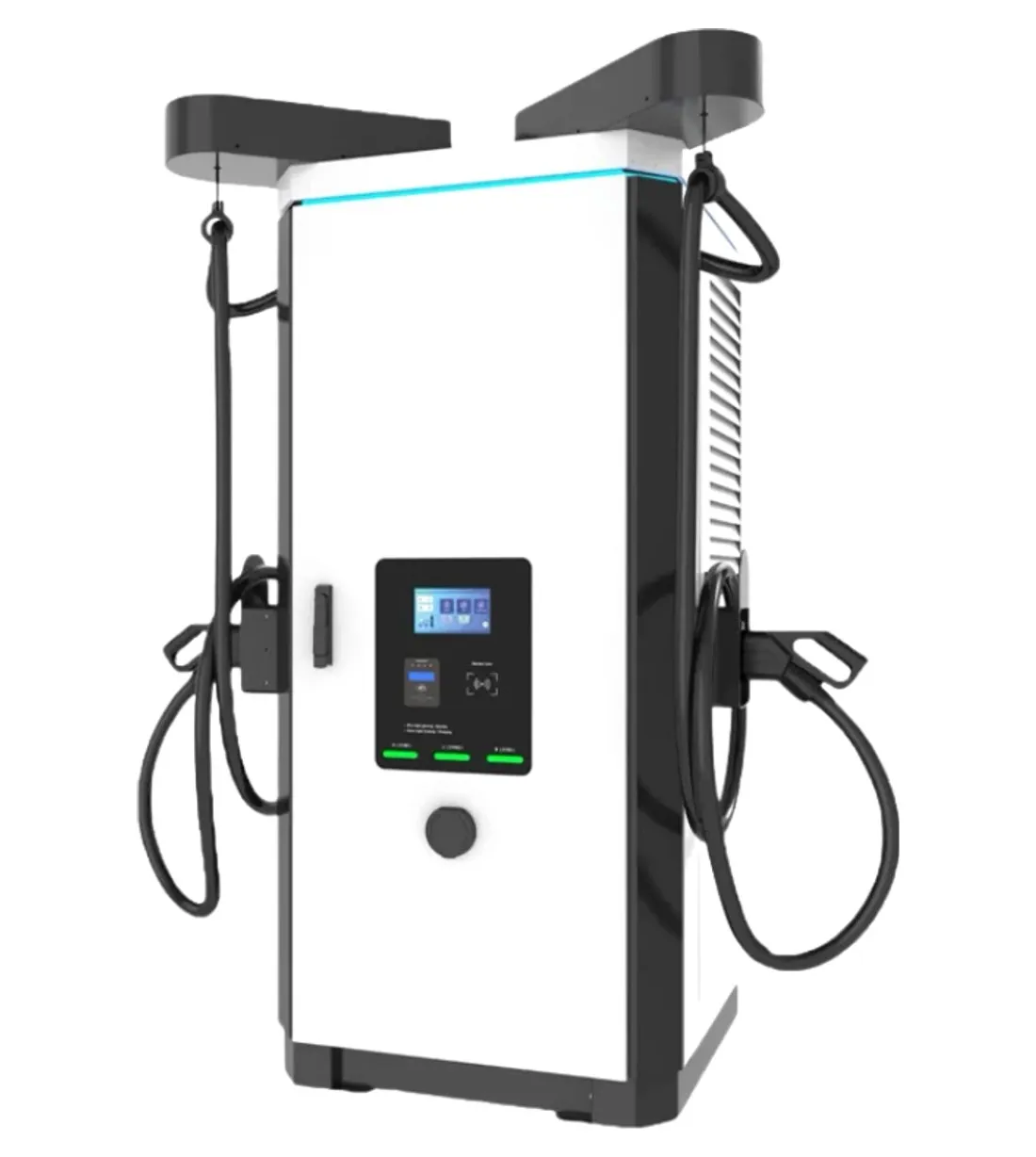
| Fuel stations and highways | 120–180 kW dual-connector DC; compact cabinets on tight forecourts |
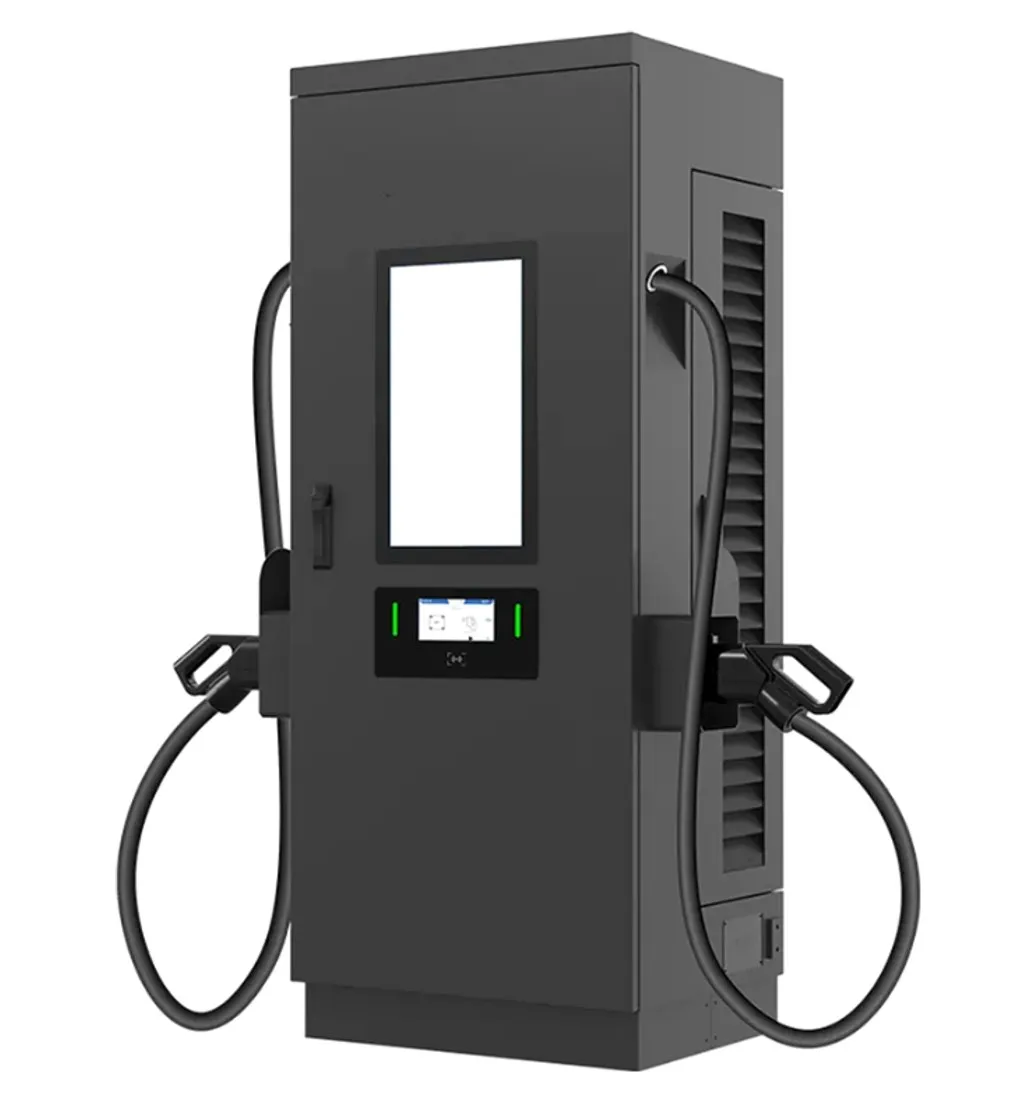
| Malls and city hubs | 60–160 kW DC with advertising screen option, plus AC for long stays |
| Fleets (taxis, ride-hailing, logistics) | 30–60 kW DC wallboxes or 120 kW dual DC at depots |
Where VULTAE fits. Our IEC series run on 230/400 V at 50/60 Hz and operate up to +55 °C: VT-HW wallboxes for homes, VT-CW and VT-CP dual-port AC chargers for condos and hotels, VT-DW DC wallboxes (20–60 kW) for depots, and the VT-DFC compact (120 / 180 kW) and VT-DF (60–300 kW) dual-connector DC chargers for forecourts and highways, with Type 2, CCS2 and CHAdeMO options, OCPP 1.6J / 2.0.1, a 21″ advertising screen option and C4 anti-corrosion finish. TISI licensing is held by the Thai importer for a specific model; we provide IEC test reports, the technical file and support for the factory inspection.
Checklist before you order
- TISI status of the exact model — who holds the licence, and is it in place before the regulation’s effective date?
- MEA or PEA connection: meter upgrade, transformer, and power-quality data (THD, power factor).
- Type 2 and CCS2; CHAdeMO only if your users still need it.
- Flood level at the site and a raised plinth for DC cabinets.
- IP54 or better, surge protection, corrosion class near the coast.
- OCPP 1.6J or 2.0.1, tested with your platform; QR and card payment for public sites.
- BOI promotion: does the project meet the 40-charger and 25 % DC thresholds?
- Local spare parts and trained technicians — see our spare-parts list.
Questions buyers ask
- Do EV chargers need TISI certification in Thailand?
- Thailand is making EV chargers mandatory controlled products under the Thai Industrial Standards: TIS 62752 for Mode 2 cable controllers, TIS 61851-1 for AC charging equipment and TIS 61851-23 for DC chargers. Draft ministerial regulations were notified to the WTO in September 2025, and the Thai Industrial Standards Committee approved the EV charger standards as mandatory in July 2026. Once the regulations take effect, each model needs a TISI licence before it is imported or sold. Confirm the current effective date with TISI or a local certification agent.
- Who do I apply to for a charger connection in Thailand?
- The Metropolitan Electricity Authority (MEA) in Bangkok, Nonthaburi and Samut Prakan, and the Provincial Electricity Authority (PEA) in the rest of the country. For homes, a 7 kW single-phase charger often needs a meter upgrade; commercial DC sites usually need a transformer.
- Which connectors are used in Thailand?
- Type 2 for AC and CCS2 for DC are the standard for new cars and new public chargers. Some older DC sites also offer CHAdeMO.
- How many public chargers does Thailand have?
- According to the Electric Vehicle Association of Thailand, there were 4,817 public charging locations with 14,486 connectors in April 2026: 9,049 DC and 5,437 AC.
- Are there incentives for building charging stations in Thailand?
- Yes. The Board of Investment grants a 5-year corporate income tax exemption to charging-station projects with at least 40 chargers, at least 25 % of them DC, and 3 years to smaller projects. Check current conditions with the BOI before applying.
References
- [1]Thailand — draft ministerial regulations issued for electric vehicle supply equipment. TÜV Rheinland.
- [2]Thai Industrial Standards Committee approves EV standards as mandatory. Thairath.
- [3]BOI approves enhanced incentives for EV charging stations (April 2022). Thailand Board of Investment.
- [4]Thailand EV charging statistics (EVAT data, April 2026). Mitihoon.
- [5]Thailand’s DOEB to establish national standards for EV charging. S&P Global Mobility.
- [6]Thailand EV landscape: how it looks now and what’s on the horizon. Baker McKenzie.