OEM & Private Label
Private-Label EV Chargers: What You Can Customize
What a private-label EV charger project can change — logo, colour, screen, app, firmware, cable, packaging — what stays fixed, and the effect on cost and time.
- Prepared by
- VULTAE Engineering Team
- Published
- Reading time
- 3 min
- Sources
- 2 references
Key takeaways
- 1Customisation comes in levels. Level 1 (branding): logo, colour, packaging, manuals. Level 2 (interface): boot screen, LED colours, app branding, cable and connector choices. Level 3 (engineering): firmware features, back-end integration, housing changes. Each level adds cost, minimum quantity and time.
- 2The safest and fastest project starts from an existing certified model and changes what does not touch safety. Anything that changes electrical design, enclosure or firmware behaviour needs a certification review.
- 3Decide who owns what early: the app, the firmware source or binaries, the cloud accounts, the molds and the artwork. Put it in the contract.
- 4Write a one-page brief first: market and standard, charger type and power, connector and cable, quantity and timing, branding files and back end.
Contents
Short answer: private-label projects come in three levels: branding (logo, colour, packaging), interface (screen, LEDs, app, cable, connector) and engineering (firmware, back end, housing). Start from an existing certified model, change what does not affect safety, and agree ownership of app, firmware and artwork in the contract.
The three levels
| Level | What changes | Typical effect on cost, time and MOQ | Certification impact |
|---|---|---|---|
| 1. Branding | Logo, housing colour and finish, label, packaging, manuals, languages | Lowest | Label and documents; usually small |
| 2. Interface | Boot screen, interface layout, LED colours, branded app and feature set, cable length and connector, holder | Medium | Check firmware and labels |
| 3. Engineering | Housing or mould change, new firmware features, back-end integration, hardware changes | Highest | Test review, possibly new tests |
Customisation options in detail
| Item | Options | Notes |
|---|---|---|
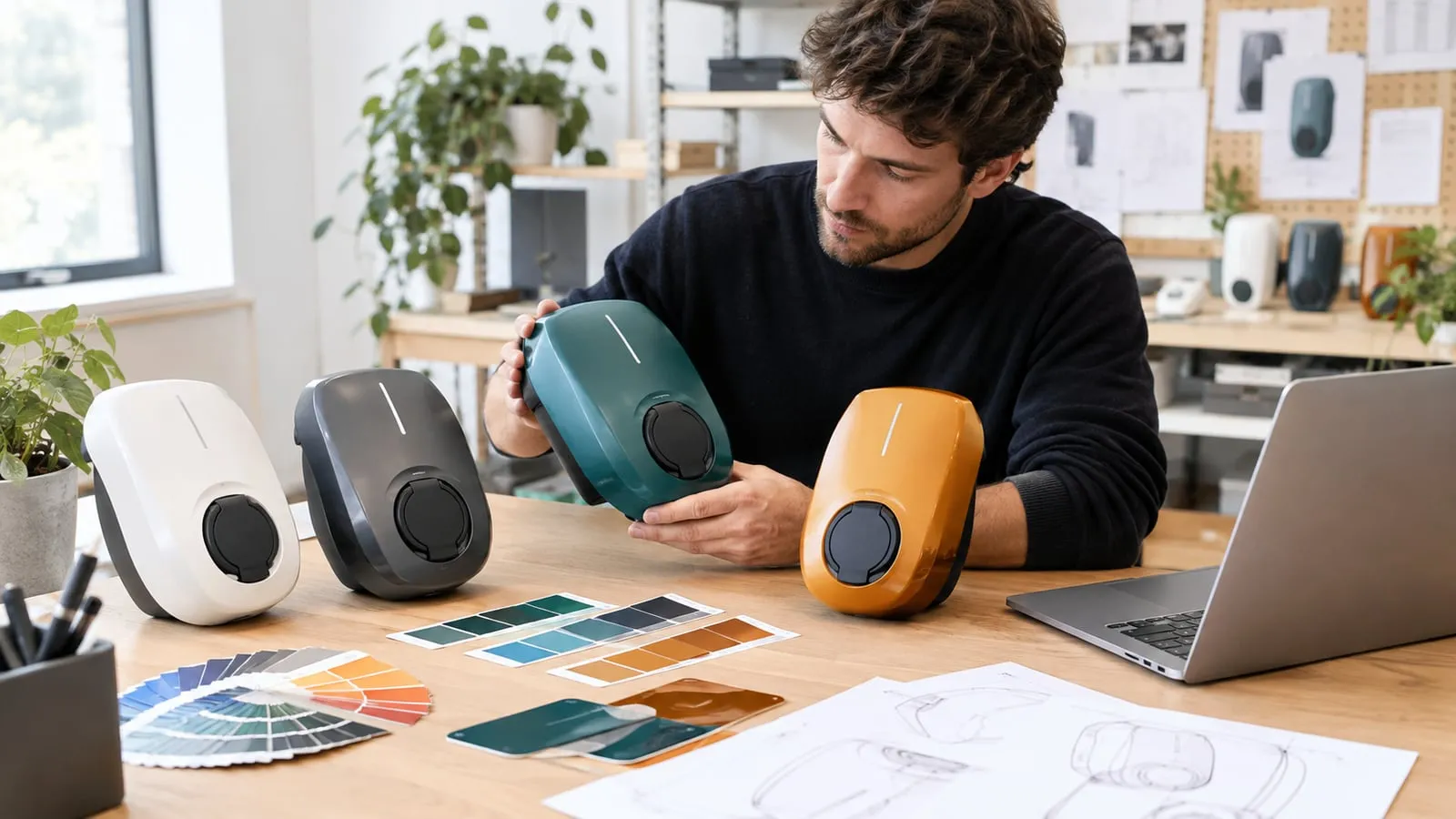
| Housing and colour | Colour, surface finish, logo print or plate | Colour may change minimum order; paint needs UV and corrosion checks |
| Screen and LEDs | Boot screen, menu design, indicator colours | Interface text in your languages |
| App and firmware | Branded app, feature set | See app and firmware ownership |
| Back end | Your OCPP 1.6J / 2.0.1 platform | Test with your CSMS before samples |
| Cable and connector | Length, connector type, holder | Check cable ratings and standards |
| Packaging | Box, manuals, labels, languages | Check market-labelling rules |
| Accessories | Mounting, payment-terminal holder, stands | See accessories |
What is usually fixed
- Safety-critical electrical design — protection, power electronics.
- Certified components — relays, RCD, meter, as listed in the test report.
- Core firmware safety functions — fault handling and protection.
Changing these is possible in an ODM project but means new tests and time. See certification after rebranding.
Project steps
| Step | What happens |
|---|---|
| Brief | Market, standard, power, quantity, branding files, back end |
| Design | Housing, colours, interface, app branding |
| Firmware and back end | Feature set; OCPP integration with your CSMS |
| Samples | Built for your testing and approval — see sample testing |
| Production | Mass production and inspection |
| Delivery and support | Packaging, documentation, warranty |
See also MOQ, lead time and schedule.
The one-page brief
- Target market and standard (IEC or North America).
- Charger type and power range.
- Connector type and cable length.
- Quantity and timing (first order and yearly).
- Branding: logo files, colours, screen and app needs.
- Back end: your OCPP platform and its version.
- Certificates and labels needed in your market.
Pitfalls
- Treating the logo as the whole project. The back end, certificates and after-sales support take more work.
- Unclear ownership. Without a contract clause, you may not control the app or the firmware.
- Changing colour late — samples need approval before moulds or paints are fixed.
- Ignoring local label rules.
VULTAE OEM / ODM
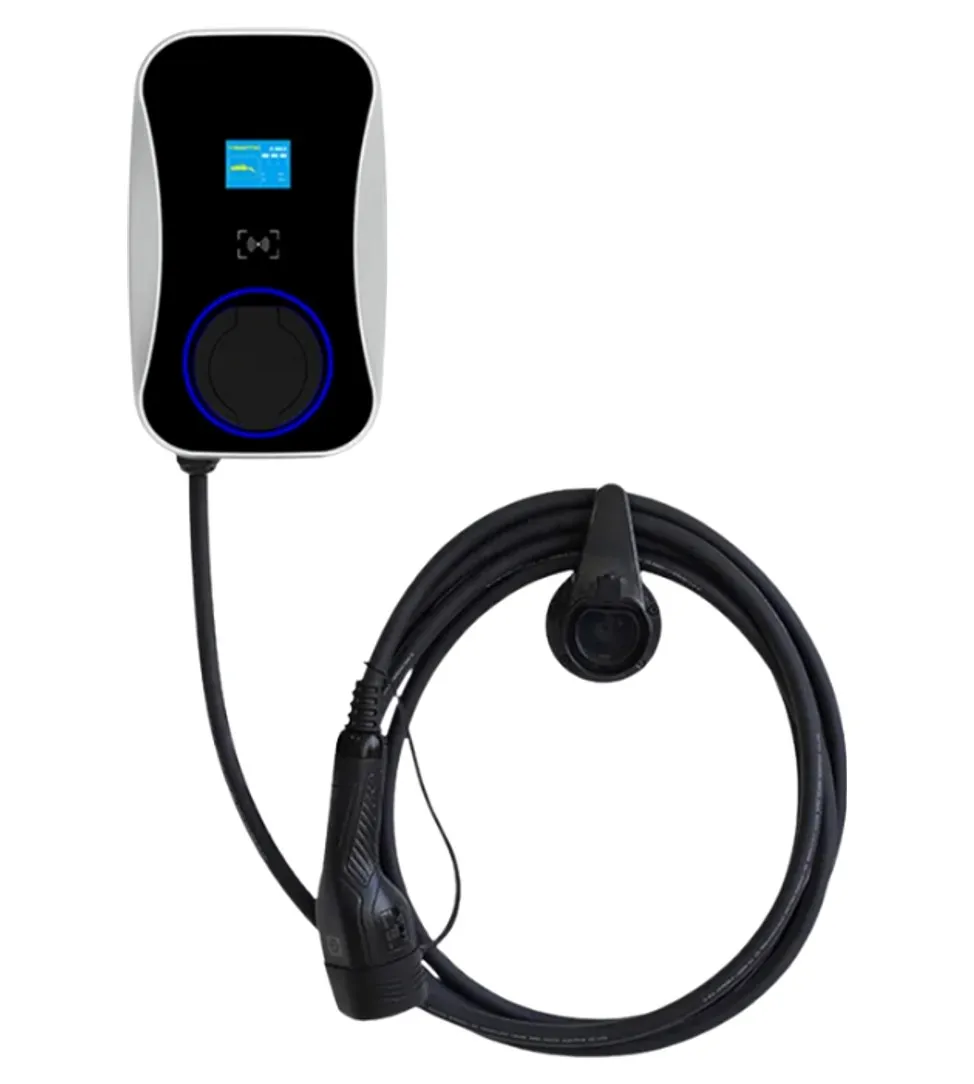
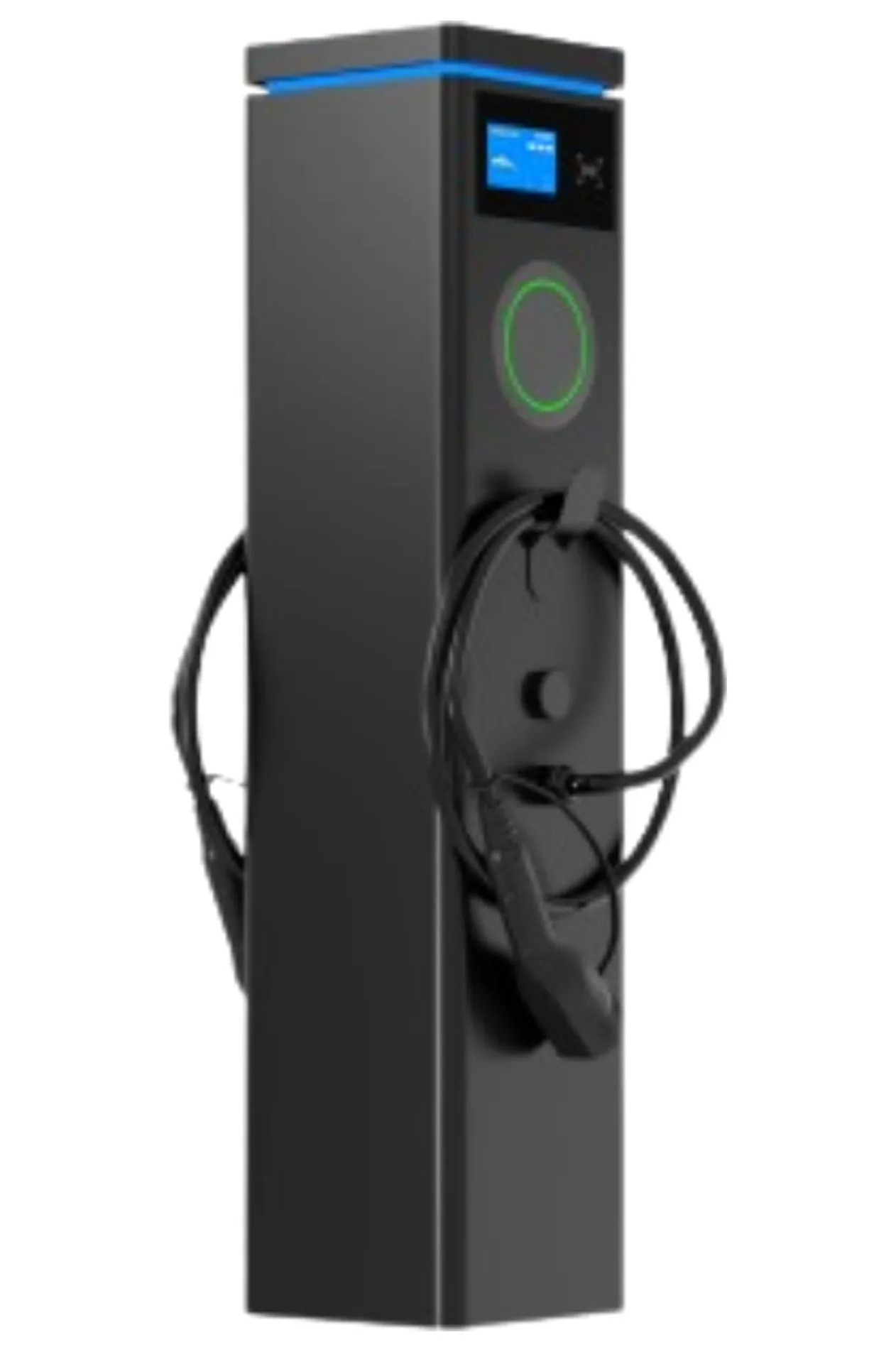
VULTAE builds all product families under customer brands: AC wallboxes, dual-port AC posts, DC wallboxes, DC fast chargers, portable and mobile chargers and accessories, with a two-year warranty. See the OEM / ODM page and send your brief through the contact form.
Questions buyers ask
- What can I customise on a private-label EV charger?
- Typically logo, housing colour and finish, boot screen and interface, LED indicator colours, app and feature set, back end (OCPP), cable length and connector, and packaging with manuals and labels in your languages. Deeper changes to housing or electronics need a design project.
- What is the difference between OEM and ODM?
- OEM means the factory builds an existing model with your branding. ODM means the factory designs or adapts the product to your specification — screen interface, firmware features, app or housing.
- Does customisation affect the certificates?
- Branding changes on the label and packaging usually need documentation updates; changes to the electrical design, enclosure or safety firmware can need new tests. Discuss with the factory and the test lab before you commit.
- What is the minimum order quantity?
- It depends on the level of customisation: a logo and packaging change needs less than a new housing colour or a custom app. Ask for MOQ by level with the quote.
References
- [1]IEC 61851-1:2017 — general requirements. International Electrotechnical Commission.
- [2]Directive 2014/32/EU — Measuring Instruments Directive. EUR-Lex.