AC Charging
Type 2 Socket vs Tethered Cable on an AC Charger
Socket or tethered cable? Compare convenience, cost, safety, public use and maintenance for Type 2 AC chargers, and pick the right one for your site.
- Prepared by
- VULTAE Engineering Team
- Published
- Reading time
- 1 min
- Sources
- —
Key takeaways
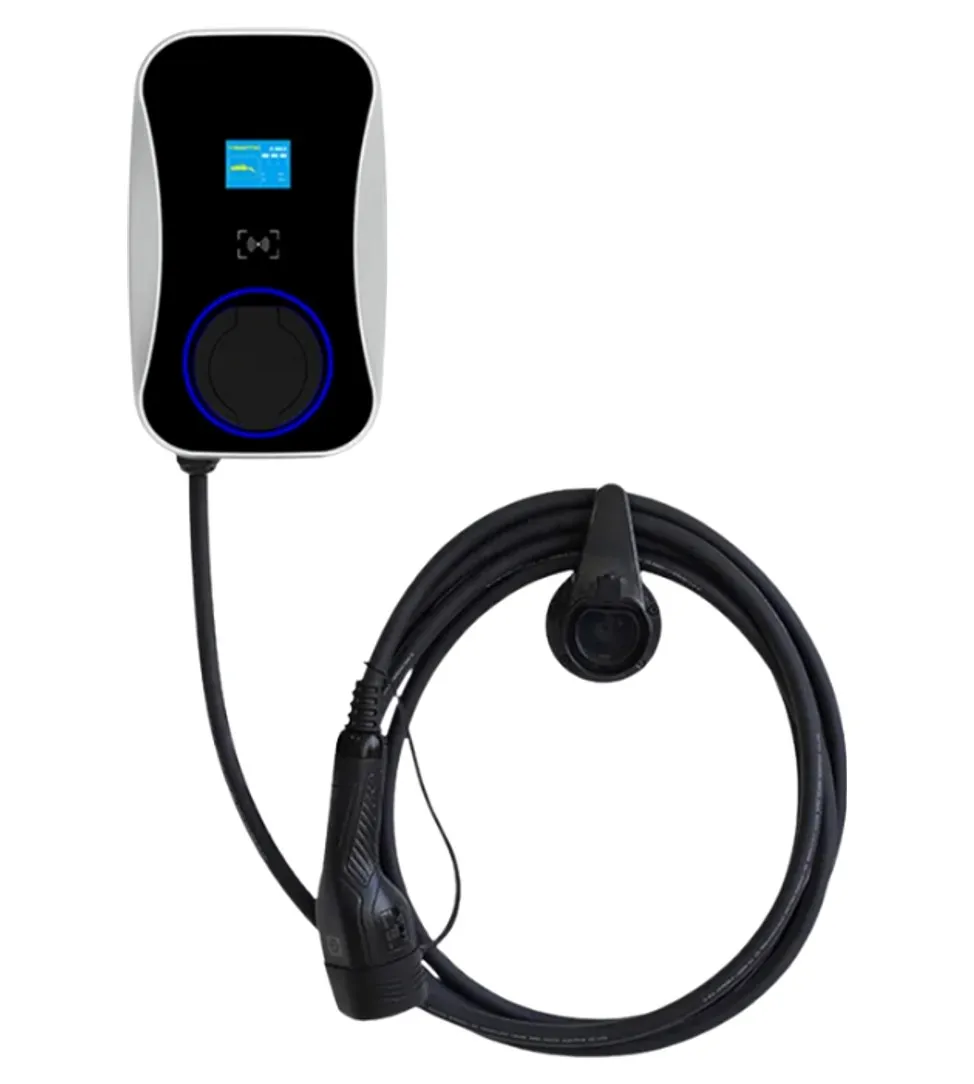
- 1A tethered charger has a fixed cable that is always ready; a socketed charger needs the driver’s own cable. Tethered suits homes and fleets, socketed suits shared and public sites where drivers have different needs.
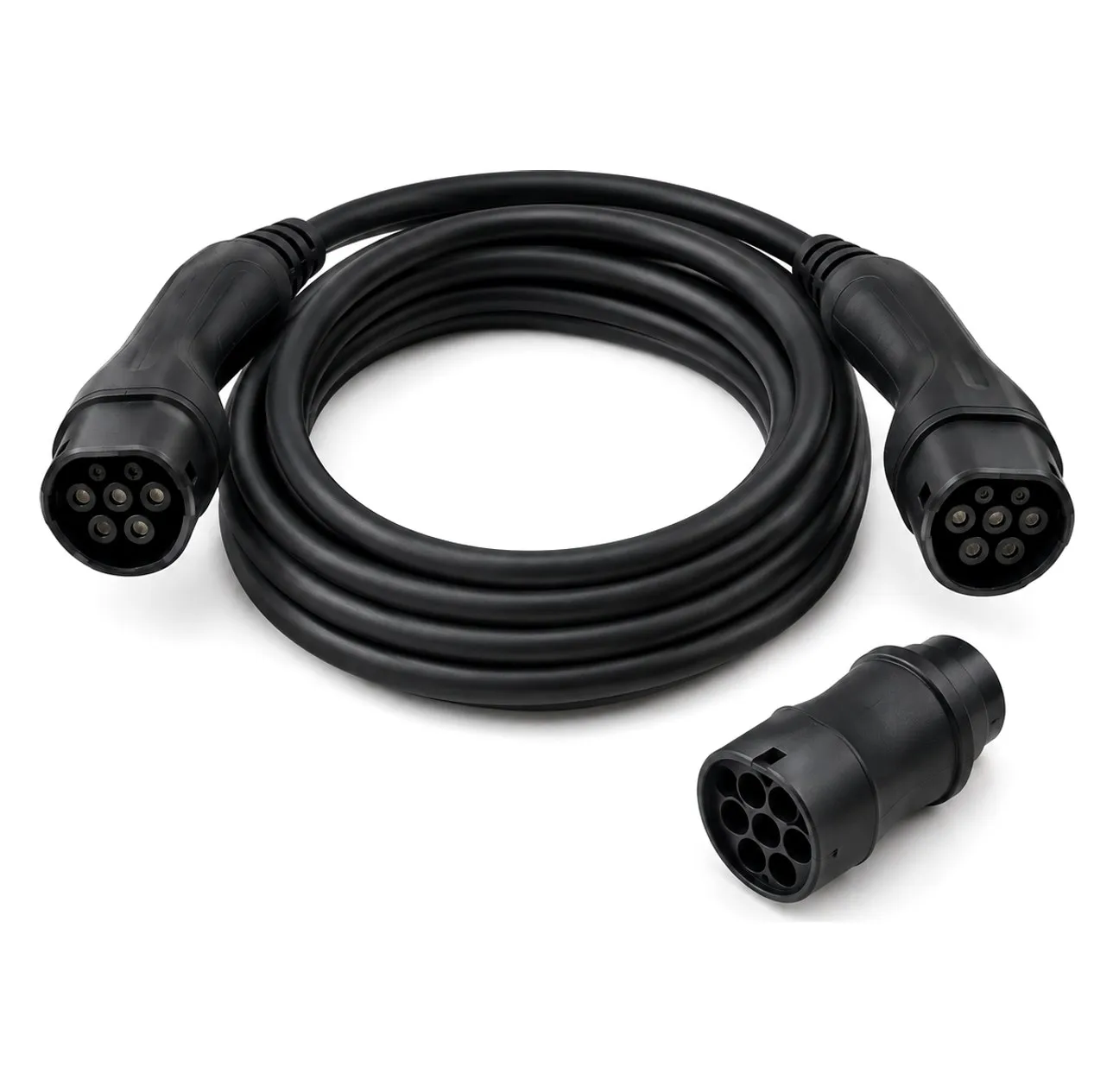
- 2Socketed units have lower hardware cost and no cable to damage or steal, but every user must carry a compatible cable.
- 3Check the rating: socket versions and cable versions can have different IP ratings, and cable length matters at the bay.
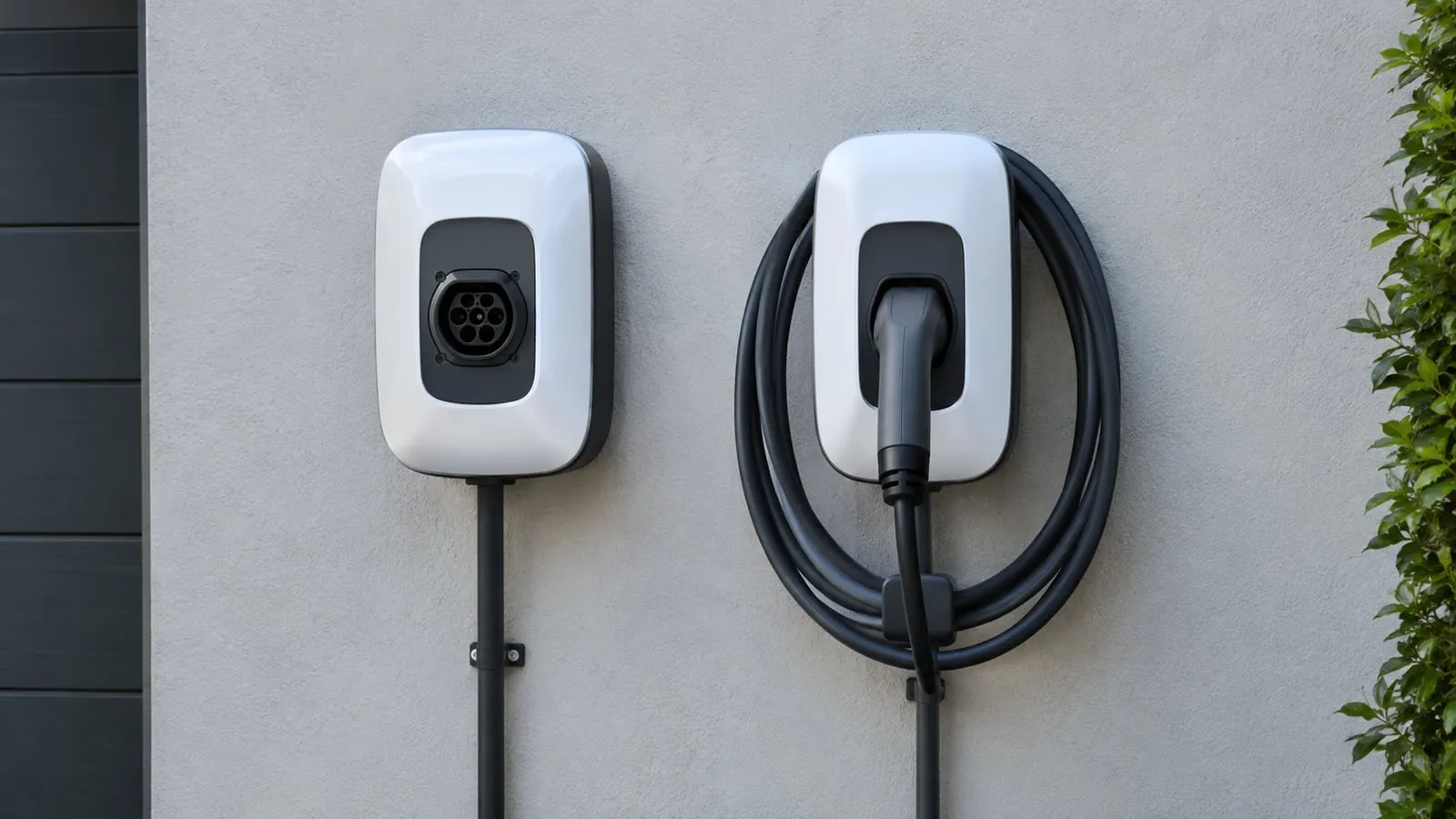
Short answer: choose tethered for homes, offices and fleets where the same vehicles charge every day; choose socketed for shared or public sites where drivers bring their own cables or where cable theft and wear are risks.
Comparison
| Tethered cable | Socket | |
|---|---|---|
| Convenience | High — always ready | Lower — carry your own cable |
| Hardware cost | Higher (cable and holder) | Lower |
| Theft and wear risk | Cable can be damaged or stolen | Lower on the charger; risk moves to drivers |
| Cable length | Fixed | Driver chooses |
| Compatibility | Fixed connector | Driver uses own cable for the car |
| Typical IP rating | Often higher for sealed units | Depends on socket and shutter |
| Best sites | Homes, fleets, offices | Car parks, hotels, shared parking |
What to check before choosing
- Who will use it? One household, a fleet or the public.
- Cable length and reach to the inlet on each car.
- Connector type in your market — see connector types.
- Rating: IP and IK for the version you choose — see IP and IK.
- Maintenance: a tethered cable is a wear item; plan spare cables.
VULTAE versions
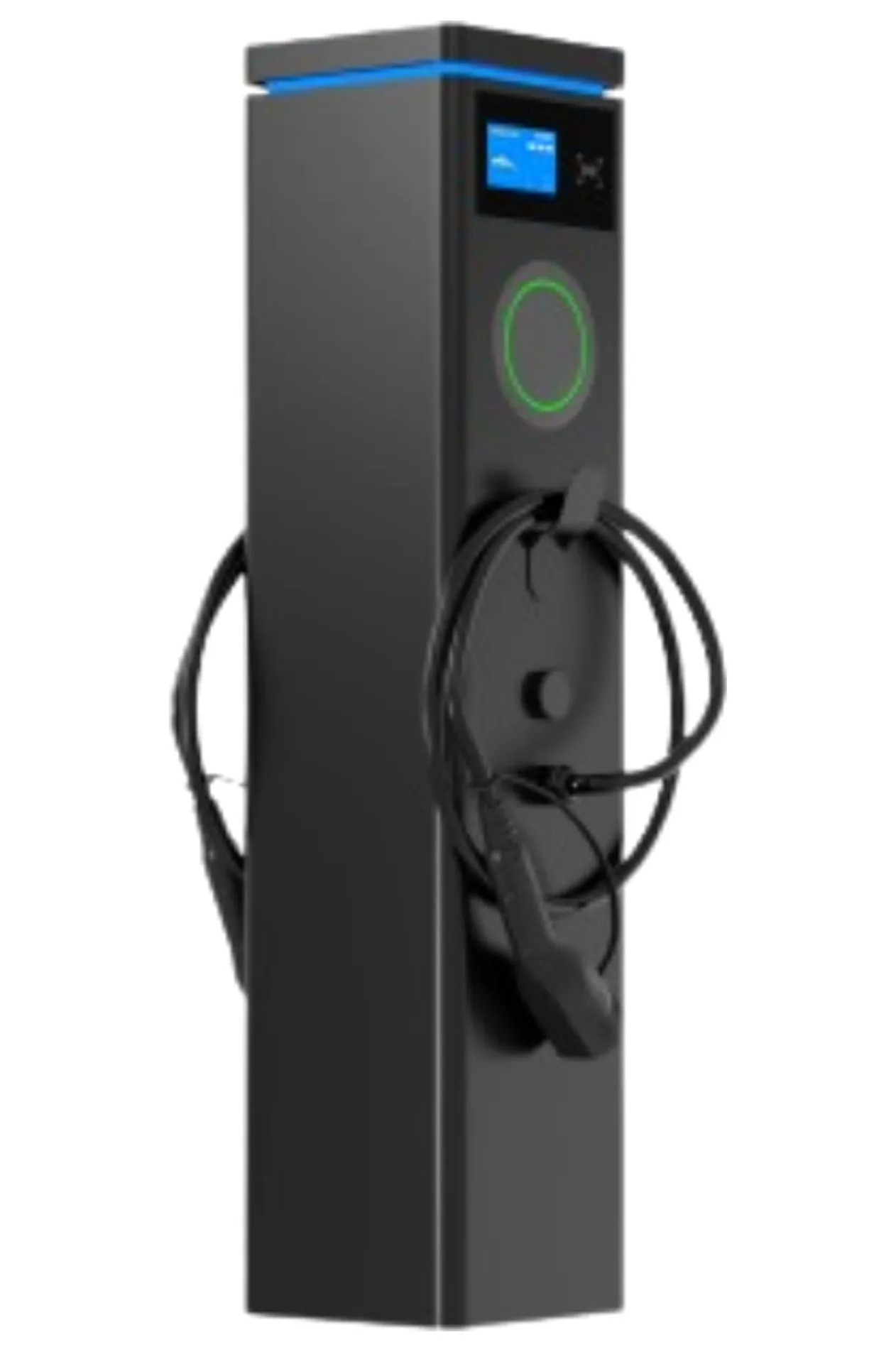
Our wallboxes come as S (socket) or C (tethered cable) versions; socket versions are IP55 and cable versions IP65. See the smart wallbox and Type 2 cables.
Questions buyers ask
- Which is better for a home?
- A tethered cable is usually more convenient, because the cable is always ready. A socket suits homes with several different cars or where the owner already has a cable.
- Which is better for public car parks?
- Socketed chargers avoid cable theft and wear, but users must bring cables. Tethered chargers are easier for drivers but need robust cables and care. The choice depends on local rules and users.
- Can I use a tethered charger with a car that has a different inlet?
- Only with a suitable adapter. Check the cable connector (Type 2 or Type 1) against the car’s inlet.